Seychelles Liveaboard Diving

Liveaboards in Seychelles

from $211 / day

3 of 3 · Seychelles liveaboard routes, seasons & prices

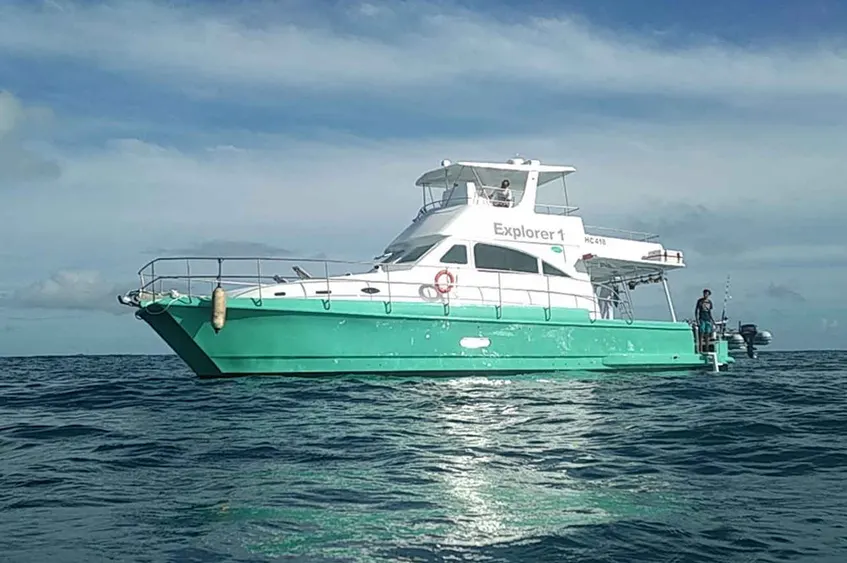
Explorer 1

Unveiling the hidden depths of Seychelles with personalized luxury.

  • Adjustable air conditioning
  • Wi-Fi (except in remote islands)
  • USB outlets

4.8(51 reviews)

6 guestsfrom $522/day
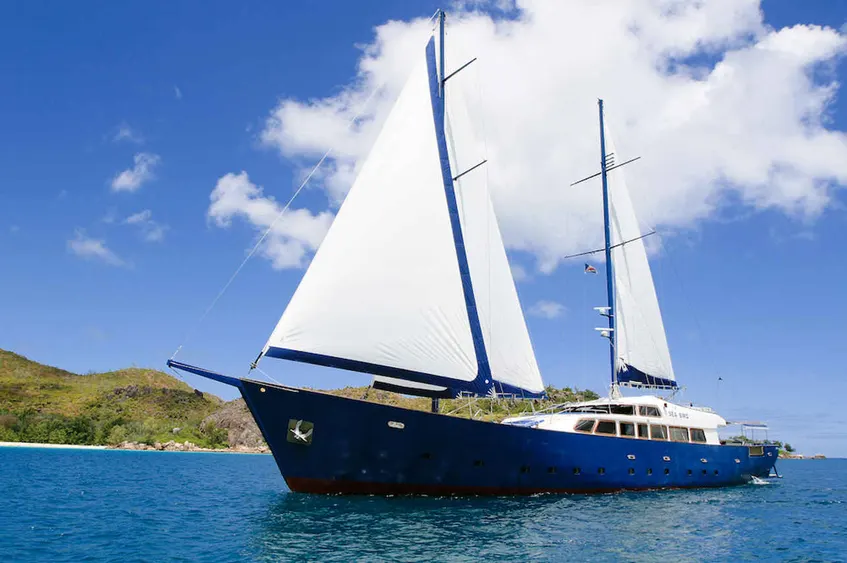
Sea Bird and Sea Star

Explore the Seychelles' underwater wonders and island beauty aboard these traditional sailing yachts.

  • En-Suite bathrooms
  • Aircon Cabins
  • Warm Water Showers

4.3(30 reviews)

18 guestsfrom $287/day
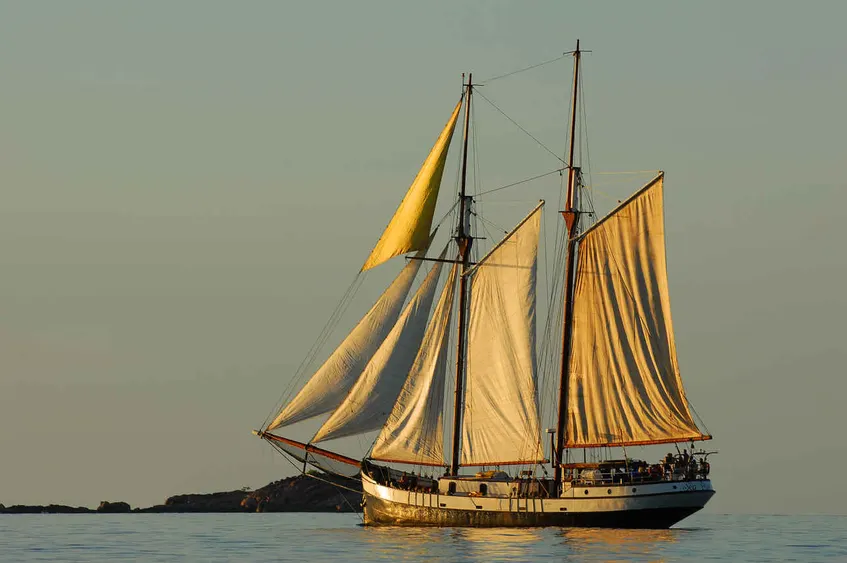
Sea Pearl

Sail the Seychelles on a traditional schooner, blending dive adventures with island exploration.

  • Aircon in cabins
  • Washbasin in cabins
  • TV in salon

4.3(34 reviews)

16 guestsfrom $211/day

Diving in the Indian Ocean: wrecks, walls and whale sharks

The Seychelles, a 115-island archipelago scattered across 1.4 million square kilometers of the western Indian Ocean, combine some of the world's most dramatic granite landscapes above water with a rich underwater realm shaped by the meeting of African and Asian marine biogeography. Unlike the rest of the Indian Ocean, many of these islands sit on the Mascarene Plateau — a submerged microcontinent — giving the inner islands their unique granite boulders both above and below the surface.

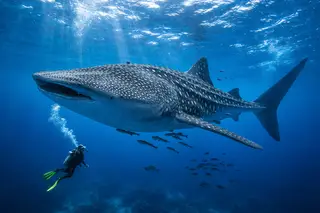
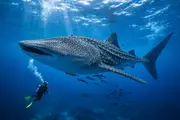
The Inner Islands around Mahé, Praslin, and La Digue offer easy diving among massive granite formations covered in soft corals, gorgonians, and feather stars. Sites like Shark Bank, Brissare Rocks, and L'îlot are home to whitetip reef sharks, eagle rays, schooling batfish, and dense coral fish populations. Whale sharks visit between August and November during the southeast monsoon.

The Outer Islands — including Aldabra, Astove, Cosmoledo, and Alphonse — are reachable only by extended liveaboard expeditions and represent some of the most pristine atolls left on the planet. Aldabra, the world's second-largest coral atoll and a UNESCO World Heritage Site, hosts more than 100,000 giant tortoises and reef systems that see fewer than 500 divers per year. Tiger sharks, manta rays, and dense pelagic action are the rule, not the exception.

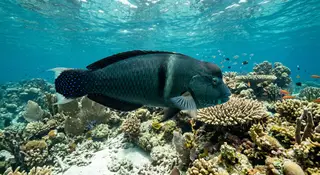
Cosmoledo has been called the "Galapagos of the Indian Ocean" for the sheer density of large marine life. Schooling hammerheads, large groupers, dogtooth tuna, and aggregating bumphead parrotfish gather in numbers that recall historic accounts of Pacific reefs. Strong currents demand experienced divers, but the rewards are unmatched in the region.

Desroches Island and Alphonse provide world-class wall diving with pristine hard coral cover and outstanding visibility frequently above 35 meters. Drift dives along the Desroches Drop offer reef sharks, eagle rays, and Napoleon wrasse, while shallow lagoons shelter green and hawksbill turtle nesting beaches.

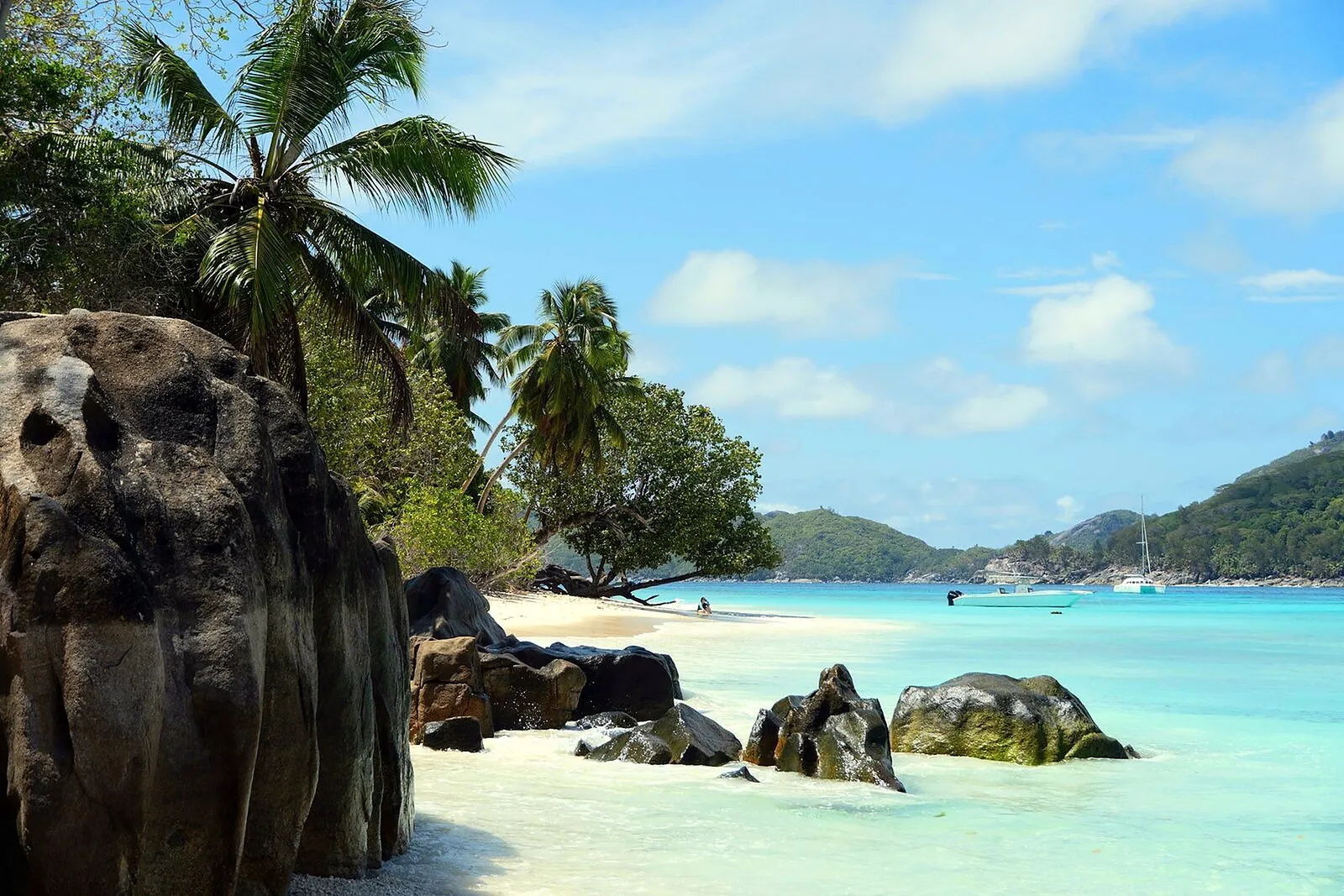
Above water, the Seychelles offer some of the most photographed beaches in the world — Anse Source d'Argent and Anse Lazio routinely top global rankings. Combined with stable water temperatures of 26–29°C, two distinct diving seasons, and strict marine park protection across nearly 30 percent of the country's waters, the Seychelles deliver a true blend of luxury and wilderness diving.
Why dive a liveaboard in Seychelles

From legendary wrecks and thriving reefs to close-up encounters with iconic marine life, this destination offers the experiences divers dream about. Warm, clear waters and well-organized liveaboard routes make it easy to explore the best sites. These are the highlights that keep divers coming back year after year.

Granite seascapes

Unique granite boulder formations underwater

Whale shark season

October to December encounters

Protected marine parks

Strict conservation ensures thriving reefs

Year-round diving

Warm waters 26-30°C all year

Who a liveaboard in the Indian Ocean suits — and who it doesn't

Granite boulder reefs in the inner islands and remote atolls in the outer group — conditions swing hard with the monsoon.

Beginners

Open Water, from about 20 dives, inner islands

Mahé, Praslin and La Digue have shallow granite reefs and short boat rides, best in the calm transition months.

Matching areas:MahéPraslinLa Digue

Advanced divers

Advanced, current and offshore sites

Outer islands such as Alphonse, Desroches and the Amirantes run drop-offs and current, reached by liveaboard or small aircraft.

Matching areas:AlphonseDesrochesAmirantes

Deep and technical

Deep, Nitrox; thin technical support

The Ennerdale wreck off Mahé lies at around 30 metres and outer walls drop deeper, but chamber access is limited to Mahé — plan conservatively.

Matching areas:Ennerdale wreckBrissare RocksAmirantes

Photo and video

Wide-angle: granite scenery and whale sharks

Sculpted granite formations are unique in the Indian Ocean, and whale sharks pass Mahé roughly August to November.

Matching areas:Shark BankMahéAldabra group

Best time to dive in Seychelles

Diving is possible year-round, but conditions are dictated by two monsoon seasons, with the calmest seas and best visibility found in the transition months of March to May and September to November. From November to March, the northwest monsoon brings warm, clear water ideal for Outer Island expeditions. The southeast monsoon from May to September brings cooler, nutrient-rich currents, while the period from August to November is prime whale shark season.

👆 Click any month for detailed conditions
Excellent
Good
Off-Season

Mar – May, Sep – Nov (Transition)

Calmest seas, warmest water, best visibility up to 25m. Whale shark season Oct-Dec. Ideal for all levels.

Dec – Feb & Jun – Aug (Monsoon Seasons)

Dec–Feb (NW Monsoon): warmer but wetter, reduced visibility, interesting macro life. Jun–Aug (SE Monsoon): cooler water, stronger currents, pelagics and manta rays. Both seasons still diveable.

Underwater visibility

27m
(89ft)
18m
(57ft)
8m
(26ft)
Jan
Feb
Mar
Apr
May
Jun
Jul
Aug
Sep
Oct
Nov
Dec

Air & water temperature

33°C 29°C 24°C
29°
30°
29°
30°
29°
31°
30°
31°
29°
30°
27°
28°
26°
27°
26°
27°
27°
28°
28°
29°
29°
30°
29°
30°
Jan
Feb
Mar
Apr
May
Jun
Jul
Aug
Sep
Oct
Nov
Dec
Water
Air (Day)

Recommended wetsuit

3mm
3mm
3mm
3mm
3mm
3mm
5mm
5mm
3mm
3mm
3mm
3mm
Jan
Feb
Mar
Apr
May
Jun
Jul
Aug
Sep
Oct
Nov
Dec
3mm (warm)
5mm (moderate)
Wetsuit Guide

What you'll see diving in the Indian Ocean

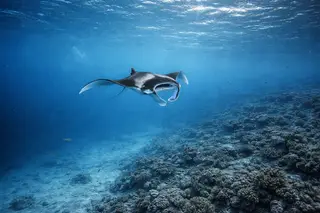
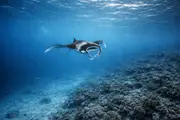
Seychelles' waters host a blend of Indian Ocean species, with regular encounters including abundant green and hawksbill turtles, eagle rays, and whitetip reef sharks. The Inner Islands are famous for seasonal whale shark visits from August to November, while manta rays are common between May and October. Remote atolls like Cosmoledo and Aldabra offer more pelagic action, with schooling hammerheads, tiger sharks, and dense schools of bumphead parrotfish.

When to See What

Use this calendar as a guide: the highlighted months show when your chances are usually best. Wildlife follows its own rhythm, so sightings are never guaranteed — but we hope this makes planning a little easier. The Seychelles' largest marine visitors follow a distinct seasonal rhythm. Whale sharks are reliably seen in the plankton-rich waters of the inner islands between August and November, while manta rays also have a peak season, appearing most frequently from May to October.

Species
Jan
Feb
Mar
Apr
May
Jun
Jul
Aug
Sep
Oct
Nov
Dec
Whale Shark
Whale Shark
Reef Manta Ray
Reef Manta Ray
Coris
Coris
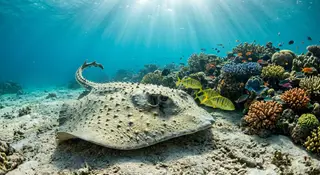
Porcupine Ray
Porcupine Ray
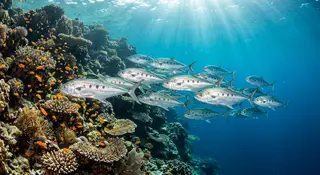
Queenfish
Queenfish
Rabbitfish
Rabbitfish
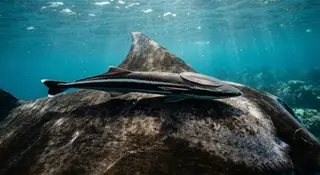
Remora
Remora
Sandbar Shark
Sandbar Shark
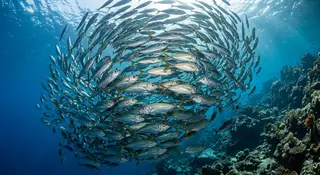
Scad
Scad
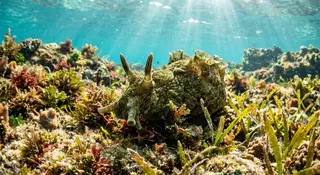
Sea Hare
Sea Hare
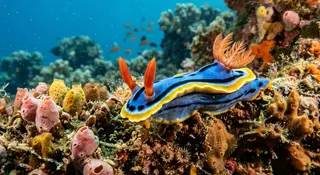
Sea Slug
Sea Slug
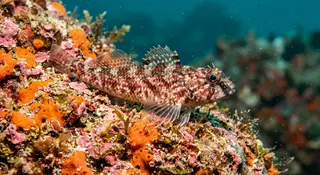
Triplefin
Triplefin
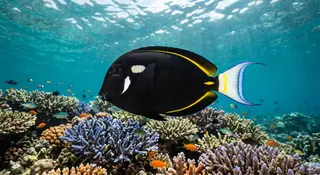
Velvet Surgeonfish
Velvet Surgeonfish
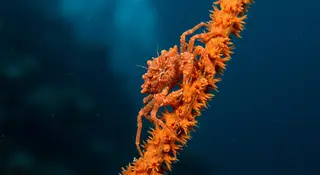
Xenocrab
Xenocrab
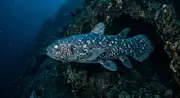
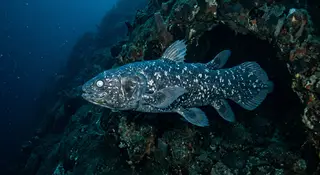
Coelacanth
Coelacanth
Peak Season
Present
Rare/Absent

Shark Bank and Aldabra: the best dive sites in Seychelles

A liveaboard is essential for reaching the Seychelles' most spectacular and remote dive sites, particularly the Outer Islands. Expeditions to the UNESCO World Heritage Site of Aldabra or the "Galapagos of the Indian Ocean," Cosmoledo, are only possible on extended boat trips. Even in the Inner Islands, a liveaboard provides the best access to offshore sites like the granite seamount of Shark Bank and the deep Ennerdale wreck.

1

Sister Bank

Intermediate
1530m / 4998ftBest: April–May, October–November-4.9012°, 55.0534°

Sister Bank is a notable dive site situated in the Inner Islands of Seychelles, specifically near Praslin Island. It is widely recognized for its thriving marine biodiversity and impressive coral structures, making it a favored location for divers across various skill levels. This site is conveniently located between Praslin and the Sister Islands, often included in liveaboard itineraries exploring the region. The underwater topography at Sister Bank is characterized by striking rock formations and natural swim-throughs, creating diverse habitats for marine species. Depths at the site reach a maximum of 30 meters, with visibility typically ranging from 15 to 30 meters, allowing for excellent appreciation of the submerged landscape. The area is home to an array of reef fish and larger pelagic species. Divers frequently encounter shoals of snapper and the rare Armitage angelfish seeking shelter within the formations. Other common sightings include shoaling bumphead parrotfish, fusiliers, Hawksbill turtles, clown triggerfish, barracudas, and occasional grey reef sharks. Diving at Sister Bank is typically a boat entry and is often enjoyed as a drift dive due to the mild currents. The site's conditions, including good visibility and warm water temperatures, contribute to a comfortable and rewarding dive, though an intermediate certification is recommended to fully appreciate its features.

Dramatic rock formationsNatural swim-throughsRare Armitage angelfishShoaling bumphead parrotfishHawksbill turtlesBarracudas and reef sharksVibrant coral gardensExcellent visibility
2

Whale Rock

ReefIntermediate
1525m / 4982ftBest: April–November, April–May-4.3167°, 55.6833°

Whale Rock, located in La Rivière Anglaise, Seychelles, is renowned for its unique underwater geology, featuring large granite formations that extend from the surface to depths of 18 meters, creating an intricate landscape of arches, corridors, and swim-throughs. This site is particularly notable for its impressive boulder structures, some resembling a surfacing whale, and provides shelter for a rich diversity of marine life. The topography consists primarily of granite boulders stacked together, forming natural passages and sheltered areas. Coral patches thrive amidst these formations, adding vibrant color and supporting a healthy reef ecosystem. Divers explore depths typically ranging from 15 to 25 meters, navigating through these unique rock structures. While species like green and hawksbill turtles, moray eels, lionfish, and various reef sharks are commonly sighted year-round, Whale Rock is also a popular location for encountering whale sharks during their migratory season, usually between September and November. Other pelagic species, attracted by the currents, can also make appearances. Diving Whale Rock is primarily a boat dive and is considered suitable for intermediate divers, though it can be beginner-friendly given its maximum depth and manageable conditions. The site's unique features also make it ideal for night dives, when the corals and hidden creatures come alive.

Massive granite formationsUnderwater archways and swim-throughsWhale shark sightings (seasonal)Diverse reef fishGreen and hawksbill turtlesVibrant coral patchesNight diving potential
3

Napoleon

ReefIntermediate
830m / 2698ftBest: March–May, September–November-7.3075°, 52.7093°

Napoleon is a renowned dive site located off Alphonse Island in the Seychelles, celebrated for its rich biodiversity and stunning underwater topography. It stands out among the Outer Islands' diverse dive offerings, which are characterized by largely uninhabited coral atolls and reef islands. This site is particularly valued for its vibrant soft coral gardens that thrive in the nutrient-rich waters. The underwater landscape of Napoleon is teeming with various fish species, making it a lively and visually captivating dive. Divers can expect to see an impressive quantity of marine life navigating through the colorful corals. While the Outer Islands generally feature big drop-offs, walls, pinnacles, caves, and canyons, Napoleon specifically highlights flourishing soft corals. The site also presents opportunities for macro photography, showcasing smaller, intricate marine creatures alongside the larger pelagics. Encounters with manta rays are a notable highlight, adding to the allure for divers seeking diverse marine experiences. Visiting Napoleon typically involves liveaboard access, as it is situated within the more remote Outer Islands, offering a pristine and peaceful dive environment.

Vibrant soft coral gardensAbundant fish lifeMacro photography opportunitiesManta ray encountersOuter Island dive experiencePristine dive environment
4
2840m / 92131ftBest: March–May, October–November-4.8042°, 55.0294°

The Aldebaran Wreck, a 28-meter (92-foot) fishing vessel, was intentionally sunk on July 11, 2008, by the Seychelles Tourism Board to create an artificial reef. This intact wreck sits upright on the seabed, providing a captivating and photogenic underwater structure that has since become a thriving ecosystem. Located off Mahé, it is accessible to liveaboards and day boats from areas like Beau Vallon. Diving the Aldebaran means exploring depths ranging from 28 to 40 meters (92-131 feet), making it suitable for experienced or advanced divers due to its considerable depth. The wreck's structure features a well-preserved hull that attracts a wide array of species, offering numerous points of interest for exploration. While the wreck is a year-round dive, optimal conditions with exceptional visibility often occur from March to May and October to November. During these periods, you can expect to encounter frequent schools of fish, moray eels, and groupers, with seasonal sightings of larger pelagics such as stingrays, giant groupers, and guitar sharks. The coral growth on the wreck continues to evolve, enhancing its biodiversity. This dive presents an opportunity to witness a deliberately created habitat flourishing with life. Its intact nature and the richness of its marine inhabitants establish the Aldebaran as one of the most magnificent wreck dives in the Seychelles, requiring careful dive planning due to its depth and potential moderate currents.

Intact 28m fishing vessel wreckDeliberately sunk artificial reefThriving marine life habitatGuitar shark and goliath grouper sightingsPhotographer's favorite wreckUpright position on seabedAccessible from MahéHome to schooling batfish and snappers

Bucket-list dives worth booking early

A Seychelles liveaboard trip is defined by experiences found nowhere else, from diving among the massive, soft-coral-draped granite boulders around Praslin to snorkeling with whale sharks near Mahé between August and November. The ultimate bucket-list item is an expedition to Aldabra Atoll, a UNESCO site where you can dive pristine reefs and walk among the world's largest population of giant tortoises.

Underwater view of the dive site Giant Tortoise Encounters in the Seychelles
1
March – May

Aldabra Atoll

Visit Aldabra Atoll, home to over 100,000 Aldabra giant tortoises – the world's largest population and a UNESCO World Heritage Site of extraordinary importance.

Read more
Underwater view of the dive site Whale Shark Season in the Seychelles
2
August – November

Mahé

Snorkel with whale sharks during their seasonal visits to the granite islands of the Seychelles, attracted by nutrient-rich waters and plankton blooms.

Read more
Underwater view of the dive site Granite Boulder Diving in the Seychelles
3
Year-round

Praslin

Dive among massive underwater granite boulders draped in soft coral and sponges, creating unique swim-throughs and caverns found nowhere else.

Read more

Above water: climate, shore trips and extra costs

Beyond diving, the Seychelles offers iconic topside experiences that pair perfectly with a liveaboard trip. You can visit some of the world's most photographed beaches, like Anse Source d'Argent on La Digue, with its signature granite boulders. On Praslin, explore the prehistoric Vallée de Mai palm forest, a UNESCO site, or take a nature walk on Curieuse Island to meet free-roaming giant tortoises.

Anse Source d'Argent Beach

Anse Source d'Argent Beach

The world's most photographed beach on La Digue—dramatic granite boulders framing turquoise water and powder-white sand.

Vallée de Mai (Praslin)

Vallée de Mai (Praslin)

UNESCO World Heritage palm forest home to the famous coco de mer—the world's largest seed. A prehistoric landscape.

Giant Tortoise Sanctuary

Giant Tortoise Sanctuary

Visit Curieuse Island to meet the free-roaming Aldabra giant tortoises and learn about conservation efforts.

Island Hopping by Catamaran

Island Hopping by Catamaran

Sail between Mahé, Praslin, and La Digue, stopping at secluded beaches and snorkeling spots along the way.

What a liveaboard in Seychelles costs

The calendar below shows how liveaboard prices shift month by month, so you can see exactly when your money goes furthest. We want every diver to get the best possible value, which is why we highlight the seasons that balance great conditions with the fairest rates.

The Seychelles is a premium liveaboard destination, and costs are generally higher than in many other diving regions. The primary factor influencing price is the itinerary, with 7-night Inner Island trips on sailing catamarans being more affordable. Long-range, expedition-style voyages to remote Outer Islands like Aldabra and Cosmoledo are significantly more expensive due to their duration and logistical complexity.

$211–$522

per day liveaboard

$70–$130

per 2-tank dive trip

$80–$500

hotel per night

Prices reflect typical costs for mid-range to premium options. Budget alternatives may be available.

Getting to Mahé: flights and transfers

Accessing your liveaboard is straightforward, with most travelers flying into Seychelles International Airport (SEZ) on Mahé, which has direct flights from Europe and the Middle East. Liveaboards depart from Victoria harbour, a short transfer away from the airport. No visa is required for any nationality; a free visitor's permit is issued on arrival, though you must show proof of onward travel and accommodation.

Insider tips

📅

Visit during shoulder seasons (May/October) for better rates

🏨

Book guesthouses instead of resorts for 50-70% savings

🍽️

Eat at local takeaway spots for authentic cuisine at low prices

💡

Use public ferries between islands instead of private transfers

🤿

Consider Mahé-based diving which is cheaper than outer islands

🏨

Book dive packages with accommodation for better value

Getting there

Seychelles International Airport

MahéSEZ

Main gateway with direct flights from Dubai, Doha, Abu Dhabi, Addis Ababa, Paris, Frankfurt, and London

Entry requirements

No visa required for any nationality. A free visitor's permit is issued on arrival for up to 3 months. Passport must be valid for the duration of stay. Proof of onward travel and accommodation required.

This information is provided without guarantee. Please visit the official website for the latest entry requirements.

Official Immigration Information →

Frequently asked questions about Seychelles liveaboards

How much should I budget for a Seychelles liveaboard in 2026?
Prices for a 2026 Seychelles liveaboard vary widely depending on the itinerary and time of year. Trips to the exclusive Outer Islands command a premium due to their remoteness and trip length, while Inner Islands itineraries can be more accessible. We recommend booking early to secure the best rates for your chosen dates.
When is the best season for a Seychelles liveaboard diving trip?
The best time depends on what you want to experience! For the chance to dive with whale sharks, plan your trip between August and November. If you prefer warmer water and calmer surface conditions, the period from November to April is ideal, though you may encounter stronger currents on some western sites.
What marine life can I expect to see on a Seychelles liveaboard?
Seychelles is a pelagic paradise, especially in the remote Outer Islands where you'll explore untouched walls and dramatic drop-offs. Besides the vibrant reef life, you can expect thrilling encounters with large marine animals, and from August to November, you're in the prime season for spotting majestic whale sharks.
Do I need an advanced certification for a Seychelles liveaboard?
While some Inner Islands itineraries are suitable for all levels, many Seychelles liveaboards, particularly those exploring the Outer Islands, are better for advanced divers. The diving often involves deep walls, drop-offs, and potentially strong currents, so being experienced and comfortable in these conditions is highly recommended.
Where do liveaboards in Seychelles typically depart from?
The majority of Seychelles liveaboards begin their journey from the main island of Mahé, which is also where the international airport is located. Your specific departure port and marina details will always be confirmed with your booking, ensuring a smooth start to your diving adventure.
What should I pack for my Seychelles liveaboard trip?
A 3mm wetsuit is perfect for the water temperatures, and don't forget your dive torch, an SMB, and a reef hook for sites with current. Onboard, you'll need a UK-style (Type G) power adapter, and it's wise to pack any spare gear you might need, as trips to the Outer Islands are very remote.
Are there any specific health or safety concerns for a Seychelles diving trip?
Seychelles is a very safe destination for divers, and you'll be glad to know it is not a malaria-risk area, so no special medication is required. As with any dive trip, ensure you have comprehensive dive insurance and follow all safety briefings from your professional crew.

Seychelles compared with other liveaboard destinations

Honest, in-depth comparisons to help you decide between destinations, certifications, equipment and dive styles.

Liveaboard vs Land-Based Diving: Which Trip Is Right for You?

Choosing between a liveaboard and a land-based dive trip is the most fundamental decision divers face when planning a serious diving holiday. The right answer depends on your priorities: maximum dive count and access to remote sites favor liveaboards; beach time, family flexibility and lower cost favor land-based resorts. Both formats have evolved significantly in the last decade, and the line between them has blurred — luxury dive resorts now offer multi-day expedition trips, while many liveaboards include topside excursions and even spa days. This guide compares the two formats across every meaningful dimension: cost per day, dives per day, marine life access, comfort, social dynamics, family-friendliness, and travel logistics. We'll also cover the hybrid models (resort + day-charter, or 'safari boat' itineraries) that try to capture the best of both worlds. If you're certified, in love with diving and want to maximize bottom time, a liveaboard is almost always the better choice — you can clock 25+ dives in a week and reach sites no day boat can. If you're traveling with non-divers, prefer land-based comfort, or want flexibility to take days off, a resort wins. We'll get into all the nuances below.

Read comparison

Seychelles vs Madagascar: Liveaboard Diving Showdown

Choosing between the Seychelles and Madagascar for your next liveaboard adventure presents a delightful dilemma for any discerning diver. Both Indian Ocean gems promise unparalleled underwater experiences, yet they offer distinct flavors of marine biodiversity, dive conditions, and overall travel ambiance. The Seychelles, a classic luxury destination, is renowned for its pristine granite formations, vibrant coral gardens, and a consistent parade of pelagic life. Its established liveaboard infrastructure caters to a broad range of preferences, from comfortable budget-friendly options to opulent luxury yachts. Madagascar, on the other hand, offers a more rugged, off-the-beaten-path appeal, blending unique terrestrial biodiversity with largely unexplored dive sites. Its waters are a haven for macro enthusiasts and those seeking encounters with larger migratory species, often in less crowded environments. While the liveaboard fleet might be smaller and more adventurous, the rewards are immense, promising a truly immersive experience both above and below the surface. This side-by-side comparison aims to equip you with the factual insights needed to decide which of these incredible destinations aligns best with your diving aspirations, budget, and desired travel style. Let's dive into the details to uncover the unique allure of each.

Read comparison

Beyond the Limits: Recreational vs. Technical Diving Explained

Scuba diving opens up a breathtaking world hidden just beneath the surface, an activity enjoyed by millions globally. For the vast majority, this means recreational diving. Governed by agencies like PADI and SSI, recreational diving is defined by its limits: no deeper than 40 meters (130 feet), always having a direct path to the surface, and staying within no-decompression limits. This framework allows divers to explore vibrant coral reefs, shipwrecks, and kelp forests with relatively simple equipment and training, focusing on enjoyment and safety within a well-established comfort zone. On the other end of the spectrum lies technical (or tec) diving. Often seen as the 'extreme sport' of the scuba world, tec diving is explicitly about going beyond recreational limits. This means diving deeper than 40 meters, planning for mandatory decompression stops on ascent, or penetrating far into overhead environments like caves or complex wrecks. Agencies such as Technical Diving International (TDI), Global Underwater Explorers (GUE), and PADI's TecRec arm provide the highly specialized training required for these demanding dives. The fundamental difference is one of philosophy. Recreational diving prioritizes risk avoidance by staying within strict, pre-defined boundaries. Technical diving, in contrast, is about risk mitigation. Tec divers intentionally plan to enter situations that would be emergencies for recreational divers, but they do so with extensive training, meticulous planning, redundant equipment systems, and specialized breathing gases. It's a calculated approach to exploring environments that are otherwise inaccessible. This distinction isn't just about numbers and gear; it’s about mindset and motivation. While a recreational diver might be thrilled by the colorful reefs of the Red Sea, a technical diver might be drawn to the challenge of exploring a deep, historic wreck like the Britannic off the coast of Greece. Understanding the differences in limits, equipment, training, and risk is crucial for any diver considering where their underwater journey might lead next.
Read comparison
Plan your trip

Ready to dive?

Explore our expedition vessels and find your perfect trip to Seychelles