
French Polynesia Liveaboard Diving
Divers Alert Network (DAN) logoFree dive insuranceincluded with every booking

Liveaboards in French Polynesia

from $505 / day

2 of 2 · French Polynesia liveaboard routes, seasons & prices

Aqua Tiki III

Explore French Polynesia's underwater wonders aboard a comfortable catamaran with personalized service.

  • Warm Water Showers
  • Independent sound system in each cabin
  • 4K TV in each cabin

4.8(128 reviews)

10 guestsfrom $505/day
Aqua Tiki II

Exclusive boutique sailing and diving adventures for a maximum of eight travelers through French Polynesia.

  • Protected Outdoor Dining Area
  • Bar for Cocktails
  • In-room Media Center (VIP Cabin)

4.6(31 reviews)

8 guestsfrom $580/day

Diving in the South Pacific: wrecks, walls and grey reef sharks

French Polynesia spreads across more than 5 million square kilometers of the South Pacific — an area the size of Western Europe — yet contains only 4,000 square kilometers of land scattered across 118 islands and atolls. This vastness, combined with strict French marine protections and the convergence of warm equatorial and cooler southern currents, has produced some of the densest concentrations of large marine life left on the planet.

Fakarava, a UNESCO Biosphere Reserve in the Tuamotu archipelago, is home to the famous Wall of Sharks at the southern Tumakohua Pass. Between 250 and 700 grey reef sharks gather in the channel year-round, joined by silvertips and whitetips during the June–July grouper spawning aggregations — one of the largest predator gatherings ever filmed underwater. The northern Garuae Pass, the largest in French Polynesia, drifts divers past schooling barracuda, eagle rays, and Napoleon wrasse.

Rangiroa, the world's second-largest atoll, is famous for the Tiputa Pass where bottlenose dolphins surf the incoming tide and play with divers in the current. Hammerhead sharks visit between December and March, and silvertip sharks patrol the deeper edges of the channel year-round. The lagoon itself is so vast that the horizon disappears beyond its inner waters.

Tikehau and Toau, less visited atolls in the Tuamotus, offer manta ray cleaning stations and pristine coral gardens with hard coral cover above 80 percent. These remote sites attract liveaboard expeditions seeking the original Polynesian reef before any human pressure.

The Society Islands — Tahiti, Moorea, and Bora Bora — are better known for their lagoons, but offer remarkable encounters with humpback whales between July and October. Moorea is one of the few places in the world where in-water humpback observation is possible under strict regulation, including witnessing mother-calf pairs and singing males.

The Marquesas Islands, far north and rarely dived, offer a unique encounter with melon-headed whales, tiger sharks, and dense schools of scalloped hammerheads at sites like Ekamako Cave and Hatutu. With water temperatures of 26–29°C, visibility consistently above 30 meters, and Polynesian culture interwoven into every itinerary, French Polynesia offers a diving experience that is as much about the people and the islands as it is about the reef.

Why dive a liveaboard in French Polynesia

From legendary wrecks and thriving reefs to close-up encounters with iconic marine life, this destination offers the experiences divers dream about. Warm, clear waters and well-organized liveaboard routes make it easy to explore the best sites. These are the highlights that keep divers coming back year after year.

Shark wall at Fakarava

Hundreds of grey reef sharks in the world's densest aggregation

Humpback whales

Seasonal whale encounters from July to November

Crystal clarity

Visibility exceeding 40 metres in the Tuamotu atolls

Volcanic landscapes

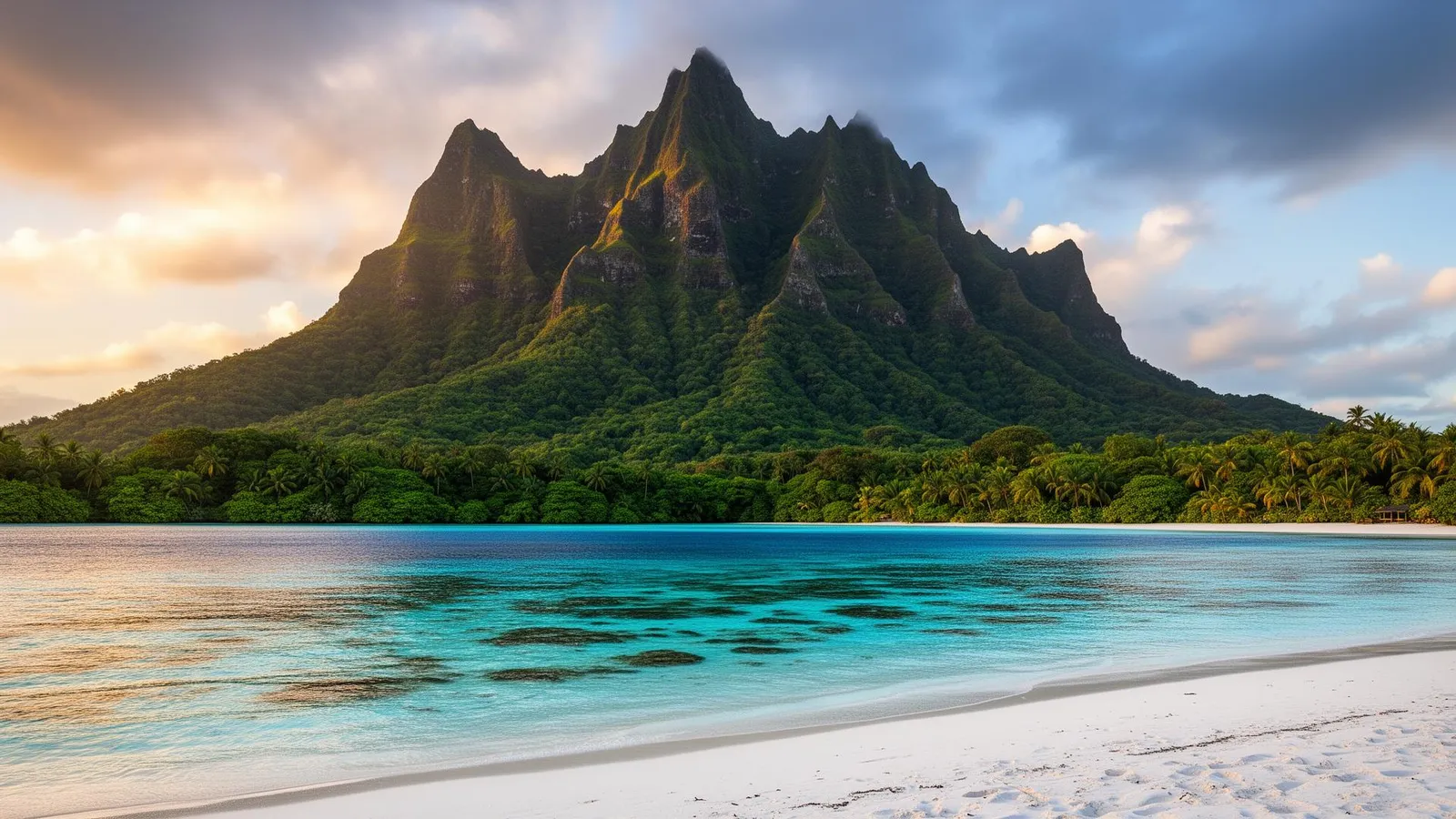
Dramatic peaks of Moorea and Bora Bora above pristine lagoons

Who a liveaboard in the South Pacific suits — and who it doesn't

Polynesian diving is pass diving: Tuamotu atoll channels concentrate sharks in incoming current, and that current sets the level.

Beginners

Open Water, from about 20 dives, lagoon sites

Lagoon dives in Bora Bora, Moorea and Rangiroa’s inner reef are shallow and calm, with ray and blacktip encounters.

Matching areas:MooreaBora BoraRangiroa lagoon

Advanced divers

Advanced, drift and pass diving

Tiputa Pass in Rangiroa and Fakarava’s South Pass run fast incoming drifts with grey reef shark walls; entries are timed strictly to the tide.

Matching areas:Tiputa PassFakarava South PassTumakohua

Deep and technical

Deep, Nitrox; the shark walls sit deep

Fakarava’s wall of sharks is dived around 25 to 35 metres before drifting shallow, and Tahiti has a few deeper wrecks — Nitrox is standard, dedicated technical charters are rare.

Matching areas:Fakarava South PassTiputa PassTahiti wrecks

Photo and video

Wide-angle: shark density and clear water

Hundreds of grey reef sharks in Fakarava, dolphins at Tiputa, and humpback whales off Rurutu and Moorea roughly August to October.

Matching areas:FakaravaRangiroaMoorea

Best time to dive in French Polynesia

Diving is excellent year-round with warm water temperatures between 26-29°C. The dry season from May to October offers the best weather and visibility, with humpback whales visiting from July through November. The warmer, wetter season from November to April sees fewer crowds and is a great time to spot manta rays, while major shark aggregations are at their peak during the dry months.

👆 Click any month for detailed conditions
Excellent
Good
Off-Season

May – Oct (Dry Season)

Best visibility up to 40m. Humpback whales Jul–Nov. Shark wall at Fakarava peaks Jun–Jul (grouper spawning). Ideal conditions.

Feb – Apr & Nov (Transition)

Improving/declining conditions. Still good diving, occasional rain. Fewer tourists, good value.

Dec – Jan (Wet/Cyclone Season)

Peak wet season with reduced visibility, rough seas possible. Cyclone risk. Some operators still run trips to Rangiroa and Fakarava.

Underwater visibility

42m
(138ft)
29m
(95ft)
16m
(52ft)
Jan
Feb
Mar
Apr
May
Jun
Jul
Aug
Sep
Oct
Nov
Dec

Air & water temperature

32°C 28°C 23°C
28°
30°
29°
30°
29°
30°
28°
29°
27°
27°
26°
26°
25°
25°
25°
25°
26°
26°
27°
28°
28°
29°
28°
30°
Jan
Feb
Mar
Apr
May
Jun
Jul
Aug
Sep
Oct
Nov
Dec
Water
Air (Day)

Recommended wetsuit

3mm
3mm
3mm
3mm
3mm
5mm
5mm
5mm
5mm
3mm
3mm
3mm
Jan
Feb
Mar
Apr
May
Jun
Jul
Aug
Sep
Oct
Nov
Dec
3mm (warm)
5mm (moderate)
Wetsuit Guide

What you'll see diving in the South Pacific

Dives in French Polynesia are defined by encounters with big animals, especially sharks. Fakarava is famous for its massive wall of grey reef sharks, while Rangiroa sees hammerheads from December to March. Divers frequently interact with playful bottlenose dolphins in the passes, and from July to October, humpback whales migrate through the waters around Moorea. Manta rays, eagle rays, and turtles are also common sightings on the reef.

When to See What

Use this calendar as a guide: the highlighted months show when your chances are usually best. Wildlife follows its own rhythm, so sightings are never guaranteed — but we hope this makes planning a little easier. The big animal calendar is a major draw, with huge grey reef shark aggregations in Fakarava peaking from June to October, coinciding with the humpback whale season around Moorea. The warmer months from December to March are the prime time for spotting hammerheads in Rangiroa's passes.

Species
Jan
Feb
Mar
Apr
May
Jun
Jul
Aug
Sep
Oct
Nov
Dec
Blacktip Reef Shark
Blacktip Reef Shark
Grey Reef Shark
Grey Reef Shark
Humpback Whale
Humpback Whale
Reef Manta Ray
Reef Manta Ray
Lemon Shark
Lemon Shark
Sea Slug
Sea Slug
Funeral Jorunna
Funeral Jorunna
Hawkfish
Hawkfish
Houndshark
Houndshark
Ladder-finned Pomfret
Leatherjacket
Leatherjacket
Lizardfish
Lizardfish
Longnose Hawkfish
Longnose Hawkfish
Needlefish
Needlefish
Pilotfish
Pilotfish
Peak Season
Present
Rare/Absent

Fakarava South Pass and Tiputa Pass: the best dive sites in French Polynesia

A liveaboard is essential for reaching French Polynesia's legendary atoll passes, which are spread across a vast ocean area. Itineraries focus on the Tuamotu archipelago, including Fakarava's South Pass, a UNESCO Biosphere Reserve famed for its "Wall of Sharks." Boats also visit Rangiroa's Tiputa Pass for high-speed drift dives with dolphins and explore the pristine reefs and manta ray cleaning stations of remote Tikehau and Toau.

1

Maiuru

WallIntermediate
1830m / 5998ftBest: June–July-16.2950°, -145.4540°

Maiuru is a prominent dive site situated on the western side of the expansive Garuae Pass, Fakarava's northern channel, within the UNESCO Biosphere Reserve in French Polynesia. This site features a submerged plateau that gently levels out, transitioning from an outer reef edge into a vibrant hard coral garden at approximately 18 meters depth. It is renowned for its dynamic marine encounters and the impressive topography created by the strong currents. Diving at Maiuru typically involves navigating along this unique underwater landscape, where divers can observe a high density of pelagic species. The site serves as a crucial area for marine life, attracting large schools of fish and various shark species due to its position within the current-swept pass. Visibility is consistently excellent, often exceeding 30 meters, providing clear views of the bustling ecosystem. The hard coral garden hosts a rich variety of smaller creatures like nudibranchs and crabs, providing a contrast to the pelagic action. This blend of abundant reef life and large animal sightings makes Maiuru a highly sought-after destination for experienced divers. The site benefits from the rich waters flowing through the Garuae Pass, ensuring a healthy and thriving underwater environment year-round. Divers can expect a captivating experience, whether focusing on the vibrant coral formations or witnessing the dramatic "wall of sharks" at the drop-off. The strong currents dictate the dive profile, making it an ideal location for drift diving and observation of Fakarava's signature marine spectacle.

Submerged plateau reefOuter pass shark encountersHard coral gardensLarge schools of fishCleaning stations for mantasNudibranch and crab spottingConsistent strong currents
2

Alibaba

OtherIntermediate
530m / 1698ftBest: July–September, June–July-16.2976°, -145.4563°

Alibaba is a renowned drift dive located within the Garuae Pass in northern Fakarava, a UNESCO Biosphere Reserve in the Tuamotu Archipelago. This site is celebrated for its incredible marine biodiversity and unique topography, offering divers a thrilling experience through an underwater canyon. The dive typically starts in open water, where you descend into the path of an incoming current. This current carries you through magnificent canyons covered with vibrant corals, creating a dynamic environment that attracts a massive congregation of marine life. Depths can reach up to 30 meters, with varied terrain that includes reef walls and shallower sections. Alibaba is particularly famous for its abundant shark populations, including grey reef, whitetip reef, and even occasional great hammerhead and tiger sharks. Divers frequently encounter large schools of fish, including snappers, barracudas, and jacks, alongside Napoleon wrasse and manta rays. The site transforms into a 'giant aquarium' filled with life, especially when the current draws marine creatures into the pass. This high-energy drift dive requires strong current and drift-diving competence. It is best experienced during incoming currents, which dictate the dive's flow and the density of marine encounters. Divers must follow their guide closely due to the strong currents and the various gullies within the pass.

Garuae Pass drift diveCanyon topographyAbundant shark populationsGiant aquarium of fishNapoleon wrasse sightingsIncoming current experienceHealthy coral formationsUNESCO Biosphere Reserve
3

Eolienne

Beginner
1022m / 3372ftBest: March–November-16.1405°, -147.6153°

Eolienne is a remarkable dive site in Rangiroa, celebrated as the most intact coral area of Tiputa. It begins with a vibrant coral plateau situated between 10 and 14 meters, leading to a steep, oceanic drop-off that plunges into deeper waters. This site is uniquely designed for a serene drift dive experience, often concluding at 'The Angle' site or continuing into the main pass. Its sheltered location from strong currents makes it exceptionally adaptable for divers across all experience levels, from beginners to advanced. The rich coral structures and abundant fish life create an immersive environment. Divers frequently encounter bottlenose dolphins, grey sharks, and coral sharks within the site, while the deeper blue waters occasionally reveal hammerhead sharks and silky sharks. Schools of diverse tropical fish are a constant presence, adding to the site's allure. The dive offers a tranquil experience compared to the high-energy pass dives, focusing on reef exploration and marine life observation, making it a perfect complement to the more demanding Rangiroa channels.

Pristine coral plateauSteep oceanic drop-offBottlenose dolphin encountersGrey and coral sharksSchools of tropical fishCalm drift diveSuitable for all levels
4
840m / 26131ftBest: April–November, June–July-16.0425°, -147.6673°

Fakarava's North Pass, officially known as Garuae Pass, is a world-renowned drift dive site in the Tuamotu Archipelago of French Polynesia. As the widest pass in French Polynesia, stretching 1,600 meters across, it acts as a natural gate between the ocean and the Fakarava Atoll's inner lagoon. This constant tidal exchange fuels an incredibly rich ecosystem, making it a UNESCO Biosphere Reserve prized for its marine biodiversity, particularly its shark populations and pristine hard corals. The dive typically begins on the outer reef, descending to depths between 25 and 40 meters, where a sandy plain dotted with coral bommies serves as cleaning stations for large pelagic species. Divers then drift with the strong incoming current through the expansive pass. The topography features canyons covered in magnificent corals, leading to areas like Alibaba, a coral depression teeming with fish. While the North Pass is celebrated for its incredible abundance of grey reef sharks, divers also frequently encounter manta rays at cleaning stations throughout the year. Seasonal sightings include hammerhead sharks from November to April. Large schools of barracuda, giant trevally, and Napoleon wrasse patrol the pass walls, complementing the exceptional reef life, including pristine staghorn fields and massive Porites colonies in shallower sections. Eagle ray formations, hawksbill turtles, and schooling jacks are common, with whitetip reef sharks often found resting on the sand. Reachable by boat from Rotoava village, typically a 15 to 25-minute ride, diving in the North Pass is primarily an advanced drift experience. The currents can be powerful, often exceeding three knots, requiring good buoyancy control and drift diving proficiency. Dives are carefully timed with the incoming tide to maximize the drift and marine life encounters, promising an adrenaline-pumping yet immensely rewarding underwater adventure.

Widest pass in French PolynesiaExceptional grey reef shark densitySeasonal hammerhead shark sightingsManta ray cleaning stationsVibrant hard coral gardensAdrenaline-pumping drift divesUNESCO Biosphere ReserveGiant trevally and barracuda schools

Bucket-list dives worth booking early

A trip here is defined by unique, world-class underwater encounters. The ultimate experience is descending into Fakarava's south pass to witness the legendary wall of hundreds of grey reef sharks. Other highlights include swimming alongside mother and calf humpback whales near Moorea between August and November, and drifting Rangiroa’s Tiputa Pass with playful bottlenose dolphins who surf the current beside you.

Underwater view of the dive site Humpback Whale Encounters in French Polynesia
1
August – November

Moorea

Swim alongside humpback whales in the crystal-clear lagoons of Moorea and Tahiti during their annual migration to breed in the warm Polynesian waters.

Read more
Underwater view of the dive site Fakarava Shark Wall in French Polynesia
2
June – July

Fakarava Atoll

Dive the legendary south pass of Fakarava where hundreds of grey reef sharks form a living wall during the grouper spawning season – a UNESCO Biosphere Reserve.

Read more
Underwater view of the dive site Rangiroa Dolphin Dive in French Polynesia
3
January – March

Rangiroa Atoll

Drift through the Tiputa Pass alongside pods of bottlenose dolphins, manta rays, and hammerhead sharks in one of the world's premier drift dives.

Read more

Above water: climate, shore trips and extra costs

Beyond the reefs, the Polynesian culture and dramatic landscapes offer incredible topside experiences. You can visit a traditional black pearl farm in the Tuamotus or tour a fragrant vanilla plantation on the island of Tahaa. Many trips also allow time to relax on the pink-sand beaches of Fakarava or witness a traditional Polynesian fire dance show.

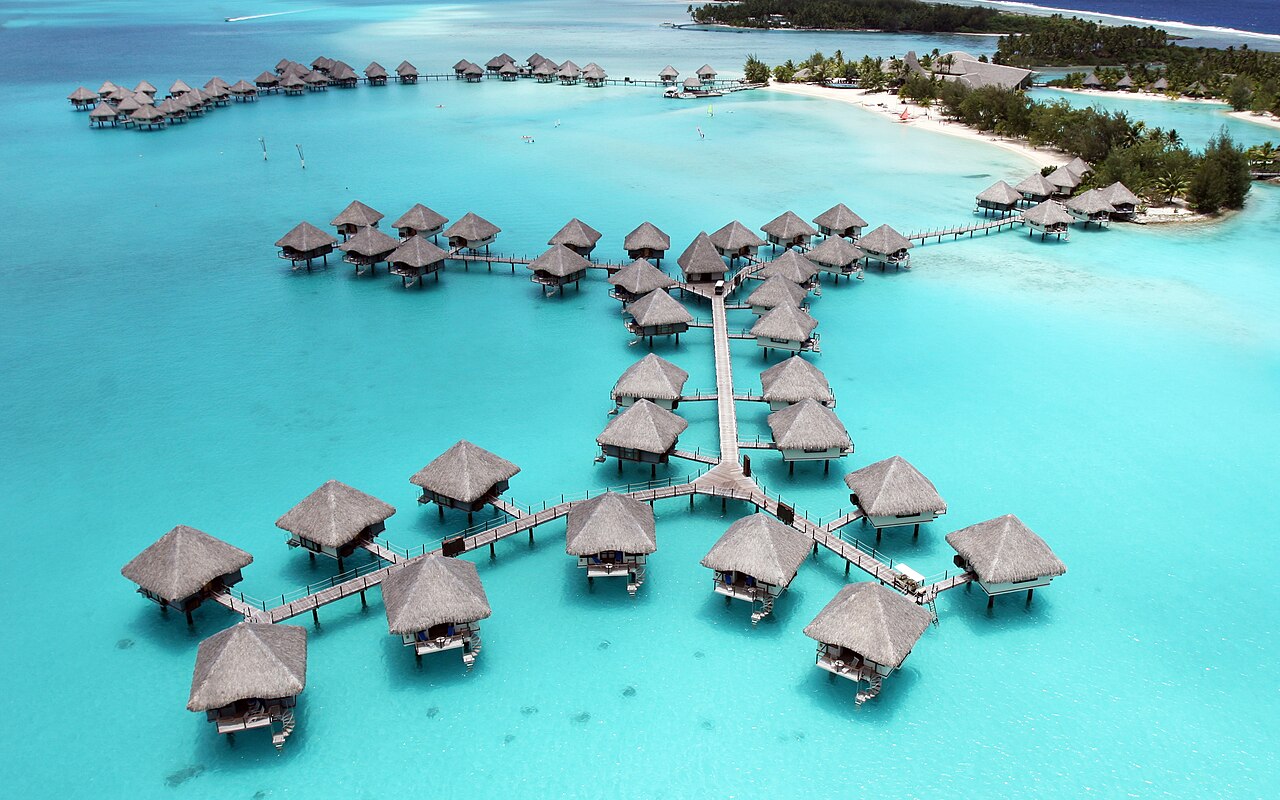
Overwater Bungalow Experience

Overwater Bungalow Experience

Stay in an iconic overwater bungalow perched above a crystal-clear lagoon. Glass floor panels reveal tropical fish below, and private decks lead directly into warm turquoise waters.

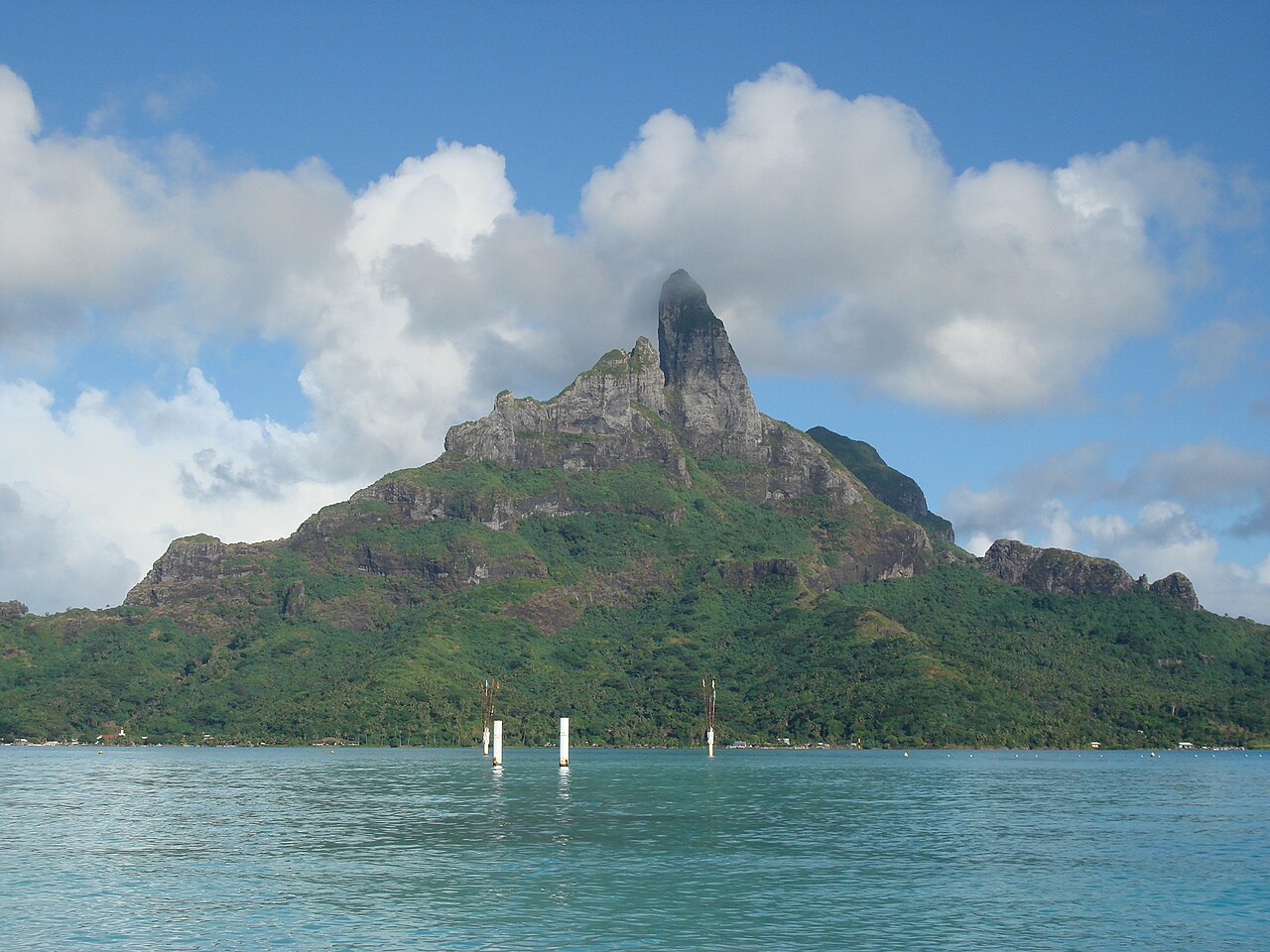
Mount Otemanu Hike (Bora Bora)

Mount Otemanu Hike (Bora Bora)

Hike towards the dramatic volcanic peak of Mount Otemanu on Bora Bora. The trail offers stunning views over the world-famous lagoon with its endless shades of blue and green.

Traditional Polynesian Dance Show

Traditional Polynesian Dance Show

Watch mesmerising fire dancers and hip-shaking Tahitian dance performances under the stars. These powerful cultural displays tell ancient Polynesian stories through rhythm and movement.

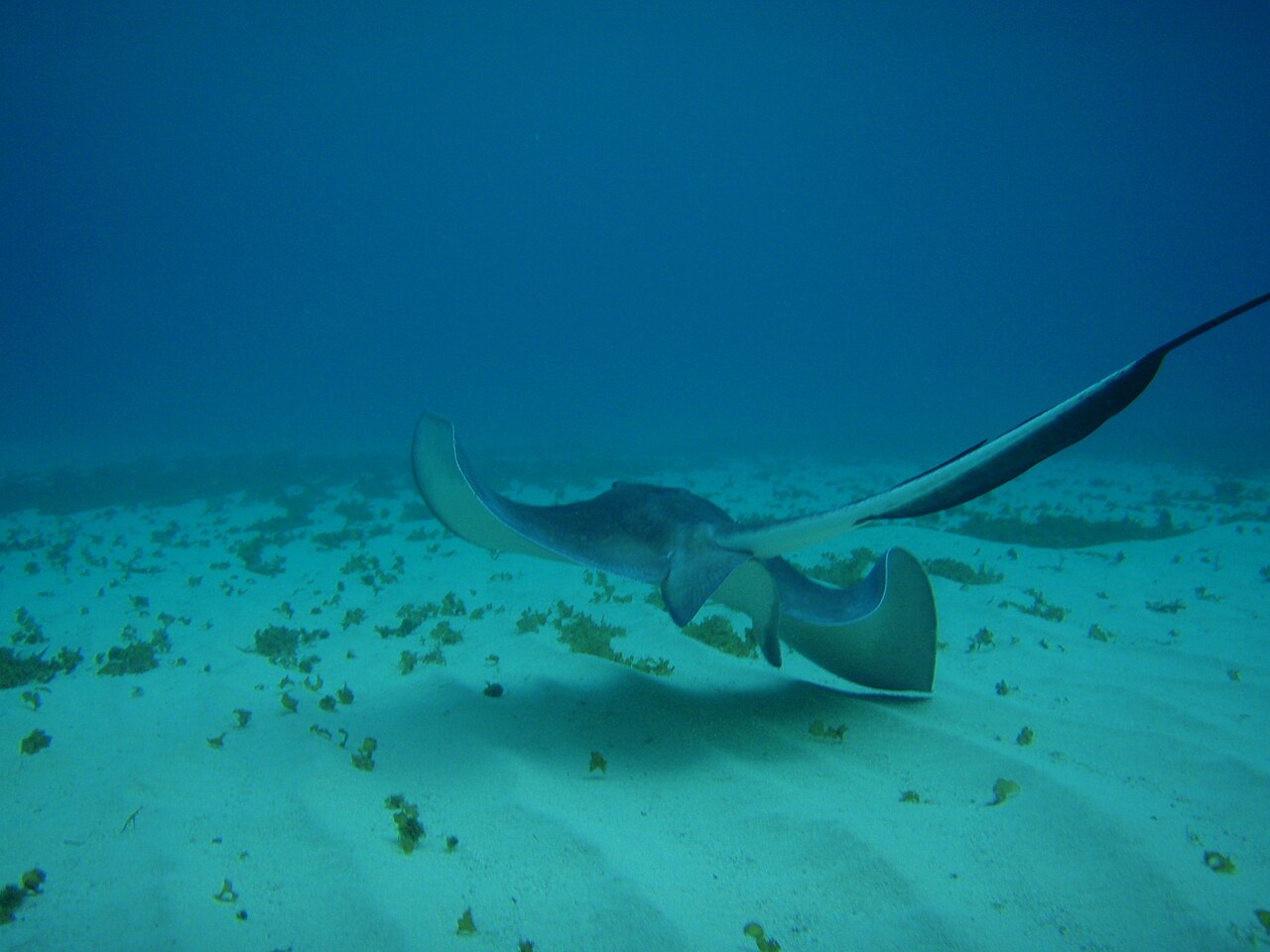
Lagoon Snorkelling & Ray Feeding

Lagoon Snorkelling & Ray Feeding

Wade into shallow lagoon waters to hand-feed friendly blacktip reef sharks and stingrays. Guides introduce you to these gentle creatures in the crystal-clear shallows of Moorea or Bora Bora.

What a liveaboard in French Polynesia costs

The calendar below shows how liveaboard prices shift month by month, so you can see exactly when your money goes furthest. We want every diver to get the best possible value, which is why we highlight the seasons that balance great conditions with the fairest rates.

French Polynesia is a premium liveaboard destination, and its price reflects the high operational costs in this remote region. A week on board is significantly more expensive than in many other parts of the world, with inter-atoll flights adding to the budget. Prices fluctuate with demand, peaking during the prime shark and whale season from June to October, while the wet season months may offer slightly lower rates.

$505–$580

per day liveaboard

$100–$200

per 2-tank dive trip

$150–$600

hotel per night

Prices reflect typical costs for mid-range to premium options. Budget alternatives may be available.

Getting to Papeete: flights and transfers

Most international visitors arrive at Faa'a International Airport (PPT) in Papeete on the main island of Tahiti. From there, a domestic flight of about one hour on Air Tahiti is required to reach the Tuamotu atolls, where liveaboards typically depart from Rangiroa (RGI) or Fakarava (FAV). Citizens of the EU, US, and UK do not need a visa for tourist stays of up to 90 days.

Insider tips

🏨

Choose liveaboards over resort diving – 3-4 dives/day included in the price

🍽️

Book during shoulder season (Apr-May, Nov) – Lower prices, fewer crowds, still great diving

✈️

Fly via Auckland or Los Angeles – Compare routes for the best airfare deals

🏨

Stay on local pensions instead of resorts – Authentic experience at half the price

🤿

Bring your own dive gear – Rental equipment is expensive on remote atolls

🎯

Book multi-island packages – Combo deals for Fakarava + Rangiroa save significantly

Getting there

Faa'a International Airport

Papeete, TahitiPPT

Main gateway with flights from Los Angeles, Auckland, Tokyo, Paris, and Santiago

Entry requirements

EU citizens: No visa required for stays up to 90 days. US/UK citizens: No visa required for stays up to 90 days. Valid passport required.

This information is provided without guarantee. Please visit the official website for the latest entry requirements.

Official Immigration Information →

Frequently asked questions about liveaboards in French Polynesia

How much does a French Polynesia liveaboard cost in 2026?
Prices for a 2026 French Polynesia liveaboard vary depending on the vessel's luxury level and the length of the trip. While specific costs differ, a liveaboard offers incredible value by providing access to the remote and spectacular Tuamotu atolls like Rangiroa and Fakarava, which are difficult to explore otherwise.
When is the best time for a liveaboard in French Polynesia?
Diving is fantastic year-round, but the best time depends on what you want to see. The dry season from May to October is most popular, offering amazing visibility up to 40m. For peak hammerhead encounters in Rangiroa, plan your trip between November and April when the water is warmer.
What marine life can I see on a Tuamotu atolls liveaboard?
The Tuamotus are famous for big animal encounters! Expect to see walls of grey reef sharks, huge schools of barracuda, and giant Napoleon wrasse. If you visit Fakarava in June or July, you can witness the famous shark aggregation, and Rangiroa is a hotspot for hammerheads.
What dive certification do I need for a French Polynesia liveaboard?
Due to the strong currents and channelised drift dives in the Tuamotu passes, an Advanced Open Water certification with drift diving experience is highly recommended. This ensures you are comfortable and safe while enjoying the thrilling conditions that make the diving so world-class.
Which port do French Polynesia liveaboards depart from?
Most liveaboards focusing on the premier dive sites of the Tuamotu Archipelago depart directly from ports within the atolls themselves. The most common departure and arrival points are the main islands of Rangiroa and Fakarava, which have their own airports.
What should I pack for a French Polynesia liveaboard trip?
For diving, pack a 3mm wetsuit, a dive torch, and an SMB. A reef hook is essential and mandatory for diving in the passes. Onboard, you'll need a Type E (French) power adapter for your electronics and be sure to bring more cash (CFP Francs) than you think you'll need, as cards aren't always accepted on small atolls.
Are there any specific health or safety concerns for diving in French Polynesia?
The main safety consideration is the powerful currents in the atoll passes, so always listen carefully to your dive briefing and be proficient with drift diving. On a positive note, there is no risk of malaria in French Polynesia, so no special medication is required for that.

French Polynesia compared with other liveaboard destinations

Honest, in-depth comparisons to help you decide between destinations, certifications, equipment and dive styles.

Liveaboard vs Land-Based Diving: Which Trip Is Right for You?

Choosing between a liveaboard and a land-based dive trip is the most fundamental decision divers face when planning a serious diving holiday. The right answer depends on your priorities: maximum dive count and access to remote sites favor liveaboards; beach time, family flexibility and lower cost favor land-based resorts. Both formats have evolved significantly in the last decade, and the line between them has blurred — luxury dive resorts now offer multi-day expedition trips, while many liveaboards include topside excursions and even spa days. This guide compares the two formats across every meaningful dimension: cost per day, dives per day, marine life access, comfort, social dynamics, family-friendliness, and travel logistics. We'll also cover the hybrid models (resort + day-charter, or 'safari boat' itineraries) that try to capture the best of both worlds. If you're certified, in love with diving and want to maximize bottom time, a liveaboard is almost always the better choice — you can clock 25+ dives in a week and reach sites no day boat can. If you're traveling with non-divers, prefer land-based comfort, or want flexibility to take days off, a resort wins. We'll get into all the nuances below.

Read comparison

Tonga vs. French Polynesia: Which Liveaboard Adventure Awaits You?

Choosing between Tonga and French Polynesia for a liveaboard dive trip presents a delightful dilemma for even the most seasoned underwater explorer. Both destinations offer unparalleled beauty, vibrant marine ecosystems, and the promise of unforgettable encounters, yet they cater to distinct preferences and diving aspirations. Tonga, a South Pacific gem, is world-renowned for its intimate encounters with humpback whales, offering a truly unique opportunity to swim alongside these gentle giants. French Polynesia, on the other hand, is a sprawling paradise celebrated for its pristine atolls, abundant shark populations, and diverse coral reefs. From the dramatic passes of the Tuamotus to the tranquil lagoons of Bora Bora, it offers a different kind of underwater spectacle, often characterized by strong currents and large pelagic action. Your choice will largely depend on your primary diving goals: are you dreaming of a close-up whale encounter, or do you crave adrenaline-fueled drifts with hundreds of sharks? This comprehensive side-by-side comparison aims to equip you with all the factual information needed to make an informed decision. We'll delve into everything from marine life highlights and optimal travel seasons to accessibility, typical trip costs, and the overall diving experience, ensuring your next Blue Rides liveaboard booking perfectly matches your underwater ambitions.

Read comparison

Micronesia vs French Polynesia: The Ultimate Liveaboard Dive-Off

When it comes to choosing your next unparalleled liveaboard adventure, Micronesia and French Polynesia often emerge as top contenders, each promising a distinct and unforgettable experience beneath the waves. Both regions are synonymous with pristine waters and vibrant marine ecosystems, yet they cater to different diving aspirations and preferences. Micronesia, a vast expanse of islands in the western Pacific, is renowned for its historical wreck diving, particularly in places like Chuuk Lagoon, offering a unique blend of history and marine biology. French Polynesia, on the other hand, conjures images of luxurious overwater bungalows and dramatic volcanic landscapes, but beneath its turquoise surface lies an equally compelling underwater world. Famed for its pelagic encounters and healthy coral reefs, it provides a different kind of thrill. This side-by-side comparison aims to equip you with the detailed insights needed to navigate the nuances of these two incredible destinations, ensuring you select the perfect liveaboard journey for your diving style and desires.

Read comparison
Plan your trip

Ready to dive?

Explore our expedition vessels and find your perfect trip to French Polynesia

4.9971 Reviews