About Maiuru
Maiuru is a prominent dive site situated on the western side of the expansive Garuae Pass, Fakarava's northern channel, within the UNESCO Biosphere Reserve in French Polynesia. This site features a submerged plateau that gently levels out, transitioning from an outer reef edge into a vibrant hard coral garden at approximately 18 meters depth. It is renowned for its dynamic marine encounters and the impressive topography created by the strong currents. Diving at Maiuru typically involves navigating along this unique underwater landscape, where divers can observe a high density of pelagic species. The site serves as a crucial area for marine life, attracting large schools of fish and various shark species due to its position within the current-swept pass. Visibility is consistently excellent, often exceeding 30 meters, providing clear views of the bustling ecosystem. The hard coral garden hosts a rich variety of smaller creatures like nudibranchs and crabs, providing a contrast to the pelagic action. This blend of abundant reef life and large animal sightings makes Maiuru a highly sought-after destination for experienced divers. The site benefits from the rich waters flowing through the Garuae Pass, ensuring a healthy and thriving underwater environment year-round. Divers can expect a captivating experience, whether focusing on the vibrant coral formations or witnessing the dramatic "wall of sharks" at the drop-off. The strong currents dictate the dive profile, making it an ideal location for drift diving and observation of Fakarava's signature marine spectacle.
Highlights
Submerged plateau reefOuter pass shark encountersHard coral gardensLarge schools of fishCleaning stations for mantasNudibranch and crab spottingConsistent strong currents
Season calendar
Best months to dive here
Jan
Feb
Mar
Apr
May
Jun
Jul
Aug
Sep
Oct
Nov
Dec
Excellent
Good
Off-Season
May – Oct (Dry Season)
Best visibility up to 40m. Humpback whales Jul–Nov. Shark wall at Fakarava peaks Jun–Jul (grouper spawning). Ideal conditions.
Feb – Apr & Nov (Transition)
Improving/declining conditions. Still good diving, occasional rain. Fewer tourists, good value.
Dec – Jan (Wet/Cyclone Season)
Peak wet season with reduced visibility, rough seas possible. Cyclone risk. Some operators still run trips to Rangiroa and Fakarava.
Dive site facts: Maiuru
- Depth
- 18–30 m
- Current
- Strong
- Visibility
- 30–40 m, excellent
- Water temperature
- 26–29°C (79–84°F)
- Entry
- Boat
- Level
- Experienced divers recommended
- Dive type
- Drift, wall, pelagic, coral garden
- Region / port
- Fakarava, Tuamotu Archipelago
- Coordinates
- -16.295, -145.454
Conditions & Currents
Maiuru is a premier drift dive site, directly influenced by the very strong currents of Fakarava's Garuae Pass. Dives are meticulously timed to coincide with the incoming currents, providing an exhilarating experience akin to flying over the reef. Divers must possess excellent buoyancy control and streamlined gear, as conditions can vary quickly, sometimes requiring divers to hold onto coral temporarily. While strong, the currents ensure exceptional visibility, often between 30 to 40 meters, even during peak flow. This constant water movement attracts a high concentration of pelagic species to the pass. Slack tide periods offer optimal conditions for some dives, as the current gradually pulls into the lagoon, making it easier to observe large schools of fish and the nuanced topography. Entry is typically by boat, requiring careful coordination with the dive guide.
Marine life & sighting chances

Grey Reef Shark
Year-round, peak June/July · common
Blacktip Shark
common
White-tip Shark
common
Napoleon Wrasse
occasional
Paddletail Snapper
common
Barracuda
common
Manta Ray
July-September · occasional
Eagle Ray
occasional
Nudibranch
occasional
Crab
occasional
Marbled Grouper
Mid-June to Early July · occasional
Dolphin
occasionalDive profile & how the dive runs
Dives at Maiuru commence with a boat entry onto the submerged plateau, located on the outer edge of the Garuae Pass. You typically begin your descent to about 18 meters, where the plateau levels into a vibrant hard coral garden. Divers will drift with the prevailing incoming current, which can be swift, providing an exhilarating sense of flight. Along the drop-off at the outer edge, you can anticipate significant shark activity, including walls of grey reef sharks. The dive progresses over this coral garden, allowing observation of smaller reef inhabitants like nudibranchs and crabs, as well as large schools of paddletail snapper and barracuda. Manta rays and eagle rays are also known to visit cleaning stations here. As the drift continues, you transition from the ocean currents towards the calmer waters inside the lagoon. The dive often concludes deeper inside the lagoon or at a designated pick-up point, ensuring a safe exit after experiencing the full dynamic flow of the pass. Safety stops are conducted in the gentler current areas towards the end of the drift, typically at shallower depths.
Underwater photography
Maiuru offers excellent opportunities for wide-angle photography, especially for capturing the dynamic shark activity at the outer drop-off and the vast schools of fish. A fisheye lens is ideal for close encounters with larger subjects, though be prepared for subjects to be just out of optimal framing range at times. When shooting with a fisheye, patience is key to allow sharks and rays to approach closely enough to fill the frame effectively. For capturing the vibrant hard coral gardens and smaller macro subjects like nudibranchs and crabs on the plateau, a standard wide-angle or macro lens would be suitable depending on your focus. Strong strobes are essential to properly light subjects, especially in the clear but often deep waters, and to bring out the true colors of the corals and fish. Due to strong currents, maintaining good buoyancy is crucial for stable shots and to avoid contact with the delicate coral.
Combine with nearby dive sites
- Alibaba
A giant aquarium at the end of a Garuae Pass drift
- Ohotu
A coral wall on the opposite side of Garuae Pass with similar pelagic encounters
- Pufana
A calm lagoon dive site ideal for beginners, with beautiful corals and fish
- Garuae Pass
The main channel itself, known for strong drift dives and pelagic action
- Passe Tumakohua
The smaller South Pass of Fakarava, famous for massive grouper spawning and shark aggregations
Getting there & logistics
Access to Maiuru is typically via liveaboard or local day boats from Fakarava, as it is situated in the Garuae Pass. Fakarava is part of the Tuamotu Archipelago in French Polynesia. To reach Fakarava, international flights land in Tahiti (PPT), often from Paris (PAR) or Los Angeles (LAX). From Tahiti, Air Tahiti operates domestic flights to Fakarava (FAV) two to three times per week. Multi-island passes, such as Air Tahiti's "Lagons pass," can be cost-effective if combining Fakarava with other atolls. Liveaboard trips in Fakarava usually last 7 nights, offering a comprehensive exploration of the atoll's dive sites. Booking liveaboards or land-based dive packages well in advance, especially for peak seasons like the June/July grouper spawning, is highly recommended due to limited availability. Diving permits are generally managed by the dive operators as part of the tour package.
Safety & environment
Diving at Maiuru, due to its strong currents, requires a high level of dive experience and excellent buoyancy control. Divers must adhere strictly to dive guides' briefings and instructions, especially regarding entry, drift trajectories, and safety stop procedures. In French Polynesia, strict dive safety regulations are in place, particularly for current-swept passes. Depths are generally limited to around 30 meters unless divers hold advanced qualifications. Emergency evacuation in Fakarava would involve air transport to Tahiti, where the nearest recompression chamber is located. Divers should ensure they have comprehensive dive insurance that covers medical emergencies, evacuation, and recompression treatment. Site-specific hazards include variable current strengths, potential for strong downcurrents, and boat traffic within the pass. A no-touch, no-chase approach to marine life is essential for safety and conservation.
Who it suits, and who it doesn't
Suited for
- Experienced divers comfortable with strong currents
- Pelagic enthusiasts seeking shark and ray encounters
- Underwater photographers focusing on wide-angle scenes
- Divers interested in diverse reef topography
- Liveaboard guests exploring Fakarava's passes
Less suited for
- Beginner divers or those new to drift diving
- Divers with poor buoyancy control
- Individuals prone to seasickness in strong currents
- Divers seeking purely calm, shallow reef dives
- Those without comprehensive dive insurance
FAQ
Maiuru FAQ
What kind of currents can I expect at Maiuru?
Maiuru is known for its strong, exhilarating currents, making it primarily a drift dive site. Dives are typically planned to coincide with the incoming tide, providing a fast-paced 'flying' experience. Divers must be prepared for variable current strengths and possess excellent buoyancy control to navigate the site safely and enjoyably.
What marine life is commonly seen at Maiuru?
You can expect to encounter a rich variety of marine life at Maiuru. Common sightings include numerous Grey Reef Sharks, Blacktip Sharks, and White-tip Sharks, especially near the outer drop-off. Large schools of barracuda and paddletail snapper are also prevalent, and occasional sightings of Napoleon Wrasse, Manta Rays, and Eagle Rays are possible as they visit cleaning stations.
What is the best time of year to dive Maiuru for shark activity?
While sharks are present year-round, the peak season for dramatic shark aggregations at Maiuru and other Fakarava pass sites is typically from June to July. This coincides with the marbled grouper spawning event, which draws hundreds of sharks to the pass, offering an unparalleled spectacle for divers.
Is Maiuru suitable for beginner divers?
Maiuru is generally not recommended for beginner divers due to the very strong and sometimes unpredictable currents. The site is best suited for experienced divers who are comfortable with drift diving and have excellent buoyancy control. There are other, calmer lagoon sites in Fakarava, like Pufana, that are more appropriate for less experienced divers.
How deep are the dives at Maiuru?
Dives at Maiuru typically involve descending to a submerged plateau that levels out around 18 meters. The maximum depth commonly reached during dives along the wall or at the drop-off can extend up to approximately 30 meters. Dive depths are also subject to local regulations and the diver's certification level.
How do liveaboards incorporate Maiuru into their itineraries?
Liveaboards exploring Fakarava, such as the French Polynesia Master, often include Maiuru as a key dive site within their 7-night itineraries. It's typically dived in conjunction with other Garuae Pass sites like Ohotu and Alibaba, often as part of a two-tank morning dive schedule that maximizes drift conditions and pelagic encounters.
Why dive Maiuru from a liveaboard?
Maiuru is one of French Polynesia's signature dive sites. A liveaboard sleeps you on the water and puts you in the water for three to four guided dives per day, including dawn and night dives that day-boat operators rarely offer. You skip the daily commute back to port and reach quieter, less-crowded sites in the same region on a single trip.
Below are the liveaboards that include Maiuru on their French Polynesia itineraries.
Liveaboards diving Maiuru
These liveaboards may visit Maiuru on selected itineraries, the exact dive sites depend on departure, weather and conditions.
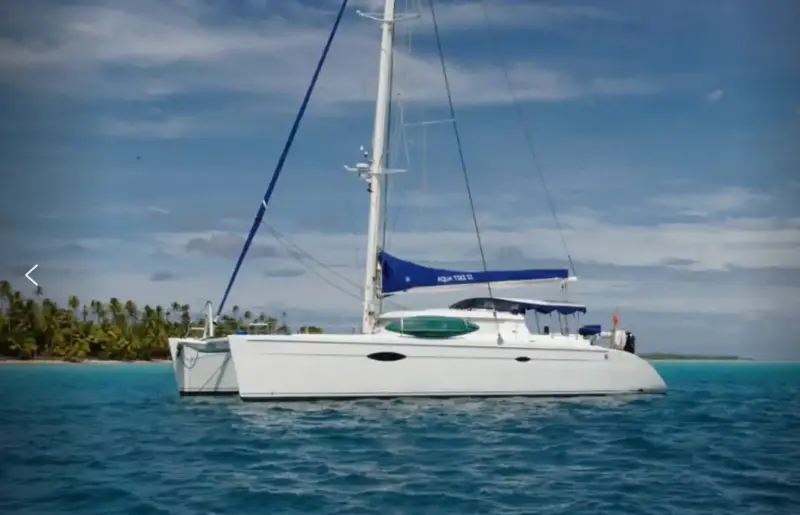
Aqua Tiki II
French Polynesia
8 guests
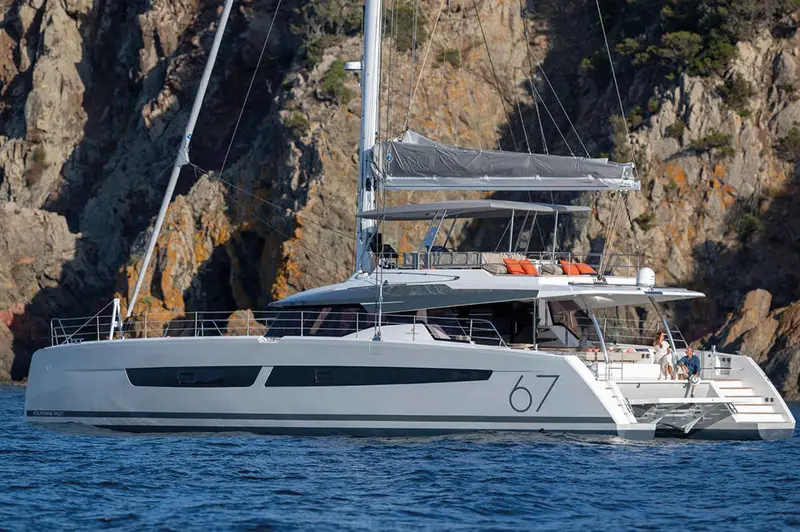
Aqua Tiki III
French Polynesia
10 guests20 m
Dive sites similar to Maiuru
Same character, same waters, six more sites divers love for the exact same reasons.Compare seasons, access and liveaboard routes, then pick the site that fits your trip best.
© EsriMaxar, Earthstar, GIS
Agincourt Reef
Australia
Agincourt Reef sits on the outer edge of the Great Barrier Reef, roughly 60–72 km off Port Douglas in Far North Queensland, at the southern end of the true ribbon reefs that run…
- Suitable for
- Beginner
- Current
- Moderate
- Access
- Dayboat
- Depth
- 2–20 m
- Theme
- Reef / Wall
Ahe Atoll, a remote and authentic destination in French Polynesia, offers a dive experience deeply intertwined with its local pearl farming community.
- Suitable for
- Advanced
- Current
- Strong
- Access
- Liveaboard or dayboat
- Depth
- 5–22 m
- Theme
- Channel / Drift
© EsriMaxar, Earthstar, GIS
Alacrity Shoal
Fiji
Alacrity Shoal is a premier dive site in Fiji, renowned for its spectacular drift diving opportunities and rich marine biodiversity.
- Suitable for
- Advanced
- Current
- Strong
- Access
- Liveaboard or dayboat
- Depth
- 12–40 m
- Theme
- Drift / Seamount
Alibaba is a renowned drift dive located within the Garuae Pass in northern Fakarava, a UNESCO Biosphere Reserve in the Tuamotu Archipelago.
- Suitable for
- Intermediate
- Current
- Strong
- Access
- Liveaboard only
- Depth
- 5–30 m
- Theme
- Reef
© EsriMaxar, Earthstar, GIS
Aliko Reef
Micronesia
Aliko Reef is a prominent dive site within Yap, Micronesia, characterized by a captivating underwater topography that blends a mini-wall with an expansive coral plateau.
- Suitable for
- Intermediate
- Current
- Mild
- Access
- Dayboat
- Depth
- 6–15 m
- Theme
- Reef / Wall
© EsriMaxar, Earthstar, GIS
Amity Point
Australia
Amity Point is a popular shore diving destination located at the northwestern tip of North Stradbroke Island, within the protected waters of Moreton Bay.
- Suitable for
- Beginner
- Current
- Moderate
- Access
- Shore / dayboat
- Depth
- 5–15 m
- Theme
- Reef