About The Labyrinth
The Labyrinth is a distinctive dive site located within Lighthouse Bay, part of Western Australia's Ningaloo Reef, just a short boat ride from Bundegi Beach in Exmouth. It is celebrated for its unusual topography, featuring a series of six limestone caves that extend into the reef structure. Divers navigate these interconnected caves, which are illuminated by natural light filtering through openings at the surface, creating a magical atmosphere. Beyond the cave system, the site also features pinnacles and limestone outcrops that act as oases in the sandy seabed, attracting a rich diversity of marine life. The Labyrinth is typically shallow, with most dives occurring at depths suitable for plentiful light penetration, enhancing the vibrant colors of its coral and limestone formations. The site is protected from prevailing conditions on one side due to Exmouth's location on the North West Cape peninsula, making it a reliable spot for diving. Optimal conditions for exploring the caves are found during high tides, ensuring easier access and navigation within the system. This site is considered a 'bread and butter' dive for local operators due to its close proximity, consistent marine life sightings, and numerous dive opportunities, offering an immersive experience into a unique underwater landscape.
Highlights
Six interconnected limestone cavesNatural light through reef holesPinnacles out of cavesShallow limestone formationsAbundant small tropical fishFrequent turtle sightingsWhitetip reef sharksExcellent buoyancy practice
Season calendar
Best months to dive here
Jan
Feb
Mar
Apr
May
Jun
Jul
Aug
Sep
Oct
Nov
Dec
Good
Dive site facts: The Labyrinth
- Depth
- Shallow, max 15 m
- Current
- Variable, influenced by tides
- Water temperature
- 22–26°C
- Entry
- Boat
- Level
- Buoyancy experience helpful
- Dive type
- Cave, reef, photography
- Region / port
- Ningaloo Reef, Western Australia
- Coordinates
- 18.2500° S, 119.6500° E
Conditions & Currents
Currents at Ningaloo Reef, including The Labyrinth, can vary and are influenced by wind, swell, and tides. While the site itself is located within Lighthouse Bay, which offers some protection from prevailing conditions, divers should be prepared for potential movement, especially outside the sheltered cave systems. Navigating the caves within The Labyrinth is best undertaken during high tides, which facilitate easier access and movement through the formations. Visibility generally remains good, but like all reef systems, it can be affected by weather. Divers should prioritize excellent buoyancy control, particularly when exploring the intricate cave environment, to avoid contact with the delicate structures and sediments. The dive typically involves entering from a boat, and operators usually monitor conditions to ensure a safe and enjoyable experience, sometimes opting for other protect
Marine life & sighting chances
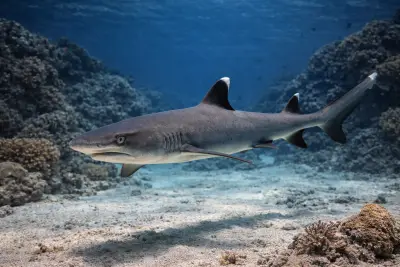
Whitetip Reef Shark
common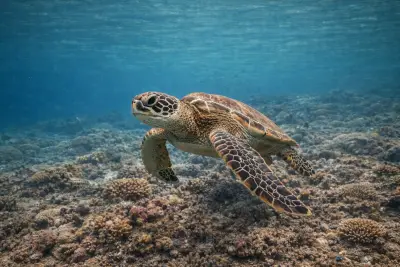
Green Turtle
common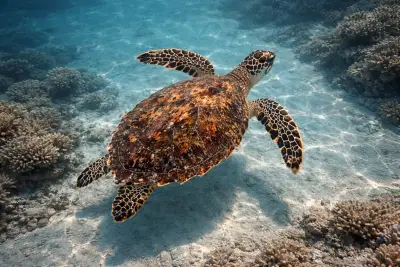
Hawksbill Turtle
occasional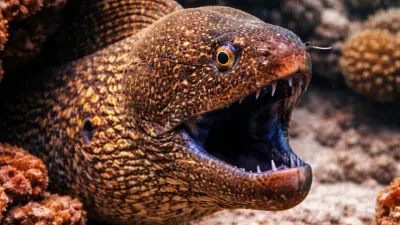
Moray Eel
occasional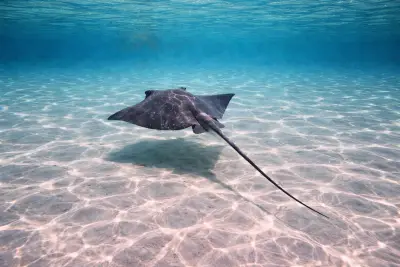
Stingrays
common
Clownfish
common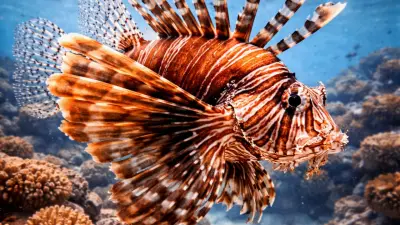
Lionfish
common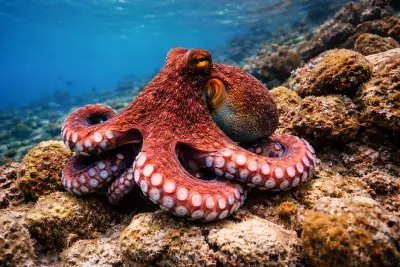
Octopus
occasional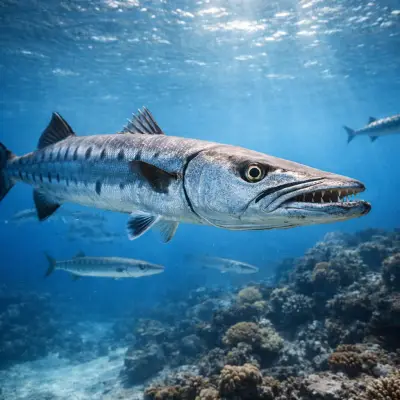
Barracuda
occasional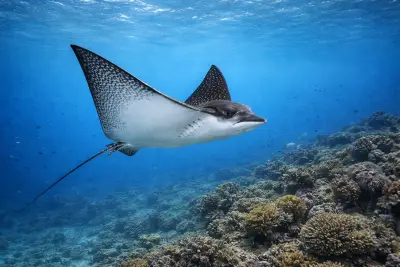
Eagle Ray
rare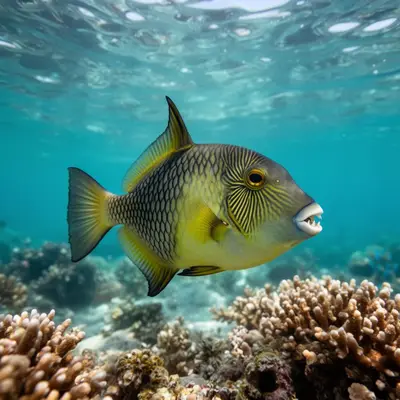
Triggerfish
occasional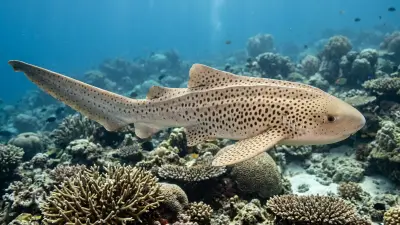
Zebra Shark
occasional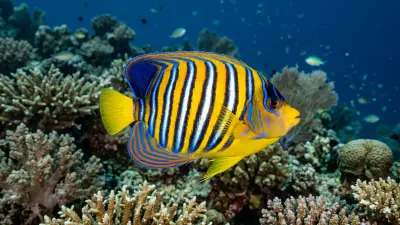
Angelfish
occasional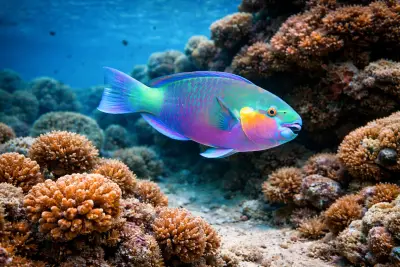
Parrotfish
occasionalDive profile & how the dive runs
Dives at The Labyrinth typically begin with a boat entry, positioning the vessel slightly up-current from the planned descent point. Divers enter the water efficiently, often via a giant stride, and descend into the shallow reef system. The main attraction is the network of six limestone caves, where the route is carefully planned to navigate through natural light shafts and intricate passageways. Buoyancy control is paramount to avoid disturbing the silty bottom or contacting the cave walls. Divers will explore the interior cave environments, observing small tropical fish and crustaceans, before emerging to investigate the pinnacles and limestone outcrops outside the caves. These areas are known for encounters with reef sharks, turtles, and other larger reef inhabitants. The shallow nature of the site means dive times can be generous, and the safety stop is typically performed near the ascent line, allowing for observations of surface-level reef activity before reboarding the boat.
Underwater photography
The Labyrinth offers excellent opportunities for wide-angle photography, especially when capturing the stunning natural light beams that penetrate the cave openings. A wide-angle lens will best convey the scale and atmosphere of the interior rock formations. For macro subjects like crustaceans and nudibranchs found within the caves and on the reef, a macro lens is essential. Strobes can be used to bring out the vibrant colors of corals and fish, especially in darker cave sections, but use them judiciously to avoid backscatter from potential silt. Practicing impeccable buoyancy is critical to maintain position in tight spaces and prevent stirring up sediment, ensuring clear shots. Avoid touching any formations or marine life to preserve the pristine environment while capturing its beauty.
Combine with nearby dive sites
Getting there & logistics
To reach The Labyrinth, divers typically fly into Learmonth (LEA) airport, a two-hour flight from Perth. From Learmonth, a 30-minute drive leads to Exmouth, the main departure point for diving Ningaloo Reef. The Labyrinth is part of Lighthouse Bay, a short 30-minute boat trip from Bundegi Beach. Dive trips are usually organized by local operators in Exmouth, offering day trips that often combine The Labyrinth with other nearby sites. Due to the remote nature of Exmouth, it's advisable to book accommodations and dive charters in advance. No specific permits beyond standard dive tour fees are typically required for diving at this site.
Safety & environment
While diving at The Labyrinth is generally considered safe for experienced divers, buoyancy control is paramount, especially when navigating the intricate cave systems, to avoid contact with fragile formations or stirring up sediment. Divers should always follow dive guide instructions, particularly regarding entry and exit procedures, and be aware of their air consumption when exploring enclosed spaces. The nearest recompression chamber is likely in Perth, which is a significant distance, necessitating comprehensive dive insurance that covers emergency medical evacuation and treatment. Given the remote location of Ningaloo Reef, evacuation to appropriate medical facilities can take time, so prevention of incidents through careful diving practices is key. Ensure all gear is in excellent condition and always dive within your certification limits.
Who it suits — and who it doesn't
Suited for
- Divers seeking unique underwater topography
- Photographers looking for natural light effects
- Divers keen to practice advanced buoyancy control
- Explorers of cave and cavern environments
- Those interested in rich, shallow reef biodiversity
Less suited for
- Beginner divers without strong buoyancy skills
- Divers prone to claustrophobia in confined spaces
- Those who prefer open ocean or deep wreck diving
- Divers unwilling to navigate intricate routes
- Individuals seeking large pelagic encounters primarily
FAQ
The Labyrinth FAQ
What makes The Labyrinth unique compared to other dive sites?
The Labyrinth is distinguished by its intricate system of six interconnected limestone caves, which divers can explore. These caves are uniquely illuminated by natural light filtering through holes in the reef, creating a visually stunning and dynamic environment that is unlike typical open reef dives.
What kind of marine life can I expect to see at The Labyrinth?
You can anticipate encountering a diverse range of marine life. Common sightings include whitetip reef sharks, green and hawksbill turtles, moray eels, and various rays. The site also hosts numerous small tropical fish, crustaceans, and nudibranchs, particularly within and around its limestone formations.
Is The Labyrinth suitable for beginner divers?
While the site is shallow, navigating the cave system requires excellent buoyancy control and comfort in confined spaces. Therefore, it is generally more suitable for certified divers with some experience, especially those who have practiced their buoyancy skills, rather than absolute beginners.
What are the best conditions for diving The Labyrinth?
The Labyrinth is best dived during high tide, as this allows for easier access and navigation within the cave systems. Being located in Lighthouse Bay provides some protection from prevailing winds, contributing to generally favorable conditions, but local operators will advise on daily conditions.
What photography opportunities does The Labyrinth offer?
The site is a fantastic location for underwater photography, particularly for capturing the dramatic natural light rays within the caves using a wide-angle lens. Macro enthusiasts will also find ample subjects like crustaceans and nudibranchs. Excellent buoyancy is crucial for clear shots and to protect the environment.
Why dive The Labyrinth from a liveaboard?
The Labyrinth is one of Australia's signature dive sites. A liveaboard sleeps you on the water and puts you in the water for three to four guided dives per day, including dawn and night dives that day-boat operators rarely offer. You skip the daily commute back to port and reach quieter, less-crowded sites in the same region on a single trip.
Below are the liveaboards that include The Labyrinth on their Australia itineraries.
Liveaboards diving The Labyrinth
These liveaboards may visit The Labyrinth on selected itineraries — the exact dive sites depend on departure, weather and conditions.
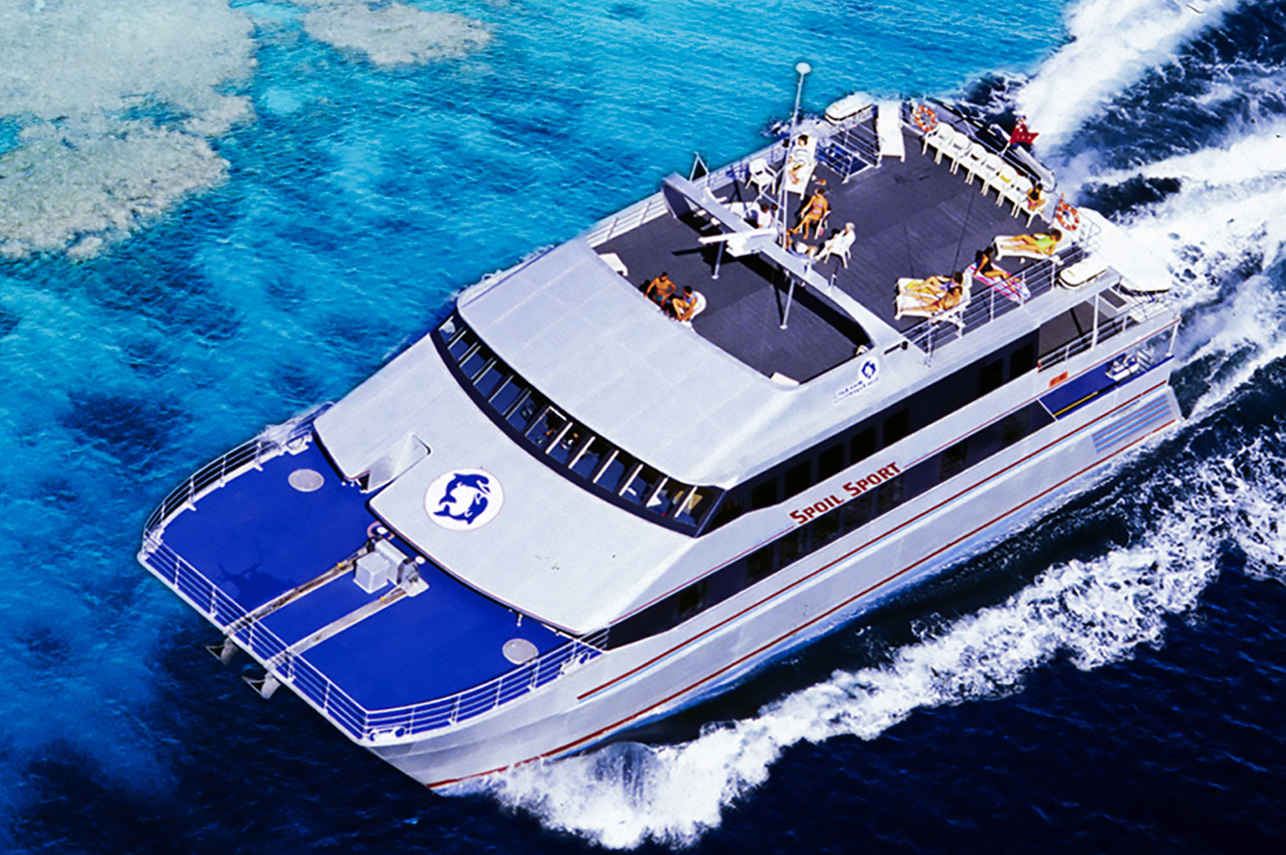
Spoilsport
Australia
28 guests30 m
$408/day
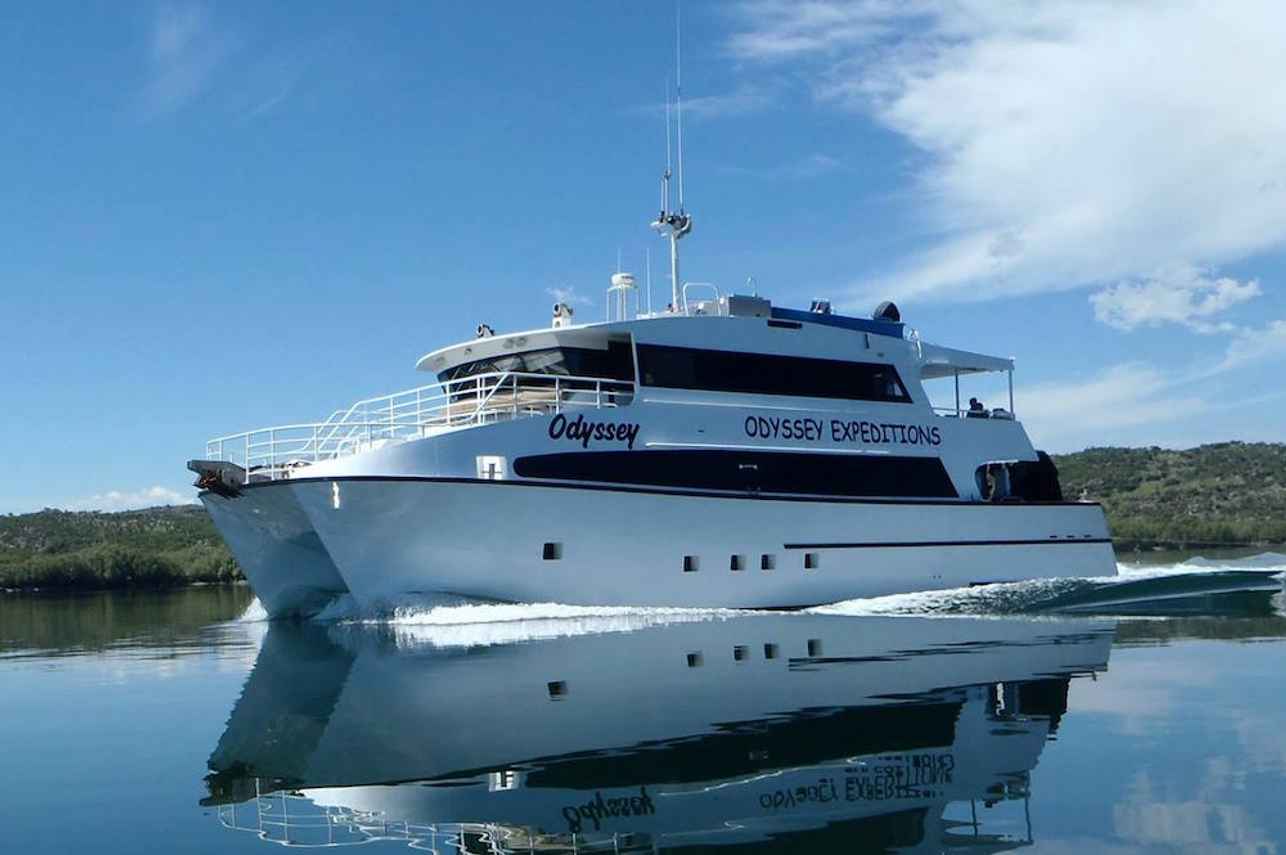
Odyssey Liveaboard
Australia
20 guests24 m
$392/day
Dive sites similar to The Labyrinth
Same character, same waters — six more sites divers love for the exact same reasons.Compare seasons, access and liveaboard routes — then pick the site that fits your trip best.
© Esri — Maxar, Earthstar, GIS
Agincourt Reef
Australia
Agincourt Reef sits on the outer edge of the Great Barrier Reef, roughly 60–72 km off Port Douglas in Far North Queensland, at the southern end of the true ribbon reefs that run…
- Suitable for
- Beginner
- Current
- Moderate
- Access
- Dayboat
- Depth
- 2–20 m
- Theme
- Reef / Wall
© Esri — Maxar, Earthstar, GIS
Cocos Keeling - Canons
Australia
Cocos Keeling - Canons offers a distinctive dive experience within the Cocos (Keeling) Islands lagoon, making it Australia's most remote dive destination.
- Suitable for
- Beginner
- Current
- Mild
- Access
- Dayboat
- Depth
- 8–12 m
- Theme
- Reef
© Esri — Maxar, Earthstar, GIS
Raine Island
Australia
Raine Island is a pivotal dive site located in the Far Northern Great Barrier Reef, approximately 85 kilometers east-north-east of Cape Grenville and just over 4 nautical miles south of the island itself.
- Suitable for
- Advanced
- Current
- Strong
- Access
- Liveaboard only
- Depth
- 5–40 m
- Theme
- Reef / Wall
© Esri — Maxar, Earthstar, GIS
Bare Island East
Australia
Bare Island East is a highly regarded shore dive in Sydney, celebrated for its diverse and colourful sponge gardens.
- Suitable for
- Intermediate
- Current
- Mild
- Access
- Shore / dayboat
- Depth
- 2–11 m
- Theme
- Reef
© Esri — Maxar, Earthstar, GIS
Cocos Keeling - Broccoli Patch
Australia
Broccoli Patch is a premier dive site nestled within the Cocos (Keeling) Islands lagoon system, offering a gentle yet captivating underwater experience.
- Suitable for
- Beginner
- Current
- Mild
- Access
- Dayboat
- Depth
- 5–10 m
- Theme
- Reef
© Esri — Maxar, Earthstar, GIS
Milln Reef
Australia
Milln Reef, located approximately 60km offshore from Cairns within the Great Barrier Reef, stands out as a highly favored outer reef destination for both divers and snorkelers.
- Suitable for
- Intermediate
- Current
- Moderate
- Access
- Liveaboard or dayboat
- Depth
- 4–22 m
- Theme
- Reef