About Gulliver’s
Gulliver's is a prominent dive site situated within Lighthouse Bay, a key area for local reef diving near Exmouth on Western Australia's Ningaloo Reef. This region is internationally recognized for its rich marine biodiversity and its status as one of the world's largest fringing reefs, often lying remarkably close to the coast. The site itself is characterized by large limestone formations rising from the sandy seafloor, creating an "oasis" effect that attracts numerous fish species and other marine creatures. These geological features define the topography, offering varied habitats across shallow to moderate depths, making it accessible for a range of diving experiences. The marine environment at Gulliver's, like the wider Ningaloo Reef, supports a vibrant ecosystem. While specific seasonal sightings for Gulliver's aren't detailed, the broader Ningaloo area is known for whale shark visits from March to July and humpback whales from June to August. General marine life is abundant year-round, with turtles and sharks nesting in shallows from November to March, coinciding with good diving conditions outside cyclone season. Diving at Gulliver's is generally considered "bread and butter" for Exmouth operators due to its close proximity, the reliability of marine life encounters, and its relatively shallow depths. It is one of several sites in Lighthouse Bay, meaning conditions such as wind, swell, currents, and tides may influence accessibility, but its location often provides some protection from prevailing weather. Divers can expect a natural, pristine experience with genuinely local operators.
Highlights
Limestone outcrop topographyAbundant fish schoolsClose to Exmouth portReliable marine life sightingsProtected shallow depthsPart of Lighthouse Bay
Season calendar
Best months to dive here
Jan
Feb
Mar
Apr
May
Jun
Jul
Aug
Sep
Oct
Nov
Dec
Good
Dive site facts: Gulliver’s
- Depth
- Shallow depths (specifics not in sources)
- Current
- Mild to moderate
- Visibility
- Excellent, especially May–Nov
- Water temperature
- 24–30°C
- Entry
- Boat from Bundegi Beach
- Level
- Beginner
- Dive type
- Reef, marine life
- Region / port
- Ningaloo Reef, Western Australia
- Coordinates
- 15.2200° S, 124.5700° E
Conditions & Currents
Gulliver's, located within Lighthouse Bay, generally experiences conditions that are more protected from prevailing weather compared to more exposed reef areas. While the Ningaloo Reef is subject to various wind, swell, currents, and tides, Lighthouse Bay's location on the North West Cape peninsula means at least one side is partially sheltered. Divers can anticipate potentially mild to moderate currents depending on tidal movements, which local operators closely monitor to optimize dive experiences. Visibility at the site can be excellent, benefiting from the region's dry season, particularly from May to November. However, conditions are always dynamic, requiring divers to remain flexible and heed local knowledge for the safest and most rewarding dive.
Marine life & sighting chances
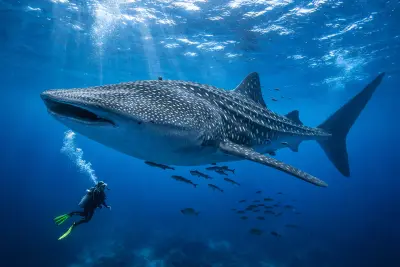
Whale Sharks
March-July · occasional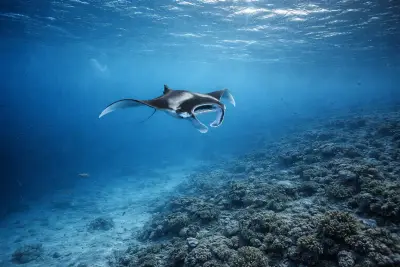
Manta Rays
June-November · occasional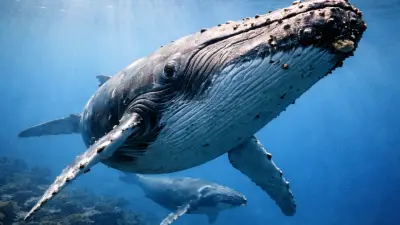
Humpback Whales
June-November · occasional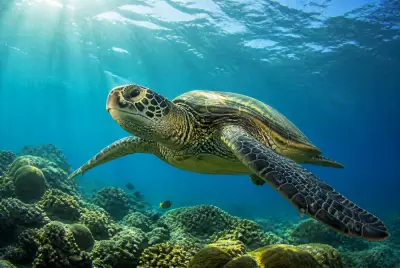
Turtles
November-March · commonSharks (general)
November-March · common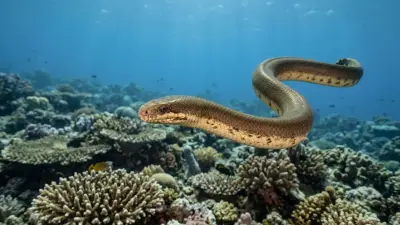
Sea Snakes
common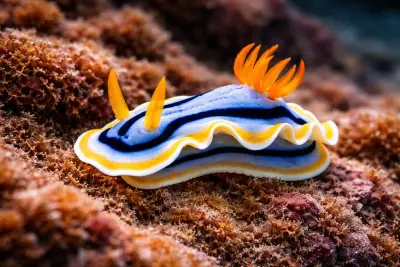
Nudibranch
occasional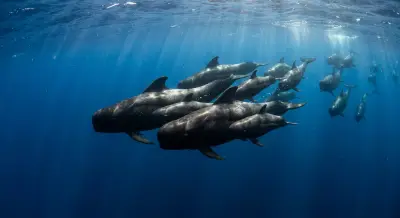
Pilot Whales
Sporadic · rare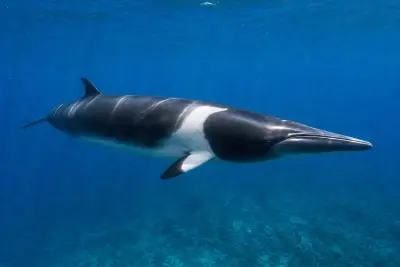
Minke Whales
Sporadic · rare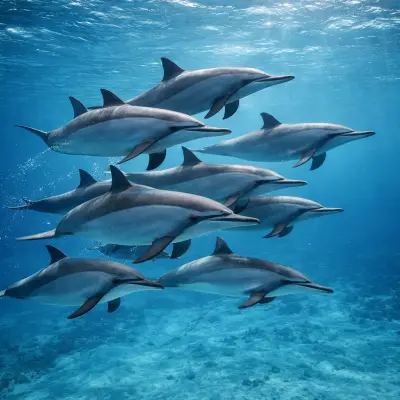
Dolphins
Sporadic · occasional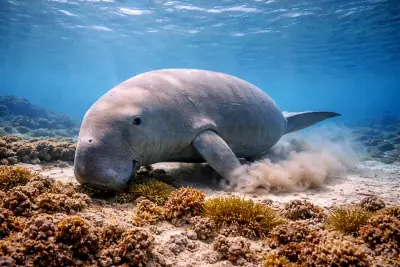
Dugongs
Sporadic · rare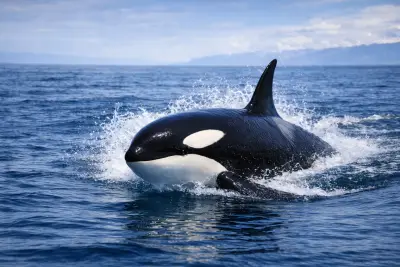
Orcas
Sporadic · rareFish (thousands of all sizes)
commonDive profile & how the dive runs
Diving at Gulliver's typically begins with a boat entry from a tender, following a 30-minute ride from Bundegi Beach boat ramp. The site comprises extensive limestone outcrops, which serve as natural navigation points. Divers generally explore the perimeters and crevices of these structures, moving between sandy patches and vibrant coral formations. Depths are generally shallow, facilitating longer bottom times and relaxed exploration of the abundant marine life congregating around the outcrops. The dive is usually concluded with a safety stop among the shallower parts of the limestone reef, offering continued chances for marine observation before ascending to the surface.
Underwater photography
Gulliver's, with its shallow depths and prolific fish life around limestone outcrops, presents excellent opportunities for wide-angle photography. Consider a wide-angle lens to capture the expansive reef structures and schools of fish, along with possible larger pelagics. Macro lenses are also rewarding for documenting the smaller, intricate reef inhabitants and nudibranchs. Due to the generally good visibility and ample ambient light in shallower areas, natural light photography is often effective, but strobes will enhance color and detail, especially in deeper sections or for highlighting subjects against the background. Maintain excellent buoyancy control to protect the reef and avoid disturbing marine life, ensuring clear shots and respectful interaction.
Combine with nearby dive sites
- Blizzard Ridge
Blizzard Ridge is a renowned dive site situated within Lighthouse Bay on Ningaloo Reef, Western Australia, easily accessible from Exmouth.
- The Labyrinth
The Labyrinth is a distinctive dive site located within Lighthouse Bay, part of Western Australia's Ningaloo Reef, just a short boat ride…
- Lighthouse Bay
A general area encompassing Gulliver's
Getting there & logistics
Access to Gulliver's is primarily from Exmouth, Western Australia, which serves as a key gateway to the Ningaloo Reef. Visitors can fly into Exmouth's airport, with flights available from major Australian cities like Perth, a journey of just under two hours. Alternatively, a long but scenic drive from Perth takes approximately 12 hours and 45 minutes. Dive operations depart from the Bundegi Beach boat ramp, with Gulliver's being a convenient 30-minute boat trip away. Operators in Exmouth offer customizable dive packages, often including Gulliver's as part of local reef diving excursions due to its reliable conditions and rich marine life. It's often combined with other Lighthouse Bay sites.
Safety & environment
Diving at Gulliver's, like all Ningaloo Reef sites, requires adherence to standard dive safety protocols. Divers should always carry appropriate dive insurance that covers recompression chamber treatment and medical evacuation, as the region is remote. While specific recompression chamber locations are not detailed for Exmouth in the sources, it's crucial to be aware that evacuation to a major medical facility could be extensive. Site-specific hazards are primarily related to general marine life encounters, such as sea snakes, and potential changes in current or weather conditions. Always dive with a reputable local operator, follow their briefings closely, and maintain good buoyancy to protect yourself and the pristine reef environment.
Who it suits — and who it doesn't
Suited for
- Divers seeking reliable marine life sightings
- Divers preferring shallow reef exploration
- Divers interested in diverse fish populations
- Divers looking for accessible local diving from Exmouth
- Photographers focusing on wide-angle reef and macro subjects
Less suited for
- Divers seeking extreme depth or drift dives
- Divers expecting strong currents and challenging conditions
- Those looking for extensive wreck exploration
- Divers prioritizing shore-entry access directly from Exmouth
FAQ
Gulliver’s FAQ
Where is Gulliver's dive site located?
Gulliver's is situated within Lighthouse Bay, which is near Exmouth, Western Australia. It is part of the extensive Ningaloo Reef system and is typically reached via a 30-minute boat ride from the Bundegi Beach boat ramp.
What kind of marine life can I expect to see at Gulliver's?
Gulliver's is known for its abundant marine life, including thousands of fish of all sizes congregating around limestone outcrops. You can also regularly encounter sea snakes and may occasionally spot larger animals such as manta rays, turtles, and various shark species, depending on the season.
What are the typical diving conditions at Gulliver's?
The dive site offers generally shallow depths and is located in a relatively protected part of Lighthouse Bay. This often results in milder currents and good visibility, making it suitable for a wide range of diver experience levels. Conditions can vary with weather and tides, so local operator guidance is key.
Is Gulliver's suitable for beginner divers?
Yes, due to its shallow depths, protected location, and reliable marine life sightings, Gulliver's is often considered suitable for less experienced divers. It provides an excellent introduction to the diverse ecosystem of Ningaloo Reef without requiring advanced skills or challenging conditions.
How do I get to Gulliver's dive site?
To dive Gulliver's, you'll first travel to Exmouth, Western Australia. From Exmouth, dive operators conduct boat trips that depart from the Bundegi Beach boat ramp, taking approximately 30 minutes to reach the dive site within Lighthouse Bay.
What is the best time of year to dive Gulliver's?
Diving at Gulliver's is rewarding year-round, but the months from May to November typically offer the clearest visibility and most comfortable conditions with less humidity and lighter winds. Wildlife seasonality, such as whale sharks from March to July or manta rays from June to November, can also influence timing.
Why dive Gulliver’s from a liveaboard?
Gulliver’s is one of Australia's signature dive sites. A liveaboard sleeps you on the water and puts you in the water for three to four guided dives per day, including dawn and night dives that day-boat operators rarely offer. You skip the daily commute back to port and reach quieter, less-crowded sites in the same region on a single trip.
Below are the liveaboards that include Gulliver’s on their Australia itineraries.
Liveaboards diving Gulliver’s
These liveaboards may visit Gulliver’s on selected itineraries — the exact dive sites depend on departure, weather and conditions.
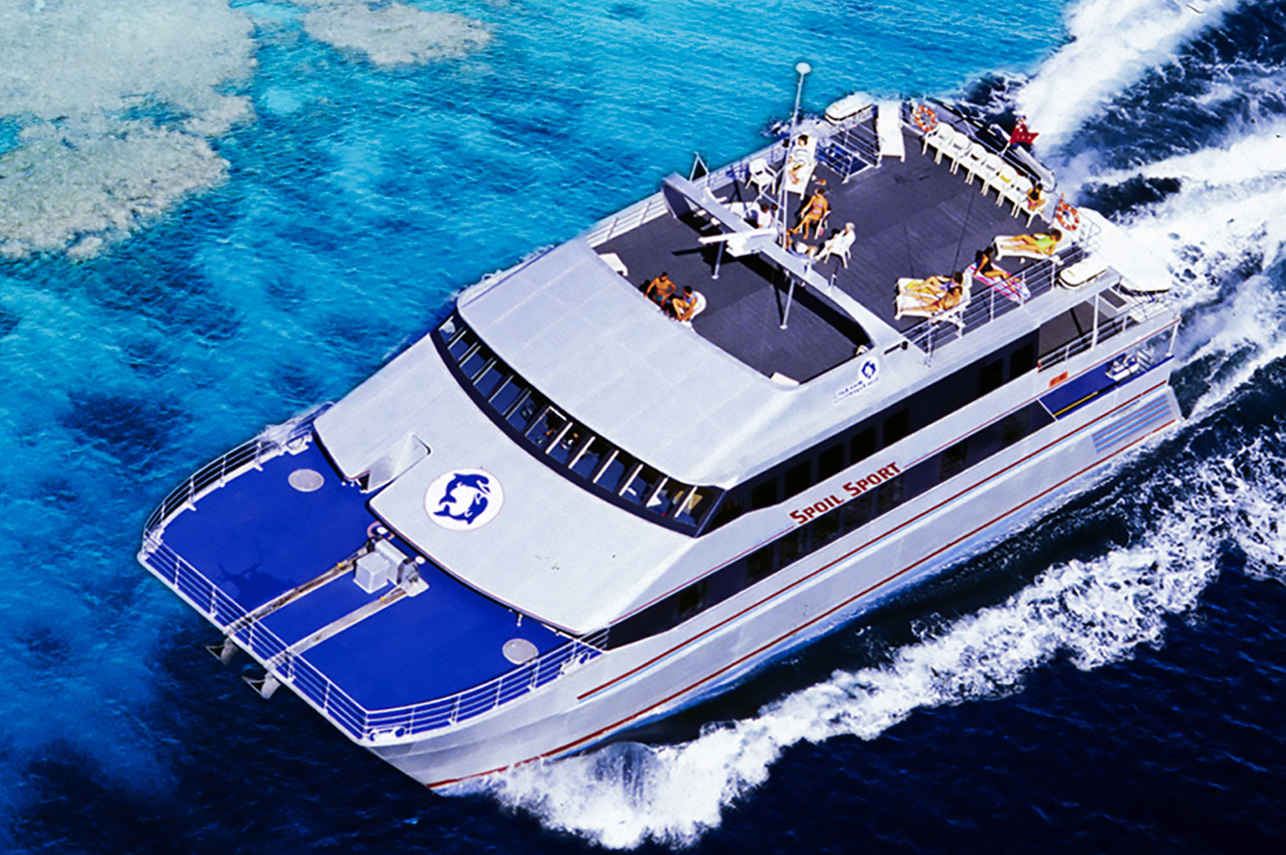
Spoilsport
Australia
28 guests30 m
$408/day
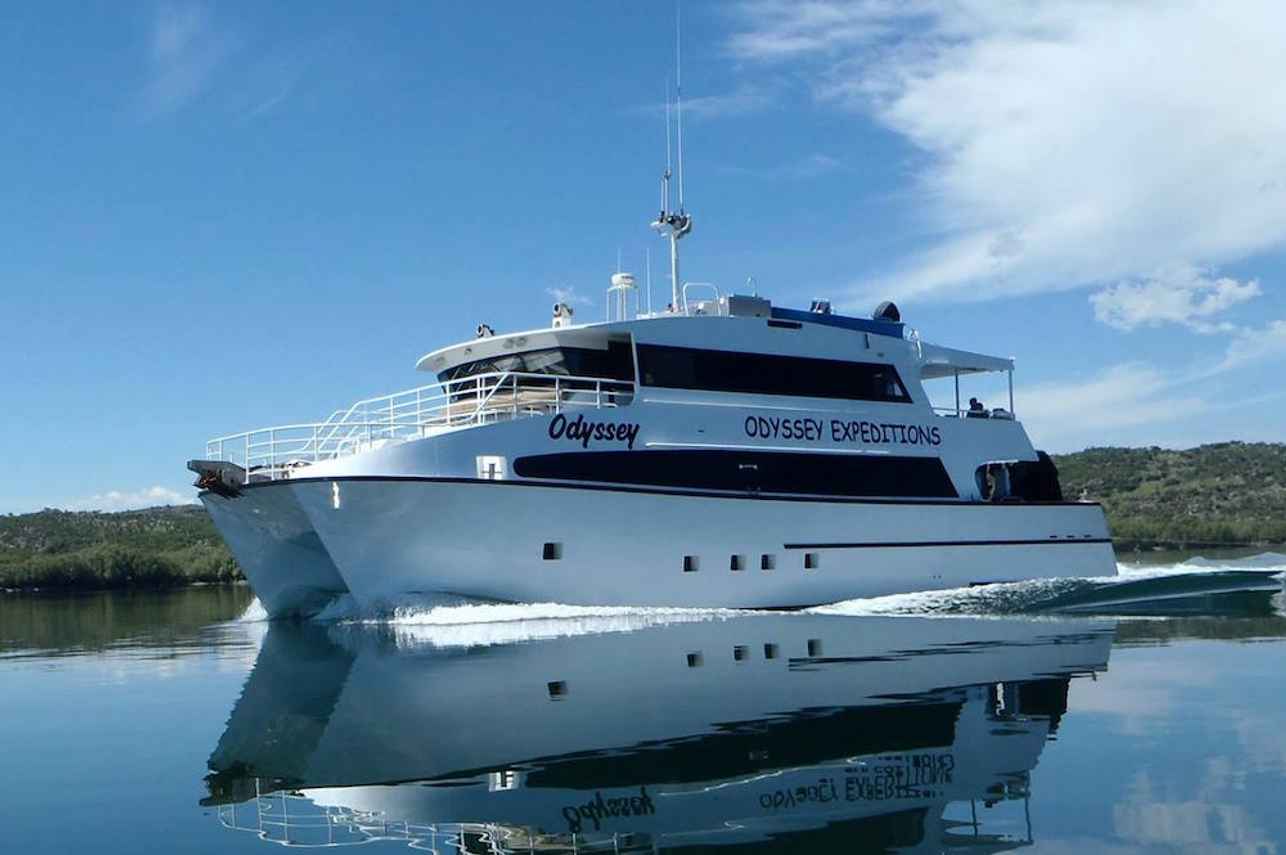
Odyssey Liveaboard
Australia
20 guests24 m
$392/day
Dive sites similar to Gulliver’s
Same character, same waters — six more sites divers love for the exact same reasons.Compare seasons, access and liveaboard routes — then pick the site that fits your trip best.
© Esri — Maxar, Earthstar, GIS
Agincourt Reef
Australia
Agincourt Reef sits on the outer edge of the Great Barrier Reef, roughly 60–72 km off Port Douglas in Far North Queensland, at the southern end of the true ribbon reefs that run…
- Suitable for
- Beginner
- Current
- Moderate
- Access
- Dayboat
- Depth
- 2–20 m
- Theme
- Reef / Wall
© Esri — Maxar, Earthstar, GIS
Cocos Keeling - Canons
Australia
Cocos Keeling - Canons offers a distinctive dive experience within the Cocos (Keeling) Islands lagoon, making it Australia's most remote dive destination.
- Suitable for
- Beginner
- Current
- Mild
- Access
- Dayboat
- Depth
- 8–12 m
- Theme
- Reef
© Esri — Maxar, Earthstar, GIS
Raine Island
Australia
Raine Island is a pivotal dive site located in the Far Northern Great Barrier Reef, approximately 85 kilometers east-north-east of Cape Grenville and just over 4 nautical miles south of the island itself.
- Suitable for
- Advanced
- Current
- Strong
- Access
- Liveaboard only
- Depth
- 5–40 m
- Theme
- Reef / Wall
© Esri — Maxar, Earthstar, GIS
Bare Island East
Australia
Bare Island East is a highly regarded shore dive in Sydney, celebrated for its diverse and colourful sponge gardens.
- Suitable for
- Intermediate
- Current
- Mild
- Access
- Shore / dayboat
- Depth
- 2–11 m
- Theme
- Reef
© Esri — Maxar, Earthstar, GIS
Cocos Keeling - Broccoli Patch
Australia
Broccoli Patch is a premier dive site nestled within the Cocos (Keeling) Islands lagoon system, offering a gentle yet captivating underwater experience.
- Suitable for
- Beginner
- Current
- Mild
- Access
- Dayboat
- Depth
- 5–10 m
- Theme
- Reef
© Esri — Maxar, Earthstar, GIS
Milln Reef
Australia
Milln Reef, located approximately 60km offshore from Cairns within the Great Barrier Reef, stands out as a highly favored outer reef destination for both divers and snorkelers.
- Suitable for
- Intermediate
- Current
- Moderate
- Access
- Liveaboard or dayboat
- Depth
- 4–22 m
- Theme
- Reef