About Lighthouse Bay
Lighthouse Bay is a protected gem situated on the eastern side of the Cape Range Peninsula, within the expansive Ningaloo Marine Park in Western Australia. This fringing reef system provides an exceptionally accessible entry point to a world-class coral environment, perfect for divers of all skill levels, snorkellers, and swimmers. Its location on the gulf-facing side shields it from the strong Indian Ocean swell, ensuring consistently calmer conditions. The reef structure begins near the shoreline, transitioning from sandy beaches to seagrass beds in the shallows. As you move further out, vibrant fringing coral reefs emerge, increasing in complexity and coverage down to depths of 15–18 meters at the outer edge. The hard coral community thrives here, featuring intricate plate corals, robust brain corals, and delicate branching Acropora, which collectively create a rich habitat for countless marine species. Marine life is abundant and diverse, ranging from colorful parrotfish and schooling surgeonfish to large Maori wrasse, indicating a healthy and protected ecosystem. Green and hawksbill turtles are common, gracefully feeding on the reef and seagrass. Seasonal visitors include dugongs in the seagrass beds, manta rays crossing the bay entrance, and reef sharks patrolling the outer reef, offering consistent opportunities for encounters with charismatic megafauna. Entry is typically from shore, making it convenient for dive operators to conduct introductory dives and check-outs. Visibility is generally excellent, particularly during the dry season from April to October, often exceeding 15 meters. While conditions are largely calm, divers should be aware of potential marine stingers during the warmer months and boat traffic within the bay.
Highlights
Sheltered fringing reefEasy shore accessDiverse hard coral gardensMaori wrasse, turtles, sharksOccasional manta ray sightingsSeagrass beds with dugongs
Season calendar
Best months to dive here
Jan
Feb
Mar
Apr
May
Jun
Jul
Aug
Sep
Oct
Nov
Dec
Excellent
Good
Dive site facts: Lighthouse Bay
- Depth
- 2–18 m
- Typical dive
- 8–15 m
- Current
- Mild to occasional strong surface currents
- Visibility
- 5–30 m
- Water temperature
- 21–28 °C
- Entry
- Shore / Boat
- Level
- Beginner to Intermediate
- Dive type
- Fringing coral reef, macro, large pelagics
- Region / port
- Exmouth, WA
- Coordinates
- 22.3572° S, 113.7852° E
Conditions & Currents
Lighthouse Bay is generally known for its calm conditions due to its sheltered position on the eastern, gulf-facing side of the Cape Range Peninsula. However, surface currents can be present, and divers may encounter a strong surface current, particularly when entering the water from a boat. While not consistently strong, these currents necessitate awareness and potentially a surface swim to the descent point. Visibility can fluctuate with weather and season; typical conditions range from 15 to 25 meters during the dry season, but windy days can stir up the sandy bottom, reducing visibility temporarily to as low as 5 meters in some areas. There are no notable thermoclines mentioned, but water temperatures vary seasonally. Boat traffic within the bay requires divers to stay alert and follow dive leader instructions, especially during ascent and descent.
Marine life & sighting chances

Parrotfish
common
Surgeonfish
common
Maori Wrasse
common
Green Sea Turtle
common
Hawksbill Sea Turtle
common
Dugong
Seasonal · occasional
Reef Shark
occasional
Manta Ray
occasional
Olive Sea Snake
common
Wobbegong
occasional
Leopard Shark
occasional
Moray Eel
occasionalDive profile & how the dive runs
Dives at Lighthouse Bay typically begin with an easy shore entry from the beach, or a short boat ride from Bundegi Beach, depending on the specific site. Upon entering, you'll first navigate shallow seagrass beds, gradually transitioning to vibrant fringing coral reefs. The depth steadily increases from 3-8 meters, offering extensive coral coverage and fish life, before reaching the outer reef edge at around 15-18 meters. The dive route usually involves exploring the reef structure, which features limestone outcrops and diverse hard coral formations. Specific sites like Blizzard Ridge, The Labyrinth, Gulliver’s, Dibley’s, and Helga’s Tunnels offer varied topography. Divers typically maintain a relatively shallow profile to maximize bottom time and appreciate the reef's health. The turn point is often determined by air consumption or dive time, with the return journey tracing similar depths back towards the shore or boat. Safety stops are comfortably conducted in the shallower sections of the reef, often around 5 meters, within view of the diverse reef life.
Underwater photography
Lighthouse Bay's shallow depths and excellent visibility make it superb for wide-angle photography, capturing the expansive coral gardens and schooling fish. A dome port with a wide-angle lens is ideal for showcasing the reef's structure and vibrant hard corals. For capturing details of the smaller reef inhabitants like nudibranchs or pipefish, a macro lens with powerful strobes or a snoot will highlight their intricate features against the colorful backdrop. Given the prevalence of ambient light, pay attention to exposure settings to avoid blowing out highlights on lighter sands or corals. Patience is key for photographing the resident turtles and occasional dugongs; approach slowly and avoid disruptive movements. Ensure excellent buoyancy control to protect the delicate corals and to maintain stable shots in potential surface currents.
Combine with nearby dive sites
- Flynn Reef
Flynn Reef, situated on the Outer Great Barrier Reef approximately 60-80 kilometers offshore from Cairns, is a highly favored dive site…
- Hastings Reef
Hastings Reefs, an integral part of the Outer Great Barrier Reef, is conveniently located approximately 60 km from Cairns, making it a…
- Milln Reef
Milln Reef, located approximately 60km offshore from Cairns within the Great Barrier Reef, stands out as a highly favored outer reef…
- Norman Reef
Norman Reef is a prominent Outer Great Barrier Reef dive site, positioned on the continental shelf roughly 70 to 80 kilometers from Cairns.
- Lady Musgrave Island
Lady Musgrave Island, located approximately 102 kilometres north of Bundaberg, is a true coral cay in the Southern Great Barrier Reef…
Getting there & logistics
Access to Lighthouse Bay is via Exmouth, Western Australia. The closest airport is Learmonth (LEA), served by Qantas, a two-hour flight from Perth. From Learmonth, it's a 30-minute drive to Exmouth. Exmouth serves as the primary base for diving operations, with several dive shops offering trips to Lighthouse Bay. The bay is part of the Cape Range National Park, and entry fees apply. Dives here are often part of a broader Ningaloo Reef itinerary, which can also include trips to the Muiron Islands or the renowned Navy Pier. Typical dive packages can range from single day trips to multi-day excursions. Visitors should plan for accommodation in Exmouth, which offers full services. Stinger suits are strongly recommended from October to April due to the presence of box jellyfish.
Safety & environment
For diver safety, the nearest recompression chamber is located in Perth, making a rapid evacuation potentially challenging. It is paramount for all divers to have comprehensive dive insurance that covers emergency medical treatment and evacuation. Site-specific hazards at Lighthouse Bay include marine stingers, particularly box jellyfish, prevalent from October to April; wearing a stinger suit during these months is strongly recommended. Boat traffic within the bay requires divers to use surface markers and maintain vigilance, especially during ascent. Divers should always follow local dive operator briefings and stay aware of their surroundings to avoid contact with potentially strong surface currents or the fragile coral reef. Entry from shore is generally easy, but proper buddy procedures and buoyancy control are essential to prevent damage to the reef.
Who it suits — and who it doesn't
Suited for
- Beginner divers looking for easy shore entries
- Photographers seeking macro and wide-angle opportunities
- Divers interested in diverse hard coral formations
- Those looking for calm, sheltered diving conditions
- Divers hoping to see turtles and reef sharks
Less suited for
- Divers seeking challenging drift or deep dives
- Those expecting consistent encounters with large pelagic schools
- Divers unwilling to wear stinger suits seasonally
- Individuals who prefer extensive resort facilities directly at the dive site
- Divers looking for robust nightlife options after diving
FAQ
Lighthouse Bay FAQ
What is the best time of year to dive Lighthouse Bay?
The ideal time to dive Lighthouse Bay is generally from March to October. During these months, the weather is more stable, and the southeast trade winds contribute to better visibility, often between 15 to 25 meters. This period also coincides with comfortable water temperatures for diving.
Are there any specific marine life encounters I can expect at Lighthouse Bay?
Lighthouse Bay is home to a rich variety of marine life. You can commonly see parrotfish, surgeonfish, and large Maori wrasse. Green and hawksbill turtles are frequent visitors, and dugongs are seasonally present in the seagrass beds. Occasional sightings of manta rays and reef sharks also occur, especially on the outer reef edges.
Is Lighthouse Bay suitable for beginner divers?
Yes, Lighthouse Bay is highly suitable for beginner divers. It offers easy shore access, shallow depths ranging from 2 to 18 meters, and generally calm, sheltered conditions. It is frequently used by Exmouth operators for introductory dives and check-out dives, making it an excellent site for building confidence.
What are the common hazards to be aware of when diving Lighthouse Bay?
Divers should be aware of marine stingers, particularly box jellyfish, which are present from October to April; wearing a stinger suit is highly recommended during these months. Occasional strong surface currents may be encountered, requiring awareness during entry and exit. Additionally, moderate boat traffic within the bay means divers should always be vigilant and use surface markers.
How far is Lighthouse Bay from Exmouth and how do I get there?
Lighthouse Bay is located within Cape Range National Park, approximately 40 kilometers northwest of Exmouth, Western Australia. You can access it via Murat Road. Most divers will travel from Exmouth, either by car to the beach for a shore dive or via dive boat operators departing from nearby Bundegi Beach.
Why dive Lighthouse Bay from a liveaboard?
Lighthouse Bay is one of Australia's signature dive sites. A liveaboard sleeps you on the water and puts you in the water for three to four guided dives per day, including dawn and night dives that day-boat operators rarely offer. You skip the daily commute back to port and reach quieter, less-crowded sites in the same region on a single trip.
Below are the liveaboards that include Lighthouse Bay on their Australia itineraries.
Liveaboards diving Lighthouse Bay
These liveaboards may visit Lighthouse Bay on selected itineraries — the exact dive sites depend on departure, weather and conditions.
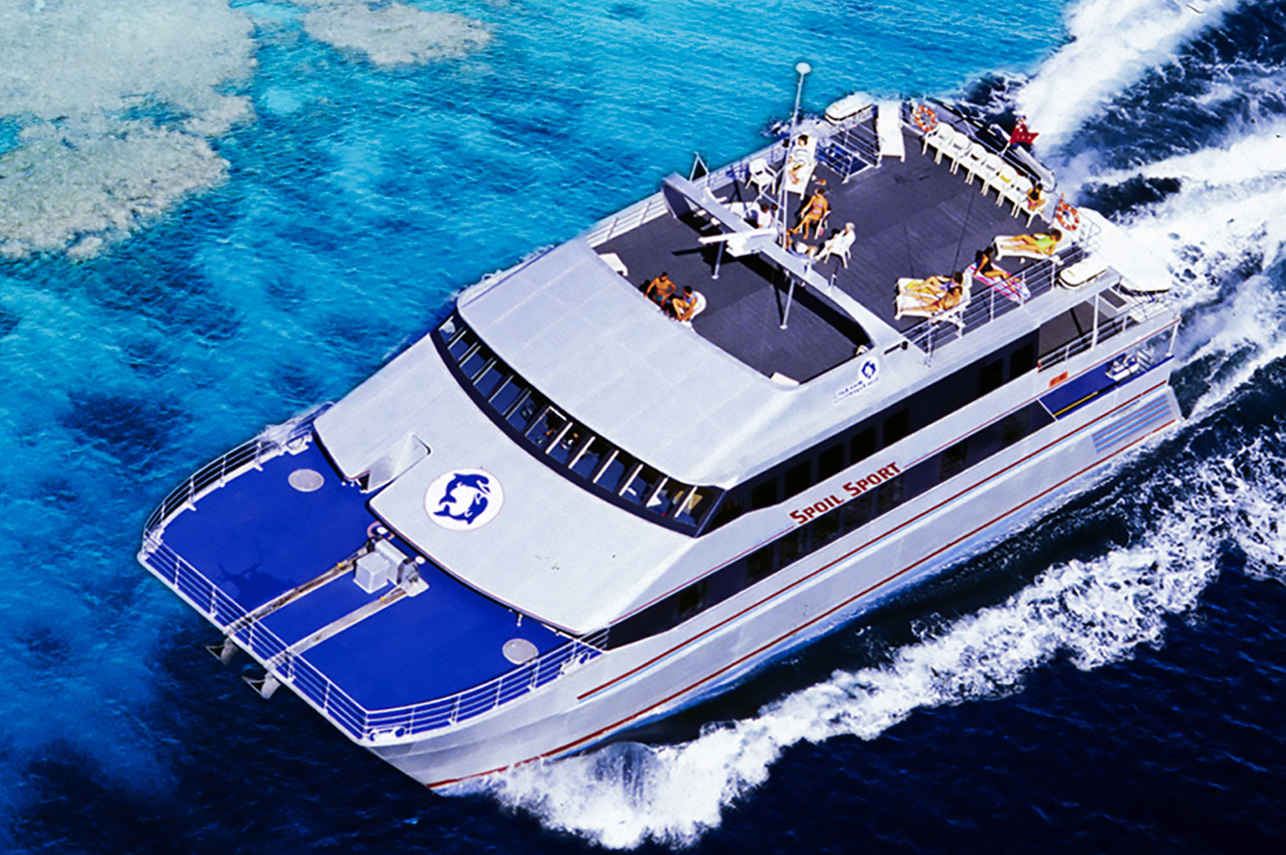
Spoilsport
Australia
28 guests30 m
$409/day
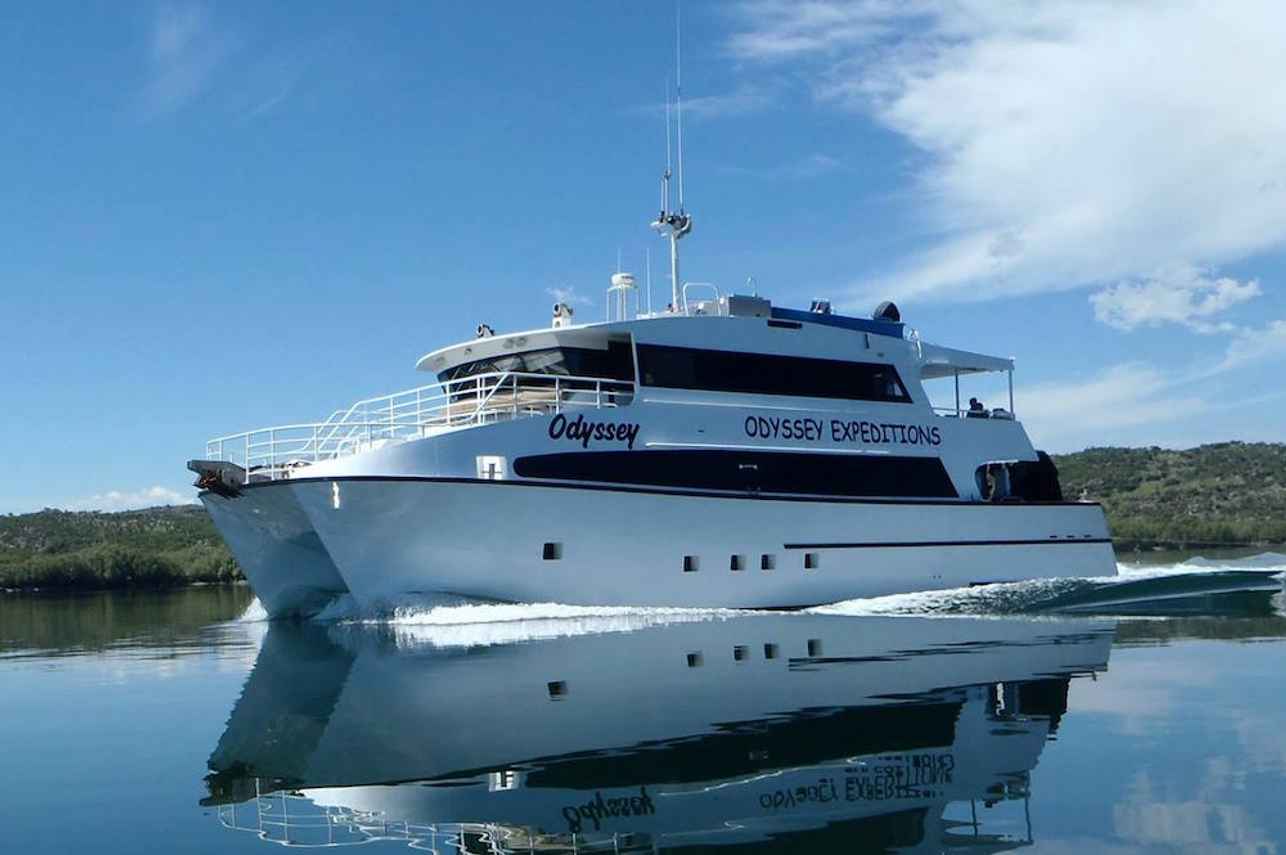
Odyssey Liveaboard
Australia
20 guests24 m
$392/day
Dive sites similar to Lighthouse Bay
Same character, same waters — six more sites divers love for the exact same reasons.Compare seasons, access and liveaboard routes — then pick the site that fits your trip best.
© Esri — Maxar, Earthstar, GIS
Agincourt Reef
Australia
Agincourt Reef sits on the outer edge of the Great Barrier Reef, roughly 60–72 km off Port Douglas in Far North Queensland, at the southern end of the true ribbon reefs that run…
- Suitable for
- Beginner
- Current
- Moderate
- Access
- Dayboat
- Depth
- 2–20 m
- Theme
- Reef / Wall
© Esri — Maxar, Earthstar, GIS
Cocos Keeling - Canons
Australia
Cocos Keeling - Canons offers a distinctive dive experience within the Cocos (Keeling) Islands lagoon, making it Australia's most remote dive destination.
- Suitable for
- Beginner
- Current
- Mild
- Access
- Dayboat
- Depth
- 8–12 m
- Theme
- Reef
© Esri — Maxar, Earthstar, GIS
Raine Island
Australia
Raine Island is a pivotal dive site located in the Far Northern Great Barrier Reef, approximately 85 kilometers east-north-east of Cape Grenville and just over 4 nautical miles south of the island itself.
- Suitable for
- Advanced
- Current
- Strong
- Access
- Liveaboard only
- Depth
- 5–40 m
- Theme
- Reef / Wall
© Esri — Maxar, Earthstar, GIS
Bare Island East
Australia
Bare Island East is a highly regarded shore dive in Sydney, celebrated for its diverse and colourful sponge gardens.
- Suitable for
- Intermediate
- Current
- Mild
- Access
- Shore / dayboat
- Depth
- 2–11 m
- Theme
- Reef
© Esri — Maxar, Earthstar, GIS
Cocos Keeling - Broccoli Patch
Australia
Broccoli Patch is a premier dive site nestled within the Cocos (Keeling) Islands lagoon system, offering a gentle yet captivating underwater experience.
- Suitable for
- Beginner
- Current
- Mild
- Access
- Dayboat
- Depth
- 5–10 m
- Theme
- Reef
© Esri — Maxar, Earthstar, GIS
Milln Reef
Australia
Milln Reef, located approximately 60km offshore from Cairns within the Great Barrier Reef, stands out as a highly favored outer reef destination for both divers and snorkelers.
- Suitable for
- Intermediate
- Current
- Moderate
- Access
- Liveaboard or dayboat
- Depth
- 4–22 m
- Theme
- Reef