About Dibley’s
Dibley's Dropoff is a prominent dive site located off the coast of Exmouth in Western Australia, forming part of the extensive Ningaloo Reef system. Situated about 2 km from shore on the western edge of the Exmouth peninsula, it is recognized for its vibrant marine life and diverse underwater topography. The site is a key component of the Lighthouse Bay diving area, which offers numerous dive opportunities close to Exmouth. The dive site features a wall and drop-off that descends to approximately 27 meters. This dramatic underwater landscape is punctuated by large pinnacles, some rising as much as 10 meters from the seabed, creating gullies and varied structures. These formations are home to healthy corals and limestone, providing a rich habitat. Dibley's is renowned for its pelagic encounters, with manta rays frequently gliding along the wall and reef sharks patrolling the gullies. During the cooler months, specifically between June and November, humpback whales are spotted in the area, and their songs can sometimes be heard underwater. The site also boasts a diverse fish population, numbering around 450 species, alongside wobbegongs, leopard sharks, sea snakes, and turtles, with whale sharks seen seasonally between March and August. Access to Dibley's is exclusively by boat, typically involving a 15 to 20 km journey from the ramp. Given its depth and exposure to open water, it is considered a rewarding dive for experienced and confident divers.
Highlights
Pelagic marine life encountersManta ray gliding along the wallHumpback whale songs (seasonal)Reef sharks patrolling gulliesLarge pinnacles and drop-offHealthy coral and limestone formationsDiverse fish species
Best Season
The best diving conditions are generally found from April through June, offering good visibility and comfortable water temperatures. While diving is possible year-round, these months provide optimal overall conditions, including easing winds. For whale shark sightings, the peak season runs from March to August, and humpback whales are present between June and November.
Dive site facts: Dibley’s
- Depth
- 0–27 m
- Current
- Moderate
- Entry
- Liveaboard or dayboat
- Level
- Intermediate
- Dive type
- Wall, Reef
- Region / port
- Australia
- Coordinates
- 15.4123° S, 124.6608° E
Conditions & Currents
Dibley's Dropoff typically experiences moderate currents, which are a significant factor to consider when planning your dive. The site's exposure at the edge of the reef means conditions can be influenced by open water movements, making it essential to choose a day with manageable current for a comfortable experience. Entry is exclusively by boat, given the site's offshore location and depth, requiring divers to be proficient in boat diving procedures. While specific details on entry techniques like negative entry or live boating are not provided, the depth and potential for currents suggest confidence in these areas is beneficial. Visibility is generally good, but like any exposed site, it can be subject to swings based on oceanic conditions. Water temperatures are warm, ranging from 22°C to 26°C, but divers should account for potential cooler sensations at depth. These conditions, combined with the maximum depth of 27 meters, make Dibley's Dropoff most suitable for confident and experienced divers.
Why dive Dibley’s from a liveaboard?
Dibley’s is one of Australia's signature dive sites. A liveaboard sleeps you on the water and puts you in the water for three to four guided dives per day, including dawn and night dives that day-boat operators rarely offer. You skip the daily commute back to port and reach quieter, less-crowded sites in the same region on a single trip.
Below are the liveaboards that include Dibley’s on their Australia itineraries.
Liveaboards diving Dibley’s
These liveaboards may visit Dibley’s on selected itineraries — the exact dive sites depend on departure, weather and conditions.
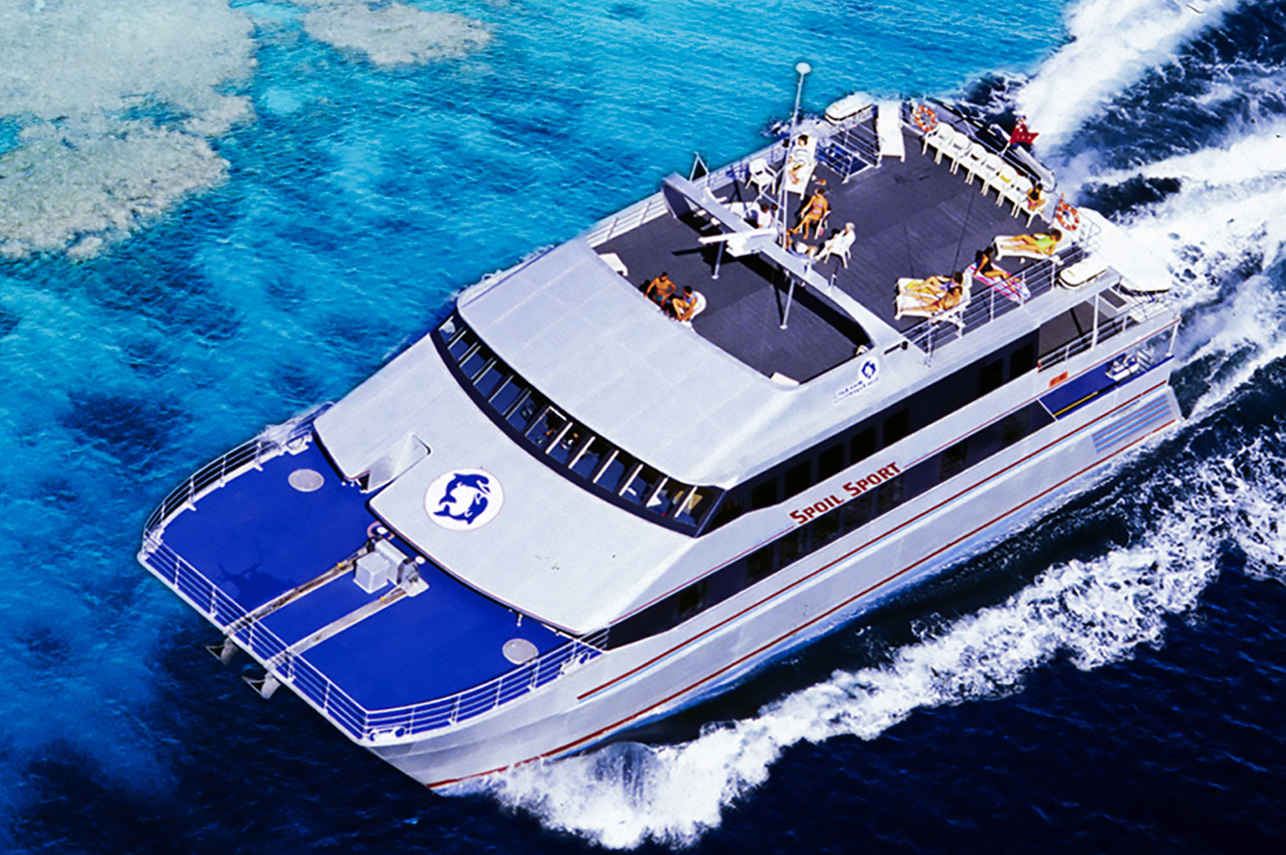
Spoilsport
Australia
28 guests30 m
$408/day
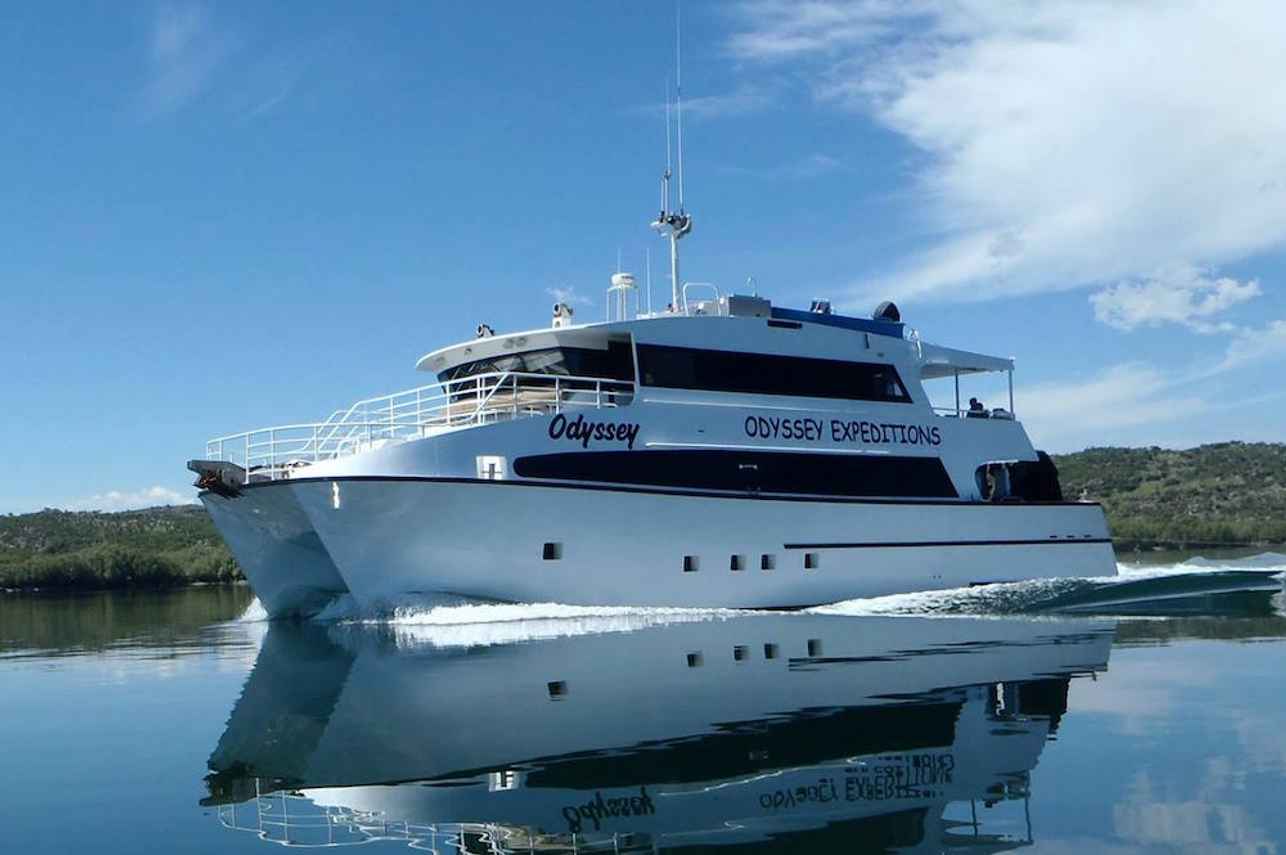
Odyssey Liveaboard
Australia
20 guests24 m
$392/day
Dive sites similar to Dibley’s
Same character, same waters — six more sites divers love for the exact same reasons.Compare seasons, access and liveaboard routes — then pick the site that fits your trip best.
© Esri — Maxar, Earthstar, GIS
Agincourt Reef
Australia
Agincourt Reef sits on the outer edge of the Great Barrier Reef, roughly 60–72 km off Port Douglas in Far North Queensland, at the southern end of the true ribbon reefs that run…
- Suitable for
- Beginner
- Current
- Moderate
- Access
- Dayboat
- Depth
- 2–20 m
- Theme
- Reef / Wall
© Esri — Maxar, Earthstar, GIS
Cocos Keeling - Canons
Australia
Cocos Keeling - Canons offers a distinctive dive experience within the Cocos (Keeling) Islands lagoon, making it Australia's most remote dive destination.
- Suitable for
- Beginner
- Current
- Mild
- Access
- Dayboat
- Depth
- 8–12 m
- Theme
- Reef
© Esri — Maxar, Earthstar, GIS
Raine Island
Australia
Raine Island is a pivotal dive site located in the Far Northern Great Barrier Reef, approximately 85 kilometers east-north-east of Cape Grenville and just over 4 nautical miles south of the island itself.
- Suitable for
- Advanced
- Current
- Strong
- Access
- Liveaboard only
- Depth
- 5–40 m
- Theme
- Reef / Wall
© Esri — Maxar, Earthstar, GIS
Bare Island East
Australia
Bare Island East is a highly regarded shore dive in Sydney, celebrated for its diverse and colourful sponge gardens.
- Suitable for
- Intermediate
- Current
- Mild
- Access
- Shore / dayboat
- Depth
- 2–11 m
- Theme
- Reef
© Esri — Maxar, Earthstar, GIS
Cocos Keeling - Broccoli Patch
Australia
Broccoli Patch is a premier dive site nestled within the Cocos (Keeling) Islands lagoon system, offering a gentle yet captivating underwater experience.
- Suitable for
- Beginner
- Current
- Mild
- Access
- Dayboat
- Depth
- 5–10 m
- Theme
- Reef
© Esri — Maxar, Earthstar, GIS
Milln Reef
Australia
Milln Reef, located approximately 60km offshore from Cairns within the Great Barrier Reef, stands out as a highly favored outer reef destination for both divers and snorkelers.
- Suitable for
- Intermediate
- Current
- Moderate
- Access
- Liveaboard or dayboat
- Depth
- 4–22 m
- Theme
- Reef