About Fish Soup
Fish Soup is a renowned dive site located off North West Rock, approximately one kilometer north of North Solitary Island on the New South Wales North Coast of Australia. The site is aptly named for the incredible concentration of marine life, with fish schools so dense they often resemble a "soup." This area is part of the Solitary Islands Marine Park and benefits from the warm East Australian Current, which brings a mix of tropical and temperate species, making it one of NSW's most biodiverse dive locations. Access to this boat-only site is typically from Wooli or Woolgoolga. The underwater topography consists of a large rock formation and smaller surrounding rocks, split by a channel about 10 meters wide at the surface. Divers explore depths ranging from 8 meters on the upper structure to 25 meters on the surrounding sandy bottom, with most activity occurring between 15 and 22 meters. The reef features extensive hard and soft coral cover, including the southernmost tropical hard coral species, alongside bommies, gutters, and overhangs that provide shelter for diverse marine creatures. The standout feature of Fish Soup is its exceptional marine life. The site is famous for one of the highest concentrations of anemonefish on the Australian east coast, including resident pink anemonefish. Grey nurse sharks aggregate seasonally in deeper sections, and wobbegong sharks are commonly found under ledges. Schools of jewfish, kingfish, mackerel, and trevally, along with dense baitfish, swarm the structure. Eastern blue gropers, lionfish, butterflyfish, angelfish, parrotfish, octopus, cuttlefish, and moray eels are also abundant. Humpback whales pass during their migration from May to November. While currents can range from mild to moderate, necessitating good buoyancy control, the dive is generally considered suitable for Open Water certified divers due to its maximum depth of 18 meters on recreational profiles. The site requires relatively calm seas for optimal enjoyme
Highlights
Extraordinary fish densityHigh anemonefish concentrationSeasonal grey nurse shark aggregationTropical and temperate species mixCoral-covered bommies and overhangsEast Australian Current influenceBoat-only access
Season calendar
Best months to dive here
Jan
Feb
Mar
Apr
May
Jun
Jul
Aug
Sep
Oct
Nov
Dec
Good
Dive site facts: Fish Soup
- Depth
- 8–25 m
- Typical dive
- 15–22 m, ~60 min
- Current
- Mild to moderate
- Visibility
- 12–20 m (up to 30 m)
- Water temperature
- 18–26°C
- Entry
- Boat
- Level
- Open Water Diver recommended
- Dive type
- Reef, big_animals, macro, fish_schools
- Region / port
- New South Wales, Australia
- Coordinates
- 29° 54' 50" S, 153° 22' 55" E
Conditions & Currents
Currents at Fish Soup vary from mild to moderate, significantly shaping the aggregation patterns of marine life, but requiring divers to maintain good buoyancy and situational awareness. The eastern side of North West Rock almost always experiences a current, making normal diving difficult there due to the risk of being swept south. Diving conditions depend heavily on calm seas, especially when attempting to swim through the rock split from west to east. While specific tide dependencies are not detailed, strong East Australian Current (EAC) pushes can enhance visibility, potentially reaching up to 30 meters. Divers should be prepared for potential shifts in water flow and clarity, as these conditions can fluctuate. This dynamic environment means that proper planning for drift diving or current management is essential, and the site is best enjoyed by divers with some experience in moving
Marine life & sighting chances
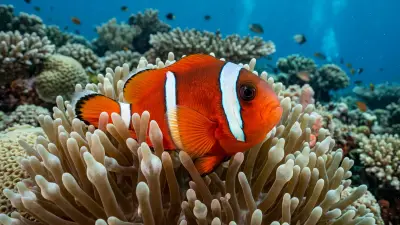
Anemonefish
common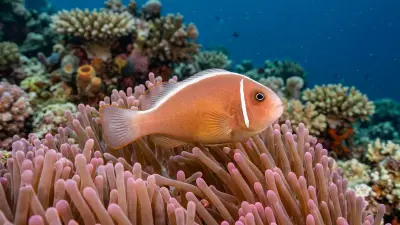
Pink anemonefish
common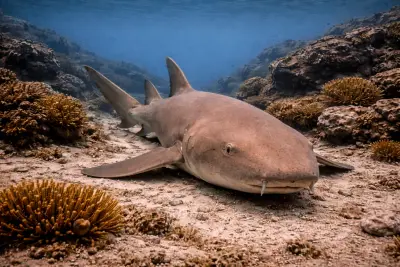
Grey nurse sharks
May to November · occasional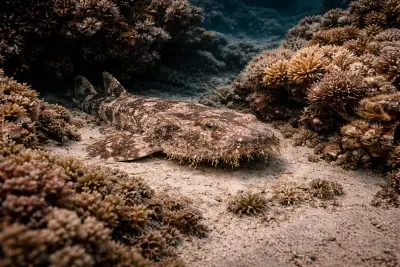
Wobbegong sharks
common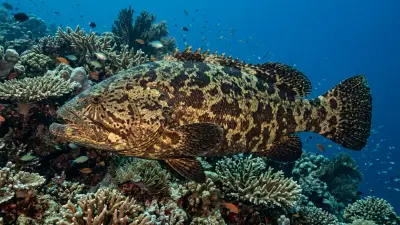
Jewfish
common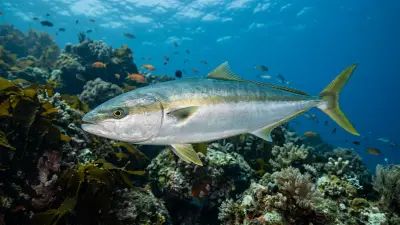
Kingfish
common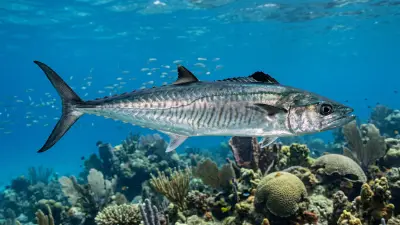
Mackerel
occasional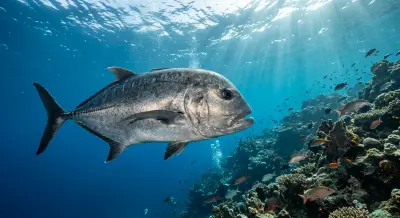
Trevally
occasional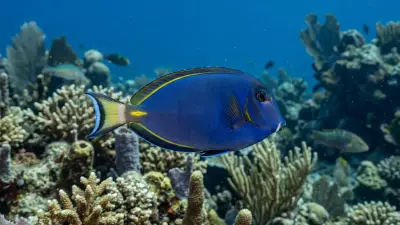
Eastern blue gropers
common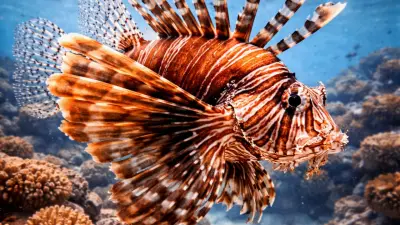
Lionfish
occasional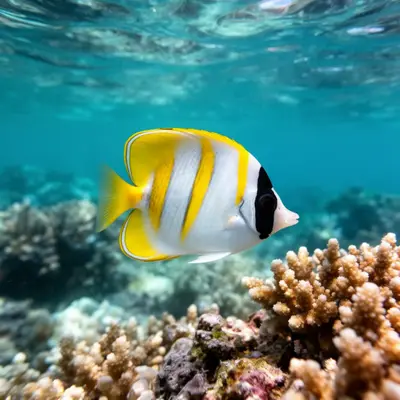
Butterflyfish
occasional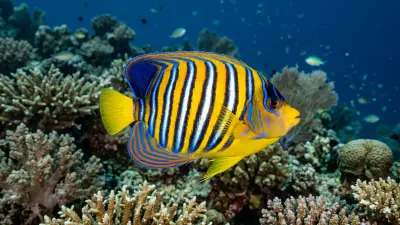
Angelfish
occasional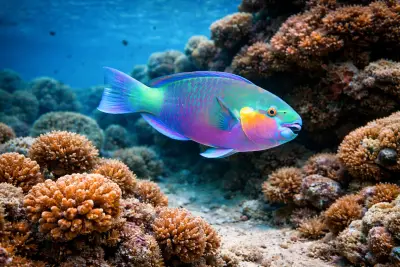
Parrotfish
occasional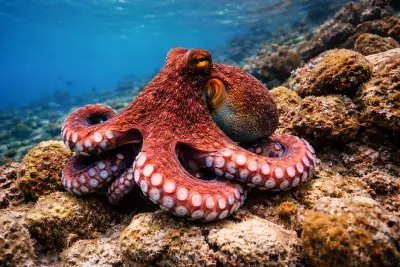
Octopus
occasionalDive profile & how the dive runs
Diving at Fish Soup typically begins with a drop to the bottom on the western side of North West Rock, where boats moor, at a depth of about 15 meters. From there, divers proceed due east, moving towards the channel that splits the rock formation. As you approach the channel, the depth gradually decreases to approximately 10 meters, passing over areas of hard coral. The route leads directly into the split, where depths can reach 8 meters over a sandy or broken shell bottom. The dive often involves exploring the large boulders and swim-throughs found within this split. While no specific turnaround point is mentioned, the dive aims to maximize time within the concentrated fish schools and unique rock structures. Safety stops are usually conducted as the dive concludes, likely near the mooring point or during ascent, depending on current conditions.
Underwater photography
Fish Soup is an exceptional location for wide-angle photography due to the immense schools of fish and abundant hard coral formations. A wide-angle lens is ideal for capturing the "soup" effect of dense baitfish and the overall topography, including the rock split and large boulders. For macro enthusiasts, the site offers plenty of opportunities for close-up shots of anemonefish, nudibranchs, and other small creatures among the vibrant sponge and coral growth; a macro lens would be beneficial here. External strobes are recommended to bring out the natural colors, especially in deeper sections or within overhangs. Buoyancy control is crucial, particularly when navigating the rock structures and variable currents, to avoid disturbing marine life or kicking up sediment. Divers should maintain awareness of their surroundings to capture the dynamic interactions of the schooling fish and ensure ethical photography practices, respecting the resident creatures.
Getting there & logistics
Access to Fish Soup is exclusively by charter boat, with departures primarily from the coastal towns of Wooli or Woolgoolga in New South Wales. These towns are approximately an 8-hour drive north of Sydney, serving as key embarkation points for diving the North Solitary Islands region. Divers flying in would typically arrive at Sydney Airport for southern/central regions or potentially Brisbane in Queensland for northern regions of NSW, then arrange ground transport. Trip lengths can vary, with day trips focusing on the Solitary Islands or liveaboards incorporating multiple sites in the area. There are no specific permits or fees mentioned beyond standard dive charter costs, though the site is within the Solitary Islands Marine Park. Fish Soup is often dived as a second dive due to its shallower profile compared to North Solitary Island.
Safety & environment
The nearest recompression chamber or advanced medical facilities are likely in larger regional centers, emphasizing the importance of comprehensive dive insurance for any offshore diving in this region. Evacuation from the North Solitary Islands area would typically involve boat transport back to the mainland, potentially followed by road or air ambulance, depending on the severity of the incident and weather conditions. Site-specific hazards include potentially strong and variable currents, especially on the eastern side of North West Rock, which requires good buoyancy control and situational awareness. Entry and exit may involve surge in certain conditions. Divers should be well-versed in current management techniques and always dive within their training and certification limits. It is advisable to dive with experienced local operators familiar with the specific conditions of Fish Soup.
Who it suits — and who it doesn't
Suited for
- Experienced Open Water divers comfortable with currents
- Underwater photographers seeking dense fish schools
- Marine life enthusiasts keen on high biodiversity
- Divers looking for a unique mix of tropical and temperate species
- Divers interested in exploring varied reef topography
Less suited for
- Absolute beginner divers with no current experience
- Divers prone to seasickness, due to potential choppy conditions
- Those expecting guaranteed calm, current-free dives
- Divers who prefer solely macro or solely pelagic encounters
FAQ
Fish Soup FAQ
Why is it called 'Fish Soup'?
The dive site earned its name due to the extraordinarily high density of fish that congregate around North West Rock. Divers often describe swimming through schools so thick they feel like they are immersed in a "soup" of marine life, making it a visually spectacular experience. This concentration is largely attributed to the site's location within the Solitary Islands Marine Park, influenced by the nutrient-rich East Australian Current.
What kind of sharks can be seen at Fish Soup?
Fish Soup is known for seasonal aggregations of grey nurse sharks, especially in its deeper sections, as the Solitary Islands are a designated aggregation site for this species. Additionally, wobbegong sharks are commonly found tucked under the numerous overhangs and crevices throughout the reef structure. Other pelagic species, while not sharks, like jewfish, kingfish, mackerel, and trevally, are also frequently sighted in large schools.
What are the typical dive depths and conditions?
The maximum recreational depth at Fish Soup is around 18 meters, though the reef extends to 25 meters on the surrounding sand. Most diving activity takes place between 15 and 22 meters, allowing for ample bottom time for Open Water certified divers. Conditions can feature mild to moderate currents, which are part of the site's dynamic environment and contribute to its rich marine life. Visibility generally ranges from 12 to 20 meters, occasionally reaching up to 30 meters with strong current influence.
How do I get to Fish Soup?
Fish Soup is an offshore site, accessible only by boat charter. Most dive trips depart from the towns of Wooli or Woolgoolga, located on the New South Wales North Coast. These towns are typically reached by car, about an 8-hour drive north of Sydney. Divers flying into Australia for this destination usually land at major airports like Sydney or Brisbane and then arrange onward ground transportation to the departure points.
When is the best time to dive Fish Soup?
The best times for diving Fish Soup are generally from January to February and then from June to September. These months often provide more comfortable surface temperatures and moderate dive scores. The dry season, running from June to November, typically offers better underwater visibility and calmer sea conditions, which are important for an enjoyable experience at this exposed site.
Why dive Fish Soup from a liveaboard?
Fish Soup is one of Australia's signature dive sites. A liveaboard sleeps you on the water and puts you in the water for three to four guided dives per day, including dawn and night dives that day-boat operators rarely offer. You skip the daily commute back to port and reach quieter, less-crowded sites in the same region on a single trip.
Below are the liveaboards that include Fish Soup on their Australia itineraries.
Liveaboards diving Fish Soup
These liveaboards may visit Fish Soup on selected itineraries — the exact dive sites depend on departure, weather and conditions.
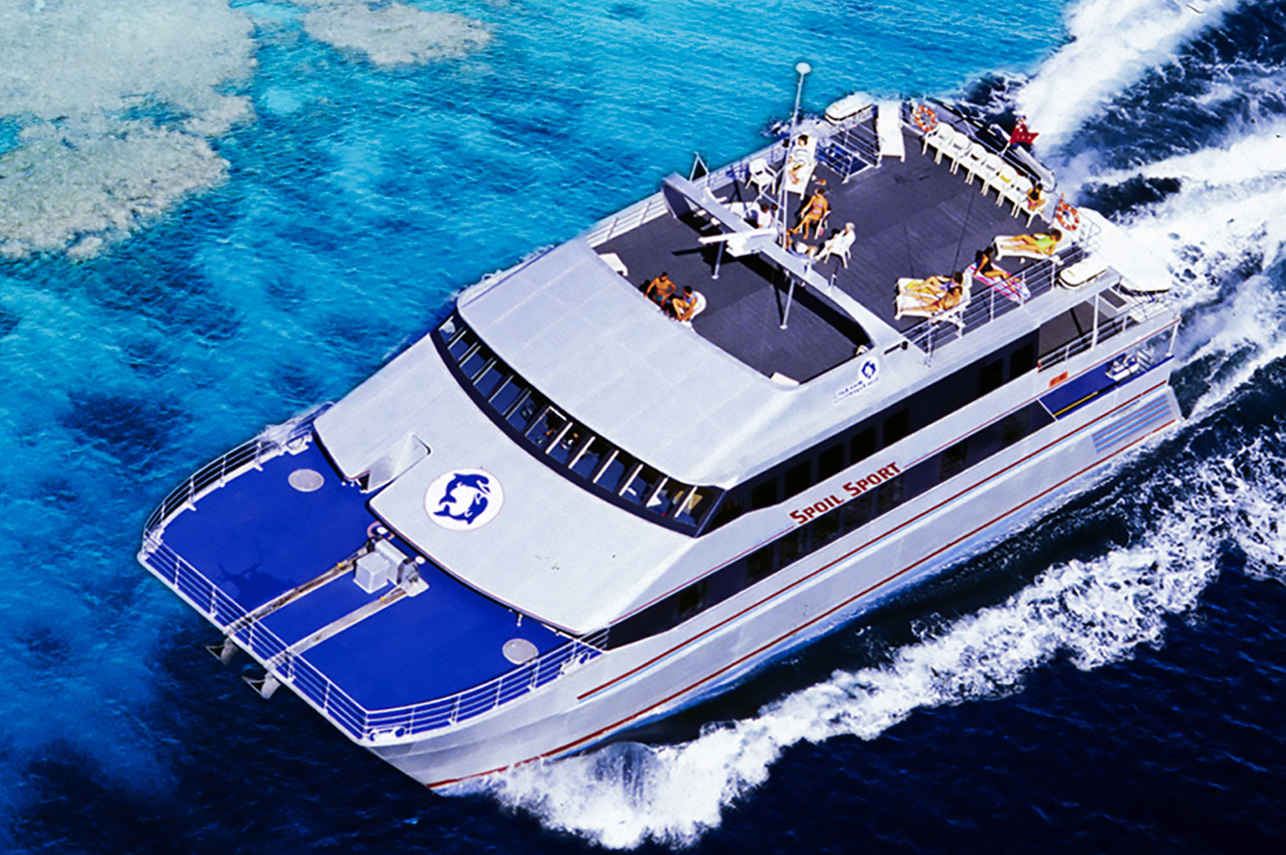
Spoilsport
Australia
28 guests30 m
$408/day
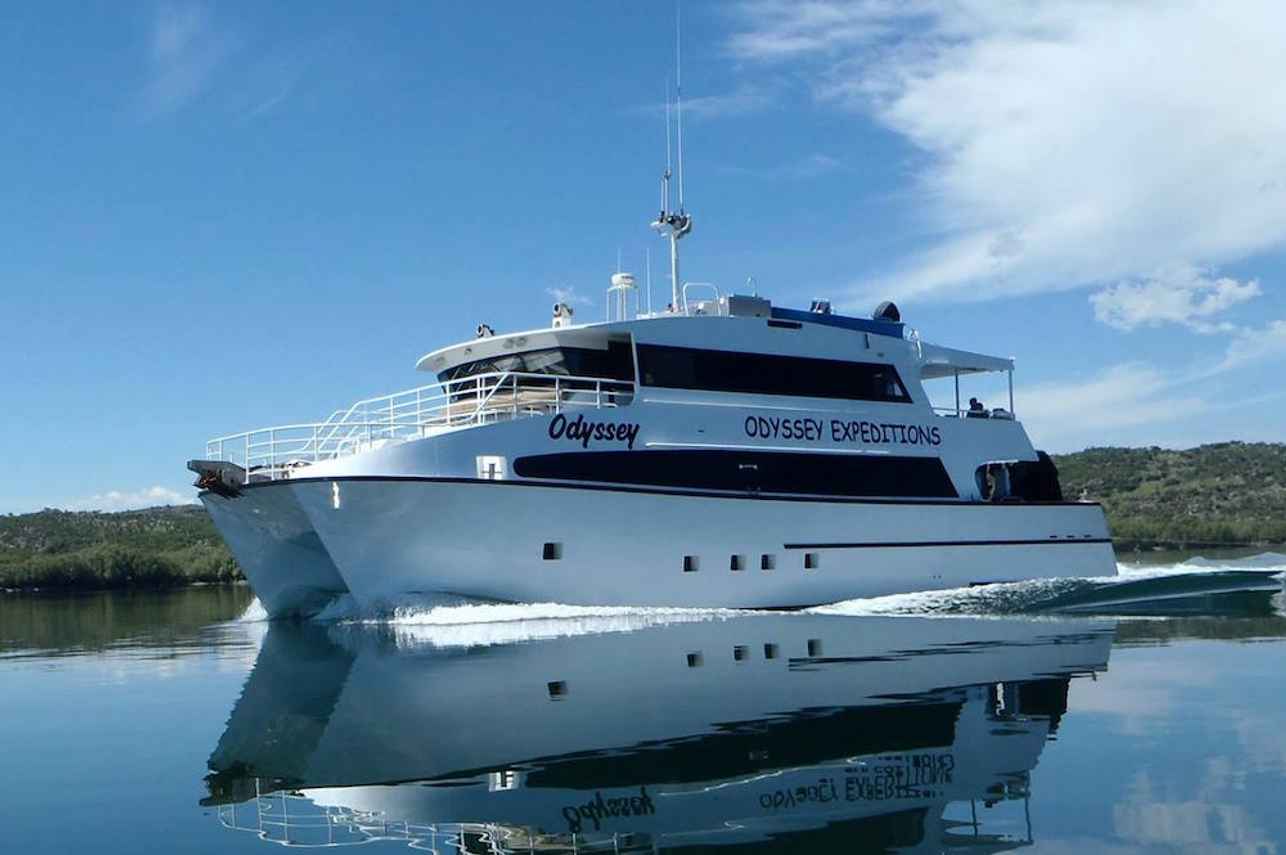
Odyssey Liveaboard
Australia
20 guests24 m
$392/day
Dive sites similar to Fish Soup
Same character, same waters — six more sites divers love for the exact same reasons.Compare seasons, access and liveaboard routes — then pick the site that fits your trip best.
© Esri — Maxar, Earthstar, GIS
Agincourt Reef
Australia
Agincourt Reef sits on the outer edge of the Great Barrier Reef, roughly 60–72 km off Port Douglas in Far North Queensland, at the southern end of the true ribbon reefs that run…
- Suitable for
- Beginner
- Current
- Moderate
- Access
- Dayboat
- Depth
- 2–20 m
- Theme
- Reef / Wall
© Esri — Maxar, Earthstar, GIS
Cocos Keeling - Canons
Australia
Cocos Keeling - Canons offers a distinctive dive experience within the Cocos (Keeling) Islands lagoon, making it Australia's most remote dive destination.
- Suitable for
- Beginner
- Current
- Mild
- Access
- Dayboat
- Depth
- 8–12 m
- Theme
- Reef
© Esri — Maxar, Earthstar, GIS
Raine Island
Australia
Raine Island is a pivotal dive site located in the Far Northern Great Barrier Reef, approximately 85 kilometers east-north-east of Cape Grenville and just over 4 nautical miles south of the island itself.
- Suitable for
- Advanced
- Current
- Strong
- Access
- Liveaboard only
- Depth
- 5–40 m
- Theme
- Reef / Wall
© Esri — Maxar, Earthstar, GIS
Bare Island East
Australia
Bare Island East is a highly regarded shore dive in Sydney, celebrated for its diverse and colourful sponge gardens.
- Suitable for
- Intermediate
- Current
- Mild
- Access
- Shore / dayboat
- Depth
- 2–11 m
- Theme
- Reef
© Esri — Maxar, Earthstar, GIS
Cocos Keeling - Broccoli Patch
Australia
Broccoli Patch is a premier dive site nestled within the Cocos (Keeling) Islands lagoon system, offering a gentle yet captivating underwater experience.
- Suitable for
- Beginner
- Current
- Mild
- Access
- Dayboat
- Depth
- 5–10 m
- Theme
- Reef
© Esri — Maxar, Earthstar, GIS
Milln Reef
Australia
Milln Reef, located approximately 60km offshore from Cairns within the Great Barrier Reef, stands out as a highly favored outer reef destination for both divers and snorkelers.
- Suitable for
- Intermediate
- Current
- Moderate
- Access
- Liveaboard or dayboat
- Depth
- 4–22 m
- Theme
- Reef