About Arrábida Reef
The Arrábida Reef, nestled within the Parque Natural da Arrábida, stands as a premier diving destination in Portugal, celebrated for its rich biodiversity and stunning underwater topography. This marine park, easily accessible from Lisbon and Sesimbra, presents an inviting environment for both new and experienced divers alike. Its clear Atlantic waters reveal a diverse seascape of rocky reefs, walls, and scattered boulders. The underwater landscape is characterized by limestone cliffs that plunge into the sea, forming intricate rock formations, caves, and crevices. Depths at the Arrábida Reef typically range from 6 to 22 meters, catering to a broad spectrum of diving proficiencies. These varying depths and structures create numerous habitats for a wide array of marine species, making every dive an opportunity for discovery. Throughout the year, the reef is home to a vibrant ecosystem. Divers can observe octopuses, cuttlefish, and an impressive variety of nudibranchs that thrive among the gorgonian-covered rocks. Larger species such as groupers, barracudas, and moray eels are also common sightings within the protected waters. The calm conditions and good visibility often experienced here enhance encounters with this thriving marine life, particularly during the warmer summer months. Diving at Arrábida is typically boat-based, with local operators from Sesimbra and Setúbal managing access to the protected areas. The dive sites are generally open, providing easy entry and exit, though some locations might require guided supervision to navigate the more intricate underwater features. The overall experience emphasizes gentle exploration of a rich, well-preserved marine environment.
Highlights
Protected marine parkLimestone cliffs and cavesRich biodiversityOctopus and nudibranchsGorgonian reefsCalm Atlantic waters
Season calendar
Best months to dive here
Jan
Feb
Mar
Apr
May
Jun
Jul
Aug
Sep
Oct
Nov
Dec
Good
Dive site facts: Arrábida Reef
- Depth
- 6–22 m
- Current
- Mild
- Visibility
- 10–30 m
- Water temperature
- 17–24°C (summer)
- Entry
- Boat
- Level
- Open Water to Advanced
- Dive type
- Reef, Wall, Cave
- Night dive
- Possible
- Region / port
- Lisbon & Setubal
- Coordinates
- 38.45, -8.97
Conditions & Currents
Currents at Arrábida Reef are generally mild, contributing to a relaxed diving experience suitable for various skill levels. However, as with any coastal site, local conditions can vary, and divers should always check with their guide for the day's specific current patterns. Visibility is typically good, ranging from 10 to 30 meters, though this can fluctuate with weather and tidal movements. Entry and exit are usually boat-based, often conducted as open dives where divers descend from the surface. While surge is generally minimal, divers should remain aware of potential changes near the surface, especially close to rocky formations. Overall, the calm conditions make Arrábida an excellent site for leisurely exploration, with minimal concerns about strong currents impacting dive plans or gas consumption.
Marine life & sighting chances

Octopus
common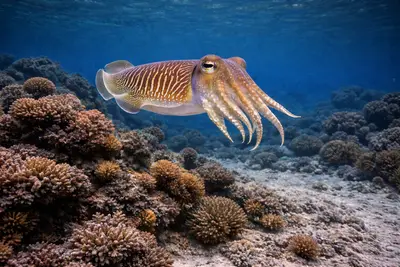
Cuttlefish
common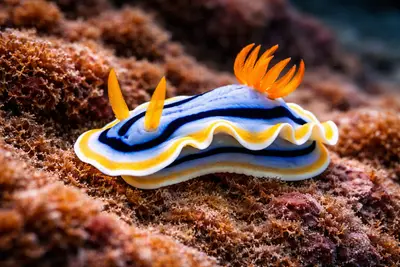
Nudibranchs
common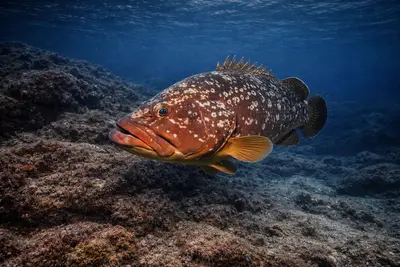
Groupers
common
Barracudas
common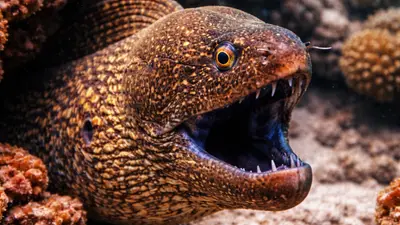
Moray eels
common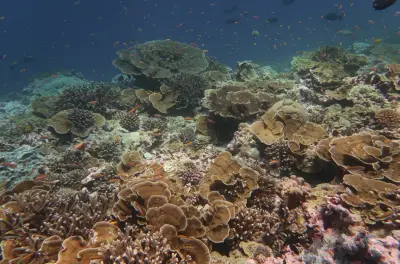
Various reef fish
common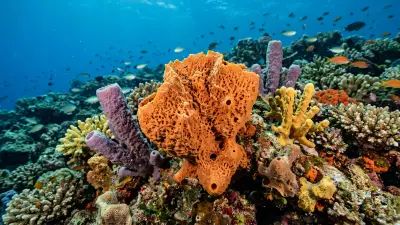
Sponges
common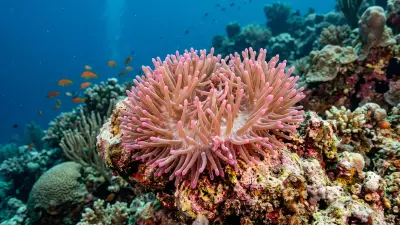
Anemones
common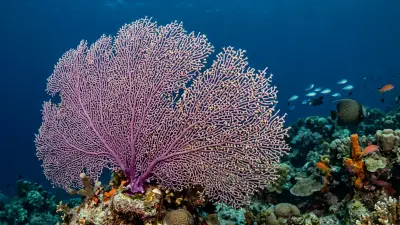
Gorgonians
commonDive profile & how the dive runs
Diving at Arrábida Reef typically begins with a boat entry from a local operator in Sesimbra or Setúbal. After a thorough briefing, divers perform a standard descent, often following a guide to the designated reef or rock formation. The dive path usually involves navigating along rocky walls, exploring crevices, and traversing boulder fields, maintaining a depth between 6 to 22 meters. Buoyancy control is key to gently explore the gorgonian-covered surfaces and discover hidden marine life. The route often curves with the natural topography, allowing for observation of diverse habitats. Towards the end of the dive, divers gradually ascend, performing a safety stop at 5 meters before surfacing for boat pick-up.
Underwater photography
Arrábida Reef offers excellent opportunities for both wide-angle and macro photography, thanks to its clear waters and diverse subjects. For wide-angle shots, a fisheye or wide-angle lens is ideal to capture the dramatic limestone formations and expansive gorgonian fields. During summer, good light penetration enhances color and clarity. Macro photographers will find plenty to focus on, including the abundant nudibranchs, octopuses, and other small invertebrates hiding in crevices. A powerful focus light can be beneficial in darker areas of caves or under overhangs. Maintaining excellent buoyancy control is crucial to avoid disturbing delicate corals and to get stable shots in these often intricate environments.
Combine with nearby dive sites
- Pedra do Leão
Lion-shaped islet with an underwater passage
- Jardim das Gorgónias
Rocky ridge covered in diverse gorgonians
- River Gurara
Wreck sections at varying depths
- Baía da Armação
Sheltered bay with sand and boulders
- Sesimbra Wreck Garden
Sesimbra Wreck Garden, situated near Lisbon, Portugal, offers an exceptional diving experience within the protected waters of the Luiz…
Getting there & logistics
Access to Arrábida Reef is primarily through local dive operators based in Sesimbra or Setúbal. Divers typically fly into Lisbon Portela Airport (LIS), which is the most convenient and well-connected international entry point to the region. From Lisbon, Sesimbra is approximately a 45-minute to an hour's drive south. Dive trips are usually day excursions, with duration ranging from 2 to 4 hours, often including one or two dives. There are no specific park fees mentioned beyond the dive trip cost, but all diving activities within the Luiz Saldanha Marine Park are conducted under strict protected area rules. It's common for divers to combine a trip to Arrábida with other nearby coastal sites or cultural explorations in Lisbon.
Safety & environment
Diving at Arrábida Reef, while generally calm, requires adherence to standard safety practices and local guidelines. The nearest recompression chamber is located in Lisbon, meaning evacuation in a dive emergency would involve surface travel, underscoring the importance of preventative measures. Divers should always carry valid dive insurance that covers emergency medical treatment and evacuation. Site-specific hazards are minimal but include potential for mild currents or surge, particularly on more exposed sites or during tidal changes. Always dive within your certification limits and follow the instructions of your local dive guide, who is familiar with the specific conditions and protected area rules of the Arrábida Marine Park.
Who it suits — and who it doesn't
Suited for
- Open Water Divers looking for calm reef exploration
- Photographers interested in macro and wide-angle subjects
- Divers seeking abundant temperate marine life
- Those who appreciate protected marine environments
- Divers who enjoy exploring diverse underwater topography
Less suited for
- Divers seeking strong currents for drift diving
- Those exclusively interested in large pelagic encounters
- Individuals uncomfortable with boat-based diving
- Divers looking for deep wreck penetration
- Beginners without adequate buoyancy control for delicate reef areas
FAQ
Arrábida Reef FAQ
What is the best time of year to dive Arrábida Reef?
The optimal time to dive Arrábida Reef is between April and September. During these months, water temperatures are at their warmest, and visibility is typically at its best. This period offers the most comfortable and rewarding diving conditions for exploring the marine park's diverse underwater landscape.
What kind of marine life can I expect to see at Arrábida Reef?
Arrábida Reef is rich with temperate marine life. Divers frequently encounter octopuses, cuttlefish, and a variety of nudibranchs. Larger species such as groupers, barracudas, and moray eels are also common, making it an excellent site for observing diverse ecosystems.
Is Arrábida Reef suitable for beginner divers?
Yes, Arrábida Reef is suitable for Open Water Divers due to its generally mild currents and accessible depths. Many sites within the marine park offer comfortable conditions for less experienced divers, especially when accompanied by a local guide. There are also options for more advanced divers seeking deeper explorations or specific features.
How do I get to the dive sites at Arrábida Reef?
Dive sites at Arrábida Reef are reached by boat, typically departing from Sesimbra or Setúbal. Most divers fly into Lisbon Portela Airport and then travel south to these coastal towns to join local dive operators. These operators manage access to the protected areas and provide guidance for the dives.
Are there any specific safety considerations for diving Arrábida Reef?
While generally safe, divers should always be mindful of local conditions and follow their guide's instructions. Currents are usually mild, but can vary. It is highly recommended to have comprehensive dive insurance, as the nearest recompression chamber is in Lisbon, requiring surface travel in an emergency. Maintaining good buoyancy control is also important to protect the delicate marine environment.
Why dive Arrábida Reef from a liveaboard?
Arrábida Reef is one of Portugal's signature dive sites. A liveaboard sleeps you on the water and puts you in the water for three to four guided dives per day, including dawn and night dives that day-boat operators rarely offer. You skip the daily commute back to port and reach quieter, less-crowded sites in the same region on a single trip.
Below are the liveaboards that include Arrábida Reef on their Portugal itineraries.
Liveaboards diving Arrábida Reef
These liveaboards may visit Arrábida Reef on selected itineraries — the exact dive sites depend on departure, weather and conditions.
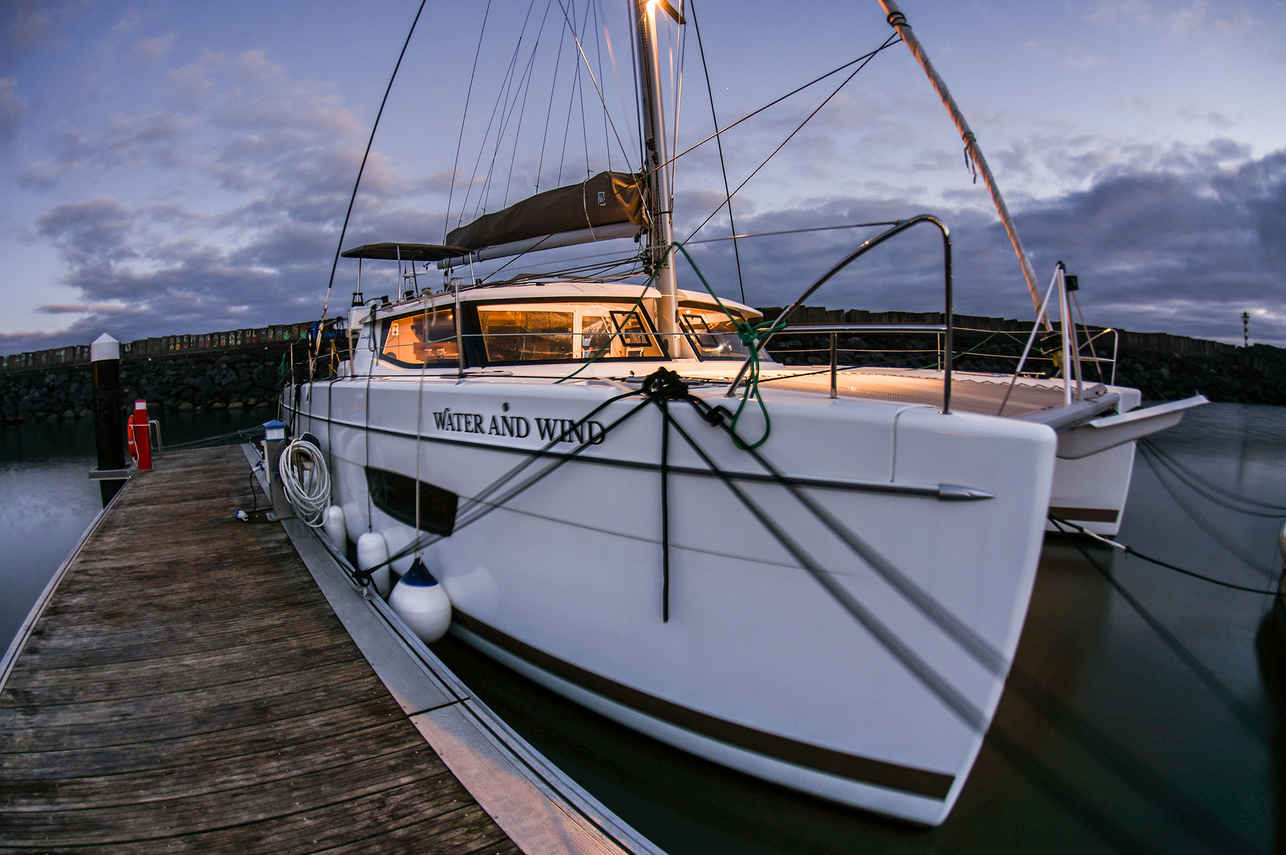
Water And Wind
Portugal
8 guests13.41 m
Dive sites similar to Arrábida Reef
Same character, same waters — six more sites divers love for the exact same reasons.Compare seasons, access and liveaboard routes — then pick the site that fits your trip best.
© Esri — Maxar, Earthstar, GIS
Pedra da Velha
Portugal
Pedra da Velha is an advanced boat-access rocky reef and pinnacle located off Peniche, within the protected Berlengas archipelago.
- Suitable for
- Advanced
- Current
- Moderate
- Access
- Dayboat
- Depth
- 10–20 m
- Theme
- Reef / Wall
© Esri — Maxar, Earthstar, GIS
Pedra da Nau
Portugal
Pedra da Nau is a notable dive site situated in a protected bay near Cascais, easily accessible with a short boat ride from shore or even by land.
- Suitable for
- Beginner
- Current
- Mild
- Access
- Liveaboard or dayboat
- Depth
- 4–18 m
- Theme
- Reef
Silveira is a welcoming beginner-friendly dive site located off Terceira Island in the Azores archipelago, Portugal.
- Suitable for
- Beginner
- Current
- Mild
- Access
- Dayboat
- Depth
- 2–15 m
- Theme
- Reef / Pinnacle
© Esri — Maxar, Earthstar, GIS
Cinco Ribeiras
Portugal
Cinco Ribeiras is situated on the western coast of Terceira Island in the Azores, named after a nearby village.
- Suitable for
- Beginner
- Current
- Mild
- Access
- Shore / dayboat
- Depth
- 5–16 m
- Theme
- Reef / Cavern
Baixa do Ambrósio is an advanced dive site situated in the open Atlantic, southeast of Santa Maria Island in the eastern Azores.
- Suitable for
- Advanced
- Current
- Strong
- Access
- Dayboat
- Depth
- 5–47 m
- Theme
- Reef / Drift