About Sesimbra Wreck Garden
Sesimbra Wreck Garden, situated near Lisbon, Portugal, offers an exceptional diving experience within the protected waters of the Luiz Saldanha Marine Park. This area is renowned for its diverse dive sites, ranging from natural reefs and underwater cliffs to fascinating shipwrecks, making it a prime location for both new and experienced divers. The calm conditions and good visibility typically found here create an ideal environment for underwater exploration and photography. The site features several wrecks, including the River Gurara, which act as artificial reefs, attracting a rich array of marine life. These sunken vessels and the surrounding natural topography provide complex habitats for numerous species, making every dive a discovery. The depths vary, accommodating different certification levels, with some sites accessible to Open Water Divers while others, particularly deeper wreck penetrations, benefit from advanced training. Throughout the summer months, from June to September, the waters around Sesimbra are particularly inviting, with temperatures comfortable for diving and excellent visibility. This period often sees an abundance of octopuses, cuttlefish, and various nudibranchs inhabiting the reefs and wrecks. Larger species like groupers and barracudas also frequent the area, drawn to the rich food sources and shelter. Diving in Sesimbra typically involves boat access to the dive sites, which are often within close proximity to the shore. The dive profiles can be tailored to explore the exterior of the wrecks, investigate the reef structures, or practice specific wreck diving techniques under guidance. The overall experience blends historical exploration with vibrant marine encounters, all set against the picturesque backdrop of the Portuguese coast.
Highlights
Luiz Saldanha Marine ParkHistoric shipwrecksArtificial reef ecosystemsRich marine biodiversityCalm, clear watersAccessible for various skill levels
Season calendar
Best months to dive here
Jan
Feb
Mar
Apr
May
Jun
Jul
Aug
Sep
Oct
Nov
Dec
Excellent
Good
Off-Season
Jul – Oct (Summer/Autumn)
Best visibility 20–30m, warmest water 21–24°C. Blue sharks, mobula rays, whale sharks. Peak pelagic season at offshore sites.
Apr – Jun & Nov (Shoulder)
Improving/declining conditions. Water cooling but still diveable. Fewer pelagics but good reef life.
Dec – Mar (Winter)
Cold water 16–18°C, rough Atlantic swells, reduced visibility. Limited dive operations. Only for experienced cold-water divers.
Dive site facts: Sesimbra Wreck Garden
- Depth
- 5–30 m
- Current
- Mild
- Visibility
- 10–30 m
- Water temperature
- 17–24°C
- Entry
- Boat
- Level
- Open Water Diver to Advanced
- Dive type
- Wreck, reef, marine park
- Night dive
- Possible
- Region / port
- Sesimbra, Lisbon area
- Coordinates
- 38.42, -9.11
Conditions & Currents
Currents at Sesimbra Wreck Garden are generally mild, making it an accommodating site for divers of various experience levels. However, as with any coastal location, local conditions can vary, so always consult with your dive guide for the most current information. Visibility can range significantly, from 10 to 30 meters, influenced by weather patterns and plankton blooms, particularly in summer when marine life activity increases. Entry is typically from a boat, and specific briefings will cover descent timing and buddy procedures to ensure a safe and organized start to each dive. Surge is usually minimal due to the protected nature of the marine park, contributing to a calm underwater experience. Divers should be aware of boat traffic in the vicinity and maintain appropriate safety stops.
Marine life & sighting chances

Octopus
Summer · common
Cuttlefish
Summer · common
Nudibranch
Summer · common
Grouper
occasional
Barracuda
occasional
Moray Eel
occasional
Bream
common
Sea Bass
commonDive profile & how the dive runs
A typical dive at Sesimbra Wreck Garden begins with a boat entry, followed by a controlled descent along a mooring line or reference point to the wreck or reef structure. Divers will navigate around the exterior of the wrecks, such as the River Gurara, observing the marine life that has colonized the artificial reef. Depth progression varies depending on the specific wreck and diver certification, generally staying within recreational limits for most explorations. The route often involves circumnavigating the structure, paying attention to details like penetration points, propeller, and bridge areas, while being mindful of buoyancy. Turn points are usually dictated by air consumption or bottom time, ensuring a safe ascent. Safety stops are conducted in the blue or along the mooring line before surfacing to meet the dive boat.
Underwater photography
The diverse subjects at Sesimbra Wreck Garden offer excellent opportunities for underwater photography. For wide-angle shots, a fisheye or wide-angle lens is ideal to capture the full scale of the shipwrecks and the expansive reef formations, especially with the good visibility often present. Macro lenses are perfect for detailing the abundant nudibranchs, octopuses, and other small critters inhabiting the wrecks and reef cracks. External strobes are highly recommended to bring out the vibrant colors of marine life and illuminate darker areas within wreck exteriors. Pay close attention to buoyancy control to avoid disturbing fragile ecosystems or kicking up sediment around the wrecks, which can impact visibility for other photographers and divers. When photographing marine life, maintain a respectful distance and avoid harassing subjects.
Combine with nearby dive sites
- Berlengas Nature Reserve
Known for rich biodiversity, clear waters, and several shipwrecks, requiring Open Water Diver certification, some sites Advanced.
- Ocean Revival Park (Algarve)
An artificial reef created from four decommissioned navy ships, best suited for Advanced Open Water divers due to depth.
- Arrábida Reef
Part of the Luiz Saldanha Marine Park, featuring reefs and underwater cliffs with diverse marine life.
- Caneiro dos Meros
A local site within the Sesimbra area, likely featuring similar marine life and conditions.
Getting there & logistics
Access to Sesimbra Wreck Garden primarily begins with arriving at Lisbon Portela Airport (LIS), which is the largest and most well-connected airport in Portugal. From Lisbon, Sesimbra is a convenient and relatively short drive south. Dive operators in Sesimbra typically run daily boat trips to the various dive sites within the Luiz Saldanha Marine Park, including the wreck garden. There are no specific park fees mentioned for divers, but individual dive centers will charge for boat trips and gear rental. Trips often last half a day, allowing for one or two dives. Divers often combine a Sesimbra dive trip with cultural excursions to Lisbon or other coastal towns, as the mainland sites are easily accessible.
Safety & environment
Diving at Sesimbra Wreck Garden is generally safe, especially within the protected Luiz Saldanha Marine Park. It is crucial to always dive within your certification limits and to follow the instructions of your local dive guide. For wreck diving, especially any potential penetration, specialized training like the PADI Wreck Diver course is highly recommended to understand proper techniques, buoyancy control, and hazard identification. Divers should have appropriate dive insurance that covers emergency medical treatment and evacuation, as access to recompression chambers may require transport to major medical facilities. While currents are usually mild, always be prepared for changing conditions. Maintain excellent buoyancy to avoid damaging the historical wrecks or disturbing marine life.
Who it suits, and who it doesn't
Suited for
- Open Water certified divers comfortable with boat entries
- Wreck enthusiasts looking for accessible historical sites
- Underwater photographers seeking diverse subjects
- Divers interested in marine park ecosystems
- Beginners wanting to gain experience in calm conditions
Less suited for
- Divers expecting extreme pelagic encounters
- Those who prefer deep, challenging currents
- Individuals without basic wreck diving training for interior exploration
- Divers seeking pristine, untouched coral reefs exclusively
- Absolute beginners without Open Water certification
FAQ
Sesimbra Wreck Garden FAQ
What kind of marine life can I expect to see at Sesimbra Wreck Garden?
You can expect to encounter a variety of marine species inhabiting the wrecks and reefs. Common sightings include octopuses, cuttlefish, and various colorful nudibranchs. Larger fish such as groupers, barracudas, bream, and sea bass are also frequently observed around the structures.
Is Sesimbra Wreck Garden suitable for beginners?
Yes, Sesimbra Wreck Garden is well-suited for Open Water certified divers. The generally calm waters and good visibility make it an excellent site for less experienced divers to explore wrecks and marine life without encountering strong currents or challenging conditions.
What is the best time of year to dive in Sesimbra?
The prime diving season in Sesimbra is during the summer months, from June to September. During this period, water temperatures are at their warmest, typically between 17°C and 24°C, and visibility is usually at its best, offering clear underwater views.
Are there specific wreck diving courses available in Sesimbra?
Yes, dive centers in Sesimbra, such as Haliotis, offer the PADI Wreck Diver course. This course teaches essential techniques and safety procedures for exploring shipwrecks, including buoyancy control and identifying potential hazards, within the Luiz Saldanha Marine Park.
How do I get to Sesimbra for diving?
The most common way to reach Sesimbra is by flying into Lisbon Portela Airport (LIS). From Lisbon, Sesimbra is a short and easy drive south. Local dive centers provide boat access to the Wreck Garden and other dive sites within the marine park.
Why dive Sesimbra Wreck Garden from a liveaboard?
Sesimbra Wreck Garden is one of Portugal's signature dive sites. A liveaboard sleeps you on the water and puts you in the water for three to four guided dives per day, including dawn and night dives that day-boat operators rarely offer. You skip the daily commute back to port and reach quieter, less-crowded sites in the same region on a single trip.
Below are the liveaboards that include Sesimbra Wreck Garden on their Portugal itineraries.
Liveaboards diving Sesimbra Wreck Garden
These liveaboards may visit Sesimbra Wreck Garden on selected itineraries, the exact dive sites depend on departure, weather and conditions.
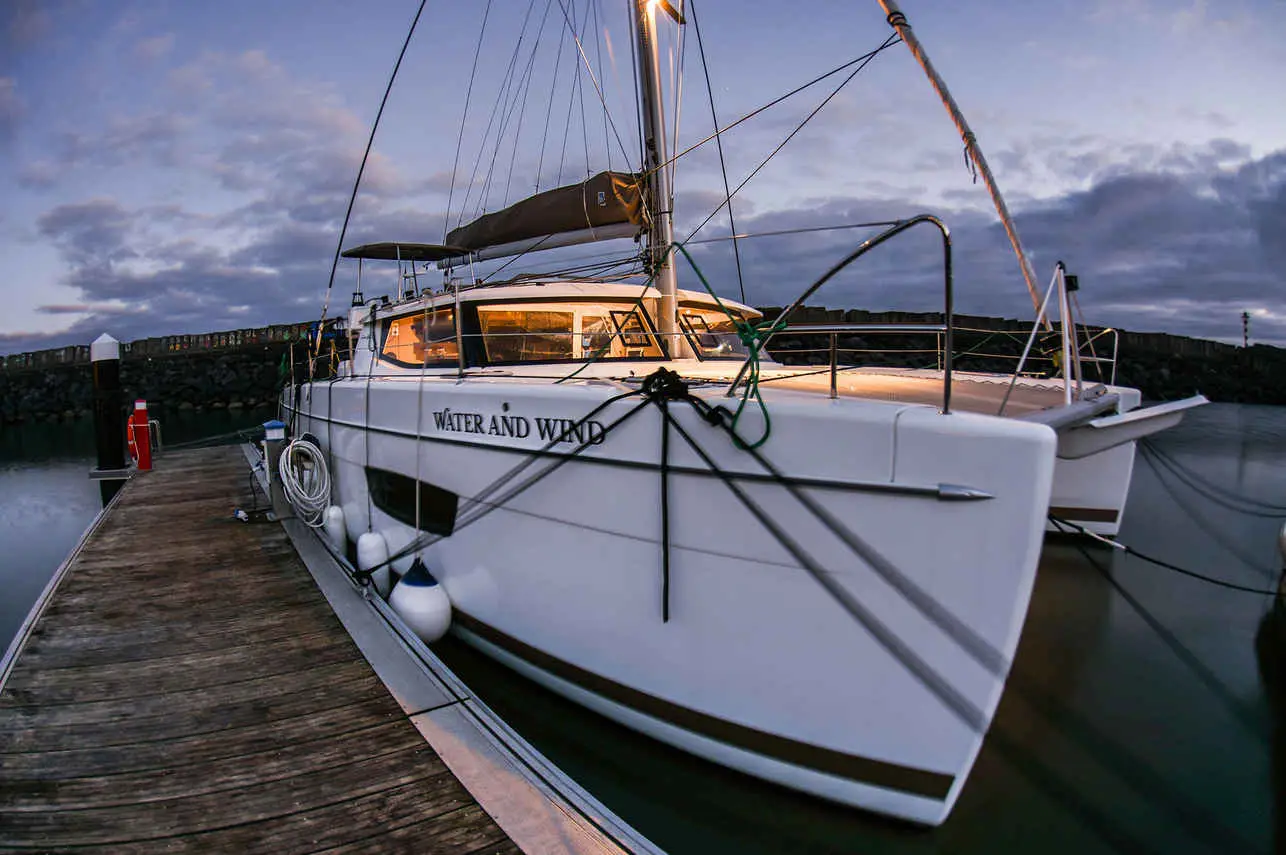
Water And Wind
Portugal
8 guests13 m
Dive sites similar to Sesimbra Wreck Garden
Same character, same waters, six more sites divers love for the exact same reasons.Compare seasons, access and liveaboard routes, then pick the site that fits your trip best.
Abdi Reis is a highly regarded dive site situated near the Datça Peninsula in Turkey's Aegean Sea, specifically located within Abdi Reis Cove, near Yildiz Island.
- Suitable for
- Intermediate
- Current
- Moderate
- Access
- Liveaboard or dayboat
- Depth
- ≤ 33 m
- Theme
- Reef / Wall
© EsriMaxar, Earthstar, GIS
Adabanko Reef
Turkey
Adabanko Reef is an inviting dive site situated approximately two kilometers off the coast of Kuşadası in Turkey's Aegean Sea.
- Suitable for
- Beginner
- Current
- Moderate
- Access
- Liveaboard or dayboat
- Depth
- 5–40 m
- Theme
- Reef
© EsriMaxar, Earthstar, GIS
Adakule Cave
Turkey
Adakule Cave is a notable boat-access dive site located near Kuşadası, Turkey, offering an engaging experience centered around two distinct underwater caverns.
- Suitable for
- Beginner
- Current
- Mild
- Access
- Dayboat
- Depth
- 9–30 m
- Theme
- Cave & cavern
© EsriMaxar, Earthstar, GIS
Afkule Cave
Turkey
Afkule Cave, also referred to by some as Aladdin's Cave, is consistently ranked among the top dive sites in Turkey, particularly renowned for its cave diving opportunities.
- Suitable for
- Intermediate
- Current
- Moderate
- Access
- Liveaboard or dayboat
- Depth
- ≤ 50 m
- Theme
- Cave & cavern / Wall
© EsriMaxar, Earthstar, GIS
Afkule Monastery Reef
Turkey
Afkule Monastery Reef, prominently known as Afkule Wall, stands as a distinguished dive destination along Turkey's southwestern coast, close to Fethiye.
- Suitable for
- Intermediate
- Current
- Strong
- Access
- Liveaboard or dayboat
- Depth
- 6–40 m
- Theme
- Wall