About Ocean Revival Park (Algarve)
The Ocean Revival Park, located off the coast of Lagos in Portugal's Algarve region, is a premier destination for wreck diving enthusiasts. This innovative underwater park was created by intentionally sinking four decommissioned navy vessels, transforming them into a vast artificial reef teeming with marine life. It stands out as one of Europe's most significant wreck diving sites, offering a unique blend of history and biodiversity. Diving here allows exploration of multiple warship wrecks, which have become thriving habitats for various species. The wrecks are situated at depths ideal for advanced certified divers, creating complex structures and shelter for marine creatures. This site offers a dynamic environment, contrasting with the natural reefs found elsewhere in Portugal. While diving is possible year-round, the warmer summer months generally offer better conditions with comfortable water temperatures and enhanced visibility. The park attracts a diverse array of fish species, including bream, sea bass, and moray eels, all navigating the intricate spaces of the sunken ships. It's a prime location for observing how artificial structures can successfully foster new marine ecosystems. Access to the Ocean Revival Park is typically via boat from Lagos or Portimão, with dive operators providing guided experiences. The park is specifically designed for recreational divers, particularly those with advanced certifications, promising a memorable and adventurous underwater journey into these historical vessels turned marine havens.
Highlights
Four sunken navy shipsArtificial reef ecosystemAdvanced wreck divingHistorical vessel explorationDiverse fish aggregationUnique underwater park
Season calendar
Best months to dive here
Jan
Feb
Mar
Apr
May
Jun
Jul
Aug
Sep
Oct
Nov
Dec
Excellent
Good
Dive site facts: Ocean Revival Park (Algarve)
- Depth
- 17–30 m
- Current
- Mild to moderate
- Visibility
- 10–30 m
- Water temperature
- 17–24°C
- Entry
- Boat
- Level
- Advanced certified
- Dive type
- Wreck, Artificial Reef
- Region / port
- Algarve, Portugal
- Coordinates
- 37.0667, -8.65
Conditions & Currents
Currents at Ocean Revival Park are generally mild, but divers should always consult with local dive operators regarding daily conditions, as currents can vary. Visibility typically ranges from 10 to 30 meters, influenced by local weather and sea states. Entry is usually from a boat, with dive guides providing briefings on navigating the wreck structures. Due to the nature of wreck diving and the depths involved, maintaining good buoyancy is crucial for safety and to avoid disturbing the site. Divers should be prepared for varying thermoclines, especially outside peak summer, and plan their gas consumption accordingly.
Marine life & sighting chances

Bream
common
Sea Bass
common
Moray Eel
common
Octopus
occasional
Cuttlefish
occasional
Nudibranch
occasional
Schools of fish
commonDive profile & how the dive runs
Dives at Ocean Revival Park typically involve exploring one or more of the four sunken navy ships. Entry is usually a controlled descent directly onto the wreck from the dive boat. The dive profile involves navigating through and around the various sections of the vessels, moving between depths ranging from 17 to 30 meters. Divers often follow a guide, exploring holds, decks, and superstructures, observing the marine life that has colonized these artificial reefs. The turn point is determined by air consumption and no-decompression limits, with a gradual ascent along the wreck to conduct a safety stop, often utilizing the shallower parts of the wrecks or a deployed surface marker buoy line for precise depth maintenance.
Underwater photography
Capturing the Ocean Revival Park requires careful planning due to the deep wreck environments. A wide-angle lens is essential for documenting the scale of the navy ships and their impressive structures. For internal shots or isolating specific marine life, a snooted strobe can help create dramatic lighting effects and minimize backscatter in the often particulate-rich waters. Given the potential for lower visibility, external lighting is crucial for both focusing and illuminating subjects. Divers should maintain excellent buoyancy control to avoid stirring up sediment and to safely navigate tight spaces within the wrecks, ensuring respect for the site and minimal disturbance to marine inhabitants. Bringing a dive torch is also highly recommended to explore darker sections and highlight details.
Combine with nearby dive sites
- Sesimbra Wreck Garden
Sesimbra Wreck Garden, situated near Lisbon, Portugal, offers an exceptional diving experience within the protected waters of the Luiz…
- Berlengas Nature Reserve
The Berlengas Nature Reserve is an exceptional diving destination located approximately 10 to 15 kilometers west of Peniche, Portugal.
- Sagres Pinnacles
Sagres Pinnacles presents an exhilarating diving experience on Portugal's southwest coast, characterized by its exposed position to the…
Getting there & logistics
The Ocean Revival Park is primarily accessed from dive centers in Lagos or Portimão in the Algarve region. Faro Airport (FAO) is the most convenient international gateway for divers visiting this area. Dive excursions are typically double dives, lasting about four hours, including briefing and boat travel. Many operators offer equipment rental and dive guides as part of the package. It's common for dive trips to the Ocean Revival Park to be day excursions, sometimes combined with other local Algarve diving spots rather than multi-day liveaboard itineraries. Ensure your dive certification and logbook are current, and be prepared to show them upon arrival.
Safety & environment
Diving at the Ocean Revival Park requires an advanced certification due to the depths and wreck environment. Divers should ensure their last dive was within the past year; otherwise, a refresher course is mandatory. It is critical to carry personal dive computers and torches, as these are often excluded from rental packages. The nearest recompression chamber would likely be in a major city like Lisbon or Faro, emphasizing the importance of carrying comprehensive dive insurance that covers emergency medical treatment and evacuation. Always follow your dive guide's instructions, maintain good buoyancy, and respect the integrity of the wrecks to ensure a safe and enjoyable dive experience.
Who it suits — and who it doesn't
Suited for
- Advanced certified divers
- Wreck diving enthusiasts
- Underwater photographers (wide-angle)
- Divers seeking artificial reef exploration
- Those interested in maritime history
Less suited for
- Open Water or Level 1 divers
- Non-certified divers (without guided 'try-dive' option at another site)
- Divers without recent dive experience (last dive within a year)
- Those uncomfortable with deeper dives
FAQ
Ocean Revival Park (Algarve) FAQ
What is the Ocean Revival Park?
The Ocean Revival Park is a unique underwater park located in Portugal's Algarve region, near Lagos. It features four decommissioned navy ships that were intentionally sunk to create an artificial reef and a dedicated wreck diving site for recreational divers.
What kind of marine life can I expect to see?
The sunken ships have become a habitat for various marine species. Divers can commonly spot bream, sea bass, and moray eels, as well as occasional sightings of octopus, cuttlefish, and nudibranchs, all thriving within the wreck structures.
What diving certification is required for Ocean Revival Park?
This site is recommended for advanced certified divers due to the depths and nature of wreck exploration. Open Water or Level 1 certified divers will typically be guided to alternative dive spots more suitable for their experience level.
How deep are the wrecks at Ocean Revival Park?
The four sunken navy ships at Ocean Revival Park are located at depths suitable for advanced divers, typically ranging between 17 and 30 meters. This depth range allows for significant exploration while remaining within recreational diving limits.
Where do I depart from to dive at Ocean Revival Park?
Most dive operators depart from coastal towns in the Algarve region, primarily Lagos or Portimão. These towns offer convenient access to the dive site and typically include boat trips as part of the diving package.
Is diving equipment provided?
Many local dive operators offer equipment rental as part of their double dive packages. However, divers are generally expected to bring their own dive computer and torch, which are often not included in standard rentals.
Why dive Ocean Revival Park (Algarve) from a liveaboard?
Ocean Revival Park (Algarve) is one of Portugal's signature dive sites. A liveaboard sleeps you on the water and puts you in the water for three to four guided dives per day, including dawn and night dives that day-boat operators rarely offer. You skip the daily commute back to port and reach quieter, less-crowded sites in the same region on a single trip.
Below are the liveaboards that include Ocean Revival Park (Algarve) on their Portugal itineraries.
Liveaboards diving Ocean Revival Park (Algarve)
These liveaboards may visit Ocean Revival Park (Algarve) on selected itineraries — the exact dive sites depend on departure, weather and conditions.
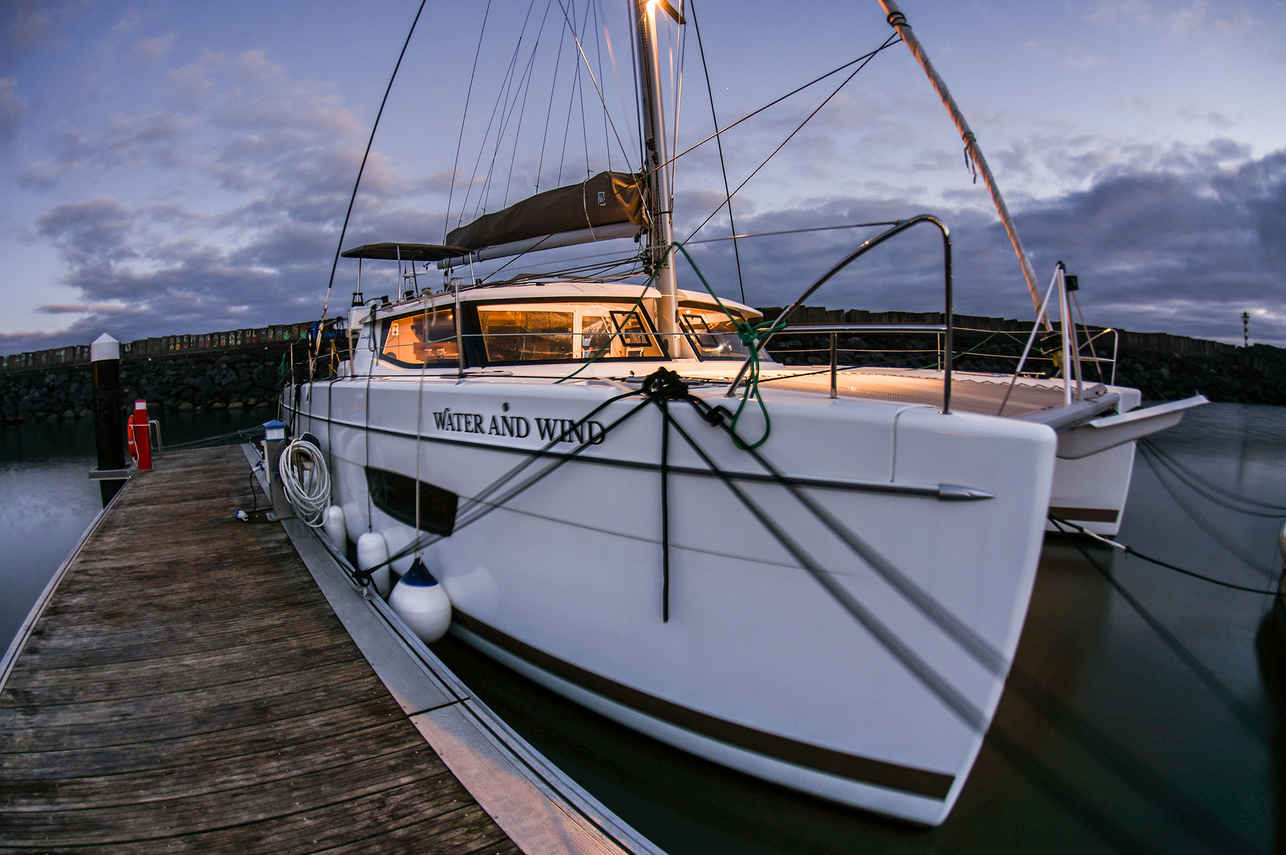
Water And Wind
Portugal
8 guests13.41 m
$434/day
Dive sites similar to Ocean Revival Park (Algarve)
Same character, same waters — six more sites divers love for the exact same reasons.Compare seasons, access and liveaboard routes — then pick the site that fits your trip best.
Lidador is an advanced dive site located off Terceira Island in the Azores, nestled within the protected Underwater Archaeological Park of Angra do Heroísmo Bay.
- Suitable for
- Advanced
- Current
- Moderate
- Access
- Liveaboard or dayboat
- Depth
- 8–11 m
- Theme
- Wreck / Reef
© Esri — Maxar, Earthstar, GIS
Ruy Barbosa
Portugal
The Ruy Barbosa dive site features the fragmented wreck of a cruise ship that was stranded off Memory Beach, located southeast of Matosinhos' old town in Portugal.
- Suitable for
- Beginner
- Current
- Mild
- Access
- Shore / dayboat
- Depth
- 3–7 m
- Theme
- Wreck
© Esri — Maxar, Earthstar, GIS
June Jones Reef
Portugal
June Jones Reef is an intriguing dive site in Portugal, featuring the scattered remains of a 50-foot steel boat that succumbed to severe storms.
- Suitable for
- Intermediate
- Current
- Mild
- Access
- Liveaboard or dayboat
- Depth
- —
- Theme
- Wreck / Reef
© Esri — Maxar, Earthstar, GIS
Angra do Heroísmo Wrecks
Portugal
Angra do Heroísmo Wrecks, located in the Azores, offers a unique blend of historical intrigue and marine biodiversity within its underwater archaeological park.
- Suitable for
- Intermediate
- Current
- Strong
- Access
- Liveaboard or dayboat
- Depth
- 8–22 m
- Theme
- Wreck
© Esri — Maxar, Earthstar, GIS
Eglin Air force Barge
Portugal
The Eglin Air Force Barge, located off the coast of Torres Vedras in Portugal, offers an accessible and rewarding dive experience for nearly all levels of certified divers.
- Suitable for
- Intermediate
- Current
- Mild
- Access
- Liveaboard or dayboat
- Depth
- ≤ 21 m
- Theme
- Wreck / Reef
© Esri — Maxar, Earthstar, GIS
Berlengas Nature Reserve
Portugal
The Berlengas Nature Reserve is an exceptional diving destination located approximately 10 to 15 kilometers west of Peniche, Portugal.
- Suitable for
- Intermediate
- Current
- Strong
- Access
- Liveaboard or dayboat
- Depth
- 5–30 m
- Theme
- Cave & cavern / Wall