About River Gurara P
The River Gurara P dive site represents the bow section of the cargo motor vessel MV River Gurara, which tragically sank on February 26, 1989. This incident occurred near Cape Espichel, Portugal, following a severe storm that caused the ship to break apart. Today, this section of the wreck lies offshore from Sesimbra, offering a significant historical wreck dive. The dive focuses on the bow of the ship, which rests at an average depth of 28 meters. The structure provides ample shelter, attracting a diverse range of marine life. Divers can explore the exterior and interior sections of the bow, observing how the wreck has transformed into an artificial reef. This wreck is a habitat for various fish and invertebrate species, including large conger eels, moray eels, pouts, and different types of seabreams and wrasses. Encounters with octopuses, squids, groupers, and lobsters are also common, particularly within the sheltered confines of the wreck's structure. August shows high sightings for octopus, while conger eels are frequently observed from May through November, with peak sightings in June and August. Due to its depth and the nature of wreck diving, this site is generally suited for experienced divers. Dives typically involve exploring the sunken vessel, observing the marine ecosystem that has developed around it. Access to the site is via boat, usually departing from nearby ports in the Lisbon area, such as Sesimbra.
Highlights
MV River Gurara bow sectionArtificial reef habitatLarge conger eelsMoray eelsOctopus sightingsSeabream and wrasse schoolsCargo vessel history
Dive site facts: River Gurara P
- Depth
- 0–28 m
- Current
- Mild
- Entry
- Liveaboard or dayboat
- Level
- Intermediate
- Dive type
- Wreck, Reef
- Region / port
- Portugal
- Coordinates
- 38.6667° N, 9.4500° W
Conditions & Currents
Currents are usually mild, which makes this a relaxed dive suitable for most certified divers. The site drops to around 28 metres, so plan your gas and no-decompression limits around the deeper section. It is usually briefed as a dive for intermediate divers. It can be dived from a liveaboard or a day boat, depending on where you start the trip. Tide, wind and season all shift the picture from day to day, so the crew's briefing on the boat always overrides any general description.
Why dive River Gurara P from a liveaboard?
River Gurara P is one of Portugal's signature dive sites. A liveaboard sleeps you on the water and puts you in the water for three to four guided dives per day, including dawn and night dives that day-boat operators rarely offer. You skip the daily commute back to port and reach quieter, less-crowded sites in the same region on a single trip.
Below are the liveaboards that include River Gurara P on their Portugal itineraries.
Liveaboards diving River Gurara P
These liveaboards may visit River Gurara P on selected itineraries — the exact dive sites depend on departure, weather and conditions.
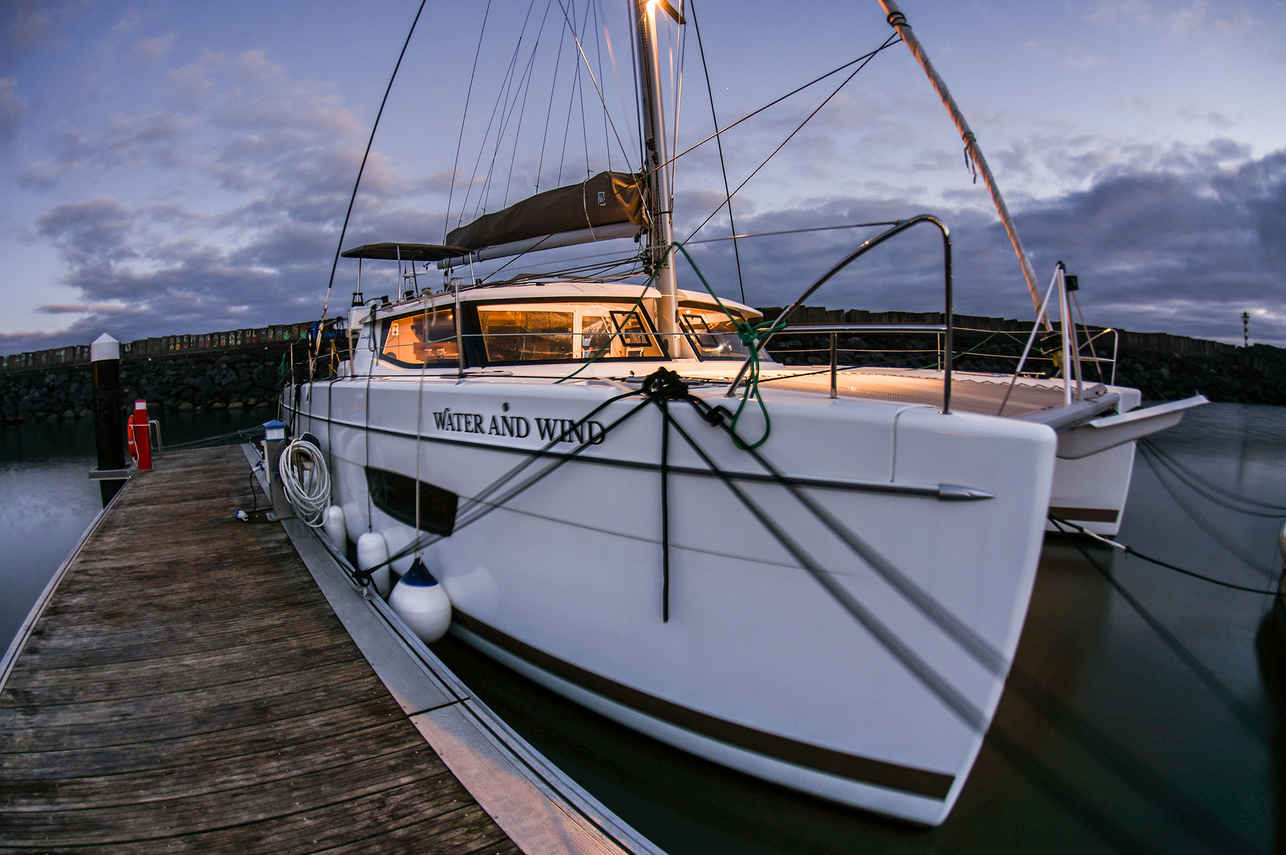
Water And Wind
Portugal
8 guests13.41 m
Dive sites similar to River Gurara P
Same character, same waters — six more sites divers love for the exact same reasons.Compare seasons, access and liveaboard routes — then pick the site that fits your trip best.
© Esri — Maxar, Earthstar, GIS
Pedra da Velha
Portugal
Pedra da Velha is an advanced boat-access rocky reef and pinnacle located off Peniche, within the protected Berlengas archipelago.
- Suitable for
- Advanced
- Current
- Moderate
- Access
- Dayboat
- Depth
- 10–20 m
- Theme
- Reef / Wall
© Esri — Maxar, Earthstar, GIS
Pedra da Nau
Portugal
Pedra da Nau is a notable dive site situated in a protected bay near Cascais, easily accessible with a short boat ride from shore or even by land.
- Suitable for
- Beginner
- Current
- Mild
- Access
- Liveaboard or dayboat
- Depth
- 4–18 m
- Theme
- Reef
Silveira is a welcoming beginner-friendly dive site located off Terceira Island in the Azores archipelago, Portugal.
- Suitable for
- Beginner
- Current
- Mild
- Access
- Dayboat
- Depth
- 2–15 m
- Theme
- Reef / Pinnacle
© Esri — Maxar, Earthstar, GIS
Cinco Ribeiras
Portugal
Cinco Ribeiras is situated on the western coast of Terceira Island in the Azores, named after a nearby village.
- Suitable for
- Beginner
- Current
- Mild
- Access
- Shore / dayboat
- Depth
- 5–16 m
- Theme
- Reef / Cavern
Baixa do Ambrósio is an advanced dive site situated in the open Atlantic, southeast of Santa Maria Island in the eastern Azores.
- Suitable for
- Advanced
- Current
- Strong
- Access
- Dayboat
- Depth
- 5–47 m
- Theme
- Reef / Drift