About Pedra do Leão
Pedra do Leão, or Lion's Rock, is a captivating dive site located near Sesimbra, Portugal. Its name derives from a distinct rock formation visible from the surface that, with the yellow cliffs behind it, resembles a lion. This site is renowned for its easy access, sheltered conditions, and rich marine life, making it an excellent choice for recreational divers and beginners. The topography features a reef of limestone boulders and rocky ridges, creating a varied underwater terrain with sand channels in between. Natural light penetrates the shallow depths, illuminating a vibrant underwater garden. The highlight of Pedra do Leão is a broad underwater arch at approximately 5 meters deep. This arch is often clouded with large schools of seabreams and pouting fish, which part ways as divers swim through, only to reform their 'cloud' afterward. The area also boasts tall, swaying kelp forests where divers can spot octopuses darting between the fronds or peeking from their shell-piled dens. Narrow passages and small holes in the rocks reveal lobsters, while bright reddish-orange ballan wrasse provide a striking contrast against the dark green kelp. The healthy fish populations, including various bream, wrasse, and blennies, are a testament to the effective conservation efforts of the surrounding Arrábida marine park. This site offers a relaxed diving experience with typically calm conditions and light currents, making it ideal for new divers or those looking to refine their skills. Access is exclusively by boat, typically departing from Sesimbra. While generally beginner-friendly, divers should maintain stable buoyancy, especially when navigating the arch, which can be considered an overhead environment. Encounters with dolphins are common as boats depart the dive site, adding a magical touch to the overall experience.
Highlights
Sunfish (Mola mola)OctopusNudibranchsRock Formation
Season calendar
Best months to dive here
Jan
Feb
Mar
Apr
May
Jun
Jul
Aug
Sep
Oct
Nov
Dec
Excellent
Good
Dive site facts: Pedra do Leão
- Depth
- 5–14 m
- Typical dive
- 8–14 m, 50–60 min
- Current
- Mild to moderate
- Visibility
- 10–30 m
- Water temperature
- 13–24°C
- Entry
- Boat dive
- Level
- Beginner
- Dive type
- Reef, Macro, Photography
- Region / port
- Sesimbra, Portugal
- Coordinates
- 37.05, -8.68
Conditions & Currents
Currents at Pedra do Leão are predominantly mild, making it an ideal site for beginners and training dives. However, occasional moderate currents can occur, particularly if local weather conditions change, which is why divers should always consult with local dive operators for the most up-to-date conditions. Entry is typically via boat, with divers descending along a mooring line. The sheltered nature of the site means surge is generally minimal, contributing to comfortable diving. Visibility is often excellent, ranging from 10 to 30 meters, allowing for clear views of the reef and marine life. Water temperatures vary seasonally, necessitating appropriate thermal protection, usually a 5mm wetsuit, even in summer.
Marine life & sighting chances

Octopus
common
Sea bream
common
Wrasse
common
Blennies
common
Sponges
common
Sea anemones
common
Sea urchins
common
Starfish
common
Lobster
occasional
Pouting fish
occasional
Manta ray
March, July · rare
Hammerhead shark
November · rare
Whale shark
July · rareDive profile & how the dive runs
Your dive at Pedra do Leão typically begins with a boat entry, followed by a descent along a mooring line to the reef. The route often guides you towards the prominent underwater arch, approximately 5 meters deep, which you can swim through, observing the schools of fish sheltering there. From the arch, you'll explore the surrounding limestone rock formations, noting the diverse marine life in crevices and along sandy channels. The dive progresses around the compact reef, maintaining a shallow depth between 8 and 14 meters, allowing for extended bottom time and ample light. You'll often encounter octopuses, wrasses, and blennies as you navigate the natural topography. The turn point is flexible, often dictated by air consumption, with the ascent initiated gradually from the shallower sections of the reef. The safety stop is typically conducted at 5 meters, often near the mooring line, before surfacing back to the boat.
Underwater photography
Pedra do Leão is an excellent site for both wide-angle and macro photography due to its varied topography and diverse marine life. For wide-angle shots, focus on the impressive underwater arch and the schools of sea bream that often congregate there, taking advantage of the abundant natural light in the shallow depths. A wide-angle lens with an external strobe will help capture the vibrant colors of the sponges and anemones. For macro enthusiasts, the site offers blennies peeking from rocks, colorful nudibranchs (though not explicitly listed in sources, common in temperate reefs), and, of course, octopuses, which are a highlight. Patience and good buoyancy are key when approaching octopuses, allowing them to acclimate to your presence for more natural shots. The limestone cavities provide excellent opportunities for intimate macro portraits. Given the typically mild currents and good visibility, you'll have stable conditions to compose your shots.
Combine with nearby dive sites
- Sagres Pinnacles
Sagres Pinnacles presents an exhilarating diving experience on Portugal's southwest coast, characterized by its exposed position to the…
- Ocean Revival Park (Algarve)
Artificial reef composed of four decommissioned navy ships.
- Arrábida Reef
Known for marine park with diverse life.
- Caneiro dos Meros
Caneiro dos Meros, often called "Grouper Alley," is a renowned dive site located off the coast of Corvo, the smallest island in the Azores…
- Sesimbra Wreck Garden
Sesimbra Wreck Garden, situated near Lisbon, Portugal, offers an exceptional diving experience within the protected waters of the Luiz…
Getting there & logistics
To reach Pedra do Leão, you'll typically fly into Lisbon Portela Airport (LIS), which is the largest and most well-connected airport in Portugal. From Lisbon, Sesimbra is easily accessible by car, usually about an hour's drive south. Dive operators in Sesimbra will arrange boat trips to Pedra do Leão, which is a short ride from the port. Day trips are common for this site, often combined with other local dives in the Arrábida marine park. No specific park fees are mentioned for Pedra do Leão, but it's always advisable to confirm with your dive center. Liveaboard options are not common for this specific site, as it is easily accessed via day boats from Sesimbra.
Safety & environment
Diving at Pedra do Leão is generally considered safe due to its shallow depths and typically mild currents, making it suitable for beginners. However, adherence to standard dive safety protocols is paramount. All divers should have valid dive insurance covering emergency medical treatment and evacuation. The nearest recompression chamber would be in Lisbon, necessitating a boat transfer to shore and then road transport for any serious incidents, so maintaining strong situational awareness and conservative dive profiles is crucial. Boating traffic can be a hazard, particularly near the surface, so always deploy an SMB during your safety stop and ascent. Listen carefully to your dive guide's briefing regarding entry, exit, and any potential local hazards.
Who it suits — and who it doesn't
Suited for
- Beginner divers
- Open Water Diver certification
- Training dives
- Underwater photographers
- Divers seeking relaxed exploration
- Marine life enthusiasts
Less suited for
- Advanced wreck divers
- Divers seeking strong currents
- Technical divers
- Divers looking for pelagic encounters (though rare sightings occur)
- Liveaboard itineraries
FAQ
Pedra do Leão FAQ
What is Pedra do Leão known for?
Pedra do Leão, or Lion's Rock, is renowned for its distinctive rock formations, particularly an accessible underwater arch that serves as a habitat for abundant marine life. It's a beginner-friendly site known for healthy fish populations, frequent octopus sightings, and colorful encrusting organisms on its limestone reef.
What kind of marine life can I expect to see?
Divers at Pedra do Leão can expect to see schools of sea bream, colorful wrasses, and blennies. Octopuses are commonly sighted, often peeking from their dens or navigating the reef. The site also features vibrant sponges, sea anemones, sea urchins, and various starfish species.
What is the typical depth and visibility?
Pedra do Leão is a shallow dive site with a maximum depth of 14 meters, making it ideal for new divers. Visibility is generally very good, ranging from 10 to 30 meters, especially during the summer months, allowing for clear views of the underwater landscape and marine inhabitants.
Is Pedra do Leão suitable for beginner divers?
Yes, Pedra do Leão is highly suitable for beginner divers and training. Its shallow depths, typically mild currents, and sheltered conditions provide a safe and enjoyable environment for those new to diving or completing their certification.
How do I get to Pedra do Leão?
Pedra do Leão is accessed via boat trips from Sesimbra, a coastal town easily reachable by car from Lisbon Portela Airport (LIS). Most local dive centers offer daily excursions to this and other nearby dive sites.
What are the water temperatures like?
Water temperatures at Pedra do Leão vary seasonally, ranging from around 13°C in winter to 24°C in summer. A 5mm wetsuit is generally recommended for comfort, even during the warmer months, to ensure an enjoyable dive experience.
Why dive Pedra do Leão from a liveaboard?
Pedra do Leão is one of Portugal's signature dive sites. A liveaboard sleeps you on the water and puts you in the water for three to four guided dives per day, including dawn and night dives that day-boat operators rarely offer. You skip the daily commute back to port and reach quieter, less-crowded sites in the same region on a single trip.
Below are the liveaboards that include Pedra do Leão on their Portugal itineraries.
Liveaboards diving Pedra do Leão
These liveaboards may visit Pedra do Leão on selected itineraries — the exact dive sites depend on departure, weather and conditions.
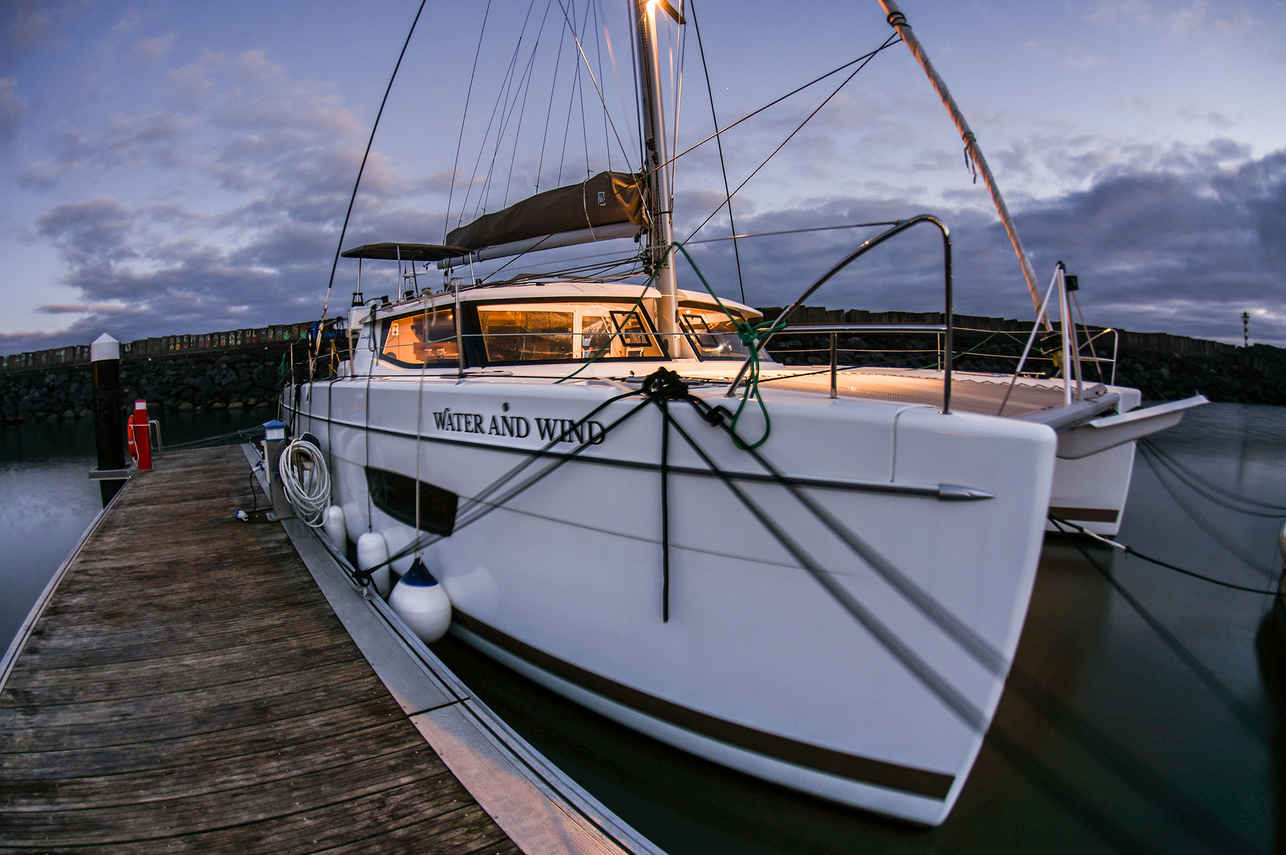
Water And Wind
Portugal
8 guests13.41 m
$432/day
Dive sites similar to Pedra do Leão
Same character, same waters — six more sites divers love for the exact same reasons.Compare seasons, access and liveaboard routes — then pick the site that fits your trip best.
Bay Cones in Portugal is a unique dive site characterized by its artificial reef formations.
- Suitable for
- Beginner
- Current
- Mild
- Access
- Liveaboard or dayboat
- Depth
- —
- Theme
- Reef
© Esri — Maxar, Earthstar, GIS
Pedra da Velha
Portugal
Pedra da Velha is an advanced boat-access rocky reef and pinnacle located off Peniche, within the protected Berlengas archipelago.
- Suitable for
- Advanced
- Current
- Moderate
- Access
- Dayboat
- Depth
- 10–20 m
- Theme
- Reef / Wall
© Esri — Maxar, Earthstar, GIS
Pedra da Nau
Portugal
Pedra da Nau is a notable dive site situated in a protected bay near Cascais, easily accessible with a short boat ride from shore or even by land.
- Suitable for
- Beginner
- Current
- Mild
- Access
- Liveaboard or dayboat
- Depth
- 4–18 m
- Theme
- Reef
Silveira is a welcoming beginner-friendly dive site located off Terceira Island in the Azores archipelago, Portugal.
- Suitable for
- Beginner
- Current
- Mild
- Access
- Dayboat
- Depth
- 2–15 m
- Theme
- Reef / Pinnacle
© Esri — Maxar, Earthstar, GIS
Cinco Ribeiras
Portugal
Cinco Ribeiras is situated on the western coast of Terceira Island in the Azores, named after a nearby village.
- Suitable for
- Beginner
- Current
- Mild
- Access
- Shore / dayboat
- Depth
- 5–16 m
- Theme
- Reef / Cavern