About Jardim das Gorgónias
Jardim das Gorgónias, located near Sesimbra in Portugal, is a highly popular dive site renowned for its straightforward navigation and abundant biodiversity. This reef dive is especially appealing to divers seeking a relaxed experience with diverse marine encounters. The site is characterized by a prominent central rock formation, which divers typically circumnavigate, providing an easy-to-follow route. The topography features rock formations with numerous holes and cracks, along with a large sandy area adjacent to the main rock. Depths typically range from 8 to 21 meters, making it suitable for a wide range of experience levels. The shallower northern side of the main rock allows for extended bottom times, catering particularly to beginners and those looking for a leisurely dive. Throughout the year, the reef teems with marine life, including various fish, cephalopods, and an impressive array of invertebrates. Specific sightings include forkbeard fish, octopuses, moray eels, and diverse sponges, anemones, and colorful sea stars. The site is also a haven for nudibranch enthusiasts, with a great variety present. While larger pelagics are less common, the macro life here is exceptionally rich. Diving here is primarily boat-accessed, with operators from Sesimbra managing trips. The conditions are generally calm, offering good visibility and mild currents, which contribute to a comfortable and rewarding underwater exploration. The focus is on gentle observation, allowing divers to appreciate the well-preserved marine environment.
Highlights
Diverse marine lifeEasy navigationCentral rock formationAbundant nudibranchsColorful sea starsBeginner-friendly depths
Season calendar
Best months to dive here
Jan
Feb
Mar
Apr
May
Jun
Jul
Aug
Sep
Oct
Nov
Dec
Excellent
Good
Off-Season
Dive site facts: Jardim das Gorgónias
- Depth
- 8–21 m
- Typical dive
- 9–20 m, 32–71 min
- Current
- Mild (0–2 knots)
- Visibility
- 5–25 m
- Water temperature
- 12–19 ℃
- Entry
- Boat
- Level
- Beginner to Advanced
- Dive type
- Reef, Macro, Biodiversity
- Night dive
- Not specified
- Region / port
- Sesimbra, Portugal
- Coordinates
- 37.7082° N, 15.2357° W
Conditions & Currents
Currents at Jardim das Gorgónias are generally mild, often described as 1-2 knots, making for a relaxed dive suitable for all experience levels. However, during certain months like August, currents can fluctuate from 0 to 2 knots, and in December, January, February, March, and July, they can be negligible or up to 1 knot. While surge is usually minimal, divers should be aware of potential changes, especially near rocky formations or during tidal shifts. Entry and exit are typically boat-based, and the dive profile often involves navigating along the reef's features, where the mild current can assist in a gentle drift. Divers should monitor their air consumption, though the generally calm conditions mean less exertion. Visibility can vary, ranging from 5 meters in less favorable conditions to 25 meters during peak seasons, so checking daily conditions is recommended.
Marine life & sighting chances

Forkbeard fish
all year round · common
Octopus
all year round · common
Moray
all year round · common
Sponge
all year round · common
Anemone
all year round · commonAlgae
all year round · common
Sea Star
all year round · common
Nudibranch
April-September · common
Seabream
all year round · common
Cuttlefish
April-September · occasional
Pipefish
April-September · occasional
Flounder
all year round · occasional
Stingray
all year round · occasionalZeus Faber
all year round · rareDive profile & how the dive runs
Diving at Jardim das Gorgónias typically begins with a boat entry from Sesimbra. Upon descent, often guided by local seabreams, you arrive at an average depth of 15.5 meters, where the main rock formation stands. The recommended route involves keeping this rock to your left, circulating its perimeter. You'll explore holes and cracks in the rock, observe soft corals and gorgonians, and look for hidden life like forkbeard fish, octopuses, and morays. The northern side of the rock is shallower, allowing for extended bottom time. As you proceed, you might encounter cuttlefish, pipefish, and schools of fish. Once the rock is circumnavigated, you'll encounter a large sandy area where flounders and stingrays might be camouflaged. Throughout the dive, maintain careful buoyancy to avoid disturbing the diverse invertebrate life. The safety stop typically occurs at 5 meters, often still accompanied by the curious seabreams, before surfacing for boat pick-up.
Underwater photography
Jardim das Gorgónias is a prime location for macro photography, especially given the abundance of nudibranchs and small cryptic marine life. A macro lens is indispensable to capture the intricate details of the diverse sponges, anemones, and colorful sea stars found in the rock's cracks and crevices. Ensure excellent buoyancy control to hover gently near subjects without damaging the fragile soft corals and gorgonians. For wide-angle opportunities, consider capturing the overall reef structure and schools of seabreams, particularly during the initial and final stages of the dive. A focus light will be beneficial for bringing out the true colors of the invertebrates and illuminating subjects in shaded areas. Patience is key to spotting camouflaged creatures like flounders on the sandy bottom. Always maintain respectful distances, ensuring not to stress the marine inhabitants.
Combine with nearby dive sites
Getting there & logistics
Jardim das Gorgónias is best accessed from the town of Sesimbra, which is a key diving hub near Lisbon, Portugal. The nearest major international airport is Lisbon Portela Airport (LIS), offering convenient access for international travelers. From Lisbon, Sesimbra is easily reachable by car or public transport, typically taking less than an hour. Dive operators in Sesimbra offer boat trips to this site, usually as part of half-day or full-day excursions. There are no specific permits or park fees mentioned for this site, but general marine park regulations for the Arrábida region apply. Trips to Jardim das Gorgónias are often combined with other local sites in the Sesimbra area, allowing divers to experience the rich diversity of this coastal region within a single trip.
Safety & environment
For diving at Jardim das Gorgónias, general dive safety protocols apply. Divers should ensure their insurance covers recreational diving in Portugal, as a recompression chamber would likely require transport to a major medical facility, potentially in Lisbon. While currents are generally mild, they can fluctuate, so always follow your guide's instructions and be aware of your surroundings. Maintain excellent buoyancy control to avoid contact with the reef and its inhabitants, protecting both yourself and the delicate ecosystem. Emergency evacuation from the site would be by boat to Sesimbra, then by land to medical facilities. Ensure all equipment is well-maintained and that you dive within your certified limits. Given the site's popularity, be mindful of other dive groups, especially regarding underwater photography, to avoid congestion.
Who it suits — and who it doesn't
Suited for
- Beginner divers seeking easy navigation
- Macro photography enthusiasts
- Divers interested in diverse invertebrate life
- Leisurely exploration at moderate depths
- Freedivers due to shallow areas and calm conditions
Less suited for
- Divers expecting large pelagic encounters
- Those preferring strong current drift dives
- Technical divers seeking extreme depths
- Divers uninterested in macro subjects
- Individuals who dislike cooler water temperatures
FAQ
Jardim das Gorgónias FAQ
What kind of marine life can I expect to see at Jardim das Gorgónias?
At Jardim das Gorgónias, you can anticipate a rich variety of marine life, particularly focusing on macro and invertebrate species. Common sightings include forkbeard fish, octopuses, moray eels, and an impressive array of sponges, anemones, and colorful sea stars. The site is also famous for its diverse nudibranch population, making it a favorite for underwater photographers.
Is Jardim das Gorgónias suitable for beginner divers?
Yes, Jardim das Gorgónias is highly suitable for beginner divers. It offers easy navigation around a central rock formation and has a shallow average depth of 8 to 17 meters. The typically mild currents and good visibility create a comfortable and safe environment for those new to diving, allowing for a relaxed introduction to the underwater world.
What are the typical water conditions, including temperature and visibility?
Water temperatures at Jardim das Gorgónias vary from 12°C in colder months to 19°C in warmer periods, with an average of 13°C-20°C. Visibility can range from 5 meters on less clear days to an excellent 25 meters, especially during the peak diving season. Currents are generally mild, usually between 0-2 knots, contributing to calm diving conditions.
How do I get to Jardim das Gorgónias for diving?
To dive at Jardim das Gorgónias, you'll typically arrange a boat trip through one of the dive centers operating out of Sesimbra, Portugal. Sesimbra is conveniently located near Lisbon, which has the largest international airport. Most dive operators depart from Sesimbra's marina, providing direct boat access to the dive site.
What makes this dive site popular among divers?
Jardim das Gorgónias is popular due to its combination of easy orientation, rich biodiversity, and suitability for all diver levels. The straightforward dive profile around a main rock, coupled with abundant and diverse marine life, from colorful sea stars to numerous nudibranchs, ensures a rewarding and enjoyable experience for many, especially those keen on macro subjects.
Why dive Jardim das Gorgónias from a liveaboard?
Jardim das Gorgónias is one of Portugal's signature dive sites. A liveaboard sleeps you on the water and puts you in the water for three to four guided dives per day, including dawn and night dives that day-boat operators rarely offer. You skip the daily commute back to port and reach quieter, less-crowded sites in the same region on a single trip.
Below are the liveaboards that include Jardim das Gorgónias on their Portugal itineraries.
Liveaboards diving Jardim das Gorgónias
These liveaboards may visit Jardim das Gorgónias on selected itineraries — the exact dive sites depend on departure, weather and conditions.
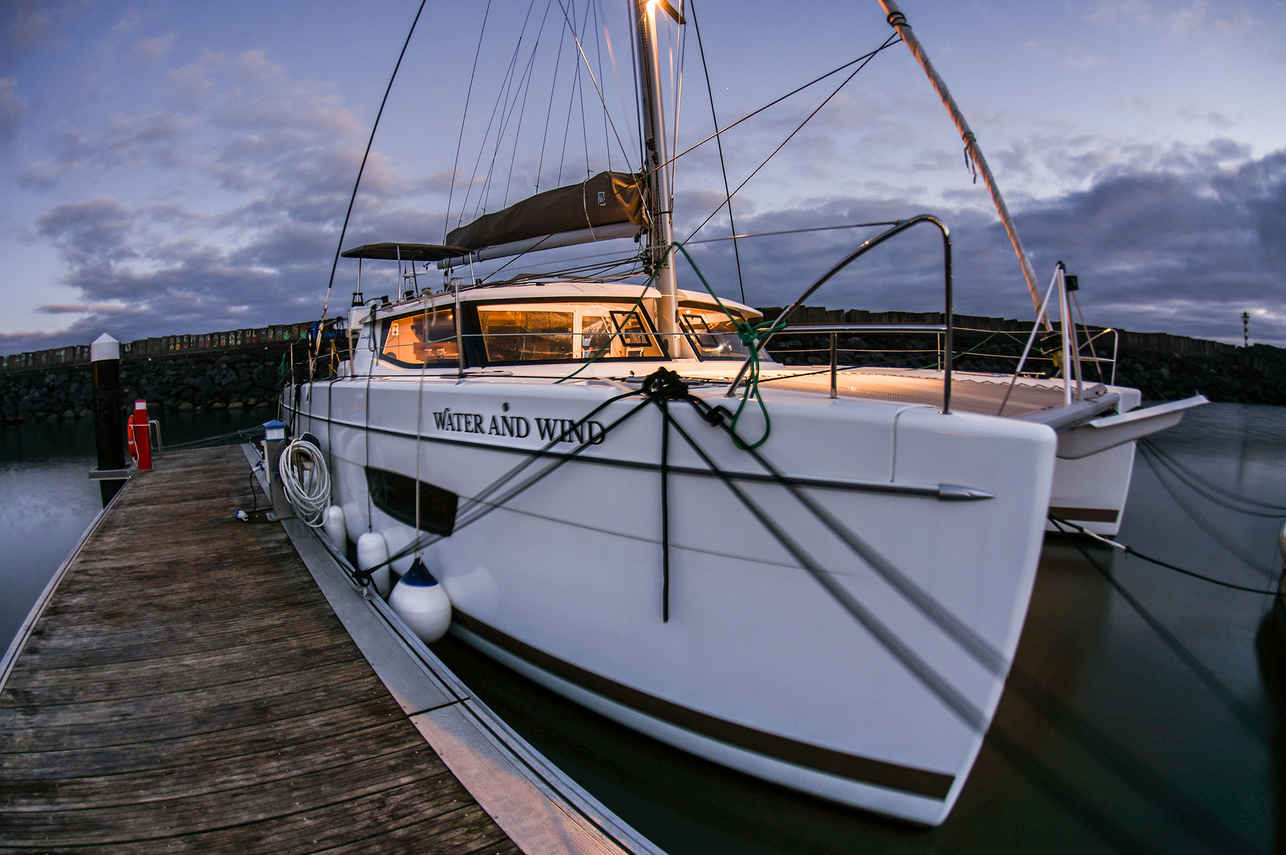
Water And Wind
Portugal
8 guests13.41 m
$430/day
Dive sites similar to Jardim das Gorgónias
Same character, same waters — six more sites divers love for the exact same reasons.Compare seasons, access and liveaboard routes — then pick the site that fits your trip best.
Rodelha is a popular coastal dive site situated close to Vila do Conde in northern Portugal.
- Suitable for
- Intermediate
- Current
- Mild
- Access
- Dayboat
- Depth
- 6–25 m
- Theme
- Reef
Silveira is a welcoming beginner-friendly dive site located off Terceira Island in the Azores archipelago, Portugal.
- Suitable for
- Beginner
- Current
- Mild
- Access
- Dayboat
- Depth
- 2–15 m
- Theme
- Reef / Pinnacle
© Esri — Maxar, Earthstar, GIS
Cinco Ribeiras
Portugal
Cinco Ribeiras is situated on the western coast of Terceira Island in the Azores, named after a nearby village.
- Suitable for
- Beginner
- Current
- Mild
- Access
- Shore / dayboat
- Depth
- 5–16 m
- Theme
- Reef / Cavern
© Esri — Maxar, Earthstar, GIS
Ilhéu da Vila
Portugal
Ilhéu da Vila is a significant dive site located approximately half a mile from the marina of Santa Maria Island in the Azores.
- Suitable for
- Intermediate
- Current
- Moderate
- Access
- Dayboat
- Depth
- 13–18 m
- Theme
- Reef / Wall
Poente is a remarkable dive site located on the western coastline of Terceira Island in the Azores, offering an engaging experience for intermediate divers.
- Suitable for
- Intermediate
- Current
- Moderate
- Access
- Dayboat
- Depth
- 5–18 m
- Theme
- Reef