About Amberjack Reef
Amberjack Reef is a prominent shark diving destination nestled within the Exuma Cays Land and Sea Park. This site is renowned for its consistent presence of Caribbean reef sharks, which congregate here in significant numbers, offering divers thrilling interactions. The reef itself spans approximately 50 feet in length, reaching a maximum depth of 60 feet. Its topography includes coral heads, sandy patches, and walls, supporting a diverse ecosystem. Exceptional visibility, often exceeding 130 feet, enhances the underwater experience. While historically a shark feeding site, current park regulations prohibit artificial attraction methods. However, the sharks' established conditioning ensures their continued presence, allowing for natural observation. Beyond the numerous reef sharks, divers frequently encounter large groupers, nurse sharks, and colonies of garden eels. Amberjack Reef is suitable for open water certified divers comfortable with shark encounters. Its protected status and relatively calm conditions within the cays make it an accessible site for intermediate divers seeking a rich marine life experience.
Highlights
Reliable Caribbean reef shark encountersExuma Cays Land and Sea ParkLarge black and yellowmouth groupersAbundant nurse sharksGarden eel coloniesExcellent visibilityProtected marine ecosystem
Season calendar
Best months to dive here
Jan
Feb
Mar
Apr
May
Jun
Jul
Aug
Sep
Oct
Nov
Dec
Excellent
Good
Dive site facts: Amberjack Reef
- Depth
- max 18 m
- Typical dive
- 12–18 m, 50–60 min
- Current
- Mild
- Visibility
- 40 m+
- Water temperature
- 24–31°C
- Entry
- Boat
- Level
- Open Water Diver
- Dive type
- Reef, shark, macro
- Region / port
- Exuma Cays, Bahamas
- Coordinates
- 24.2882° N, 76.6805° W
Conditions & Currents
Amberjack Reef is situated within the Exuma Cays, an area generally known for light currents, making for relatively calm diving conditions. However, the sandy areas surrounding the reef can exhibit subtle water movement, where garden eels sway in the current. Dive vessels typically moor directly at the site, allowing for a straightforward entry. While strong currents are not a dominant feature, divers should remain aware of their position relative to the reef structure. The consistent high visibility and absence of significant surge contribute to a relaxed dive experience, suitable for divers comfortable with intermediate conditions.
Marine life & sighting chances
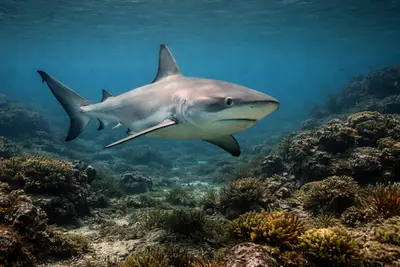
Caribbean reef shark
common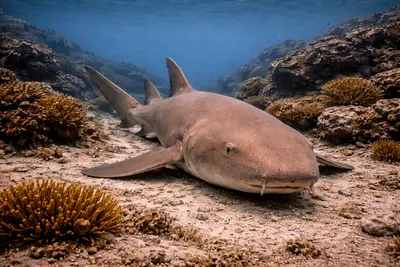
Nurse shark
common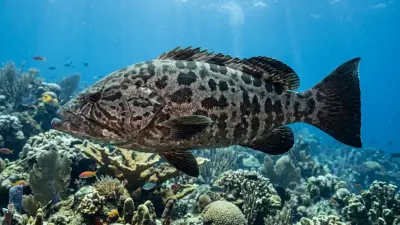
Black grouper
common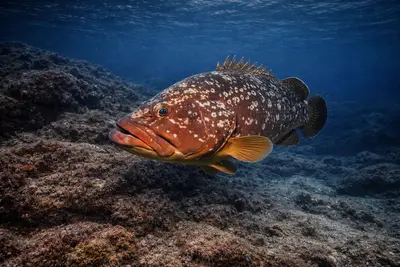
Yellowmouth grouper
commonYellowfin grouper
common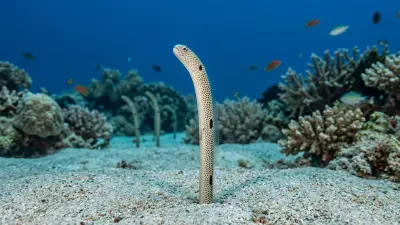
Garden eel
common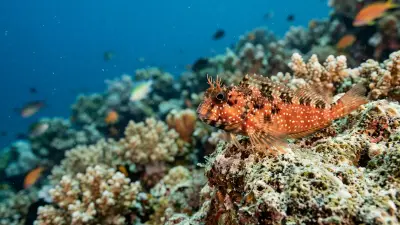
Pirate blenny
common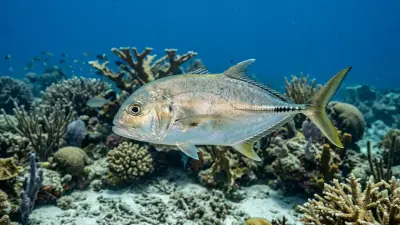
Horse-eye jack
common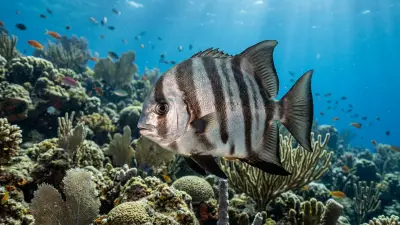
Atlantic spadefish
common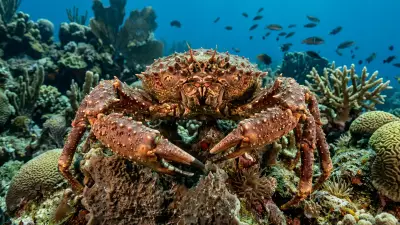
Channel clinging crab
common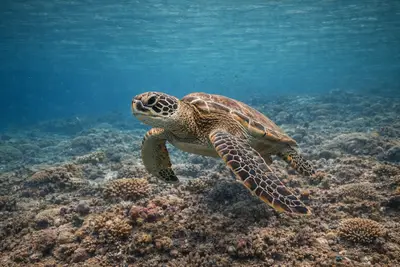
Turtle
occasional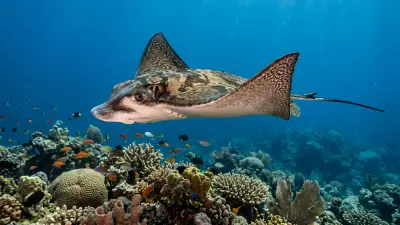
Ray
occasional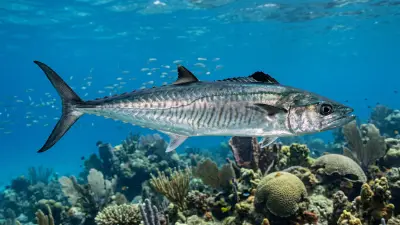
Mackerel
occasionalDive profile & how the dive runs
Your dive at Amberjack Reef typically begins with a boat entry, often directly onto the mooring line, where schools of Atlantic spadefish and horse-eye jacks may gather. The dive generally follows the reef structure, which reaches a maximum depth of 60 feet (18 meters). You'll spend time observing Caribbean reef sharks, which often circle divers, and nurse sharks resting on the sandy patches between coral heads. Large black, yellowmouth, and yellowfin groupers are commonly encountered patrolling the reef. Attention to the reef's crevices may reveal pirate blennies, while the surrounding sandy areas host colonies of garden eels. The dive concludes with a gradual ascent along the reef, with the safety stop typically performed at 15 feet (5 meters) near the boat, offering further opportunities for marine life observation in the shallows.
Underwater photography
Amberjack Reef's exceptional visibility and abundant megafauna make it a prime location for wide-angle photography. A fisheye lens is ideal for capturing the circling Caribbean reef sharks and the expansive reef structure. Utilize strobes to bring out the vibrant colors of the corals and ensure well-lit shark encounters. For macro enthusiasts, a dedicated macro lens will highlight smaller subjects like pirate blennies peeking from coral holes and the delicate garden eels in the sand. Buoyancy control is paramount to avoid disturbing the reef or stirring up the sandy bottom, preserving the clear conditions for fellow photographers. Approaching marine life, especially the groupers accustomed to divers, should be done slowly and respectfully to capture natural behaviors.
Combine with nearby dive sites
- Pillar Wall
Pillar Wall is an Exumas wall dive, accessible only by boat, starting from a shallow reef top.
- Lobster No Lobster
Lobster No Lobster is a renowned shallow coral head reef situated in the northern Exuma Cays of the Bahamas, often accessible via…
- Hammerhead Gulch
Hammerhead Gulch is a notable dive site located within the Exuma Cays, accessible by liveaboard from Nassau.
- Blacktip Wall
Blacktip Wall is a renowned dive site located within the Exuma Cays, specifically noted for its dramatic wall diving experiences.
- Cracked Coral Head
Cracked Coral Head is a notable dive site located in the Exuma Cays of the Bahamas, renowned for its diverse underwater topography and rich…
- Austin Smith
The Austin Smith wreck, also known as the HMBS Flamingo, is a former 90-foot Bahamian Defense Force Cutter that was decommissioned in 1995.
Getting there & logistics
Amberjack Reef is primarily accessed via liveaboard dive vessels cruising the Exuma Cays or by chartered dive boats departing from Staniel Cay. The site is situated within the Exuma Cays Land and Sea Park, requiring adherence to its no-take regulations. Major international airports for reaching the Bahamas include Lynden Pindling International Airport (Nassau) and George Town International Airport (Exuma). From these hubs, inter-island flights or ferry services connect to smaller islands like Staniel Cay. Liveaboard itineraries typically last 7 to 8 days, offering comprehensive exploration of the Exumas, while day trips from Staniel Cay depend on local operators and conditions. No specific dive permits are generally required beyond standard liveaboard fees, which often include park access.
Safety & environment
Divers visiting Amberjack Reef should be aware that the nearest recompression chamber is likely located in Nassau, requiring significant evacuation time in case of a dive emergency. Comprehensive dive insurance, covering emergency evacuation and medical treatment, is highly recommended. While Caribbean reef sharks are accustomed to divers and generally not aggressive, they are wild animals; maintaining a respectful distance and following guide instructions are crucial. The maximum depth of 60 feet is within recreational limits for Open Water certified divers, but comfort with shark encounters is important. All diving within the Exuma Cays Land and Sea Park must adhere to strict no-take regulations, prohibiting the collection or disturbance of marine life.
Who it suits — and who it doesn't
Suited for
- Open Water certified divers comfortable with sharks
- Divers seeking reliable shark encounters
- Underwater photographers (wide-angle and macro)
- Intermediate divers seeking diverse marine life
- Liveaboard guests exploring the Exuma Cays
Less suited for
- Divers uncomfortable with sharks
- Beginner divers without a strong comfort level
- Those looking for strong drift dives
- Divers interested solely in wreck diving
- Individuals who prefer isolated dive sites
FAQ
Amberjack Reef FAQ
Why do sharks gather at Amberjack Reef?
Amberjack Reef was historically used as a shark feeding site. Although feeding has since been discontinued in accordance with park regulations, the sharks' established conditioning ensures they continue to return and congregate at this location. This allows divers to observe their natural behavior without artificial attraction.
Is shark diving at Amberjack Reef safe?
Caribbean reef sharks are wild animals, and like all wildlife, should be treated with respect. However, those at Amberjack Reef are accustomed to human presence and are not typically aggressive towards divers. Adhering to standard shark diving protocols and following your dive guide's instructions ensures safe encounters.
What level of diver certification is required for Amberjack Reef?
Open Water certification is sufficient for diving Amberjack Reef. The maximum depth of 60 feet (18 meters) falls within recreational diving limits. The generally calm conditions within the protected cays also make this site suitable for intermediate divers who are comfortable with shark encounters.
What kind of marine life can I expect to see beyond sharks?
Beyond the abundant Caribbean reef and nurse sharks, Amberjack Reef hosts an impressive array of marine life. You can expect to encounter large black, yellowmouth, and yellowfin groupers, which are unafraid of divers due to the protected status of the park. Keep an eye out for pirate blennies in coral crevices and colonies of garden eels swaying in the sand.
How do I get to Amberjack Reef?
Amberjack Reef is most commonly reached by liveaboard dive vessels operating within the Exuma Cays, or by chartered dive boats departing from Staniel Cay. As the site is located within the Exuma Cays Land and Sea Park, liveaboard itineraries are generally the most comprehensive way to access it and other remote park sites.
Why dive Amberjack Reef from a liveaboard?
Amberjack Reef is one of Bahamas's signature dive sites. A liveaboard sleeps you on the water and puts you in the water for three to four guided dives per day, including dawn and night dives that day-boat operators rarely offer. You skip the daily commute back to port and reach quieter, less-crowded sites in the same region on a single trip.
Below are the liveaboards that include Amberjack Reef on their Bahamas itineraries.
Liveaboards diving Amberjack Reef
These liveaboards may visit Amberjack Reef on selected itineraries — the exact dive sites depend on departure, weather and conditions.
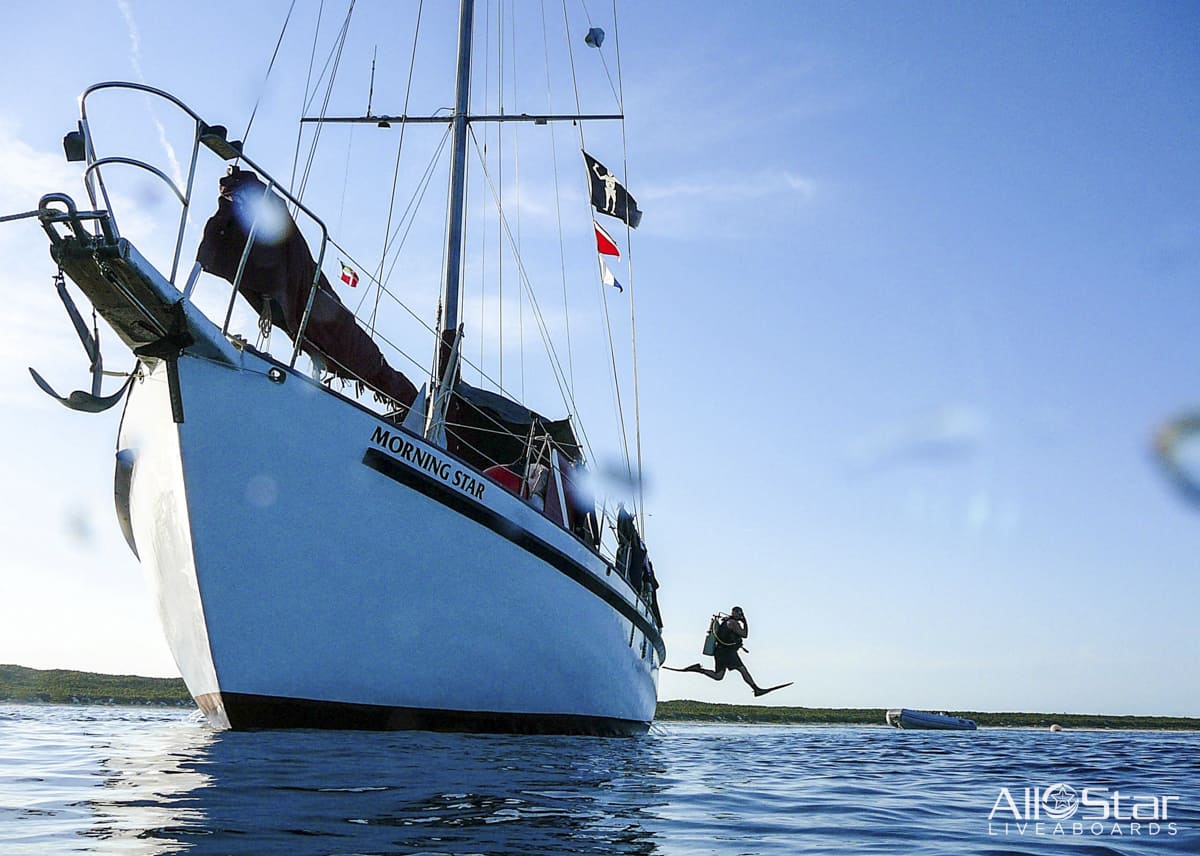
All Star Blackbeards Morning Star
Bahamas
24 guests19.81 m
$156/day
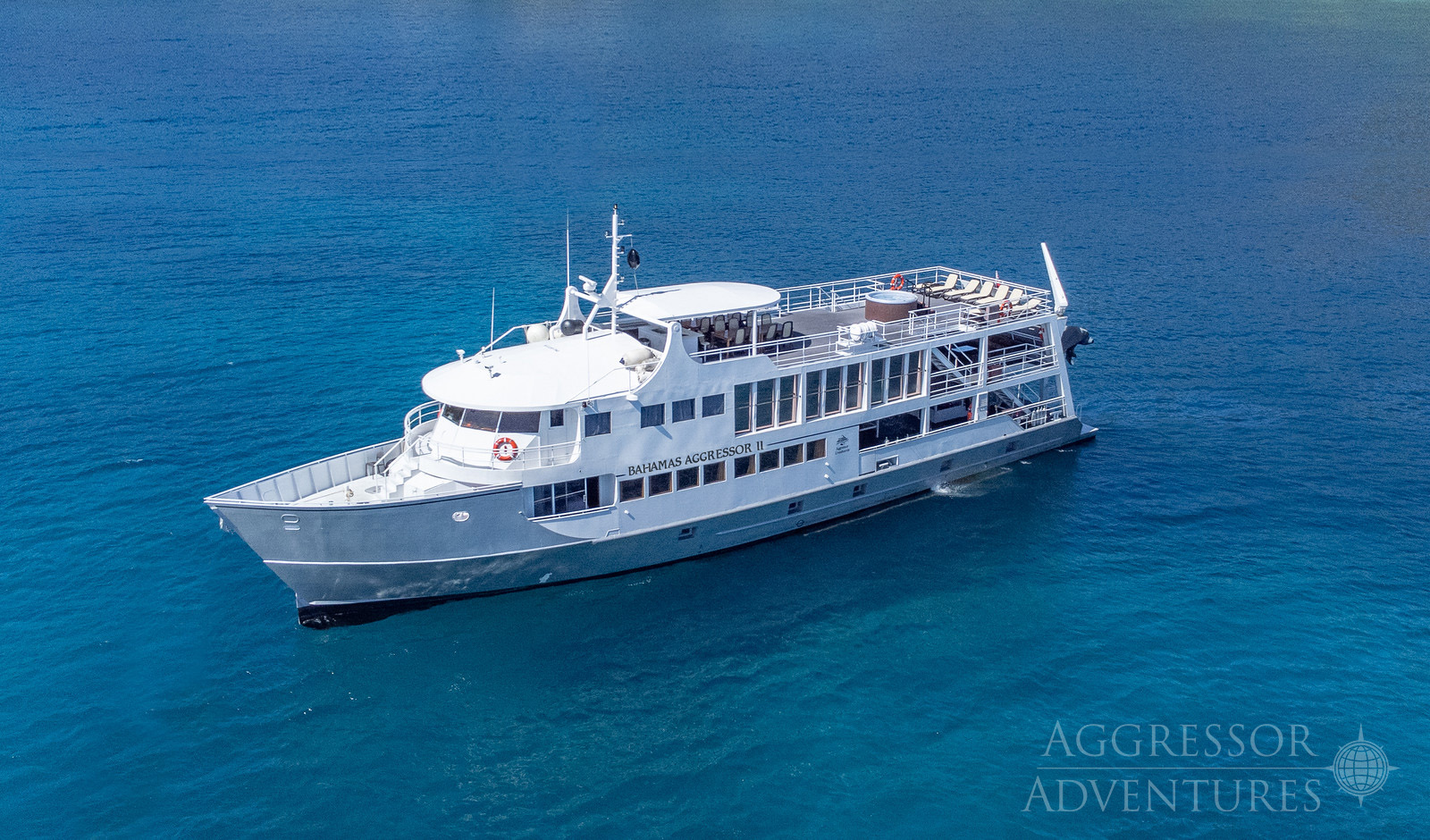
Bahamas Aggressor II
Bahamas
20 guests33.5 m
$328/day
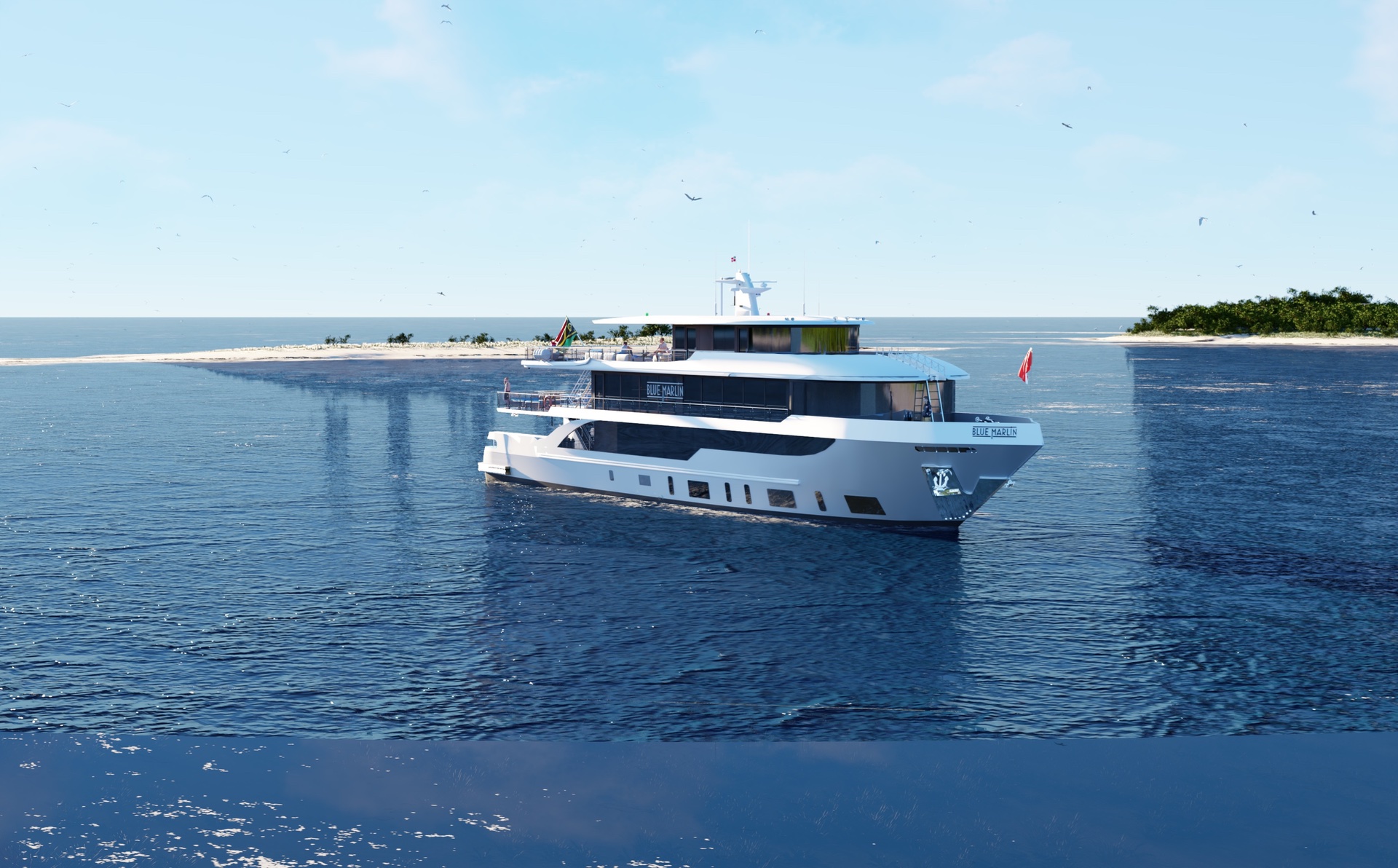
Blue Marlin
Bahamas
26 guests42 m
$318/day
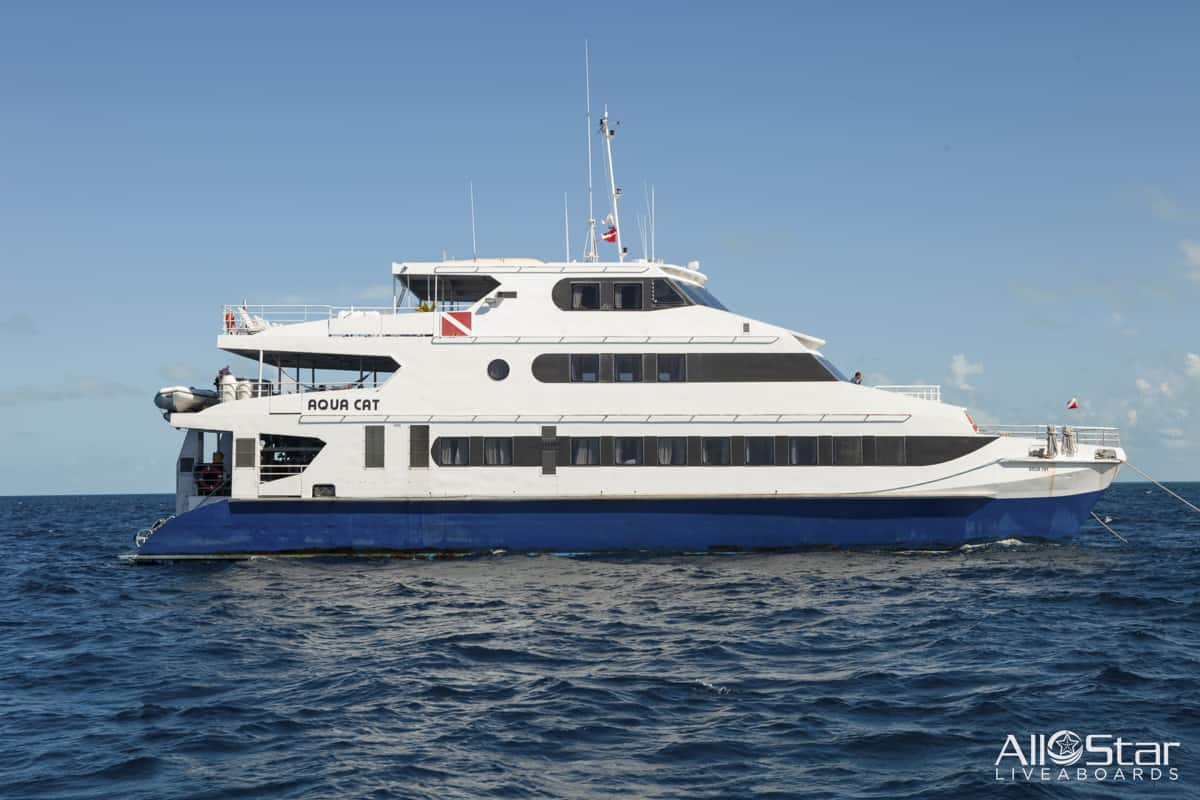
All Star Aqua Cat
Bahamas
30 guests31.09 m
$312/day
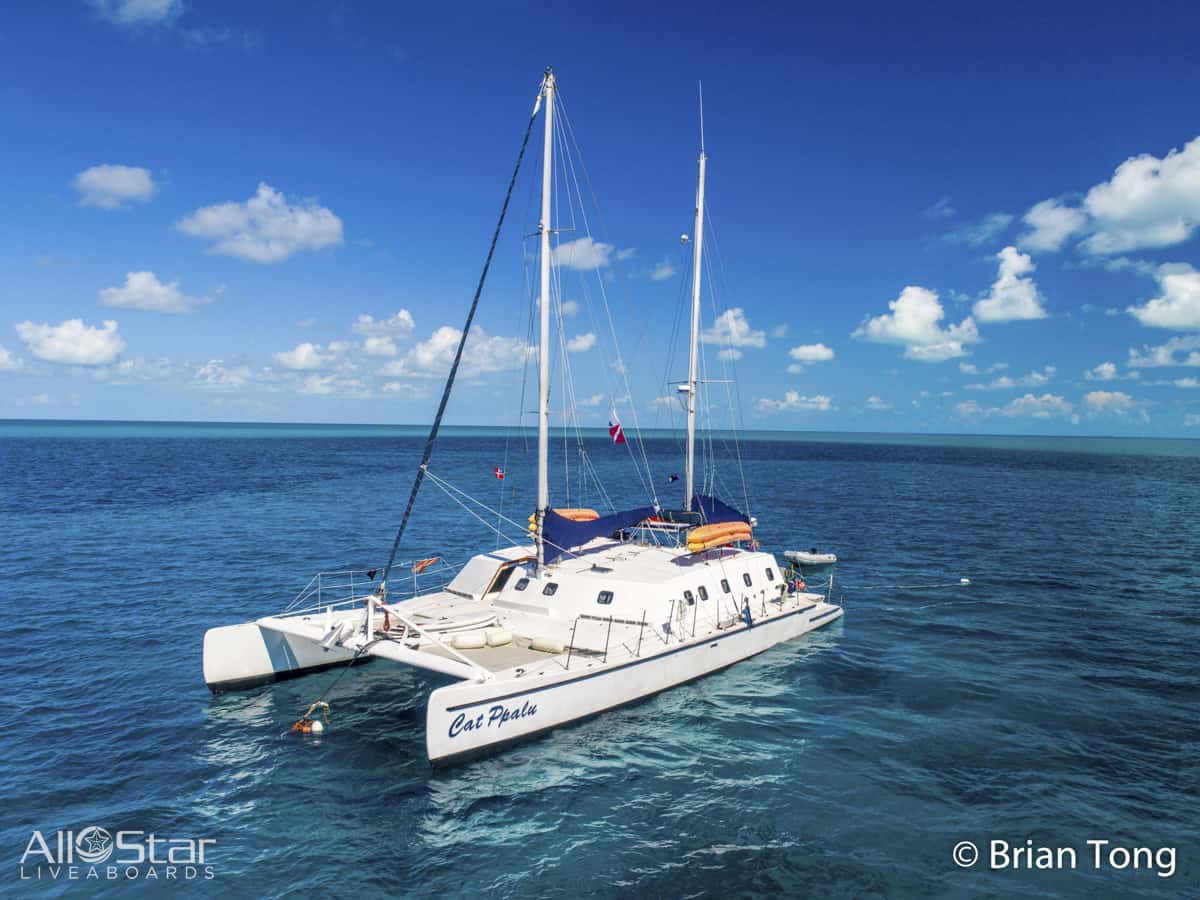
All Star Cat Ppalu
Bahamas
12 guests20 m
$237/day
Dive sites similar to Amberjack Reef
Same character, same waters — six more sites divers love for the exact same reasons.Compare seasons, access and liveaboard routes — then pick the site that fits your trip best.
© Esri — Maxar, Earthstar, GIS
Cut Through City
Bahamas
Cut Through City is a standout dive site located off the coast of Eleuthera in the Bahamas, a region renowned for its diverse underwater topography.
- Suitable for
- Intermediate
- Current
- Mild
- Access
- Liveaboard only
- Depth
- 27–40 m
- Theme
- Wall / Reef
© Esri — Maxar, Earthstar, GIS
Metropolis
Bahamas
Metropolis is a standout dive site in the Bahamas, renowned for its consistent and diverse shark encounters, making it a thrilling destination for divers seeking pelagic action.
- Suitable for
- Intermediate
- Current
- Moderate
- Access
- Liveaboard only
- Depth
- ≤ 13 m
- Theme
- Reef
© Esri — Maxar, Earthstar, GIS
Mt. Olympus
Bahamas
Mt. Olympus is a dynamic dive site in the Bahamas, regularly visited by liveaboards, known for its healthy marine ecosystem and varied underwater terrain.
- Suitable for
- Advanced
- Current
- Moderate
- Access
- Liveaboard only
- Depth
- ≤ 122 m
- Theme
- Reef / Drift
© Esri — Maxar, Earthstar, GIS
Austin Smith Wreck
Bahamas
The Austin Smith Wreck, originally named HMBS Flamingo, was a 90-foot Bahamian Defense Force cutter that was decommissioned in 1995. Intended for use as an artificial reef, it…
- Suitable for
- Intermediate
- Current
- Moderate
- Access
- Liveaboard only
- Depth
- 18–18 m
- Theme
- Wreck / Reef
© Esri — Maxar, Earthstar, GIS
Split Coral Head
Bahamas
Split Coral Head is a notable dive site located in Eleuthera, Bahamas, celebrated for its impressive coral formations and the distinctive split in a massive coral head from which it derives its name.
- Suitable for
- Beginner
- Current
- No current
- Access
- Liveaboard only
- Depth
- 14–17 m
- Theme
- Reef
© Esri — Maxar, Earthstar, GIS
Danger Reef
Bahamas
Danger Reef is an integral part of the Exuma Cay Reef Dives, nestled within the expansive Exuma Cays.
- Suitable for
- Intermediate
- Current
- Mild
- Access
- Liveaboard only
- Depth
- ≤ 18 m
- Theme
- Reef