About Orne Harbour
Orne Harbour, situated on the Antarctic Peninsula, presents an unparalleled cold-water diving experience, where towering ice formations meet a vibrant, untouched marine ecosystem. This remote destination is one of the few places on Earth where divers can immerse themselves in an underwater landscape shaped by ancient ice and teeming with life found nowhere else. The topography features dramatic ice walls and submerged icebergs, creating an otherworldly environment bathed in shifting blue light that penetrates the ice. The rich Antarctic waters, fuelled by mineral upwellings, support a dense krill population, which in turn attracts a wide array of larger marine animals. Divers can expect encounters with various seals, penguins, and diverse macro life including sea spiders, sponges, and anemones. The best time to visit for diving is during the Southern Hemisphere summer, from November to March, when wildlife activity is at its peak and daylight hours are extended. Diving here is an expedition-style adventure, requiring specific cold-water and drysuit experience due to the frigid temperatures and remote location. Dives are typically conducted from zodiacs, exploring ice formations, shallow walls, and the seafloor, offering an intimate perspective on Antarctica's subaquatic wonders.
Highlights
Submerged ice formationsPenguin encounters underwaterLeopard seal interactionsVibrant macro lifeUnique kelp wallsRemote polar divingEthereal blue light
Season calendar
Best months to dive here
Jan
Feb
Mar
Apr
May
Jun
Jul
Aug
Sep
Oct
Nov
Dec
Excellent
Good
Dive site facts: Orne Harbour
- Depth
- 5–20 m
- Typical dive
- 10–20 m, 30–45 min
- Current
- Mild to moderate, variable
- Visibility
- 12–90 m
- Water temperature
- -2°C – 2°C
- Entry
- Zodiac / shore entry
- Level
- Advanced Drysuit Diver
- Dive type
- Ice formations, wall, macro
- Night dive
- Not permitted
- Region / port
- Antarctic Peninsula
- Coordinates
- -64.625, -62.54
Conditions & Currents
Diving conditions at Orne Harbour, like much of Antarctica, are significantly influenced by ice and weather patterns. While currents are generally manageable at typical dive depths, they can vary, and divers must be prepared for potential shifts due to moving ice. Visibility is highly variable, ranging from excellent, potentially hundreds of feet before plankton blooms in early season, to reduced levels later in the summer when blooms occur. Water temperatures consistently hover between -2°C and 2°C, necessitating drysuit proficiency and redundant regulator setups to prevent free-flows. Divers should maintain strong situational awareness regarding safe exit points, as ice movement can alter the immediate environment. The remoteness of the location means self-sufficiency and strict adherence to dive plans are paramount, with dive guides typically operating from the surface to monitor cond
Marine life & sighting chances
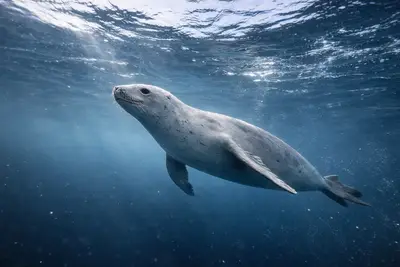
Crabeater seal
November-March · common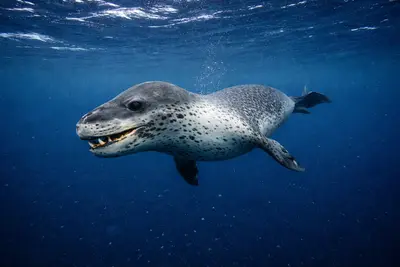
Leopard seal
February-March · occasional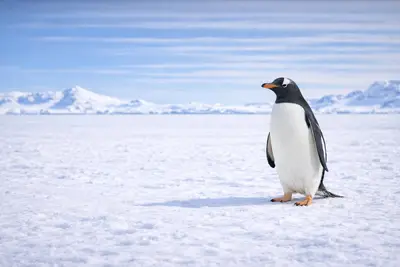
Gentoo penguin
November-March · common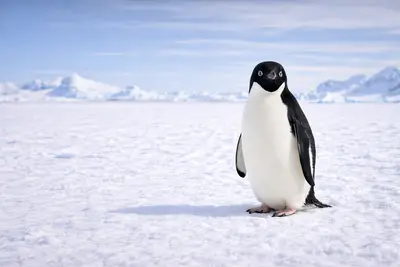
Adelie penguin
November-March · common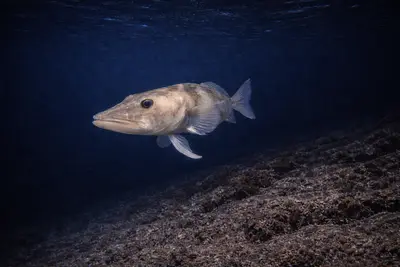
Antarctic krill
November-March · common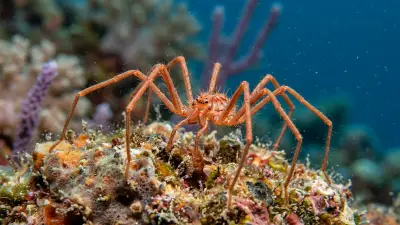
Sea spider
November-March · common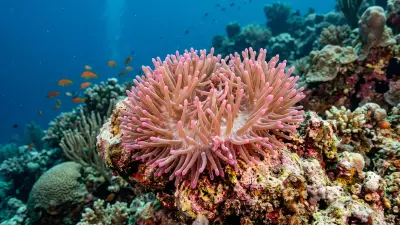
Anemone
November-March · common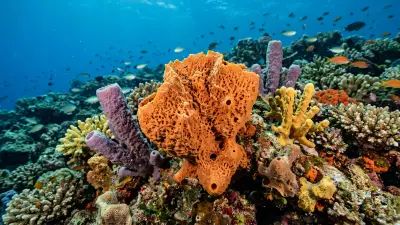
Sponge
November-March · common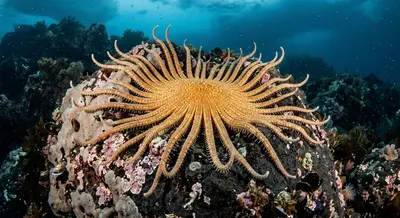
Starfish
November-March · common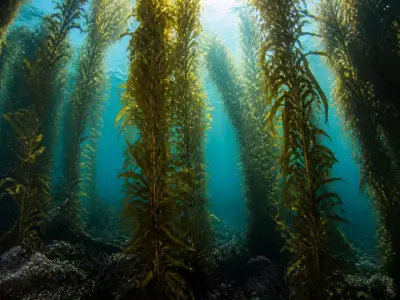
Kelp (various species)
November-March · common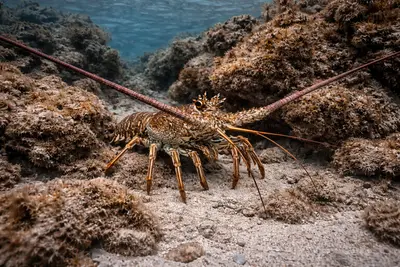
Squat lobster
November-March · occasionalDive profile & how the dive runs
Dives at Orne Harbour typically begin with a zodiac drop-off near an ice formation or a designated entry point. Divers often descend to explore the immediate vicinity of icebergs, observing their underwater structures and the marine life they attract. The route might follow a shallow wall or a gradual slope down to a maximum of 20 meters, carefully navigating around ice and watching for curious pinnipeds. The dive usually proceeds into shallower areas, allowing for extended bottom time and observation of macro life on the seafloor. Turnaround is often dictated by air consumption or environmental factors, heading back towards the surface at a slow, controlled ascent. Safety stops are conducted at 5 meters for three minutes, allowing divers to decompress and often observe the unique interaction of light with the ice above, before a zodiac pickup.
Underwater photography
Underwater photography at Orne Harbour demands specific considerations for cold water and unique subjects. A wide-angle lens is essential for capturing the grandeur of submerged ice formations, ice walls, and encounters with larger marine life like seals and penguins. Macro lenses will be valuable for documenting the diverse and colorful invertebrates clinging to rocks and kelp. Due to the limited light penetration through ice, especially deeper, powerful strobes or video lights are crucial for bringing out true colors and contrast. Buoyancy control is paramount to avoid disturbing fragile marine life and navigating safely around ice. Given the potential for curious wildlife interactions, maintaining a respectful distance and avoiding aggressive movements is important for both safety and ethical photography.
Combine with nearby dive sites
- Neko Harbour
Neko Harbour, nestled on the Antarctic Peninsula, offers divers a truly immersive experience in a pristine polar environment.
- Danco Island
Danco Island, located in the Errera Channel off the Antarctic Peninsula, presents an unparalleled cold-water diving experience.
- Enterprise Island - Wreck Gouvernøren
The wreck of the Gouvernøren, nestled at Enterprise Island, stands as Antarctica's most accessible and atmospheric shipwreck.
- Cuverville Island
Cuverville Island, nestled within the Errera Channel off the Antarctic Peninsula, presents an exceptional opportunity for polar diving.
- Paradise Bay
Paradise Bay, located on the Antarctic Peninsula, offers divers a unique opportunity to explore a wilderness few will ever experience.
Getting there & logistics
Access to Orne Harbour, like other Antarctic dive sites, is primarily via expedition cruise ships departing from Ushuaia, Argentina, or occasionally Punta Arenas, Chile. Most trips are expedition-style, lasting 10 to 20 days, encompassing multiple landings and dive opportunities across the Antarctic Peninsula and South Shetland Islands. There are no direct commercial flights to the region, making the journey across the Drake Passage an integral part of the experience. Divers must book with specialized operators who include scuba diving as an activity on their itineraries. Permits are managed by the expedition companies as part of the Antarctic Treaty System regulations. Itineraries are flexible and weather-dependent, with Orne Harbour being one of several potential dive locations visited based on ice conditions and wildlife sightings.
Safety & environment
Diving in Orne Harbour and other Antarctic locations carries inherent risks due to extreme cold, remote location, and variable conditions. There are no recompression chambers in Antarctica; the nearest facilities are thousands of kilometers away in South America, making evacuation challenging and time-consuming. Comprehensive dive insurance, including coverage for emergency medical evacuation, is mandatory. Divers must be highly experienced in drysuit diving and cold water, demonstrating excellent buoyancy control and self-sufficiency. Redundant equipment, especially regulators, is critical due to the risk of freezing. Site-specific hazards include rapidly moving ice, strong currents, and potentially aggressive wildlife like leopard seals, though encounters are often curious rather than hostile. Divers must follow strict expedition guidelines, including buddy system adherence, conservative dive profiles to avoid decompression sickness, and maintaining constant awareness of zodiac positions for safe entry and exit.
Who it suits — and who it doesn't
Suited for
- Experienced drysuit divers
- Photographers seeking unique subjects
- Divers comfortable with extreme cold
- Adventure seekers
- Wildlife enthusiasts
Less suited for
- Beginner divers
- Warm-water-only divers
- Divers without drysuit experience
- Those prone to seasickness
- Individuals with limited cold tolerance
FAQ
Orne Harbour FAQ
What kind of marine life can I expect to see at Orne Harbour?
You can expect to encounter a variety of unique polar marine life, including crabeater and leopard seals, Gentoo and Adelie penguins swimming underwater, and diverse macro life like sea spiders, anemones, sponges, and starfish. The waters also feature unique kelp formations and abundant krill, which forms the base of the food chain.
What are the water temperatures like for diving at Orne Harbour?
The water temperatures at Orne Harbour are consistently frigid, typically ranging between -2°C and 2°C. This extreme cold necessitates specialized drysuit equipment and significant experience in cold-water diving to ensure comfort and safety during your dives.
What level of diving experience is required for Orne Harbour?
Diving at Orne Harbour requires a high level of experience. You must be an advanced diver with extensive drysuit experience, typically with at least 30 logged drysuit dives. Divers must also demonstrate excellent buoyancy control and be comfortable in extreme cold and remote conditions.
How do you get to Orne Harbour for diving?
To dive at Orne Harbour, you typically embark on an expedition cruise from Ushuaia, Argentina, or sometimes Punta Arenas, Chile. These voyages usually last 10-20 days, traversing the Drake Passage to reach the Antarctic Peninsula. Dive operations are managed by specialized liveaboard companies on these expedition vessels.
What kind of dive equipment is essential for Orne Harbour?
Essential equipment includes a high-quality drysuit with thick undergarments, dry gloves, and two sets of freeze-protected, environmentally sealed regulators with independent first and second stages. A quick-release BCD, depth gauge, compass, air-pressure gauge for each regulator, knife, and a powerful flashlight are also crucial for safety and optimal performance.
What is the visibility like when diving in Orne Harbour?
Visibility at Orne Harbour can be highly variable. Early in the season (November-December) before significant plankton blooms, visibility can be exceptional, sometimes reaching hundreds of feet. Later in the season (January-March), plankton blooms can reduce visibility, though it often remains good enough for rewarding dives.
Why dive Orne Harbour from a liveaboard?
Orne Harbour is one of Antarctica's signature dive sites. A liveaboard sleeps you on the water and puts you in the water for three to four guided dives per day, including dawn and night dives that day-boat operators rarely offer. You skip the daily commute back to port and reach quieter, less-crowded sites in the same region on a single trip.
Below are the liveaboards that include Orne Harbour on their Antarctica itineraries.
Liveaboards diving Orne Harbour
These liveaboards may visit Orne Harbour on selected itineraries — the exact dive sites depend on departure, weather and conditions.
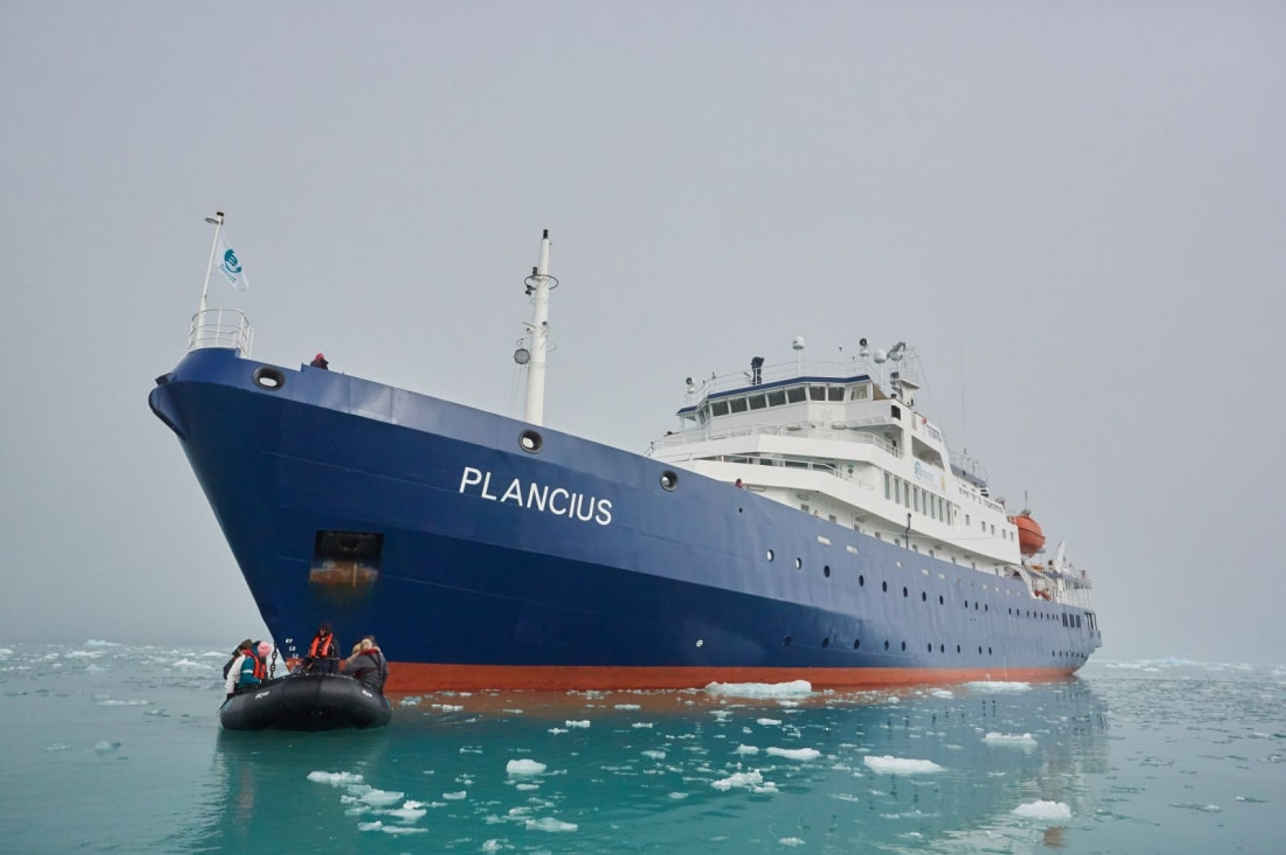
Plancius
Antarctica
108 guests89 m
$771/day
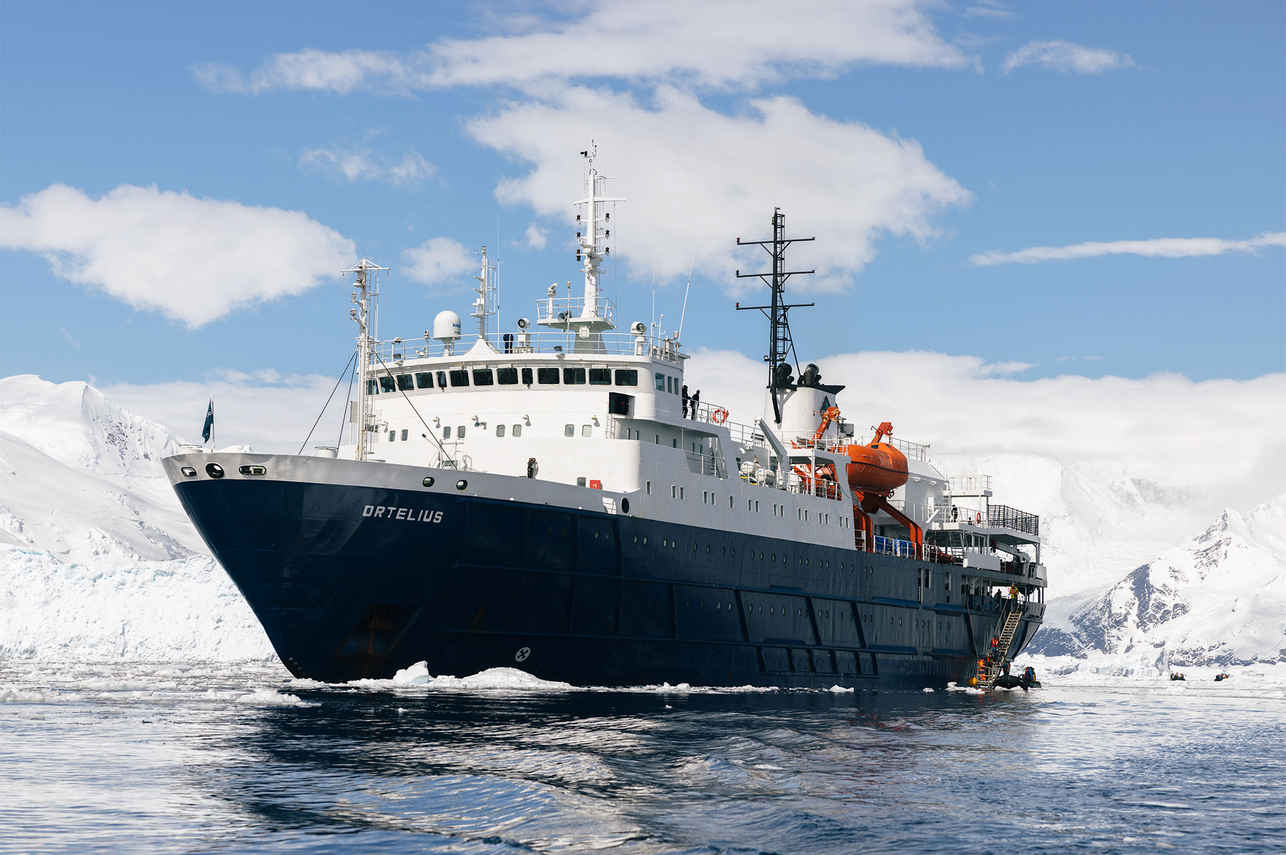
Ortelius
Antarctica
108 guests90.95 m
$661/day
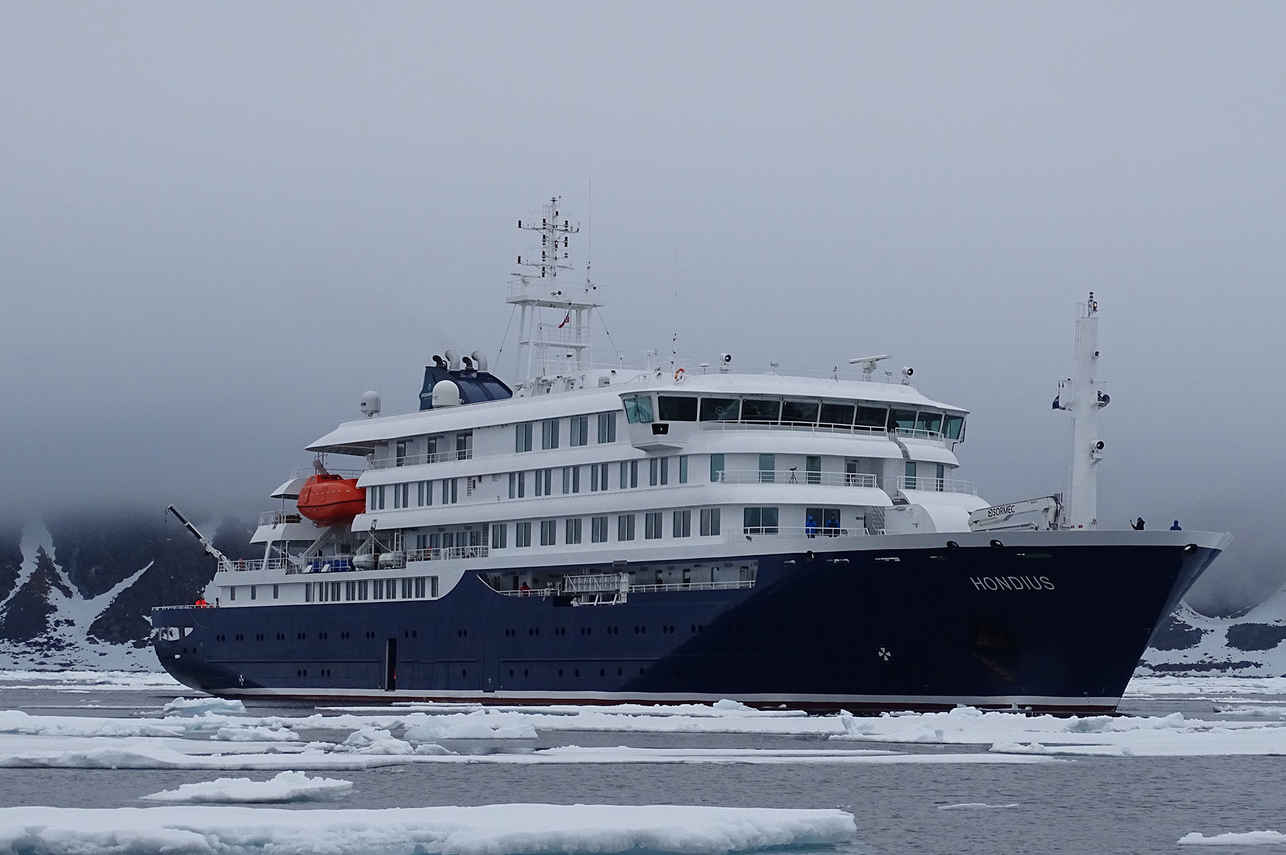
Hondius Antarctica Diving
Antarctica
170 guests107.6 m
$775/day
Dive sites similar to Orne Harbour
Same character, same waters — six more sites divers love for the exact same reasons.Compare seasons, access and liveaboard routes — then pick the site that fits your trip best.
Argentine Islands - Vernadsky
Antarctica
Diving at the Argentine Islands, near the Vernadsky Research Base, offers an exclusive opportunity to explore the underwater world of the Antarctic Peninsula.
- Suitable for
- Advanced
- Current
- Strong
- Access
- Liveaboard only
- Depth
- 3–15 m
- Theme
- Ice / Reef
Lemaire Channel
Antarctica
Lemaire Channel, a narrow passage between the Antarctic mainland and Booth Island, presents a truly majestic and impressive dive experience.
- Suitable for
- Advanced
- Current
- Strong
- Access
- Liveaboard only
- Depth
- 5–30 m
- Theme
- Ice / Wall
Useful Island
Antarctica
Useful Island, situated in the Western Antarctic Peninsula, presents an extraordinary opportunity for intrepid divers to explore a shallow-water ecosystem brimming with biodiversity.
- Suitable for
- Advanced
- Current
- Strong
- Access
- Liveaboard only
- Depth
- 5–25 m
- Theme
- Ice / Wall
Wilhelmina Bay
Antarctica
Wilhelmina Bay, nestled in the Antarctic Peninsula, is renowned as a prime location for observing humpback whales and experiencing the continent's pristine marine environment.
- Suitable for
- Advanced
- Current
- Moderate
- Access
- Liveaboard only
- Depth
- 5–20 m
- Theme
- Ice / Wall
under the iceberg scour
Antarctica
Diving in Antarctica offers a unique experience beneath its frigid waters, a stark contrast to typical warm-water destinations.
- Suitable for
- Advanced
- Current
- Moderate
- Access
- Liveaboard only
- Depth
- ≤ 70 m
- Theme
- Reef
Enterprise Island - Wreck Gouvernøren
Antarctica
The wreck of the Gouvernøren, nestled at Enterprise Island, stands as Antarctica's most accessible and atmospheric shipwreck.
- Suitable for
- Advanced
- Current
- Mild
- Access
- Liveaboard only
- Depth
- 5–18 m
- Theme
- Ice / Wreck