About Petermann Island
Petermann Island lies just south of the Lemaire Channel in Graham Land, Antarctica, making it a critical site for wildlife and an extreme diving destination. Recognized by BirdLife International as an Important Bird Area, it hosts extensive breeding colonies of Gentoo and Adélie penguins, whose presence also attracts predators like leopard seals. The island's underwater topography features dramatic plunging walls, adorned with vibrant cold-water species such as tunicates, sea stars, and nudibranchs, providing a striking contrast to the stark landscape above. Diving here means immersing yourself in water temperatures that hover around freezing, between 28 and 34°F (-2 to 1°C). Visibility can be exceptional, often reaching hundreds of feet early in the season, though plankton blooms later on can reduce clarity. The unique environment also features freshwater melt from icebergs creating interesting buoyancy effects and constant fizzing bubbles from trapped ancient air. The historical significance of Petermann Island adds another layer to the experience; it provided shelter for early expeditions, with explorer Jean-Baptiste Charcot overwintering here in 1909. Underwater, divers can expect to navigate around impressive ice formations and observe various Antarctic invertebrates thriving in the nutrient-rich, icy waters. The combination of abundant wildlife, unique geology, and historical context makes Petermann Island a truly unforgettable, albeit challenging, dive destination. Access is exclusively via dedicated polar liveaboards, emphasizing the remote and pristine nature of this site. Divers must be highly experienced in cold-water and drysuit diving due to the extreme conditions. Each dive is an expedition, offering rare encounters with Antarctic ecosystems that few will ever witness firsthand.
Highlights
Gentoo and Adélie penguin coloniesLeopard seal encountersPlunging walls with marine invertebratesUnderwater iceberg formationsExceptional cold-water visibilityHistorical expedition siteSea butterflies and sea squirtsUnique buoyancy around melting icebergs
Season calendar
Best months to dive here
Jan
Feb
Mar
Apr
May
Jun
Jul
Aug
Sep
Oct
Nov
Dec
Excellent
Good
Dive site facts: Petermann Island
- Depth
- 5–20 m (max 60 feet)
- Typical dive
- 10–20 m, 30–60 min
- Current
- Mild to moderate, variable
- Visibility
- 10–100 m
- Water temperature
- -2 to 1 °C (28 to 34 °F)
- Entry
- Zodiac / tender
- Level
- Advanced OW, Drysuit, Cold-water experience
- Dive type
- Ice, wall, wildlife
- Night dive
- Not applicable (seasonal midnight sun)
- Region / port
- Antarctic Peninsula
- Coordinates
- -65.18, -64.14
Conditions & Currents
Currents around Petermann Island can vary, and while not typically strong enough to be called a "drift dive," divers must always be aware of the dynamic environment. Ice movement is a constant factor; ice floes and icebergs are always shifting, which can impact entry and exit points. Tidal influences are generally manageable but should be monitored. Visibility is often outstanding early in the season, reaching hundreds of feet, but later in the summer, plankton blooms can significantly decrease it. The freshwater melt from icebergs creates distinct thermoclines and buoyancy shifts underwater, requiring careful weighting and trim adjustments. All these factors necessitate vigilant dive planning and experienced cold-water diving skills, with a strong emphasis on maintaining situational awareness and readiness for quick adaptations.
Marine life & sighting chances
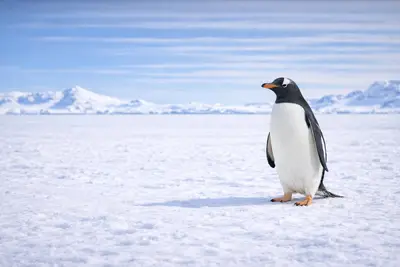
Gentoo penguin
common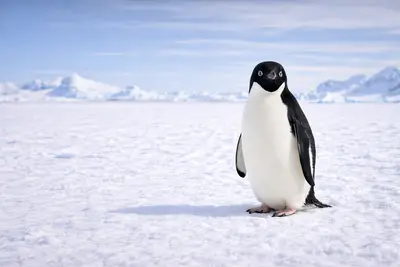
Adélie penguin
common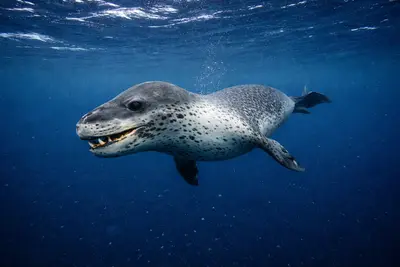
Leopard seal
February–March · occasional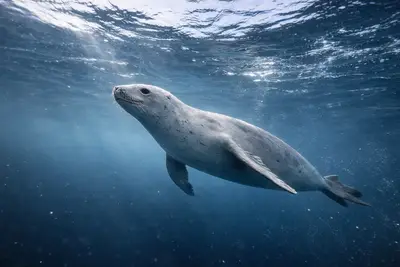
Crabeater seal
November–December · occasional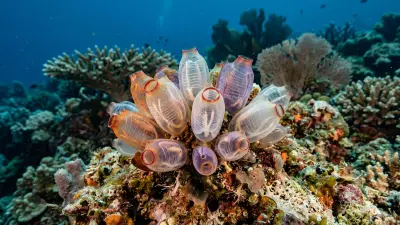
Sea squirts
common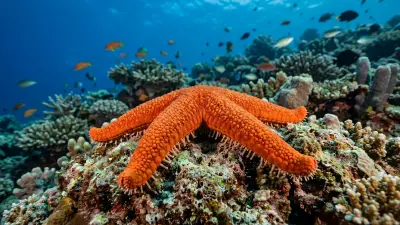
Sea stars
common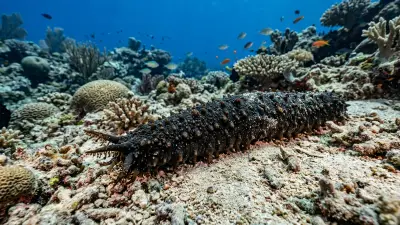
Sea cucumbers
common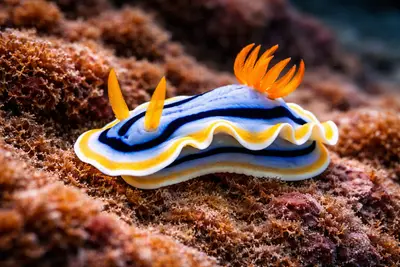
Nudibranchs
occasional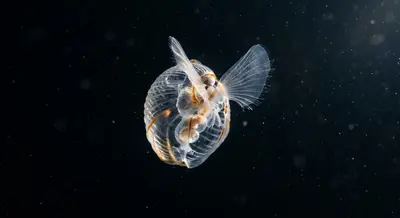
Sea butterflies
occasional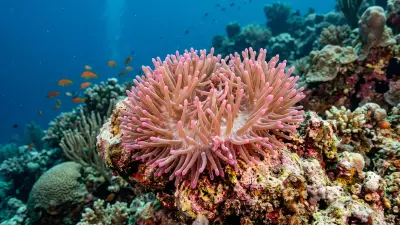
Anemones
common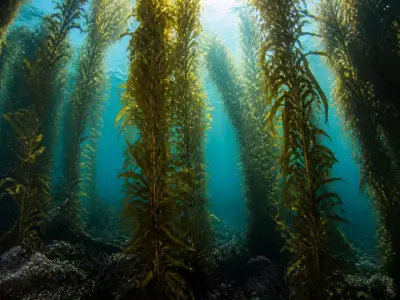
Kelp
common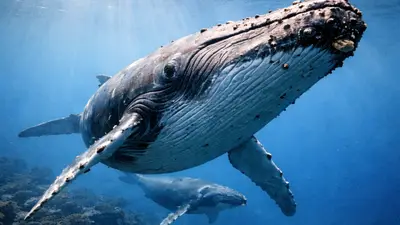
Humpback whale
February–March · rareDive profile & how the dive runs
Dives at Petermann Island typically begin with a Zodiac entry close to a chosen ice formation or wall. Expect an average maximum depth of around 20 meters, though depths can range from 5 to 30 meters. The dive usually involves exploring the vibrant marine life clinging to plunging walls or examining the unique structures and textures of icebergs underwater. Divers often follow the contours of an iceberg, observing the bubbles fizzing from the melting ice and the distinct buoyancy layers created by freshwater melt. The route generally involves a slow progression to allow for observation of macro life and potential encounters with curious seals or penguins. Turn points are determined by air consumption and bottom time, with an emphasis on conservative profiles due to the remote environment. Safety stops are conducted in the shallowest safe zone, often near the Zodiac, ensuring clear sight of the exit point due to potentially shifting ice conditions.
Underwater photography
Capturing the unique beauty of Petermann Island requires careful consideration of the extreme conditions. A wide-angle lens is ideal for showcasing the grand scale of icebergs and the dramatic underwater topography, while a macro lens will be invaluable for the colorful invertebrates like nudibranchs and sea squirts. Given the potential for varying visibility, especially later in the season, strong strobes or continuous video lights are crucial to bring out true colors and minimize backscatter. Be mindful of the freshwater melt around icebergs, which can create hazy layers; adjust your focus and lighting accordingly. Excellent buoyancy control is paramount to avoid disturbing the fragile environment and to maintain stable shots in cold, potentially challenging conditions. Remember to protect your camera gear from the cold and moisture, and be prepared for spontaneous wildlife encounters that require quick adjustments.
Combine with nearby dive sites
- Lemaire Channel
A scenic passage often navigated en route to Petermann Island.
- Iceberg Graveyard - Pleneau Island
Known for its large, sculpted icebergs and rich wildlife, offering further iceberg diving opportunities.
- Port Lockroy
A historic British base and museum, often visited for topside experiences.
- Neko Harbour
Famous for its stunning glacier views and large Gentoo penguin colonies, with potential for crabeater seal encounters.
Getting there & logistics
Access to Petermann Island is exclusively via specialized polar liveaboards, typically departing from Ushuaia, Argentina, the southernmost city in the world. Expeditions usually last between 10 to 14 days, with some longer trips combining the Antarctic Peninsula with other sub-Antarctic islands. Divers must ensure their chosen vessel accommodates diving activities, as not all Antarctic cruises do. Flights into Ushuaia (USH) are typically from Buenos Aires. There are no direct fees for diving at Petermann Island itself, as they are incorporated into the overall expedition cost. Itineraries are highly flexible due to weather and ice conditions, but a trip to Petermann Island is often combined with visits to the Lemaire Channel, Pleneau Island, and other sites along the Antarctic Peninsula for a comprehensive experience.
Safety & environment
Diving in Antarctica, especially at remote sites like Petermann Island, carries inherent risks due to its extreme environment and isolation. The nearest recompression chamber is thousands of kilometers away, making deep or aggressive dive profiles extremely dangerous. Divers must possess comprehensive medical insurance that explicitly covers emergency medical evacuation from Antarctica. Drysuit diving proficiency and extensive cold-water experience are mandatory. Site-specific hazards include rapidly changing weather, shifting ice, and the potential for strong currents or thermoclines. Conduct rules strictly enforce no touching of marine life, maintaining safe distances from wildlife, and always diving with a buddy. Expedition dive guides maintain constant vigilance from the surface, but divers are ultimately responsible for their own safety, including meticulous equipment checks and conservative dive planning.
Who it suits — and who it doesn't
Suited for
- Experienced drysuit divers
- Advanced Open Water certified divers
- Photographers seeking unique ice and wildlife subjects
- Adventurous divers comfortable with extreme cold
- Divers with excellent buoyancy control
Less suited for
- Beginner divers
- Warm-water-only divers
- Divers uncomfortable with cold temperatures
- Those without drysuit certification or extensive experience
- Divers unwilling to adhere to strict safety protocols
FAQ
Petermann Island FAQ
What kind of marine life can I expect to see underwater at Petermann Island?
Underwater at Petermann Island, you can expect to encounter diverse cold-water marine life. This includes vibrant sea squirts, sea stars, sea cucumbers, and various nudibranchs clinging to the walls. You might also spot graceful sea butterflies, different types of anemones, and abundant kelp formations. Penguins and seals are frequently seen swimming through the water column.
How cold is the water at Petermann Island, and what equipment is required?
The water temperature at Petermann Island is extremely cold, ranging from -2 to 1°C (28 to 34°F). A full drysuit with thick undergarments and dry gloves is essential. You will also need two sets of freeze-protected regulators, a quick-release BCD, and standard dive gear like a mask, fins, and computer. A cutting tool and a flashlight are also highly recommended.
Is diving at Petermann Island suitable for all experience levels?
Diving at Petermann Island is not suitable for all experience levels. It requires significant cold-water diving experience, advanced certification, and proficiency in drysuit diving. Divers must be comfortable with extreme conditions, remote locations, and potentially variable visibility. This is an expedition-style dive for highly experienced and prepared individuals.
What are the visibility conditions like for diving at Petermann Island?
Visibility at Petermann Island can be exceptional, particularly early in the Antarctic summer (November-December), often reaching hundreds of feet. However, as the season progresses into February and March, plankton blooms can significantly reduce water clarity. The presence of freshwater melt from icebergs can also create hazy layers, affecting visibility and buoyancy.
How do I get to Petermann Island for a dive trip?
To dive at Petermann Island, you must book a specialized polar liveaboard expedition. These trips typically depart from Ushuaia, Argentina, which is accessible via flights from Buenos Aires. The expeditions are usually 10 to 14 days long, focusing on the Antarctic Peninsula and its surrounding islands, including Petermann Island, subject to weather and ice conditions.
What safety precautions are taken when diving in Antarctica?
Safety is paramount for Antarctic diving. Divers are required to have comprehensive travel insurance covering emergency medical evacuation. Dive profiles are conservative, staying shallow due to the extreme remoteness and lack of nearby recompression chambers. Strict buddy system rules apply, and divers must always follow expedition guide instructions, maintain safe distances from wildlife, and regularly check their equipment.
Why dive Petermann Island from a liveaboard?
Petermann Island is one of Antarctica's signature dive sites. A liveaboard sleeps you on the water and puts you in the water for three to four guided dives per day, including dawn and night dives that day-boat operators rarely offer. You skip the daily commute back to port and reach quieter, less-crowded sites in the same region on a single trip.
Below are the liveaboards that include Petermann Island on their Antarctica itineraries.
Liveaboards diving Petermann Island
These liveaboards may visit Petermann Island on selected itineraries — the exact dive sites depend on departure, weather and conditions.
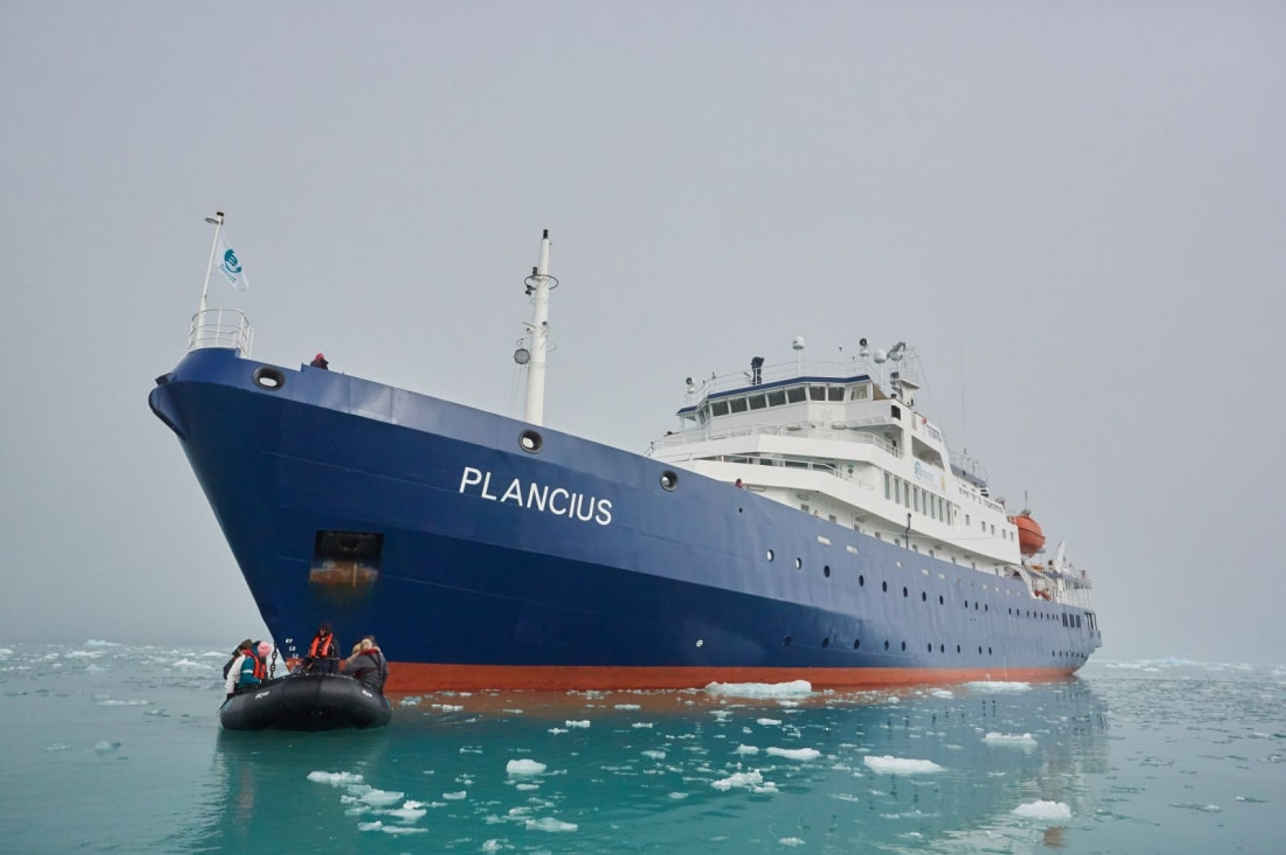
Plancius
Antarctica
108 guests89 m
$771/day
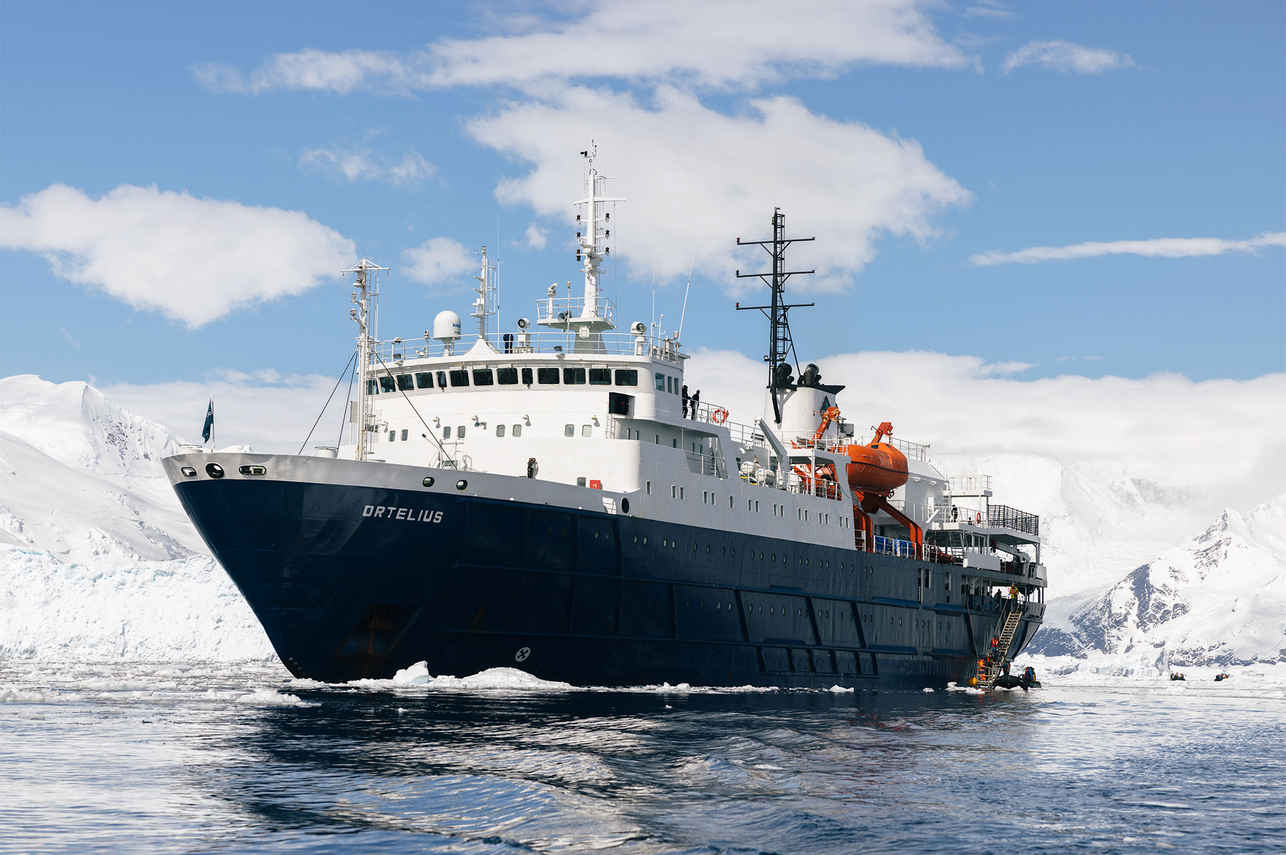
Ortelius
Antarctica
108 guests90.95 m
$661/day
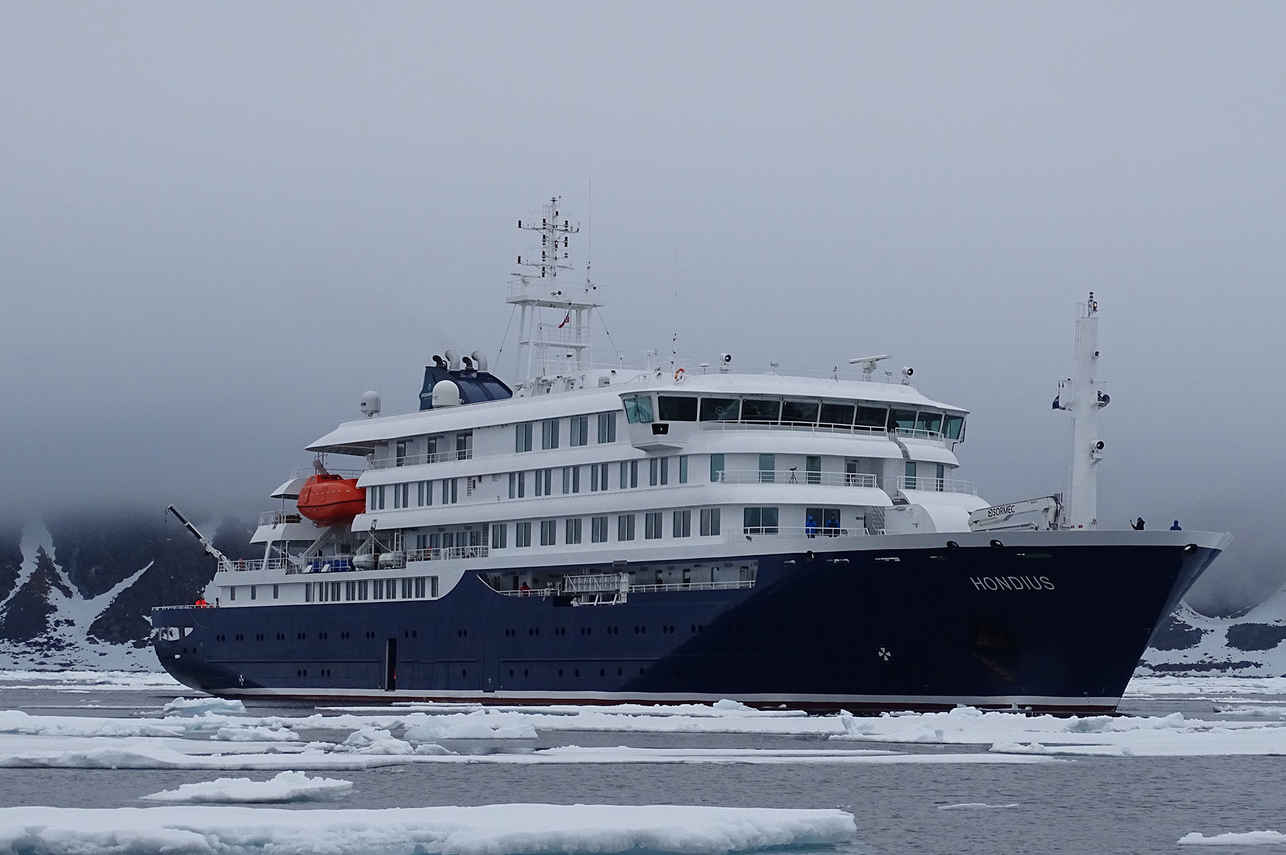
Hondius Antarctica Diving
Antarctica
170 guests107.6 m
$775/day
Dive sites similar to Petermann Island
Same character, same waters — six more sites divers love for the exact same reasons.Compare seasons, access and liveaboard routes — then pick the site that fits your trip best.
Argentine Islands - Vernadsky
Antarctica
Diving at the Argentine Islands, near the Vernadsky Research Base, offers an exclusive opportunity to explore the underwater world of the Antarctic Peninsula.
- Suitable for
- Advanced
- Current
- Strong
- Access
- Liveaboard only
- Depth
- 3–15 m
- Theme
- Ice / Reef
Lemaire Channel
Antarctica
Lemaire Channel, a narrow passage between the Antarctic mainland and Booth Island, presents a truly majestic and impressive dive experience.
- Suitable for
- Advanced
- Current
- Strong
- Access
- Liveaboard only
- Depth
- 5–30 m
- Theme
- Ice / Wall
Useful Island
Antarctica
Useful Island, situated in the Western Antarctic Peninsula, presents an extraordinary opportunity for intrepid divers to explore a shallow-water ecosystem brimming with biodiversity.
- Suitable for
- Advanced
- Current
- Strong
- Access
- Liveaboard only
- Depth
- 5–25 m
- Theme
- Ice / Wall
Wilhelmina Bay
Antarctica
Wilhelmina Bay, nestled in the Antarctic Peninsula, is renowned as a prime location for observing humpback whales and experiencing the continent's pristine marine environment.
- Suitable for
- Advanced
- Current
- Moderate
- Access
- Liveaboard only
- Depth
- 5–20 m
- Theme
- Ice / Wall
Enterprise Island - Wreck Gouvernøren
Antarctica
The wreck of the Gouvernøren, nestled at Enterprise Island, stands as Antarctica's most accessible and atmospheric shipwreck.
- Suitable for
- Advanced
- Current
- Mild
- Access
- Liveaboard only
- Depth
- 5–18 m
- Theme
- Ice / Wreck
Foyn Harbour
Antarctica
Foyn Harbour, situated off the coast of the Antarctic Peninsula, offers a truly unique underwater experience, primarily centered around the wreck of the 'Gouvernøren'.
- Suitable for
- Advanced
- Current
- Mild
- Access
- Liveaboard only
- Depth
- 5–15 m
- Theme
- Ice / Wreck