About Cabilao Island
Cabilao Island, nestled off the northern coast of Bohol in the Central Visayas, is a highly acclaimed dive destination in the Philippines, celebrated for its pristine underwater environments and accessibility. The island is encircled by extensive coral reefs that plunge dramatically to depths of approximately 50 meters, creating impressive wall dives that cater to a wide range of diver experience levels. These vibrant reefs support a rich diversity of marine life, from minute macro critters to larger pelagic species. The topography transitions from shallow, sun-drenched seagrass meadows and coral gardens, perfect for beginners and macro enthusiasts, to steep walls teeming with life for more experienced divers. The island's dive sites are all within a short boat ride, typically less than 10 minutes, enhancing the diving experience by minimizing travel time. Visibility here is consistently excellent, often ranging from 10 to 30 meters, contributing to superb underwater photography opportunities. While Cabilao was once known for schooling hammerheads, these are now rarely sighted; however, the island remains a hotspot for diverse reef fish, colorful corals, and various pelagic encounters. The generally mild to absent currents make for relaxed diving, though occasional thermoclines can bring cooler water. Water temperatures are typically warm, allowing for comfortable diving year-round. Cabilao offers both shore and boat diving, providing flexibility for dive operations. Resorts on the island, though not always budget-friendly, offer professional dive shops with well-maintained equipment and experienced guides, prioritizing diver safety and customer service. The ease of access from Tagbilaran and the quality of diving make Cabilao a compelling standalone destination or an excellent addition to a wider Visayas itinerary.
Highlights
Dramatic wall divingAbundant macro lifeVibrant coral reefsHealthy seagrass meadowsMild to no currentsExcellent visibilityDiverse pelagic encounters
Season calendar
Best months to dive here
Jan
Feb
Mar
Apr
May
Jun
Jul
Aug
Sep
Oct
Nov
Dec
Excellent
Good
Dive site facts: Cabilao Island
- Depth
- 5–50 m
- Typical dive
- 12–25 m, 50–60 min
- Current
- Mild to none
- Visibility
- 10–30 m
- Water temperature
- 25–30°C
- Entry
- Panga / Rib boat, sometimes shore
- Level
- All levels, beginners to experienced
- Dive type
- Wall, reef, macro
- Night dive
- Possible, especially on house reefs
- Region / port
- Central Visayas, Bohol
- Coordinates
- 9.864, 123.749
Conditions & Currents
Cabilao Island is characterized by generally mild to negligible currents, making it an excellent destination for relaxed diving suitable for various skill levels. However, currents can occasionally pick up, particularly around exposed points or during tidal changes, requiring divers to pay attention to guide instructions. Visibility typically ranges from 10 to 30 meters, offering clear views of the diverse marine ecosystem. While water temperatures are generally warm, occasional thermoclines can introduce cooler pockets, sometimes dropping to 25°C (77°F). Entry and exit are typically straightforward from small pangas or ribs, with dive staff often handling gear, ensuring a smooth experience. Divers should be prepared for possible minor surges, especially on shallower reef sections.
Marine life & sighting chances

Stonefish
occasional
Harlequin ghost pipefish
occasional
Barracuda
common
Dogtooth tuna
occasional
Giant trevally
occasional
Frogfish
occasional
Grouper
common
Snapper
common
Sea snake
occasional
Napoleon wrasse
occasional
Reef shark
rare
Moorish idol
common
Nudibranch
commonDive profile & how the dive runs
Diving at Cabilao typically begins with a short boat ride, usually less than 10 minutes, from the resort. Upon arrival at the chosen site, a back-roll entry off a panga or rib boat is common. The dive often starts along the shallow reef top, gradually descending along a vibrant coral wall. Divers explore various depths, typically between 12 and 25 meters, observing the abundant macro life and larger reef fish. The route usually follows the wall's contour, with guides pointing out interesting critters and coral formations. Turn points are determined by air consumption and bottom time, after which the dive progresses shallower. The safety stop is generally conducted in the 5-meter zone, often over the colorful reef or seagrass beds, allowing for extended observation of marine activity before surfacing.
Underwater photography
Cabilao Island presents exceptional opportunities for both macro and wide-angle underwater photography due to its clear waters and diverse environments. For macro photographers, the vibrant coral gardens and sandy slopes are rich with subjects like harlequin ghost pipefish, frogfish, and various nudibranchs, making a 60mm or 100mm lens essential. Patience and good buoyancy are crucial to capture these tiny, often shy creatures. Wide-angle shots can effectively showcase the dramatic wall topography, expansive coral formations, and schools of barracuda or trevally. A fisheye lens is recommended for these scenes. Natural light is often sufficient in the shallower areas, but strobes are beneficial for color rendition and illuminating subjects in deeper sections or on overcast days. Respect marine life by maintaining a safe distance and avoiding disturbance to capture authentic behavioral shots.
Combine with nearby dive sites
- Balicasag Island
Known for schooling fish and marine diversity, often combined with Bohol itineraries.
- Panglao Island
Features healthy coral gardens and diverse marine life, a primary tourist hub near Bohol.
- Apo Island
Famous for its turtle populations and volcanic seabed, located southwest of Negros Oriental.
- Sumilon Island
Offers a marine sanctuary and sandbar, known for calm waters and diverse reef life.
Getting there & logistics
Access to Cabilao Island typically involves flying into Tagbilaran Airport (TAG) on Bohol. From there, it's about an hour's drive to a coastal departure point, followed by a 30-minute boat transfer directly to resorts on Cabilao. Most dive packages include daily boat dives from resort-operated pangas or ribs, ensuring convenient access to all dive sites, which are usually within a 10-minute ride from any point on the island. While Cabilao can be a standalone destination for several days, it's also commonly integrated into longer liveaboard itineraries exploring the wider Visayas region. There are no specific marine park fees mentioned for Cabilao, but it's always advisable to confirm with your chosen dive operator.
Safety & environment
Diving in Cabilao Island benefits from professional dive operations that prioritize safety, with experienced guides and well-maintained equipment. However, divers should always carry personal dive insurance covering evacuation and hyperbaric treatment. The nearest recompression chamber is likely located in Cebu City, necessitating a boat transfer followed by land travel, which can take several hours depending on conditions. In case of a dive emergency, initial first aid would be provided locally, followed by evacuation to the nearest medical facility. Divers should always follow their guide's instructions, especially regarding currents, and maintain good buoyancy control to protect the fragile coral reefs. While currents are generally mild, vigilance is still important, particularly on deeper wall dives. Always dive within your training and comfort limits.
Who it suits — and who it doesn't
Suited for
- Macro photography enthusiasts
- Divers seeking vibrant coral reefs
- Divers preferring mild current conditions
- Beginner and intermediate divers
- Those who enjoy wall diving
Less suited for
- Divers solely seeking large pelagic schools (e.g., hammerheads)
- Budget-focused travelers (resorts can be mid-range to upscale)
- Divers who dislike boat transfers
FAQ
Cabilao Island FAQ
What kind of marine life can I expect to see at Cabilao Island?
Cabilao Island is rich in diverse marine life, particularly known for its macro subjects like harlequin ghost pipefish, frogfish, and various nudibranchs. You'll also encounter a healthy population of reef fish such as groupers, snappers, and Moorish idols, alongside occasional sightings of pelagics like barracudas, dogtooth tuna, and giant trevally. Sea snakes and Napoleon wrasse are also present, adding to the spectacle.
Is Cabilao Island suitable for beginner divers?
Yes, Cabilao Island is well-suited for beginner divers. Many sites feature shallow coral gardens and seagrass meadows with mild to no currents, providing an ideal environment for learning and gaining experience. Professional dive centers on the island offer introductory courses and guided dives that cater to all skill levels, ensuring a safe and enjoyable experience.
What are the typical diving conditions like at Cabilao Island?
Diving conditions at Cabilao are generally excellent. Visibility often ranges from 10 to 30 meters, and water temperatures are consistently warm, typically between 25-30°C (77-86°F). Currents are usually mild, making for relaxed diving, though they can occasionally pick up. The dive sites are primarily reef and wall dives, accessible via short boat rides from resorts.
Are there hammerhead sharks at Cabilao Island?
While Cabilao Island was historically known for schooling hammerhead sharks, sightings are now very rare due to past overfishing. Divers hoping specifically for hammerheads might be disappointed, as they are not a reliable encounter here anymore. However, the island still offers a fantastic array of other marine life and beautiful underwater landscapes.
How do I get to Cabilao Island?
To reach Cabilao Island, you typically fly into Tagbilaran Airport (TAG) in Bohol. From Tagbilaran, it's about an hour's drive to a coastal village, followed by a 30-minute boat transfer directly to your chosen resort on Cabilao. Many resorts arrange these transfers as part of their package, ensuring a smooth journey to the island.
Why dive Cabilao Island from a liveaboard?
Cabilao Island is one of Philippines's signature dive sites. A liveaboard sleeps you on the water and puts you in the water for three to four guided dives per day, including dawn and night dives that day-boat operators rarely offer. You skip the daily commute back to port and reach quieter, less-crowded sites in the same region on a single trip.
Below are the liveaboards that include Cabilao Island on their Philippines itineraries.
Liveaboards diving Cabilao Island
These liveaboards may visit Cabilao Island on selected itineraries — the exact dive sites depend on departure, weather and conditions.
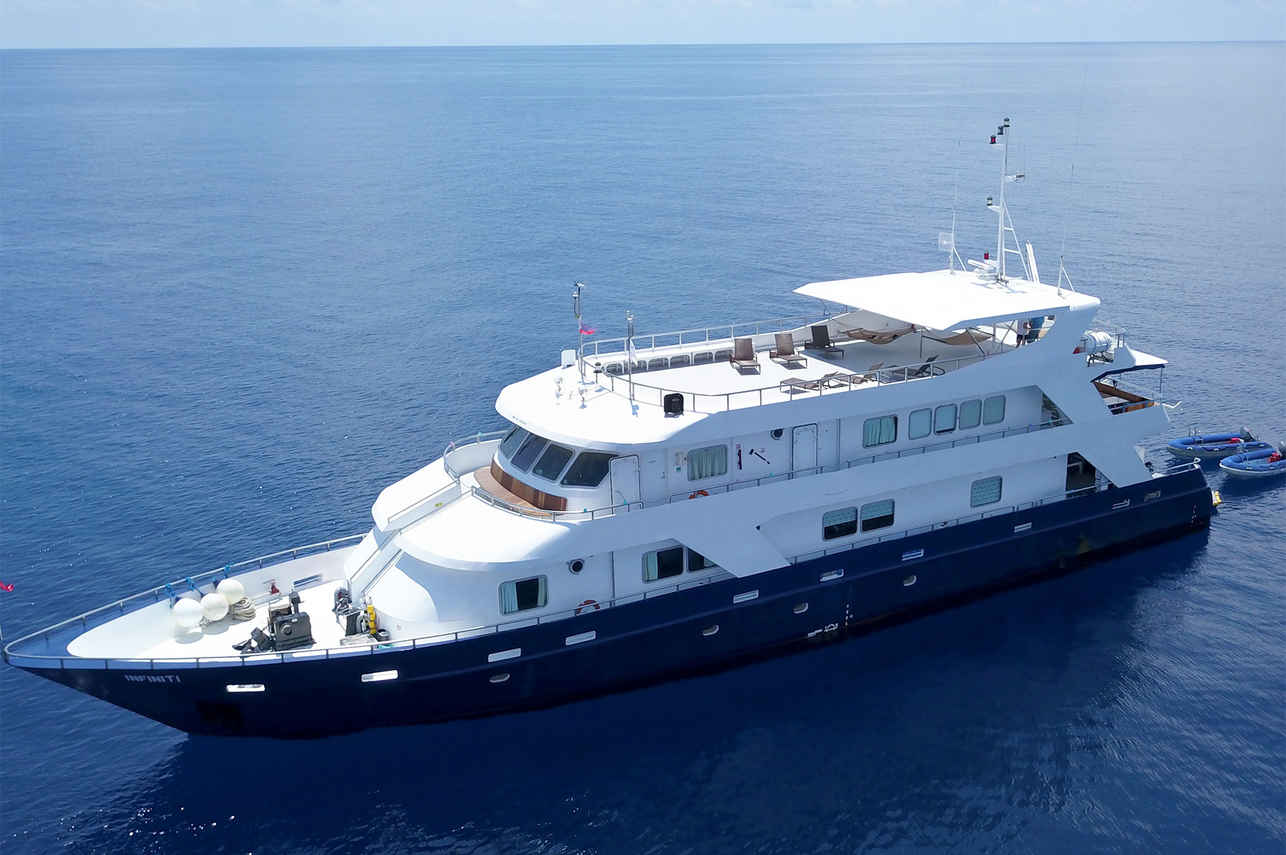
Infiniti
Philippines
25 guests39 m
$280/day
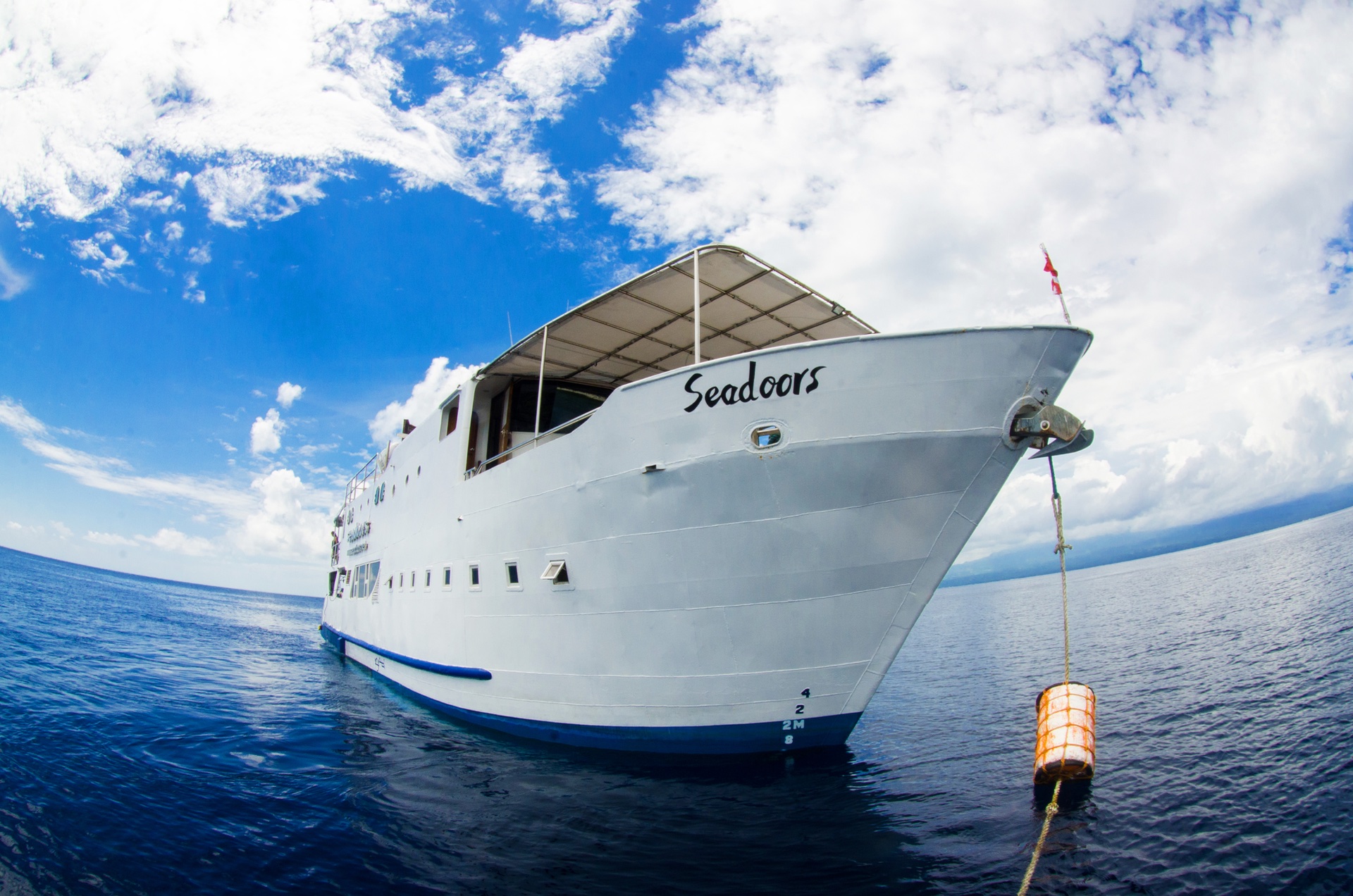
Seadoors
Philippines
16 guests25 m
$335/day
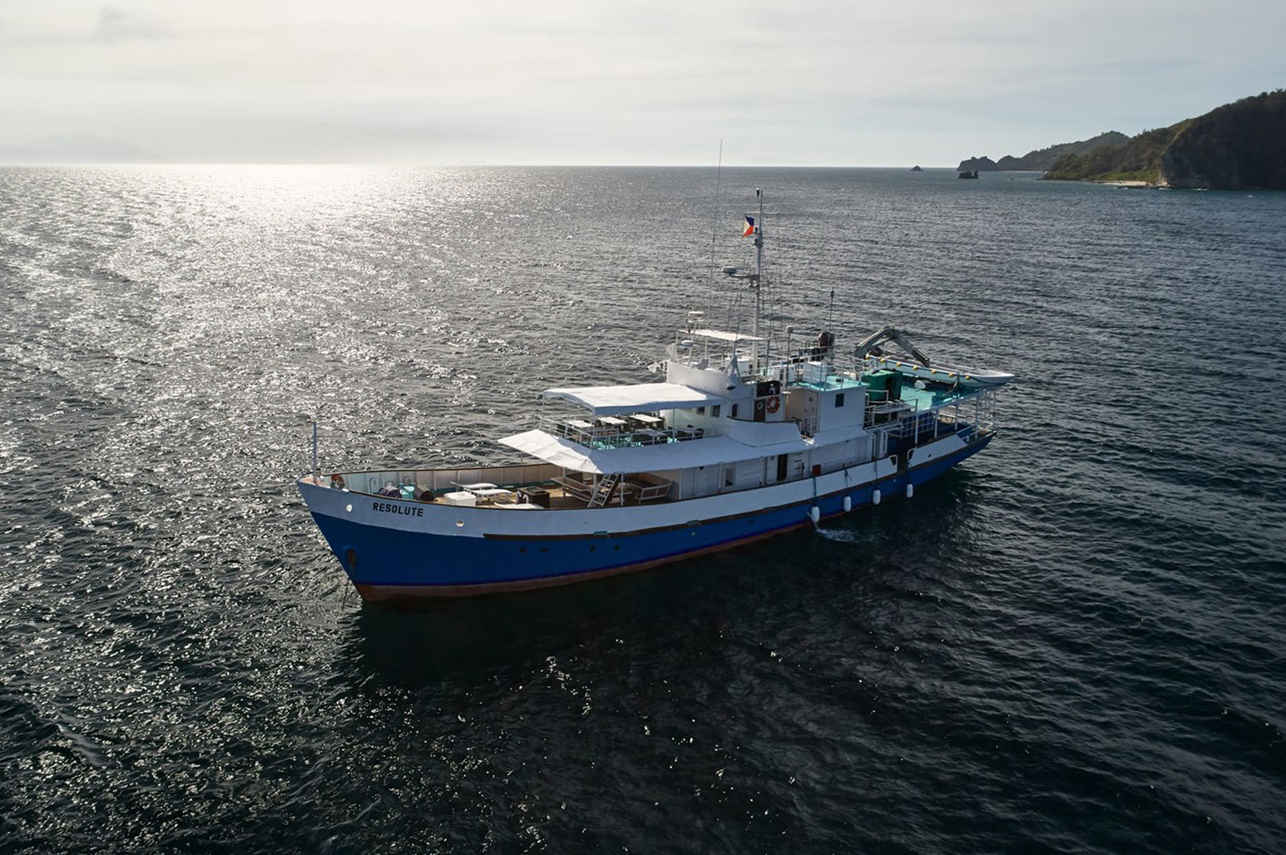
Resolute
Philippines
16 guests34.6 m
$314/day
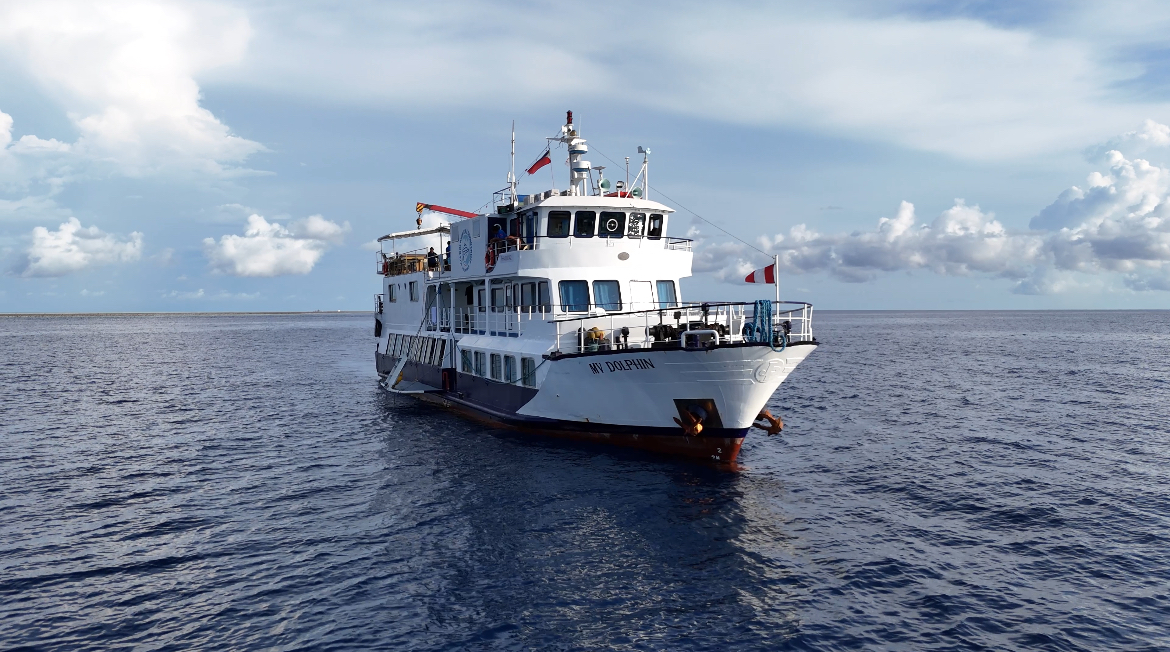
Dolphin
Philippines
18 guests31 m
$326/day
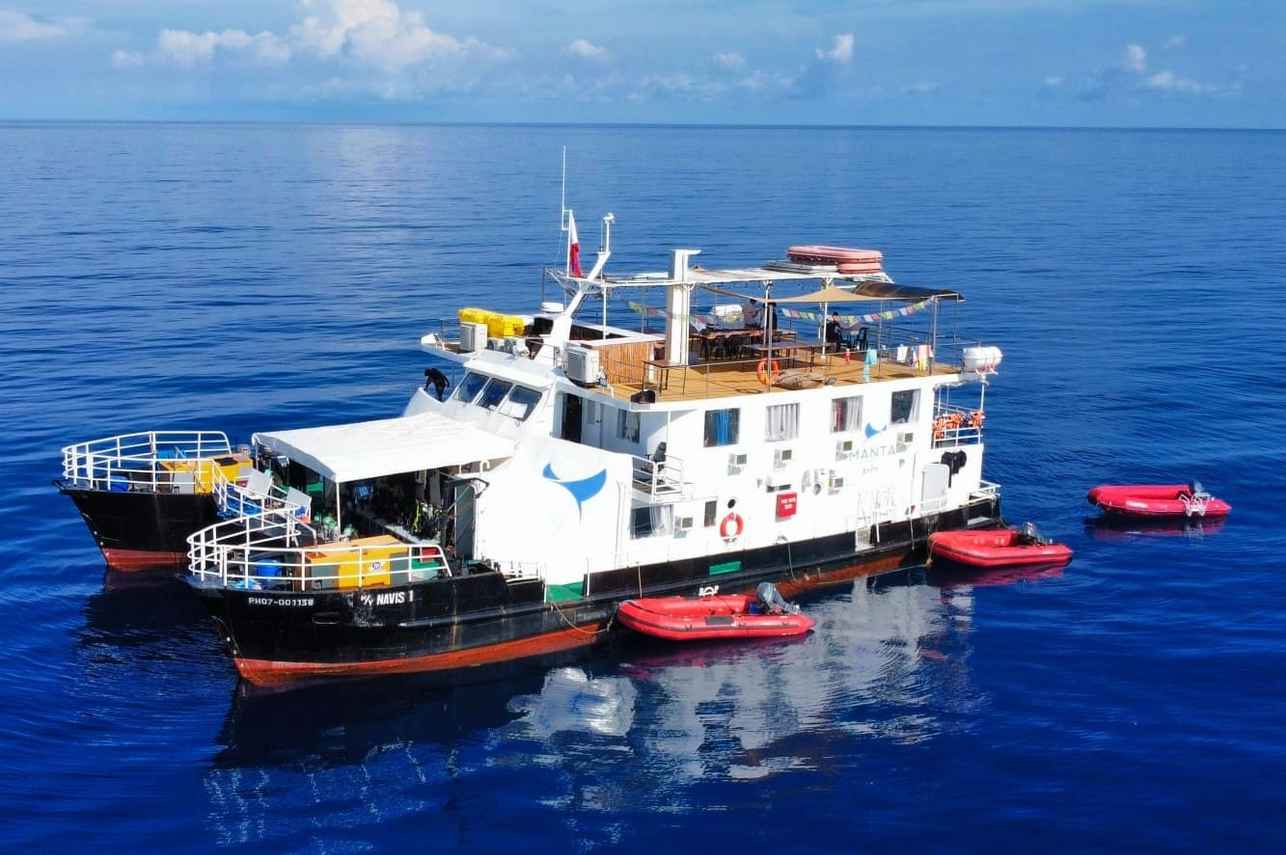
Navis 1
Philippines
22 guests23 m
$250/day
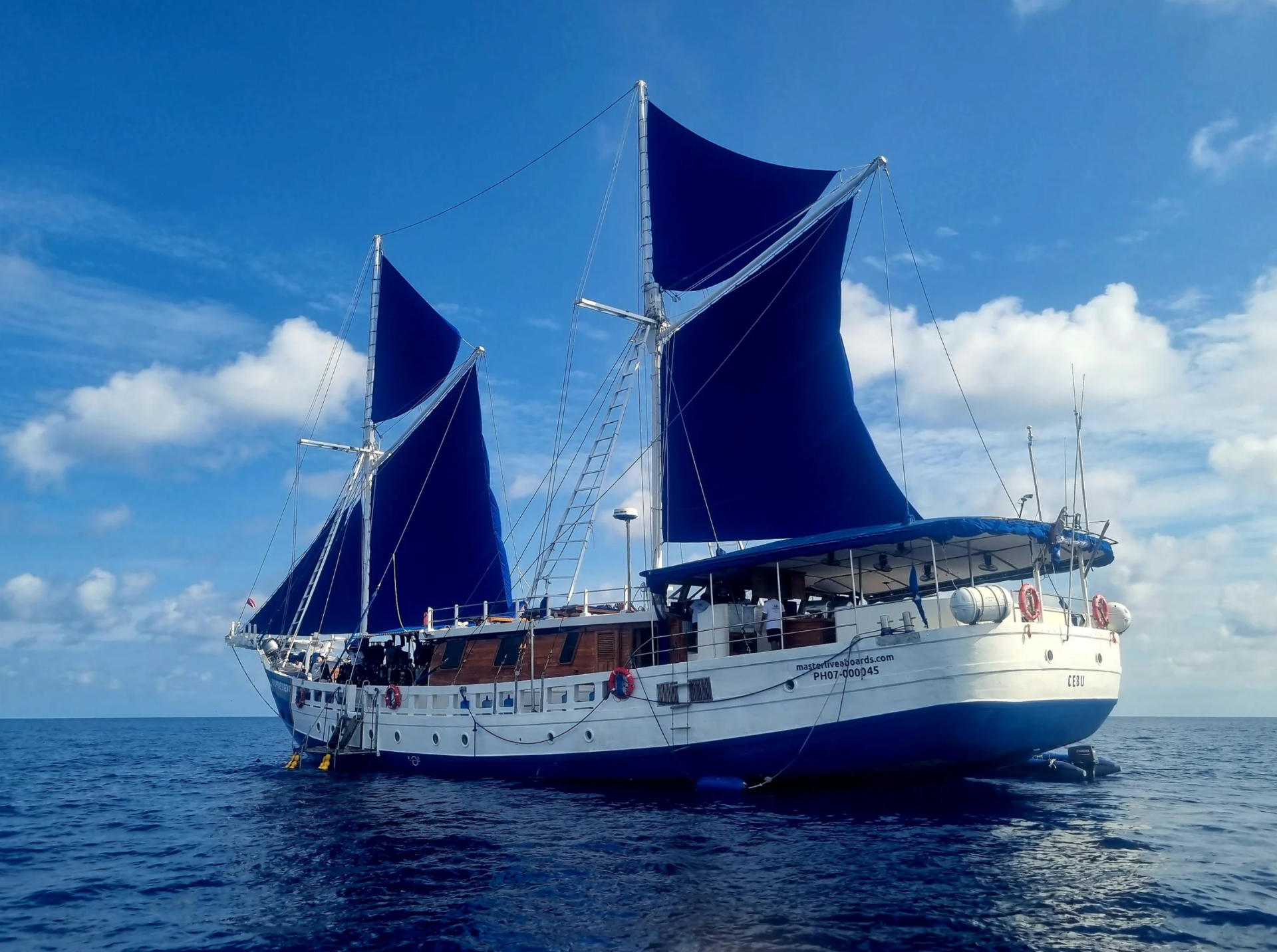
Philippine Siren
Philippines
16 guests
$309/day
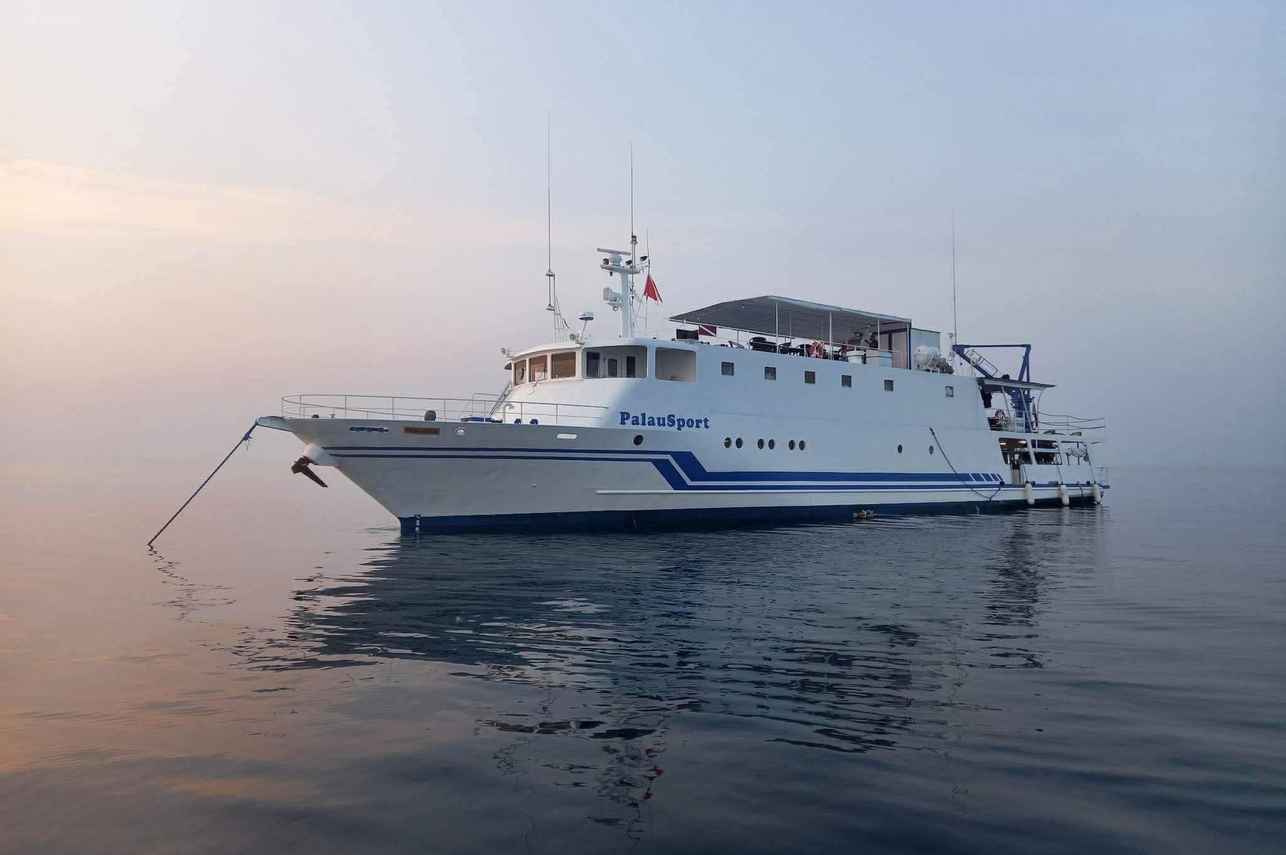
Palau Sport
Philippines
24 guests38.35 m
$215/day
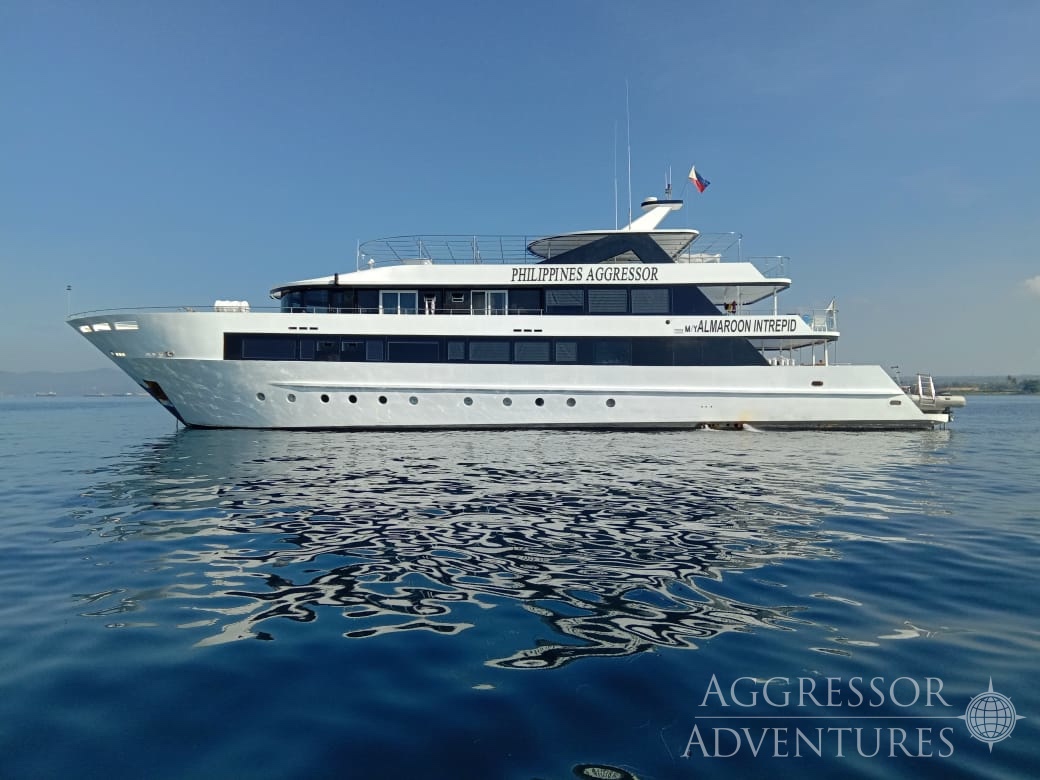
Philippines Aggressor
Philippines
26 guests42.7 m
$381/day
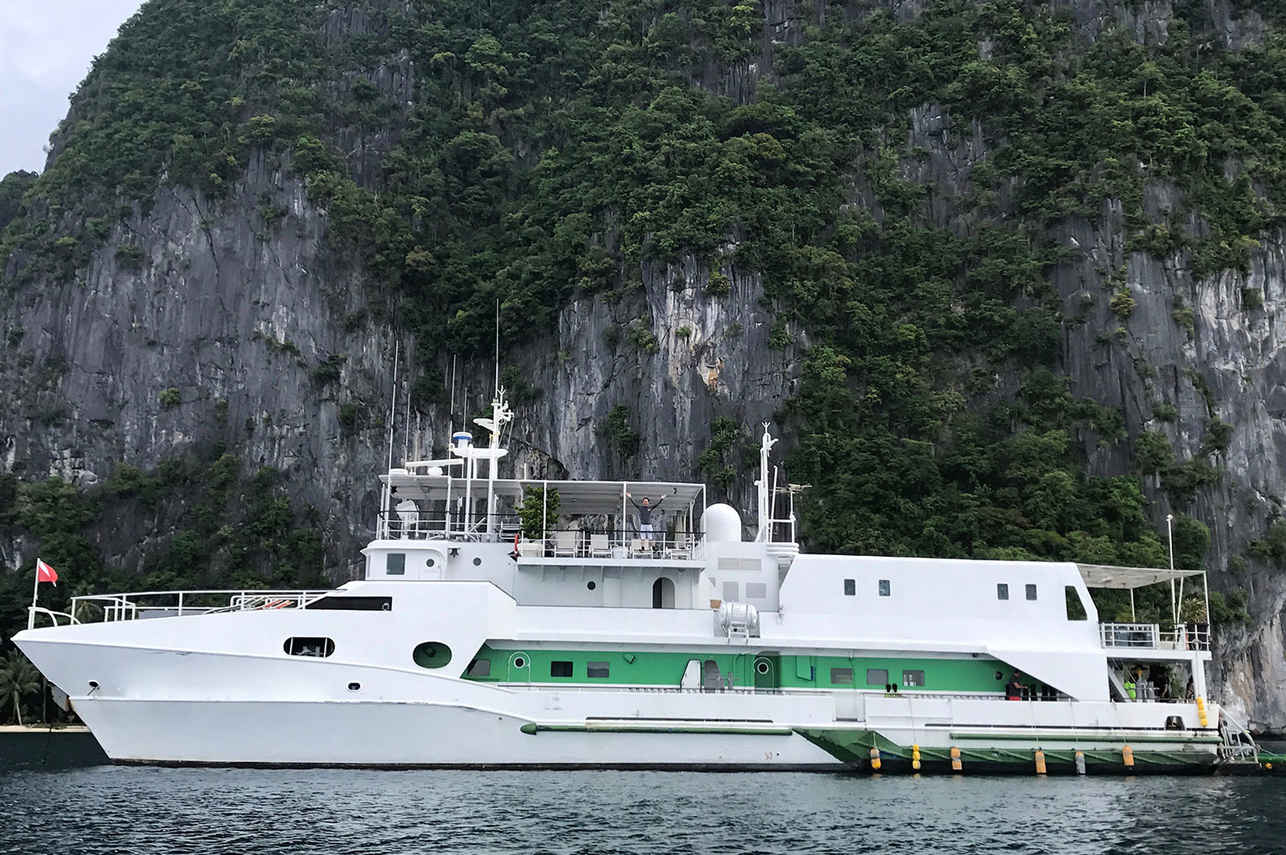
Stella Maris Explorer
Philippines
20 guests33 m
$398/day
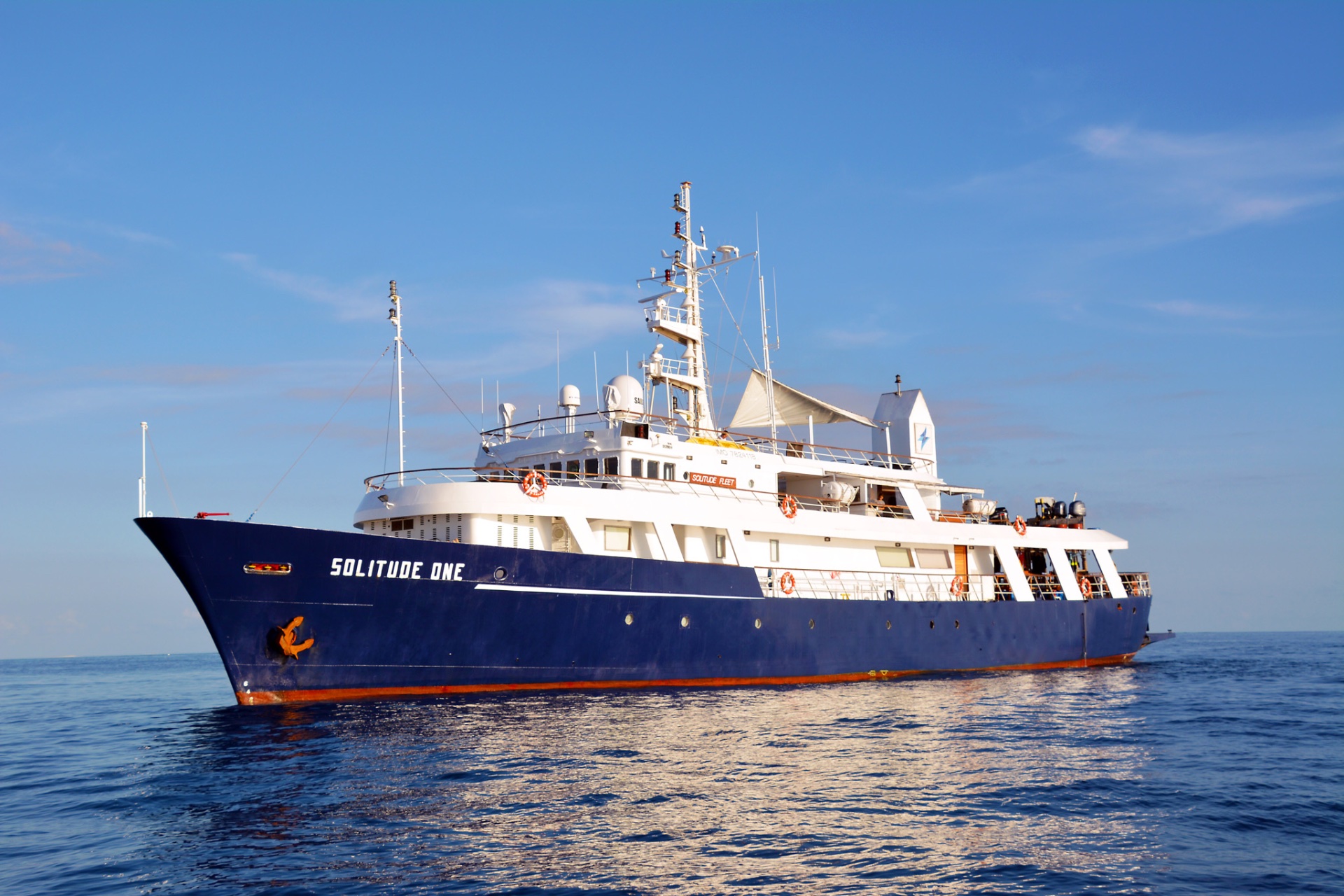
Solitude One
Philippines
24 guests52 m
$460/day
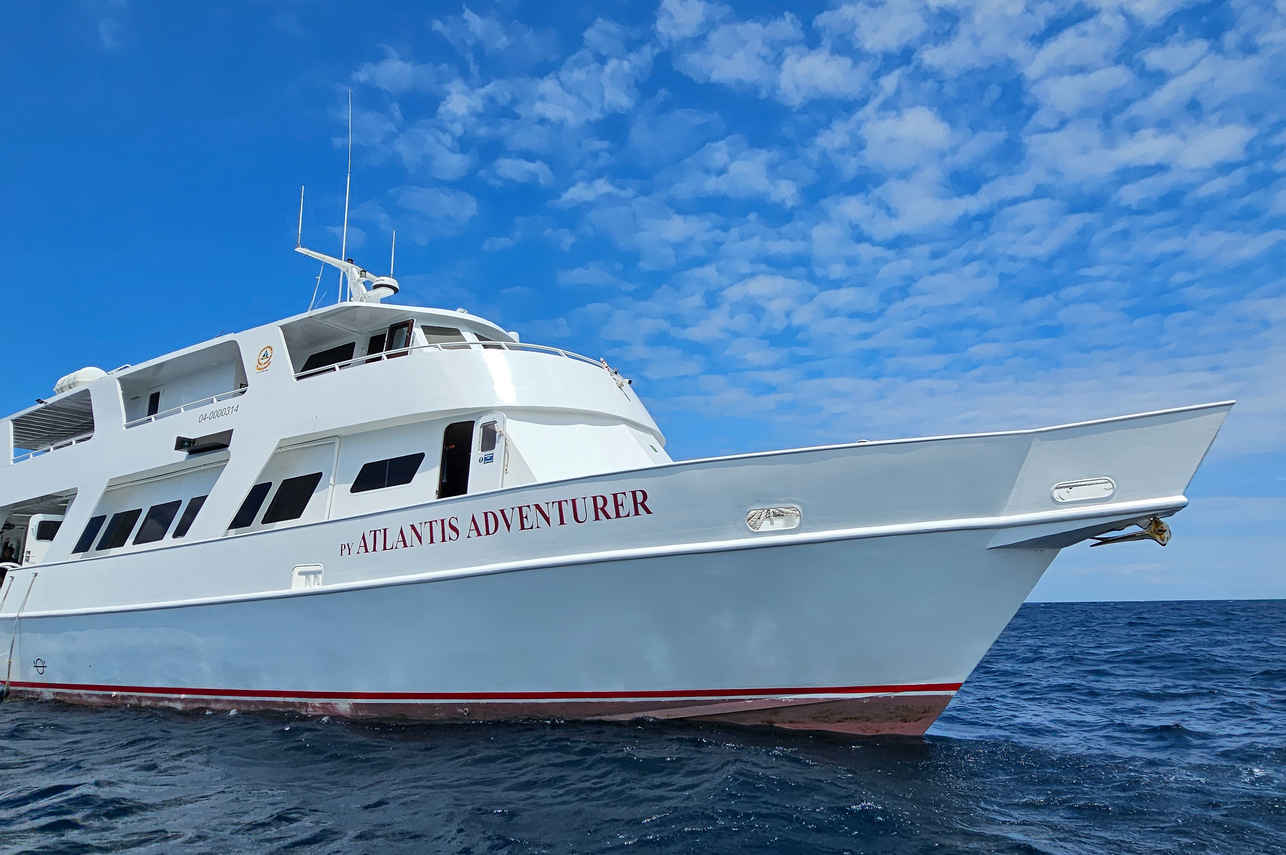
Atlantis Adventurer
Philippines
16 guests32.5 m
$421/day
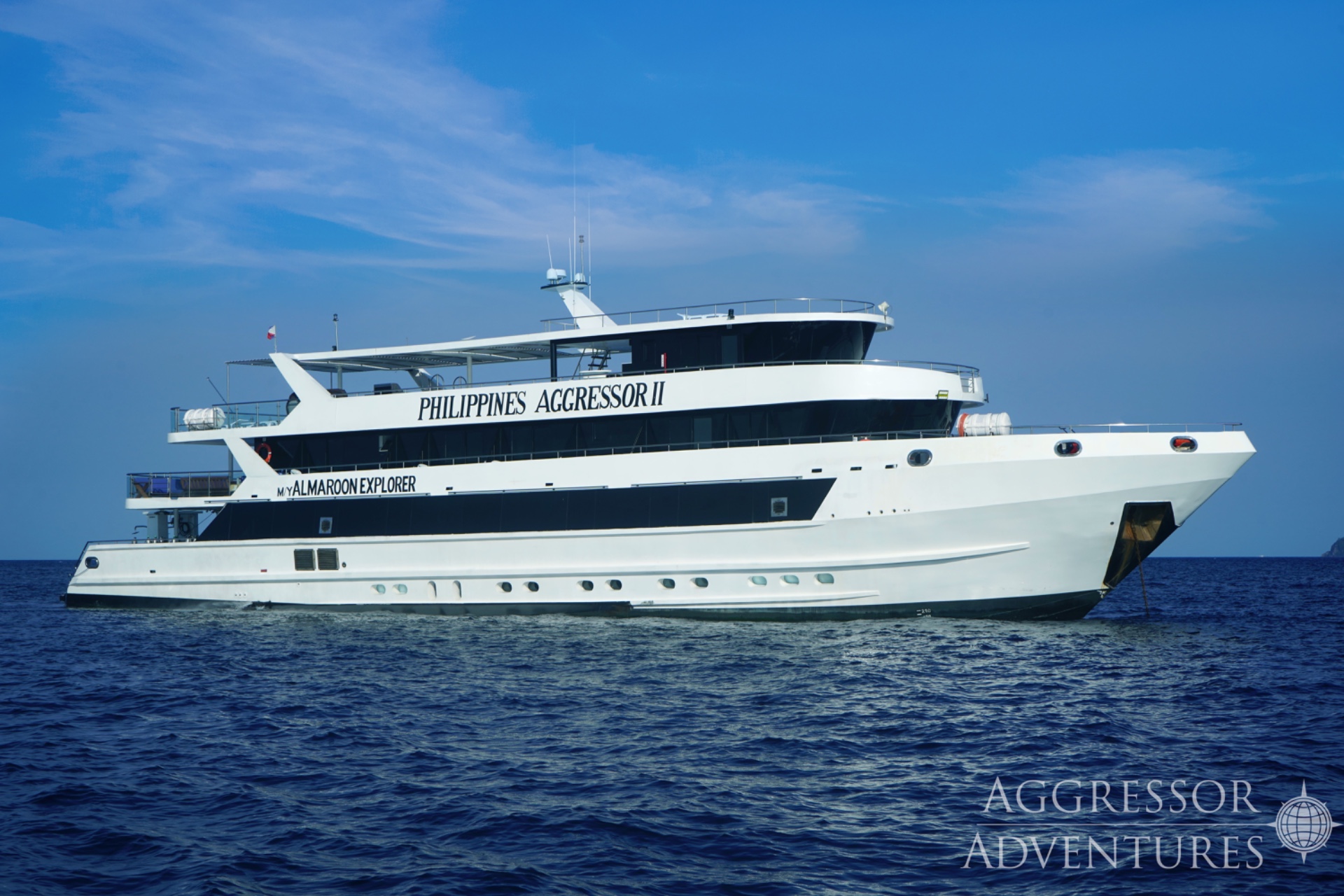
Philippines Aggressor II
Philippines
26 guests42.7 m
$247/day
Dive sites similar to Cabilao Island
Same character, same waters — six more sites divers love for the exact same reasons.Compare seasons, access and liveaboard routes — then pick the site that fits your trip best.
© Esri — Maxar, Earthstar, GIS
Big La Laguna
Philippines
Big La Laguna is a beach community situated on the western edge of the Sabang Peninsula, a popular dive region on Mindoro Island, Philippines.
- Suitable for
- Intermediate
- Current
- Moderate
- Access
- Dayboat
- Depth
- 5–35 m
- Theme
- Reef / Wall
© Esri — Maxar, Earthstar, GIS
Panagsama Beach
Philippines
Panagsama Beach, situated on a peninsula near Moalboal town in Cebu, serves as a central hub for diving activities in the region, boasting over 20 dive sites along its shoreline.
- Suitable for
- Intermediate
- Current
- Moderate
- Access
- Liveaboard or dayboat
- Depth
- ≤ 30 m
- Theme
- Reef / Wall
© Esri — Maxar, Earthstar, GIS
Binangaan Drop Off
Philippines
Binangaan Drop Off is a premier dive site within Apo Reef National Park, located off Occidental Mindoro in the Philippines.
- Suitable for
- Advanced
- Current
- Strong
- Access
- Liveaboard only
- Depth
- 10–40 m
- Theme
- Wall / Drift
© Esri — Maxar, Earthstar, GIS
Balinghai Wall
Philippines
Balinghai Wall is a notable dive site located on the northwest side of Boracay, known for its accessible wall and coral slope formations.
- Suitable for
- Intermediate
- Current
- Mild
- Access
- Dayboat
- Depth
- 8–24 m
- Theme
- Wall / Reef
© Esri — Maxar, Earthstar, GIS
Tongo Sanctuary
Philippines
Tongo Sanctuary, located in Moalboal, Cebu, is a marine protected area renowned for its dramatic underwater topography.
- Suitable for
- Beginner
- Current
- Mild
- Access
- Dayboat
- Depth
- 5–55 m
- Theme
- Reef / Wall
© Esri — Maxar, Earthstar, GIS
Barracuda Rock (Malapascua)
Philippines
Barracuda Rock, frequently referred to as Deep Rock, is an enticing dive site near Malapascua, characterized by its coral-covered curving wall and a rocky bottom.
- Suitable for
- Intermediate
- Current
- Mild
- Access
- Dayboat
- Depth
- 12–30 m
- Theme
- Reef / Wall