About Panglao Island
Panglao Island, located off the coast of Bohol in the central Visayas region of the Philippines, is renowned as a premier diving destination. The island is celebrated for its diverse underwater topography, including dramatic walls, vibrant coral gardens, and intriguing sandy slopes. With generally calm surface conditions and pleasant water temperatures year-round, Panglao provides an accessible and rewarding experience for both novice and experienced divers. The topography around Panglao and its satellite islands, particularly Balicasag, features impressive wall dives that plunge from shallow reef tops to significant depths. These walls are adorned with dense coral coverage and attract a wide array of marine life. Shallower areas offer expansive coral gardens, while sandy slopes reveal unique macro opportunities, including artificial reefs like submerged Jeepneys. The unique structure around Balicasag, with its deep drop-offs, facilitates nutrient-rich upwellings that sustain a remarkably diverse ecosystem. Marine life sightings are consistent throughout the year, with peak seasons for certain species. Divers can frequently encounter green sea turtles, various species of colorful reef fish, and charismatic macro critters like nudibranchs and frogfish. Occasional sightings of schooling barracuda and jacks add to the excitement. The area is a designated marine protected area, ensuring the preservation of its rich biodiversity. Local dives are typically conducted from day boats, often departing from Alona Beach, allowing for flexible daily itineraries. Operators offer single dives or multi-dive packages, with some sites accessible for night diving. Conservation fees apply for diving in protected areas like Balicasag Island, which helps maintain the pristine condition of these world-class dive sites.
Highlights
Dramatic wall divingAbundant marine protected areasDiverse coral formationsEncounters with green sea turtlesRich macro life diversityAccessible for all diver levelsSchools of barracuda and jacksSubmerged Jeepney artificial reefs
Season calendar
Best months to dive here
Jan
Feb
Mar
Apr
May
Jun
Jul
Aug
Sep
Oct
Nov
Dec
Excellent
Good
Dive site facts: Panglao Island
- Depth
- 4–100 m
- Typical dive
- 12–25 m, 40–60 min
- Current
- Mild to moderate
- Visibility
- 15–30 m
- Water temperature
- 26–30 °C
- Entry
- Day boat
- Level
- All levels (beginner to advanced)
- Dive type
- Wall, reef, drift, macro, coral garden
- Night dive
- Possible
- Region / port
- Bohol, Philippines
- Coordinates
- 9.5899° N, 123.7788° E
Conditions & Currents
Currents around Panglao Island generally range from mild to moderate, making many sites suitable for drift diving and accessible to divers of varying experience levels. Some dive sites, like Arco Point and BBC, often feature mild currents that enhance the drift experience along the reef. While most areas boast calm waters and excellent visibility, the wet season from June to October can introduce stronger currents and reduce visibility due to occasional rain. Visibility typically exceeds 20 meters, though it can vary between 8 to 22 meters depending on the season and specific site. Divers should always consult with local dive operators regarding daily conditions, as current strength and direction can be influenced by tides and local weather patterns. Safe diving practices, including proper gas planning and buoyancy control, are essential, especially when navigating walls or areas with po
Marine life & sighting chances

Green sea turtle
Year-round · common
Jackfish
Year-round · common
Barracuda
Year-round · occasional
Moray eel
Year-round · common
Nudibranch
Year-round · common
Frogfish
Year-round · occasional
Scorpionfish
Year-round · occasional
Ornate ghost pipefish
Year-round · occasional
Banded sea snake
Year-round · occasional
Saddleback anemonefish
Year-round · common
Giant gorgonian
Year-round · common
Wrasse
Year-round · common
Butterflyfish
Year-round · common
Triggerfish
Year-round · commonDive profile & how the dive runs
Dives around Panglao typically start with a boat entry from Alona Beach or a nearby resort, with dive sites often reached within a short boat ride. Many sites feature a reef top at shallow depths, usually between 3-8 meters, which then transitions into a dramatic wall. Divers descend along these walls, exploring coral formations, crevices, and overhangs, with depths varying by site, often ranging from 10-30 meters for recreational divers, though walls can extend much deeper. Routes are often drift dives, allowing currents to carry divers along the reef, minimizing effort. Turnaround points are determined by air consumption and no-decompression limits, after which divers gradually ascend. The safety stop is typically conducted in the shallowest part of the reef, often a sandy area with coral patches, allowing for extended exploration of macro life or coral gardens before surfacing for boat pick-up.
Underwater photography
Panglao offers excellent opportunities for both wide-angle and macro photography, catering to diverse interests. Wide-angle lenses are ideal for capturing the dramatic wallscapes, extensive coral gardens, and schools of fish, particularly at sites like Balicasag Island where giant gorgonians are prevalent. For macro enthusiasts, a macro lens will yield stunning shots of nudibranchs, frogfish, ghost pipefish, and various crabs often found hidden among corals or on sandy bottoms. External strobes are recommended to bring out the vibrant colors of the corals and marine life, compensating for the loss of natural light at depth. Practicing excellent buoyancy control is crucial to avoid damaging delicate corals and to maintain stable shots, especially on drift dives or when focusing on small, camouflaged subjects. Be mindful of marine protected area rules, and never touch or harass marine life for a photo.
Combine with nearby dive sites
- Balicasag Island
World-class dive site with rich marine life and dramatic walls.
- Pamilacan Island
Known for pristine reefs and rich biodiversity.
- Doljo Reef
Features wall dives with turtles, reef sharks, and colorful fish.
- Pescador Island
Located off Cebu, known for sardine runs and diverse reef life.
- Apo Island
Famous for high fish density and healthy corals, accessible via day trip.
Getting there & logistics
Access to Panglao Island is convenient, primarily through Tagbilaran Airport (TAG) on Bohol, which receives regular flights from major Philippine cities like Manila and Cebu. From Tagbilaran, it's a short 15-20 minute drive to main diving areas like Alona Beach, where many dive resorts and operators are located. Taxis, shuttle services, and tricycles are readily available for transfers. Most dive operators offer day trips to local sites and nearby islands like Balicasag and Pamilacan, typically including transfers, guided dives, and equipment rental. Conservation and anchoring fees are often required for dives in protected marine areas. Many divers choose to combine a trip to Panglao with other Visayan destinations like Dauin (Dumaguete), which is accessible via a two-hour OceanJet ferry ride, creating a diverse dive itinerary.
Safety & environment
While diving in Panglao is generally safe, divers should always prioritize their well-being. It is highly recommended to have comprehensive dive insurance that covers recompression chamber treatments and emergency evacuation, as the nearest recompression chamber may not be immediately accessible. Divers should strictly adhere to dive plans, stay within their certification limits, and maintain proper buoyancy to avoid contact with marine life or delicate corals. Pay close attention to dive briefings, especially regarding currents, which can vary by site and tidal conditions. Always dive with a reputable operator, ensure equipment is well-maintained, and follow your dive guide's instructions. In the event of a medical emergency, evacuation to a larger hospital in Tagbilaran or Cebu may be necessary, underscoring the importance of adequate insurance and an emergency action plan.
Who it suits — and who it doesn't
Suited for
- Beginner divers seeking accessible wall and reef dives
- Macro photographers interested in diverse critters
- Divers who appreciate healthy coral ecosystems
- Families looking for a destination with land-based activities
- Divers comfortable with day boat operations
- Those looking for a balance of relaxation and diving
Less suited for
- Divers seeking large pelagic encounters exclusively
- Those preferring remote, liveaboard-only destinations
- Divers unwilling to pay conservation fees for protected sites
- Individuals who dislike boat travel for dive access
- Divers who expect advanced technical diving infrastructure
FAQ
Panglao Island FAQ
What kind of marine life can I expect to see when diving Panglao Island?
Panglao Island boasts a rich array of marine life, including frequent sightings of green sea turtles, various species of colorful reef fish like butterflyfish and angelfish, and intriguing macro critters. You can often spot nudibranchs, frogfish, ghost pipefish, and moray eels. Occasional encounters with schools of barracuda and jackfish also add to the excitement.
Is Panglao Island suitable for beginner divers?
Yes, Panglao Island is highly suitable for beginner divers. Many dive sites feature shallow reef tops and manageable currents, making them accessible and enjoyable. Local dive centers offer various courses, from Discover Scuba Diving to Open Water Diver, with small groups and professional instructors, ensuring a safe and supportive learning environment.
What is Balicasag Island, and why is it special?
Balicasag Island is a world-renowned dive site and a marine protected area near Panglao, famous for its dramatic wall dives and exceptionally rich marine ecosystem. It features a vertical drop-off to significant depths, abundant hard and soft corals, and a high density of marine life, including schools of jackfish and numerous turtles. Daily permits are limited to protect its pristine condition.
What are the typical water temperatures around Panglao?
The water temperatures around Panglao Island are consistently warm throughout the year, ranging from approximately 26°C to 30°C (78°F to 86°F). This comfortable temperature means most divers can comfortably use a 3mm wetsuit or even just a rash guard, making for pleasant and extended dive times.
How do I get to Panglao Island for diving?
Most travelers fly into Tagbilaran Airport (TAG) on Bohol, which has direct flights from Manila and Cebu. From the airport, it's a short 15 to 20-minute drive to the main diving hubs like Alona Beach. Taxis, shuttles, and tricycles are readily available for transport around the island, and many dive resorts offer transfers as part of their packages.
Are there any specific safety considerations for diving in Panglao?
While diving in Panglao is generally safe, it is crucial to have dive insurance that covers recompression chamber treatment and emergency evacuation. Always adhere to your dive plan and depth limits, maintain good buoyancy, and follow your dive guide's instructions. Be aware of currents, which can vary by site, and ensure your equipment is well-maintained.
Why dive Panglao Island from a liveaboard?
Panglao Island is one of Philippines's signature dive sites. A liveaboard sleeps you on the water and puts you in the water for three to four guided dives per day, including dawn and night dives that day-boat operators rarely offer. You skip the daily commute back to port and reach quieter, less-crowded sites in the same region on a single trip.
Below are the liveaboards that include Panglao Island on their Philippines itineraries.
Liveaboards diving Panglao Island
These liveaboards may visit Panglao Island on selected itineraries — the exact dive sites depend on departure, weather and conditions.
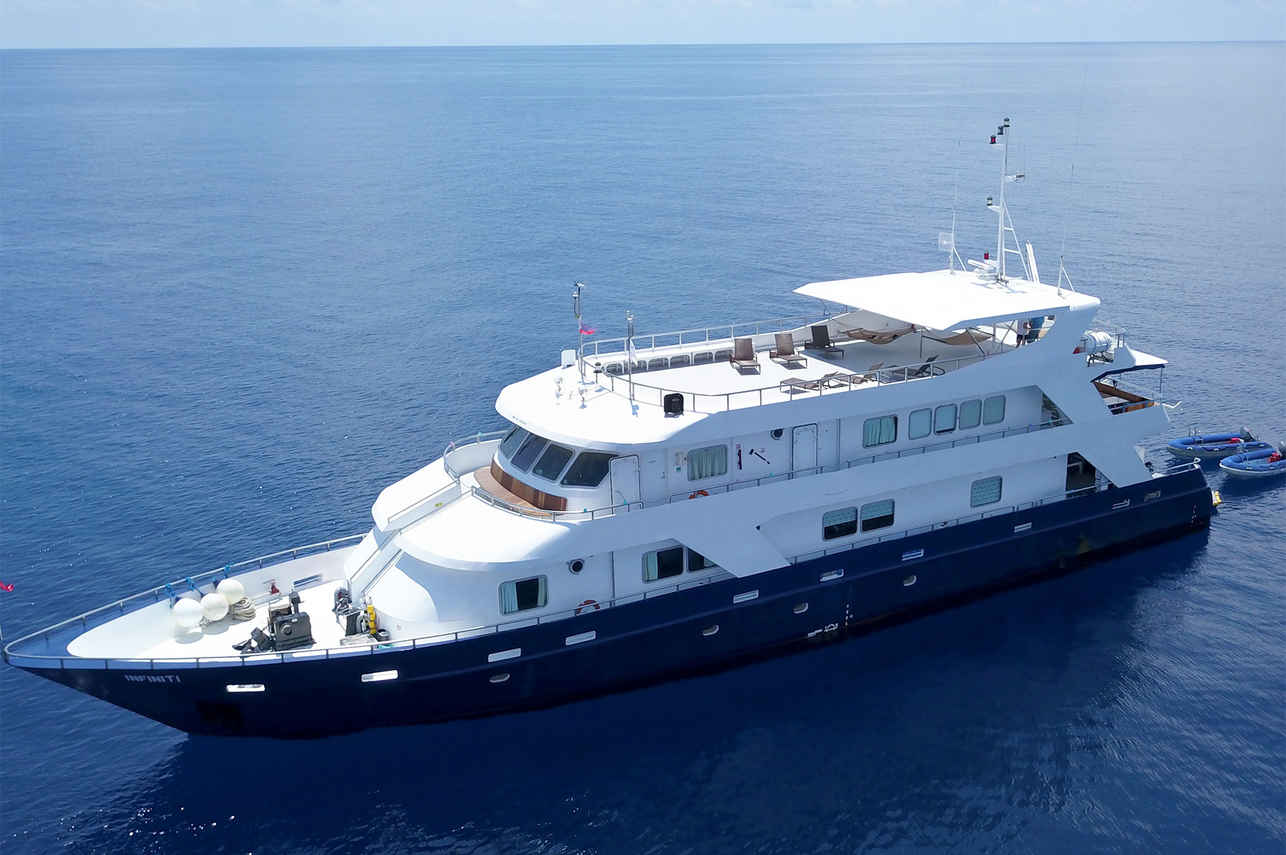
Infiniti
Philippines
25 guests39 m
$280/day
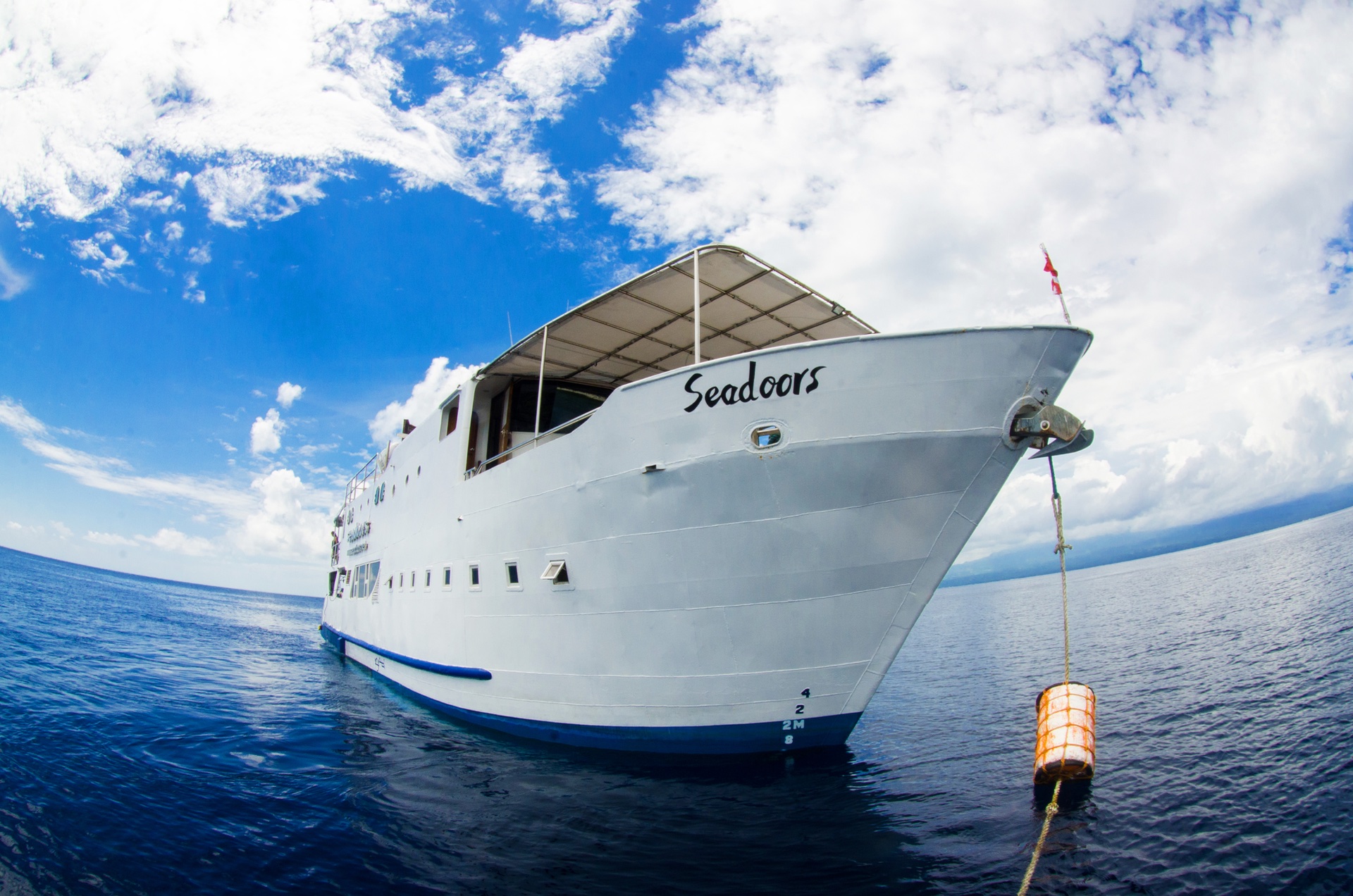
Seadoors
Philippines
16 guests25 m
$335/day
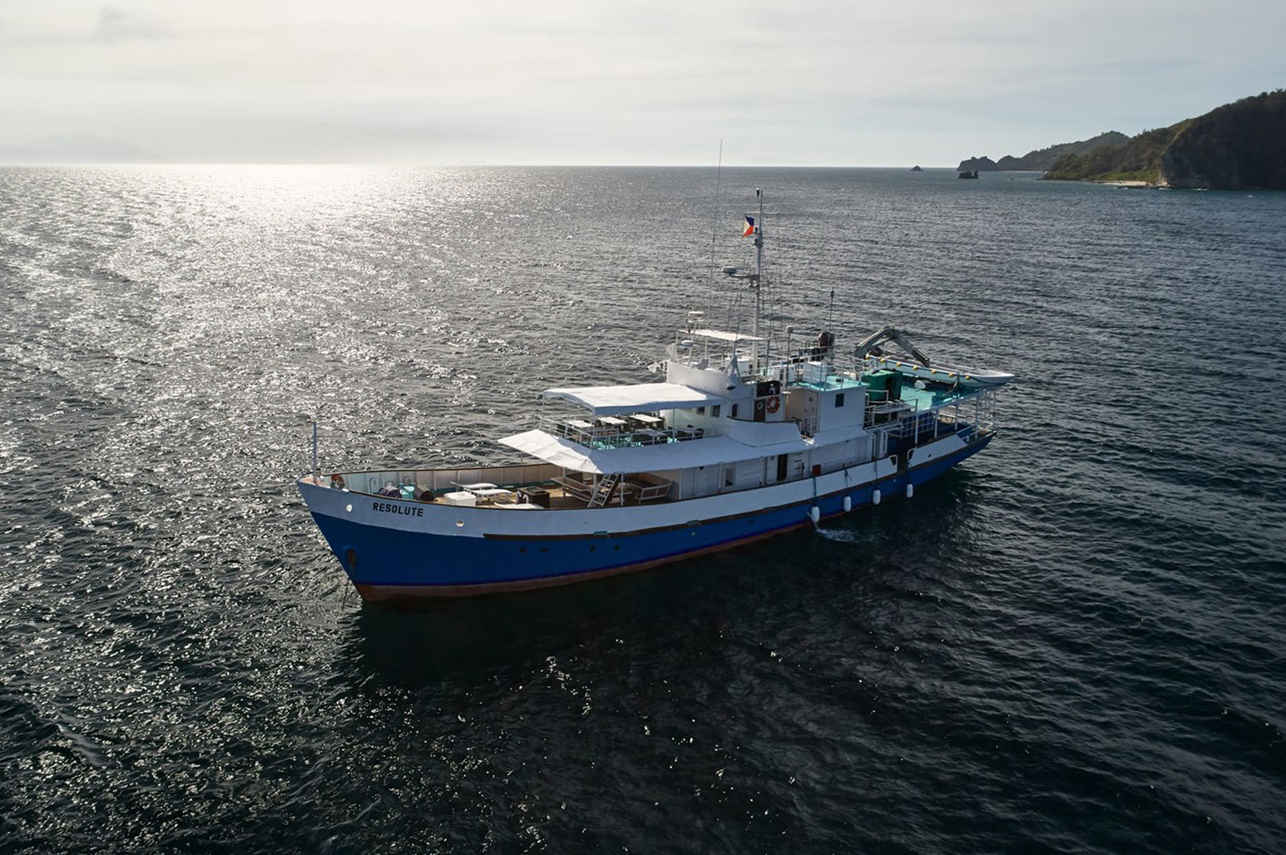
Resolute
Philippines
16 guests34.6 m
$314/day
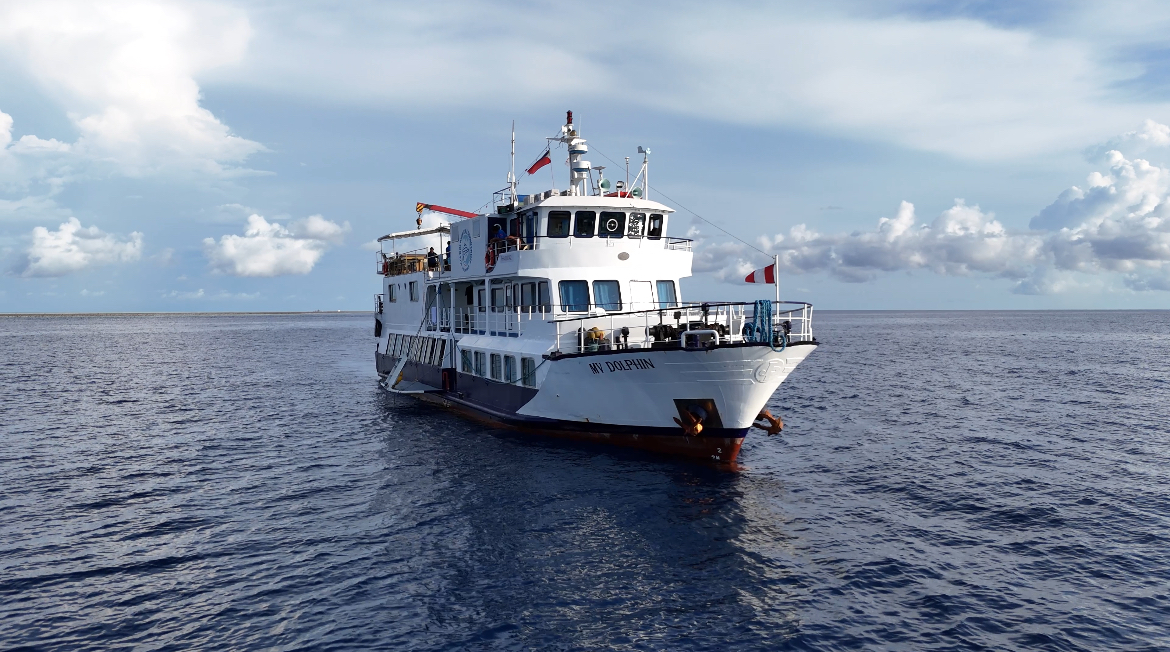
Dolphin
Philippines
18 guests31 m
$326/day
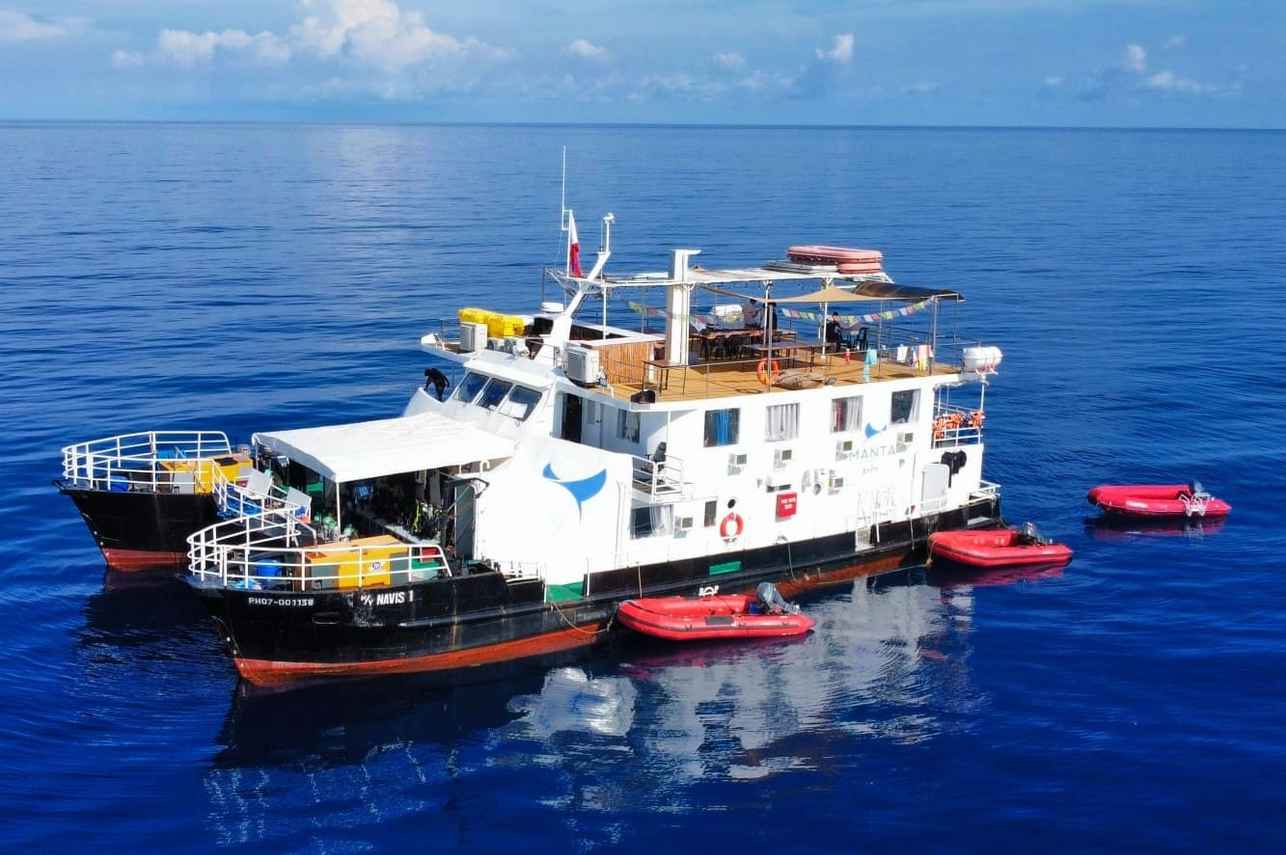
Navis 1
Philippines
22 guests23 m
$250/day
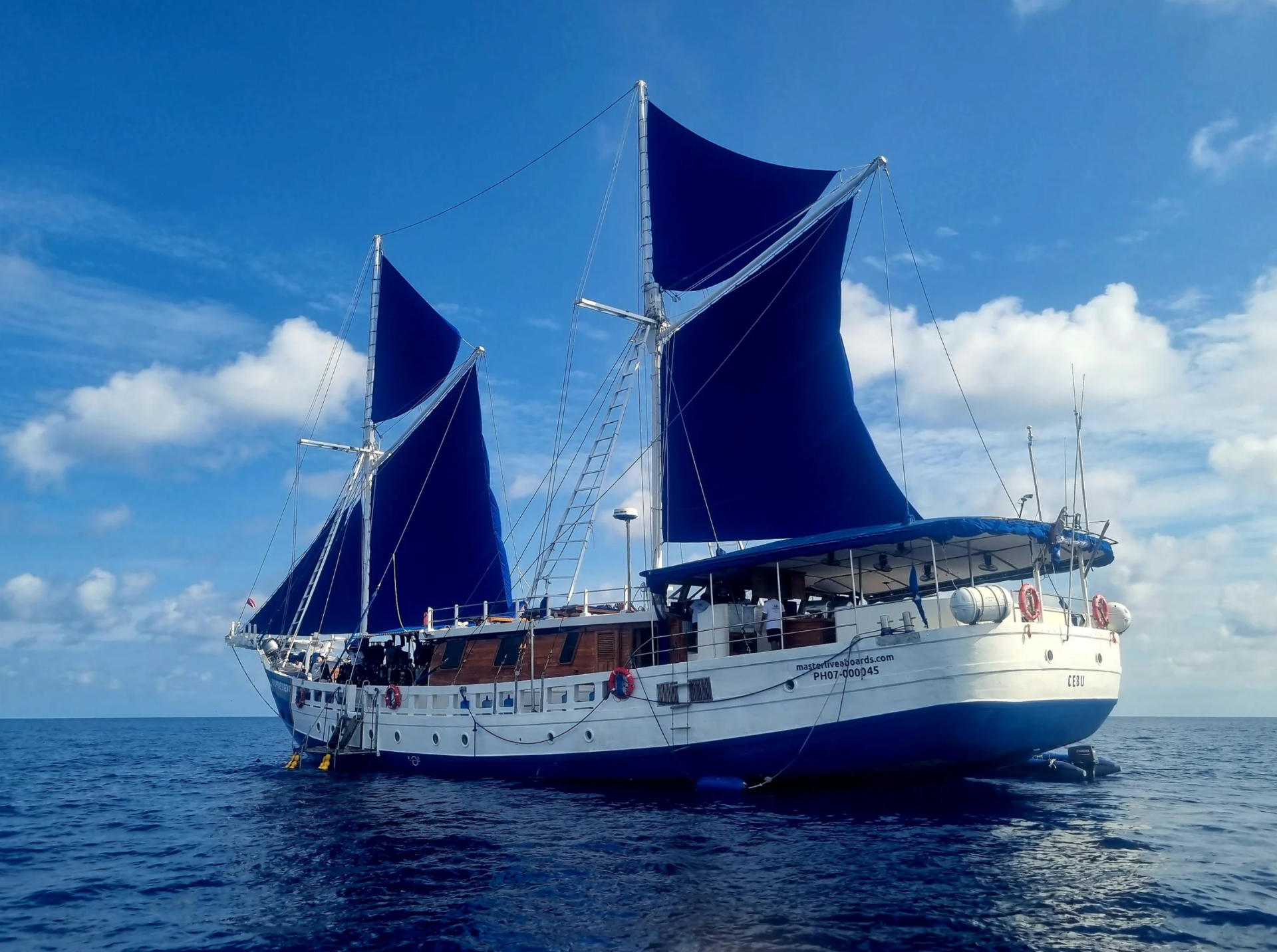
Philippine Siren
Philippines
16 guests
$309/day
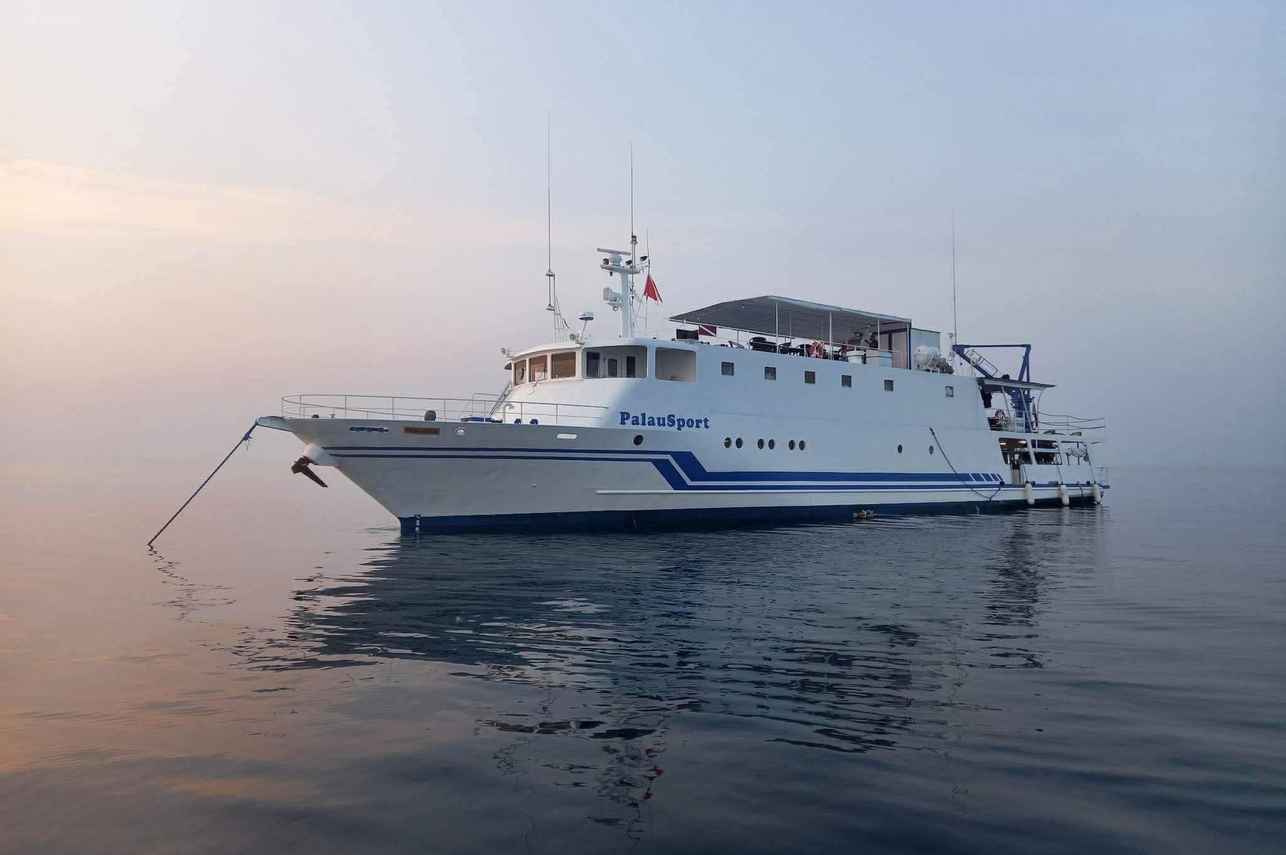
Palau Sport
Philippines
24 guests38.35 m
$215/day
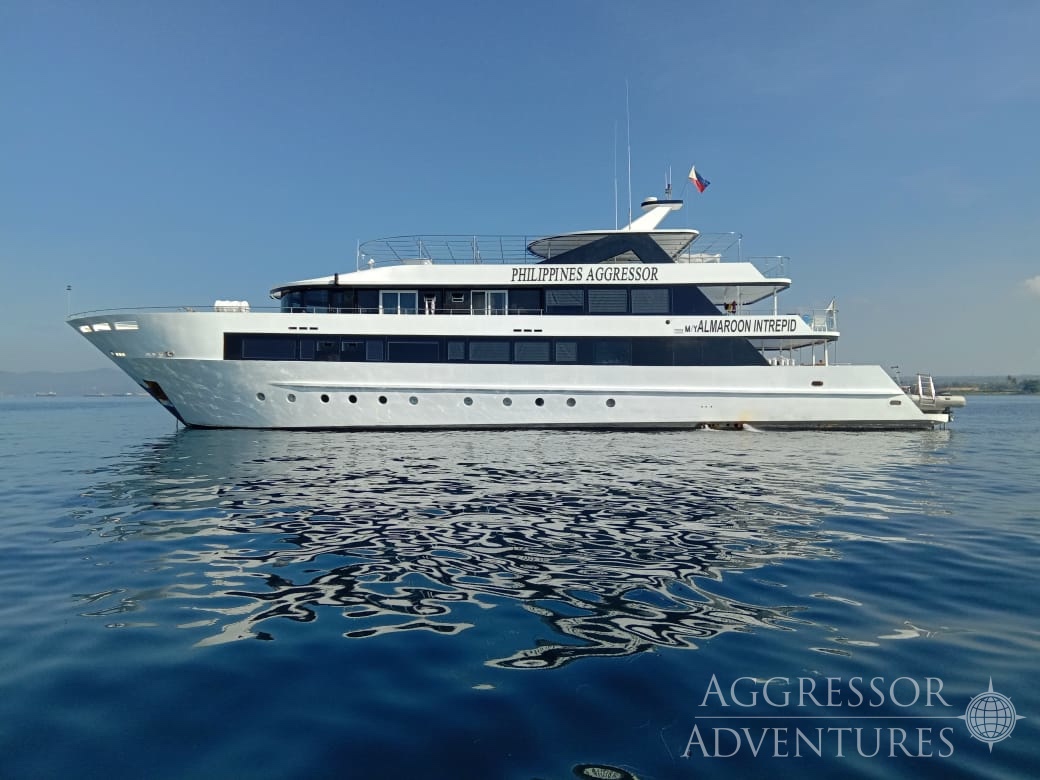
Philippines Aggressor
Philippines
26 guests42.7 m
$381/day
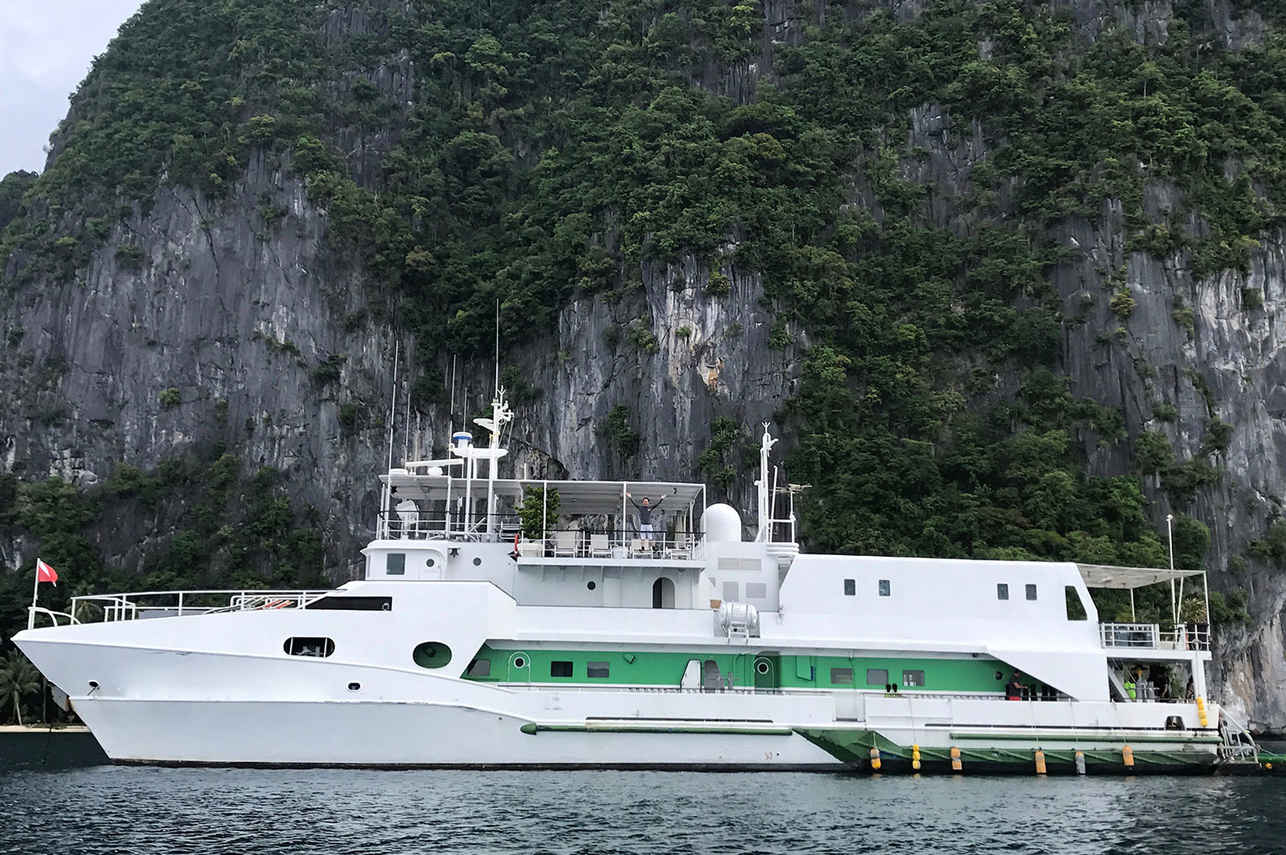
Stella Maris Explorer
Philippines
20 guests33 m
$398/day
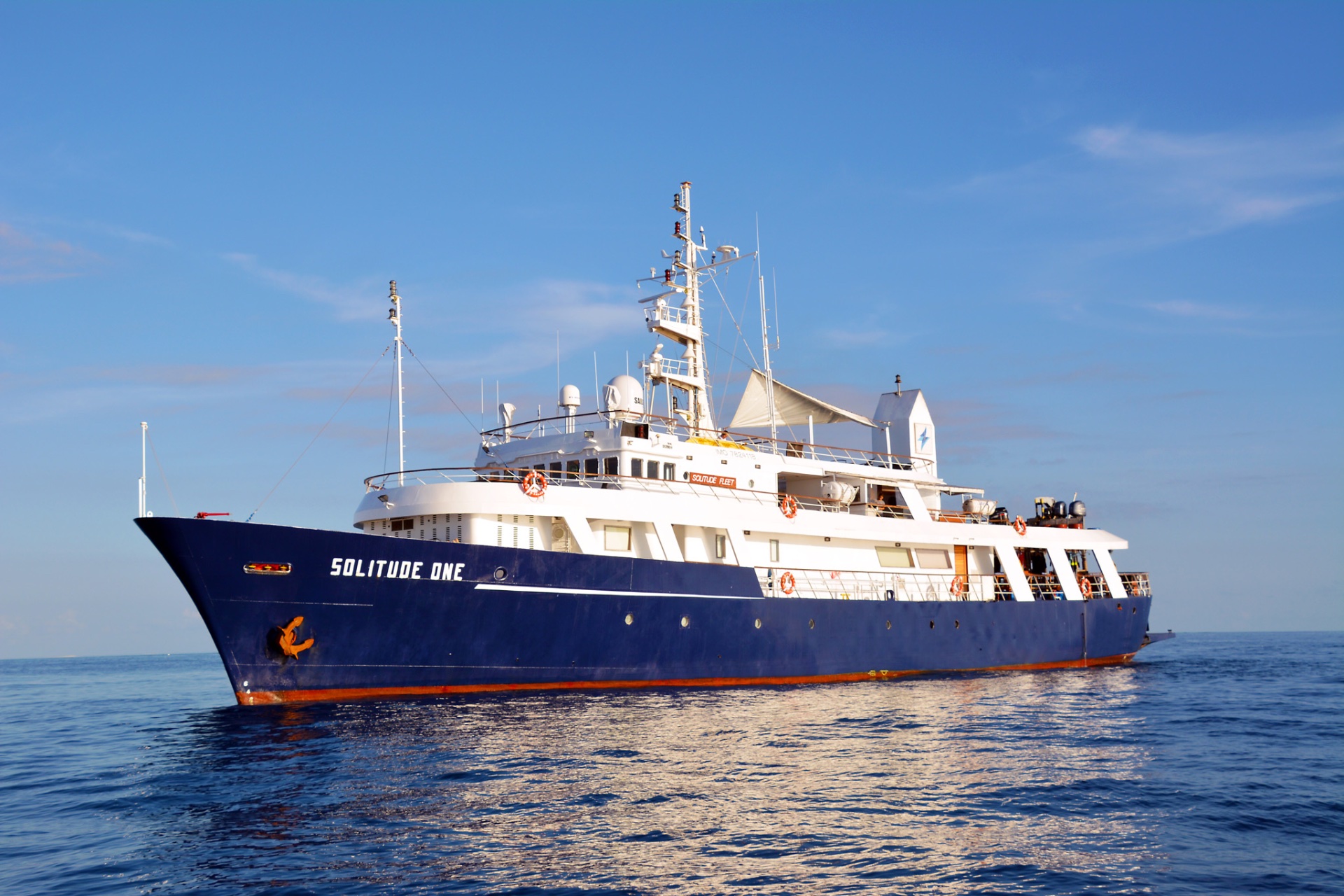
Solitude One
Philippines
24 guests52 m
$460/day
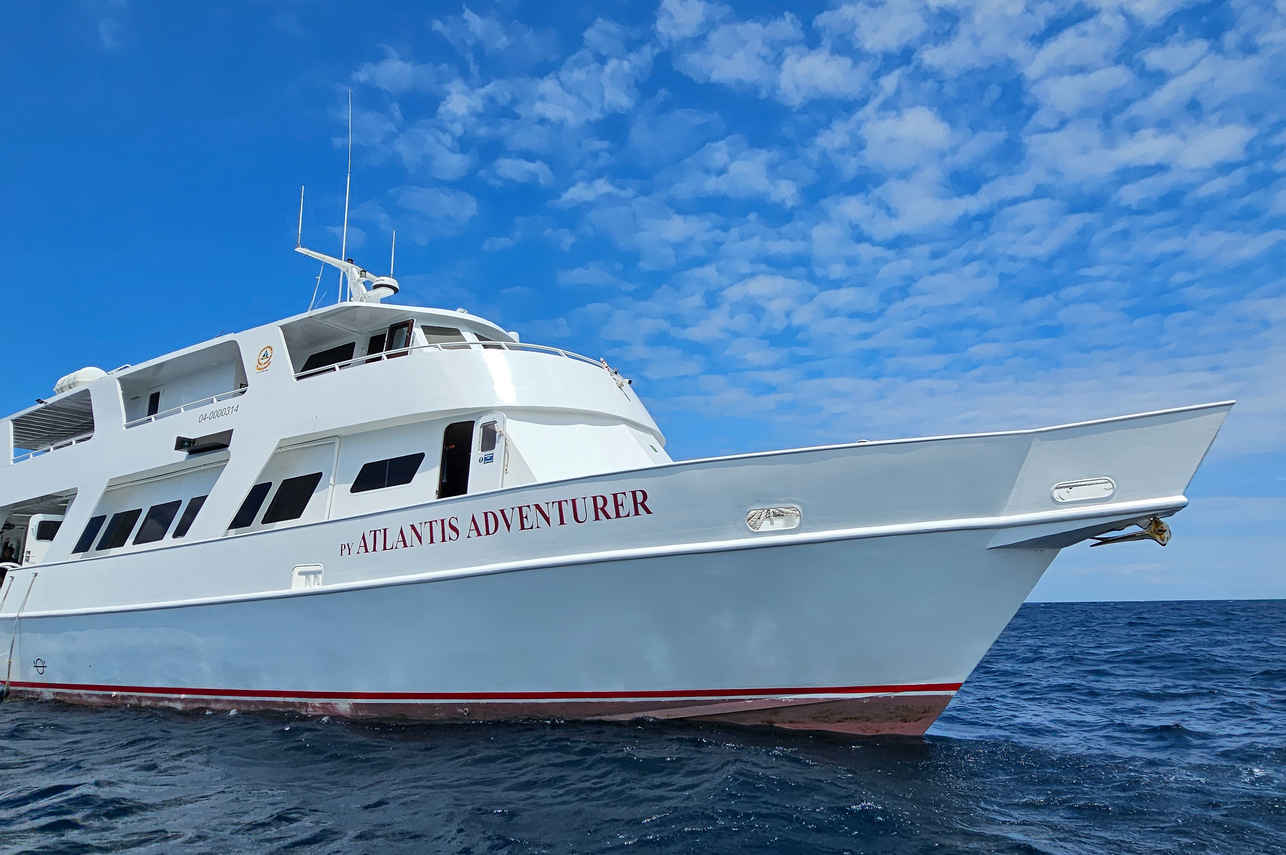
Atlantis Adventurer
Philippines
16 guests32.5 m
$421/day
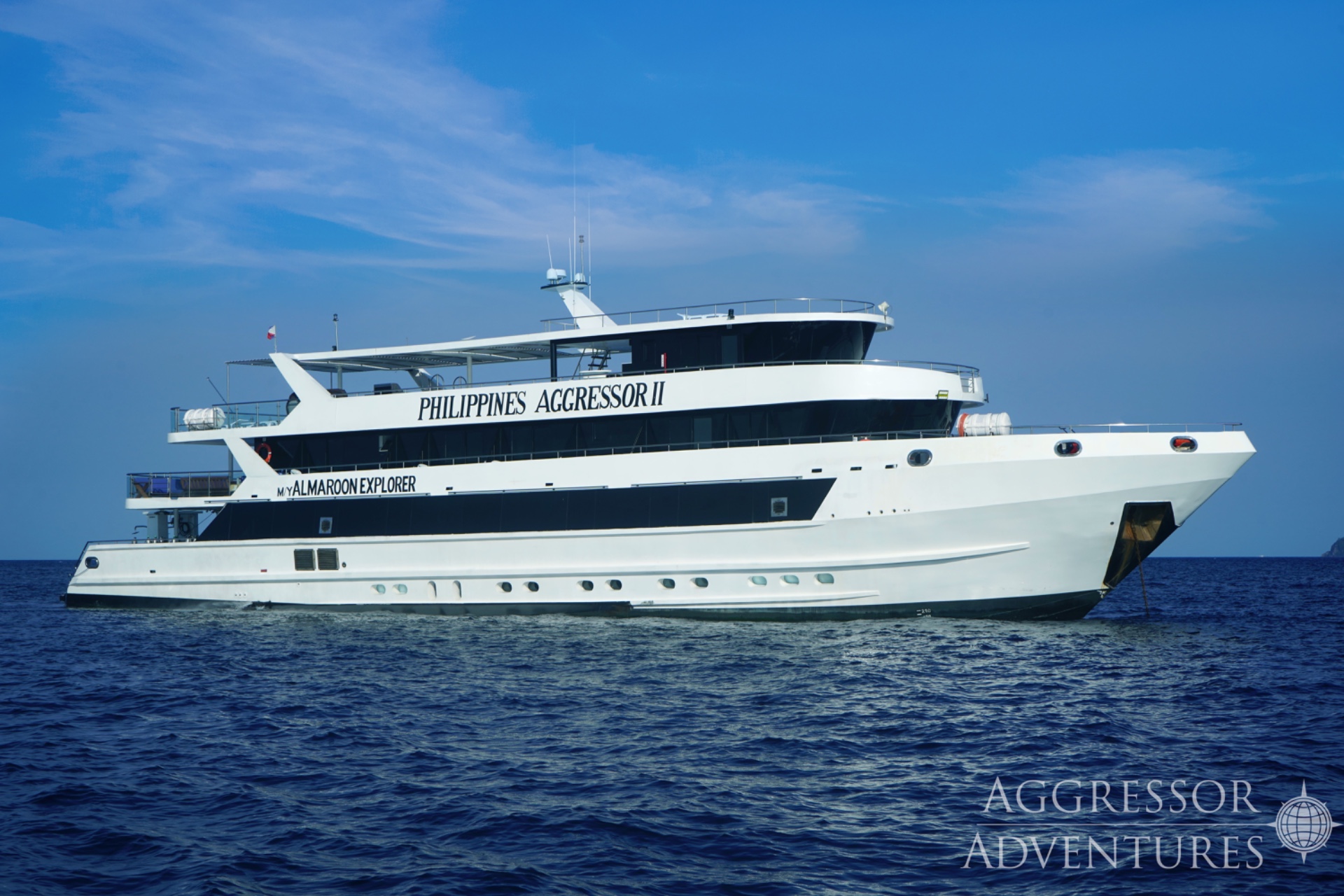
Philippines Aggressor II
Philippines
26 guests42.7 m
$247/day
Dive sites similar to Panglao Island
Same character, same waters — six more sites divers love for the exact same reasons.Compare seasons, access and liveaboard routes — then pick the site that fits your trip best.
© Esri — Maxar, Earthstar, GIS
Big La Laguna
Philippines
Big La Laguna is a beach community situated on the western edge of the Sabang Peninsula, a popular dive region on Mindoro Island, Philippines.
- Suitable for
- Intermediate
- Current
- Moderate
- Access
- Dayboat
- Depth
- 5–35 m
- Theme
- Reef / Wall
© Esri — Maxar, Earthstar, GIS
Black Forest
Philippines
Black Forest is a premier dive site located off Balicasag Island, renowned for its exceptional marine biodiversity and distinct topography.
- Suitable for
- Intermediate
- Current
- Strong
- Access
- Liveaboard or dayboat
- Depth
- 10–30 m
- Theme
- Drift / Reef
© Esri — Maxar, Earthstar, GIS
Panagsama Beach
Philippines
Panagsama Beach, situated on a peninsula near Moalboal town in Cebu, serves as a central hub for diving activities in the region, boasting over 20 dive sites along its shoreline.
- Suitable for
- Intermediate
- Current
- Moderate
- Access
- Liveaboard or dayboat
- Depth
- ≤ 30 m
- Theme
- Reef / Wall
© Esri — Maxar, Earthstar, GIS
Binangaan Drop Off
Philippines
Binangaan Drop Off is a premier dive site within Apo Reef National Park, located off Occidental Mindoro in the Philippines.
- Suitable for
- Advanced
- Current
- Strong
- Access
- Liveaboard only
- Depth
- 10–40 m
- Theme
- Wall / Drift
© Esri — Maxar, Earthstar, GIS
Olympia Maru
Philippines
The Olympia Maru is a prominent Japanese cargo ship wreck from World War II, located within Coron Bay, Philippines.
- Suitable for
- Intermediate
- Current
- Mild
- Access
- Dayboat
- Depth
- 17–24 m
- Theme
- Wreck / Reef
© Esri — Maxar, Earthstar, GIS
Balinghai Wall
Philippines
Balinghai Wall is a notable dive site located on the northwest side of Boracay, known for its accessible wall and coral slope formations.
- Suitable for
- Intermediate
- Current
- Mild
- Access
- Dayboat
- Depth
- 8–24 m
- Theme
- Wall / Reef