About Doljo Reef
Doljo Reef, situated on the northern coast of Panglao Island, Bohol, is a tranquil dive site known for its uncrowded waters and relaxed atmosphere. This makes it an excellent choice for divers seeking a peaceful underwater experience away from busy boat traffic. The site is characterized by a gradual slope, creating a comfortable environment for divers to explore at various depths. The topography transitions from shallow reef areas to deeper sections, all covered in a mix of hard and soft corals. Interspersed sandy patches are home to unique marine residents. The reef structure supports a rich array of small reef creatures and colorful fish, contributing to the site's appeal for detailed observation. Visibility here is consistently excellent, enhancing the vibrant display of marine life and corals. While general marine life is present year-round, conditions are particularly favorable during the dry season. The calm and easy-going nature of Doljo Reef, with its gentle terrain and lack of strong currents, ensures a pleasant and stress-free dive. Divers can anticipate an unhurried pace, allowing ample time to refine buoyancy skills and fully appreciate the rich biodiversity. This site is especially well-suited for underwater photographers due to the marine life's less skittish behavior, providing exceptional opportunities for capturing detailed shots.
Highlights
Uncrowded, tranquil dive siteGradual coral slopeHard and soft coralsGarden eelsExcellent visibilityGentle currentsAbundant macro lifeIdeal for photography
Season calendar
Best months to dive here
Jan
Feb
Mar
Apr
May
Jun
Jul
Aug
Sep
Oct
Nov
Dec
Excellent
Good
Dive site facts: Doljo Reef
- Depth
- 5–12 m
- Typical dive
- 5–12 m, 45–60 min
- Current
- Mild
- Visibility
- 15–20 m
- Water temperature
- 26–30°C
- Entry
- Shore / easy boat entry
- Level
- Beginner to Open Water
- Dive type
- Reef, macro, beginner training
- Night dive
- Possible
- Region / port
- Panglao, Bohol
- Coordinates
- 9.5520° N, 123.7610° E
Conditions & Currents
Doljo Reef is known for its gentle currents, which makes it a comfortable site for divers of all experience levels, including beginners. The calm conditions minimize physical exertion during dives and simplify entry and exit procedures. Divers will typically find excellent visibility, often exceeding 15 meters, though this can fluctuate slightly during periods of heavy rainfall outside the dry season. No significant thermoclines are reported, ensuring a consistent and pleasant water temperature throughout the dive. This stable environment provides an ideal setting for leisurely exploration, detailed photography, and buoyancy practice, without the need to contend with strong pushes or pulls from the current.
Marine life & sighting chances
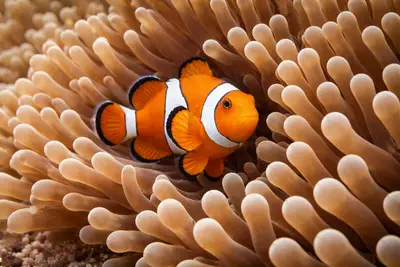
Clownfish
Year-round · common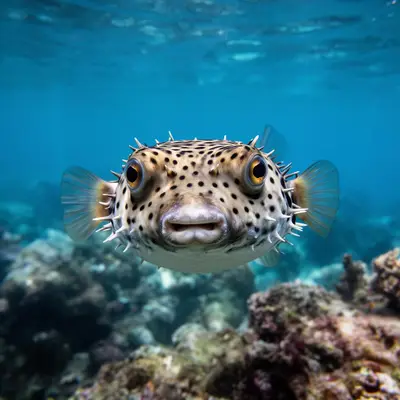
Pufferfish
Year-round · common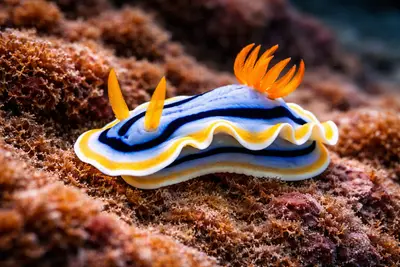
Nudibranchs
Year-round · commonSea turtles
Year-round · occasional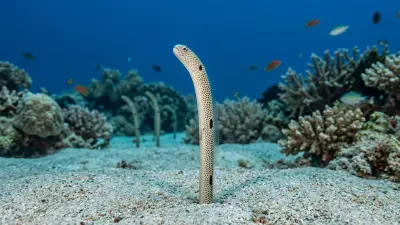
Garden eels
common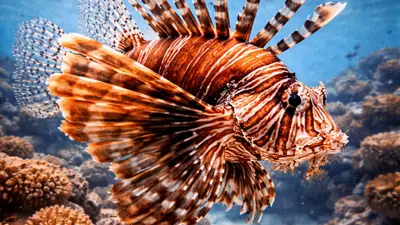
Lionfish
Year-round · common
Reef sharks
occasional
Barracuda
occasionalTropical fish species
commonDive profile & how the dive runs
A dive at Doljo Reef typically begins with an easy shore entry or a brief boat ride to the site, offering a calm start away from other dive traffic. Divers then follow the reef's gradual slope, which extends from approximately 5 meters down to 12 meters, allowing for a comfortable descent and exploration. The route meanders along the diverse coral gardens and sandy patches, providing ample opportunities to observe macro life like nudibranchs and garden eels. The gentle terrain means there are no sudden depth changes or challenging walls to navigate. As the dive progresses, focus can shift to capturing images of the less skittish marine inhabitants. Towards the end of the dive, divers can gradually ascend along the same slope, completing a safety stop at 5 meters over the shallower, vibrant coral formations before an easy exit back to shore.
Underwater photography
Doljo Reef is an excellent location for underwater photography, particularly for macro subjects and wide-angle shots of its vibrant coral gardens. For capturing the intricate details of nudibranchs, small crabs, and other tiny critters nestled within the corals, a 60mm or 100mm macro lens is ideal. When aiming for broader reefscapes or the extensive coral formations, a fisheye or wide-angle rectilinear lens will beautifully frame the scene. Given the excellent visibility in shallower areas, natural light is often sufficient, but utilizing strobes or video lights will significantly enhance the true colors and contrast, especially when shooting into shaded areas or deeper sections of the reef. The calm environment and typically less skittish marine life provide photographers with ample time and opportunity for composition.
Combine with nearby dive sites
- Balicasag Island
Famous marine sanctuary with abundant marine life, including sea turtles and schooling jackfish, with shallow areas suitable for beginners.
- Pamilacan Island
Features healthy, colorful reefs and sheltered bays, with sightings of reef sharks and barracuda.
- Monad Shoal
Known for thresher shark encounters, often combined with Bohol itineraries.
Getting there & logistics
Panglao Island in Bohol serves as the primary base for diving Doljo Reef. Most visitors arrive by flying into Panglao International Airport (TAG) directly from Manila, or via Cebu International Airport (CEB) followed by a fast ferry to Tagbilaran Port in Bohol. Doljo Reef is easily accessible from dive resorts located on Panglao's northern coast, typically via a short boat ride or sometimes even as a shore entry. Dive trips to Doljo Reef are usually day trips, often combined with other local sites around Panglao or nearby islands like Balicasag. While no specific permits or park fees for Doljo Reef are typically required beyond standard dive operator costs, booking accommodation and dive slots in advance, especially during peak season, is advisable.
Safety & environment
For diving at Doljo Reef, it is crucial to carry comprehensive dive insurance that covers emergency medical treatment and evacuation. The nearest recompression chamber facilities are likely in Cebu, which means evacuation can involve significant travel time. Divers should always follow dive guide instructions, maintain excellent buoyancy control to avoid damaging corals, and monitor air consumption carefully, even in the mild current conditions. Given the site's calm nature and suitability for beginners, adhering to safe diving practices and never exceeding training limits is paramount. Communication with your dive buddy and dive guide is essential, especially regarding depth and bottom time.
Who it suits — and who it doesn't
Suited for
- Beginner divers seeking calm conditions
- Divers building confidence and buoyancy skills
- Underwater photographers (macro and wide-angle)
- Divers who prefer uncrowded sites
- Families with newly certified divers
- Divers interested in coral health and reef ecology
Less suited for
- Divers seeking strong current drift dives
- Experienced divers looking for extreme depths
- Those prioritizing large pelagic encounters
- Divers who prefer extensive wreck exploration
- Anyone who dislikes a relaxed, slow-paced dive
FAQ
Doljo Reef FAQ
What kind of marine life can I expect to see at Doljo Reef?
Doljo Reef is home to a rich variety of small reef inhabitants, making it excellent for macro enthusiasts. You can frequently spot clownfish, pufferfish, and numerous nudibranchs among the corals. Garden eels are commonly seen swaying in the sandy patches, and sea turtles may occasionally pass through the reef.
Is Doljo Reef suitable for new divers or those with limited experience?
Yes, Doljo Reef is highly recommended for new divers and those who have recently obtained their Open Water certification. It features a gradual slope, gentle currents, and excellent visibility, providing a calm and safe environment to practice buoyancy and build confidence underwater without feeling overwhelmed.
How deep is Doljo Reef, and what is the typical dive depth?
The reef at Doljo features a gradual slope that starts shallow and extends down. Typical dive depths range from 5 to 12 meters, which is deep enough to observe a diverse array of marine life and explore the coral gardens comfortably without demanding advanced certification.
What are the visibility and water temperature like at Doljo Reef?
Doljo Reef typically boasts excellent visibility, often exceeding 15 meters, providing clear views of the vibrant reef. The water temperature is consistently warm year-round, ranging from 26 to 30 degrees Celsius, allowing for comfortable diving with just a thin wetsuit or rash guard.
Is Doljo Reef a good spot for underwater photography?
Absolutely, Doljo Reef is considered a great site for underwater photography. Its excellent visibility, gentle currents, and the less skittish nature of its marine life provide ideal conditions for capturing detailed shots. Both macro and wide-angle photography can yield stunning results here.
How do I get to Doljo Reef, and where is it located?
Doljo Reef is located on the northern coast of Panglao Island in Bohol, Philippines. Most divers access it via a short boat ride from dive resorts on Panglao. Panglao Island itself is easily reachable by flights to Panglao International Airport or by ferry from Cebu to Tagbilaran Port.
Why dive Doljo Reef from a liveaboard?
Doljo Reef is one of Philippines's signature dive sites. A liveaboard sleeps you on the water and puts you in the water for three to four guided dives per day, including dawn and night dives that day-boat operators rarely offer. You skip the daily commute back to port and reach quieter, less-crowded sites in the same region on a single trip.
Below are the liveaboards that include Doljo Reef on their Philippines itineraries.
Liveaboards diving Doljo Reef
These liveaboards may visit Doljo Reef on selected itineraries — the exact dive sites depend on departure, weather and conditions.
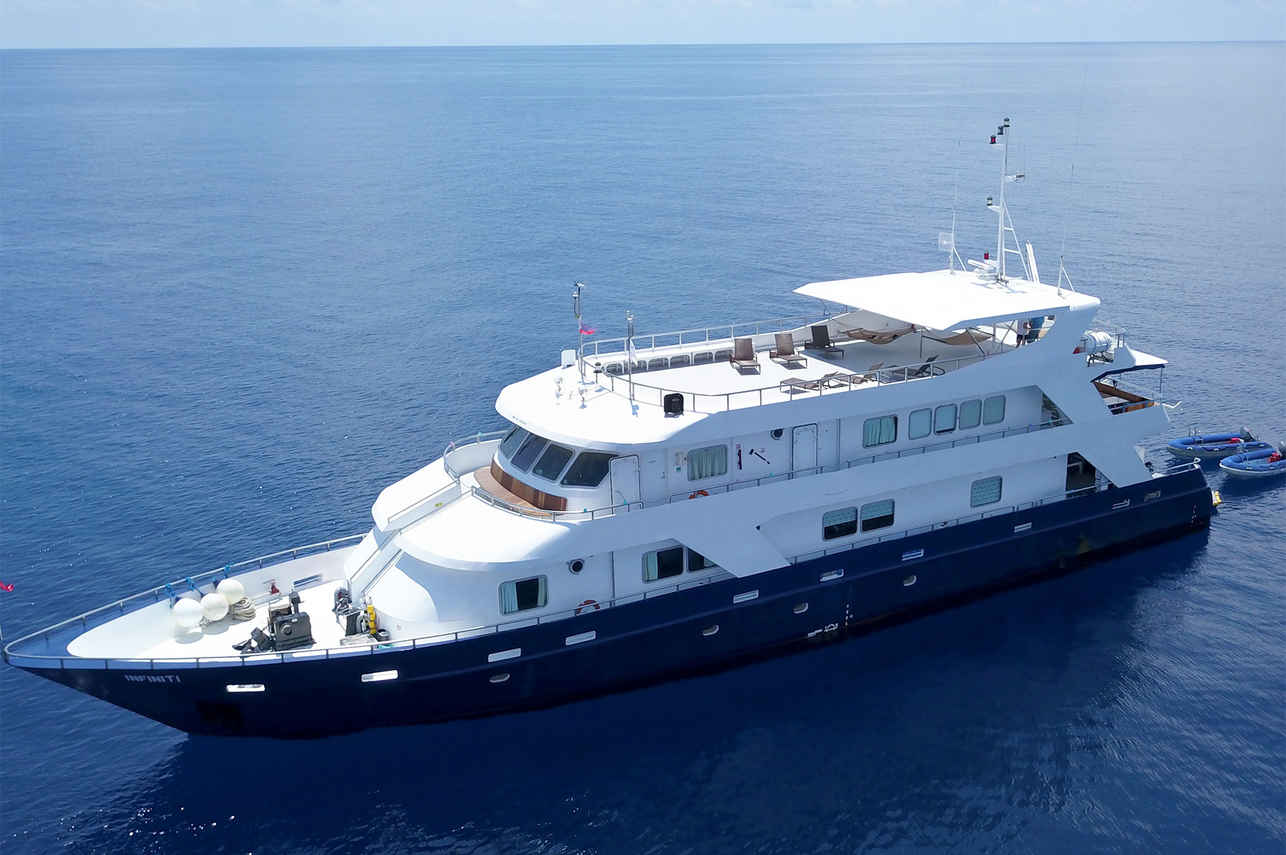
Infiniti
Philippines
25 guests39 m
$280/day
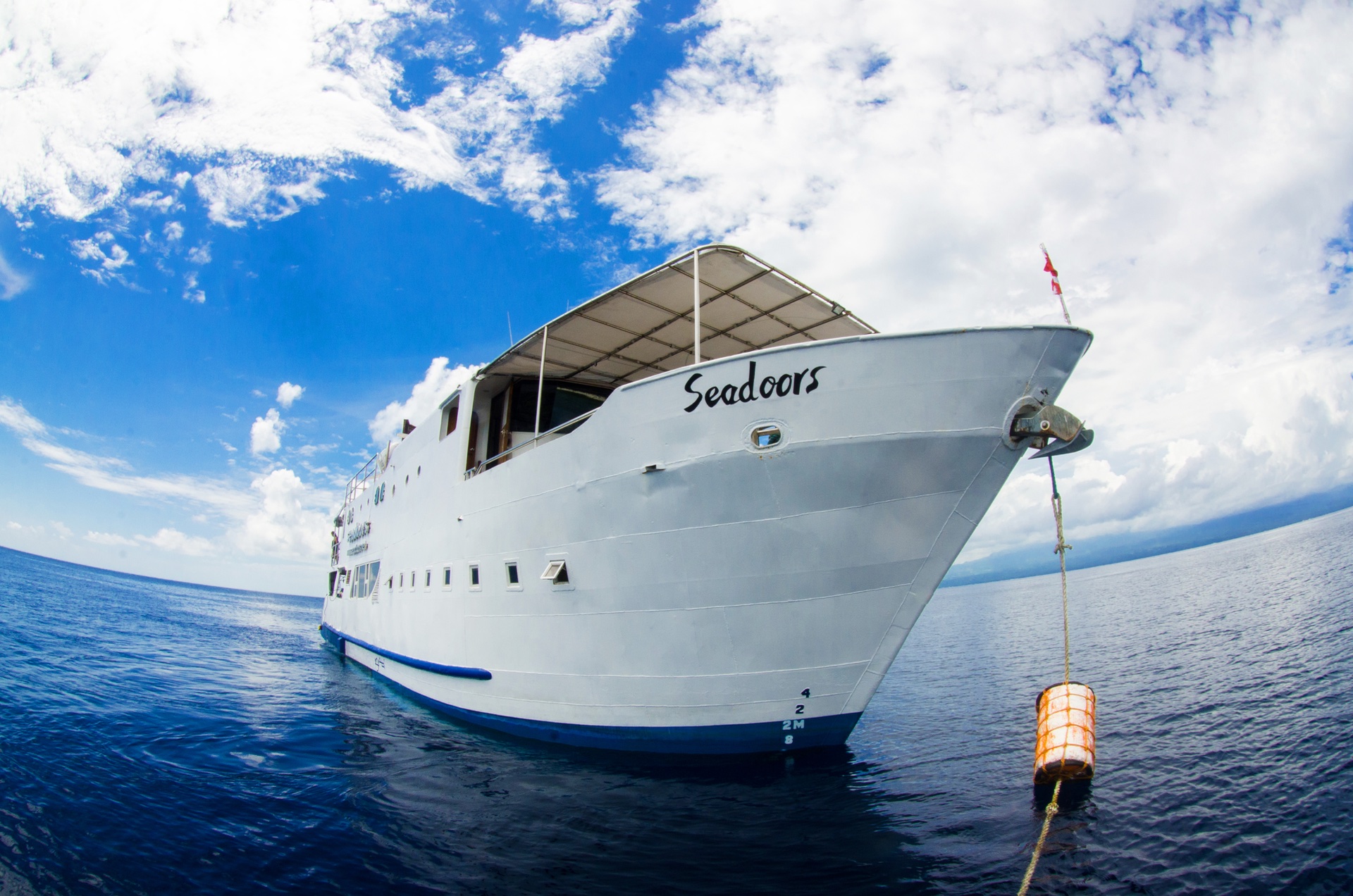
Seadoors
Philippines
16 guests25 m
$335/day
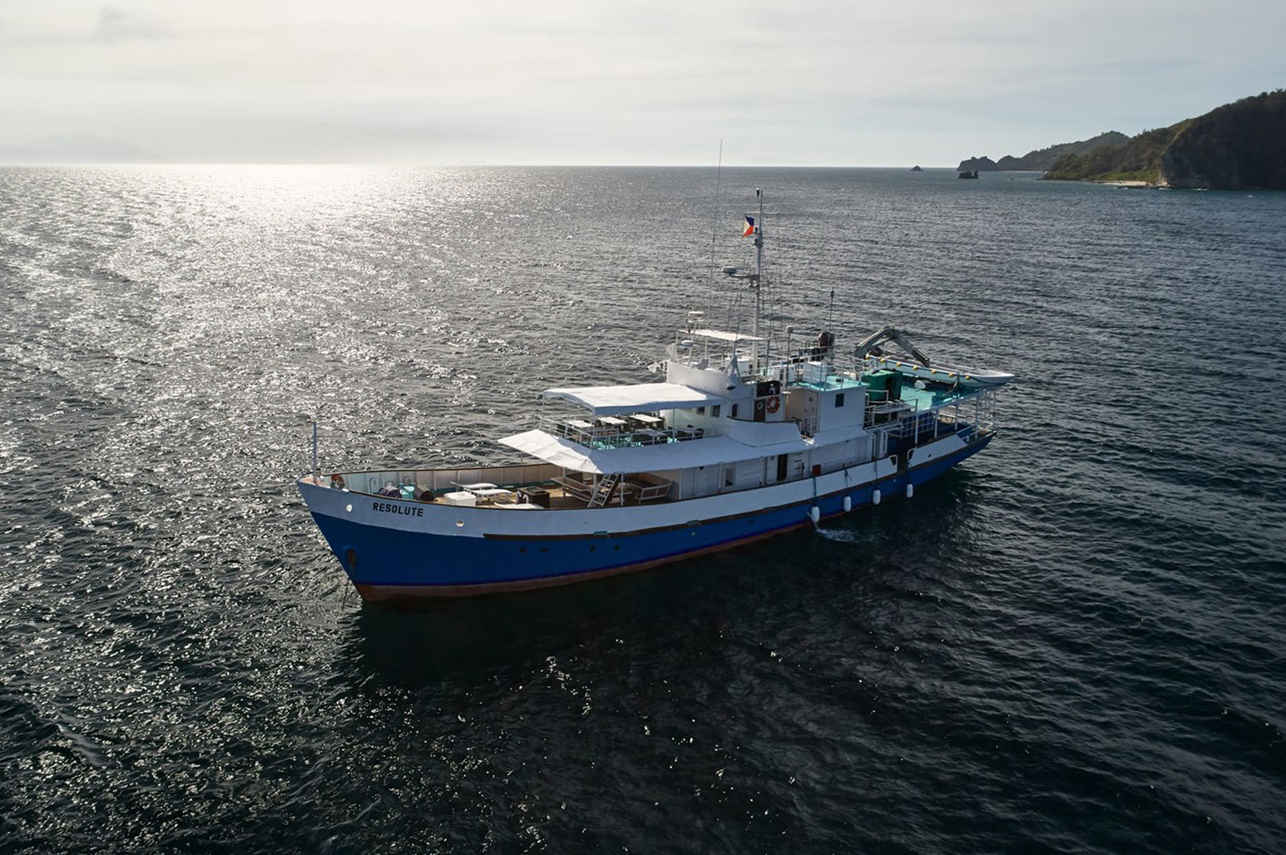
Resolute
Philippines
16 guests34.6 m
$314/day
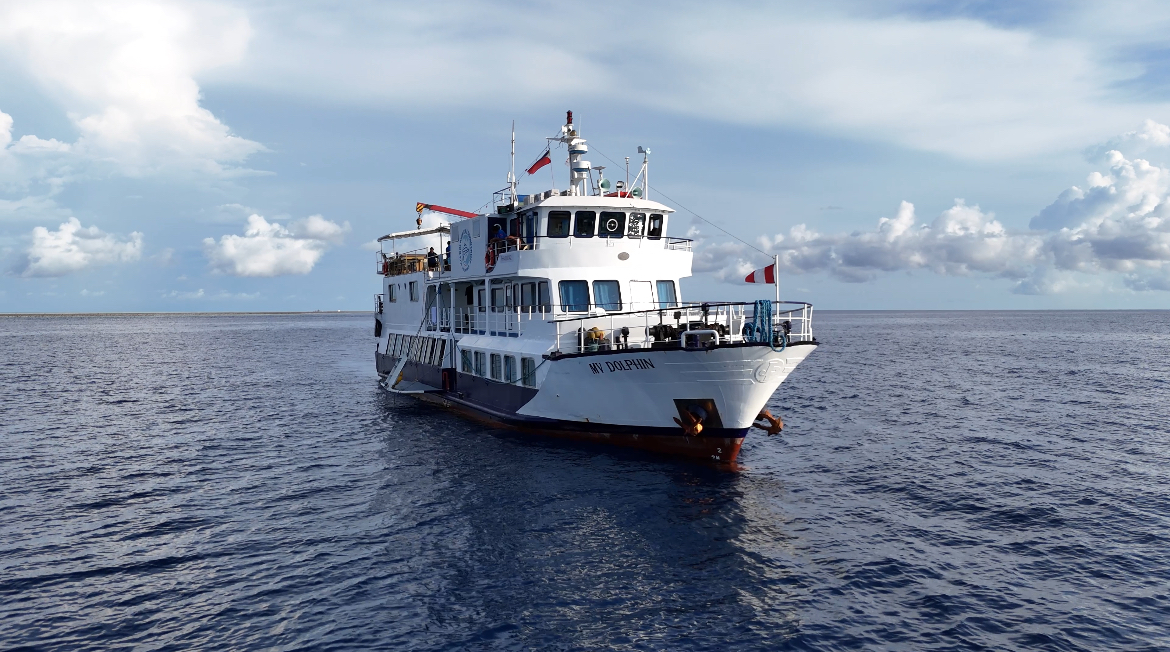
Dolphin
Philippines
18 guests31 m
$326/day
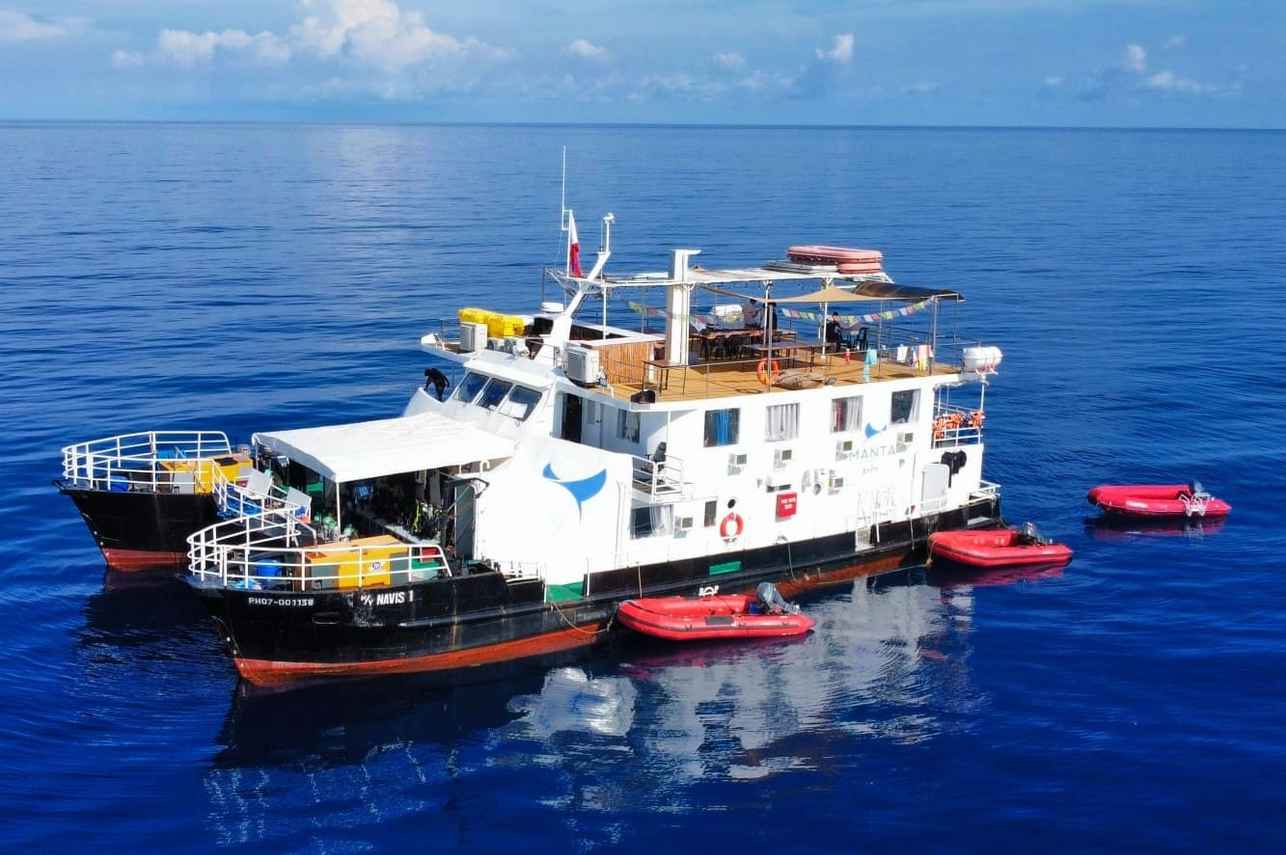
Navis 1
Philippines
22 guests23 m
$250/day
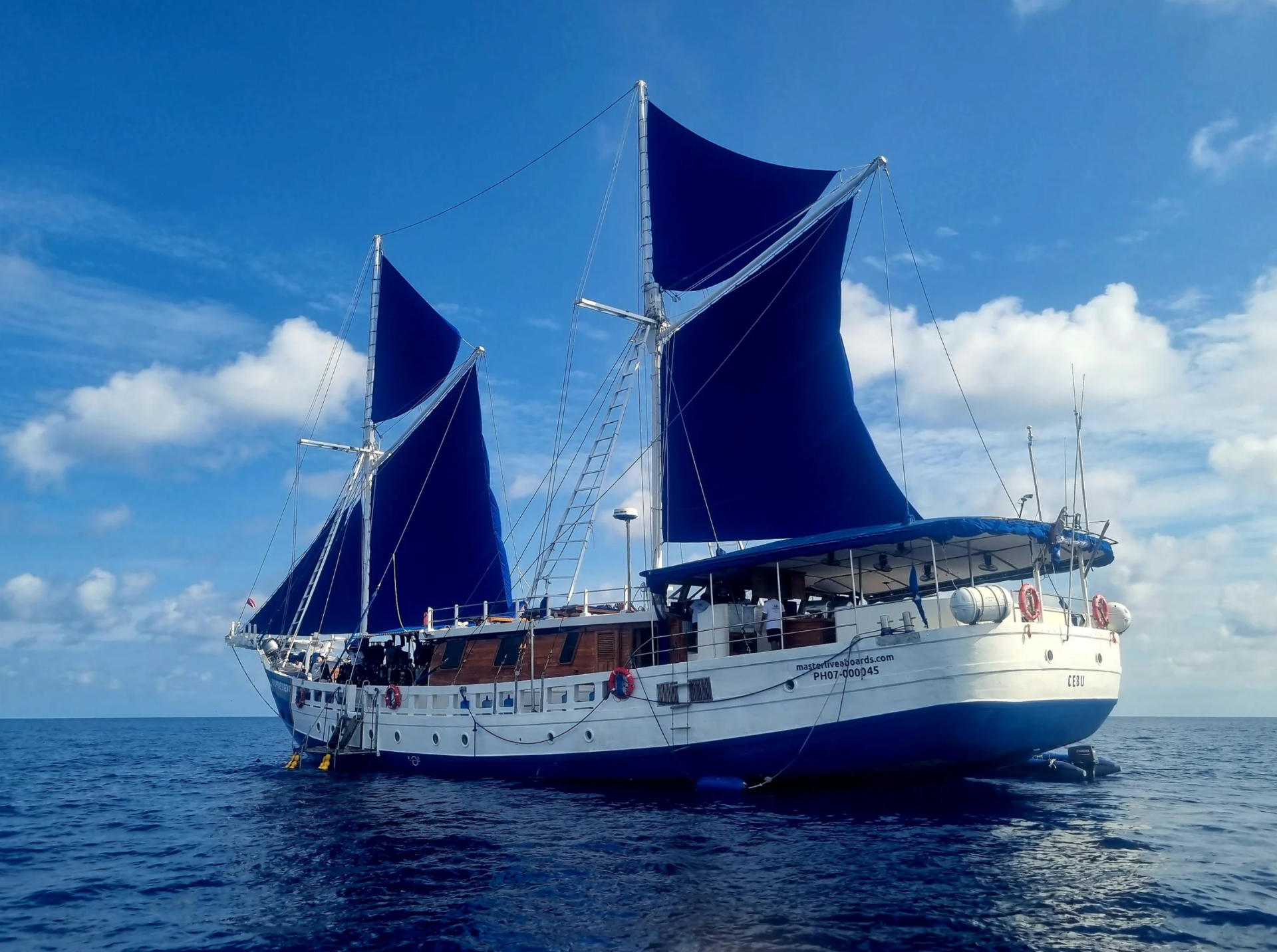
Philippine Siren
Philippines
16 guests
$309/day
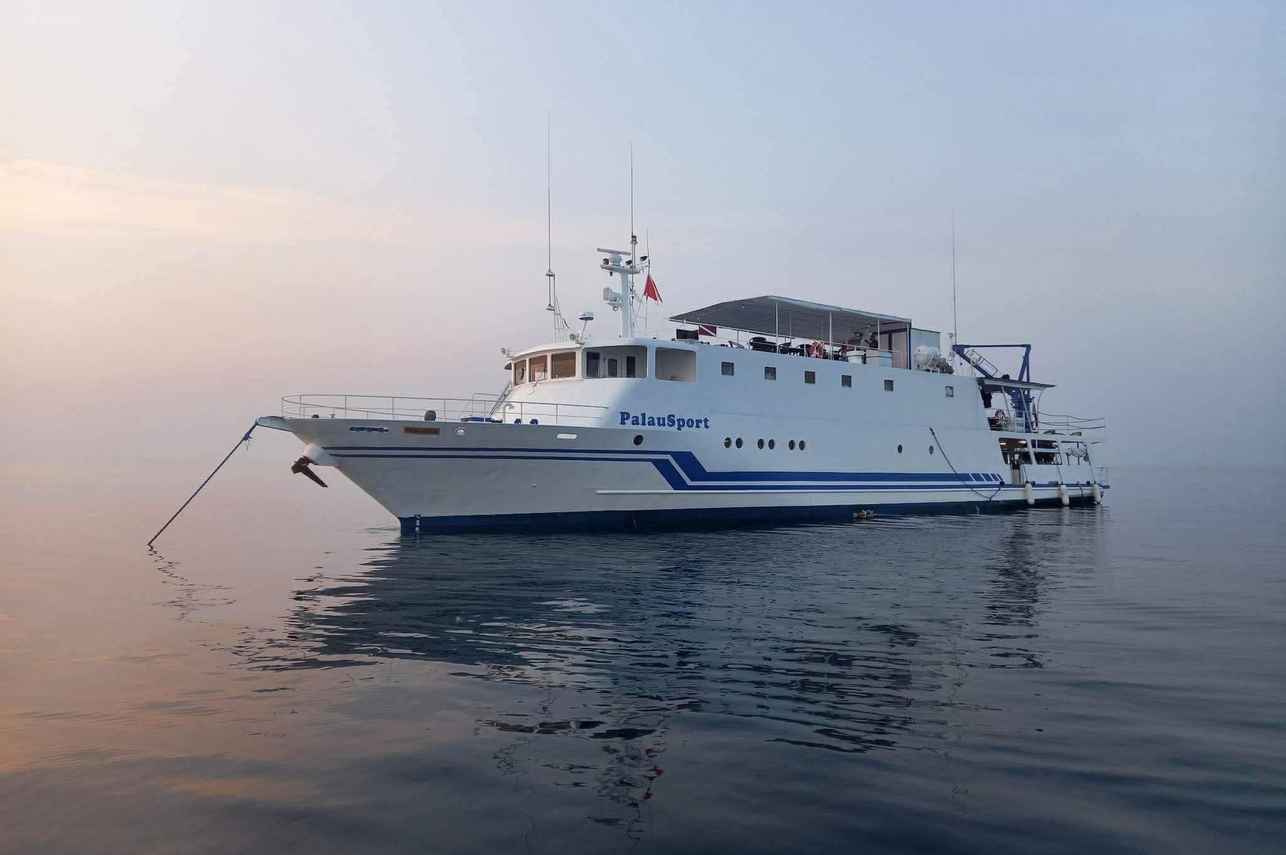
Palau Sport
Philippines
24 guests38.35 m
$215/day
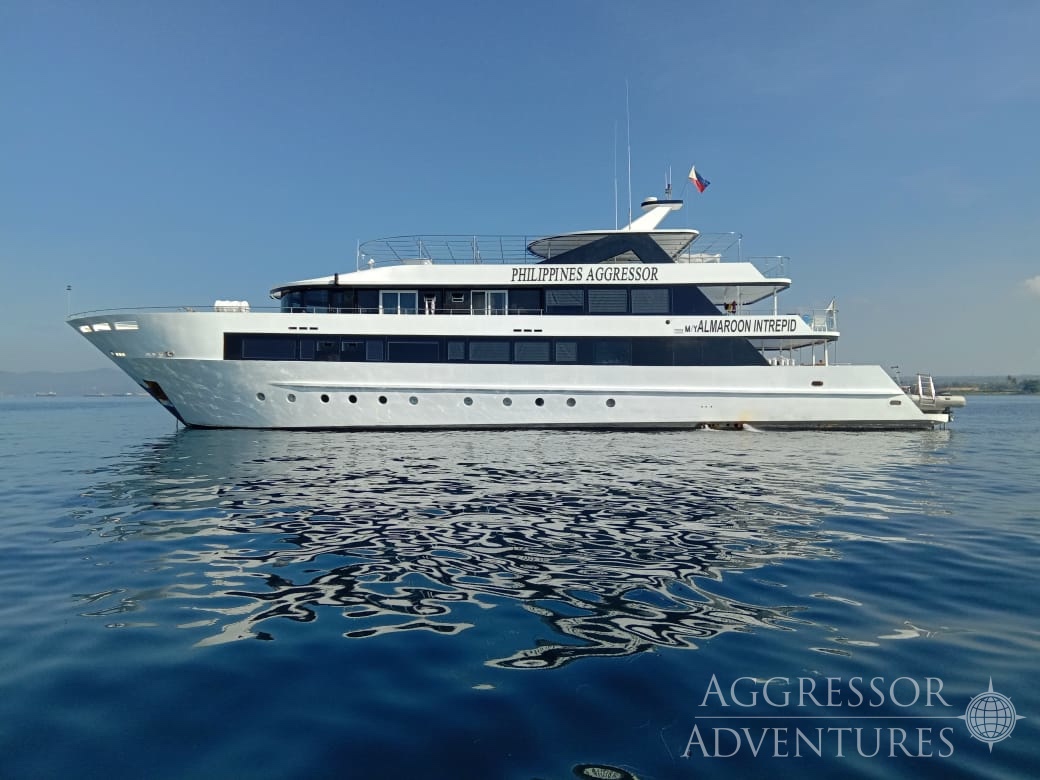
Philippines Aggressor
Philippines
26 guests42.7 m
$381/day
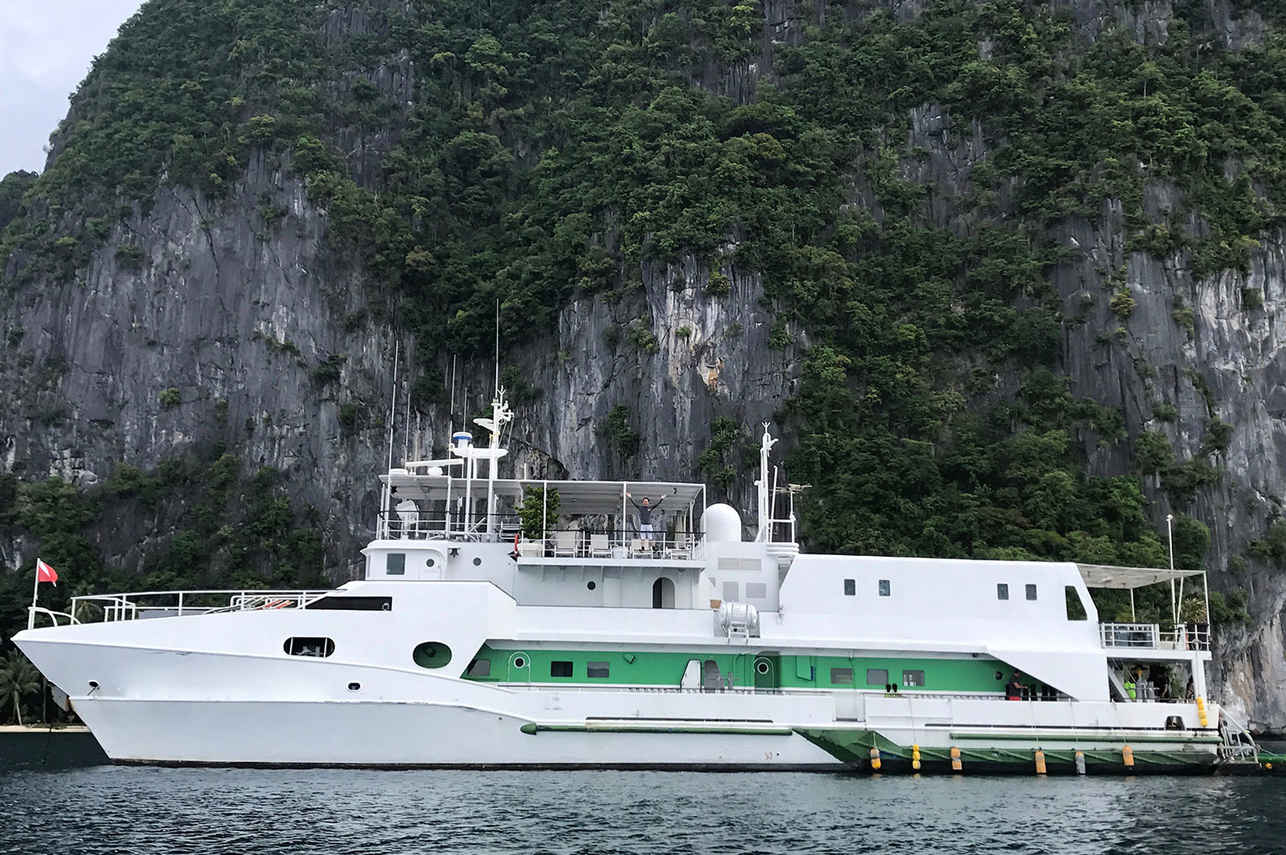
Stella Maris Explorer
Philippines
20 guests33 m
$398/day
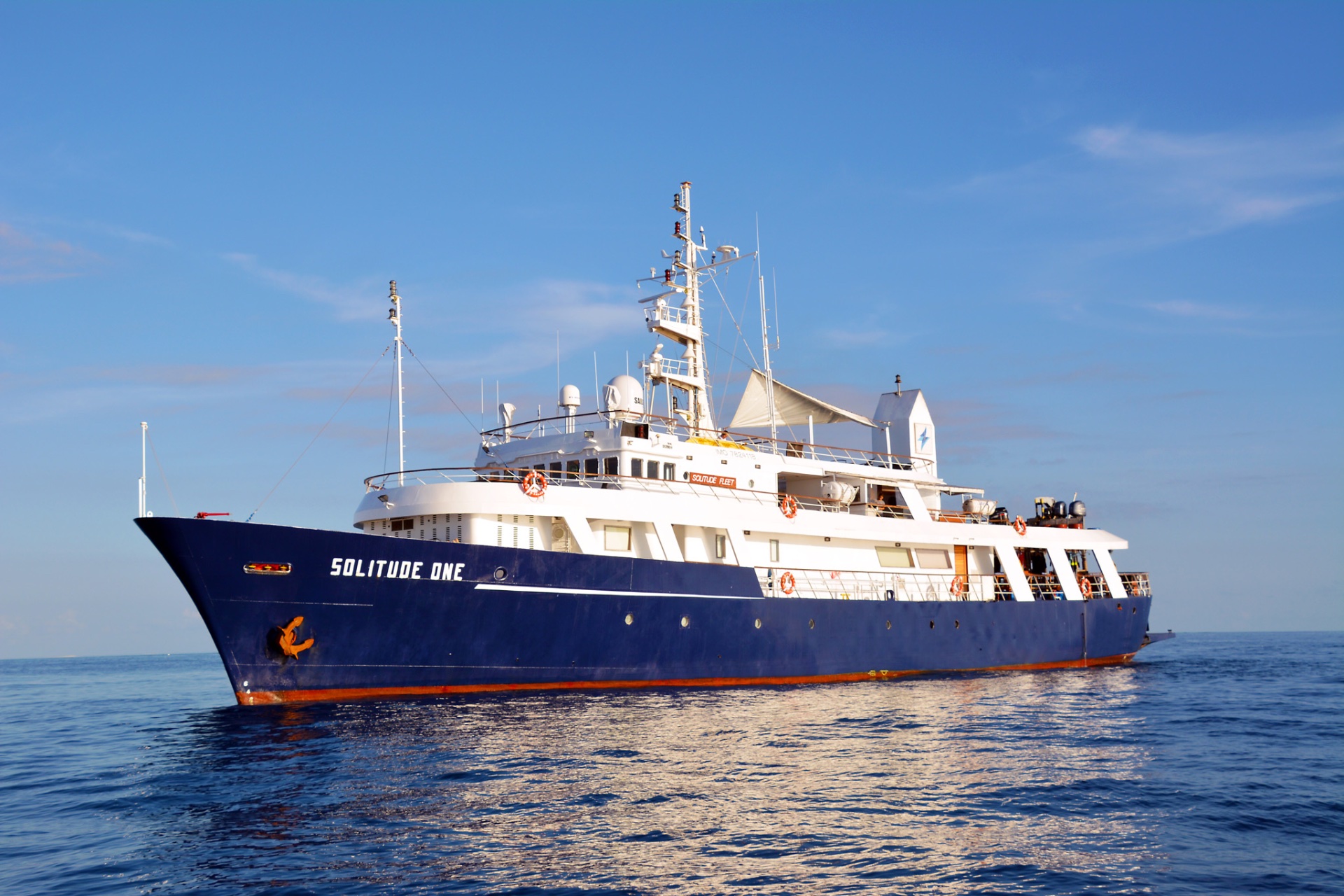
Solitude One
Philippines
24 guests52 m
$460/day
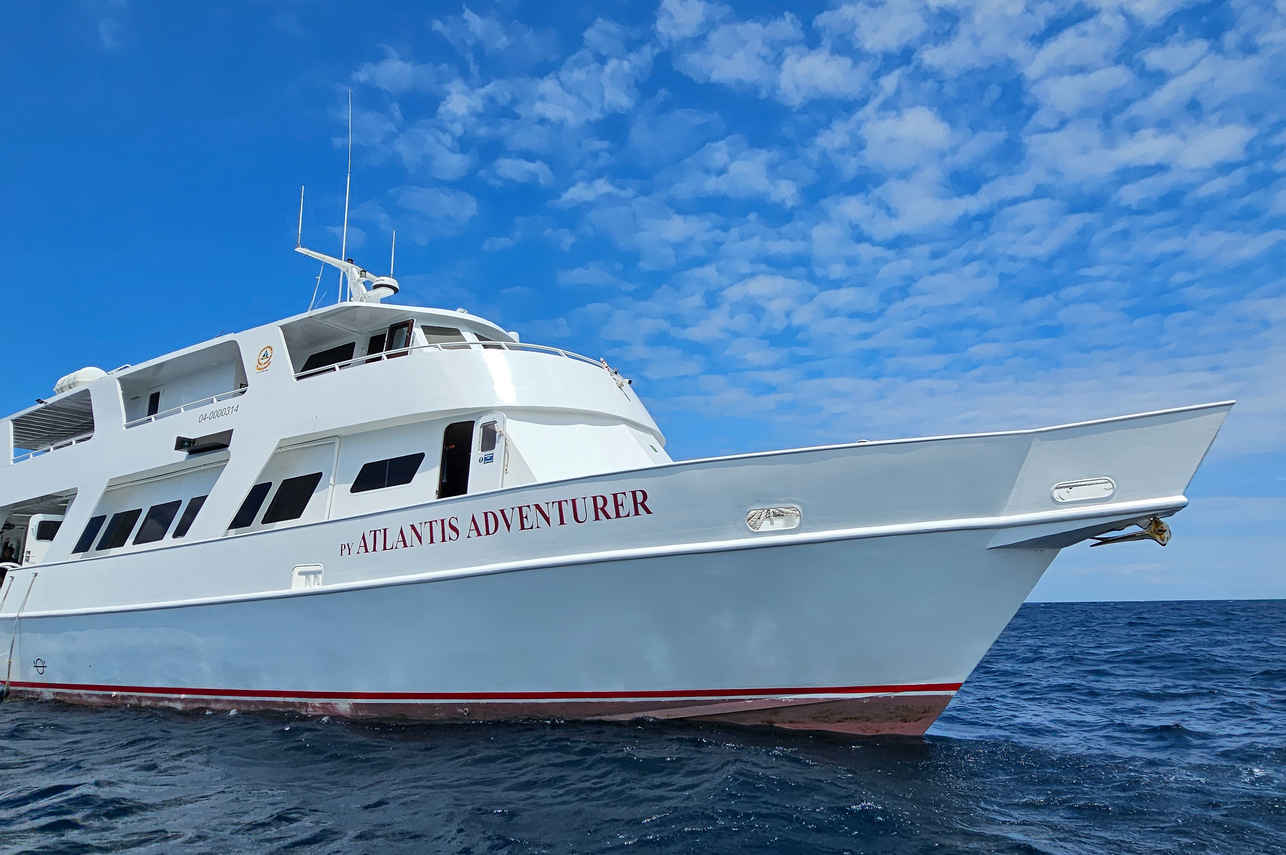
Atlantis Adventurer
Philippines
16 guests32.5 m
$421/day
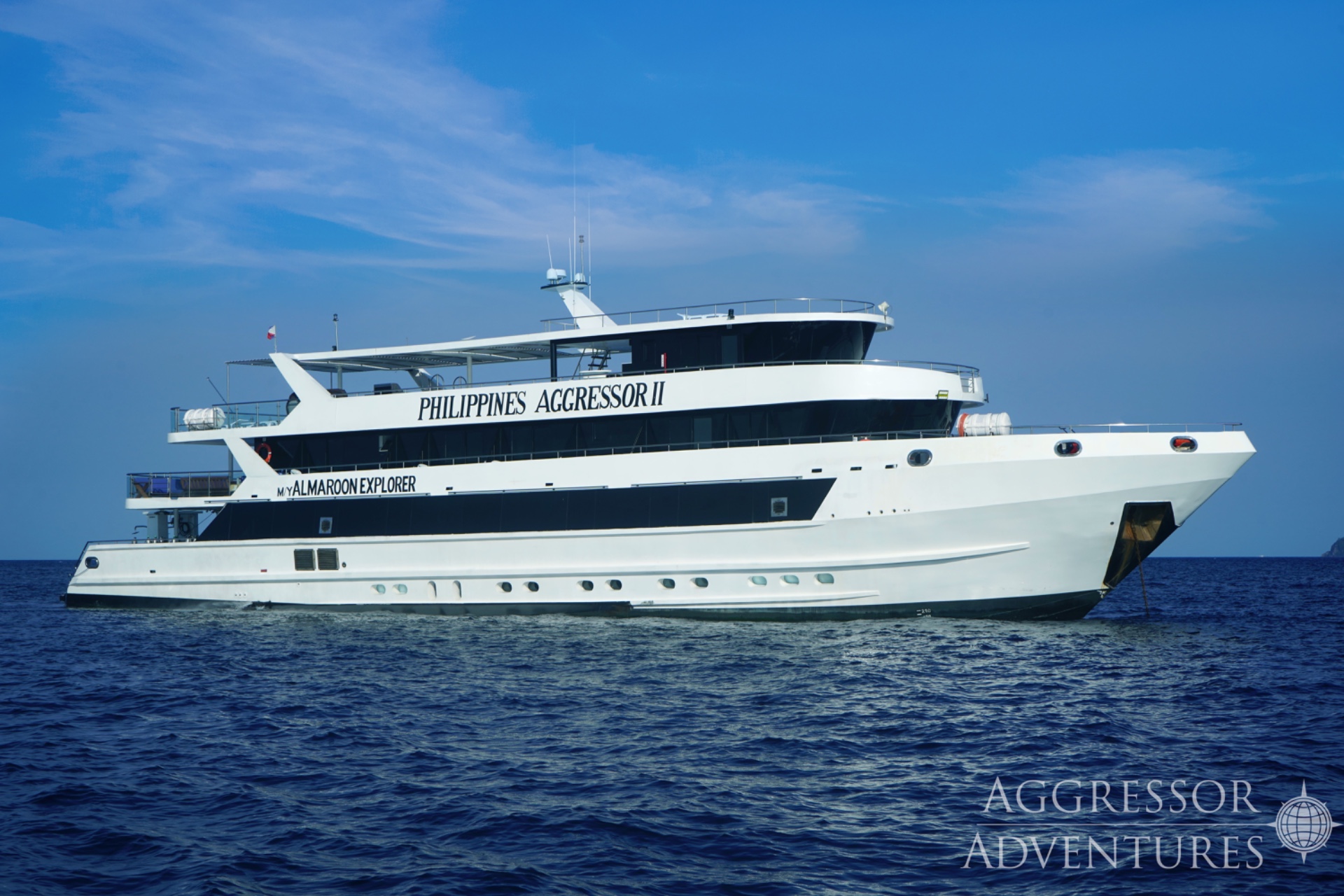
Philippines Aggressor II
Philippines
26 guests42.7 m
$247/day
Dive sites similar to Doljo Reef
Same character, same waters — six more sites divers love for the exact same reasons.Compare seasons, access and liveaboard routes — then pick the site that fits your trip best.
© Esri — Maxar, Earthstar, GIS
Big La Laguna
Philippines
Big La Laguna is a beach community situated on the western edge of the Sabang Peninsula, a popular dive region on Mindoro Island, Philippines.
- Suitable for
- Intermediate
- Current
- Moderate
- Access
- Dayboat
- Depth
- 5–35 m
- Theme
- Reef / Wall
© Esri — Maxar, Earthstar, GIS
Black Forest
Philippines
Black Forest is a premier dive site located off Balicasag Island, renowned for its exceptional marine biodiversity and distinct topography.
- Suitable for
- Intermediate
- Current
- Strong
- Access
- Liveaboard or dayboat
- Depth
- 10–30 m
- Theme
- Drift / Reef
© Esri — Maxar, Earthstar, GIS
Panagsama Beach
Philippines
Panagsama Beach, situated on a peninsula near Moalboal town in Cebu, serves as a central hub for diving activities in the region, boasting over 20 dive sites along its shoreline.
- Suitable for
- Intermediate
- Current
- Moderate
- Access
- Liveaboard or dayboat
- Depth
- ≤ 30 m
- Theme
- Reef / Wall
© Esri — Maxar, Earthstar, GIS
Olympia Maru
Philippines
The Olympia Maru is a prominent Japanese cargo ship wreck from World War II, located within Coron Bay, Philippines.
- Suitable for
- Intermediate
- Current
- Mild
- Access
- Dayboat
- Depth
- 17–24 m
- Theme
- Wreck / Reef
© Esri — Maxar, Earthstar, GIS
Balinghai Wall
Philippines
Balinghai Wall is a notable dive site located on the northwest side of Boracay, known for its accessible wall and coral slope formations.
- Suitable for
- Intermediate
- Current
- Mild
- Access
- Dayboat
- Depth
- 8–24 m
- Theme
- Wall / Reef
© Esri — Maxar, Earthstar, GIS
Tongo Sanctuary
Philippines
Tongo Sanctuary, located in Moalboal, Cebu, is a marine protected area renowned for its dramatic underwater topography.
- Suitable for
- Beginner
- Current
- Mild
- Access
- Dayboat
- Depth
- 5–55 m
- Theme
- Reef / Wall