About Pamilacan Island
Pamilacan Island, located off the coast of Bohol and southeast of Panglao Island, is a distinct and often more private dive destination compared to its well-known neighbor, Balicasag. The island is formed from corals and fossilized shells, creating a unique underwater topography that includes extensive sloped reefs and deeper walls. This remote appeal is maintained by its accessibility, typically requiring a 45-minute to one-hour boat journey from Alona Beach in Panglao, often as part of day trips that include multiple dives. The marine sanctuaries surrounding Pamilacan protect its vibrant ecosystems, making it a pivotal site for observing a wide array of marine biodiversity. Divers can expect to encounter large pelagic species alongside diverse reef life, benefiting from generally excellent visibility ranging from 20 to 30 meters. The island's strategic location also makes it a known area for dolphin and whale sightings, adding an extra dimension to the overall marine excursion. The dive experience at Pamilacan is characterized by warm water temperatures, consistently between 26°C and 30°C. While conditions are generally inviting, currents can range from mild to moderate across various sites, with some areas like the Pamilacan Wall experiencing stronger flows. This variety in conditions caters to a spectrum of diver skill levels, offering experiences from leisurely shallow coral garden explorations to more dynamic wall dives requiring attentiveness to water movements. Planning with local operators is key to navigating these environments safely.
Highlights
Diverse sloped reefsDramatic coral wallsLarge pelagic speciesIntricate macro lifeDolphin and whale sightingsVibrant protected ecosystemsConsistently warm watersExcellent visibility
Season calendar
Best months to dive here
Jan
Feb
Mar
Apr
May
Jun
Jul
Aug
Sep
Oct
Nov
Dec
Excellent
Good
Off-Season
Dec – Apr (Dec–Apr)
Best diving conditions across most regions. Calm seas, excellent visibility. Tubbataha Reef accessible Mar–Jun only. Thresher sharks year-round at Malapascua.
May & Nov (May, Nov)
Weather shifts between seasons. Still excellent diving in many areas. Fewer crowds and lower prices. Some regions still offer perfect conditions.
Jun – Oct (Jun–Oct)
Typhoon season — mainly affects northern regions. Southern Visayas and Mindanao still offer good diving. Reduced visibility. Best prices and fewest crowds.
Dive site facts: Pamilacan Island
- Depth
- 4–30 m
- Current
- Mild to strong
- Visibility
- 10–40 m
- Water temperature
- 26–30°C
- Entry
- Boat
- Level
- All levels, current experience helpful
- Dive type
- Reef, Wall, Macro, Drift, Pelagic
- Night dive
- Possible
- Region / port
- Bohol / Panglao
- Coordinates
- 9.4908° N, 123.9244° E
Conditions & Currents
Currents around Pamilacan Island are generally described as mild to moderate, though specific areas, particularly the Pamilacan Wall and Cervera Shoal (Snake Island), can experience stronger conditions. Divers must remain attentive to guidance from their dive leaders and be prepared for varying water movements, especially during drift dives at sites like Dakit Dakit. At Cervera Shoal, strong currents can sometimes necessitate skipping the dive, and the descent may start with sinking into the blue until the bottom is visible. Visibility is typically excellent, often extending 20 to 30 meters, allowing full appreciation of coral formations, but can be influenced by weather and sea conditions. Water temperatures remain comfortably warm, ranging from 26°C to 30°C year-round. Divers should always plan their gas consumption with potential current changes in mind, especially when exploring deep
Marine life & sighting chances

Spanish mackerel
common
Barracuda
common
Bump-head wrasses
common
Jacks
common
Tuna
common
Harlequin shrimps
occasional
Nudibranchs
commonThecacera pacifica
common
Green turtles
common

Dolphins
occasional
Whales
occasionalDive profile & how the dive runs
Dives at Pamilacan Island typically involve a boat entry from Panglao, arriving at various sites such as Dakit Dakit, Spanish Tower, or Cervera Shoal. For drift dives like Dakit Dakit, the entry is usually close to a distinctive small tree on the island, and the reef slopes at a 45-degree angle down to 30 meters. Divers often explore coral heads and an impressive overhang at the base of the reef where jacks congregate. At Spanish Tower, the dive focuses on an extravagant coral wall rich in macro life, with numerous holes, small swim-throughs, and caverns to investigate. Cervera Shoal, a sunken island, starts around 12 meters deep, with the dive sometimes requiring a blue water descent until the top of the shoals is visible. Safety stops are generally performed in the shallower sections of the reef, allowing divers to enjoy vibrant coral formations and abundant small marine life, with depths ranging from 4 meters up to 12 meters depending on the site.
Underwater photography
Pamilacan Island offers diverse photographic opportunities for both macro and wide-angle enthusiasts. For macro subjects, especially at Spanish Tower, a dedicated macro lens (e.g., 60mm or 100mm) will capture the intricate details of nudibranchs like Thecacera pacifica, harlequin shrimps, and other small critters hiding within the coral wall's holes and sponges. Dual strobes are highly recommended to illuminate these tiny subjects and bring out their vibrant colors. Buoyancy control is paramount when navigating the delicate coral formations to avoid disturbing the environment. For wide-angle photography, particularly at sites like Dakit Dakit or to capture the overall reef topography and schooling fish, a wide-angle or fisheye lens is suitable. Given the excellent visibility often extending 20-30 meters, you can effectively capture the scale of barracuda schools, jacks, and the dramatic reef slopes. Be prepared for potential currents, especially at Cervera Shoal, which may require quick camera adjustments.
Combine with nearby dive sites
- Balicasag Island
A world-class dive site often compared to Pamilacan, known for its deep walls and rich pelagic life.
- Dauin — Atmosphere House Reef
An excellent muck diving destination known for macro critters, accessible from nearby Negros.
- Pescador Island
Famous for its sardine run and vibrant reef ecosystem, a short boat ride from Cebu.
- Apo 29
A well-regarded open-ocean pinnacle dive known for schooling fish and occasional pelagics.
Getting there & logistics
Pamilacan Island is primarily accessed via day boat trips originating from Alona Beach in Panglao, Bohol. Divers typically fly into Mactan-Cebu International Airport (CEB), then take a ferry or private transfer to Bohol, followed by a short land transfer to Panglao. The boat journey from Alona Beach to Pamilacan usually takes between 45 minutes to one hour. Day trips commonly include multiple dives and a packed lunch, often visiting multiple sites around the island. There are marine protected area fees and anchoring fees associated with diving at Pamilacan. Liveaboards operating in the Visayas region may also include Pamilacan in their itineraries, particularly those combining diving experiences around Bohol and Cebu. Overall trip lengths vary from short three-day packages focusing on Panglao and Pamilacan to longer multi-week liveaboard expeditions exploring the wider Visayas.
Safety & environment
Divers at Pamilacan Island should maintain comprehensive dive insurance covering emergency medical treatment and evacuation, as the nearest recompression chamber is typically located in Cebu or Manila, requiring significant travel time. While currents are generally mild, areas like the Pamilacan Wall and Cervera Shoal can experience strong flows, necessitating careful dive planning, adherence to dive leader instructions, and proficiency in drift diving techniques. Divers should always carry a surface marker buoy (SMB) for safety, especially in areas with potential current and boat traffic. The island's remote location means immediate medical assistance is limited; therefore, preventative measures and buddy system protocols are crucial. Always dive within your certification limits and be aware of your air consumption and no-decompression limits.
Who it suits — and who it doesn't
Suited for
- Divers seeking a less crowded experience than Balicasag
- Macro photographers keen on rare nudibranchs and small critters
- Divers interested in seeing large pelagic species like tuna and barracuda
- Beginners and advanced divers comfortable with varying current conditions
- Those who enjoy both wall and sloping reef diving
Less suited for
- Divers uncomfortable with potential strong currents
- Those expecting immediate shore access to dive sites
- Divers seeking extensive wreck diving experiences
- Anyone without adequate dive insurance for remote locations
- Divers who prefer strictly calm, current-free environments
FAQ
Pamilacan Island FAQ
How do I get to Pamilacan Island for diving?
Pamilacan Island is typically accessed via day boat trips from Alona Beach on Panglao Island, Bohol. The boat journey usually takes 45 minutes to an hour. You would first need to travel to Bohol, often by flying into Mactan-Cebu International Airport and then taking a ferry or domestic flight.
What kind of marine life can I expect to see at Pamilacan Island?
Pamilacan Island boasts a rich diversity of marine life, including large pelagic species like Spanish mackerel, barracuda, jacks, and tuna, especially at sites like Dakit Dakit. Macro enthusiasts will find rare nudibranchs and harlequin shrimps, particularly at Spanish Tower. Green turtles are common residents, and rough shouldered sea snakes can be seen at Cervera Shoal. The area is also known for dolphin and whale sightings.
Are there strong currents at Pamilacan Island?
While currents around Pamilacan Island are generally mild to moderate, certain dive sites, such as the Pamilacan Wall and Cervera Shoal, can experience strong conditions. Divers should be prepared for varying water movements and follow the guidance of their dive leaders. Experience with drift diving is beneficial for some sites.
What are the water temperatures and visibility like?
Water temperatures at Pamilacan Island are consistently warm throughout the year, ranging from 26°C to 30°C. Visibility is generally excellent, often extending 20 to 30 meters, and sometimes even up to 40 meters. This allows for clear views of the vibrant coral formations and abundant marine life.
Is Pamilacan Island suitable for beginner divers?
Pamilacan Island offers a spectrum of experiences suitable for various skill levels. Shallow coral gardens cater to beginners, while deeper wall dives and areas with stronger currents are better suited for more experienced divers. It's advisable for beginners to choose specific sites known for calmer conditions and dive with experienced guides.
Why dive Pamilacan Island from a liveaboard?
Pamilacan Island is one of Philippines's signature dive sites. A liveaboard sleeps you on the water and puts you in the water for three to four guided dives per day, including dawn and night dives that day-boat operators rarely offer. You skip the daily commute back to port and reach quieter, less-crowded sites in the same region on a single trip.
Below are the liveaboards that include Pamilacan Island on their Philippines itineraries.
Liveaboards diving Pamilacan Island
These liveaboards may visit Pamilacan Island on selected itineraries — the exact dive sites depend on departure, weather and conditions.
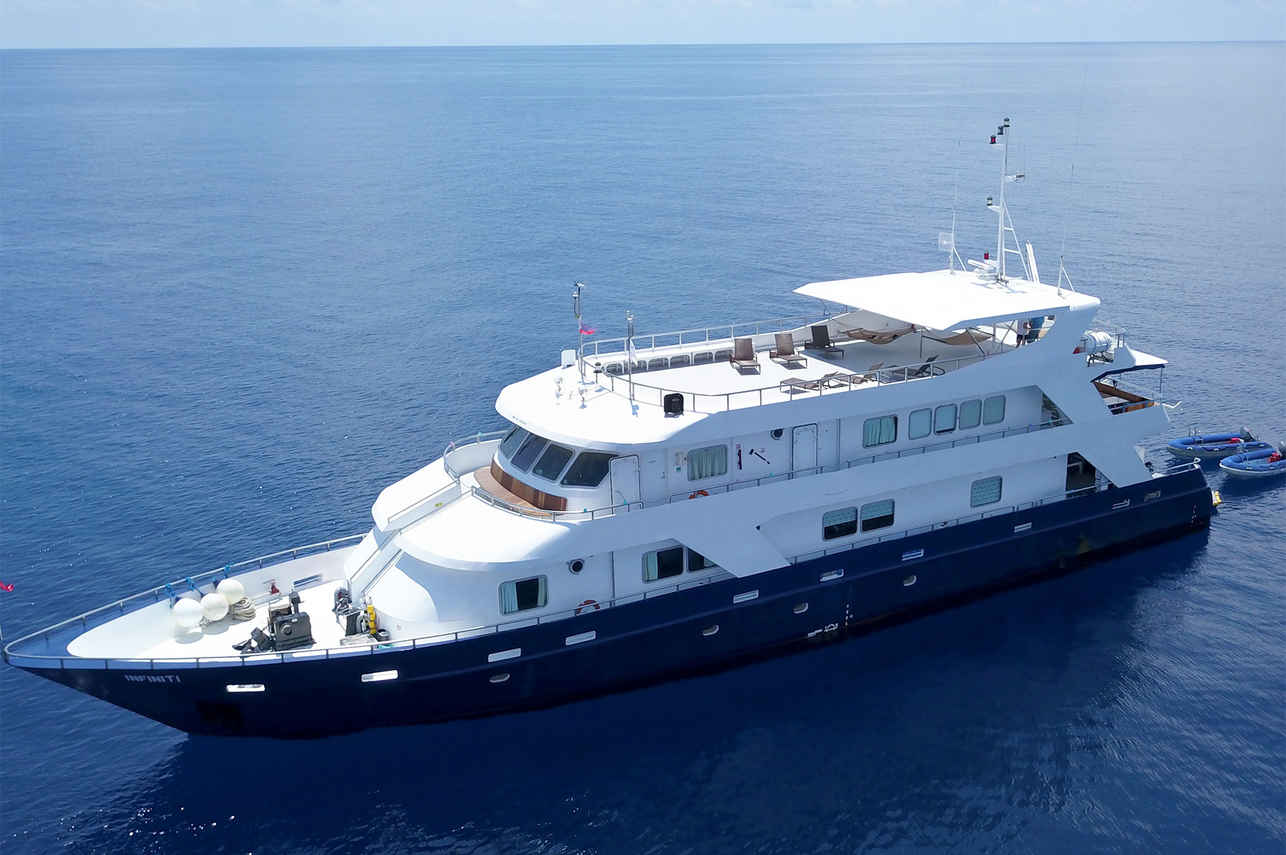
Infiniti
Philippines
25 guests39 m
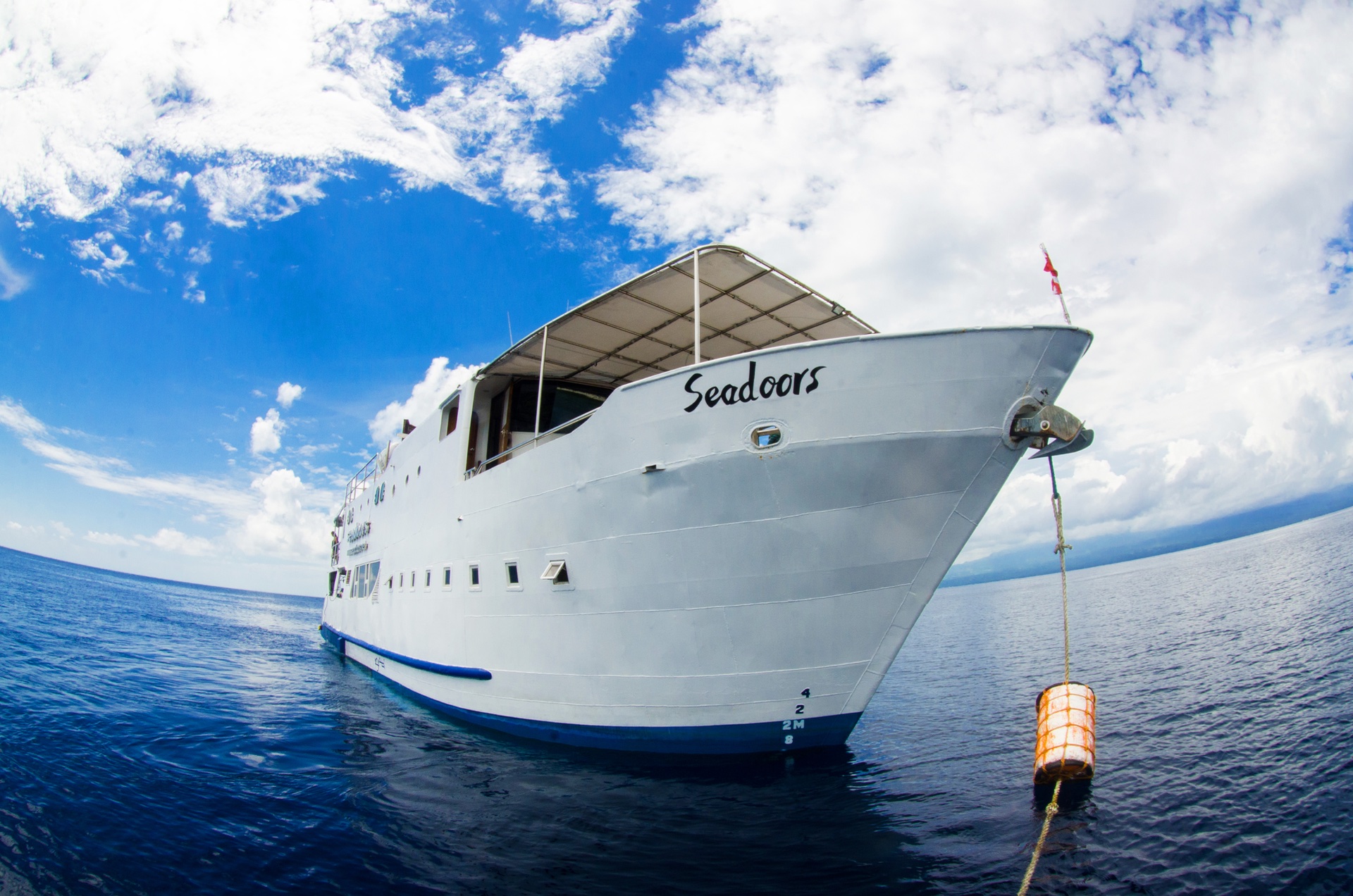
Seadoors
Philippines
16 guests25 m
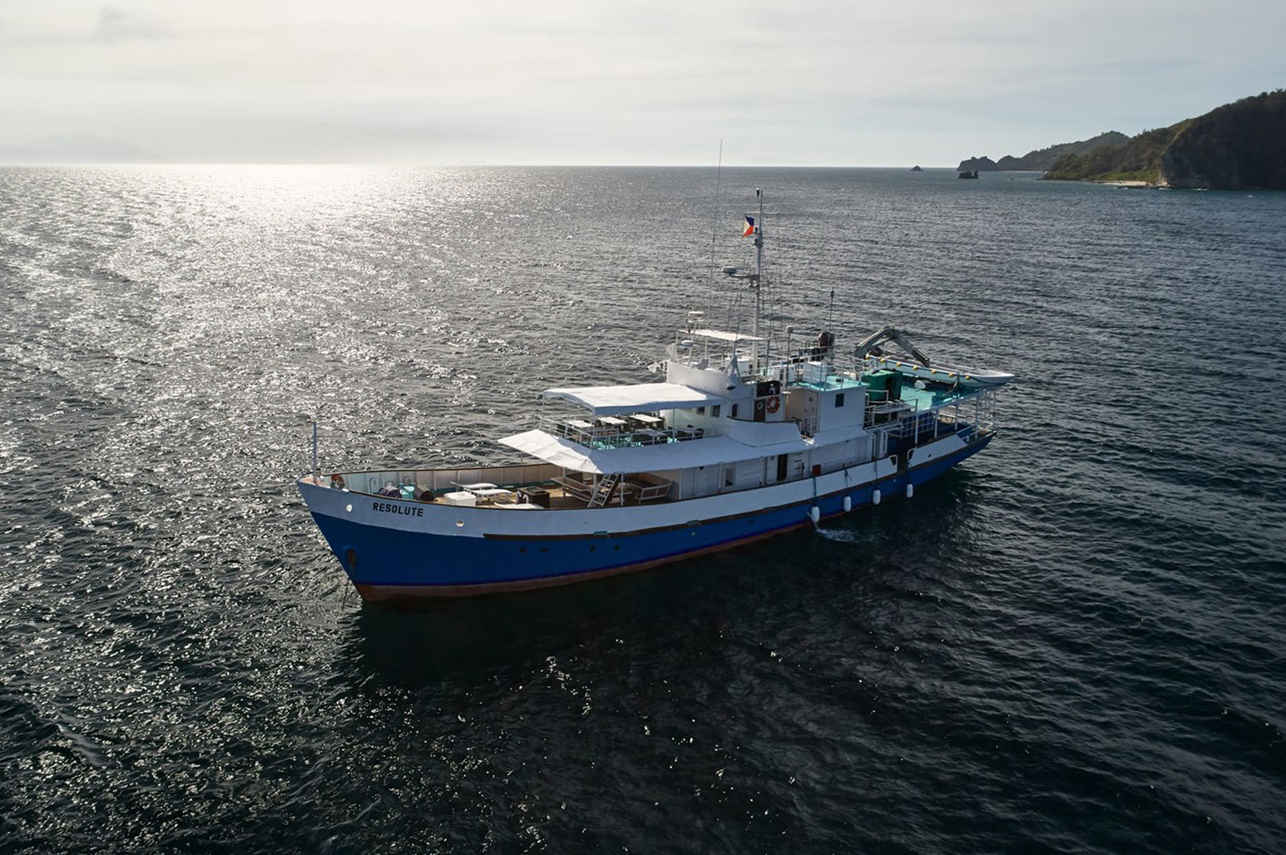
Resolute
Philippines
16 guests35 m
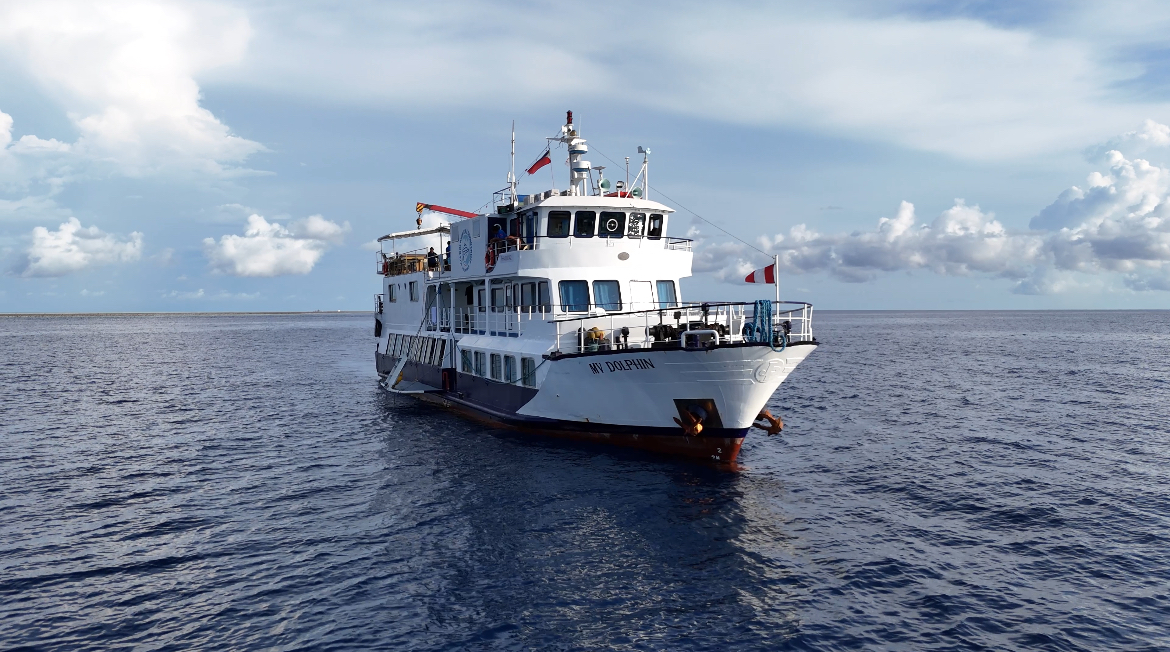
Dolphin
Philippines
18 guests31 m
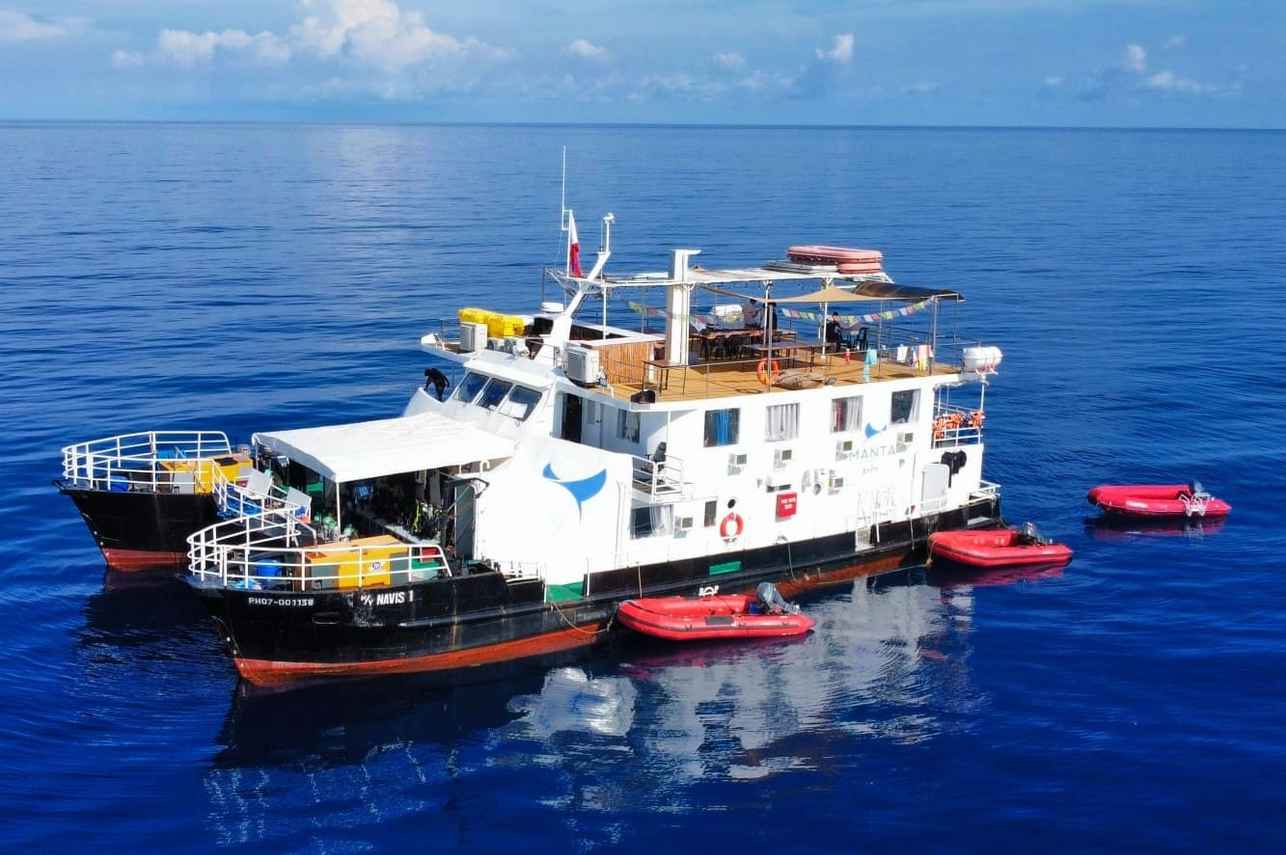
Navis 1
Philippines
22 guests23 m
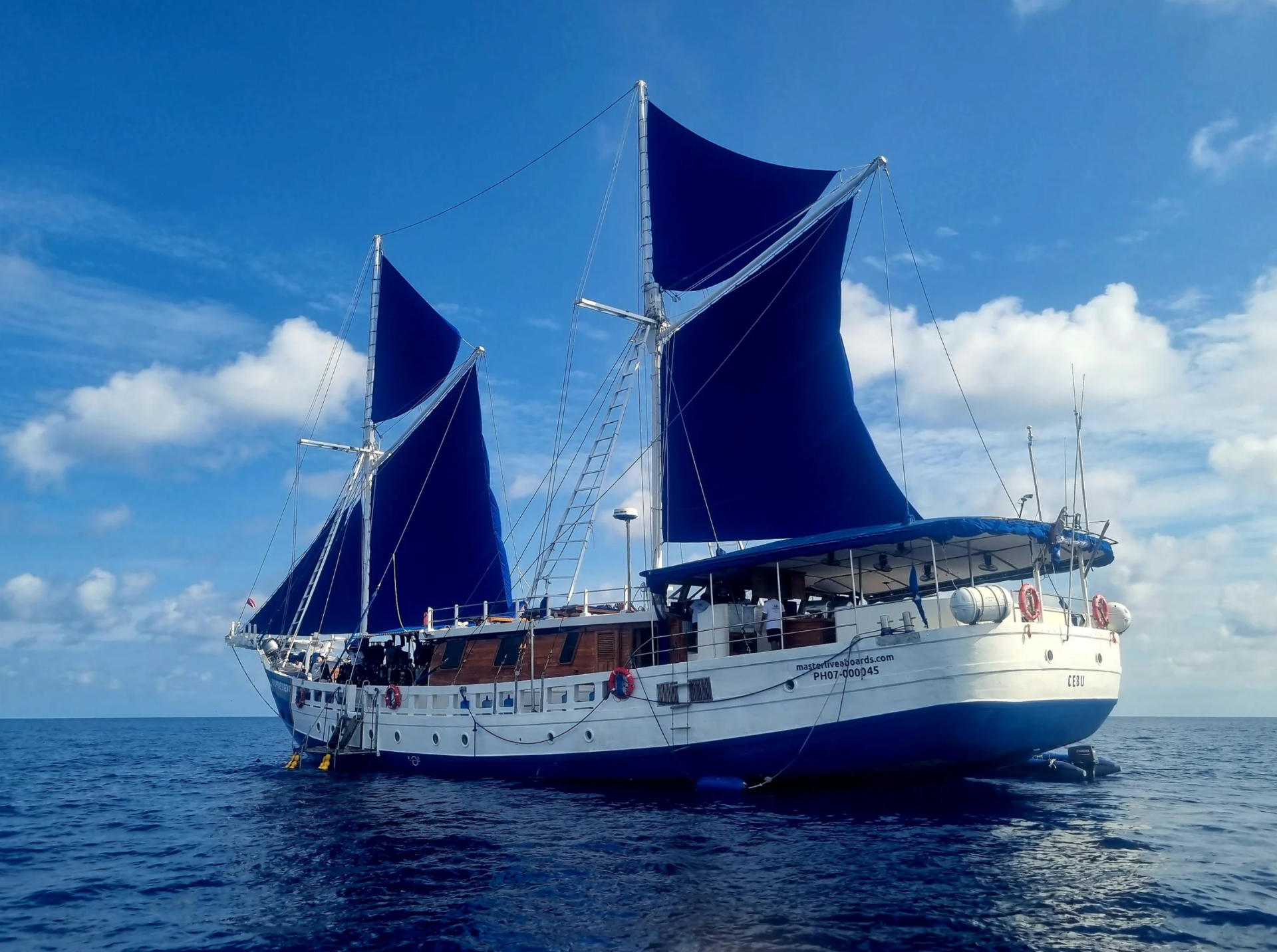
Philippine Siren
Philippines
16 guests
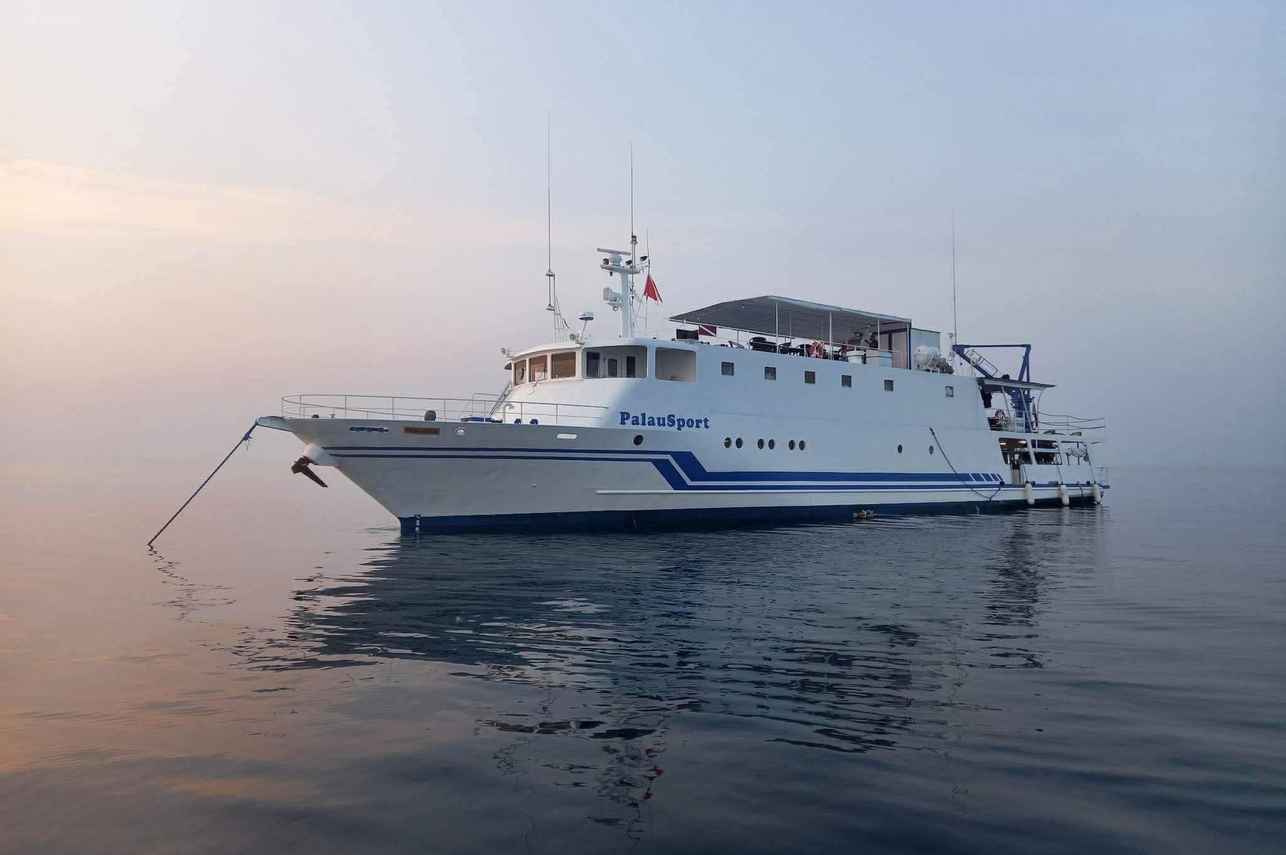
Palau Sport
Philippines
24 guests38 m
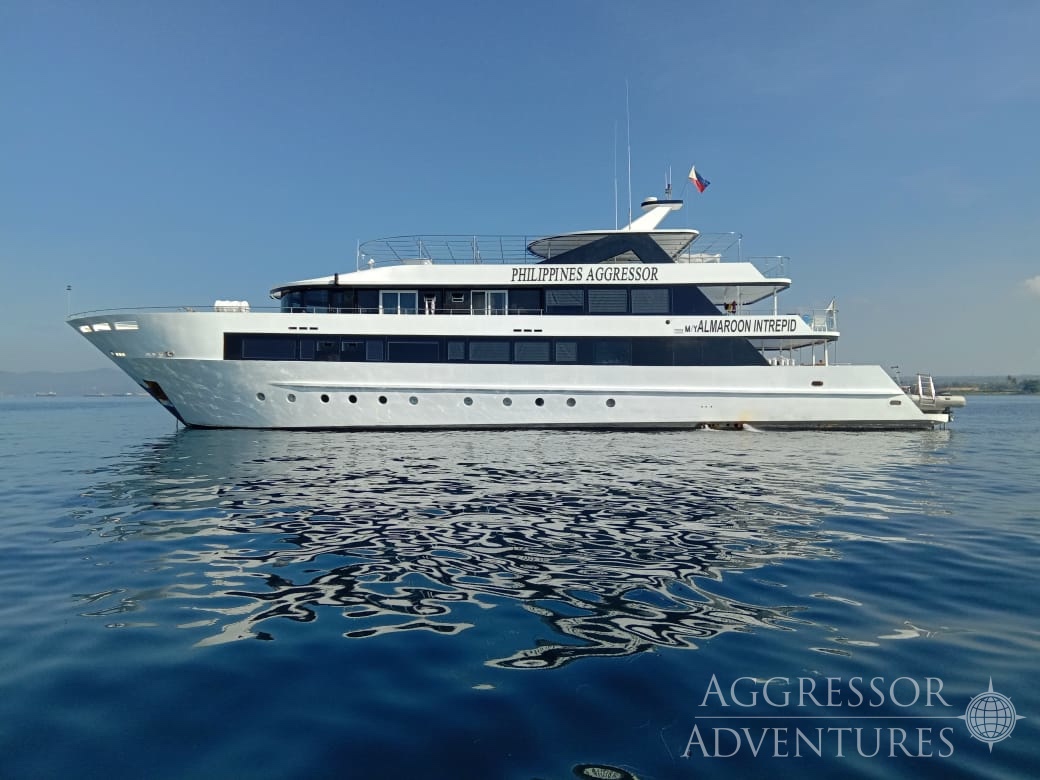
Philippines Aggressor
Philippines
26 guests43 m
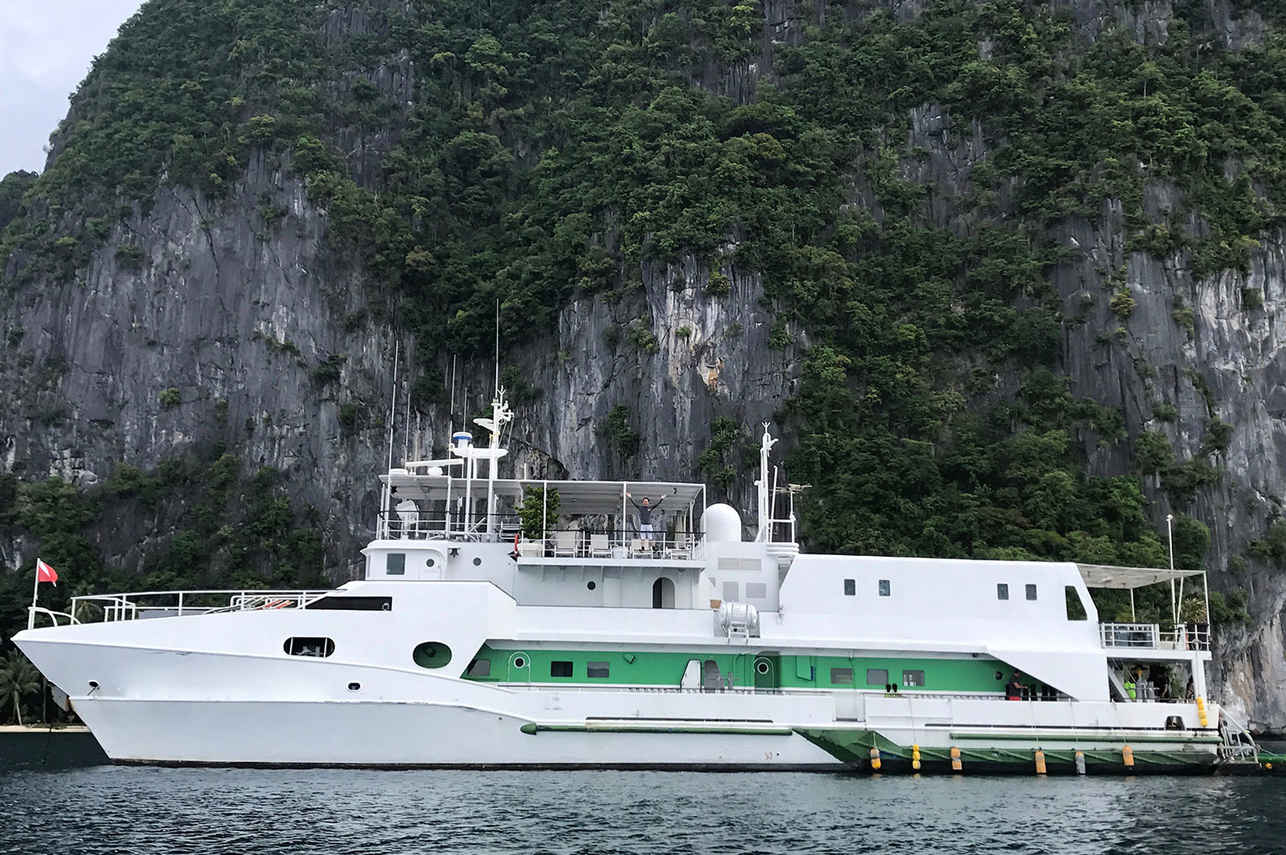
Stella Maris Explorer
Philippines
20 guests33 m
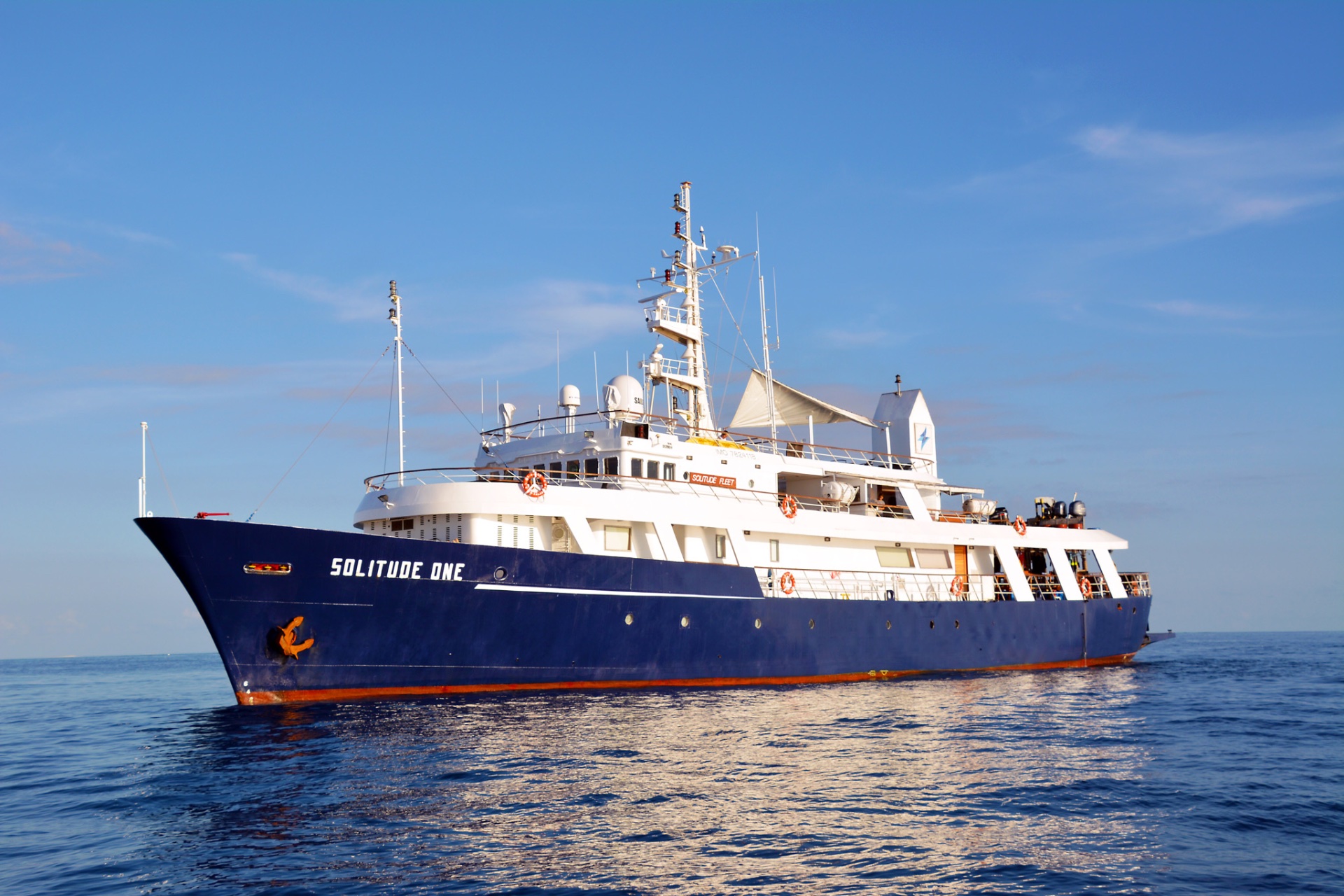
Solitude One
Philippines
24 guests52 m
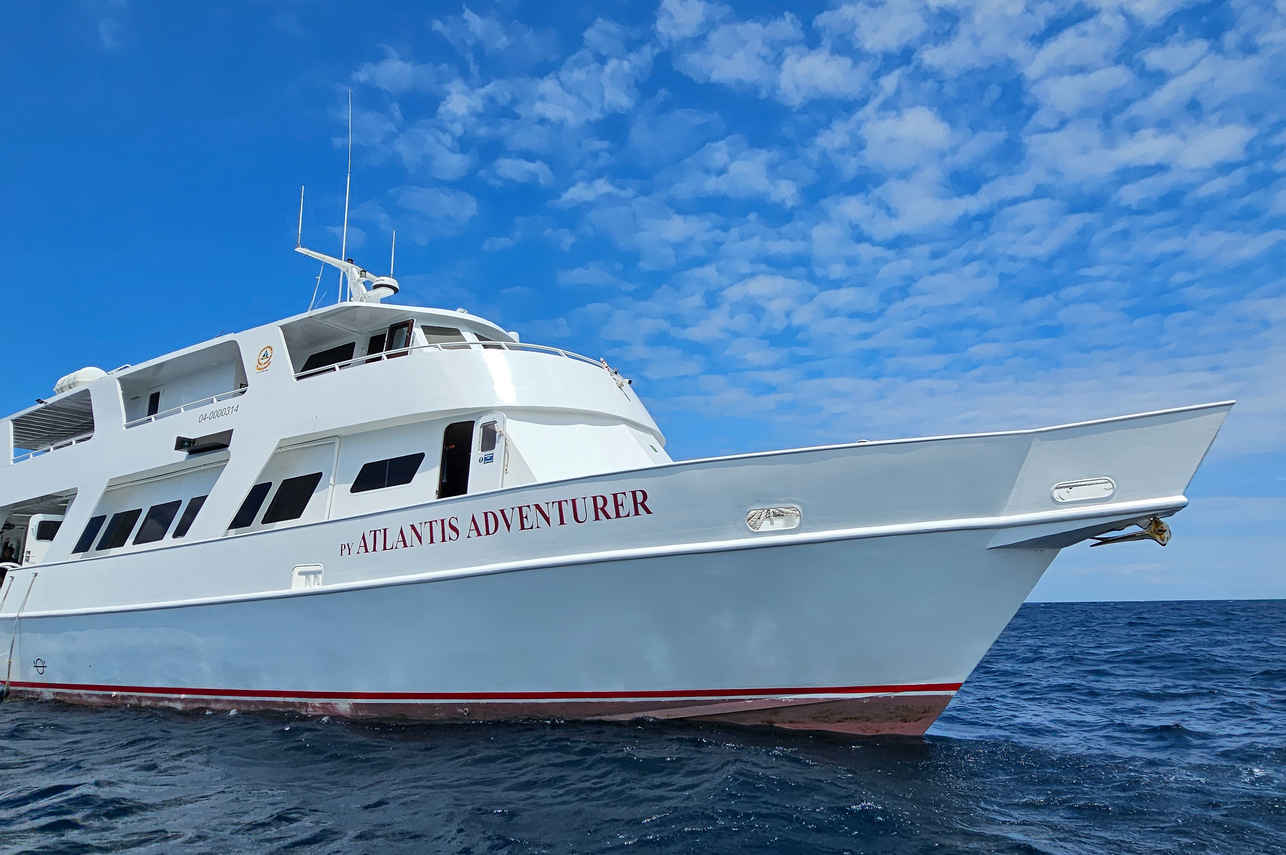
Atlantis Adventurer
Philippines
16 guests33 m
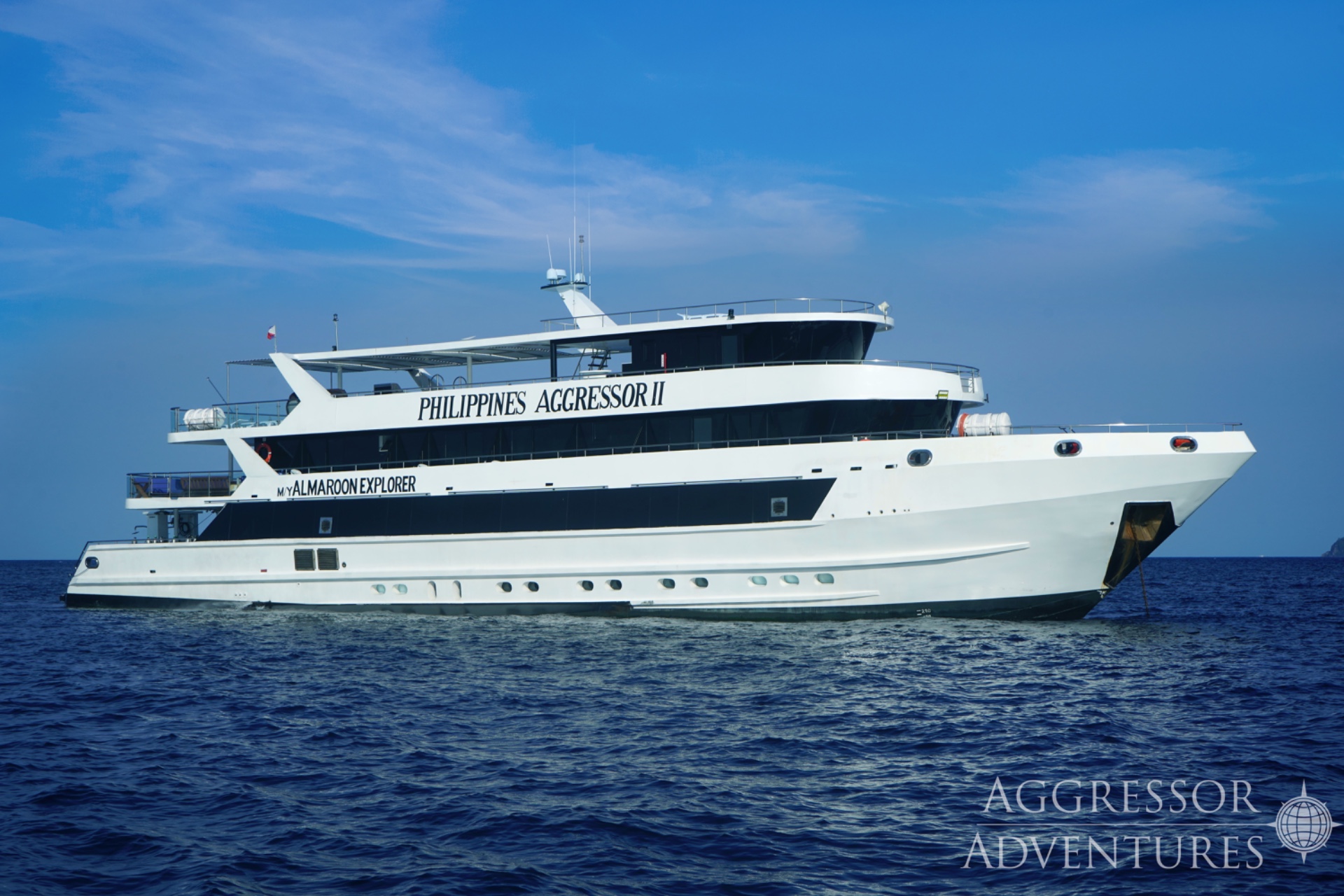
Philippines Aggressor II
Philippines
26 guests43 m
Dive sites similar to Pamilacan Island
Same character, same waters — six more sites divers love for the exact same reasons.Compare seasons, access and liveaboard routes — then pick the site that fits your trip best.
Abila is a notable dive site located within the Alor Islands Marine Park, an area celebrated for its rich marine biodiversity due to its position in the Coral Triangle.
- Suitable for
- Beginner
- Current
- Mild
- Access
- Liveaboard only
- Depth
- —
- Theme
- Reef
© Esri — Maxar, Earthstar, GIS
Adonara Channel
Alor
Adonara Channel stands as one of Alor's most iconic dive sites, celebrated for its dynamic currents and exceptionally rich biodiversity.
- Suitable for
- Advanced
- Current
- Strong
- Access
- Liveaboard or dayboat
- Depth
- 10–40 m
- Theme
- Drift / Wall
© Esri — Maxar, Earthstar, GIS
Adonara Wall
Indonesia
Adonara is an Indonesian island dive site, renowned for its vibrant underwater topography characterized by submerged seamounts.
- Suitable for
- Intermediate
- Current
- Strong
- Access
- Liveaboard or dayboat
- Depth
- 5–35 m
- Theme
- Seamount / Wall
© Esri — Maxar, Earthstar, GIS
Agnay Fish Sanctuary
Philippines
Agnay Fish Sanctuary is nestled in a sheltered bay near the village of Agnay in Romblon, a province celebrated for its rich marine biodiversity.
- Suitable for
- Beginner
- Current
- Mild
- Access
- Dayboat
- Depth
- 9–18 m
- Theme
- Reef
© Esri — Maxar, Earthstar, GIS
Ai Island Reef
Banda Sea
Ai Island Reef, nestled within the Banda Sea, offers a remarkable diving experience characterized by its rich marine biodiversity and varied underwater topography.
- Suitable for
- Beginner
- Current
- Strong
- Access
- Liveaboard only
- Depth
- 3–30 m
- Theme
- Reef / Seamount
© Esri — Maxar, Earthstar, GIS
Akitsushima
Philippines
The Akitsushima is a distinguished World War II Japanese seaplane tender, sunk in September 1944 during an American air raid in Coron Bay, Palawan.
- Suitable for
- Advanced
- Current
- Strong
- Access
- Dayboat
- Depth
- 22–38 m
- Theme
- Wreck