About Doini Island
Doini Island, nestled near Papua New Guinea's capital Port Moresby, provides a serene escape with excellent diving opportunities. This location is renowned for its calm, clear waters and abundant marine biodiversity, making it a popular choice for both new and experienced divers seeking vibrant reef ecosystems close to an urban hub. The dive sites around Doini Island feature sloping coral reefs, dramatic reef walls, and isolated bommies, all teeming with life from macro critters to larger pelagics. The underwater topography here includes colorful coral gardens, impressive walls adorned with soft and hard corals, and healthy seagrass beds. Depths typically range from shallow, sheltered areas suitable for beginners, to deeper reef edges where advanced divers can explore. The protected bays surrounding the island ensure generally calm conditions, although occasional currents can bring nutrients and enhance marine activity. Marine life sightings are consistent year-round, with the warmer months between October and March often bringing peak visibility and calm seas. Divers can frequently encounter various species of reef fish, turtles, and an array of invertebrates, making every dive a discovery. The proximity to Port Moresby also means relatively easier access compared to more remote PNG destinations, offering a balance of convenience and pristine underwater experiences. Doini Island offers a mix of guided shore-entry dives and short boat trips to nearby reefs, providing flexibility for different preferences. The area is particularly celebrated for its macro photography subjects and picturesque reefscapes, appealing to divers who appreciate detailed observation and stunning natural beauty. It's an ideal spot to unwind and immerse yourself in Papua New Guinea's rich marine environment.
Highlights
Vibrant coral reefsDiverse macro lifeCalm, clear watersEasy accessibilityPicturesque reef wallsPelagic encounters
Season calendar
Best months to dive here
Jan
Feb
Mar
Apr
May
Jun
Jul
Aug
Sep
Oct
Nov
Dec
Excellent
Good
Dive site facts: Doini Island
- Depth
- 5–30 m
- Typical dive
- 12–25 m, 50–60 min
- Current
- Mild to moderate
- Visibility
- 20–40 m
- Water temperature
- 26–31°C
- Entry
- Tender / Shore entry
- Level
- Beginner to Advanced
- Dive type
- Reef, wall, macro
- Night dive
- Possible
- Region / port
- Milne Bay, Papua Region
- Coordinates
- -10.31, 150.73
Conditions & Currents
The waters around Doini Island are typically calm and protected, particularly within its bays, offering a comfortable diving experience for most skill levels. While strong currents are not a dominant feature, gentle flows can occasionally be present, especially on outer reef sections, which contribute to the health and vibrancy of the coral ecosystems by bringing in nutrients. Visibility often ranges from good to excellent, but can be influenced by weather patterns and local plankton blooms, though these are less common during the dry season. Entry and exit are generally straightforward, often from tender boats or direct shore entries, allowing for relaxed preparation and conclusion of dives. Divers should always be mindful of local conditions and follow guide briefings, especially regarding any subtle current changes that might occur.
Marine life & sighting chances
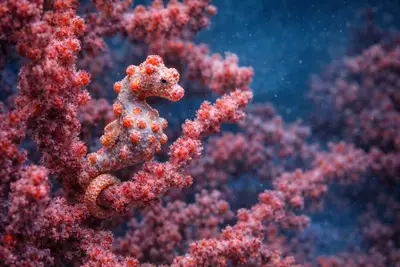
Pygmy Seahorse
Year-round · occasional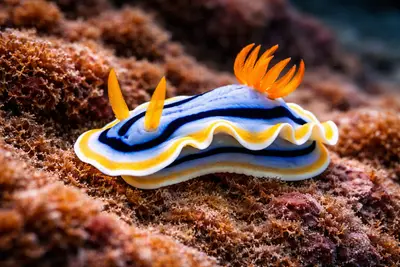
Nudibranchs
Year-round · common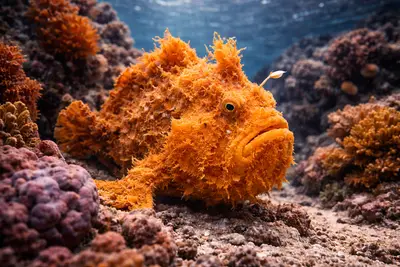
Frogfish
Year-round · occasional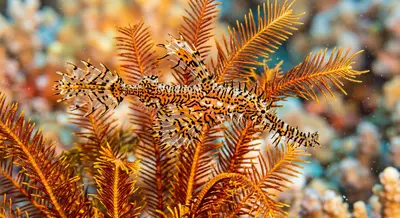
Pipefish
Year-round · common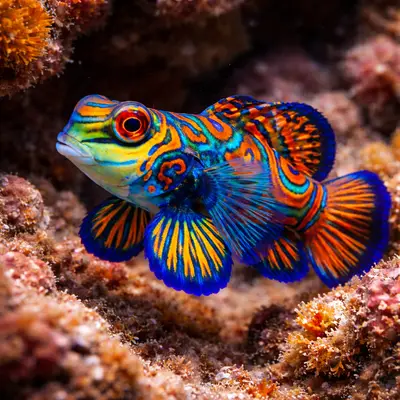
Mandarin Fish
Year-round · occasional
Reef Sharks
Year-round · occasional
Barracuda
Year-round · occasional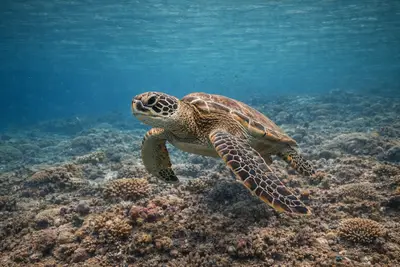
Turtles
Year-round · common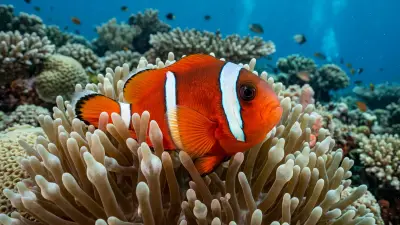
Anemonefish
Year-round · common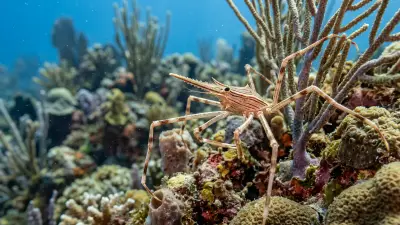
Crabs
Year-round · common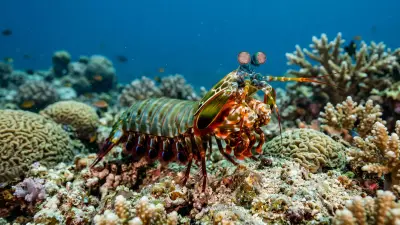
Shrimp
Year-round · commonDive profile & how the dive runs
Dives around Doini Island typically begin with a boat drop-off directly above the chosen reef, or occasionally a shore entry for sheltered sites. The initial descent often follows a gentle slope or reef wall, allowing divers to explore the vibrant coral gardens and discover a rich diversity of macro life. A common route involves tracing the contour of a reef, maintaining a comfortable depth between 15-25 meters, where sponges and fan corals are prominent. As the dive progresses, shallower sections of the reef or bommies are explored, offering opportunities for wide-angle photography of schooling fish and healthy coral formations. Turn points are usually dictated by air consumption or bottom time, with a gradual ascent back towards the boat. Safety stops are conducted in the tranquil, shallower waters, often providing a final chance to observe small reef inhabitants before surfacing.
Underwater photography
Doini Island offers excellent photography opportunities for both macro and wide-angle enthusiasts due to its diverse marine life and healthy reefs. For macro subjects, a dedicated macro lens is highly recommended to capture the intricate details of nudibranchs, pygmy seahorses, and various critters. Good lighting, such as a focus light, will assist in sharp focusing. For wide-angle photography, a fisheye or wide-angle rectilinear lens will beautifully showcase the expansive coral gardens, reef walls, and schooling fish. External strobes are beneficial for color rendition and contrast, especially in deeper sections or for lighting up crevices. Maintaining excellent buoyancy is crucial to avoid disturbing delicate corals and to get close to shy subjects without silting. Be patient with marine life and observe their behavior for the best shots, giving them space.
Combine with nearby dive sites
Getting there & logistics
Access to Doini Island typically involves flying into Port Moresby's Jacksons International Airport (POM). From there, connections to Alotau, the provincial capital of Milne Bay, are available, followed by a boat transfer to Doini Island. Liveaboard trips often include Doini Island as part of a broader Milne Bay itinerary, offering a convenient way to explore multiple sites without repeated transfers. Land-based resorts in the region also facilitate daily dive excursions to the surrounding areas. Trip lengths can vary, from short weekend getaways to week-long liveaboard expeditions. Papua New Guinea requires a visa for most international visitors, which should be secured prior to arrival. There are generally no specific dive site fees for Doini Island beyond what is included in your dive package.
Safety & environment
Diving in Papua New Guinea, including Doini Island, requires adherence to standard safety protocols and a robust approach to dive insurance. The nearest recompression chamber is located in Port Moresby, making prompt evacuation potentially complex and time-consuming in the event of a dive emergency. Comprehensive dive insurance, specifically covering emergency evacuation and hyperbaric treatment, is therefore non-negotiable. Dive operations around Doini Island are typically run by experienced local guides who are familiar with the area's conditions. Always follow their briefings, maintain conservative dive profiles, and ensure your equipment is well-maintained. Be aware of boat traffic when surfacing and maintain situational awareness, particularly in areas with mild currents. Divers should always dive within their certification limits and consider refresher courses if they have not dived recently.
Who it suits — and who it doesn't
Suited for
- Beginner divers looking for calm conditions
- Macro photographers
- Underwater naturalists
- Divers seeking vibrant reef ecosystems
- Those who appreciate uncrowded dive sites
Less suited for
- Divers solely seeking large pelagic action
- Those uninterested in macro life
- Divers on a very tight budget
- Individuals who prefer strong drift dives
- Anyone without comprehensive dive insurance
FAQ
Doini Island FAQ
What kind of marine life can I expect to see at Doini Island?
Doini Island boasts a rich variety of marine life, including numerous macro critters like nudibranchs, pygmy seahorses, and various pipefish. You can also spot colorful reef fish, sea turtles, and occasional reef sharks. The healthy coral ecosystems support a diverse range of species, making every dive an exciting discovery.
Are the currents strong around Doini Island?
The waters around Doini Island are generally calm and protected, especially within the bays. While strong currents are not typical, mild currents can sometimes be encountered on outer reef sections. These gentle flows often contribute to the abundance of marine life and are usually manageable for most divers.
When is the best time to dive Doini Island?
The prime diving season for Doini Island and the surrounding Port Moresby area is from November to early December. During these months, conditions are typically ideal with calm seas and excellent visibility, ensuring the best possible underwater experience.
Is Doini Island suitable for beginner divers?
Yes, Doini Island is very suitable for beginner divers. The calm and protected waters, coupled with accessible reef sites, provide an excellent environment for learning and gaining confidence underwater. Guided shore-entry dives and short boat trips offer varied experiences for all skill levels.
How do I get to Doini Island?
To reach Doini Island, you first fly into Port Moresby (POM) and then take a domestic flight to Alotau. From Alotau, you arrange a boat transfer to Doini Island. Many dive resorts and liveaboards include these transfers as part of their package, streamlining your journey to this idyllic dive destination.
Why dive Doini Island from a liveaboard?
Doini Island is one of Papua New Guinea's signature dive sites. A liveaboard sleeps you on the water and puts you in the water for three to four guided dives per day, including dawn and night dives that day-boat operators rarely offer. You skip the daily commute back to port and reach quieter, less-crowded sites in the same region on a single trip.
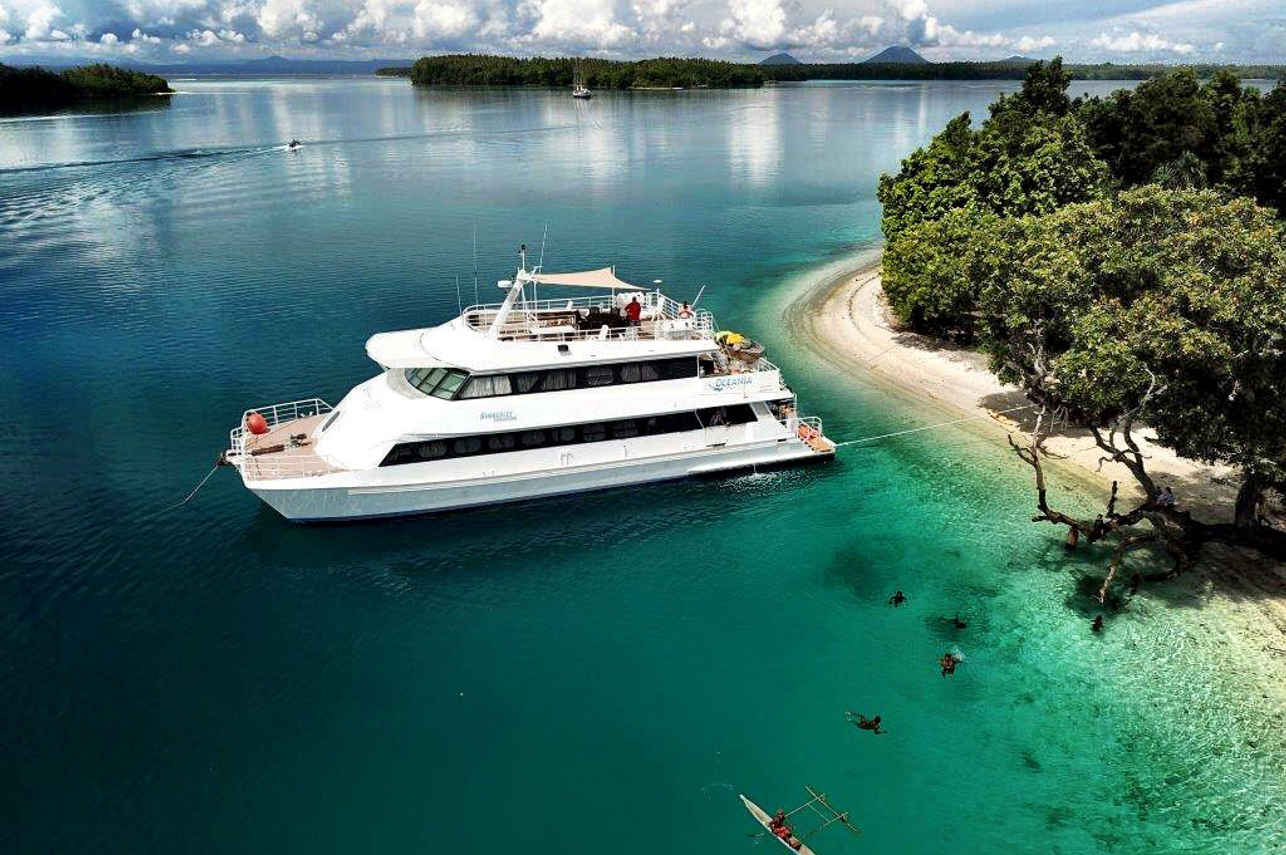
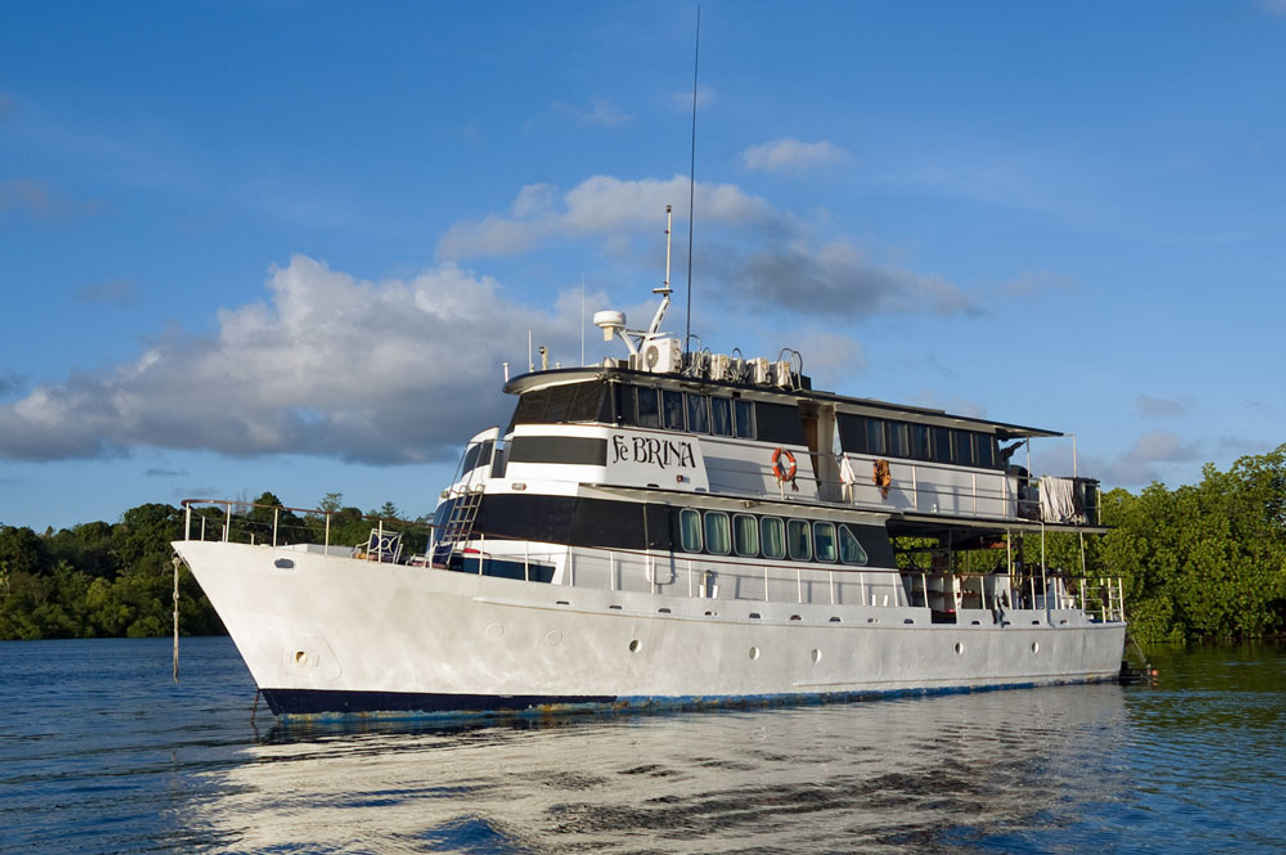
Below are the liveaboards that include Doini Island on their Papua New Guinea itineraries.
Liveaboards diving Doini Island
These liveaboards may visit Doini Island on selected itineraries — the exact dive sites depend on departure, weather and conditions.
Dive sites similar to Doini Island
Same character, same waters — six more sites divers love for the exact same reasons.Compare seasons, access and liveaboard routes — then pick the site that fits your trip best.
© Esri — Maxar, Earthstar, GIS
Giants at Home
Papua New Guinea
Giants at Home is a unique dive site nestled in a protected, shallow bay within Milne Bay, Papua New Guinea, specifically known as a thriving manta ray cleaning station.
- Suitable for
- Beginner
- Current
- Mild
- Access
- Liveaboard only
- Depth
- 1–8 m
- Theme
- Reef
© Esri — Maxar, Earthstar, GIS
Lissenung Island Reef
Papua New Guinea
Lissenung Island Reef is the house reef surrounding approximately two-thirds of Lissenung Island, located near Kavieng in Papua New Guinea.
- Suitable for
- Beginner
- Current
- Moderate
- Access
- Shore / dayboat
- Depth
- 2–10 m
- Theme
- Reef
© Esri — Maxar, Earthstar, GIS
Bermuda Drop
Papua New Guinea
Bermuda Drop is a notable wall drift dive located near Kavieng, Papua New Guinea, offering an experienced diver a journey along an impressive underwater cliff.
- Suitable for
- Advanced
- Current
- Moderate
- Access
- Liveaboard only
- Depth
- 3–26 m
- Theme
- Wall / Drift
© Esri — Maxar, Earthstar, GIS
Banana Bommie
Papua New Guinea
Banana Bommie is a prominent and highly regarded dive site situated at the northern mouth of Milne Bay in Papua New Guinea.
- Suitable for
- Advanced
- Current
- Moderate
- Access
- Liveaboard only
- Depth
- ≤ 40 m
- Theme
- Reef / Pinnacle
© Esri — Maxar, Earthstar, GIS
End Bommie
Papua New Guinea
End Bommie is a renowned dive site located in Bootless Bay, near Port Moresby, Papua New Guinea.
- Suitable for
- Advanced
- Current
- Strong
- Access
- Liveaboard or dayboat
- Depth
- 6–30 m
- Theme
- Reef / Wall