About Stuart Cove's Wall
Stuart Cove's Wall dive site, located on the southwest side of New Providence Island in the Bahamas, provides dramatic underwater topography where the Tongue-of-the-Ocean trench meets the shallow reefs. This unique geological feature, resembling a water-filled Grand Canyon, plunges to depths of 6,000 feet, creating an environment rich in nutrients. This upwelling supports abundant marine life, drawing large pelagic species close to the shore. Underwater visibility is consistently clear throughout the year, often reaching impressive distances. Even after a storm, clear conditions quickly return as tidal changes sweep suspended sediments over the trench's edge. This area is highly regarded for its diverse diving opportunities, including shallow reefs that bustle with activity. The deeper wall sections are a draw for larger marine encounters. Divers can expect to explore vibrant, healthy coral formations across the wall's expanse, which serve as refuge for numerous Caribbean tropicals. The site is particularly famous for its incredible shark encounters. Caribbean reef sharks are abundant, and divers frequently see them in their natural habitat, often keeping a respectful distance. Goliath Groupers are also common, particularly around nearby wrecks that sit at the wall's edge. Beyond sharks and groupers, the area is home to a variety of other marine creatures including hawksbill turtles, moray eels, schooling horse-eyed jacks, and southern stingrays. These protected waters contribute to a more relaxed demeanor among marine life, leading to extended and more interactive experiences. The Stuart Cove's Wall dive site caters to various diving preferences, from vibrant shallow reefs to dramatic wall drop-offs. The proximity of the deep Tongue-of-the-Ocean to the New Providence coastline ensures consistent marine biodiversity. The consistently clear waters and the sheer abundance of marine life, including significant pelagic species and a high concentration of sharks, make this a premier diving destination. The site is a short boat ride from the dive center, offering convenient access to these remarkable underwater landscapes.
Highlights
Caribbean Reef SharksNurse Sharks
Season calendar
Best months to dive here
Jan
Feb
Mar
Apr
May
Jun
Jul
Aug
Sep
Oct
Nov
Dec
Excellent
Good
Dive site facts: Stuart Cove's Wall
- Depth
- 5–6000 ft (deep wall)
- Typical dive
- 15–24 m, 50–60 min
- Current
- Mild
- Visibility
- 24–30 m
- Water temperature
- 22–29°C
- Entry
- Boat
- Level
- All levels, AOWD for deeper wall sections
- Dive type
- Wall, reef, wreck, shark encounter
- Night dive
- Possible (minimum 6 guests)
- Region / port
- New Providence Island / Nassau
- Coordinates
- 24.985, -77.525
Conditions & Currents
Currents at Stuart Cove's Wall are generally mild, thanks to the island's natural protection on the southwest side of New Providence. The geographic location ensures consistent, clear visibility, even after storms, as heavy sand settles rapidly and the deep Tongue of the Ocean draws away much of the debris. Divers can expect a relaxed drift along the wall, but should always be mindful of local conditions and follow dive guides. Entry and exit are typically from boats, which are well-equipped with safety gear. Thermoclines are generally not a significant concern in the shallower sections, but deeper parts of the wall extending into the Tongue of the Ocean will naturally experience colder temperatures.
Marine life & sighting chances
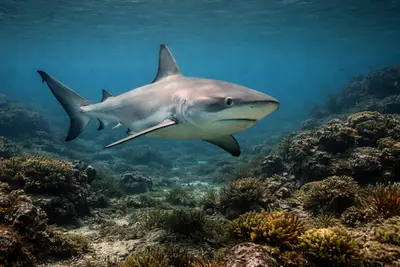
Caribbean reef shark
common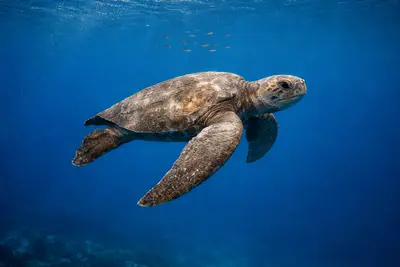
Loggerhead sea turtle
occasional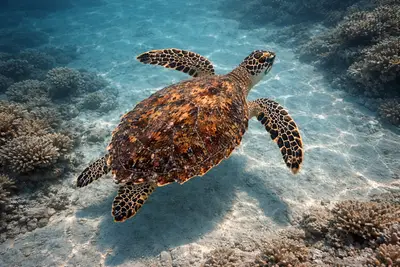
Hawksbill sea turtle
occasional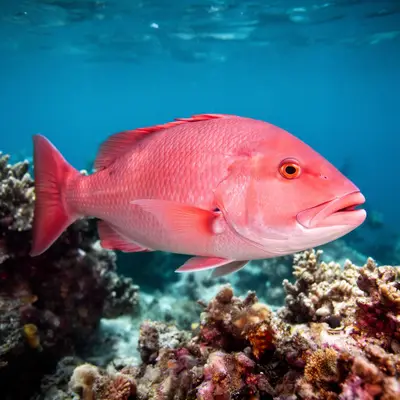
Yellowtail snapper
common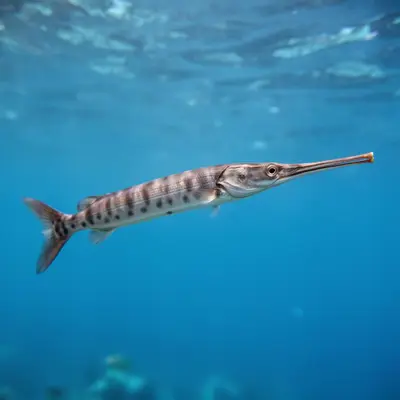
Trumpetfish
common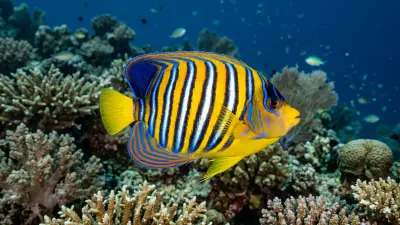
Angelfish
common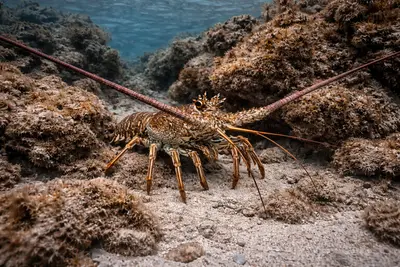
Spiny lobster
common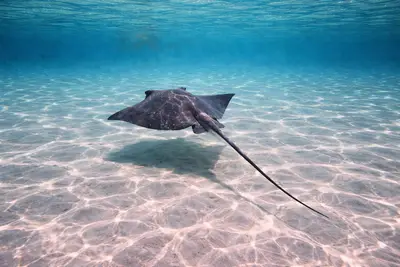
Southern stingray
occasional
Barracuda
common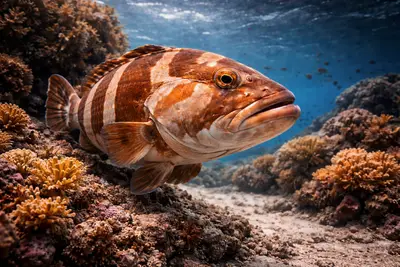
Nassau grouper
common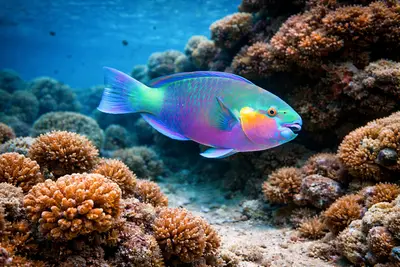
Parrotfish
common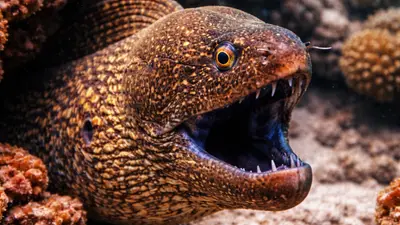
Moray eel
commonDive profile & how the dive runs
A typical dive day begins with a deeper dive along the Tongue of the Ocean wall, often to a maximum depth of 24 meters (80 feet) for approximately 30 minutes. Divers enter from the boat, descending to the wall and drifting with the gentle current, observing the vibrant coral formations and reef inhabitants. After a surface interval, the second dive is usually to a shallower reef or wreck, with an average depth of 9 to 15 meters (30 to 50 feet) for 50 to 60 minutes. Safety stops are conducted at 5 meters (15 feet) for three minutes at the end of each dive, often along the shallower reef tops or designated areas near wrecks, ensuring a safe ascent after exploring the diverse underwater topography.
Underwater photography
Stuart Cove's Wall offers exceptional wide-angle photography opportunities due to the consistently excellent visibility, making it ideal for capturing the expansive wall drop-offs, large schools of fish, and shark encounters. A fisheye lens is highly recommended for dramatic reefscapes and shark photography, especially during the dedicated shark feeding dives. Strobes are essential to bring out the true colors of the corals and marine life against the deep blue backdrop. For closer subjects like trumpetfish, angelfish, or lobsters hiding in crevices, a macro lens can be rewarding on shallower reef sections. Maintaining good buoyancy is crucial to avoid damaging the delicate coral structures on the wall and ensuring clear shots. During shark encounters, follow the dive guide's instructions closely and maintain a respectful distance.
Combine with nearby dive sites
Getting there & logistics
Stuart Cove's Dive Bahamas is located on the southwest coast of New Providence Island, approximately 45 minutes from Nassau and Paradise Island resort areas. The primary international gateway is Lynden Pindling International Airport (NAS) in Nassau, with numerous flights from the US and other international destinations. Many divers choose to stay at local resorts, and Stuart Cove's provides convenient bus and van transportation between partner hotels and the dive center, eliminating the need for rental cars. Two-tank dive trips are offered both morning and afternoon, with dedicated shark dives available. Liveaboard options also depart from Nassau or Freeport, often combining diving around New Providence with other Bahamian islands. Trip lengths typically range from a few days for resort-based diving to a week for liveaboard itineraries. Most dive sites do not require special permits, but shark diving excursions may involve additional costs.
Safety & environment
Stuart Cove's Dive Bahamas operates with a strong emphasis on safety, employing PADI-certified divemasters and adhering to strict protocols. All boats are equipped with DAN O2 Kits and First Aid Kits. The nearest recompression chamber is located in Nassau, ensuring access to medical assistance if needed, though evacuation to mainland US hospitals is also a consideration for severe cases. Dive insurance, including coverage for hyperbaric treatment and evacuation, is highly recommended for all divers. Site-specific hazards include potential encounters with marine life, especially sharks during feeding dives, where strict adherence to the dive brief and maintaining position is critical. Divers should always follow their dive guide's instructions, check their gear thoroughly, and remain aware of their surroundings. Night dives require a minimum of 6 guests to ensure adequate supervision.
Who it suits — and who it doesn't
Suited for
- Divers seeking dramatic wall diving
- Divers interested in shark encounters
- Underwater photographers (wide-angle)
- All certification levels (with guidance for deeper sections)
- Divers preferring shore-based operations with transport
Less suited for
- Divers seeking pristine, untouched reefs
- Divers easily intimidated by sharks
- Those who dislike structured, high-volume operations
- Divers without proper dive insurance
- Individuals sensitive to boat travel
FAQ
Stuart Cove's Wall FAQ
What kind of sharks can I see at Stuart Cove's Wall?
At Stuart Cove's Wall and during their dedicated shark dives, you can consistently encounter Caribbean reef sharks. These sharks are a regular presence on both wall and reef dives, and even more so during the specially organized shark feeding experiences, offering incredible photographic opportunities.
How deep are the dives at Stuart Cove's Wall?
Dives at Stuart Cove's Wall typically involve a deep wall dive that can reach a maximum of 24 meters (80 feet), with average depths around 15 to 21 meters (50 to 70 feet). The wall itself plunges into the Tongue of the Ocean to depths of 6,000 feet, but recreational dives stay within safe limits.
Is Stuart Cove's suitable for beginner divers?
Yes, Stuart Cove's offers diving opportunities for all certification levels. While the deep wall dives are more suited for advanced divers, shallower reef and wreck sites are accessible to beginners. They also provide a 'Learn To Dive Program' for those new to the sport, which includes an ocean dive under instructor supervision.
What are the water temperatures throughout the year?
Water temperatures at Stuart Cove's vary seasonally. From January to March, temperatures are typically 22-23°C (72-74°F). April to May sees a slight increase to 24-26°C (75-78°F). The warmest months, June to August, range from 27-29°C (80-85°F), while September to October cools slightly to 25-27°C (78-80°F). November and December return to 22-26°C (72-78°F).
Are there night dives available at Stuart Cove's?
Yes, night dives are available on selected evenings at Stuart Cove's Dive Bahamas. However, these require a minimum of six guests to operate. It is advisable to inquire about the schedule and availability when booking your dive trip.
Why dive Stuart Cove's Wall from a liveaboard?
Stuart Cove's Wall is one of Bahamas's signature dive sites. A liveaboard sleeps you on the water and puts you in the water for three to four guided dives per day, including dawn and night dives that day-boat operators rarely offer. You skip the daily commute back to port and reach quieter, less-crowded sites in the same region on a single trip.
Below are the liveaboards that include Stuart Cove's Wall on their Bahamas itineraries.
Liveaboards diving Stuart Cove's Wall
These liveaboards may visit Stuart Cove's Wall on selected itineraries — the exact dive sites depend on departure, weather and conditions.
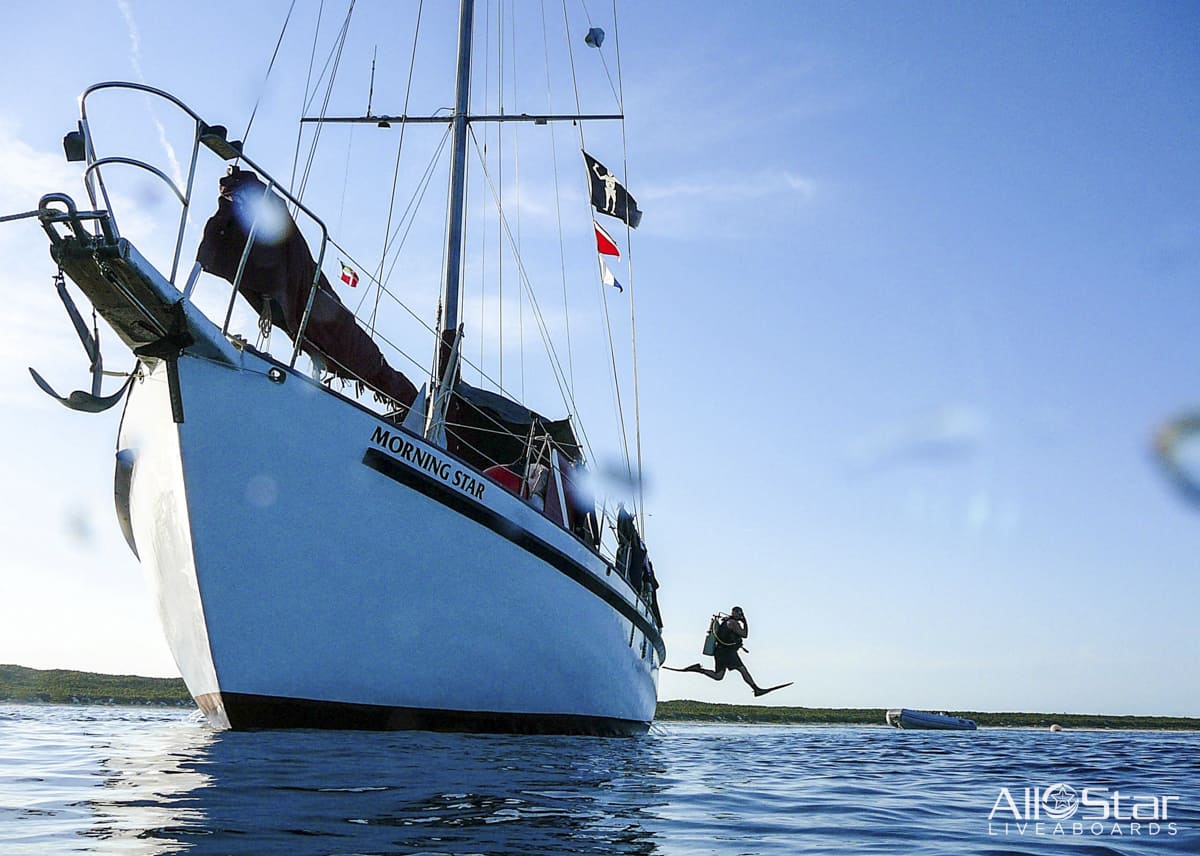
All Star Blackbeards Morning Star
Bahamas
24 guests19.81 m
$156/day
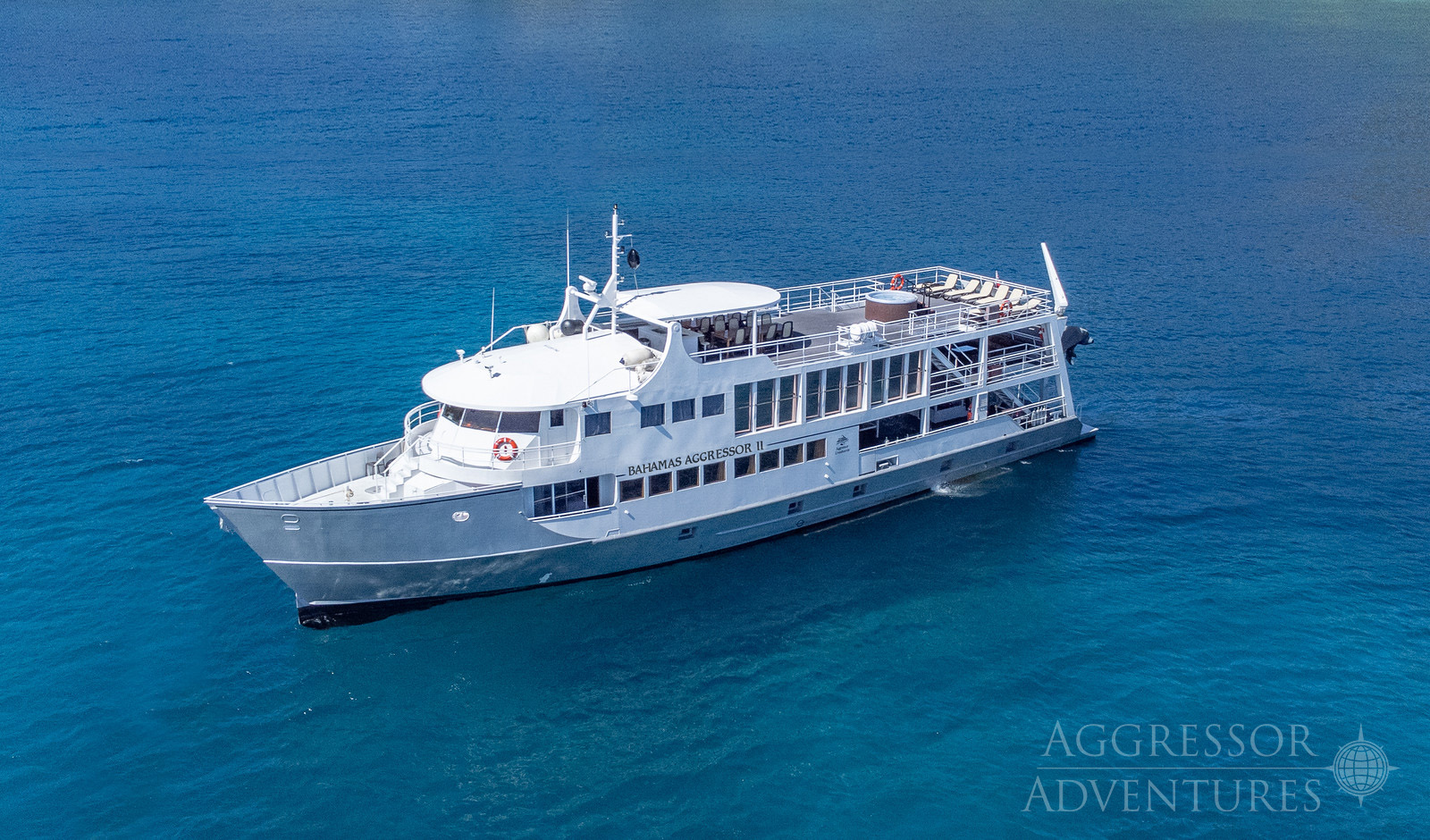
Bahamas Aggressor II
Bahamas
20 guests33.5 m
$328/day
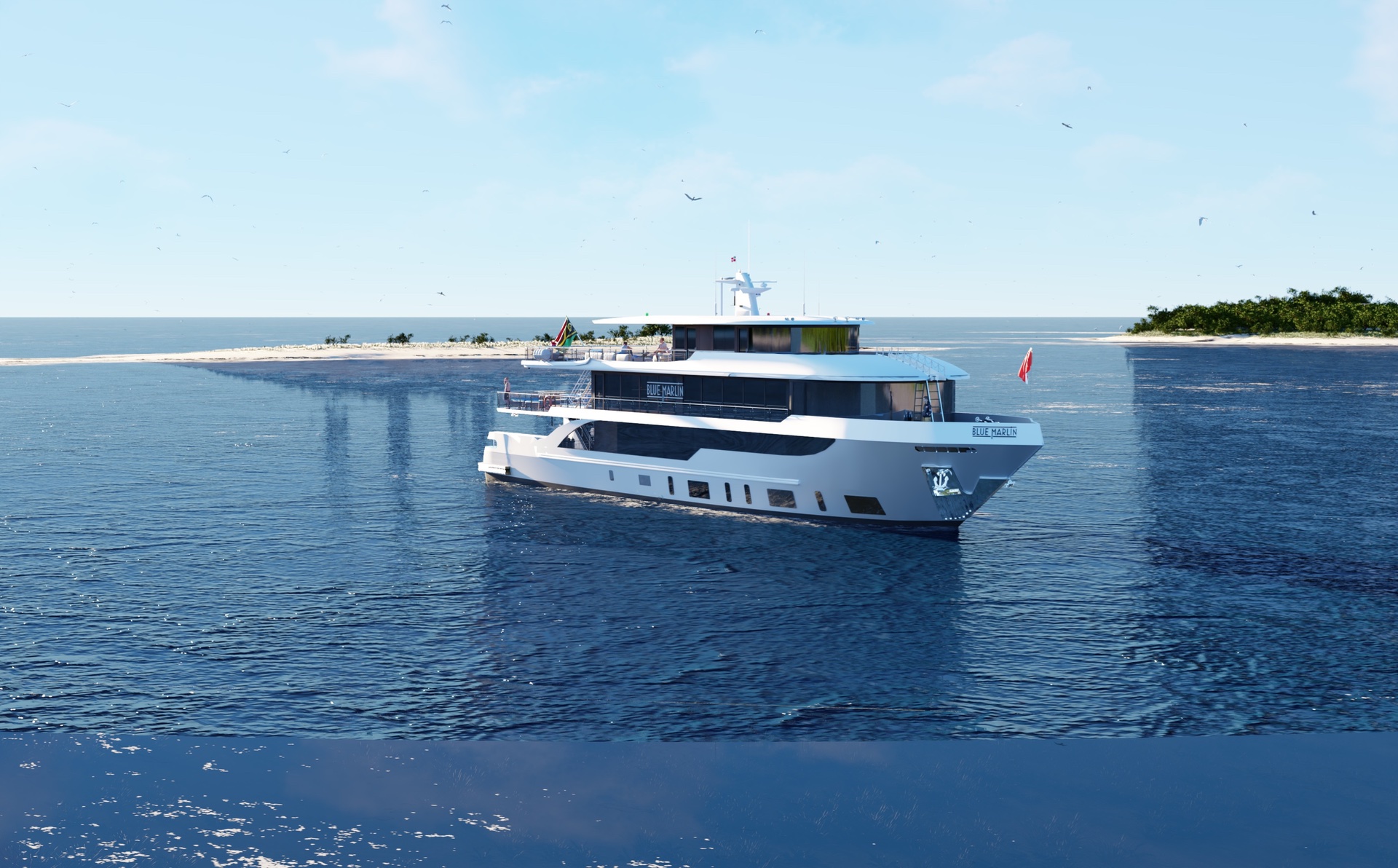
Blue Marlin
Bahamas
26 guests42 m
$318/day
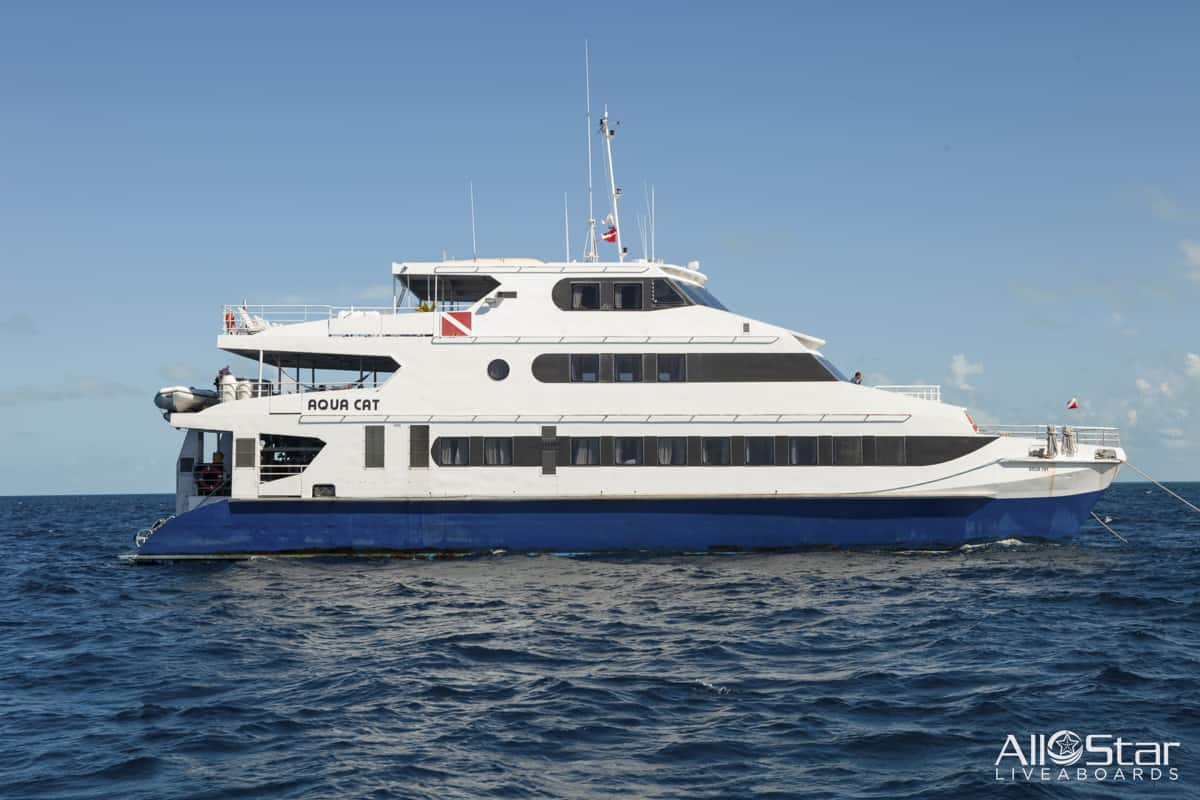
All Star Aqua Cat
Bahamas
30 guests31.09 m
$312/day
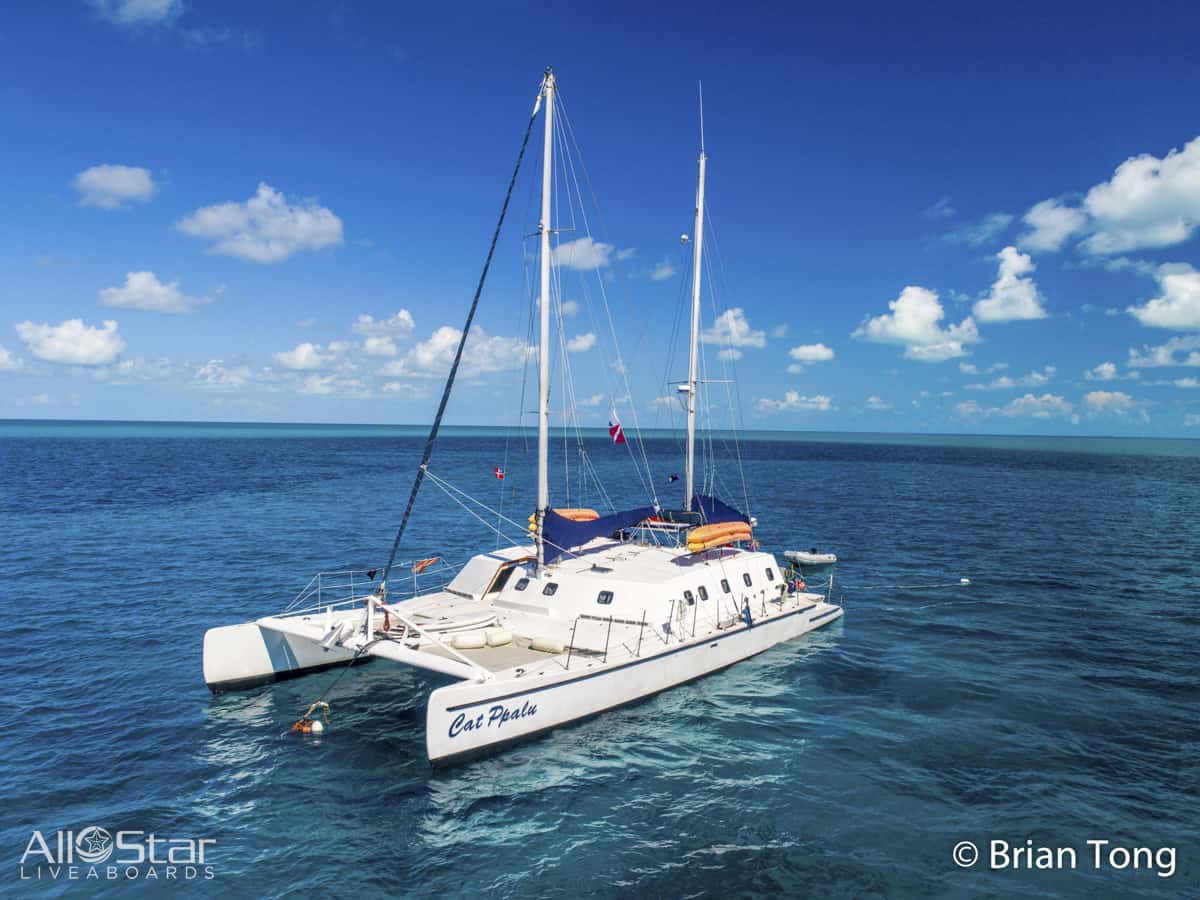
All Star Cat Ppalu
Bahamas
12 guests20 m
$237/day
Dive sites similar to Stuart Cove's Wall
Same character, same waters — six more sites divers love for the exact same reasons.Compare seasons, access and liveaboard routes — then pick the site that fits your trip best.
© Esri — Maxar, Earthstar, GIS
Columbus Point
Bahamas
Columbus Point, situated off Cat Island in the Bahamas, stands out as an advanced dive destination renowned for its dramatic wall diving along one of the region's most untouched reef systems.
- Suitable for
- Advanced
- Current
- Strong
- Access
- Dayboat
- Depth
- ≤ 40 m
- Theme
- Wall / Drift
© Esri — Maxar, Earthstar, GIS
Cut Through City
Bahamas
Cut Through City is a standout dive site located off the coast of Eleuthera in the Bahamas, a region renowned for its diverse underwater topography.
- Suitable for
- Intermediate
- Current
- Mild
- Access
- Liveaboard only
- Depth
- 27–40 m
- Theme
- Wall / Reef
© Esri — Maxar, Earthstar, GIS
Tongue of the Ocean Wall
Bahamas
The Tongue of the Ocean Wall, located off New Providence near Nassau, represents a spectacular natural phenomenon—a deep oceanic trench that stretches for 120 miles and plunges to depths of 6,000 feet.
- Suitable for
- Advanced
- Current
- Strong
- Access
- Liveaboard or dayboat
- Depth
- 18–52 m
- Theme
- Wall
Cathedral is a renowned dive site located within the Dog Rocks Reef, which is part of the extensive Exuma Cays in the Bahamas, specifically situated off the coast of Scotland Cay.
- Suitable for
- Beginner
- Current
- Moderate
- Access
- Liveaboard only
- Depth
- 10–15 m
- Theme
- Cavern / Wall
Nassau, located on New Providence Island in the Bahamas, stands out as a premier Caribbean scuba diving destination due to its convenient accessibility and diverse underwater topography.
- Suitable for
- Beginner
- Current
- Mild
- Access
- Dayboat
- Depth
- 2–24 m
- Theme
- Reef / Wall