About Banco Chinchorro - 40 Cañones
Banco Chinchorro is a vast coral atoll rising from the Mexican Caribbean, a largely untouched marine reserve renowned for its pristine conditions. Located approximately 36 kilometers (22 miles) off Mahahual, it stands as the largest atoll in the Northern Hemisphere and the second largest globally. This isolated ecosystem boasts incredible coral health and diverse marine life, making it a truly unique dive destination. The atoll features impressive spur-and-groove formations, large mounds of star and brain corals, and fields of deep-water gorgonians. Divers can explore walls blanketed in colorful encrusting sponges and encounter vibrant tropical fish, including large groupers, angelfish, and snappers, in waters ranging from 5 to 30 meters. The clarity of the water allows for stunning visibility, often reaching up to 60 meters (200 feet). Banco Chinchorro's isolation, coupled with strong currents separating it from the Yucatan mainland, has fostered a thriving, intricate ecosystem that feels like stepping back in time. It is a protected nature reserve, ensuring its pristine state. The dive experience here is characterized by encounters with abundant fish schools, wary frogfish, and occasional reef sharks and nurse sharks, all within an environment largely undisturbed by human activity. Access to Banco Chinchorro is strictly controlled, with only a few authorized dive operators permitted to bring divers to this ecological gem. Trips typically depart from Mahahual, requiring a boat ride of about an hour to reach the closest reefs. Diving here offers an intimate encounter with a Caribbean reef system that remains remarkably healthy and diverse.
Highlights
Northern Hemisphere's largest atollPristine coral healthAbundant Caribbean marine lifeUnique spur-and-groove formationsDeep-water gorgoniansNurse shark encountersRelatively untouched dive siteVisible shipwrecks
Season calendar
Best months to dive here
Jan
Feb
Mar
Apr
May
Jun
Jul
Aug
Sep
Oct
Nov
Dec
Excellent
Good
Dive site facts: Banco Chinchorro - 40 Cañones
- Depth
- 5–30 m
- Typical dive
- 12–20 m, 50–60 min
- Current
- Mild to strong
- Visibility
- 18–60 m
- Water temperature
- 25–29°C
- Entry
- Boat
- Level
- Advanced Open Water (AOWD) with 30+ dives recommended
- Dive type
- Reef, wall, wreck, drift
- Region / port
- Mahahual, Quintana Roo
- Coordinates
- 18.6, -87.35
Conditions & Currents
Currents at Banco Chinchorro can vary from mild to strong, making drift dives a common practice on some sites. The atoll's isolation from the Yucatan Peninsula, separated by swift currents and deep water, contributes to its rich ecosystem. Divers should be comfortable with potential drift and proficient in managing their buoyancy. Visibility remains consistently very good when weather conditions are favorable, often exceeding 30 meters (100 feet) and sometimes reaching 60 meters (200 feet). Water temperatures range from the high 70s°F (25-26°C) in winter to the low to mid-80s°F (27-29°C) in summer, with a light wetsuit recommended for repetitive dives due to potential core body temperature reduction. Entry and exit are typically from dive boats, and careful planning with the dive master is essential to account for changing conditions.
Marine life & sighting chances
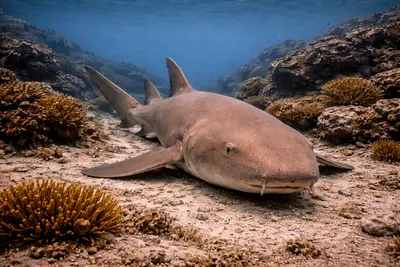
Nurse shark
Year-round · common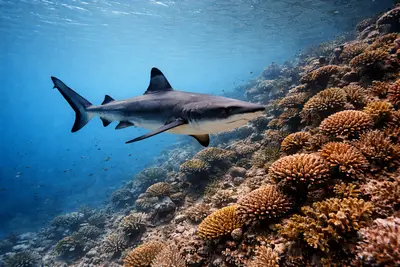
Blacktip reef shark
Year-round · occasional
Reef shark
Year-round · occasional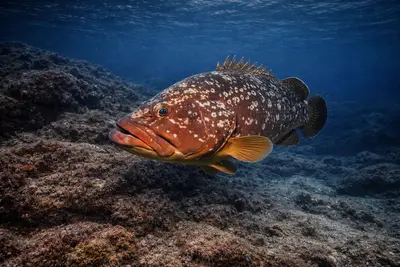
Grouper
Year-round · common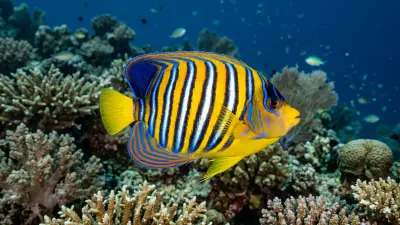
Gray angelfish
Year-round · common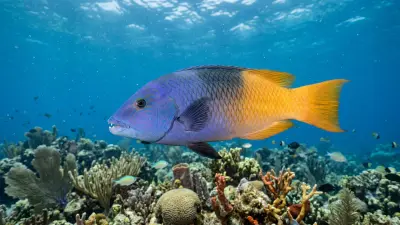
Creole wrasse
Year-round · common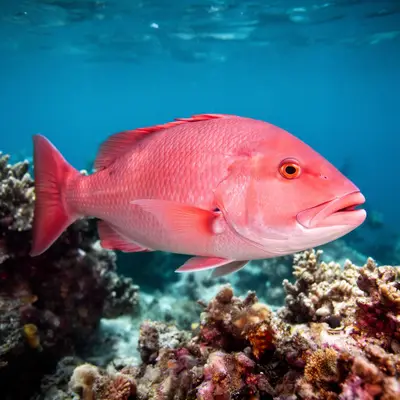
Snapper
Year-round · common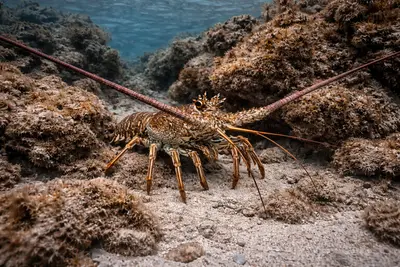
Lobster
Year-round · common
Barracuda
Year-round · occasional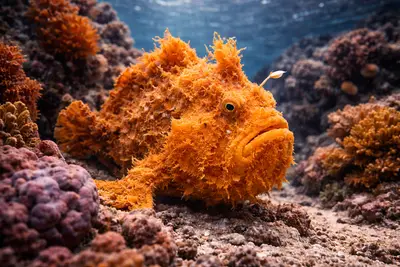
Frogfish
Year-round · rare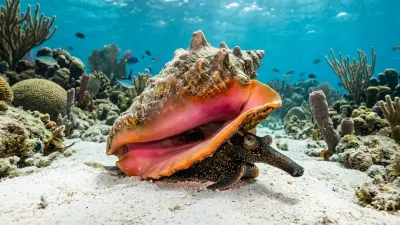
Queen conch
Year-round · common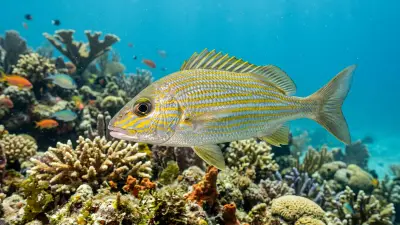
Grunt
Year-round · common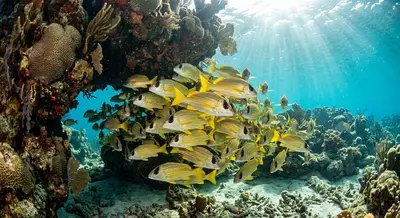
Porkfish
Year-round · commonDive profile & how the dive runs
A typical dive at Banco Chinchorro often begins with a boat entry onto a reef wall or a coral formation like Coral Negro or Acuario. For Coral Negro, you descend along a vibrant wall teeming with invertebrates and fish, gradually exploring depths from 5 to 30 meters. Acuario offers a small coral wall with a 15-meter platform, leading to a vertical drop from 12 meters to 20 meters, featuring sandbanks and independent coral sections. Dives generally progress along these structures, allowing for extensive observation of corals and marine life, with minimal or no current on many sites. Turn points are determined by air consumption and bottom time, typically around the 20-meter mark. The safety stop is usually conducted in the shallower, protected areas of the reef, ensuring a safe ascent and ample time to enjoy the rich, colorful reef top.
Underwater photography
Banco Chinchorro offers exceptional opportunities for wide-angle and macro photography due to its clear waters and diverse marine life. For expansive reefscapes and large schools of fish, a wide-angle or fisheye lens is ideal. The vibrant soft corals, sponges, and deep-water sea fans create stunning backdrops. For macro subjects like the elusive frogfish or intricate details of sponges, a dedicated macro lens will capture the delicate beauty. Strong strobes are essential to bring out the true colors of corals, especially the burgundy hues of deep-water gorgonians. Divers should practice excellent buoyancy control to avoid disturbing the pristine reef and its inhabitants. Patience is key for capturing marine life, particularly the often-present nurse sharks or barracudas. Given the potential for variable currents, stabilizing camera equipment quickly and securely is important.
Combine with nearby dive sites
- Maracaibo Wall
Maracaibo Wall is a deep, vertical dive site located off the southwest coast of Cozumel, Mexico, renowned for its dramatic drop-offs and…
- Santa Rosa Wall
The Santa Rosa Wall is a legendary dive site located on the southwest side of Cozumel, Mexico, forming part of the Great Mayan Reef.
- Palancar Gardens
Palancar Gardens, situated off the eastern coast of Mexico near Cozumel Island, is a celebrated dive site within the Mesoamerican Barrier…
- Palancar Caves
Palancar Caves is a distinct section of the larger Palancar Reef system located off the southwest coast of Cozumel, Mexico.
Getting there & logistics
Access to Banco Chinchorro typically begins with flying into Cancun International Airport (CUN), followed by a five-hour drive south to Mahahual. Dive resorts and operators, such as Amigos Del Mar, are based in Mahahual, which serves as the primary departure point. The boat ride to the atoll takes approximately one hour on fast boats. Dive trips to Banco Chinchorro usually involve two or three tank dives, lasting between 7 to 9 hours for the full excursion. Due to its status as a protected nature reserve, only a limited number of dive operators are permitted to visit. A minimum group size of six divers is often required, and participants should hold an Advanced Open Water certification with at least 30 logged dives, including one within the last month. Park entrance fees are typically included in dive packages.
Safety & environment
Diving at Banco Chinchorro is generally safe when conducted with professional operators and proper planning. The nearest recompression chamber is located in Cozumel, which is a significant distance and involves a multi-hour journey by road and ferry from Mahahual, making evacuation a complex and time-consuming process. Therefore, comprehensive dive insurance covering emergency medical care and evacuation is essential for all divers. Site-specific hazards include variable currents that can range from mild to strong, requiring divers to be comfortable with drift diving. Swell conditions must be less than 1.4 meters for safe crossings to the atoll. Divers should possess an Advanced Open Water certification and recent dive experience. It is important to stay with your dive guide, maintain good buoyancy control to protect the fragile coral ecosystems, and avoid interaction with marine life, especially sharks. Group travel is recommended, and individual divers may be consolidated into existing groups.
Who it suits — and who it doesn't
Suited for
- Experienced Advanced Open Water divers
- Divers seeking pristine, untouched reefs
- Photographers interested in wide-angle and macro
- Divers comfortable with drift diving
- Those looking for abundant Caribbean marine life
Less suited for
- Novice divers or Open Water certified
- Divers uncomfortable with strong currents
- Those prone to seasickness on longer boat rides
- Divers expecting large pelagic encounters like whale sharks (not primary site for these)
FAQ
Banco Chinchorro - 40 Cañones FAQ
What is Banco Chinchorro known for?
Banco Chinchorro is famous for being the largest atoll in the Northern Hemisphere and its remarkably pristine, untouched coral reefs. It offers an abundance of diverse Caribbean marine life, including large schools of fish, healthy corals, and frequent sightings of nurse sharks. The area feels like a step back in time due to its isolation and protected status.
What kind of marine life can I expect to see?
Divers at Banco Chinchorro can expect to see typical Caribbean marine life in abundance. This includes numerous species of tropical fish like gray angelfish, creole wrasse, and snappers, along with lobsters, barracudas, and groupers. Nurse sharks are commonly present, and occasionally blacktip reef sharks and other reef sharks are sighted. Keep an eye out for more elusive creatures such as frogfish.
Are there strong currents at Banco Chinchorro?
Currents at Banco Chinchorro can vary from mild to strong, depending on the dive site and conditions. Some dives are conducted as drift dives to accommodate these currents. Divers should be comfortable with various current conditions and have good buoyancy control to fully enjoy the experience and ensure safety.
What certification level is required to dive here?
To dive at Banco Chinchorro, an Advanced Open Water certification is generally recommended. Additionally, dive operators often require divers to have at least 30 logged dives, with one dive completed within the last month. This ensures divers have the experience necessary to handle potentially variable conditions and the remote nature of the site.
How do I get to Banco Chinchorro?
Getting to Banco Chinchorro typically involves flying into Cancun (CUN) and then taking a five-hour drive south to Mahahual. From Mahahual, authorized dive operators provide boat transfers, which usually take about an hour to reach the closest dive sites on the atoll. It's a remote destination, and planning for travel time is crucial.
Is it possible to stay overnight at Banco Chinchorro?
No, it is not possible to stay overnight directly on Banco Chinchorro as there are no towns or settlements on the atoll. All diving operations are day trips departing from Mahahual. Divers return to the mainland after their dives, making accommodations in Mahahual the typical choice for those visiting the bank.
Why dive Banco Chinchorro - 40 Cañones from a liveaboard?
Banco Chinchorro - 40 Cañones is one of Mexico's signature dive sites. A liveaboard sleeps you on the water and puts you in the water for three to four guided dives per day, including dawn and night dives that day-boat operators rarely offer. You skip the daily commute back to port and reach quieter, less-crowded sites in the same region on a single trip.
Below are the liveaboards that include Banco Chinchorro - 40 Cañones on their Mexico itineraries.
Liveaboards diving Banco Chinchorro - 40 Cañones
These liveaboards may visit Banco Chinchorro - 40 Cañones on selected itineraries — the exact dive sites depend on departure, weather and conditions.
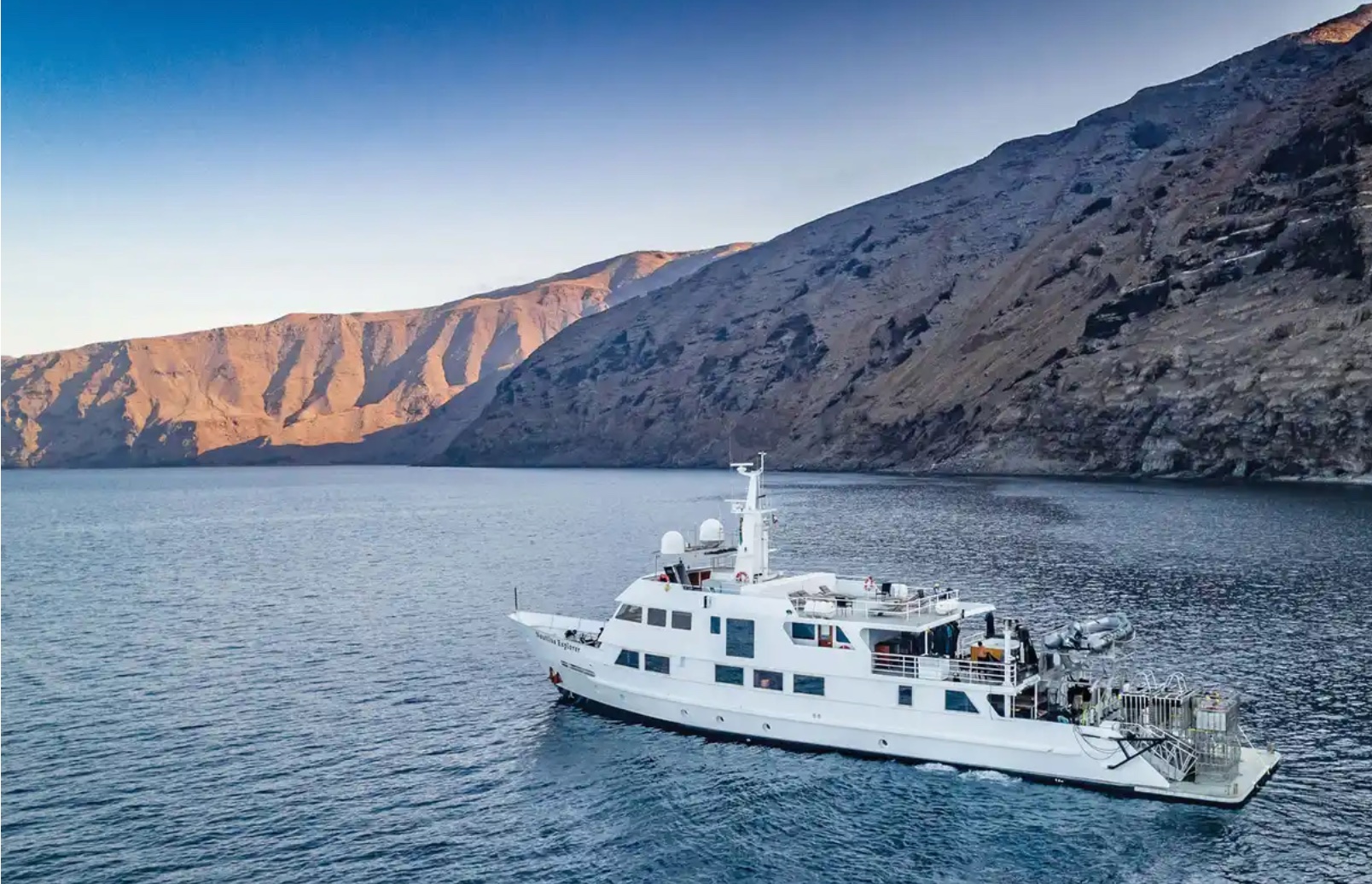
Nautilus Explorer
Mexico
25 guests44.8 m
$230/day
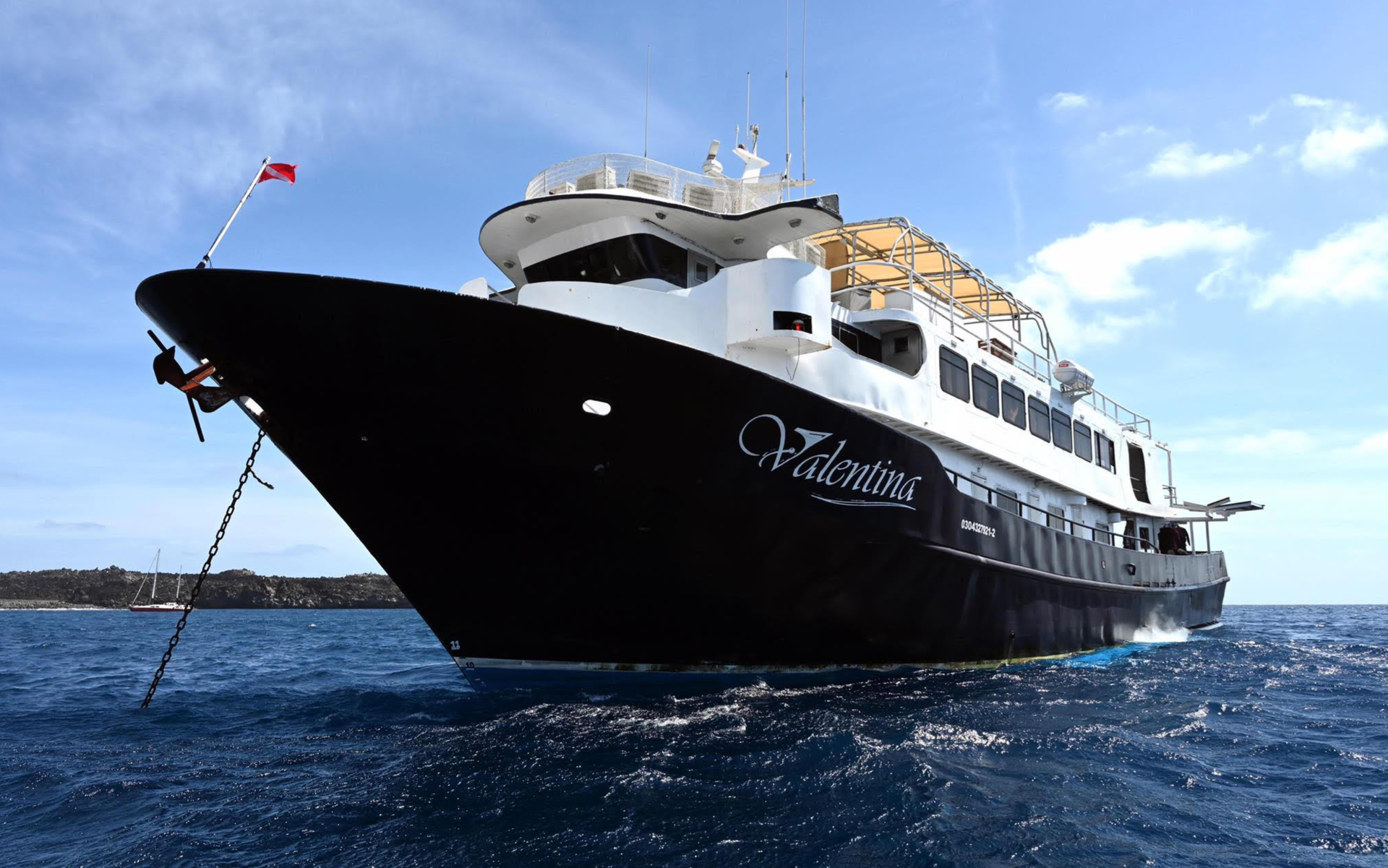
Valentina
Mexico
20 guests38.1 m
$430/day
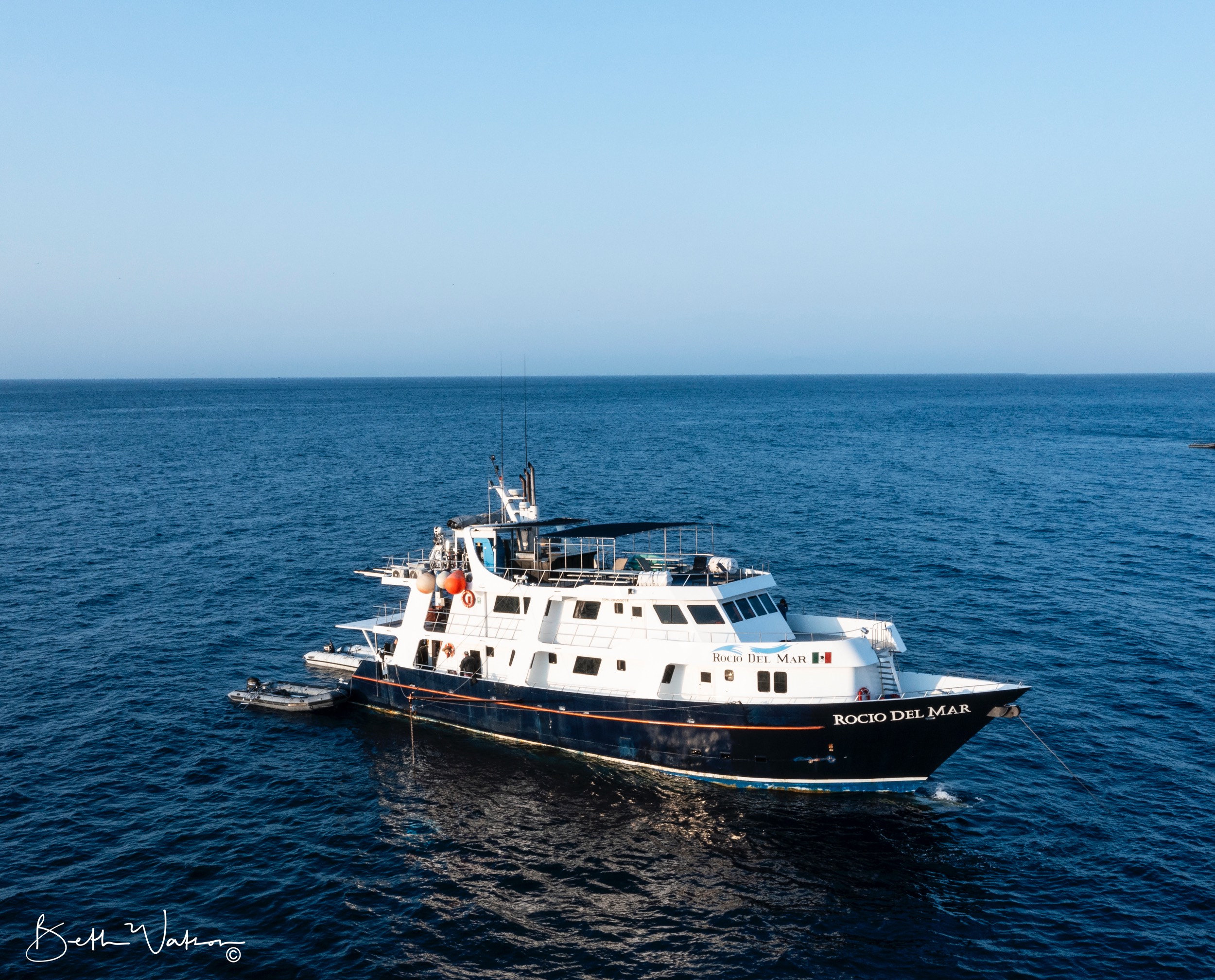
Rocio del Mar
Mexico
20 guests33.5 m
$392/day
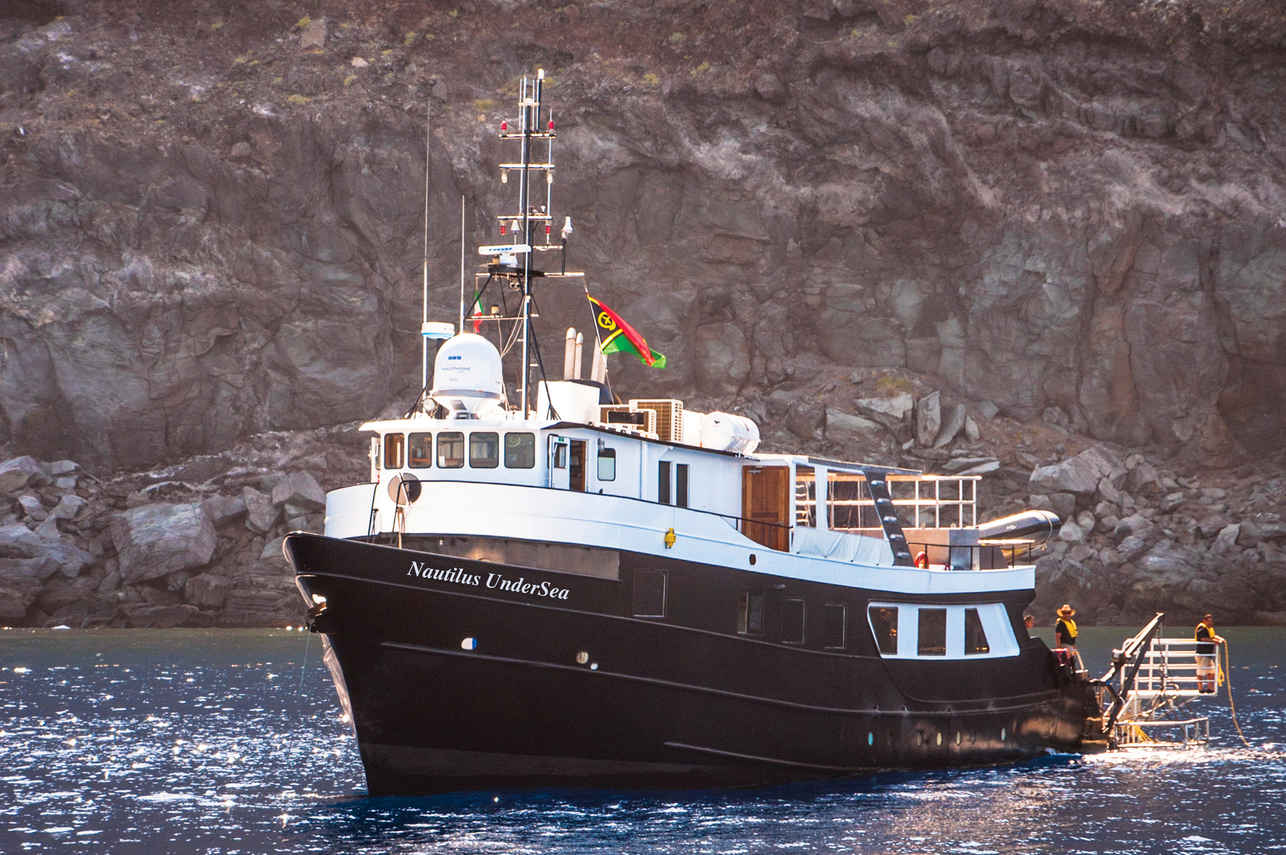
Nautilus Under Sea
Mexico
19 guests32 m
$261/day
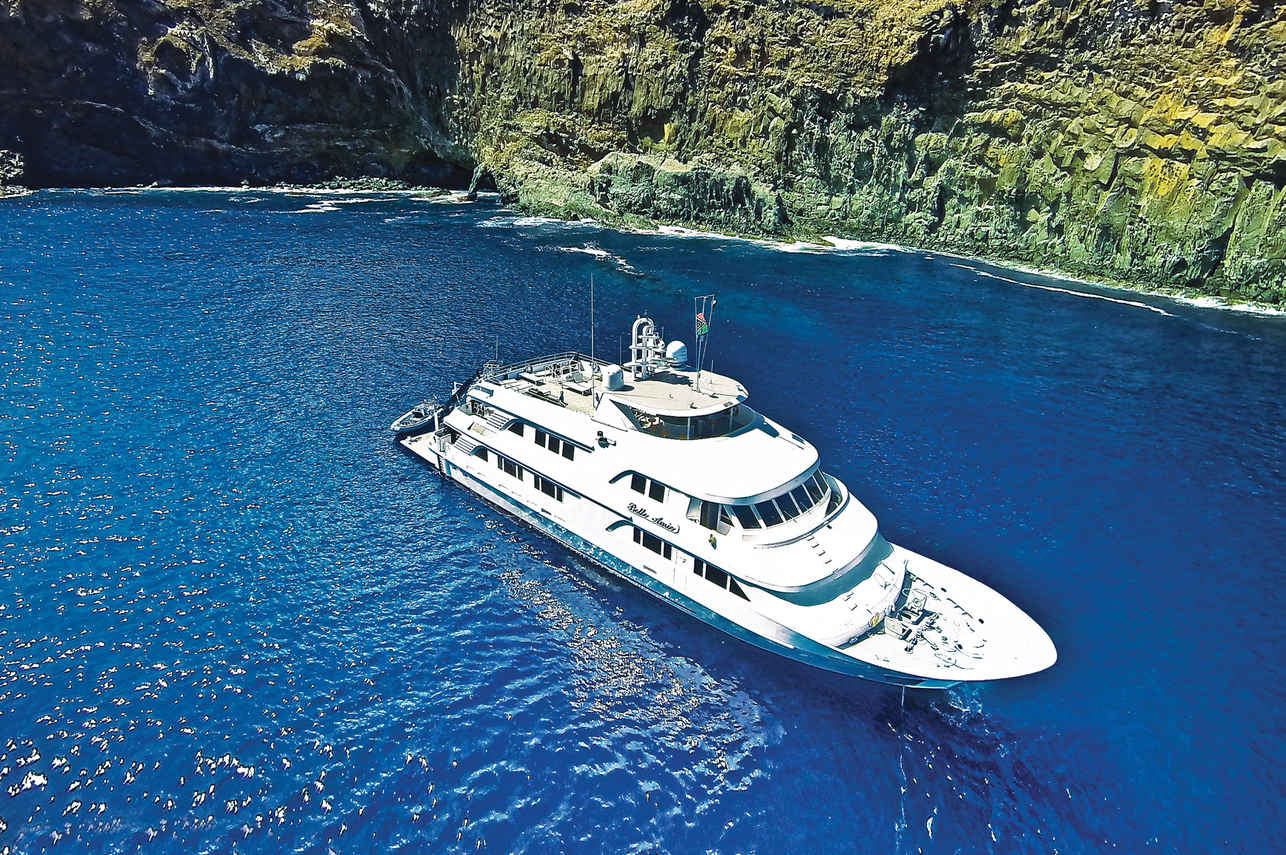
Nautilus Belle Amie
Mexico
32 guests44.8 m
$299/day
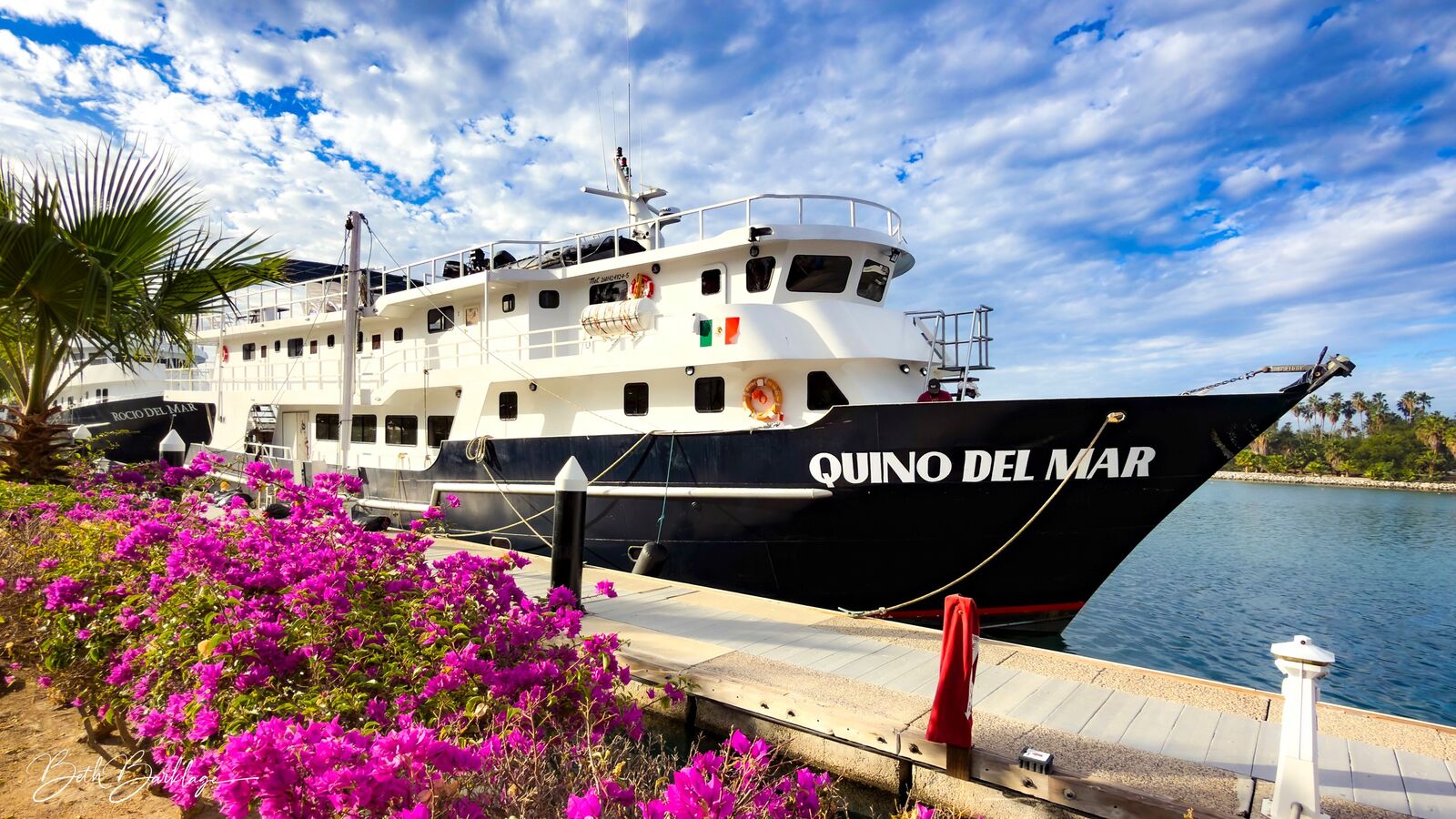
Quino del Mar
Mexico
20 guests36 m
$392/day
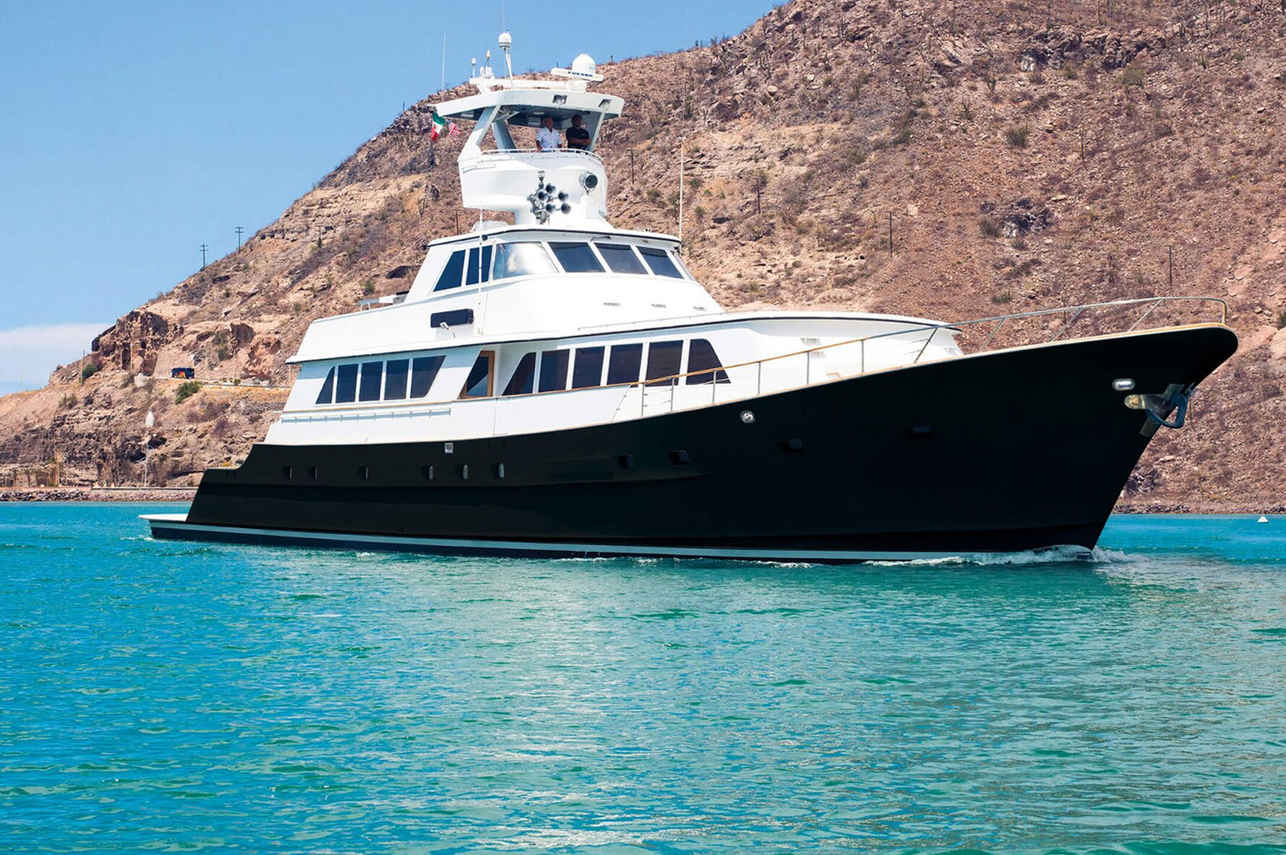
Nautilus Gallant Lady
Mexico
12 guests35.36 m
$332/day
Dive sites similar to Banco Chinchorro - 40 Cañones
Same character, same waters — six more sites divers love for the exact same reasons.Compare seasons, access and liveaboard routes — then pick the site that fits your trip best.
© Esri — Maxar, Earthstar, GIS
The C-58 Wreck, also known as the USS Harlequin or ARM DM-20, is a prominent artificial reef located off the coast of Cancún and Isla Mujeres.
- Suitable for
- Advanced
- Current
- Moderate
- Access
- Dayboat
- Depth
- 18–26 m
- Theme
- Wreck / Drift
© Esri — Maxar, Earthstar, GIS
Cenote Kukulkan, often referred to as Chikin Ha, is a captivating underwater cavern system located in the heart of the Yucatán Peninsula, approximately 25 kilometers (15 miles) from Playa del Carmen.
- Suitable for
- Intermediate
- Current
- No current
- Access
- Dayboat
- Depth
- 10–15 m
- Theme
- Cavern / Pinnacle
© Esri — Maxar, Earthstar, GIS
Pelican Rock
Mexico
Pelican Rock is a renowned dive site located within the Cabo San Lucas Marine Park in Baja California Sur, Mexico, just a few minutes by boat from the marina.
- Suitable for
- Beginner
- Current
- Mild
- Access
- Liveaboard or dayboat
- Depth
- 5–40 m
- Theme
- Wall
El Morro is acclaimed as one of the best diving locations in the Puerto Vallarta area, situated just beyond the sheltered waters of Banderas Bay.
- Suitable for
- Advanced
- Current
- Strong
- Access
- Dayboat
- Depth
- 18–37 m
- Theme
- Reef / Wall
© Esri — Maxar, Earthstar, GIS
Cabo San Lucas
Mexico
Cabo San Lucas, situated at the southern tip of Mexico's Baja California Peninsula, offers a surprisingly rich underwater environment despite its popular tourism.
- Suitable for
- Beginner
- Current
- Mild
- Access
- Dayboat
- Depth
- 8–40 m
- Theme
- Reef / Wall
© Esri — Maxar, Earthstar, GIS
C-58 Wreck
Mexico
The C-58 Wreck is a prominent artificial reef located in Bahía de Mujeres, the channel between Isla Mujeres and the Cancún coast.
- Suitable for
- Advanced
- Current
- Strong
- Access
- Dayboat
- Depth
- 18–26 m
- Theme
- Wreck / Drift