About The Arch
The Arch is a captivating intermediate dive site located off Ternate Island in the Alor Archipelago, Indonesia. It gets its name from a spectacular natural underwater rock arch that forms the centerpiece of the site, making it a unique topographical feature. The site is a wall dive characterized by numerous small caves and overhangs, all richly decorated with a profusion of colorful soft corals and delicate sea fans. It offers divers an immersive experience within a vibrant reef ecosystem. While not known for large pelagic species, The Arch is a favorite among divers for its stunning coral formations and the abundant reef life it harbors. You can expect to encounter a thriving community of reef fish, including a notable resident school of sweetlips that often congregates around the arch. The lack of strong currents at this particular site makes it an accessible and enjoyable dive for those with some experience, focusing on exploration of its unique structure and resident marine biodiversity. The Alor region itself is renowned for its diverse underwater habitats, from volcanic sand slopes to pristine coral gardens, all nourished by nutrient-rich currents. The Arch exemplifies the healthy reef ecosystems found here, showcasing the archipelago's commitment to marine conservation. Its accessibility and picturesque qualities make it a popular spot for underwater photography, particularly for wide-angle shots capturing the arch's grandeur and its colorful inhabitants.
Highlights
Natural underwater rock archVibrant soft coralsNumerous caves and overhangsResident sweetlips schoolColorful sea fansUnique wall dive topography
Season calendar
Best months to dive here
Jan
Feb
Mar
Apr
May
Jun
Jul
Aug
Sep
Oct
Nov
Dec
Excellent
Good
Dive site facts: The Arch
- Depth
- 12–30 m
- Current
- Mild to moderate
- Visibility
- 15–30 m
- Water temperature
- 25–28°C
- Entry
- Boat
- Level
- Intermediate
- Dive type
- Wall, coral reef, architectural
- Region / port
- Alor Archipelago, East Nusa Tenggara
- Coordinates
- -8.137, 124.562
Conditions & Currents
The Arch is generally considered an intermediate dive site with manageable currents, making it enjoyable for divers who have some experience but are not seeking extreme drift dives. While the Alor region is known for its strong and unpredictable currents, this specific site tends to be less affected, allowing for more relaxed exploration of its unique topography. Visibility at The Arch is consistently good, often ranging from 15 to 30 meters, contributing to clear views of the arch and its coral inhabitants. Water temperatures are typically comfortable, ranging from 25 to 28°C, though occasional thermoclines can bring cooler water to deeper sections. Divers should still be prepared for potential shifts in current intensity characteristic of the Alor Sea and ensure they are appropriately certified and equipped.
Marine life & sighting chances
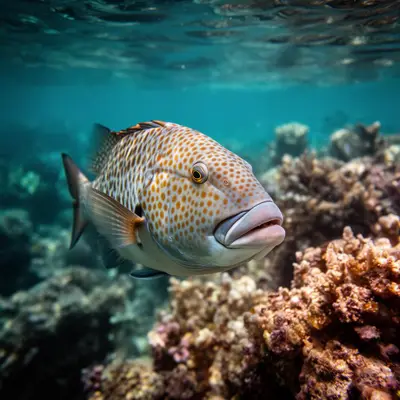
Sweetlips
common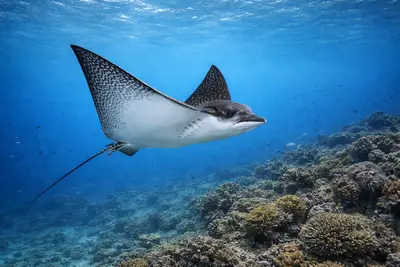
Eagle rays
occasional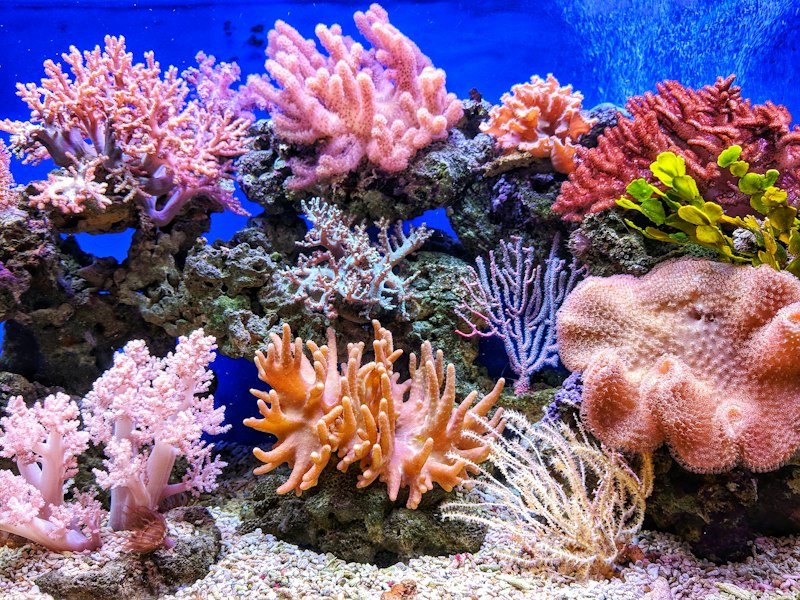
Soft corals
common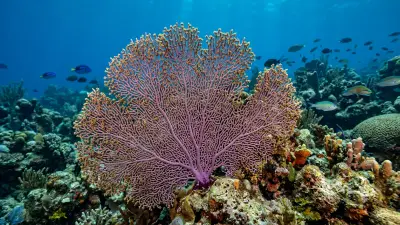
Sea fans
common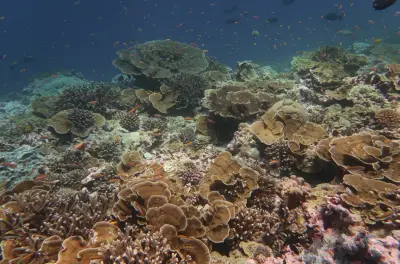
Reef fish
common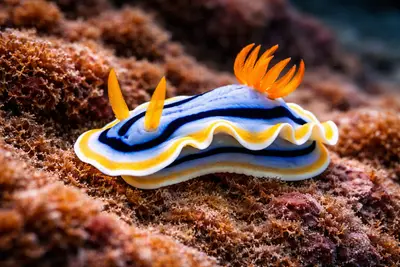
Nudibranchs
occasional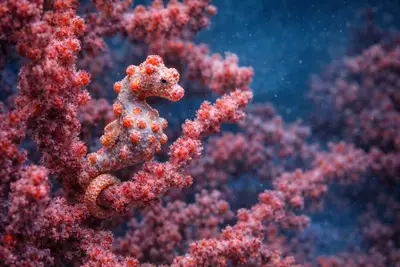
Pygmy seahorses
occasionalDive profile & how the dive runs
Your dive at The Arch typically begins with a boat entry, dropping directly onto the wall near the arch structure. You will descend along the vibrant coral wall, exploring the numerous small caves and overhangs adorned with soft corals and sea fans. The route usually involves circumnavigating the impressive natural arch, allowing for multiple perspectives of this unique formation and the resident school of sweetlips. You can explore depths between 12 to 30 meters, with the most colorful reef life concentrated in the shallower sections. The turn point is determined by air consumption and bottom time, typically after thoroughly exploring the arch and surrounding wall. The safety stop is conducted in the shallower, well-lit areas of the reef before a boat ascent.
Underwater photography
The Arch is an excellent site for wide-angle photography, with the natural rock arch providing a stunning architectural backdrop for your shots. A wide-angle lens is essential to capture the scale of the arch and the extensive coral formations. For details within the caves and overhangs, consider bringing a good external strobe or video light to illuminate the vibrant soft corals and sea fans. When photographing the resident sweetlips school, approach slowly to avoid disturbing them. Given the generally mild currents, you'll have ample opportunity for steady shots, but maintaining good buoyancy is always key to avoiding contact with the delicate reef structures.
Combine with nearby dive sites
- Clown Valley
Famous black sand muck dive teeming with macro life, including blue-ringed octopus and frogfish.
- Kal's Dream
A pristine coral wall known for fusiliers, barracuda, and potential hammerhead shark sightings.
- Mahi Point
Shallow reef paradise ideal for macro photography, featuring pygmy seahorses and ghost pipefish.
- Beang Abang
A black sand night dive heaven for spotting mimic octopus and flamboyant cuttlefish.
- The Cathedral
Vibrantly colored soft and hard corals with a small swim-through, featuring blue-ring octopuses and potential mola mola.
Getting there & logistics
Access to Alor, including The Arch, typically involves flying into Kalabahi (ARD) airport. International travelers usually connect through larger Indonesian hubs like Jakarta (CGK) or Bali (DPS) to Kupang (Timor), and then take a domestic flight to Alor. Liveaboards often depart from Kalabahi harbor, offering itineraries ranging from 7 to 13 days that explore various dive sites across the Alor Archipelago. Some trips might combine Alor with other regions like Komodo or Flores. While resort-based diving is available, liveaboards are popular for maximizing dive opportunities and reaching remote sites. Dive permits and national park fees are generally included in liveaboard packages.
Safety & environment
Diving in Alor, including The Arch, requires careful attention to safety protocols due to the region's remote nature. The nearest recompression chamber is located in Bali, necessitating a lengthy evacuation process in case of a serious dive emergency. Comprehensive dive insurance, including coverage for medical evacuation, is highly recommended. While The Arch typically has milder currents, divers should still be proficient in current diving techniques as conditions can change. Always dive with an experienced local guide who is familiar with the site's specifics. Maintain excellent buoyancy to protect the delicate corals and avoid contact with any marine life.
Who it suits — and who it doesn't
Suited for
- Intermediate divers comfortable with wall dives
- Underwater photographers seeking unique structures
- Divers interested in vibrant soft coral reefs
- Those who appreciate diverse reef fish life
Less suited for
- Absolute beginners
- Divers uncomfortable with potential thermoclines
- Those exclusively seeking large pelagic encounters
FAQ
The Arch FAQ
What makes The Arch a unique dive site?
The Arch stands out due to its prominent natural underwater rock arch, which is richly draped in soft corals and sea fans. This distinctive geological formation creates a visually striking environment, offering divers a unique architectural element to explore amidst the vibrant reef life. It's a key reason why many divers consider it a favorite in Alor.
Are there strong currents at The Arch?
Compared to many other sites in the Alor region, The Arch generally experiences milder to moderate currents. While Alor is known for its strong tidal flows, this specific site allows for more relaxed exploration of its unique structure and resident marine life. However, divers should always be prepared for potential shifts in current intensity.
What kind of marine life can I expect to see at The Arch?
The Arch is home to a rich variety of reef fish, most notably a resident school of sweetlips that often congregates around the arch itself. You will also find abundant soft corals, sea fans, and potentially some macro critters like nudibranchs or pygmy seahorses if you look closely. While not a pelagic hotspot, occasional eagle rays may pass by.
Is The Arch suitable for underwater photography?
Yes, The Arch is an excellent site for underwater photography, particularly wide-angle shots. The natural rock arch provides a dramatic and aesthetically pleasing backdrop, while the colorful soft corals and sea fans offer macro and medium-range opportunities. Good visibility enhances the photographic potential of the site.
What is the typical depth range for diving The Arch?
Divers exploring The Arch can expect to encounter depths ranging from approximately 12 meters down to 30 meters. The most vibrant coral growth and the main arch structure are typically found within the shallower to mid-depth range, allowing for extended bottom times and thorough exploration.
Why dive The Arch from a liveaboard?
The Arch is one of Alor's signature dive sites. A liveaboard sleeps you on the water and puts you in the water for three to four guided dives per day, including dawn and night dives that day-boat operators rarely offer. You skip the daily commute back to port and reach quieter, less-crowded sites in the same region on a single trip.
Below are the liveaboards that include The Arch on their Alor itineraries.
Liveaboards diving The Arch
These liveaboards may visit The Arch on selected itineraries — the exact dive sites depend on departure, weather and conditions.
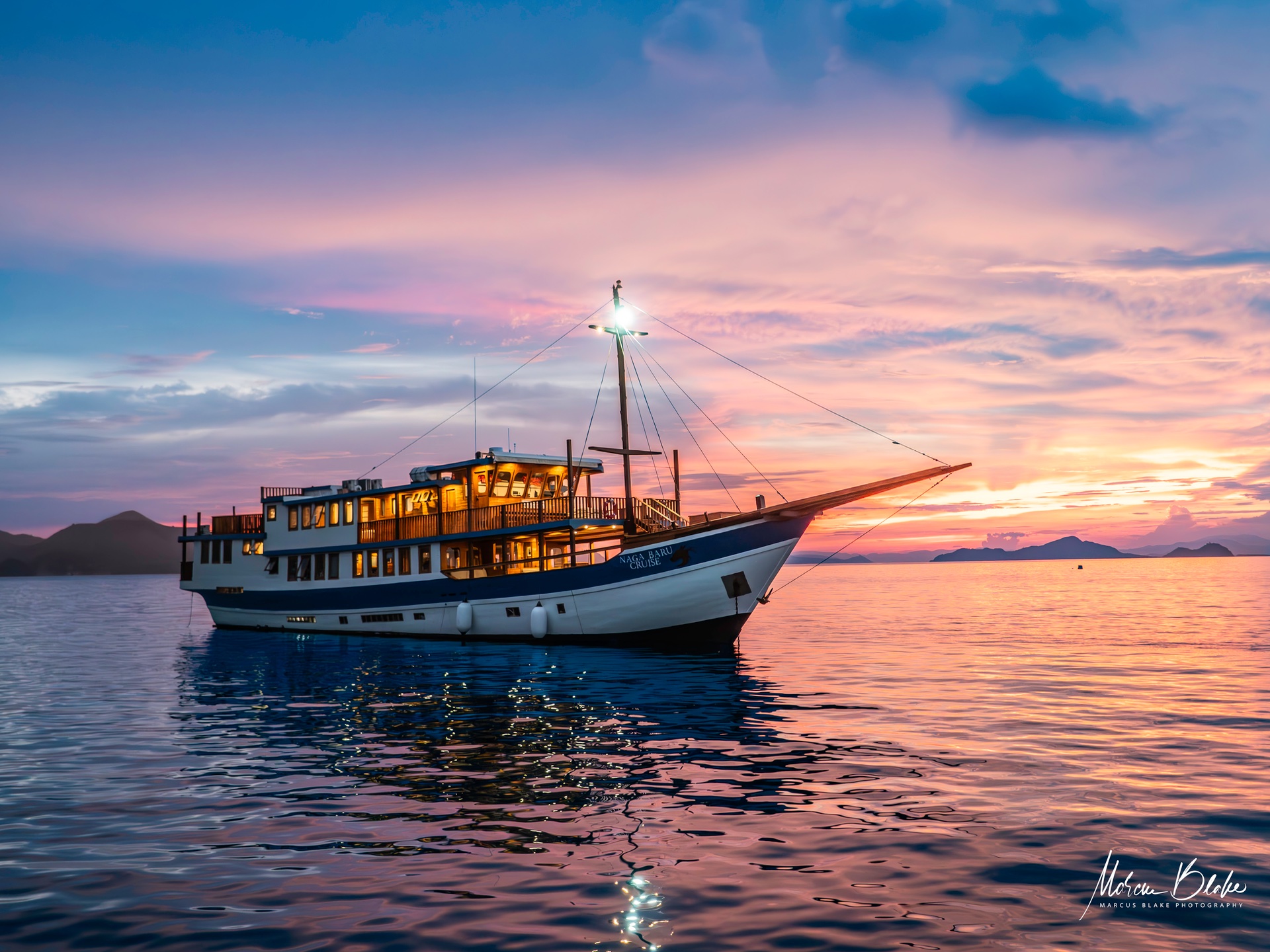
Naga Biru
Indonesia
12 guests40 m
$273/day
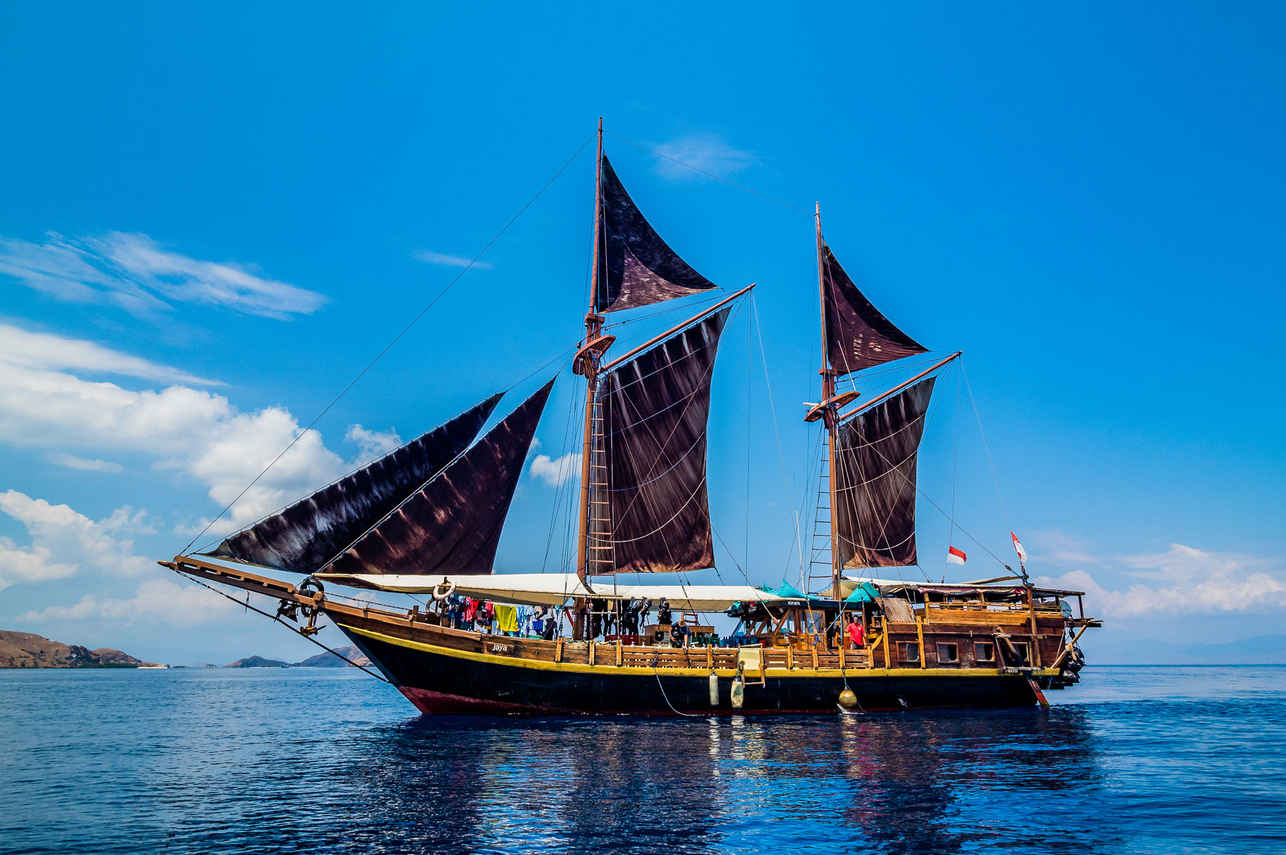
Jaya
Indonesia
14 guests23 m
$280/day
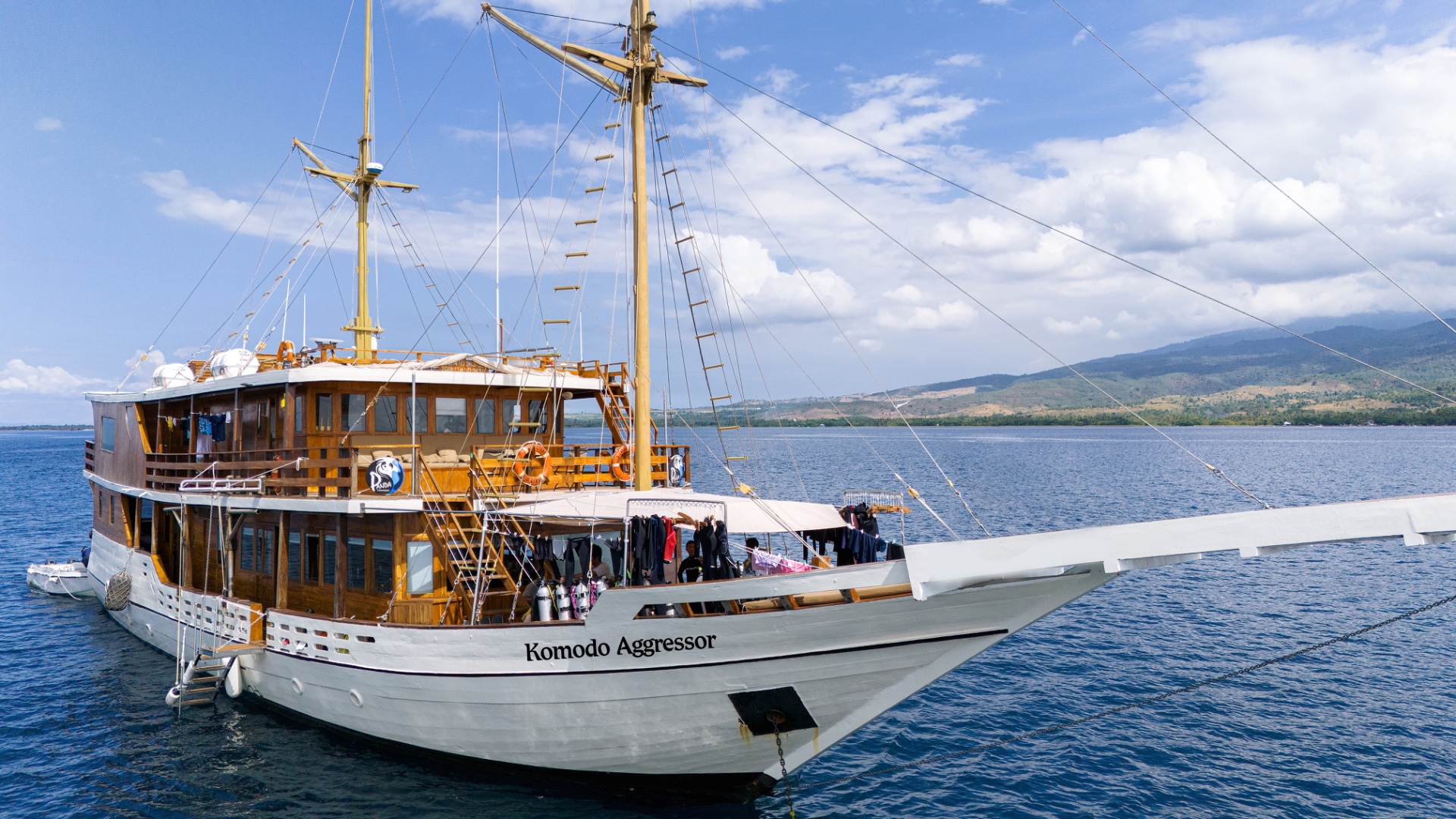
Komodo Aggressor
Komodo, Indonesia
16 guests29 m
$312/day
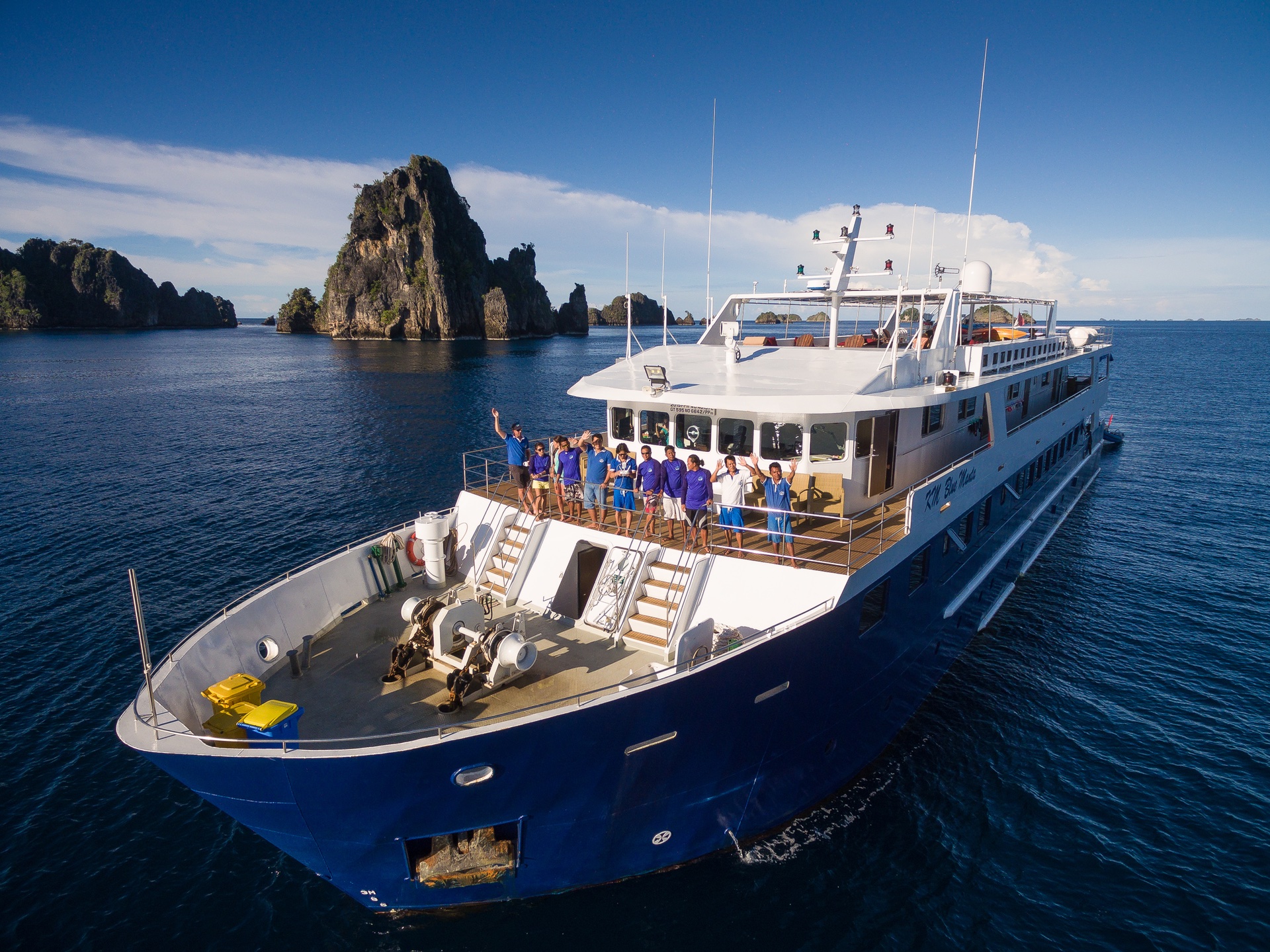
Blue Manta
Indonesia
20 guests45 m
$488/day
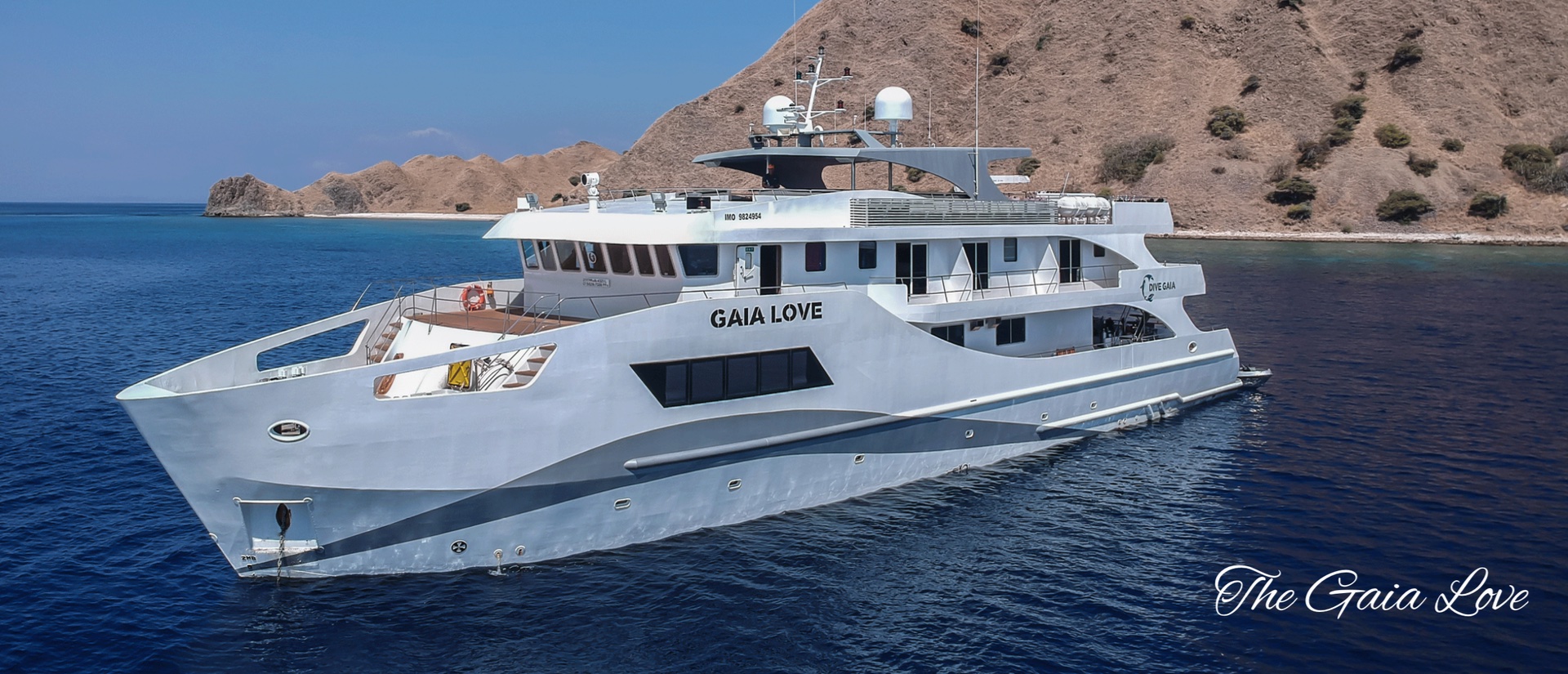
Gaia Love
Alor
20 guests
$554/day
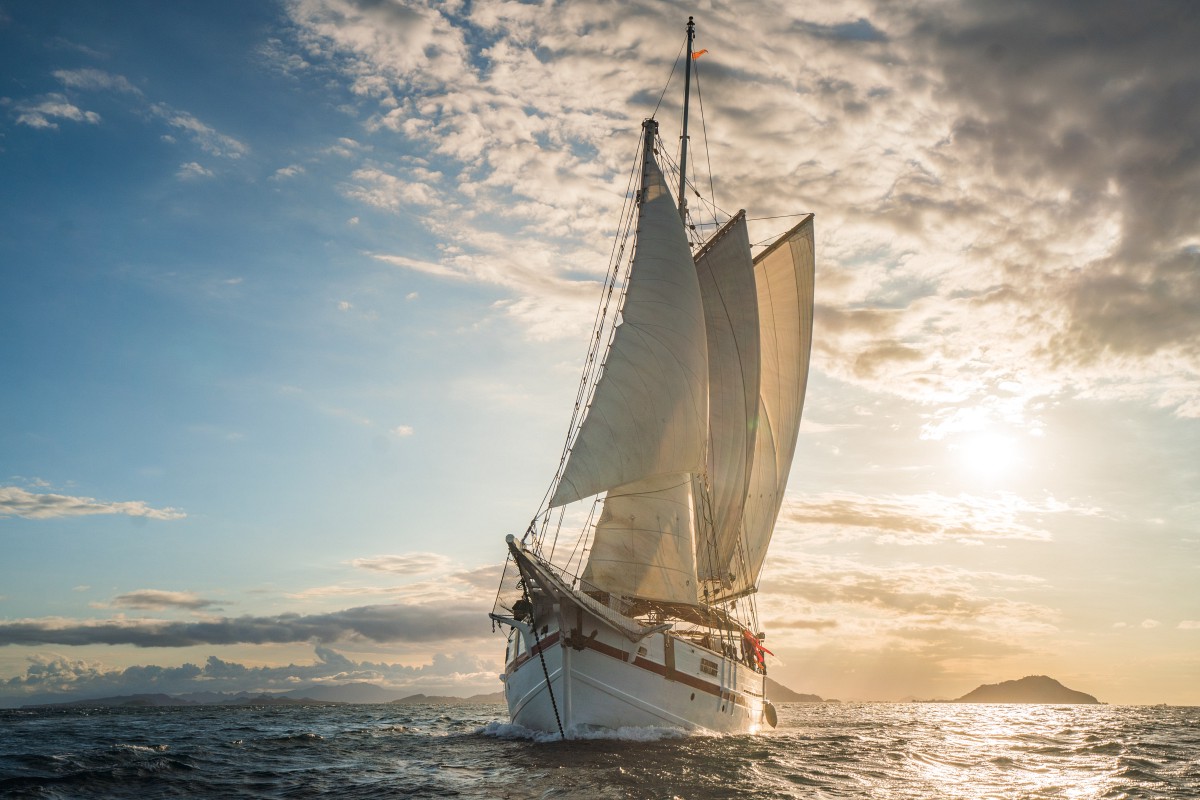
Emperor Raja Laut
Raja Ampat, Indonesia
12 guests31 m
$413/day
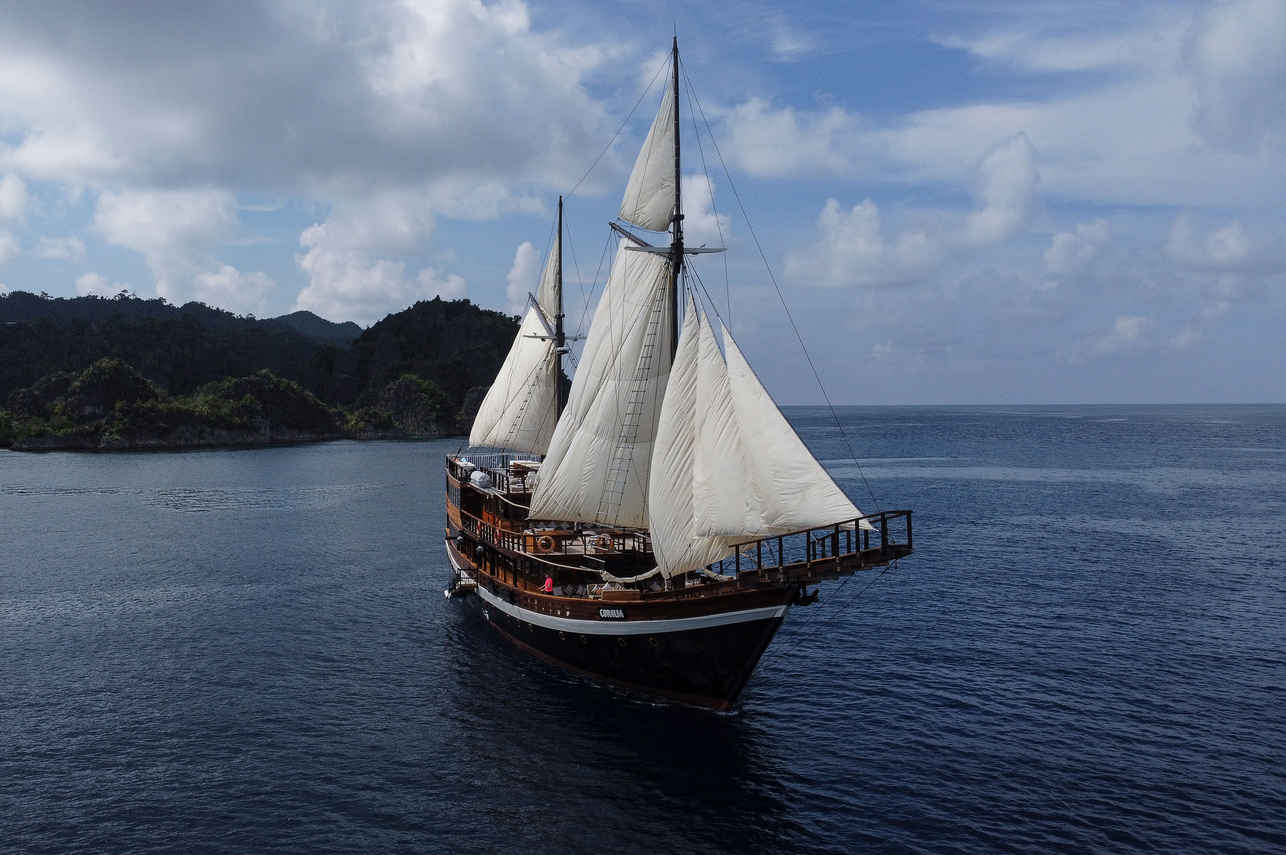
Coralia
Indonesia
16 guests48 m
$577/day
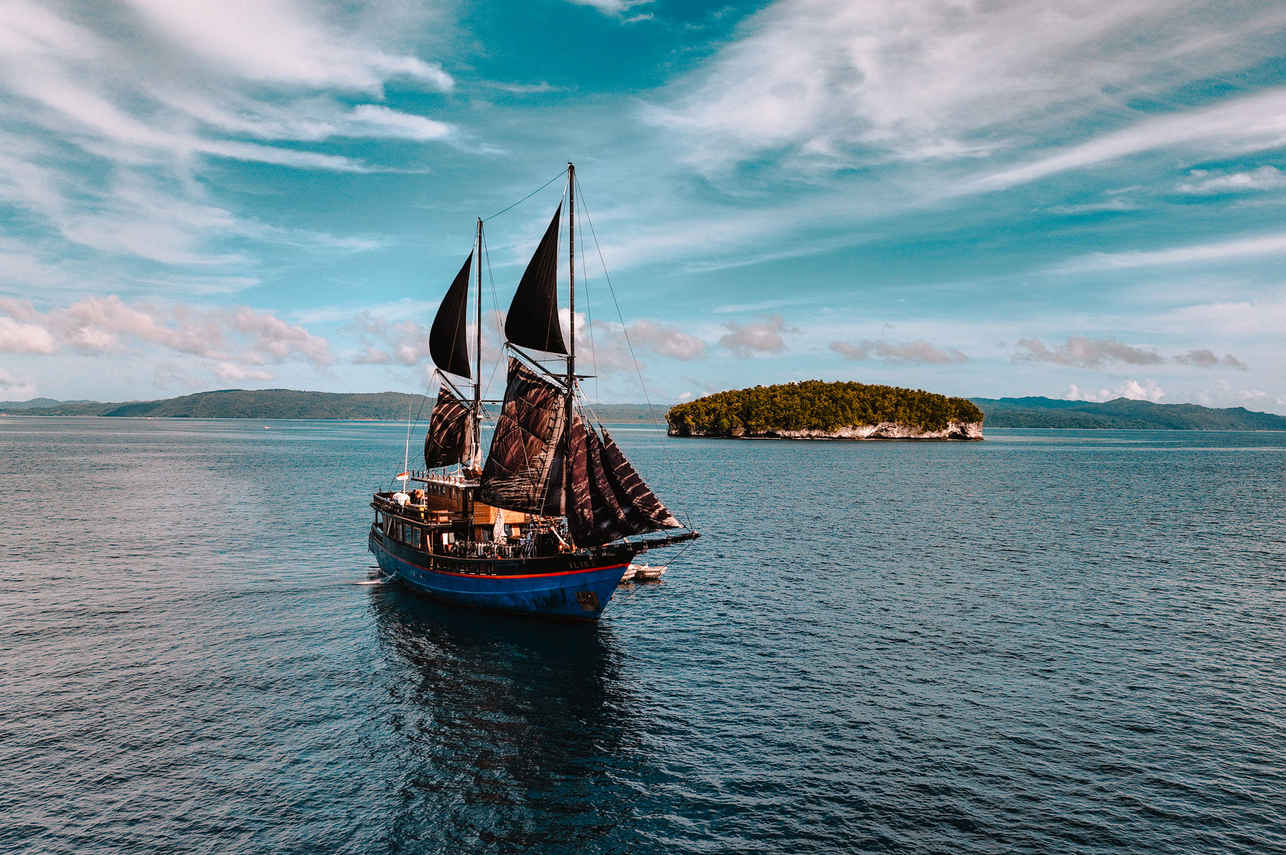
Ilike
Indonesia
16 guests40 m
$298/day
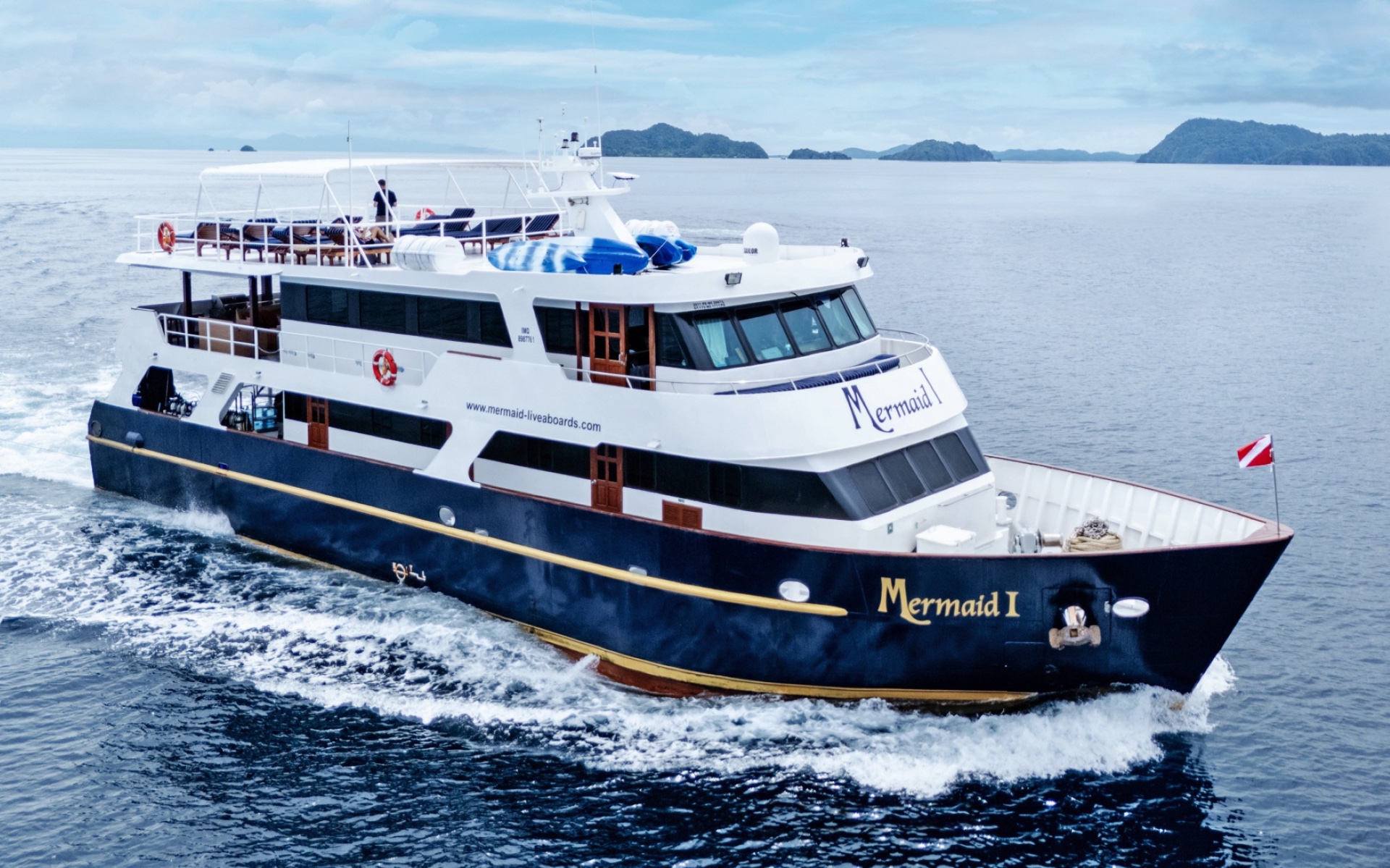
Mermaid I
Alor
15 guests28 m
$371/day
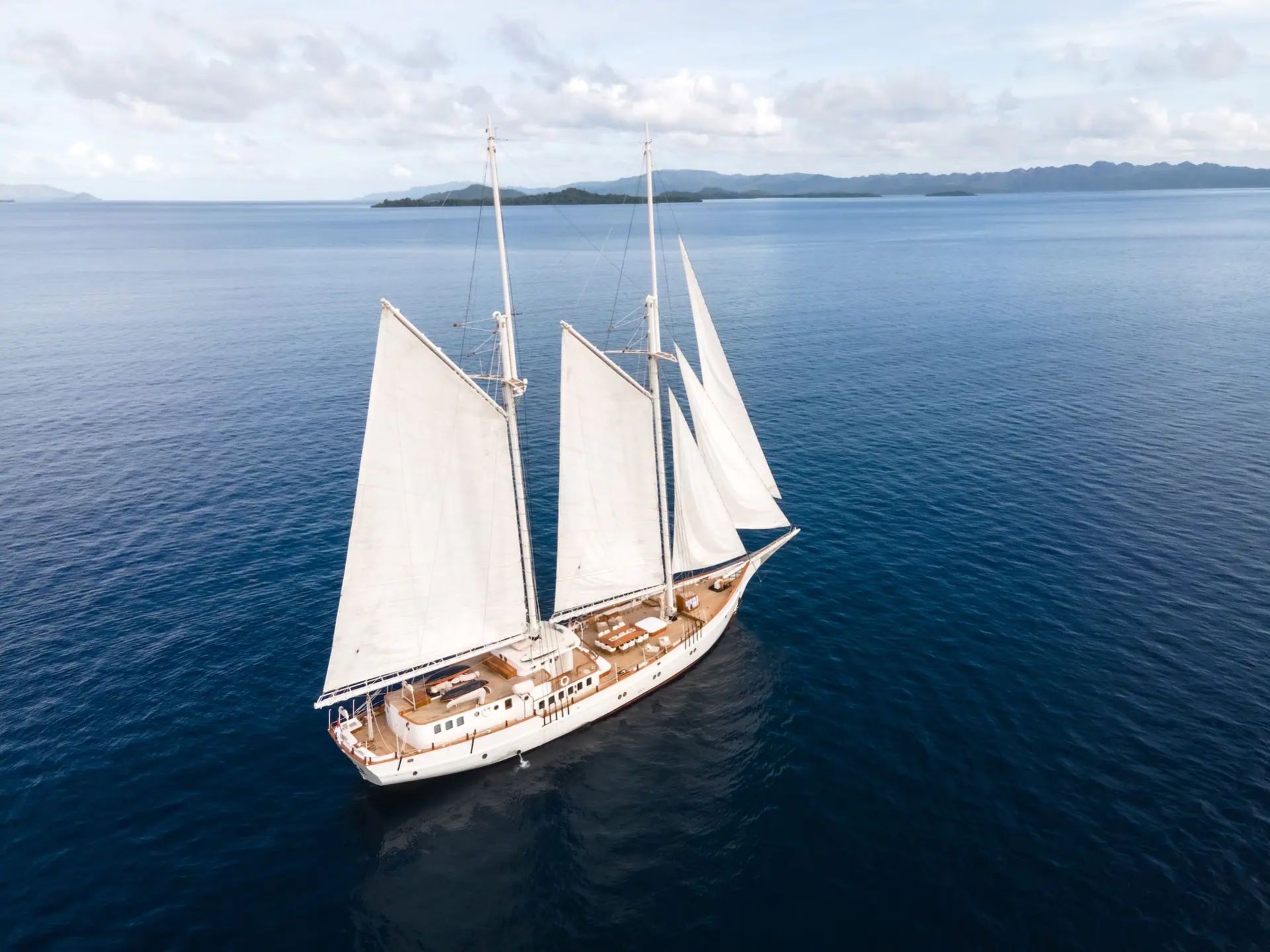
Mutiara Laut
Indonesia
14 guests46 m
$741/day
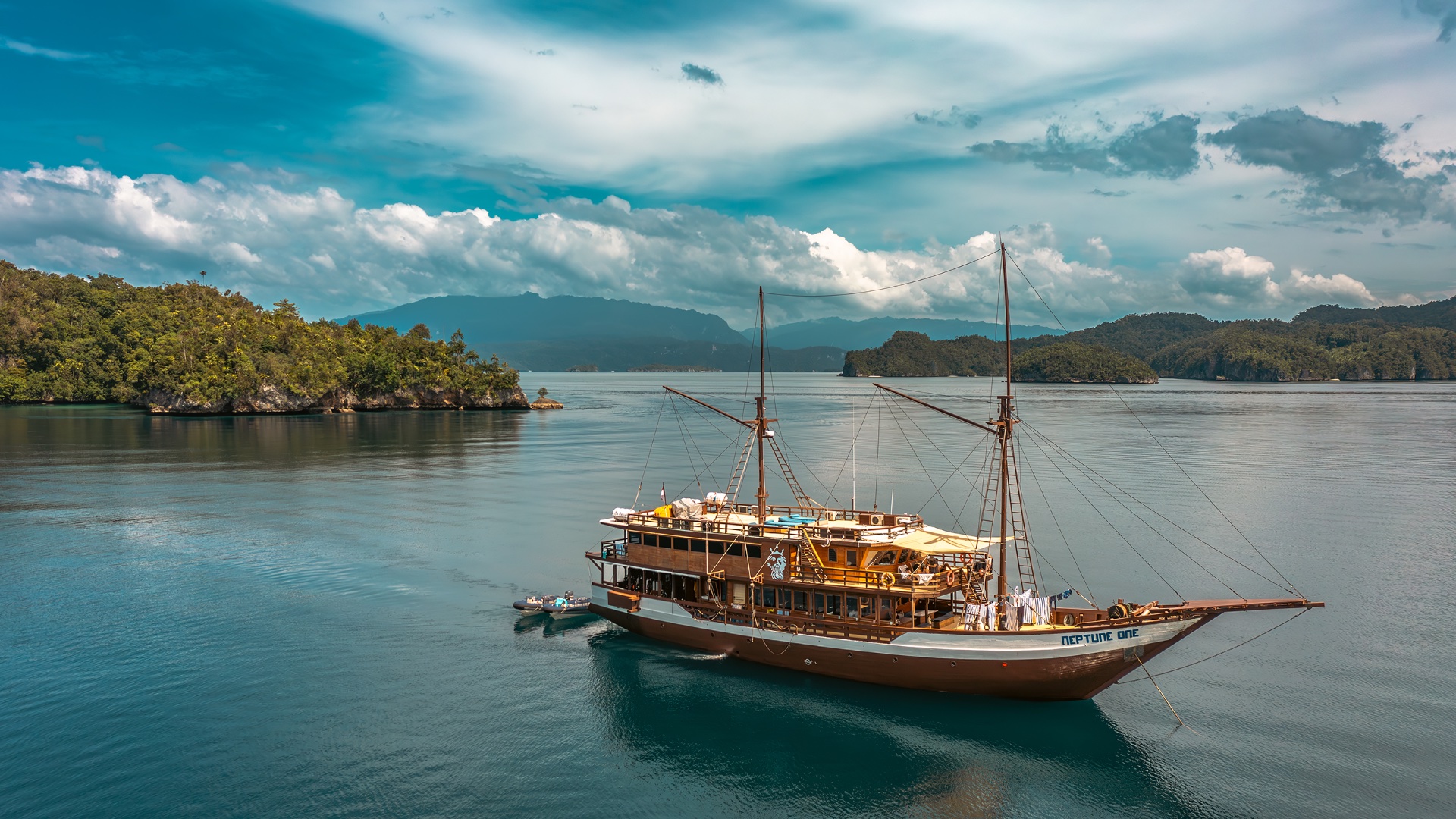
Neptune One
Indonesia
16 guests38 m
$284/day
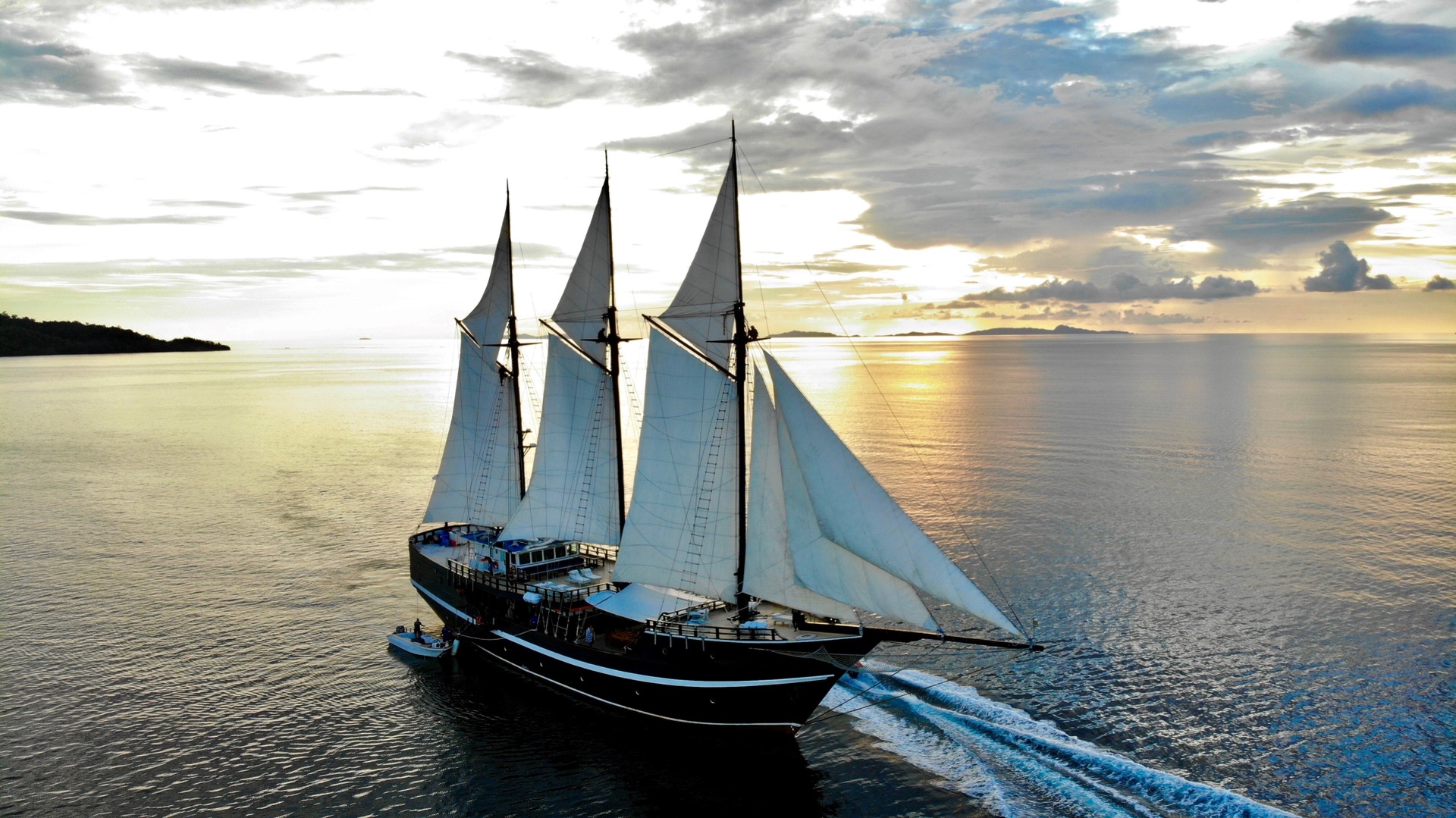
Dewi Nusantara
Indonesia
18 guests57 m
$493/day
Dive sites similar to The Arch
Same character, same waters — six more sites divers love for the exact same reasons.Compare seasons, access and liveaboard routes — then pick the site that fits your trip best.
Halerman is a prominent dive site located in the southern part of Alor, known for its distinct underwater landscape and varied marine life.
- Suitable for
- Advanced
- Current
- Strong
- Access
- Liveaboard or dayboat
- Depth
- —
- Theme
- Wall / Drift
© Esri — Maxar, Earthstar, GIS
Sharks Galore
Alor
Sharks Galore, an iconic drift-dive in Alor, offers thrilling encounters with diverse marine life.
- Suitable for
- Advanced
- Current
- Ripping
- Access
- Liveaboard or dayboat
- Depth
- 15–40 m
- Theme
- Channel / Drift
© Esri — Maxar, Earthstar, GIS
Goa Wolang
Alor
Goa Wolang, also known as Wolang Cave, is a distinctive dive site located in South Alor, renowned for its intriguing topography and diverse marine life.
- Suitable for
- Advanced
- Current
- Strong
- Access
- Dayboat
- Depth
- 5–30 m
- Theme
- Cavern / Wall
Munaseli is a prominent dive site situated off the northern coast of Pantar Island in the Alor archipelago, an area celebrated for its rich marine biodiversity within the Coral Triangle.
- Suitable for
- Advanced
- Current
- Strong
- Access
- Liveaboard or dayboat
- Depth
- ≤ 40 m
- Theme
- Wall / Drift
© Esri — Maxar, Earthstar, GIS
Ipet Drop-off
Alor
Situated off Adonara Island, Ipet Drop-off is a renowned dive site in the Alor region, celebrated for its vibrant and densely populated reef.
- Suitable for
- Advanced
- Current
- Strong
- Access
- Liveaboard only
- Depth
- —
- Theme
- Reef / Wall
© Esri — Maxar, Earthstar, GIS
Crocodile Rock
Alor
Crocodile Rock is a captivating dive site situated within the Alor Archipelago, a remote Indonesian region celebrated for its untouched marine ecosystems.
- Suitable for
- Advanced
- Current
- Strong
- Access
- Liveaboard or dayboat
- Depth
- 6–28 m
- Theme
- Drift / Wall