Muck diving: the best dive sites worldwide
46 dive sites8 countries4 regions6 liveaboard-only sites

Muck diving: the best dive sites worldwide

Muck diving is black sand, rare critters and camera time — from Lembeh Strait to Anilao. Compare the best Muck dive sites worldwide with depth, current, certification level and best season, plus the liveaboard itineraries that actually dive them.

What makes Muck diving special

Muck diving swaps coral for black sand, silt and rubble slopes that look empty at first glance. It is macro heaven: frogfish, blue-ringed octopus, mimic octopus and dozens of critters hiding in the sediment.

Muck diving is one of the most rewarding ways to read the ocean. Every site layers history, marine life and a unique atmosphere — from shallow, coral-encrusted shore wrecks to deep, current-swept war graves.

Some wrecks are protected museums, others are artificial reefs bursting with schools, predators and macro critters. Depth and current vary widely, so there is usually a wreck for every certification level — as long as you respect its limits.
Signature sites

Iconic muck dive sites

The absolute classics every diver has heard of — and the liveaboards that reach them.

Lembeh Strait

Indonesia

The Lembeh Strait, situated in North Sulawesi, Indonesia, is celebrated as the world's foremost destination for muck diving and macro photography.

Suitable for
Beginner
Current
Strong
Access
Shore / dayboat
Depth
5–25 m
Theme
Drift / Muck diving

TK3

Indonesia

TK3 is a premier dive site located in the renowned Lembeh Strait, an area celebrated worldwide as the capital of muck diving.

Suitable for
Intermediate
Current
Strong
Access
Liveaboard or dayboat
Depth
5–25 m
Theme
Muck diving

Mandarin House is a vibrant dive site in Alor, renowned for its rich macro life and dynamic topography.

Suitable for
Intermediate
Current
Strong
Access
Liveaboard or dayboat
Depth
2–12 m
Theme
Drift / Muck diving

Secret Bay, affectionately known as Secret Bay Gilimanuk, is a premier macro diving destination located at Bali's far western tip, near the ferry terminal connecting Bali with Java.

Suitable for
Beginner
Current
Strong
Access
Shore / dayboat
Depth
1–10 m
Theme
Muck diving

Atmosphere House Reef is a renowned dive site located in Dauin, Philippines, directly accessible from the shore.

Suitable for
Beginner
Current
Strong
Access
Shore / dayboat
Depth
5–35 m
Theme
Muck diving

Samarai Wharf

Papua New Guinea

Samarai Wharf, situated in Papua New Guinea's Milne Bay Province, was once the bustling center of Samarai Island, a significant colonial port from the 1880s.

Suitable for
Beginner
Current
Moderate
Access
Liveaboard only
Depth
3–10 m
Theme
Drift / Muck diving

Editorial ranking

Top 13 muck dive sites worldwide

Our editorial top 13, based on how often each site appears in published best-of rankings, dive guides and operator reports.

From bucket-list classics to lesser-known gems, these sites cover the full range of experience levels and conditions.

Compare depth, current, access and the liveaboards that reach each site to plan your next underwater adventure.

1

Lembeh Strait

Indonesia

The Lembeh Strait, situated in North Sulawesi, Indonesia, is celebrated as the world's foremost destination for muck diving and macro photography.

Suitable for
Beginner
Current
Strong
Access
Shore / dayboat
Depth
5–25 m
Theme
Drift / Muck diving

Secret Bay, nestled within Anilao in the Philippines, is renowned globally as a premier muck diving destination.

Suitable for
Intermediate
Current
Mild
Access
Shore / dayboat
Depth
3–15 m
Theme
Muck diving

Season

Best season for Muck diving

Seasons change by region, but these windows reliably deliver the calmest seas and the best visibility for Muck diving. Compare water temperature, surface conditions and the liveaboard routes that run during each peak season.
Muck diving in the Coral Triangle

Coral Triangle

Year-round, best July – October

J
F
M
A
M
J
J
A
S
O
N
D
ExcellentGoodOff-season

Lembeh, Dauin, Anilao and Ambon deliver critters all year; the dry months give the calmest surface.

Water 26–29 °C · visibility 5–15 m — low clarity is exactly what makes muck sites so rich.

Muck diving in the South Pacific

South Pacific

May – October

J
F
M
A
M
J
J
A
S
O
N
D
ExcellentGoodOff-season

Milne Bay's black-sand slopes and wharf dives sit in the dry-season window.

Water 27–29 °C · visibility 8–20 m · wharf pilings are critter magnets after dark.

Muck diving in the Mediterranean & Atlantic

Mediterranean & Atlantic

June – October

J
F
M
A
M
J
J
A
S
O
N
D
ExcellentGoodOff-season

Temperate muck — seahorses, octopus and cuttlefish on sand and seagrass edges — in the warm season.

Water 16–26 °C · visibility 8–20 m · night dives produce the best macro subjects.

Plan ahead

Good to know

Muck diving mixes unforgettable moments with real planning decisions — depth, current, certification and the right season all matter. Here is what experienced divers check before booking a liveaboard trip.

  1. The setting

    Black volcanic sand, silt and rubble — visually bleak, biologically extraordinary. Muck diving is about what lives on the sand, not on coral.

  2. Certification

    Open Water is plenty. Muck sites are shallow (5–25 m) with little current; the challenge is patience, not skill level.

  3. Buoyancy

    Hover motionless a few centimetres above the silt. One careless fin kick ends the dive for everyone behind you.

  4. Pace

    A 70-minute dive may cover 50 m of sand. Slow down, hover and let the guide's pointer do the finding.

  5. Marine life

    Blue-ringed octopus, hairy frogfish, mimic octopus, flamboyant cuttlefish, rhinopias, ghost pipefish, bobbit worms and dozens of nudibranch species.

  6. Camera setup

    Macro lens, snoot or focus light, and a diopter for the tiny stuff. Wide-angle has almost no use on a muck dive.

  7. Night diving

    Muck sites transform after dark — bobbit worms, stargazers, sea pens and mating mandarinfish at dusk.

  8. Exposure

    Long, shallow, slow-moving dives get cold. A 5 mm suit and hood are worth it even in tropical water.

  9. Muck etiquette

    Never move or bait an animal for a shot. Rare critters are moved to death at over-photographed sites.

  10. Getting there

    Shore and short boat rides from resort bases; a few liveaboards combine Lembeh, Ambon and Halmahera in one critter itinerary.

By country

Find your muck dive sites by country

Pick the country you have always dreamed of and see all muck dive sites waiting for you there.

Depths, currents, best season and the liveaboards that actually dive them — all in one place.

27 dive sites

Indonesia

avg 24 m · level Intermediate · current Strong

7 dive sites

Papua New Guinea

avg 17 m · level Beginner · current Moderate

5 dive sites

Philippines

avg 24 m · level Beginner · current Mild

3 dive sites

Australia

avg 18 m · level Beginner · current Mild

1 dive sites

Portugal

level Beginner · current Mild

1 dive sites

Turkey

level Intermediate · current Strong

1 dive sites

Egypt

level Beginner · current Moderate

1 dive sites

Solomon Islands

level Intermediate · current Mild

By region

Find your muck dive sites by region

Pick the region you have always dreamed of and see all muck dive sites waiting for you there.

Depths, currents, best season and the liveaboards that actually dive them — all in one place.

Muck diving in the Coral Triangle40 dive sites

Coral Triangle

avg 23 m · level Intermediate · current Mild

Muck diving in the South Pacific3 dive sites

South Pacific

avg 18 m · level Beginner · current Mild

Muck diving in the Mediterranean & Atlantic2 dive sites

Mediterranean & Atlantic

avg 27 m · level Beginner · current Mild

Muck diving in the Red Sea & Arabia1 dive sites

Red Sea & Arabia

level Beginner · current Moderate

Liveaboards for Muck diving

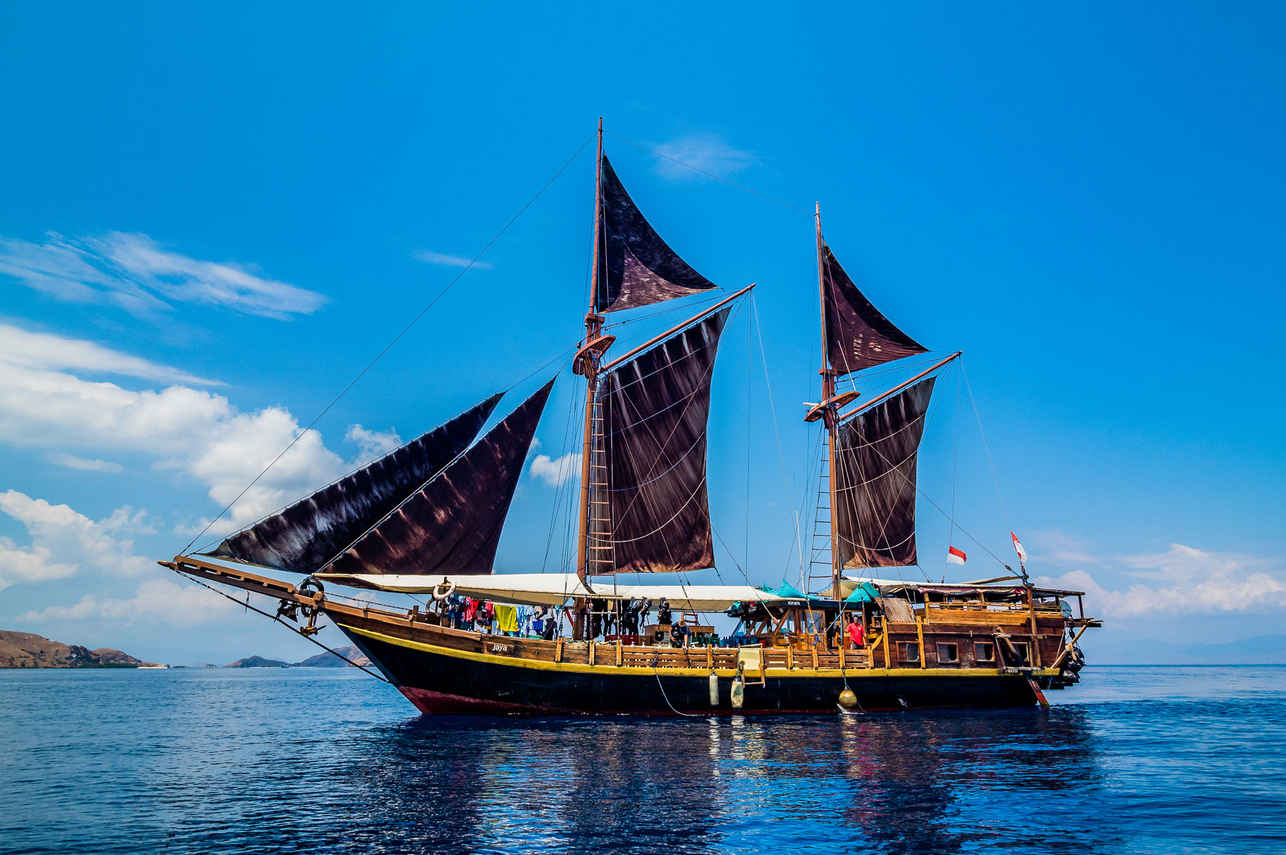
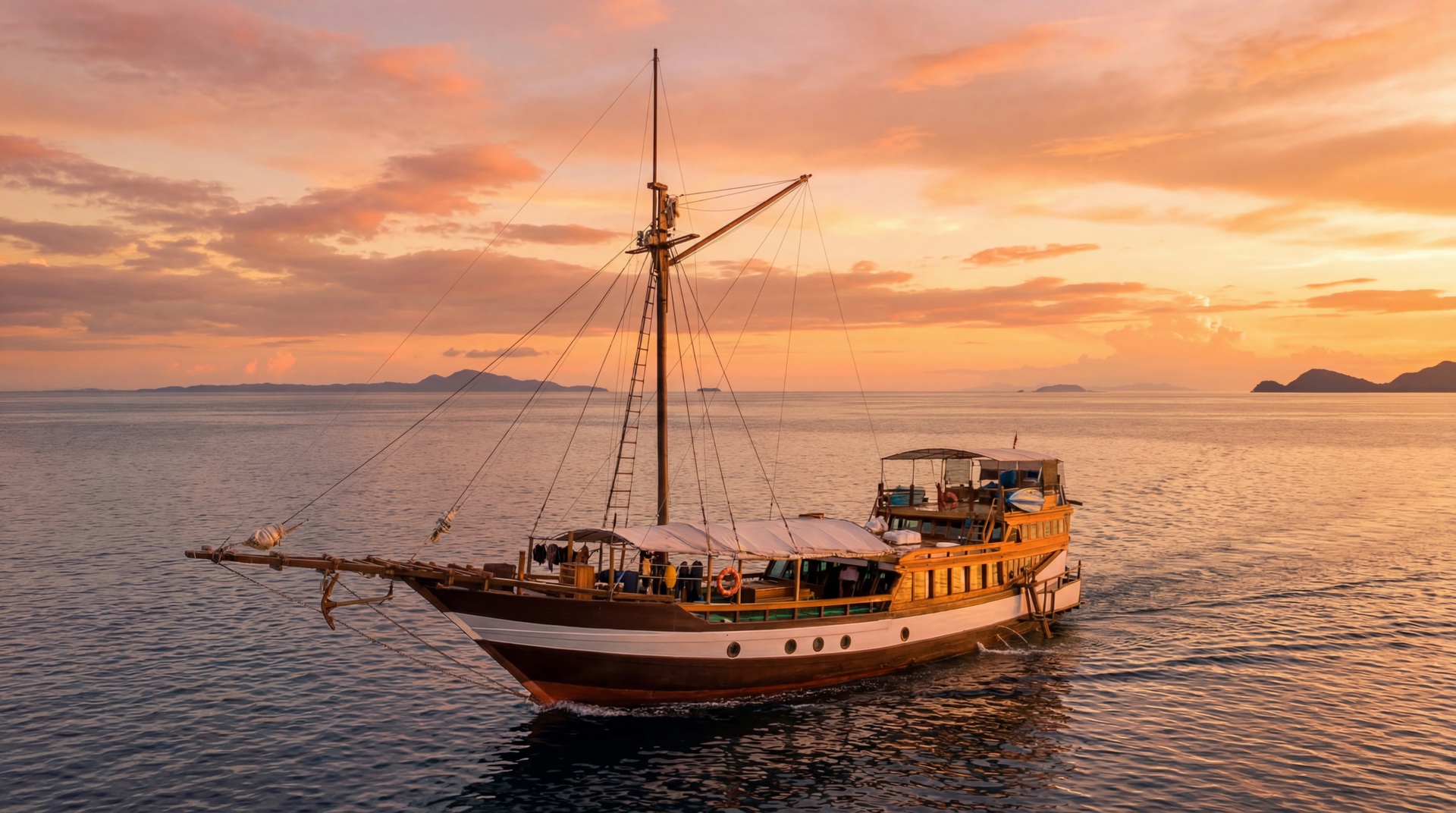
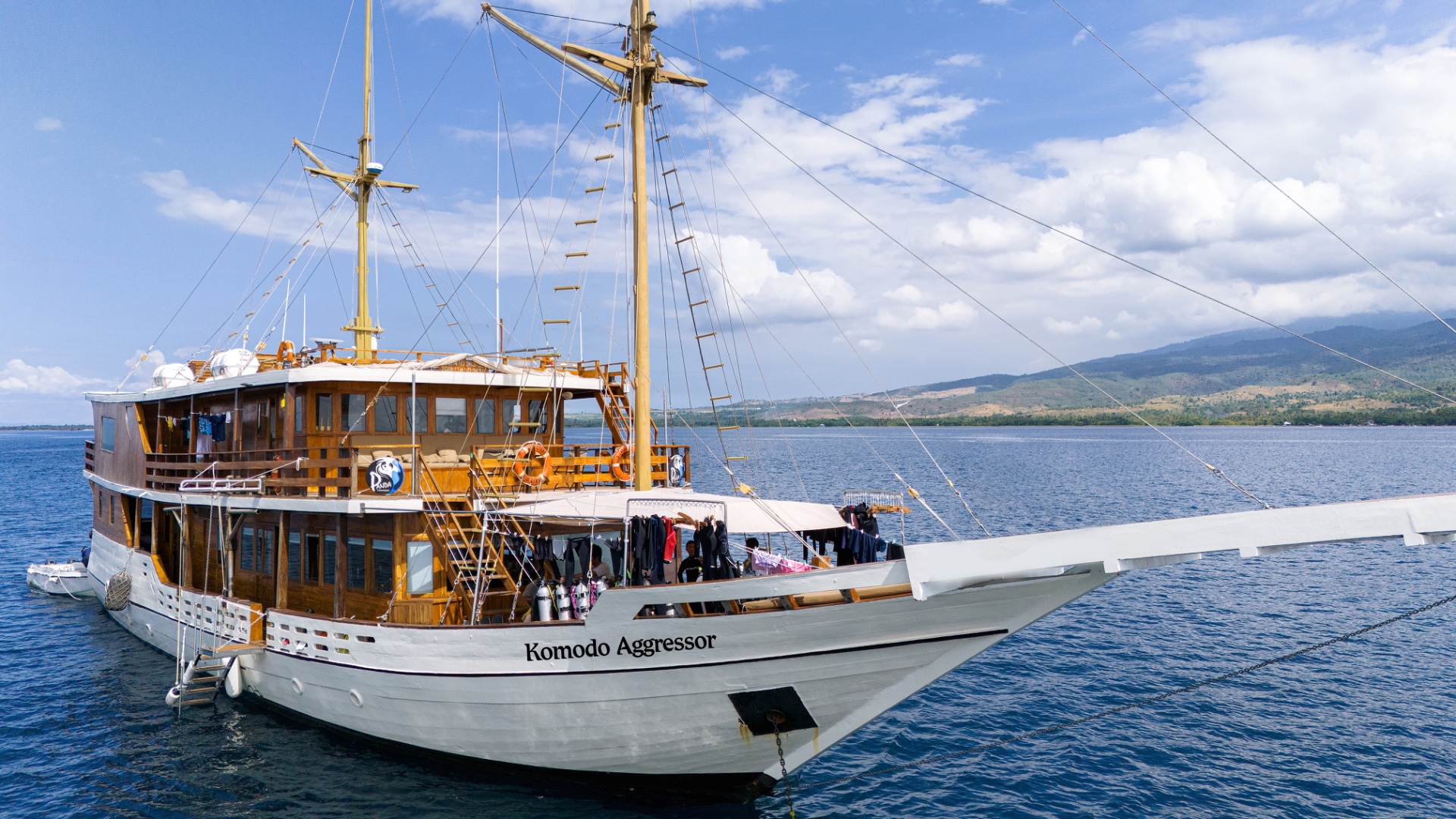
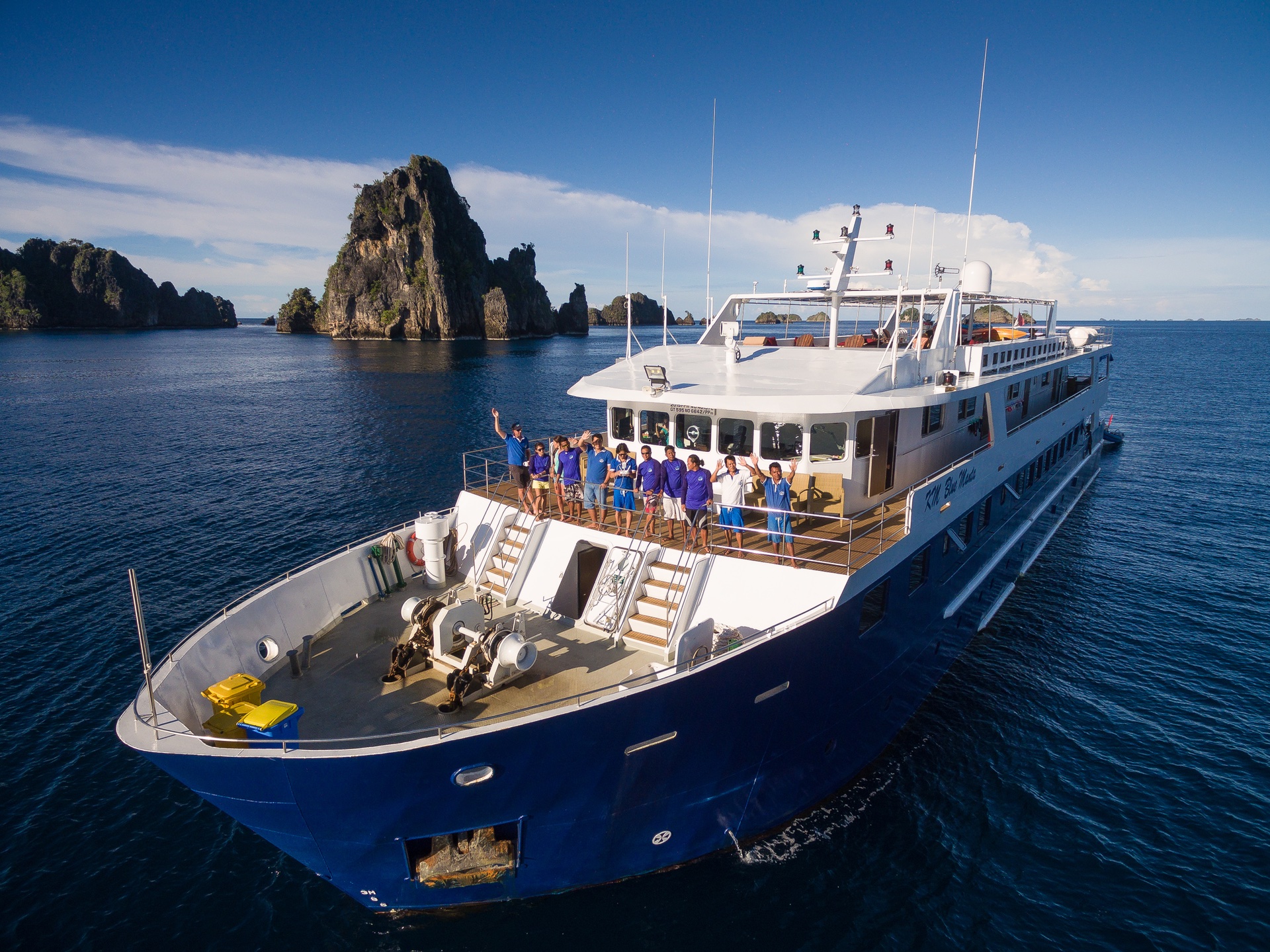
Search boats built around Muck diving and compare departures.

FAQ

FAQ: Muck diving

What is muck diving?
Diving over black sand, silt and rubble bottoms instead of coral, looking for rare and bizarre small animals that camouflage themselves in the sediment.
Where is the best muck diving in the world?
Lembeh Strait in Indonesia is the benchmark, with Anilao and Dauin in the Philippines, Ambon, Secret Bay in Bali and Milne Bay in Papua New Guinea close behind.
Do I need to be an experienced diver?
No. Muck sites are shallow and calm, so Open Water divers do fine. What really matters is buoyancy control so you do not silt out the site.
What camera gear should I bring?
A macro setup: 60 mm or 105 mm equivalent, a focus light and ideally a snoot. Wide-angle is essentially useless on muck.
Why is the visibility so poor?
The nutrient-rich sediment that clouds the water is exactly what supports this density of unusual life. Low visibility is a feature, not a fault.
Is night muck diving worth it?
It is the highlight for many photographers — bobbit worms, stargazers, hunting octopus and the mandarinfish mating ritual at dusk.

Find liveaboards for Muck diving

Search boats built around Muck diving and compare departures.