About Bangka Island
Bangka Island, situated in North Sulawesi, Indonesia, is a renowned dive destination nestled within the rich marine biodiversity of the Coral Triangle, where the Celebes and Molucca Seas converge. This strategic location ensures constant water movement, delivering essential nutrients that fuel an explosion of colorful soft corals and abundant marine life across its almost 50 dive sites. The underwater topography is characterized by dramatic volcanic rock formations, including pinnacles, walls, and sloping reefs, some leading to white or black sand bottoms, alongside tranquil lagoons and seagrass beds. Diving here offers a blend of vibrant reef scenes and intriguing macro life. You can explore current-swept pinnacles adorned with spectacular soft corals and massive sea fans, or search for cryptic critters in sandy areas reminiscent of Lembeh Strait's muck diving. Common sightings include various species of pygmy seahorse, harlequin and tiger shrimps, blue-ringed, mimic, reef, and wonderpus octopuses, ghost pipefish, and frogfish. Larger marine life such as turtles, reef sharks, eagle rays, tuna, great barracuda, and schooling fish like snappers, fusiliers, and cardinalfish are also frequently encountered, with rare dugong sightings possible. Dive conditions are generally easy to mild, though certain sites like Sahaung can experience stronger currents, which often enhance marine activity. Most dive sites are just minutes away by boat, making daily two-tank morning dives with a surface interval, plus afternoon and night dives, a regular schedule. Depths typically range from 5 to 40 meters, accommodating various certification levels. Dive groups are kept small, often with a maximum of four divers per guide, ensuring a personalized experience.
Highlights
Kaleidoscopic soft coral gardensDramatic sea pinnaclesRare macro crittersPelagic marine life encountersResident dugongs and whalesUnderwater volcanic formationsExcellent visibility
Season calendar
Best months to dive here
Jan
Feb
Mar
Apr
May
Jun
Jul
Aug
Sep
Oct
Nov
Dec
Excellent
Good
Dive site facts: Bangka Island
- Depth
- 5–45 m
- Current
- Mild to medium, occasionally strong
- Visibility
- 15–35 m
- Water temperature
- 28–29°C
- Entry
- Boat / Shore (House Reef)
- Level
- Intermediate
- Dive type
- Reef, Pinnacle, Macro, Drift, Walls
- Night dive
- Possible (House Reef)
- Region / port
- North Sulawesi, Indonesia
- Coordinates
- 1.7900° N, 125.1400° E
Conditions & Currents
Currents around Bangka Island are generally mild to medium, creating comfortable diving conditions across many sites. However, the archipelago is exposed, and some pinnacle sites, particularly Batu Goso and Sahaung, can experience strong currents. These currents often bring in pelagic marine life and can necessitate drift dives, with local guides expertly navigating to sheltered sections of the reef or pinnacles. Surface conditions can occasionally be rough, especially during July and August when stronger winds and waves are more prevalent, potentially affecting visibility and requiring more experienced entries. Water temperature remains consistently warm at 28-29°C year-round, ensuring comfortable dive times even when conditions are dynamic. Divers should be prepared for varying current strengths and always follow the guide's instructions for safe and enjoyable dives.
Marine life & sighting chances

Pygmy Seahorse
common
Harlequin Shrimp
occasional
Tiger Shrimp
occasional
Blue-ring Octopus
occasional
Mimic Octopus
occasionalWonderpus Octopus
occasional
Ghost Pipefish
common
Ambon Scorpionfish
common
Frogfish
common
Turtle
common
Reef Shark (White-tip, Black-tip)
occasional
Eagle Ray
occasional
Dugong
rare
Moray Eel
commonDive profile & how the dive runs
Dives around Bangka Island often start with a boat drop directly onto the site, usually a pinnacle or a sloping reef. For pinnacle dives like Batu Goso or Sahaung, your guide will assess the current upon entry and choose a sheltered side to descend, allowing for a controlled beginning. The route typically involves circling the coral-encrusted pinnacles, exploring crevices and overhangs for macro life, and observing schooling fish in the blue. Depth progression varies, but you'll generally find rich marine life from 5 meters down to 35-40 meters, with stunning topography at all levels. Reef dives, such as the House Reef, begin with a gentle slope from shallow coral gardens, allowing for a relaxed exploration of bommies and sandy patches. Turn points are usually determined by gas consumption or current direction. Safety stops are often conducted in shallow reef gardens, providing an opportunity to observe smaller reef fish and hard corals while off-gassing.
Underwater photography
Bangka Island is a treasure trove for underwater photographers, catering to both wide-angle and macro enthusiasts. For wide-angle shots, lenses around 10-17mm or similar are ideal to capture the expansive soft coral gardens and dramatic pinnacle formations, especially at sites like Batu Goso and Sahaung. Strobes are highly recommended to bring out the vibrant yellows, greens, and reds of the corals, which are spectacular under artificial light. Macro photographers will thrive on muck sites like Peter's Sponge or the House Reef, where lenses such as 60mm or 100mm are essential for capturing pygmy seahorses, various species of octopus, frogfish, and ghost pipefish. Careful buoyancy control is critical to avoid damaging delicate corals and disturbing cryptic critters. Patience and a keen eye are rewarded, especially when seeking out the well-camouflaged smaller species that populate these reefs.
Combine with nearby dive sites
Getting there & logistics
Access to Bangka Island is typically through Manado (MDC) international airport in North Sulawesi. From Manado, travelers can take a two-hour car transfer to the remote village of Likupang, followed by a 20-minute boat ride to Bangka or Gangga Island. Alternatively, direct boat transfers are possible from Manado or Bunaken National Park, which take approximately four hours, or from Lembeh Strait. Dive holidays in North Sulawesi often combine Bangka with Bunaken Marine Park and Lembeh Strait, offering a comprehensive diving experience that includes vibrant reefs, dramatic walls, and world-renowned muck diving. Some resorts offer packages that facilitate seamless transfers between these distinct regions, allowing divers to experience the full spectrum of marine environments available in the area.
Safety & environment
While diving in Bangka Island, safety is paramount. The nearest recompression chamber is located in Manado, approximately 2-4 hours away by boat and car, depending on sea conditions and specific resort location. Divers should ensure they have comprehensive dive insurance that covers medical evacuation and hyperbaric treatment. Site-specific hazards include strong currents at exposed pinnacles, which require careful planning and adherence to your dive guide's instructions; guides are adept at identifying sheltered routes. Surface conditions can occasionally be rough, especially between July and September, which may affect boat travel and entries. Divers should maintain excellent buoyancy control to protect the pristine soft corals and avoid accidental contact. Always dive within your certified limits and communicate any concerns to your dive leader.
Who it suits — and who it doesn't
Suited for
- Experienced divers comfortable with currents
- Underwater photographers (macro and wide-angle)
- Divers seeking pristine soft coral reefs
- Explorers interested in diverse marine topographies
- Those who appreciate both pelagic and critter encounters
Less suited for
- Absolute beginners without current experience
- Divers prone to seasickness (especially July-August)
- Those uninterested in macro life
- Divers expecting only gentle, current-free sites
FAQ
Bangka Island FAQ
What is Bangka Island known for?
Bangka Island is renowned for its extraordinarily vibrant soft coral gardens and dramatic underwater pinnacles. The area's rich biodiversity offers a unique combination of both macro life, such as various pygmy seahorses and octopus species, and opportunities for spotting larger marine animals like reef sharks, eagle rays, and even rare dugongs.
What are the typical dive conditions like in Bangka?
Dive conditions in Bangka generally feature warm water temperatures of 28-29°C and good visibility, typically ranging from 15 to 35 meters. Currents can vary from mild to medium, though some exposed sites may experience stronger flows, particularly between July and September, which makes for exciting drift dives when managed by experienced guides.
When is the best time of year to dive Bangka Island?
The best time to visit Bangka Island for diving is from March to June and again from October to December. During these months, visibility is usually at its peak, often reaching up to 35 meters, and surface conditions are generally calmer, providing the most enjoyable diving experience.
What marine life can I expect to see in Bangka?
Divers in Bangka can anticipate a wide array of marine life. Expect to encounter numerous colorful soft corals, alongside critters like pygmy seahorses, various frogfish, and ghost pipefish. Larger species often include white-tip and black-tip reef sharks, turtles, and occasional sightings of dugongs, dolphins, and pilot whales.
How do I get to Bangka Island?
To reach Bangka Island, you typically fly into Manado's Sam Ratulangi International Airport (MDC). From there, transportation usually involves a two-hour car transfer to Likupang village, followed by a 20-minute boat ride to Bangka. Some dive operators also arrange direct boat transfers from Manado or other nearby dive regions like Bunaken and Lembeh.
Why dive Bangka Island from a liveaboard?
Bangka Island is one of Indonesia's signature dive sites. A liveaboard sleeps you on the water and puts you in the water for three to four guided dives per day, including dawn and night dives that day-boat operators rarely offer. You skip the daily commute back to port and reach quieter, less-crowded sites in the same region on a single trip.
Below are the liveaboards that include Bangka Island on their Indonesia itineraries.
Liveaboards diving Bangka Island
These liveaboards may visit Bangka Island on selected itineraries — the exact dive sites depend on departure, weather and conditions.
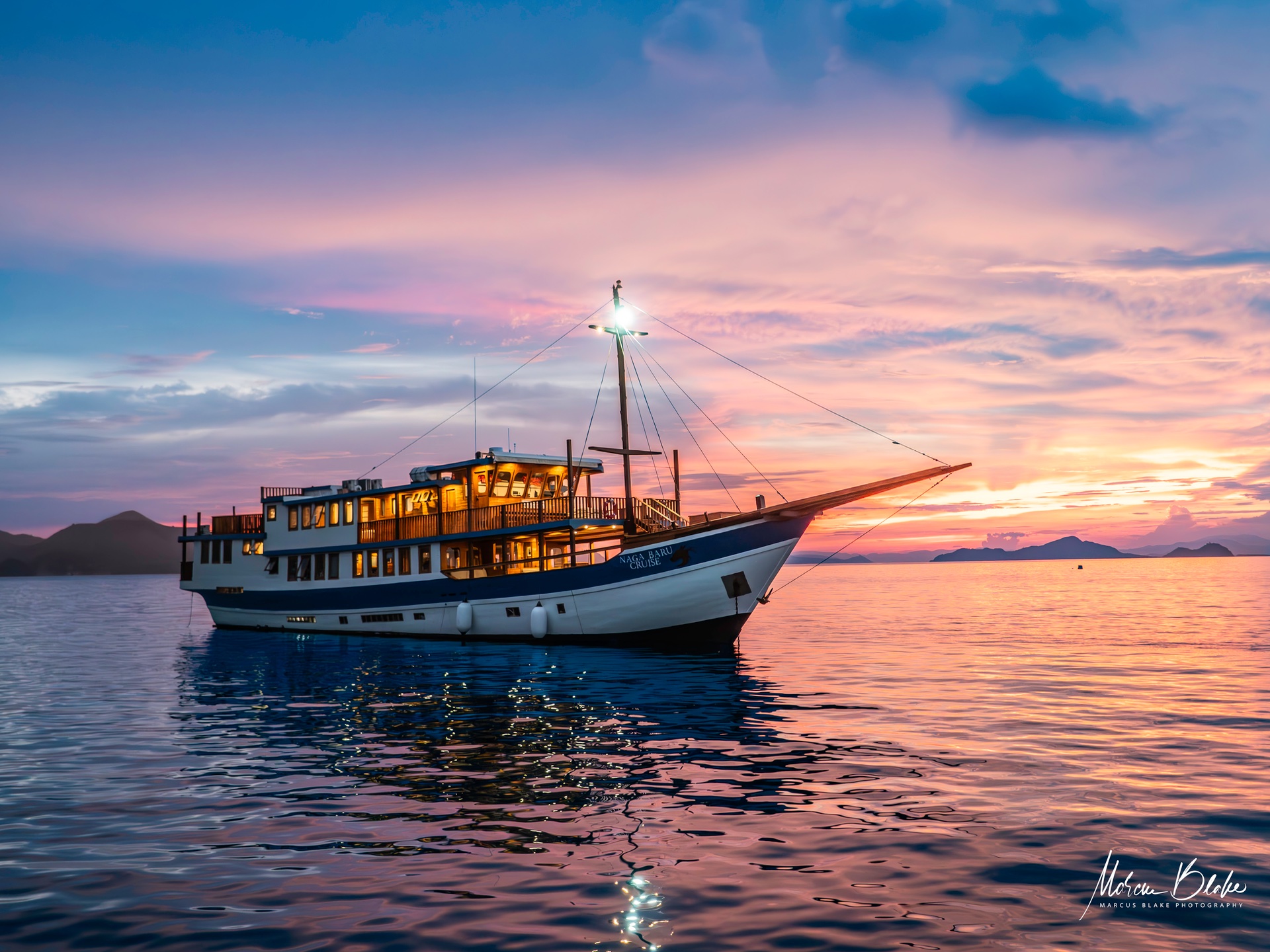
Naga Biru
Indonesia
12 guests40 m
$273/day
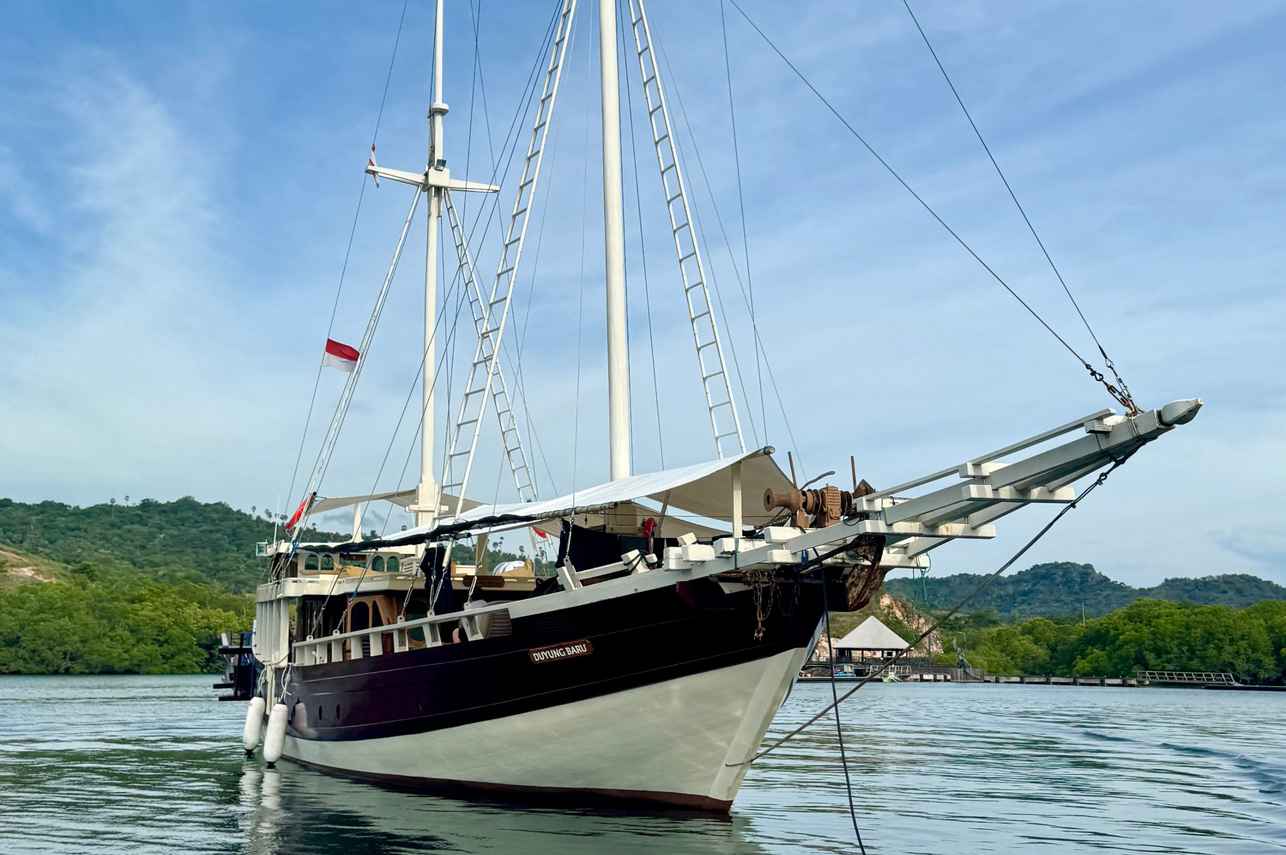
Ecopro Duyung Baru
Indonesia
6 guests27 m
$361/day
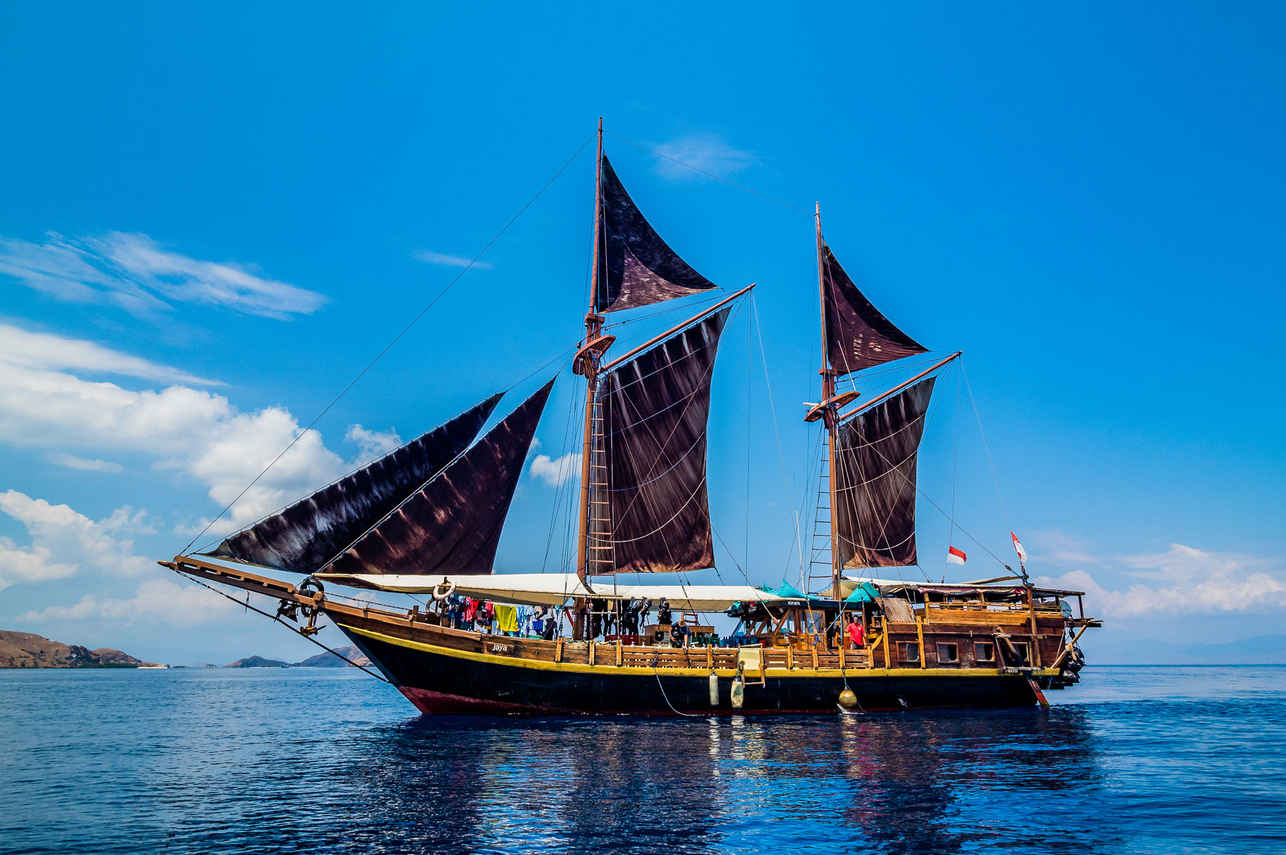
Jaya
Indonesia
14 guests23 m
$280/day
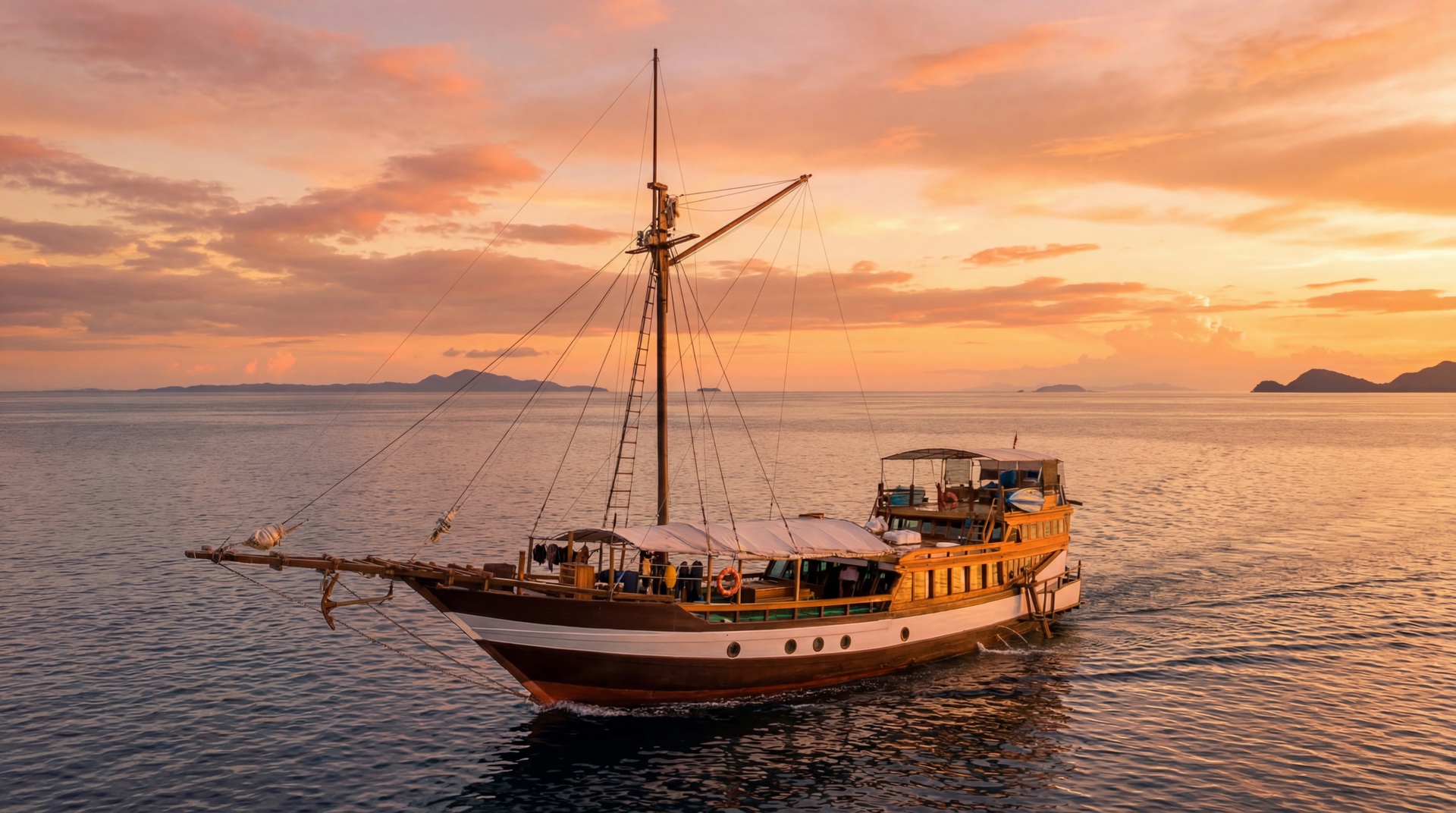
Wellenreng
Indonesia
9 guests25 m
$427/day
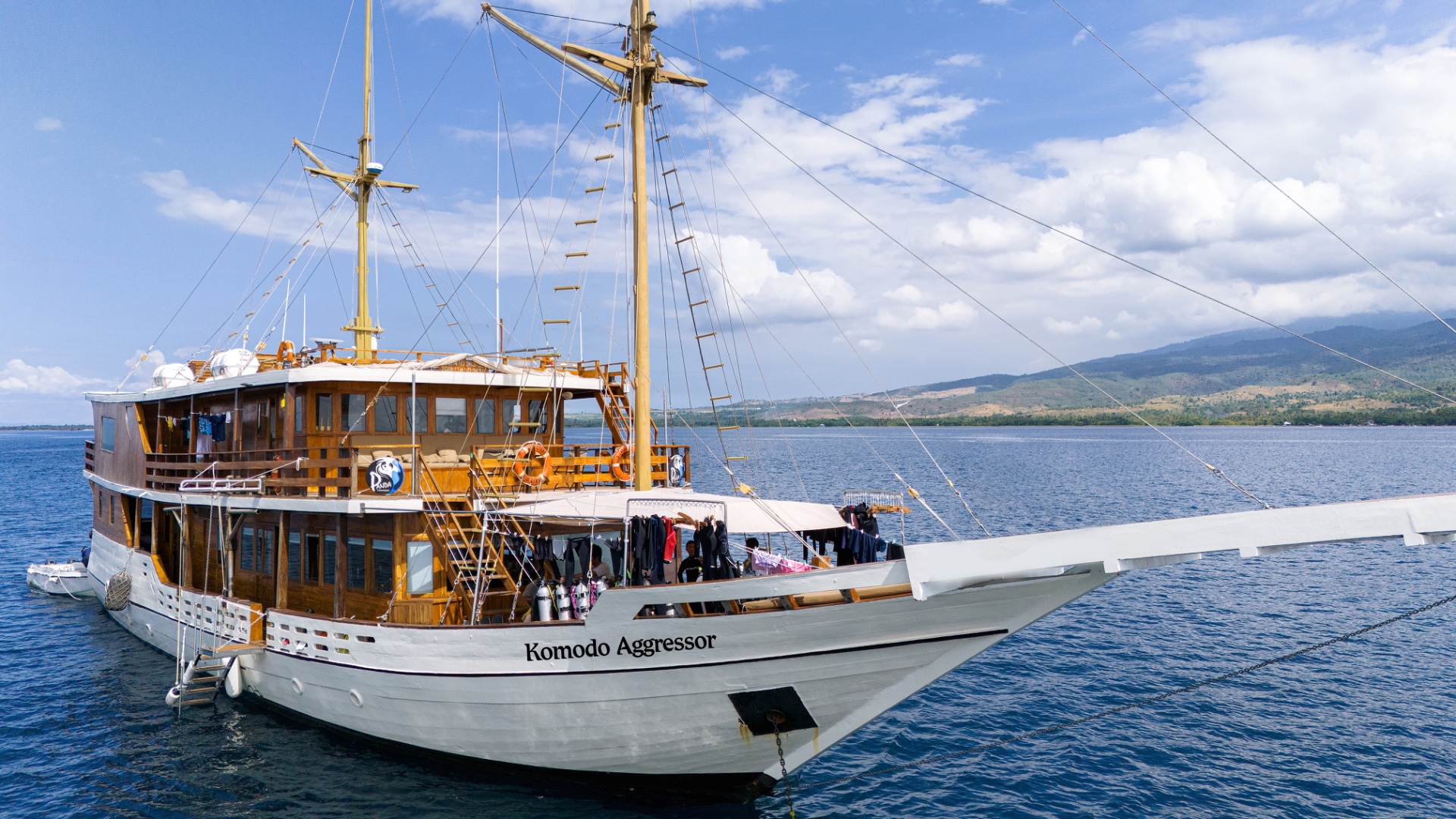
Komodo Aggressor
Komodo, Indonesia
16 guests29 m
$312/day
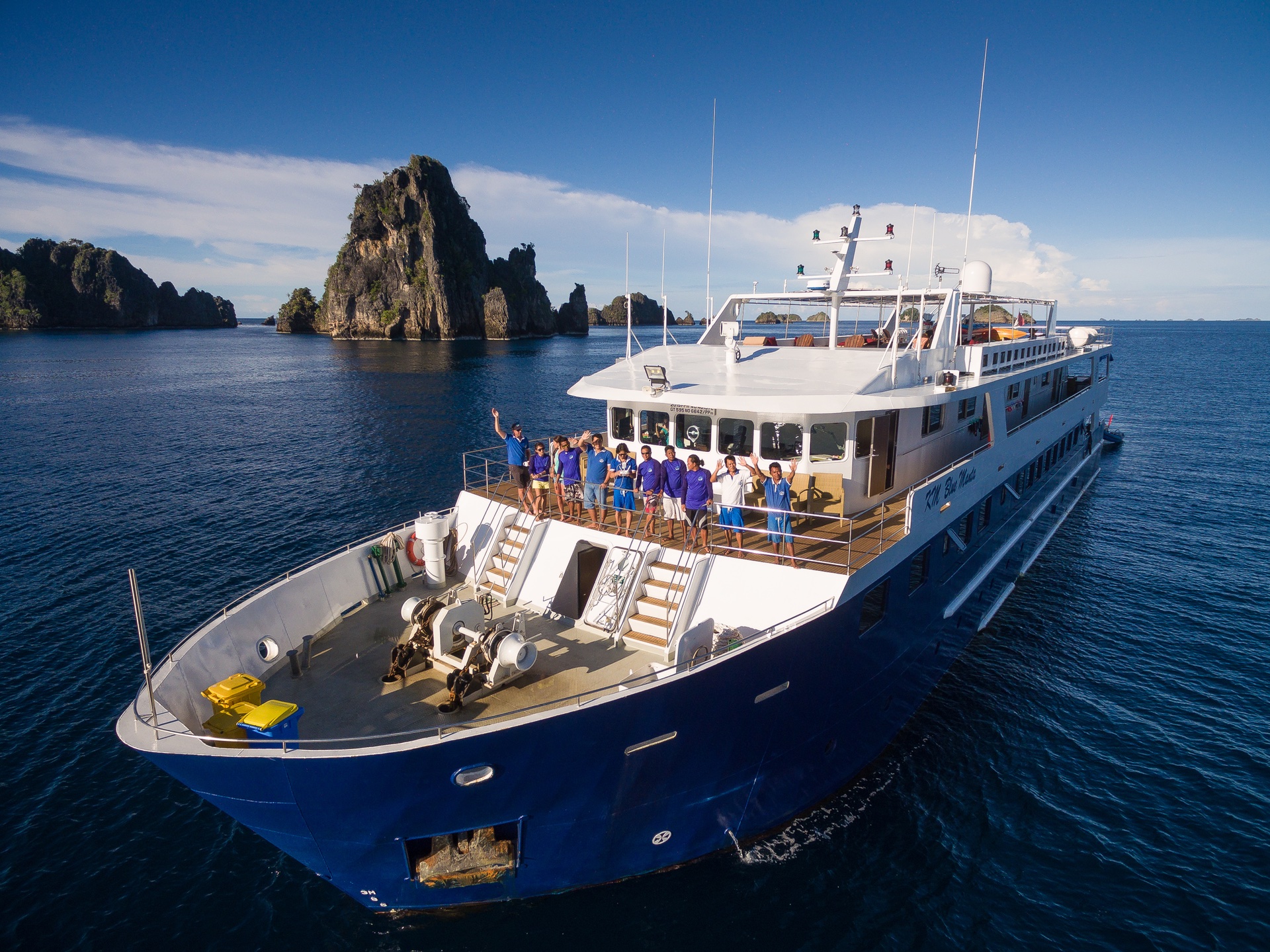
Blue Manta
Indonesia
20 guests45 m
$482/day
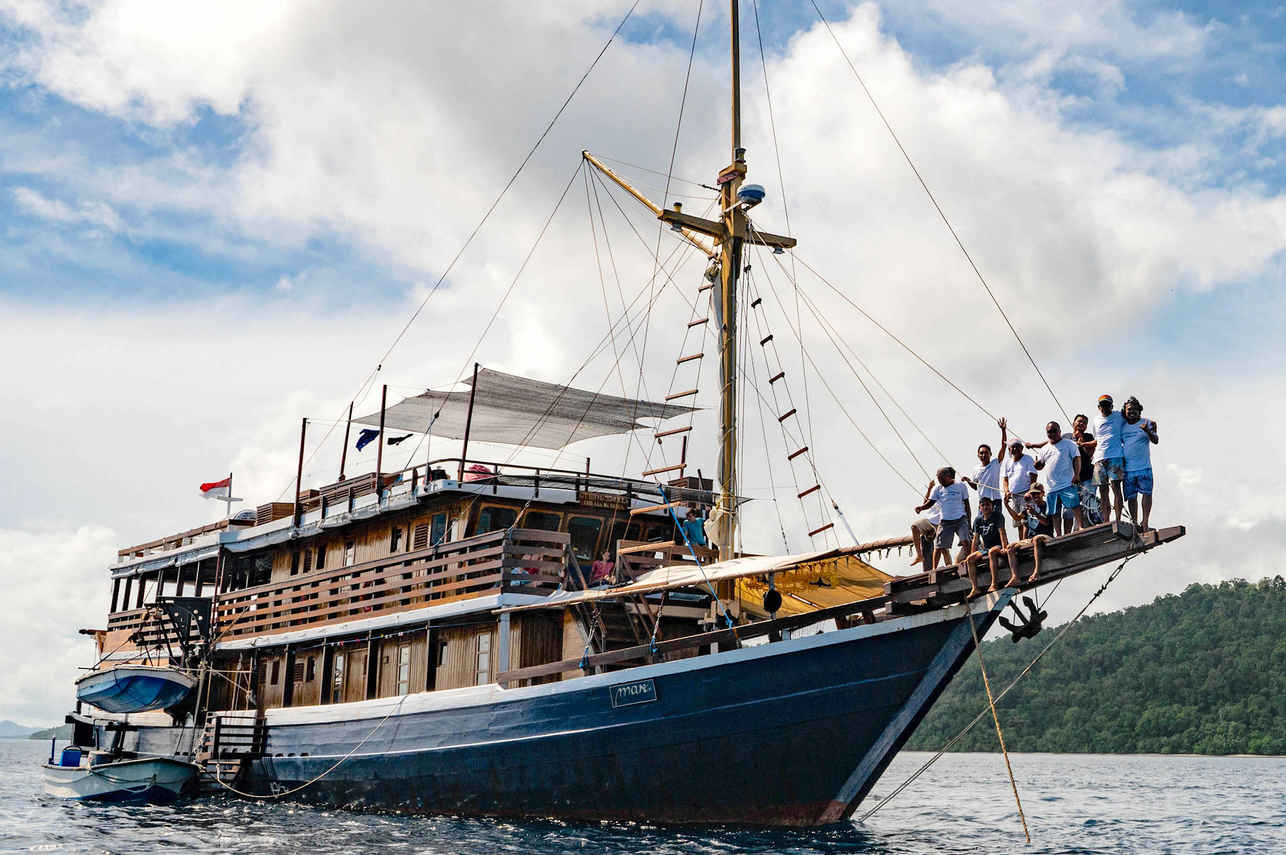
Mari
Indonesia
14 guests32.2 m
$328/day
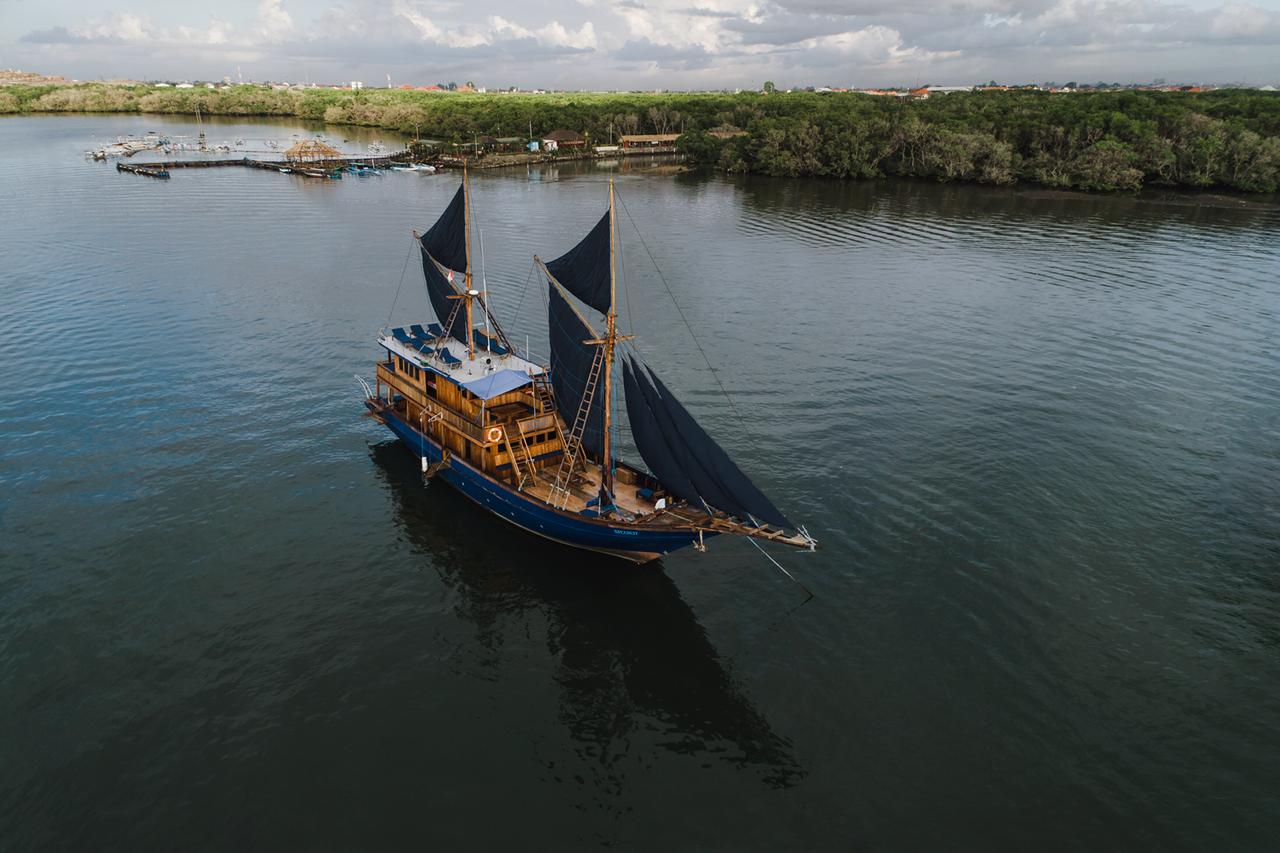
Situju7
Komodo, Indonesia
10 guests32.7 m
$362/day
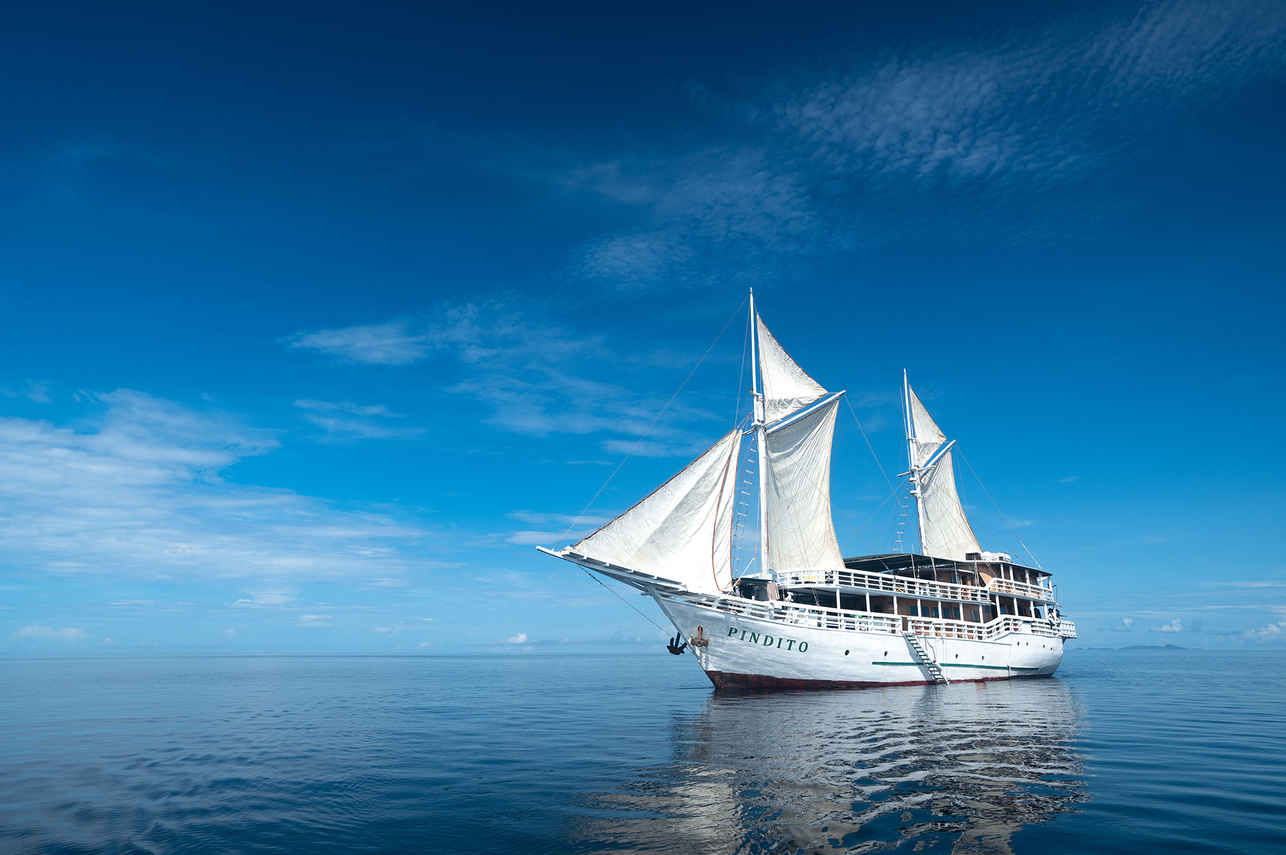
Pindito
Indonesia
16 guests37.79 m
$533/day
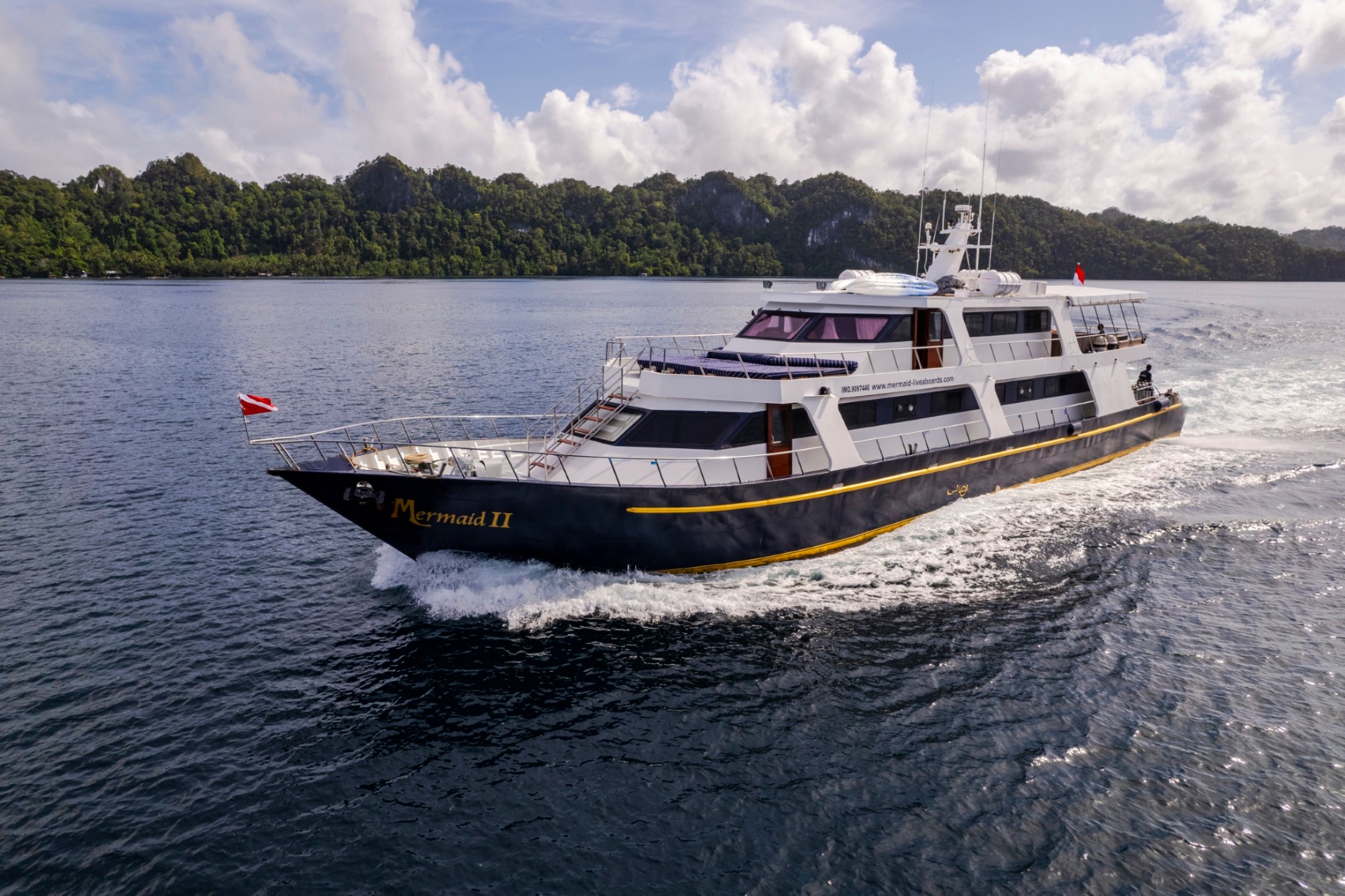
Mermaid II
Komodo, Indonesia
18 guests
$391/day
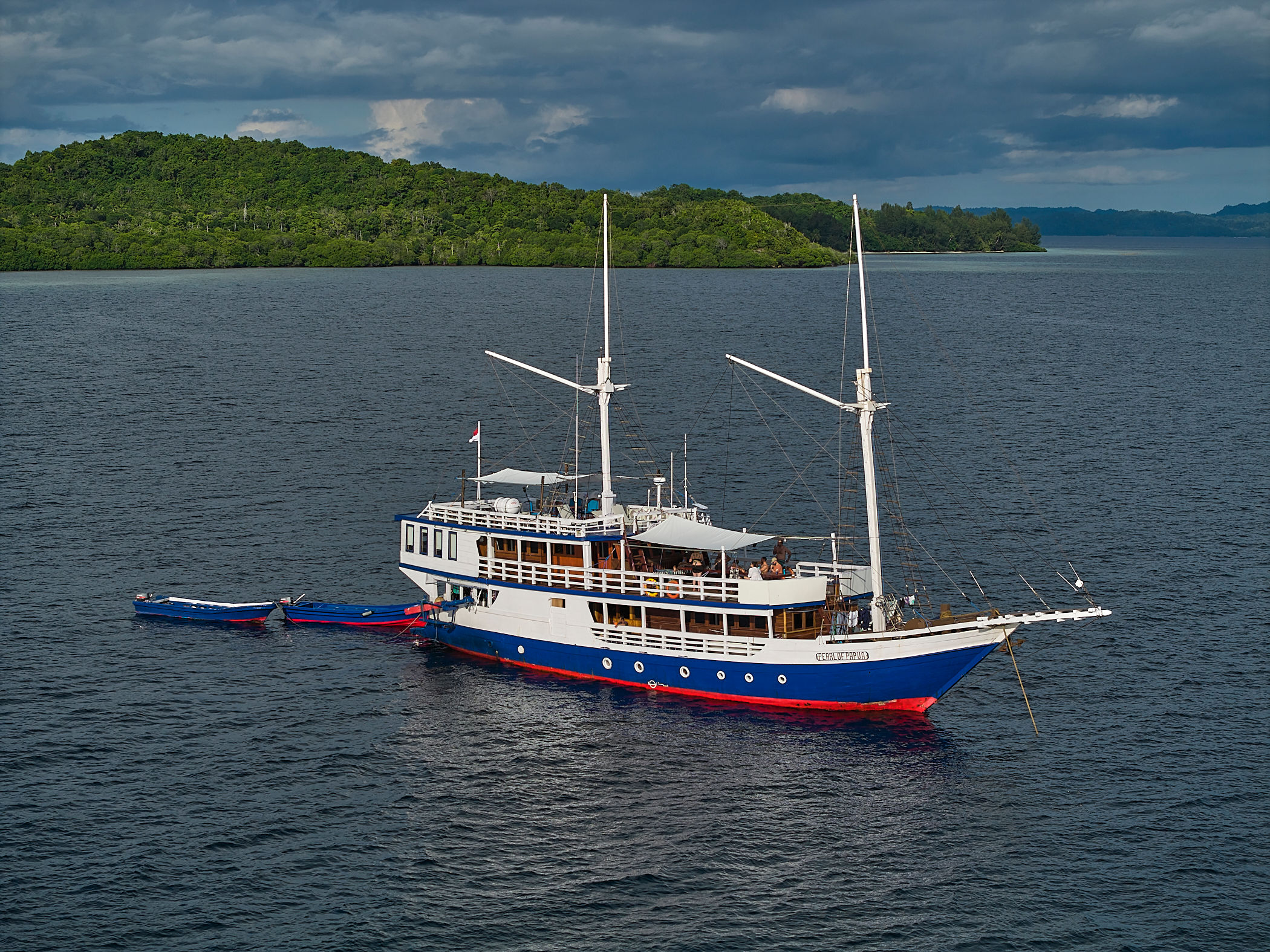
Pearl of Papua
Raja Ampat, Indonesia
14 guests30 m
$303/day
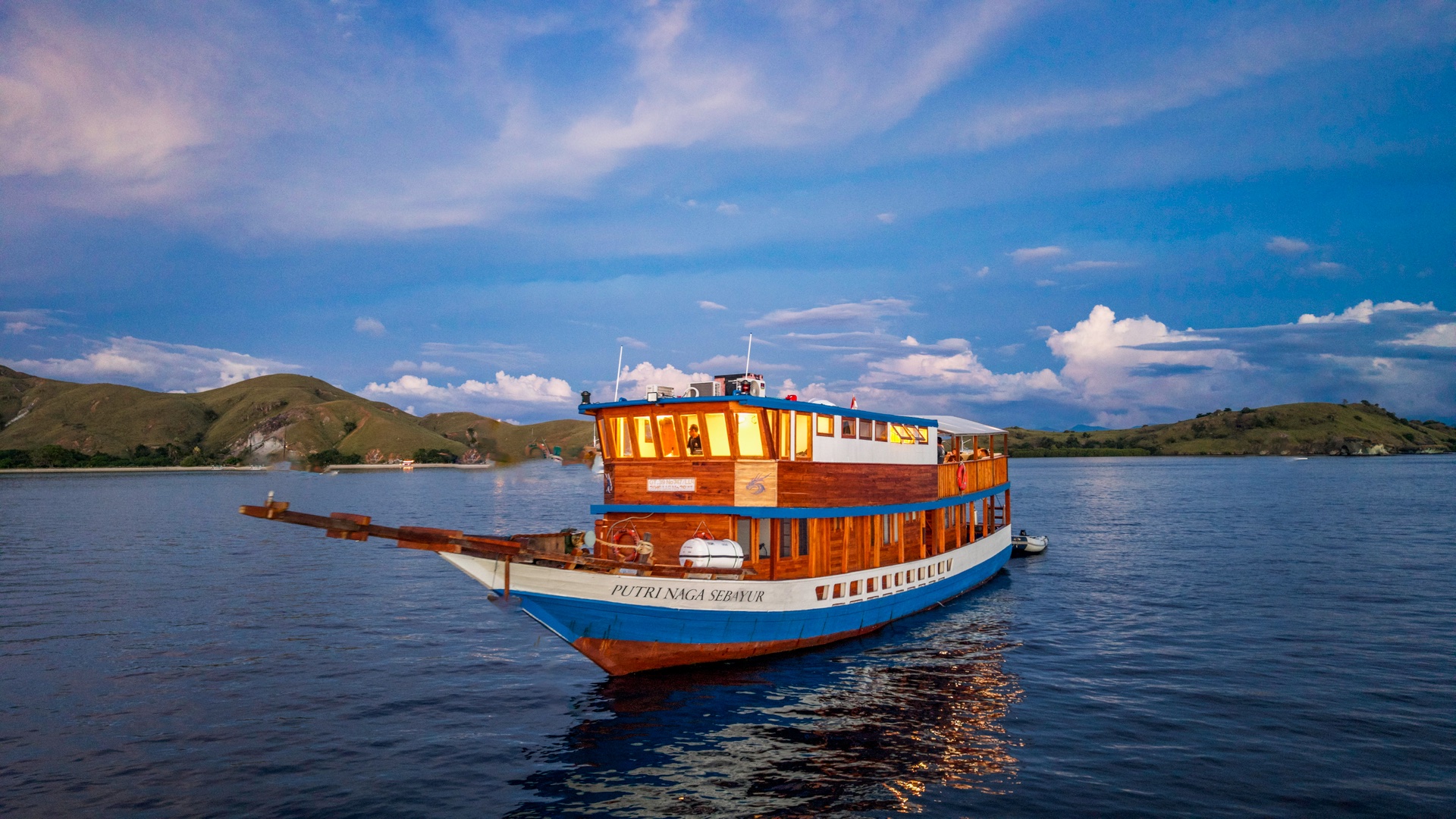
Putri Naga
Komodo, Indonesia
6 guests25 m
Dive sites similar to Bangka Island
Same character, same waters — six more sites divers love for the exact same reasons.Compare seasons, access and liveaboard routes — then pick the site that fits your trip best.
© Esri — Maxar, Earthstar, GIS
Mawali Wreck
Indonesia
The Mawali Wreck, a Japanese cargo ship, rests on its side in the Lembeh Strait, off the northern coast of Sulawesi.
- Suitable for
- Advanced
- Current
- Mild
- Access
- Liveaboard only
- Depth
- 25–40 m
- Theme
- Wreck / Reef
Aljui Bay, located in Raja Ampat's remote northern reaches, was discovered as a premier snorkeling and diving destination by chance in 2011. This bay, situated within the broader…
- Suitable for
- Beginner
- Current
- Mild
- Access
- Liveaboard only
- Depth
- ≤ 20 m
- Theme
- Reef
Babylon is a captivating dive site located in the Alor Sea, renowned for its exceptional visibility and vibrant marine ecosystem.
- Suitable for
- Intermediate
- Current
- Strong
- Access
- Liveaboard or dayboat
- Depth
- 3–20 m
- Theme
- Reef / Wall
Wakatobi, an acronym for the islands of Wangi-Wangi, Kaledupa, Tomia, and Binongko, lies in Southeast Sulawesi, Indonesia, at the heart of the Coral Triangle.
- Suitable for
- Beginner
- Current
- No current
- Access
- Liveaboard only
- Depth
- 5–30 m
- Theme
- Wall / Reef
© Esri — Maxar, Earthstar, GIS
Cornucopia
Indonesia
Cornucopia, aptly named the 'horn of plenty,' is celebrated as Wakatobi's most spectacular wall dive, offering a diverse and nutrient-rich underwater environment.
- Suitable for
- Intermediate
- Current
- Mild
- Access
- Liveaboard only
- Depth
- 5–40 m
- Theme
- Reef
© Esri — Maxar, Earthstar, GIS
Raymond’s Point
Indonesia
Raymond's Point is a distinguished dive site located south of Mike's Point within the Bunaken National Marine Park, renowned for its dramatic vertical wall.
- Suitable for
- Advanced
- Current
- Strong
- Access
- Dayboat
- Depth
- 5–35 m
- Theme
- Reef / Wall