About Half Moon Bay Wall
Half Moon Bay Wall is a celebrated dive site located directly off the beach in West End, making it exceptionally accessible for all divers. The reef begins at a shallow 5 meters (15 feet) and gradually leads to the top of a beautiful, semicircular wall that plunges to depths beyond 45 meters (150 feet). This site is renowned for its diverse marine life and lush coral formations, attracting a variety of species to its vibrant ecosystem. The top of the wall provides excellent visibility, showcasing spectacular coral outcroppings that contrast beautifully with the white sandy bottom. The dive offers a blend of shallow reef exploration and deeper wall diving, catering to both beginners and those seeking more adventurous depths. The abundance of healthy corals, sponges, and schooling fish makes every dive a rich experience. Moray eels, lobsters, and turtles are frequently sighted, and a nearby tunnel is particularly known for attracting eagle rays. Its unique topography, combining a shallow reef with a dramatic drop-off, positions Half Moon Bay Wall as a flexible site for different dive profiles and certification levels. The consistent presence of marine biodiversity and pristine conditions contribute to its reputation as a must-visit location in Roatan.
Highlights
Semicircular wall drop-offVibrant coral outcroppingsAbundant marine lifeEagle Ray sightings (tunnel)Accessible West End locationHealthy gorgonians and spongesSuitable for all dive levels
Season calendar
Best months to dive here
Jan
Feb
Mar
Apr
May
Jun
Jul
Aug
Sep
Oct
Nov
Dec
Excellent
Good
Dive site facts: Half Moon Bay Wall
- Depth
- 5–45 m+
- Typical dive
- Variable, depending on level
- Current
- Mild
- Visibility
- 30 m+
- Water temperature
- 25–31°C (78–88°F)
- Entry
- Boat from mooring
- Level
- All levels
- Dive type
- Wall, reef, marine life
- Night dive
- Possible
- Region / port
- Roatan, Honduras
- Coordinates
- 16.29, -86.575
Conditions & Currents
Currents at Half Moon Bay Wall are generally mild, making it an ideal site for divers of all experience levels. However, as with any wall dive, conditions can occasionally shift, so divers should remain attentive to environmental changes. Visibility at this site is typically excellent, often extending beyond 30 meters (100 feet), particularly during the dry season. Entry and exit are usually straightforward from moored boats, allowing divers to easily access the reef top before descending along the wall. The gentle conditions reduce the likelihood of significant surge or thermoclines, contributing to a comfortable and enjoyable dive experience for both new and experienced divers.
Marine life & sighting chances
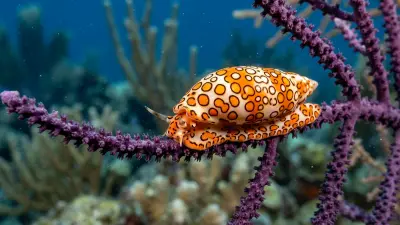
Flamingo Tongue Snail
common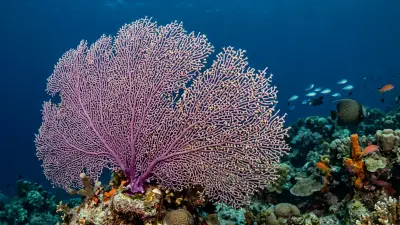
Gorgonians
common
Black Coral
common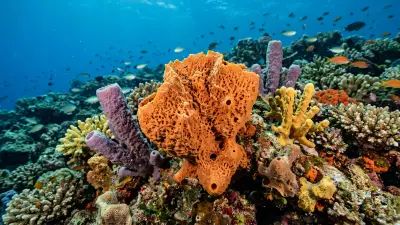
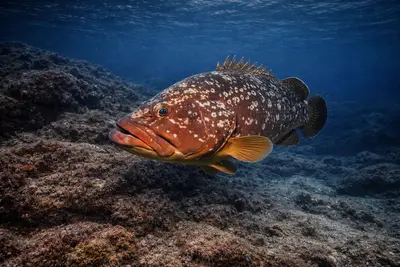
Groupers
common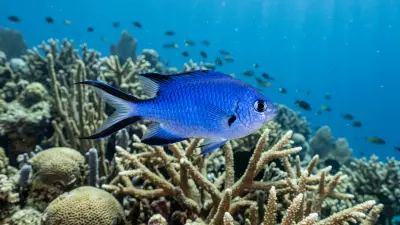
Blue Chromis
common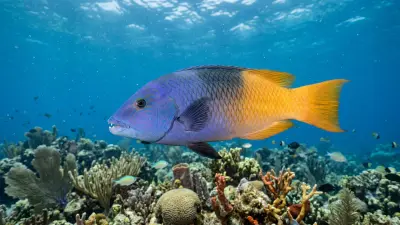
Creole Wrasse
common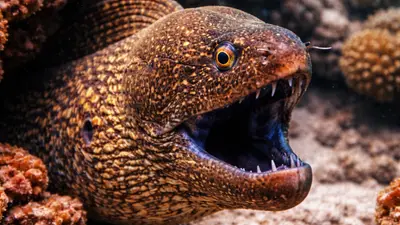
Moray Eels
common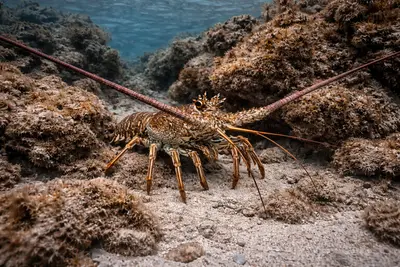
Lobsters
commonSea Turtles
common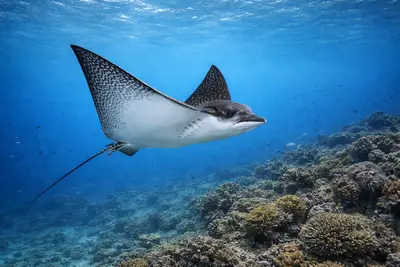
Eagle Rays
occasionalDive profile & how the dive runs
Diving Half Moon Bay Wall typically begins with a boat entry onto a mooring. You'll descend to the reef top, which starts around 5 meters (15 feet), then gradually follow the slope towards the wall. The semicircular wall itself offers vibrant corals and marine life from its edge at about 10-15 meters (30-50 feet) down to over 45 meters (150 feet). The dive often involves exploring the various nooks and crannies along the wall, observing the diverse ecosystem. A key feature is a tunnel further along the reef, known for attracting eagle rays, which divers can choose to explore. The turn point is determined by air consumption and no-decompression limits, after which you ascend along the wall, performing your safety stop in the shallower, coral-rich areas near the reef top before surfacing at the boat.
Underwater photography
Half Moon Bay Wall offers excellent opportunities for both wide-angle and macro photography due to its diverse topography and abundant marine life. For capturing the expansive wall adorned with colorful gorgonians, black coral, and sponges, a wide-angle lens is recommended. The shallow reef top, with its vibrant coral outcroppings and schools of fish like Blue Chromis and Creole Wrasse, also benefits from wide-angle shots to convey the scale and beauty. For macro enthusiasts, the presence of flamingo tongues, moray eels, and lobsters in the wall's crevices provides ample subjects for close-up work; a macro lens will highlight their intricate details. Good buoyancy control is crucial here, particularly when navigating close to the delicate corals and sponges, to avoid any accidental contact. Natural light is often sufficient in the shallower sections, but strobes will enhance color and detail, especially in deeper areas of the wall or within the tunnel where eagle rays might be found.
Combine with nearby dive sites
- West End Wall
Known for stunning coral formations and diverse marine life.
- Mandy's Eel Garden
Offers swim-throughs and excellent visibility, suitable for open water divers.
- Blue Channel
Famous for its swim-throughs, reef, and a shallow sandy 'bowl of fish'.
- Texas
A drift dive site characterized by large barrel sponges and potential for pelagic sightings.
- Pablo's Place
Features a high density of soft corals and can be a thrilling drift dive depending on currents.
Getting there & logistics
Diving Half Moon Bay Wall typically involves short boat rides from resorts and dive shops located in West End, Roatan. The main airport for international arrivals is Juan Manuel Gálvez International Airport (RTB) in Roatan. Most dive packages include transfers from local accommodations to the dive boats. Trips often range from single dives to multi-day packages. There are no specific permits required for individual divers beyond standard dive operator fees. Half Moon Bay Wall is frequently combined with other nearby sites like West End Wall or Mandy's Eel Garden to create diverse dive itineraries, often as part of a two-tank dive trip.
Safety & environment
Diving in Roatan generally maintains a high safety standard, but it is always recommended to have comprehensive dive insurance. The nearest recompression chamber is located in French Harbour, Roatan, which can be reached within a reasonable time from Half Moon Bay Wall. Emergency evacuation procedures would typically involve local dive operators coordinating with the chamber and medical services. Site-specific hazards are minimal due to mild currents, but divers should maintain proper buoyancy control, especially when near the delicate corals on the wall. Always dive within your certification limits, particularly when exploring the deeper sections of the wall, and follow your guide's instructions for a safe and enjoyable experience.
Who it suits — and who it doesn't
Suited for
- Open Water divers
- Advanced Open Water divers seeking deeper exploration
- Underwater photographers interested in diverse marine life and corals
- Divers who enjoy vibrant reef and wall environments
- Night divers
Less suited for
- Divers seeking strong current drift dives
- Those uninterested in coral reef ecosystems
- Individuals with severe claustrophobia (if exploring the tunnel)
- Divers looking exclusively for large pelagic encounters
FAQ
Half Moon Bay Wall FAQ
What is the typical depth range for diving Half Moon Bay Wall?
The reef at Half Moon Bay Wall starts at a shallow 5 meters (15 feet), gradually leading to a wall that drops to depths exceeding 45 meters (150 feet). This range allows for varied dive profiles, accommodating both recreational limits and deeper exploration for advanced divers.
What kind of marine life can I expect to see at Half Moon Bay Wall?
You can frequently encounter a rich variety of marine life, including flamingo tongues, colorful gorgonians, black coral, and orange elephant ear sponges. Schools of grouper, Blue Chromis, and Creole Wrasse are common, alongside moray eels, lobsters, and sea turtles. Eagle rays are also occasionally sighted, particularly near a specific tunnel feature.
Is Half Moon Bay Wall suitable for beginner divers?
Yes, Half Moon Bay Wall is considered suitable for all diving levels, including beginners. The shallower sections of the reef, starting at 5 meters (15 feet), offer a protected environment with excellent visibility for less experienced divers. Advanced divers can explore the deeper parts of the wall.
Are there strong currents at Half Moon Bay Wall?
Half Moon Bay Wall is generally known for its mild currents, making it a comfortable dive for most divers. This allows for relaxed exploration of the wall and reef without significant effort against strong water movement.
How good is the visibility at Half Moon Bay Wall?
Visibility at Half Moon Bay Wall is typically excellent, often reaching 30 meters (100 feet) or more. The clear Caribbean waters, especially during the dry season, provide superb conditions for appreciating the vibrant corals and abundant marine life.
Why dive Half Moon Bay Wall from a liveaboard?
Half Moon Bay Wall is one of Honduras's signature dive sites. A liveaboard sleeps you on the water and puts you in the water for three to four guided dives per day, including dawn and night dives that day-boat operators rarely offer. You skip the daily commute back to port and reach quieter, less-crowded sites in the same region on a single trip.
Below are the liveaboards that include Half Moon Bay Wall on their Honduras itineraries.
Liveaboards diving Half Moon Bay Wall
These liveaboards may visit Half Moon Bay Wall on selected itineraries — the exact dive sites depend on departure, weather and conditions.
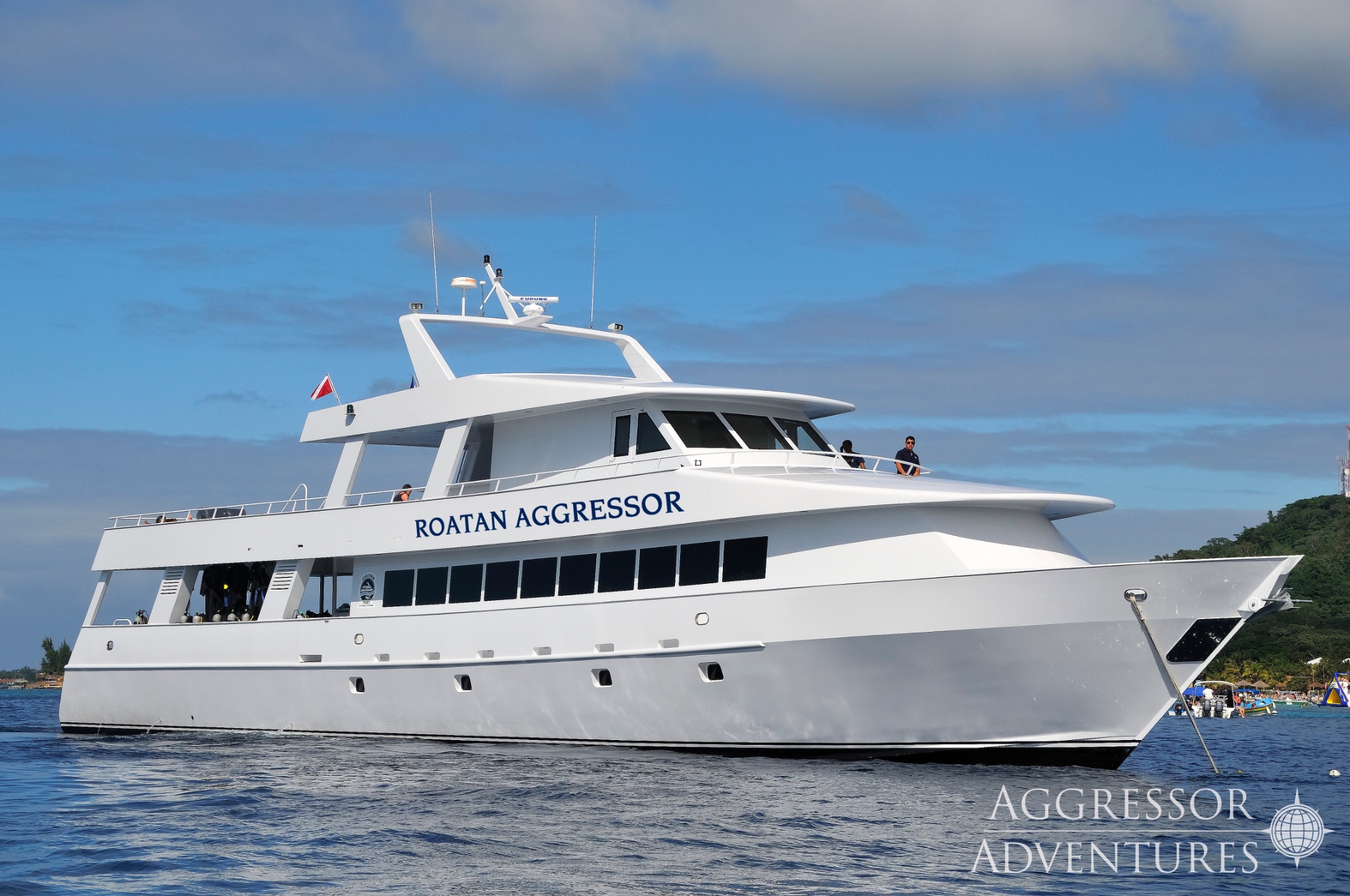
Roatan Aggressor
Honduras
18 guests31.1 m
$309/day
Dive sites similar to Half Moon Bay Wall
Same character, same waters — six more sites divers love for the exact same reasons.Compare seasons, access and liveaboard routes — then pick the site that fits your trip best.
© Esri — Maxar, Earthstar, GIS
Blackish Point
Honduras
Blackish Point is a captivating shore-drift wall dive located on the north side of Utila, offering a unique blend of volcanic rock formations, soft corals, and an intricate network of caves, overhangs, and crevices.
- Suitable for
- Intermediate
- Current
- Mild
- Access
- Shore / dayboat
- Depth
- 11–27 m
- Theme
- Cave & cavern / Drift
© Esri — Maxar, Earthstar, GIS
Gold Chain Reef
Honduras
Gold Chain Reef is a celebrated dive site located off the coast of Roatan, Honduras, within the vast Mesoamerican Barrier Reef System, the world's second-largest coral reef.
- Suitable for
- Intermediate
- Current
- Mild
- Access
- Liveaboard only
- Depth
- 3–9 m
- Theme
- Wall
© Esri — Maxar, Earthstar, GIS
Jack Neil Bight
Honduras
Jack Neil Bight is a notable dive site located on the south side of Utila, Honduras, part of the Bay Islands archipelago, known for its calm conditions and diverse underwater scenery.
- Suitable for
- Beginner
- Current
- Mild
- Access
- Dayboat
- Depth
- 2–40 m
- Theme
- Reef / Wall
© Esri — Maxar, Earthstar, GIS
Hole in the Wall
Honduras
Hole in the Wall is a celebrated dive site in Roatan, part of the extensive Mesoamerican Barrier Reef System, which is the second-largest barrier reef globally.
- Suitable for
- Beginner
- Current
- No current
- Access
- Liveaboard only
- Depth
- 33–33 m
- Theme
- Wall / Cavern
© Esri — Maxar, Earthstar, GIS
Green Out House Wall
Honduras
Green Out House Wall is a notable dive site in Roatan, recognized for its distinct wall topography and the potential for drift diving.
- Suitable for
- Intermediate
- Current
- Moderate
- Access
- Dayboat
- Depth
- ≤ 22 m
- Theme
- Wall / Drift
© Esri — Maxar, Earthstar, GIS
Jack Neal Point
Honduras
Jack Neal Point is a captivating dive site located off the western coast of Roatan, Honduras, nestled within the larger Mesoamerican Barrier Reef System, the second-largest barrier reef globally.
- Suitable for
- Beginner
- Current
- Mild
- Access
- Dayboat
- Depth
- 5–30 m
- Theme
- Reef / Wall