About Texas & Pablos
Texas, often referred to as Pablo's Place, is an advanced wall dive situated off the West End of Roatán, Honduras. This site marks the westernmost tip of the island where the north and south shores converge, creating a huge underwater plateau rich in marine biodiversity. Known for its dramatic vertical reef wall, the site plunges to depths of 30 meters and beyond, showcasing spectacular hard and soft corals. The topography transitions from a vibrant shallow reef crest at around 12 meters, adorned with schools of creole wrasse and blue chromis, down to the vertical face. Here, divers encounter extensive gardens of sea fans, massive barrel sponges, and towering pillar corals. The dynamic currents at this confluence bring nutrient-rich upwellings, fostering an exceptionally healthy ecosystem. This site is a magnet for diverse marine life, with regular sightings of large Nassau groupers and dog snappers patrolling the wall. Hawksbill turtles are frequently observed browsing on sponges, and the area is known to attract pelagic species. While whale sharks can be spotted year-round in the Bay Islands, March and April offer peak sighting opportunities, making a dive here during these months potentially even more rewarding. Given the potential for strong currents and the rapid depth changes characteristic of a wall dive, Texas & Pablos is best suited for advanced divers comfortable with managing buoyancy in dynamic conditions. Dives are typically conducted as drift dives, allowing divers to effortlessly cover significant stretches of this impressive underwater landscape while maintaining a keen awareness of their depth and surroundings.
Highlights
Dramatic vertical reef wallLarge barrel spongesTowering pillar coralsVast sea fan gardensAbundant schooling fishNassau groupers and dog snappersHawksbill turtle encountersNutrient-rich current upwellings
Season calendar
Best months to dive here
Jan
Feb
Mar
Apr
May
Jun
Jul
Aug
Sep
Oct
Nov
Dec
Excellent
Good
Dive site facts: Texas & Pablos
- Depth
- 12–30 m (wall continues beyond)
- Typical dive
- 15–30 m, 45–60 min
- Current
- Moderate to strong (drift dive)
- Visibility
- 18–30 m+
- Water temperature
- 24–29°C
- Entry
- Boat / live drop
- Level
- Advanced
- Dive type
- Wall, drift, reef
- Night dive
- Possible (dedicated request)
- Region / port
- Roatán, Bay Islands
- Coordinates
- 16.271, -86.625
Conditions & Currents
Texas & Pablos is primarily a drift dive, characterized by moderate to strong currents, predominantly moving from east to west, especially at the western tip of Roatán. These currents are a defining feature of the site, bringing nutrient-rich waters that support the vibrant marine life, but requiring divers to be proficient in current management. Entry is typically by boat, often as a live drop or negative entry to descend quickly to the wall, mitigating surface drift. Divers must maintain excellent buoyancy control to avoid rapid depth changes along the vertical reef and to conserve air while gliding with the flow. The dive plan needs to account for the current's direction and strength for navigation and to ensure the boat can track and pick up divers effectively at the end of the dive. Visibility is generally excellent, but strong currents can occasionally stir up sediment, though this
Marine life & sighting chances
Nassau grouper
commonDog snapper
commonHawksbill turtle
commonCreole wrasse
commonBlue chromis
commonEagle ray
occasionalReef shark
occasionalMoray eel
occasionalLobster
occasionalTarpon
occasionalSeahorse
rareWhale shark
March-April (peak) · rareManta ray
rareHammerhead shark
rareDive profile & how the dive runs
Diving Texas & Pablos typically begins with a boat entry, often a live drop, directly onto the wall or the reef crest, depending on current strength and dive plan. The initial descent is crucial to quickly reach the desired depth and establish buoyancy, especially if currents are strong. Divers then drift along the vertical wall, starting around 12-15 meters where the shallow reef transitions to the main drop-off. The route follows the wall, allowing divers to observe the vibrant corals, sponges, and schooling fish as they glide with the current. The dive progresses deeper along the wall, with careful monitoring of depth and bottom time, typically staying within recreational limits while enjoying the dramatic topography. Turnaround is dictated by air consumption or planned dive limits, with the current naturally guiding divers along the reef. The safety stop is performed in the shallower sections of the reef, often around 5 meters, before a surface ascent where the boat will be waiting for pick-up, marking a classic drift dive exit.
Underwater photography
Texas & Pablos offers exceptional wide-angle opportunities, particularly for capturing the grandeur of the vertical wall adorned with massive barrel sponges, pillar corals, and vast sea fan gardens. A fisheye or wide-angle lens is ideal for conveying the scale of this dramatic topography and the dense schools of creole wrasse and blue chromis that inhabit the shallow reef crest. When shooting along the wall, consider positioning yourself slightly off the reef to use the blue water as a contrasting background, highlighting the vibrant coral structures. Due to the potential for strong currents, maintaining impeccable buoyancy is paramount to avoid contact with the delicate reef and to steady your shots. For macro subjects, the crevices and overhangs along the wall can reveal smaller critters like moray eels, but the primary photographic appeal here lies in its expansive reefscapes and the dynamic flow of marine life. External strobes are highly recommended to bring out the true colors of the corals and sponges, especially at deeper sections of the wall.
Combine with nearby dive sites
- West End Wall
A popular wall dive known for coral formations and diverse marine life.
- Mandy's Eel Garden
A shallower site known for its extensive eel gardens and varied reef life.
- Blue Channel
Features impressive swim-throughs and often dense schools of fish within its clear waters.
- Mary's Place
A signature Roatán dive site, famous for its dramatic vertical walls and deep crevices, rich in visual appeal.
- El Aguila Wreck
A popular wreck dive, resting at 33 meters, teeming with marine life and suitable for advanced divers.
Getting there & logistics
Access to Texas & Pablos is exclusively by boat, typically arranged through dive operators based in Roatán, particularly those in the West End or West Bay areas. The closest international airport is Juan Manuel Gálvez International Airport (RTB) on Roatán, with direct flights from several North American cities and connections via mainland Honduras. Dive trips to Texas & Pablos are usually part of a multi-dive excursion or included in liveaboard itineraries exploring the Bay Islands. Daily two-tank morning trips are common, returning to shore for surface intervals. A Roatán Marine Park fee, often a bracelet costing $10 per year, is required and contributes to reef protection efforts. Given the advanced nature of this drift dive, ensure your dive center is experienced with these conditions and provides thorough briefings and boat support for pickups.
Safety & environment
Diving at Texas & Pablos requires adherence to strict safety protocols due to its advanced nature, strong currents, and deep wall topography. Divers must maintain excellent buoyancy control to prevent rapid descents and conserve air. The nearest recompression chamber is located in Roatán, typically accessible within a 15-30 minute boat ride from the dive site, followed by land transport. Divers should carry adequate dive insurance that covers emergency medical evacuation and recompression treatments. Site-specific hazards include potential downcurrents along the wall, strong horizontal currents that can separate divers if buddy procedures are not maintained, and the deep environment requiring careful depth and nitrogen narcosis management. Always follow your dive guide's instructions, stay close to your buddy, and be vigilant about your air supply and no-decompression limits. Do not touch or harass marine life, and avoid damaging corals with fins or equipment.
Who it suits — and who it doesn't
Suited for
- Advanced divers with drift experience
- Photographers seeking wide-angle reefscapes
- Divers comfortable with strong currents
- Those interested in large reef fish and pelagics
- Experienced wall divers
Less suited for
- Beginner divers or those new to currents
- Divers with poor buoyancy control
- Individuals prone to seasickness
- Those who prefer static, current-free dives
- Divers unwilling to manage rapid depth changes
FAQ
Texas & Pablos FAQ
What kind of marine life can I expect to see at Texas & Pablos?
At Texas & Pablos, you can expect to encounter large Nassau groupers and dog snappers patrolling the wall. Hawksbill turtles are commonly seen, along with vibrant schools of creole wrasse and blue chromis near the reef crest. Occasionally, divers may spot eagle rays, reef sharks, or even whale sharks during peak season.
Is Texas & Pablos suitable for beginner divers?
No, Texas & Pablos is considered an advanced dive due to its potential for strong currents and its dramatic vertical wall topography. Divers need excellent buoyancy control and comfort with drift diving conditions to safely and fully enjoy this site. It is not recommended for beginners.
What are the typical conditions like at Texas & Pablos?
Typical conditions include clear waters with excellent visibility, ranging from 18 to over 30 meters. Water temperatures are warm, between 24-29°C. The site is known for its moderate to strong east-to-west currents, making it a drift dive, and surface conditions can vary, sometimes with moderate waves.
When is the best time of year to dive Texas & Pablos for whale sharks?
While whale sharks can be sighted year-round in the Bay Islands, the peak season for spotting them is typically during March and April. Diving Texas & Pablos during these months increases your chances of a rare encounter with these magnificent creatures, alongside the usual abundant reef life.
What makes Texas & Pablos a 'drift dive'?
Texas & Pablos is a drift dive because it is characterized by consistent ocean currents that carry divers along the reef rather than having them swim against or to a fixed point. This means divers enter the water and allow the current to transport them, covering a larger area of the reef, with the dive boat following overhead for pick-up.
Are there any specific safety considerations for diving here?
Yes, due to the strong currents and wall environment, specific safety considerations include maintaining excellent buoyancy control, staying close to your buddy, and careful monitoring of depth and air consumption. Divers should be aware of potential downcurrents and ensure they have adequate dive insurance covering recompression. Always follow your dive guide's detailed briefing for safe conduct.
Why dive Texas & Pablos from a liveaboard?
Texas & Pablos is one of Honduras's signature dive sites. A liveaboard sleeps you on the water and puts you in the water for three to four guided dives per day, including dawn and night dives that day-boat operators rarely offer. You skip the daily commute back to port and reach quieter, less-crowded sites in the same region on a single trip.
Below are the liveaboards that include Texas & Pablos on their Honduras itineraries.
Liveaboards diving Texas & Pablos
These liveaboards may visit Texas & Pablos on selected itineraries — the exact dive sites depend on departure, weather and conditions.
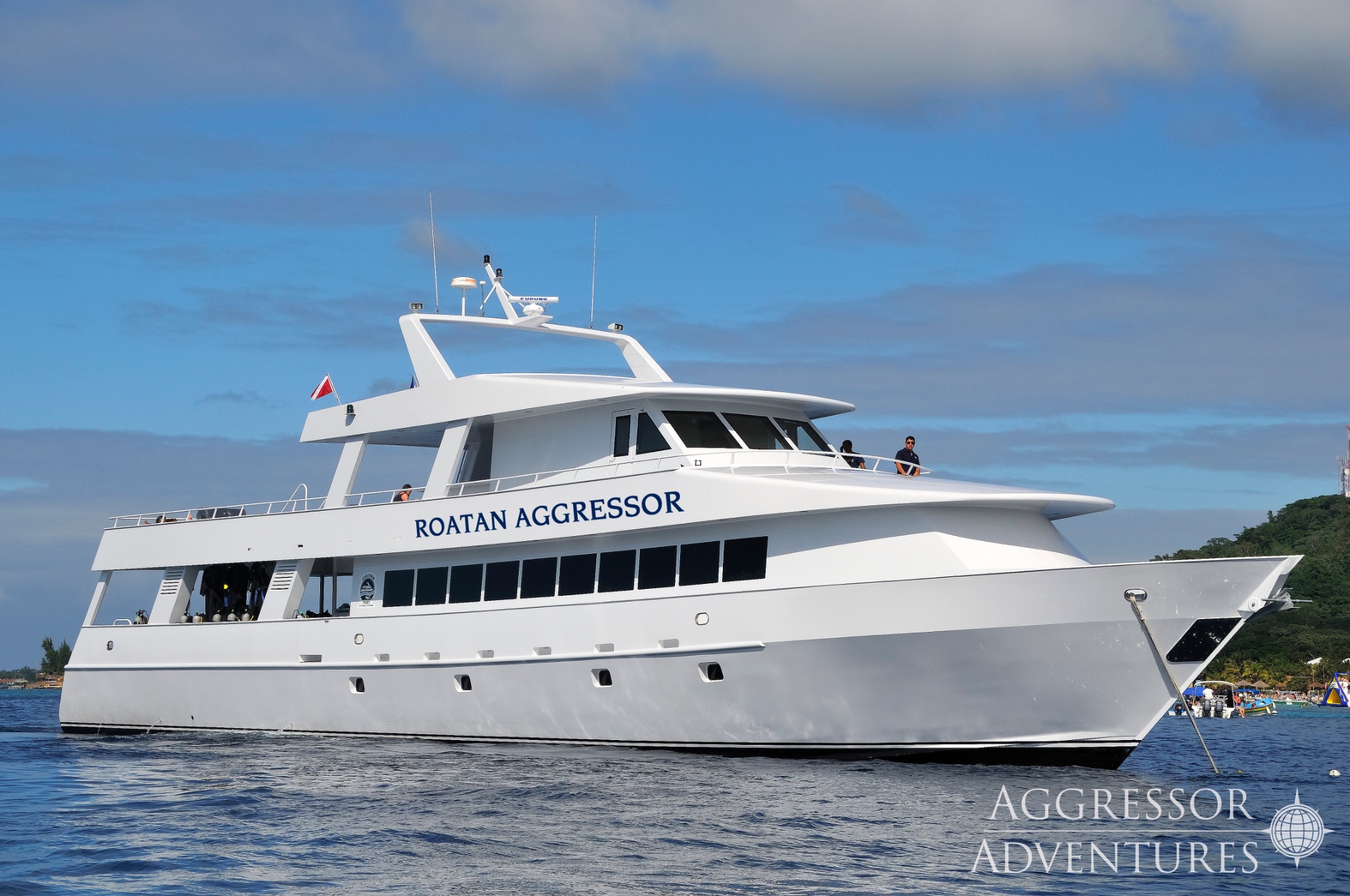
Roatan Aggressor
Honduras
18 guests31.1 m
$309/day
Dive sites similar to Texas & Pablos
Same character, same waters — six more sites divers love for the exact same reasons.Compare seasons, access and liveaboard routes — then pick the site that fits your trip best.
© Esri — Maxar, Earthstar, GIS
Blackish Point
Honduras
Blackish Point is a captivating shore-drift wall dive located on the north side of Utila, offering a unique blend of volcanic rock formations, soft corals, and an intricate network of caves, overhangs, and crevices.
- Suitable for
- Intermediate
- Current
- Mild
- Access
- Shore / dayboat
- Depth
- 11–27 m
- Theme
- Cave & cavern / Drift
© Esri — Maxar, Earthstar, GIS
Black Coral Wall
Honduras
Black Coral Wall is a captivating dive site situated off the coast of Utila, Honduras, characterized by its extensive formations of black coral.
- Suitable for
- Intermediate
- Current
- Moderate
- Access
- Liveaboard only
- Depth
- ≤ 50 m
- Theme
- Wall
© Esri — Maxar, Earthstar, GIS
Gold Chain Reef
Honduras
Gold Chain Reef is a celebrated dive site located off the coast of Roatan, Honduras, within the vast Mesoamerican Barrier Reef System, the world's second-largest coral reef.
- Suitable for
- Intermediate
- Current
- Mild
- Access
- Liveaboard only
- Depth
- 3–9 m
- Theme
- Wall
© Esri — Maxar, Earthstar, GIS
Carib Point
Honduras
Carib Point is a distinctive shallow fringing reef and hardbottom site located off Roatán's north shore, specifically in the Sandy Bay/West End area.
- Suitable for
- Intermediate
- Current
- Mild
- Access
- Liveaboard only
- Depth
- 9–12 m
- Theme
- Drift
© Esri — Maxar, Earthstar, GIS
Jack Neil Bight
Honduras
Jack Neil Bight is a notable dive site located on the south side of Utila, Honduras, part of the Bay Islands archipelago, known for its calm conditions and diverse underwater scenery.
- Suitable for
- Beginner
- Current
- Mild
- Access
- Dayboat
- Depth
- 2–40 m
- Theme
- Reef / Wall
© Esri — Maxar, Earthstar, GIS
Green Out House Wall
Honduras
Green Out House Wall is a notable dive site in Roatan, recognized for its distinct wall topography and the potential for drift diving.
- Suitable for
- Intermediate
- Current
- Moderate
- Access
- Dayboat
- Depth
- ≤ 22 m
- Theme
- Wall / Drift