About Black Coral Wall
Black Coral Wall is a captivating dive site situated off the coast of Utila, Honduras, characterized by its extensive formations of black coral. This site is part of the Mesoamerican Barrier Reef System, offering a rich marine environment. The topography features a gentle slope that transitions into a more dramatic wall, occasionally punctuated by intricate rock formations. The wall plunges to a maximum depth of 50 meters (164 feet), with typical recreational dives exploring shallower sections where healthy hard and soft corals thrive alongside the signature black corals. While black coral is the namesake and a major draw, the site is also home to gorgonian fans, barrel sponges, and a variety of reef fish. In deeper areas, divers may encounter pelagic species like reef sharks and eagle rays. The site offers opportunities for both macro and wider reef photography, showcasing a diverse ecosystem. Accessed exclusively by boat, Black Coral Wall provides an easy Caribbean dive experience, generally featuring excellent visibility and mild to moderate currents. Its non-technical profile allows for relaxed exploration, making it suitable for divers seeking a tranquil reef environment with abundant marine life and striking underwater scenery.
Highlights
Extensive black coral formationsClassic Utila wall diveDramatic rock structuresDiverse coral gardensSandy bottom transitionsPotential for pelagic sightingsEasy Caribbean conditionsExcellent visibility
Season calendar
Best months to dive here
Jan
Feb
Mar
Apr
May
Jun
Jul
Aug
Sep
Oct
Nov
Dec
Excellent
Good
Dive site facts: Black Coral Wall
- Depth
- 50 m / 164 ft (max)
- Typical dive
- 19-25 m, 45-60 min
- Current
- Mild to Moderate
- Visibility
- 18-30 m (often excellent)
- Water temperature
- 27-30°C / 80-86°F
- Entry
- Boat
- Level
- Advanced recommended (due to depth)
- Dive type
- Wall, Reef, Deep
- Region / port
- Utila, Bay Islands, Honduras
- Coordinates
- 16.0836° N, 86.9171° W
Conditions & Currents
Currents at Black Coral Wall are typically mild, though they can occasionally be moderate, especially in deeper sections or around specific contours of the wall. Divers should be prepared for potential shifts in current strength, particularly for those planning deeper exploration. Entry to the site is always from a boat, and due to the generally mild conditions, a standard descent is usually comfortable. Visibility is often excellent, frequently exceeding 25-30 meters, enhancing the visual appeal of the wall. While thermoclines are noted in the region, specific details for this site are not provided, but water temperatures remain consistently warm, ranging from 27-30°C. These generally easy conditions make it accessible for many divers, but awareness of current conditions on the day is always prudent.
Marine life & sighting chances

Black Coral
common
Gorgonian fans
common
Barrel sponges
common
Reef sharks
occasional
Eagle rays
occasional
Sea turtles
occasional
Moray eels
common
Lobsters
common
Parrotfish
common
Angelfish
common
Schooling jacks
common
Schooling grunts
common
Nurse sharks
occasional
Tarpon
occasionalDive profile & how the dive runs
Your dive at Black Coral Wall typically begins with a boat entry, leading to a gradual descent along the reef. The dive follows the contours of a mild slope that deepens into a more pronounced wall. Divers will explore depths commonly between 12-25 meters, observing the namesake black coral formations and diverse reef inhabitants. The route allows for relaxed exploration, often drifting gently with the current along the wall. As bottom time approaches, the dive naturally progresses to shallower depths, transitioning over coral gardens and sandy patches. The safety stop is usually performed in the shallower section of the reef, at approximately 5 meters, before a boat pick-up.
Underwater photography
Black Coral Wall offers excellent opportunities for wide-angle and macro photography. For capturing the expansive wall and its dramatic black coral structures, a wide-angle lens is recommended. Pay attention to the natural light penetration along the wall; in deeper sections, strobes will be crucial to bring out the vibrant colors of corals and sponges. For macro subjects, including smaller reef inhabitants and cryptic critters, a dedicated macro lens will be beneficial. Maintain impeccable buoyancy control to avoid damaging the delicate coral formations, especially the slow-growing black corals. Respect marine life by observing from a distance and avoid touching any organisms or structures to ensure their preservation.
Combine with nearby dive sites
- Moon Hole
Large sandy patch surrounded by coral, excellent for buoyancy practice.
- Hole in the Wall
Often combined for its unique topography.
- The Point
The Point is a dynamic dive site located in Roatan, Honduras, part of the extensive Mesoamerican Barrier Reef system, the second-largest…
- Marie's Kitchen
Marie's Kitchen is a distinguished dive site located in Roatan, Honduras, forming a crucial part of the Mesoamerican Barrier Reef System…
- Calvin's Crack
Calvin’s Crack is a renowned dive site located near the southern coast of Roatán, one of Honduras's Bay Islands.
Getting there & logistics
Access to Black Coral Wall is typically facilitated by dive operators based in Utila, Honduras. Divers usually fly into Juan Manuel Gálvez International Airport (RTB) in Roatán, then take a ferry or a small plane to Utila. Most dive trips are day excursions by boat from Utila's main dive centers, which are predominantly PADI or SSI certified. There is usually a marine park fee, estimated at around $5 USD. Typical dive itineraries from Utila often combine Black Coral Wall with other nearby sites, offering a varied experience over multiple days of diving. Given its location in the Bay Islands, trips can range from a few days to a week or more, allowing ample time to explore the diverse reef system.
Safety & environment
For diving at Black Coral Wall, comprehensive dive insurance covering recompression treatment and emergency evacuation is strongly recommended. The nearest recompression chamber is located in Roatán, approximately 40 km away, underscoring the importance of proper dive planning and emergency preparedness. Site-specific hazards include potential moderate currents, particularly for divers venturing into deeper areas, requiring good buoyancy and current management skills. Always dive with a reputable dive operator and follow your dive guide's instructions. Maintain a safe distance from marine life, especially from black coral which is extremely fragile and slow-growing. Standard safe diving practices, such as adhering to depth and time limits, performing safety stops, and diving within your certification level, are paramount.
Who it suits — and who it doesn't
Suited for
- Experienced wall divers
- Photographers seeking unique coral formations
- Divers comfortable with deep profiles
- Those interested in rich Caribbean reef biodiversity
- Divers seeking tranquil, clear water conditions
Less suited for
- Absolute beginner divers
- Divers prone to seasickness in choppier conditions
- Those who prefer purely shallow, current-free dives
- Divers without advanced certification for deeper exploration
FAQ
Black Coral Wall FAQ
What makes Black Coral Wall unique among Utila dive sites?
Black Coral Wall is primarily distinguished by its extensive and healthy formations of black coral, which drape along the wall, creating a dramatic and visually striking landscape. This eponymous feature provides a unique backdrop for divers and supports a rich ecosystem not as prominently found at other local sites. Its combination of a gradual slope transitioning to a sheer wall also offers a diverse dive profile.
What kind of marine life can I expect to see at Black Coral Wall?
Divers at Black Coral Wall can anticipate encountering a wide array of Caribbean marine life. Beyond the black coral, you'll commonly spot various hard and soft corals, gorgonian fans, and barrel sponges. The site is home to numerous reef fish like parrotfish, angelfish, schooling grunts and jacks, along with occasional sightings of sea turtles, moray eels, lobsters, and even reef sharks or eagle rays in deeper waters.
Is Black Coral Wall suitable for all levels of divers?
Black Coral Wall is generally considered suitable for advanced divers due to its maximum depth of 50 meters and potential for moderate currents. While shallower sections can be enjoyed by intermediate divers, those looking to explore the full extent of the wall, particularly its deeper parts, should possess an Advanced Open Water certification and experience with wall dives.
How are the currents and visibility typically at this dive site?
The currents at Black Coral Wall are typically mild, contributing to an easy Caribbean dive experience, though they can occasionally increase to moderate levels. Visibility is consistently excellent, often ranging from 18 to 30 meters or even more, especially during the dry season. This superb visibility enhances the appreciation of the wall's intricate details and distant marine life.
What are the best months to dive Black Coral Wall for optimal conditions?
For optimal diving conditions, including calmer seas and minimal rainfall, the months from February through June are highly recommended. While the site can be dived year-round, August, September, and October also offer good conditions with lower wave heights, though these months might see slightly increased rainfall. Water temperatures remain comfortably warm throughout the year.
Why dive Black Coral Wall from a liveaboard?
Black Coral Wall is one of Honduras's signature dive sites. A liveaboard sleeps you on the water and puts you in the water for three to four guided dives per day, including dawn and night dives that day-boat operators rarely offer. You skip the daily commute back to port and reach quieter, less-crowded sites in the same region on a single trip.
Below are the liveaboards that include Black Coral Wall on their Honduras itineraries.
Liveaboards diving Black Coral Wall
These liveaboards may visit Black Coral Wall on selected itineraries — the exact dive sites depend on departure, weather and conditions.
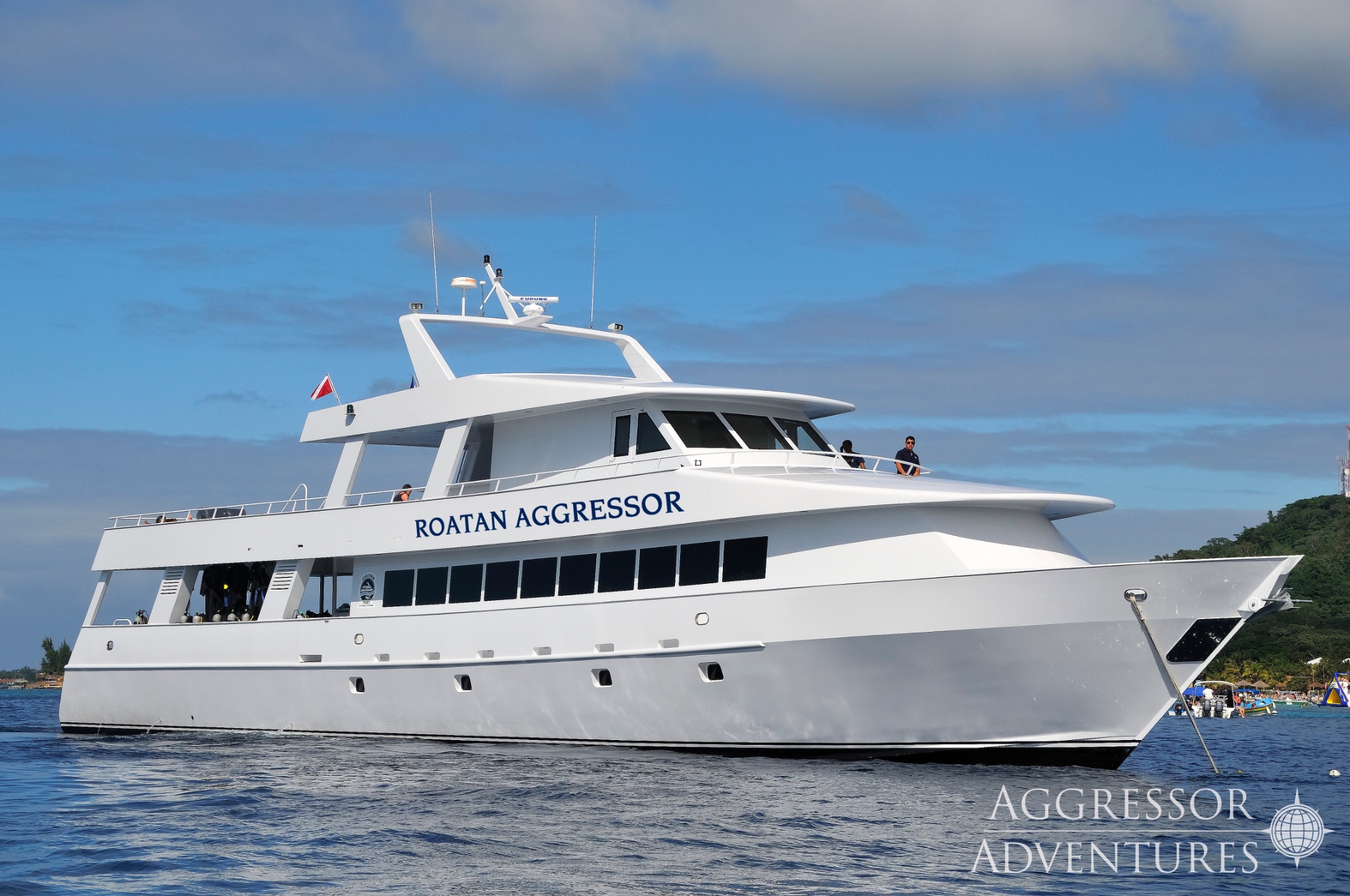
Roatan Aggressor
Honduras
18 guests31.1 m
$287/day
Dive sites similar to Black Coral Wall
Same character, same waters — six more sites divers love for the exact same reasons.Compare seasons, access and liveaboard routes — then pick the site that fits your trip best.
© Esri — Maxar, Earthstar, GIS
Silver Caves
Belize
Silver Caves offers a distinctive diving experience within the Lighthouse Reef Atoll, one of Belize's healthiest reef systems.
- Suitable for
- Advanced
- Current
- Mild
- Access
- Liveaboard only
- Depth
- 18–28 m
- Theme
- Reef / Cave & cavern
Cozumel's western coast features a dramatic reef shelf that plunges thousands of feet into the ocean.
- Suitable for
- Intermediate
- Current
- Mild
- Access
- Liveaboard or dayboat
- Depth
- 15–27 m
- Theme
- Reef
© Esri — Maxar, Earthstar, GIS
North Wall
Cayman Islands
The North Wall of Grand Cayman stands as one of the most celebrated and visually striking dive regions, stretching along the island's northern coastline.
- Suitable for
- Advanced
- Current
- Mild
- Access
- Liveaboard or dayboat
- Depth
- 50–100 m
- Theme
- Reef
© Esri — Maxar, Earthstar, GIS
Lighthouse Reef
Cayman Islands
Lighthouse Reef, situated near the West End dock of Cayman Brac, provides a distinctive shallow reef diving experience.
- Suitable for
- Beginner
- Current
- Strong
- Access
- Shore / dayboat
- Depth
- 10–25 m
- Theme
- Reef
© Esri — Maxar, Earthstar, GIS
Long Caye Ridge
Belize
Long Caye Ridge is a highly-rated dive site situated within Belize's Lighthouse Reef Atoll, an area renowned for its pristine conditions due to its distance from the mainland.
- Suitable for
- Intermediate
- Current
- No current
- Access
- Liveaboard only
- Depth
- 21–21 m
- Theme
- Reef
Roatán, part of the Bay Islands of Honduras, offers a diverse underwater landscape situated along the Mesoamerican Barrier Reef System, which is the second largest barrier reef globally.
- Suitable for
- Intermediate
- Current
- Moderate
- Access
- Liveaboard or dayboat
- Depth
- 9–40 m
- Theme
- Reef