About Shark Ridge
Shark Ridge is a prominent outer reef dive site situated on the northeast side of Apo Reef, a protected marine park and the largest contiguous reef system in the Philippines. This site is renowned for its thrilling pelagic encounters and vibrant coral ecosystems, catering to experienced divers who appreciate dynamic underwater environments. The topography consists of a current-flattened plateau that gradually drops into an impressive wall, adorned with massive gorgonian fans and other diverse corals. Depths at Shark Ridge range significantly, making it suitable for advanced divers. The consistent currents, while sometimes unpredictable, bring in a wealth of nutrients, supporting a dense population of reef fish and larger pelagic species. Visibility here is typically excellent, often reaching 15 to 40 meters, allowing for expansive views of the reef and its inhabitants. Water temperatures remain comfortably warm throughout the year, between 27-30°C. Marine life at Shark Ridge is a major draw, with frequent sightings of various shark species, including white-tip and grey reef sharks. Schools of tuna, sweetlips, and barracuda are common, alongside moray eels and groupers hiding in the ridge's crevices. The strong currents also attract manta and mobula rays, making every dive an exciting prospect for encountering large marine fauna. The healthy coral gardens are teeming with smaller reef fish, creating a vibrant and active underwater scene. Diving here typically involves a boat entry, often as part of a liveaboard itinerary exploring the broader Apo Reef Natural Park. Due to the potential for strong currents and deeper profiles, an Advanced Open Water certification is recommended. Divers can expect drift diving conditions, allowing for extended exploration of the expansive reef structure. The site provides excellent opportunities for underwater photography, particularly for wide-angle shots of pelagics and panoramic reefscapes.
Highlights
Diverse shark encountersDramatic wall divingCurrent-swept plateauMassive gorgonian fansLarge pelagic sightingsHealthy coral gardens
Season calendar
Best months to dive here
Jan
Feb
Mar
Apr
May
Jun
Jul
Aug
Sep
Oct
Nov
Dec
Good
Dive site facts: Shark Ridge
- Depth
- 12–36 m
- Typical dive
- 24 m, 50–60 min (variable)
- Current
- Mild to strong
- Visibility
- 10–40 m
- Water temperature
- 27–30°C
- Entry
- Boat dive
- Level
- AOW recommended, current experience helpful
- Dive type
- Reef, wall, pelagic, drift
- Night dive
- Possible
- Region / port
- Apo Reef, Occidental Mindoro
- Coordinates
- 12.686, 120.446
Conditions & Currents
Currents at Shark Ridge are generally mild but can become strong and unpredictable, especially on the current-swept plateau. Divers should be prepared for drift diving conditions, utilizing negative entries and planning for surface marker buoy deployment. These currents contribute significantly to the site's rich biodiversity by delivering abundant nutrients. Visibility remains excellent, typically ranging from 10 to 25 meters, occasionally extending up to 40 meters, despite the dynamic water movement. Divers should always follow the guide's instructions regarding entry and exit points and be mindful of potential thermoclines at deeper depths, though surface water temperatures are consistently warm.
Marine life & sighting chances
White-tip reef shark
Year round · common
Grey reef shark
Year round · common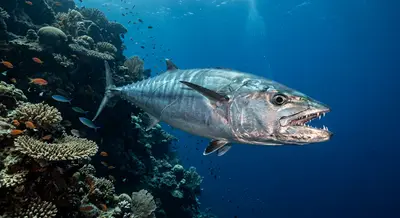
Tuna
Year round · common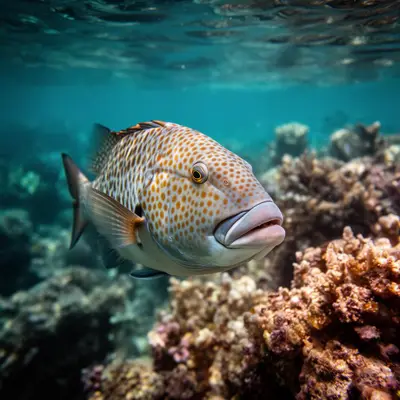
Sweetlips
Year round · common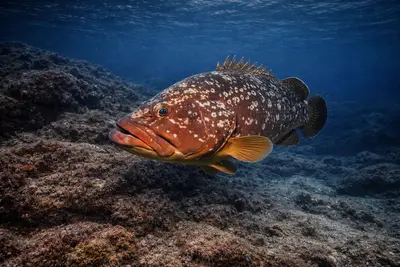
Grouper
Year round · common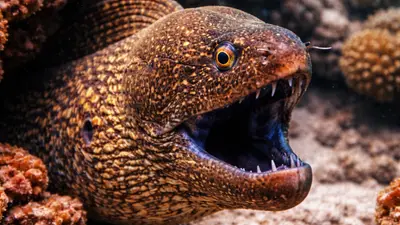
Moray eel
Year round · common
Barracuda
Year round · common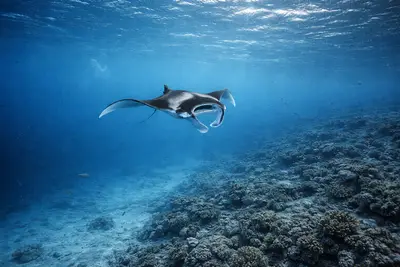
Manta ray
Year round · occasional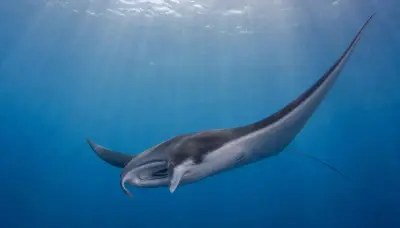
Mobula ray
Year round · occasional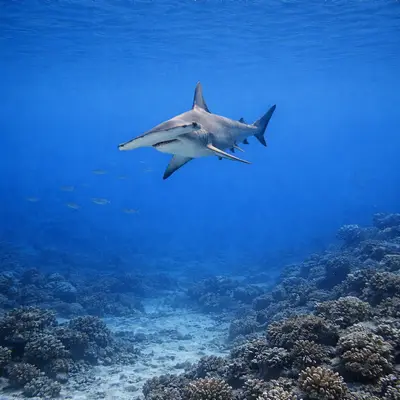
Hammerhead shark
December-March · rare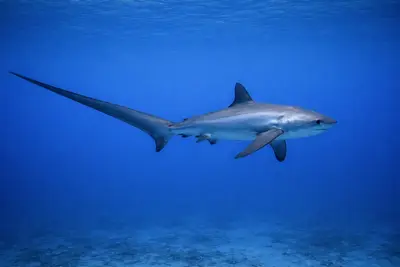
Thresher shark
rare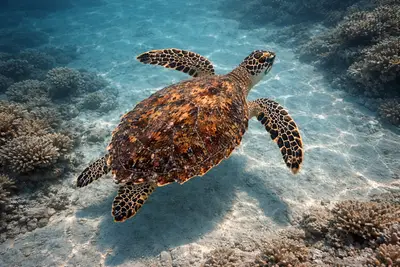
Hawksbill turtle
Year round · common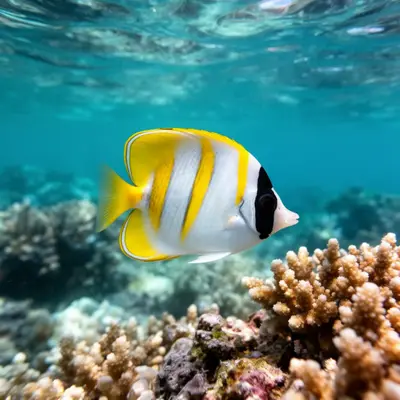
Yellow Pyramid Butterflyfish
Year round · common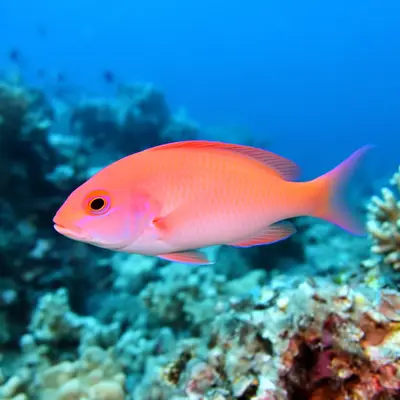
Orange Anthias
Year round · commonDive profile & how the dive runs
Your dive at Shark Ridge begins with a boat entry, often a negative entry due to the currents, dropping directly onto the current-swept plateau. You will descend to depths between 12-24 meters, observing the small caves and rocky hideaways where groupers and moray eels reside. The dive progresses along the plateau as it gradually transitions into a dramatic wall, often extending beyond 30 meters. Here, you'll encounter large pelagics such as tuna and various shark species, including white-tip and grey reef sharks, cruising the blue. Keep an eye out for massive gorgonian fans adorning the wall. The dive typically continues as a drift along the wall, eventually turning back towards shallower areas for your safety stop, usually around 5 meters, before a surface pickup by the boat.
Underwater photography
Shark Ridge offers exceptional opportunities for wide-angle photography, focusing on the dramatic wall topography, schooling pelagics, and the diverse shark population. A wide-angle lens is essential to capture the expansive reefscapes and large marine life. Due to potentially strong currents, excellent buoyancy control is paramount to avoid disturbing the delicate coral formations and to maintain stable shots. Consider bringing powerful strobes to bring out the vibrant colors of the corals and fish in deeper sections and against the blue water. Be prepared for fast-moving subjects, as pelagics can appear and disappear quickly. Patience and quick reflexes are key to capturing those fleeting shark encounters.
Combine with nearby dive sites
- Aladin
Apo Reef dive site known for reef and wall diving with depths up to 40m.
- Apo 29
Advanced site with depths up to 152m, featuring reef and wall diving.
- Binangaan Drop Off
A dramatic drop-off with schools of snappers and tuna, and spotted eagle rays.
- Apo Island
Largest island in Apo Reef, offering diverse sites for all levels, including southeast point and north wall.
- Irako Wreck
A nearby shipwreck, offering a different type of dive experience.
Getting there & logistics
Access to Shark Ridge is primarily via liveaboard trips that explore the Apo Reef Natural Park. Common departure ports include Coron on Palawan, Batangas on Luzon, or Puerto Princesa. Liveaboard itineraries typically range from 3 to 7 nights, allowing for comprehensive exploration of multiple sites within Apo Reef. Traveling to Apo Reef independently is more challenging, requiring flights to Mindoro Island (San Jose) or ferries from Batangas to Puerto Galera, followed by land transfers to Sablayan, and then a 3-hour ferry to Apo Island. Due to its remote location and protected status, permits are usually handled by liveaboard operators or local dive centers. No specific park fees are mentioned beyond typical liveaboard costs.
Safety & environment
Diving at Shark Ridge, especially with its potentially strong currents and deeper profiles, requires careful dive planning and adherence to safety protocols. An Advanced Open Water certification is highly recommended. Always carry a surface marker buoy (SMB) for drift dives and ensure your dive computer is set for conservative profiles. The nearest recompression chamber is likely located in a major city like Manila or Puerto Princesa, which can be several hours away, especially considering the remote nature of Apo Reef. Emergency evacuation would primarily be by boat to Mindoro and then by air, emphasizing the importance of comprehensive dive insurance that covers medical evacuation. Always dive within your limits, follow your guide's instructions, and conduct thorough buddy checks before each dive.
Who it suits — and who it doesn't
Suited for
- Advanced Open Water divers
- Divers comfortable with currents
- Pelagic enthusiasts
- Underwater photographers (wide-angle)
- Liveaboard adventurers
Less suited for
- Beginner Open Water divers
- Divers with limited current experience
- Macro-focused photographers
- Those seeking shallow, calm dives
- Divers prone to seasickness
FAQ
Shark Ridge FAQ
What kind of marine life can I expect to see at Shark Ridge?
Shark Ridge is known for its diverse shark population, including white-tip and grey reef sharks, and occasional hammerhead and thresher shark sightings. You can also expect to see large schools of tuna, sweetlips, barracuda, groupers, and moray eels, alongside manta and mobula rays attracted by the currents.
Is Shark Ridge suitable for beginner divers?
Shark Ridge is generally not recommended for beginner Open Water divers. An Advanced Open Water certification is advised due to the site's deeper profiles, potential for strong currents, and the need for good buoyancy control in dynamic conditions. Divers should have experience with drift diving.
What are the typical diving conditions like?
Visibility at Shark Ridge is excellent, often ranging from 10 to 40 meters, and water temperatures are consistently warm, between 27-30°C. Currents can be mild but also unpredictable and strong, making it a dynamic drift dive. Divers should be prepared for varying current strengths throughout the dive.
How do I get to Shark Ridge?
The most common and convenient way to reach Shark Ridge is via a liveaboard trip that explores the Apo Reef Natural Park. These trips typically depart from ports like Coron or Batangas. Independent travel to Apo Island requires a more complex journey involving multiple transfers.
What is the best time of year to dive Shark Ridge?
The optimal time to dive Shark Ridge and the broader Apo Reef area is during the dry season, from November to May. These months offer the best weather conditions, calmer seas, and excellent visibility, maximizing your chances for memorable encounters with marine life.
Are there any specific safety considerations for diving here?
Due to the remote location and potential for strong currents, carrying a surface marker buoy (SMB) is essential. Divers should have comprehensive dive insurance covering medical evacuation. Always adhere to your dive guide's briefings and be aware of your depth and no-decompression limits, especially on deeper wall sections.
Why dive Shark Ridge from a liveaboard?
Shark Ridge is one of Philippines's signature dive sites. A liveaboard sleeps you on the water and puts you in the water for three to four guided dives per day, including dawn and night dives that day-boat operators rarely offer. You skip the daily commute back to port and reach quieter, less-crowded sites in the same region on a single trip.
Below are the liveaboards that include Shark Ridge on their Philippines itineraries.
Liveaboards diving Shark Ridge
These liveaboards may visit Shark Ridge on selected itineraries — the exact dive sites depend on departure, weather and conditions.
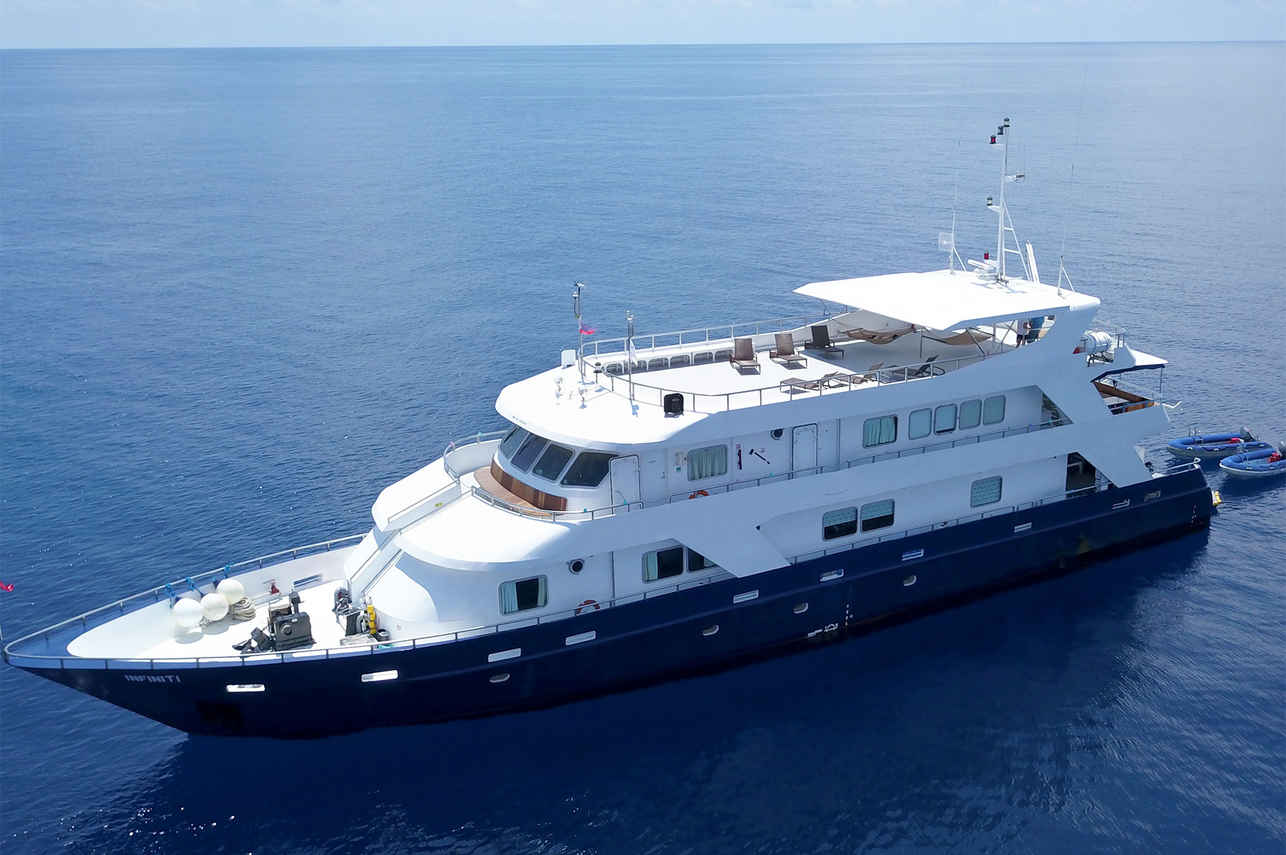
Infiniti
Philippines
25 guests39 m
$280/day
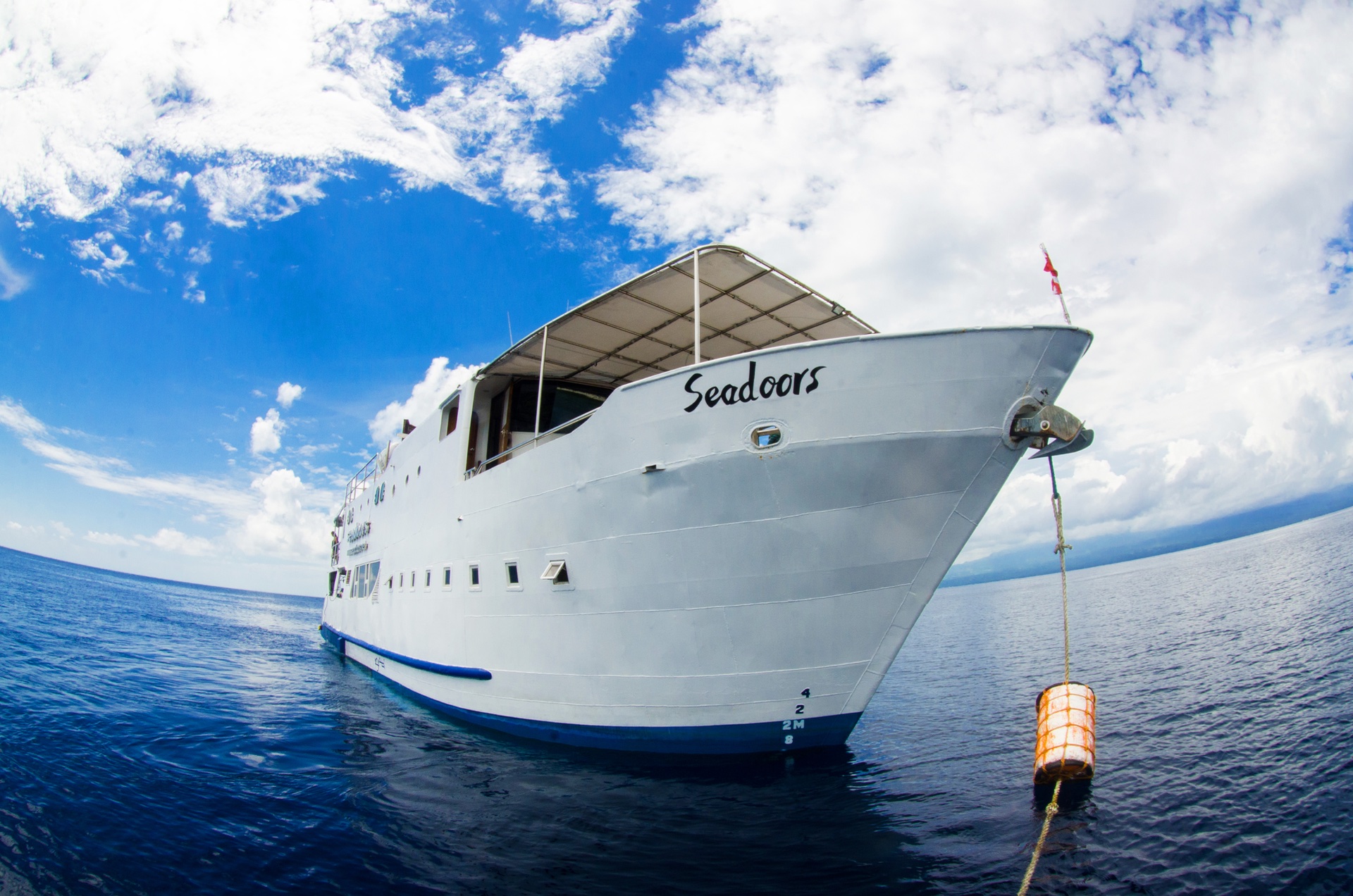
Seadoors
Philippines
16 guests25 m
$335/day
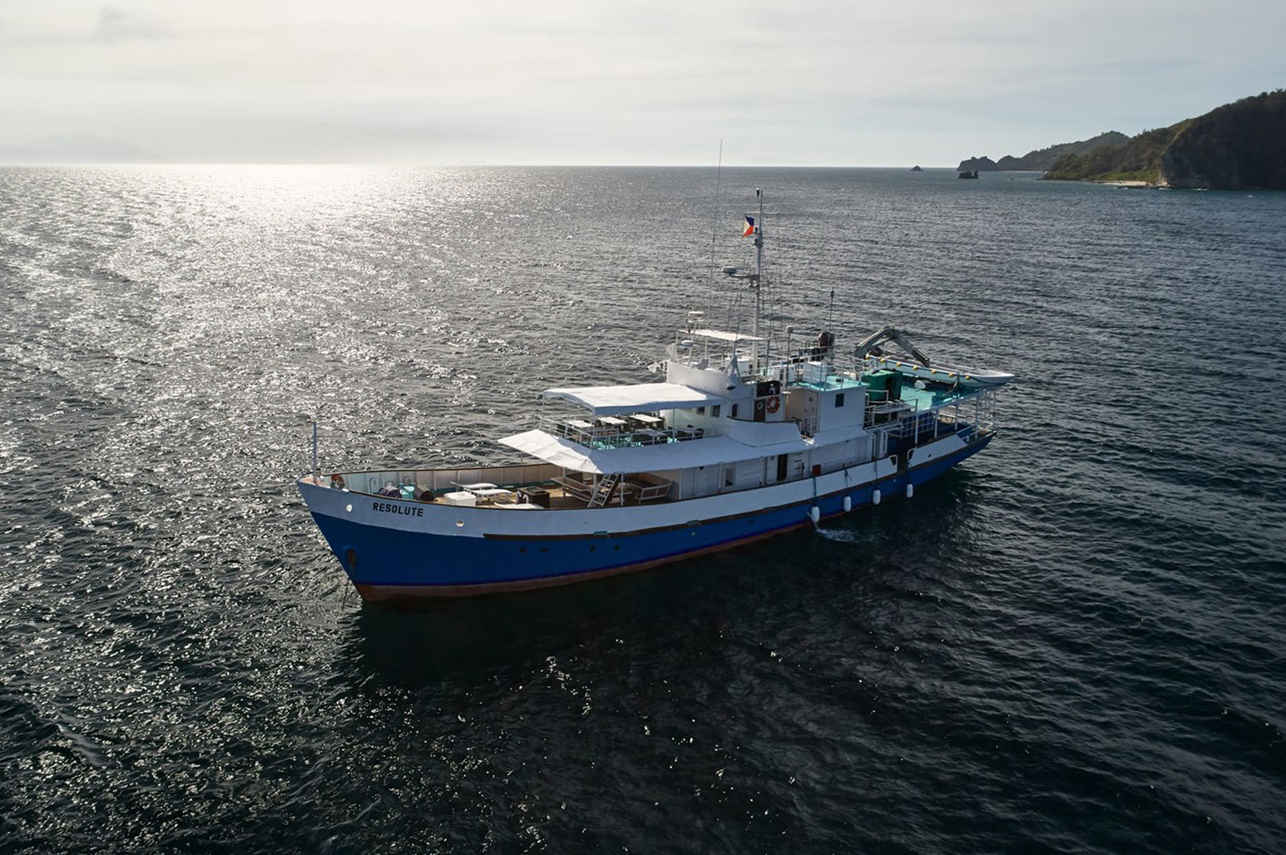
Resolute
Philippines
16 guests34.6 m
$314/day
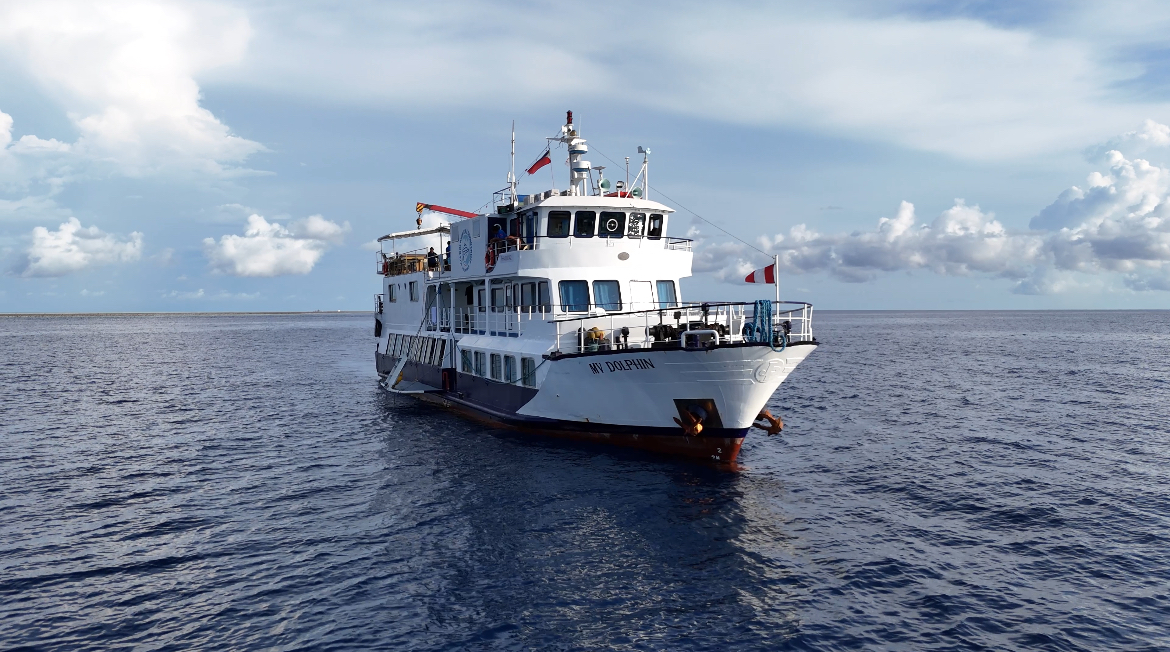
Dolphin
Philippines
18 guests31 m
$326/day
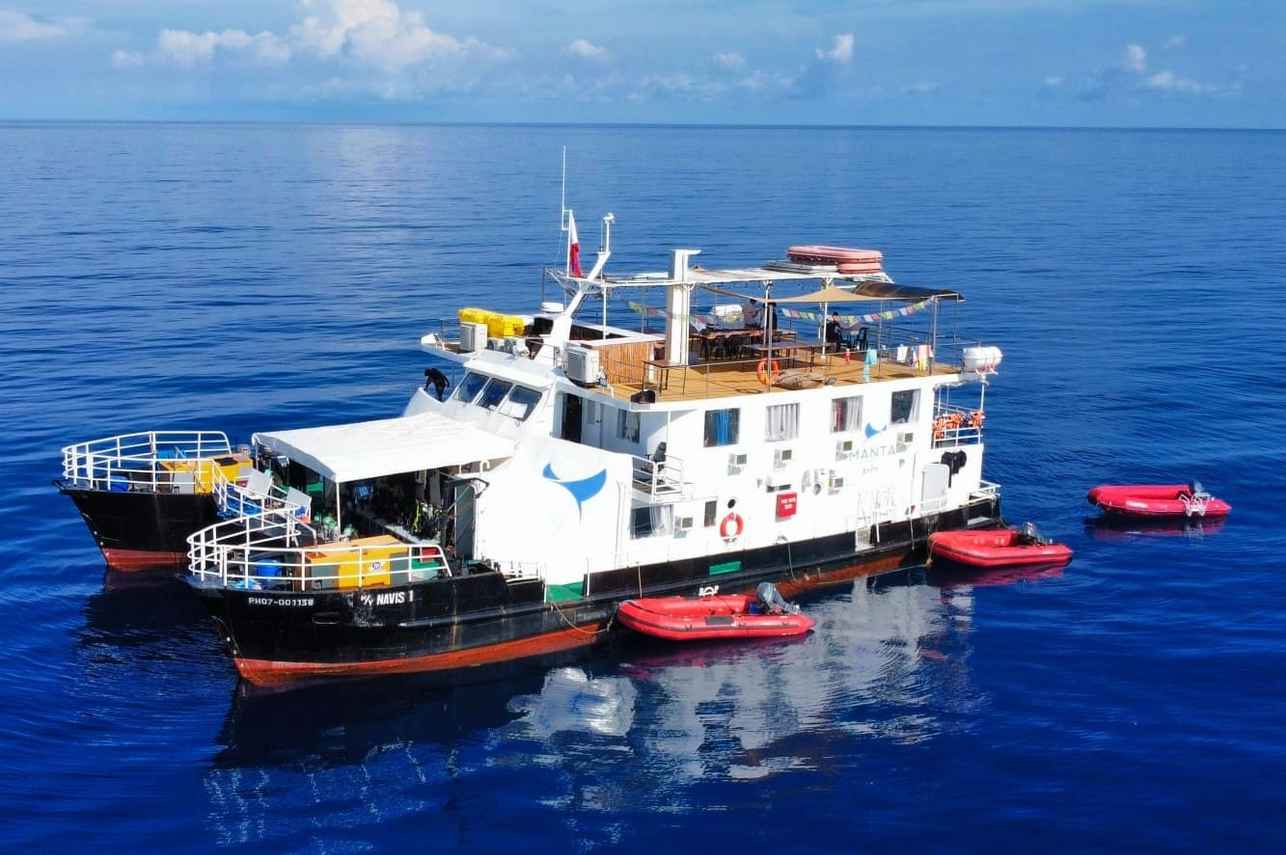
Navis 1
Philippines
22 guests23 m
$250/day
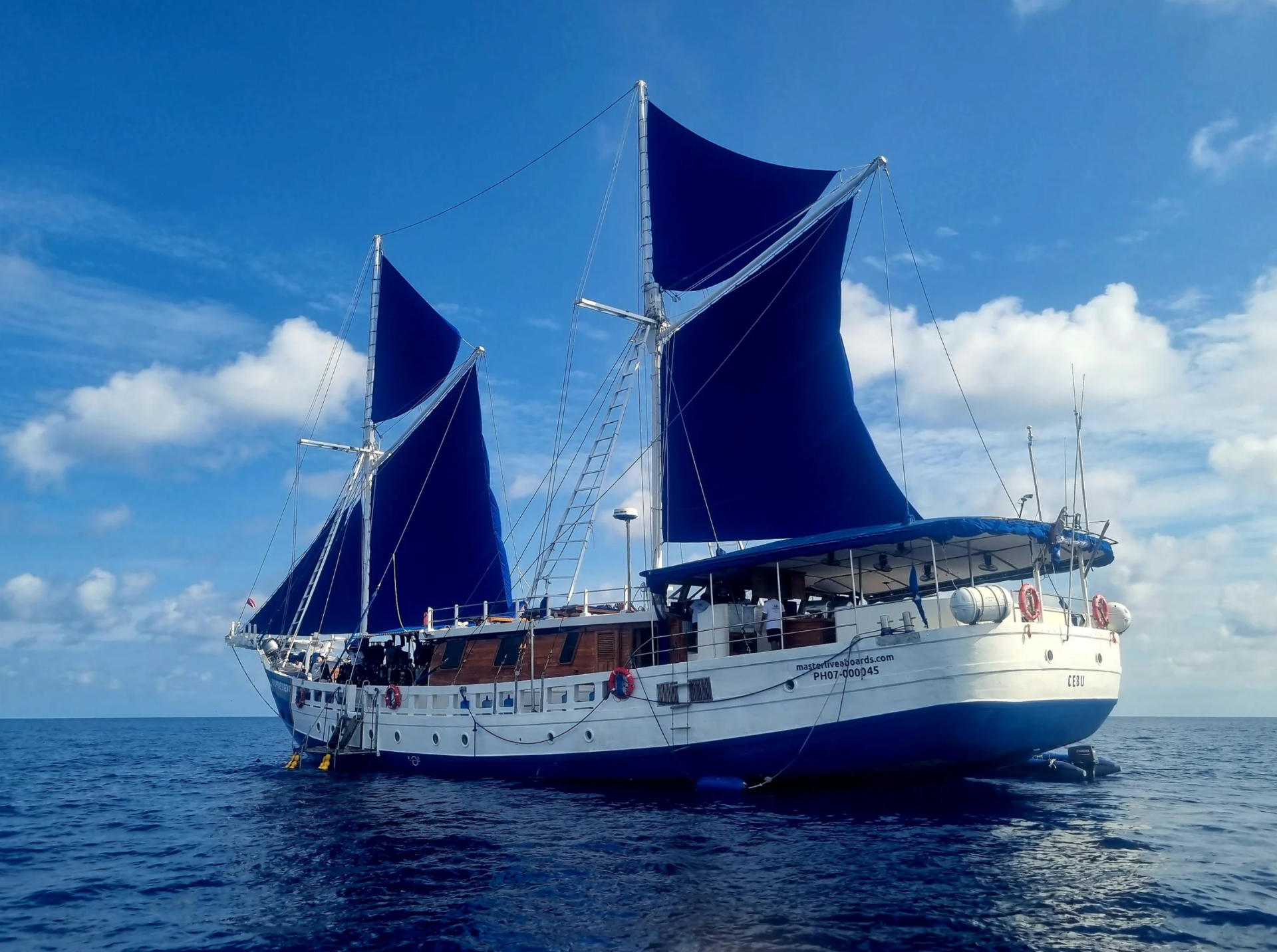
Philippine Siren
Philippines
16 guests
$309/day
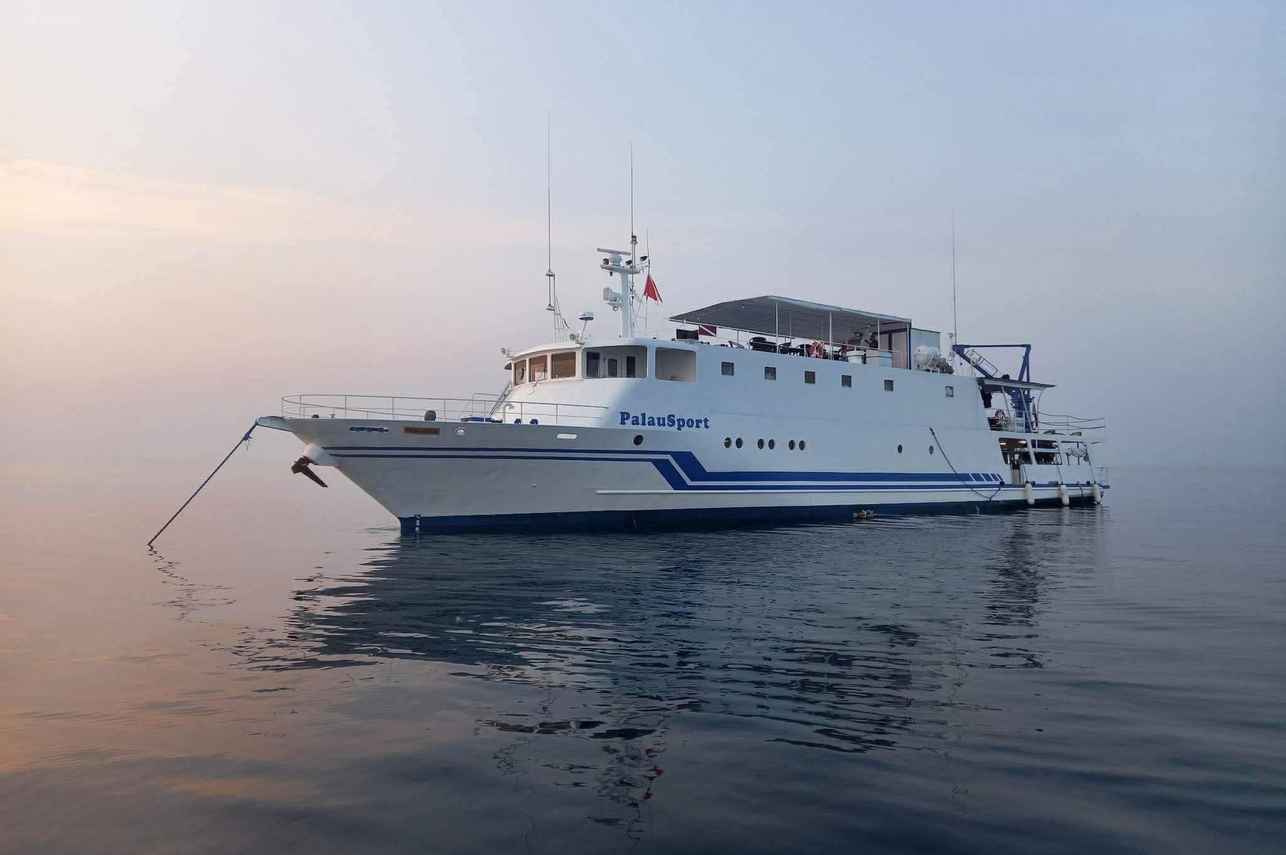
Palau Sport
Philippines
24 guests38.35 m
$215/day
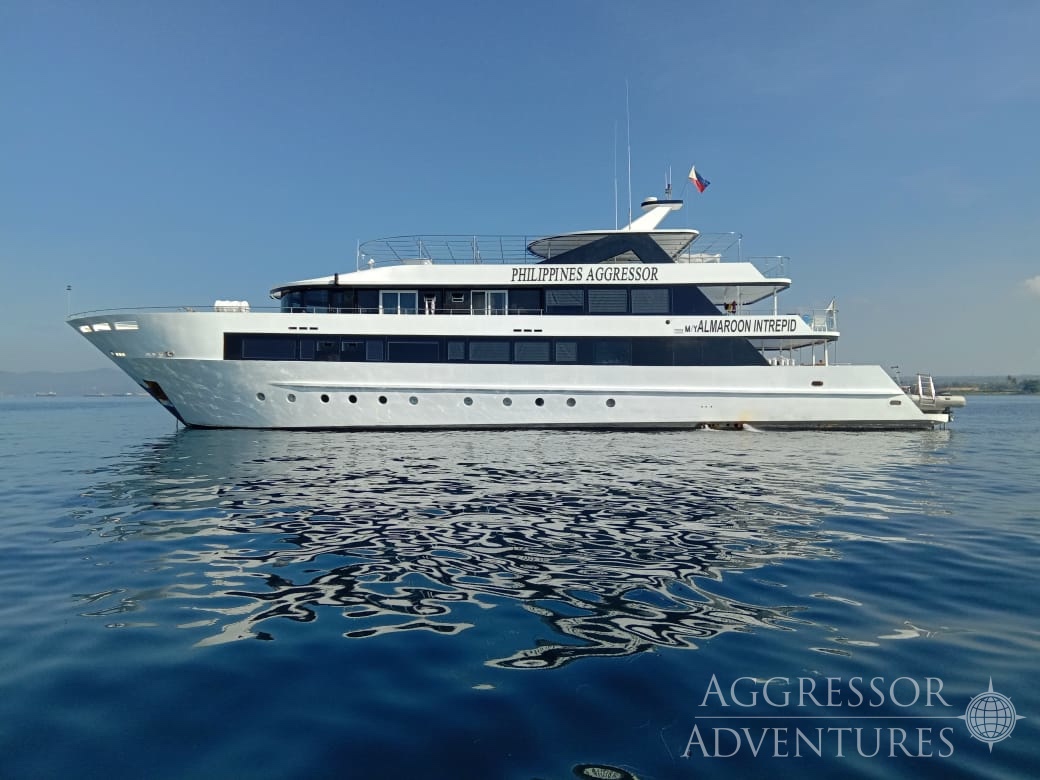
Philippines Aggressor
Philippines
26 guests42.7 m
$381/day
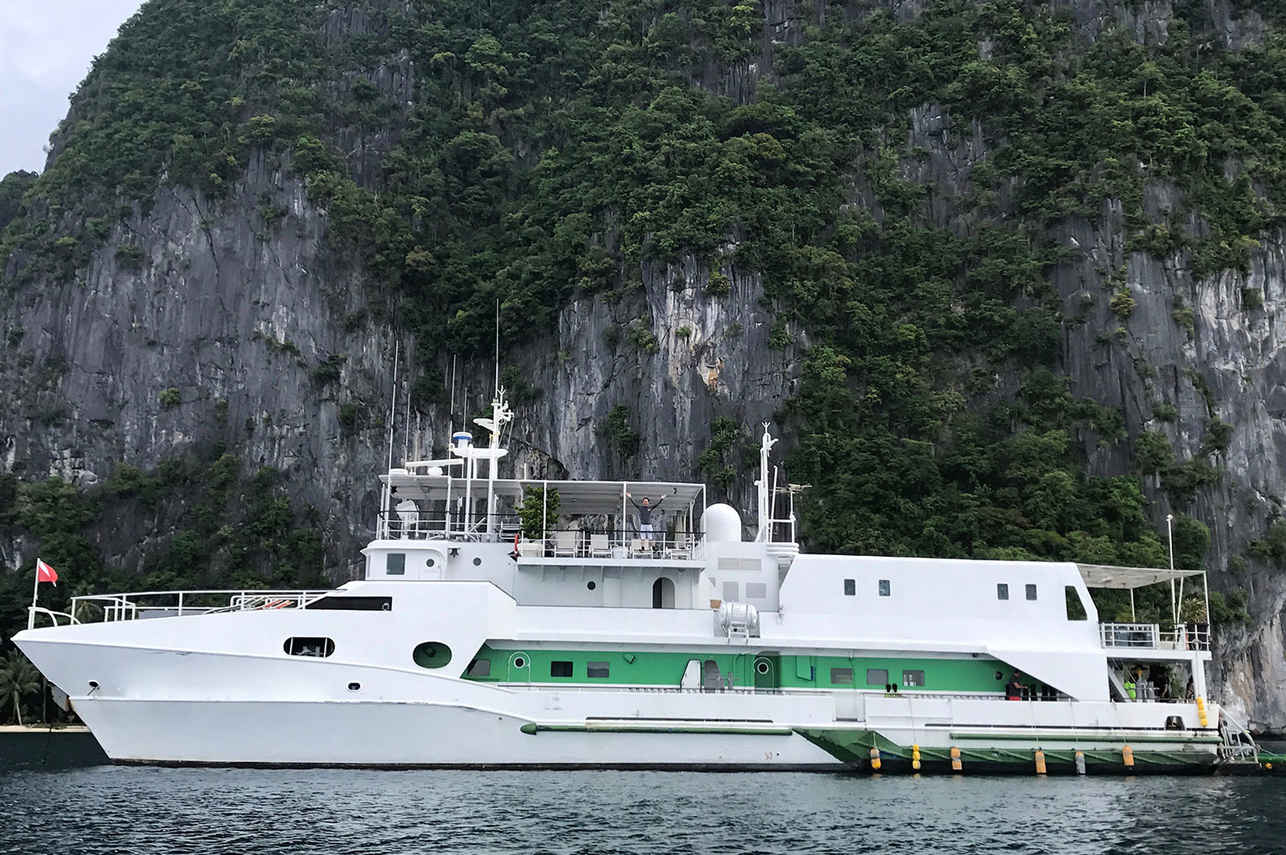
Stella Maris Explorer
Philippines
20 guests33 m
$398/day
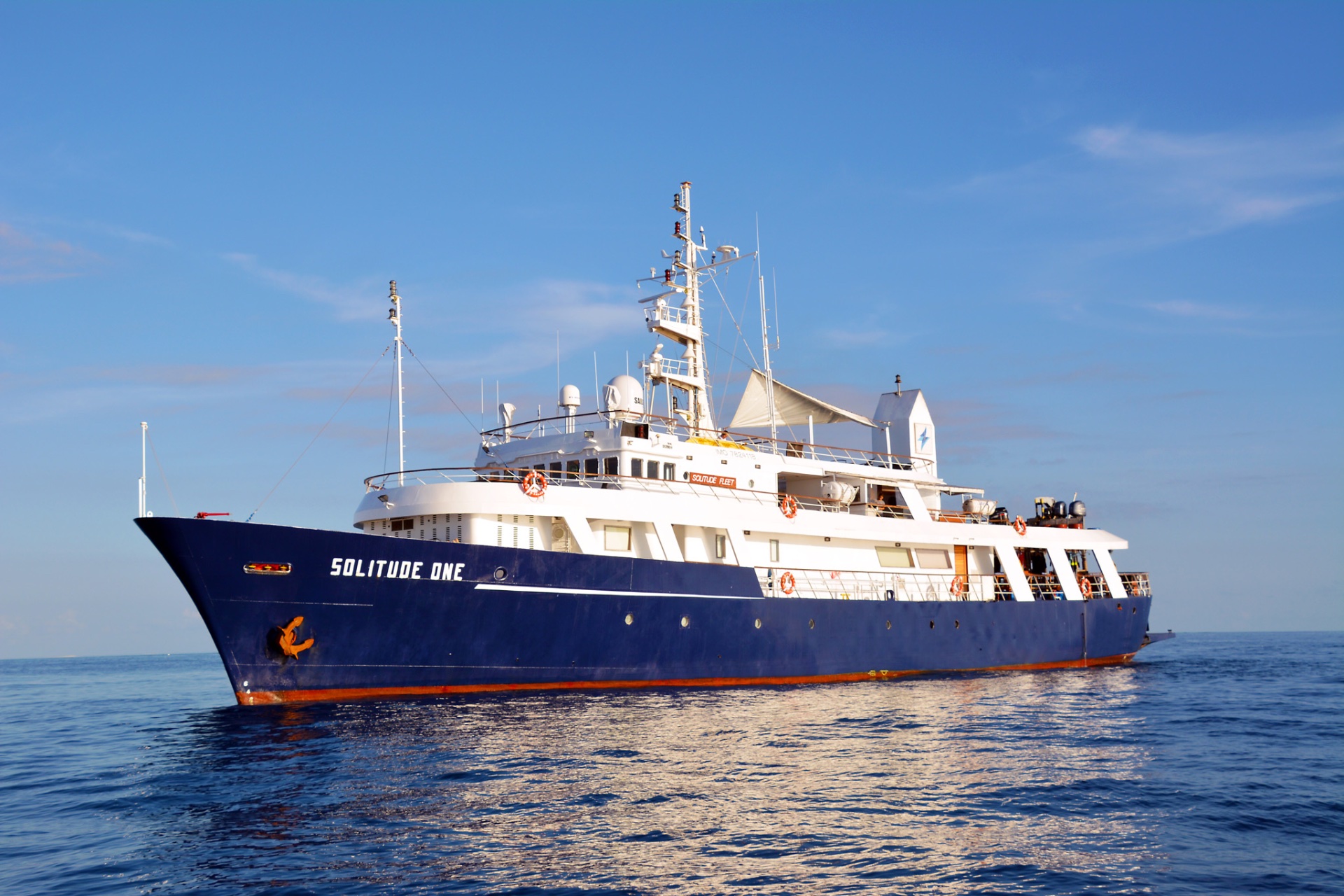
Solitude One
Philippines
24 guests52 m
$460/day
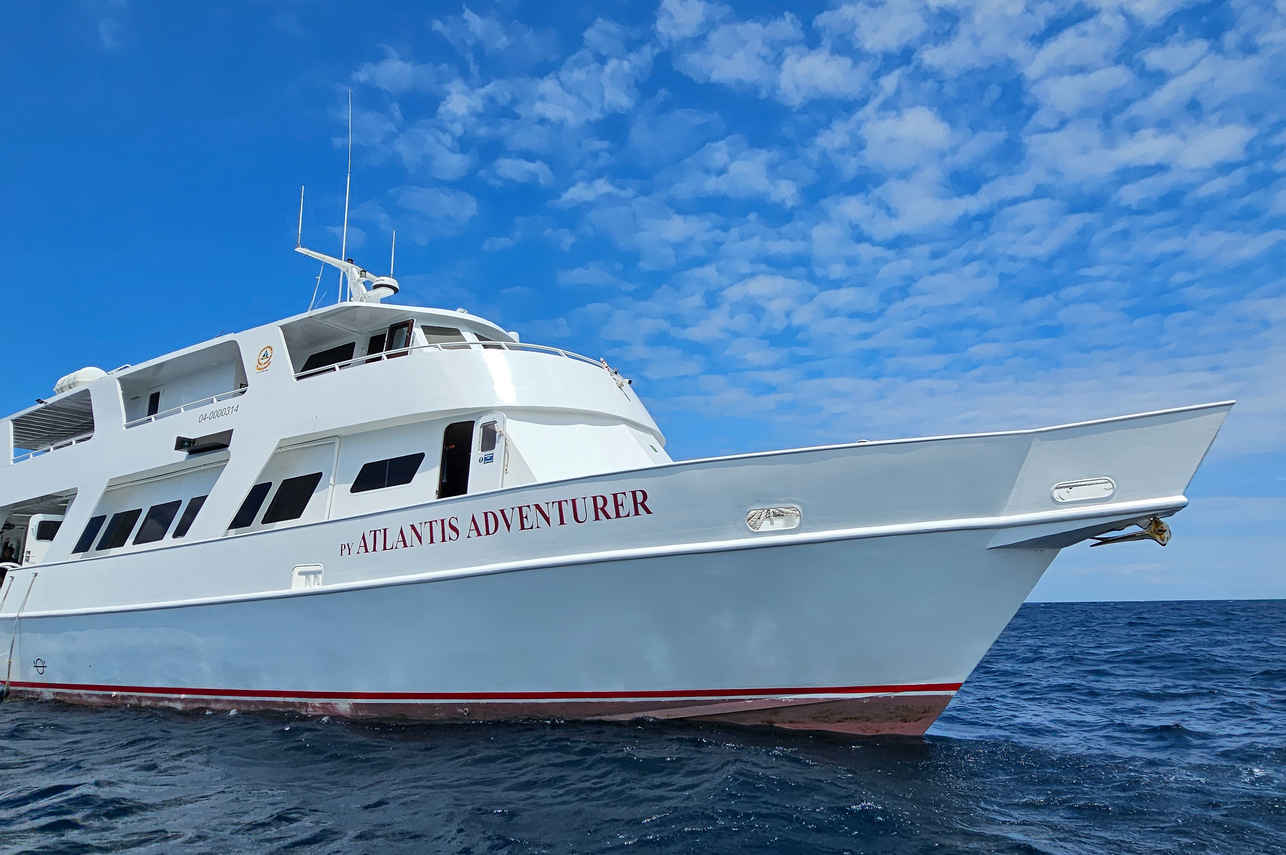
Atlantis Adventurer
Philippines
16 guests32.5 m
$421/day
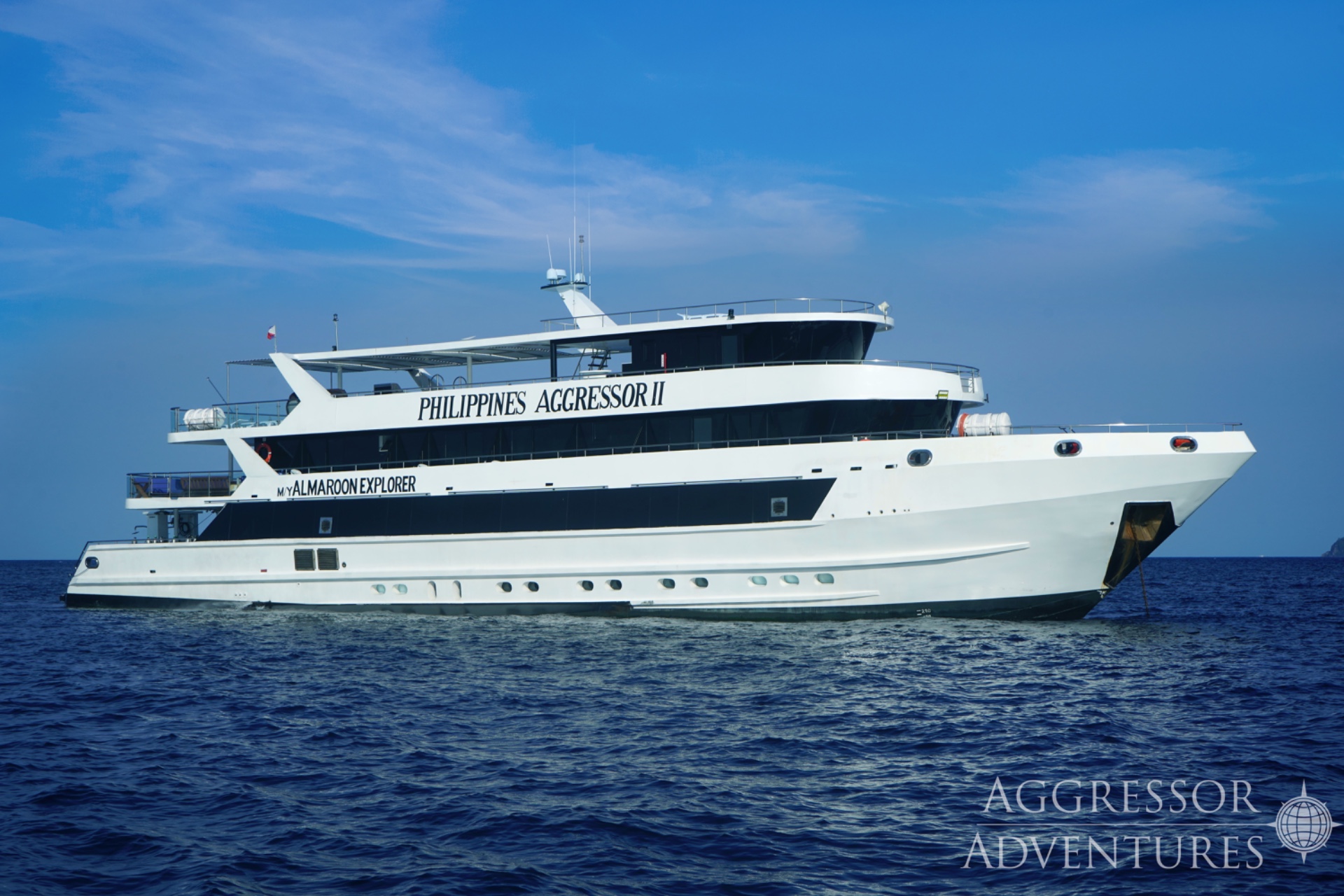
Philippines Aggressor II
Philippines
26 guests42.7 m
$247/day
Dive sites similar to Shark Ridge
Same character, same waters — six more sites divers love for the exact same reasons.Compare seasons, access and liveaboard routes — then pick the site that fits your trip best.
© Esri — Maxar, Earthstar, GIS
Big La Laguna
Philippines
Big La Laguna is a beach community situated on the western edge of the Sabang Peninsula, a popular dive region on Mindoro Island, Philippines.
- Suitable for
- Intermediate
- Current
- Moderate
- Access
- Dayboat
- Depth
- 5–35 m
- Theme
- Reef / Wall
© Esri — Maxar, Earthstar, GIS
Black Forest
Philippines
Black Forest is a premier dive site located off Balicasag Island, renowned for its exceptional marine biodiversity and distinct topography.
- Suitable for
- Intermediate
- Current
- Strong
- Access
- Liveaboard or dayboat
- Depth
- 10–30 m
- Theme
- Drift / Reef
© Esri — Maxar, Earthstar, GIS
Panagsama Beach
Philippines
Panagsama Beach, situated on a peninsula near Moalboal town in Cebu, serves as a central hub for diving activities in the region, boasting over 20 dive sites along its shoreline.
- Suitable for
- Intermediate
- Current
- Moderate
- Access
- Liveaboard or dayboat
- Depth
- ≤ 30 m
- Theme
- Reef / Wall
© Esri — Maxar, Earthstar, GIS
Binangaan Drop Off
Philippines
Binangaan Drop Off is a premier dive site within Apo Reef National Park, located off Occidental Mindoro in the Philippines.
- Suitable for
- Advanced
- Current
- Strong
- Access
- Liveaboard only
- Depth
- 10–40 m
- Theme
- Wall / Drift
© Esri — Maxar, Earthstar, GIS
Manta Bowl
Philippines
Manta Bowl is a renowned submerged seamount located in the Ticao Pass, off the northern coast of Ticao Island in Masbate, Philippines.
- Suitable for
- Advanced
- Current
- Ripping
- Access
- Liveaboard or dayboat
- Depth
- 14–50 m
- Theme
- Drift
© Esri — Maxar, Earthstar, GIS
Balinghai Wall
Philippines
Balinghai Wall is a notable dive site located on the northwest side of Boracay, known for its accessible wall and coral slope formations.
- Suitable for
- Intermediate
- Current
- Mild
- Access
- Dayboat
- Depth
- 8–24 m
- Theme
- Wall / Reef