About Berlengas Nature Reserve
The Berlengas Nature Reserve is an exceptional diving destination located approximately 10 to 15 kilometers west of Peniche, Portugal. Recognized as a UNESCO World Biosphere Reserve, this archipelago boasts transparent waters and a remarkably rich underwater environment. Its geological composition, distinct from the mainland, features granite islands, steep slopes, and numerous caves and canyons, making it a unique habitat for diverse marine species. Depths across the dive sites in Berlengas range from a shallow 5 meters to a maximum of 40 meters, catering to various experience levels. The volcanic and rocky seabed is home to abundant marine life, frequently sighted within its intricate network of caves and grottos. Visibility often extends from 10 meters up to 30 meters, particularly during the peak diving season, offering spectacular views of the flourishing ecosystem. Diving here provides encounters with groupers, congers, octopuses, and a variety of smaller invertebrates such as starfish, crayfish, and prawns. Pelagic species like sunfish and seabream are also common, especially in areas with currents. The reserve is also known as a 'Shipwreck Cemetery,' with several historic wrecks scattered at different depths, providing adventurous immersions and excellent opportunities for underwater photography. Accessible by boat from Peniche, the main island, Berlenga Grande, offers amenities for visitors and serves as a base for exploring the surrounding dive sites. The reserve's protected status ensures a thriving marine environment, making every dive a chance to witness Portugal's unique aquatic biodiversity.
Highlights
UNESCO Biosphere ReserveHistoric shipwrecksClear Atlantic watersDramatic underwater cavesVolcanic rock formationsAbundant marine lifeGorgonian wallsPelagic encounters
Season calendar
Best months to dive here
Jan
Feb
Mar
Apr
May
Jun
Jul
Aug
Sep
Oct
Nov
Dec
Excellent
Good
Dive site facts: Berlengas Nature Reserve
- Depth
- 5–40 m
- Typical dive
- 15–30 m, 50–60 min
- Current
- Variable, mild to strong
- Visibility
- 10–30 m
- Water temperature
- 16–21°C
- Entry
- Boat
- Level
- All levels, current experience beneficial for some sites
- Dive type
- Reef, wreck, cave, macro, wide-angle
- Night dive
- Possible
- Region / port
- Peniche, Central Portugal
- Coordinates
- 39.4167, -9.5167
Conditions & Currents
Currents in the Berlengas Nature Reserve vary significantly between dive spots, influenced by the exposed oceanic location and the 'Nortada' phenomenon during summer, which creates marine winds. While some sites, like 'Parede de Rabo de Asno' or 'Rinchão,' are known for usual or frequent currents that attract pelagic species, others offer more relaxed conditions. Divers should be prepared for varying current strengths and directions, especially in deeper areas or around prominent rock formations. Entry and exit techniques are typically boat-based, and dive briefings will account for prevailing conditions to ensure safety. Visibility can be excellent, particularly in late summer and early autumn, but it can also fluctuate depending on weather and sea state.
Marine life & sighting chances
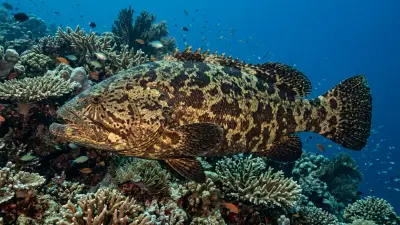
Groupers
common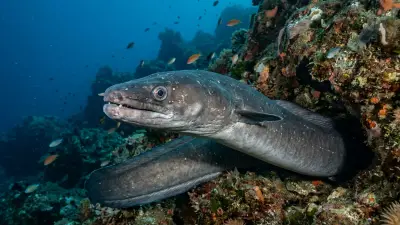
Conger eels
common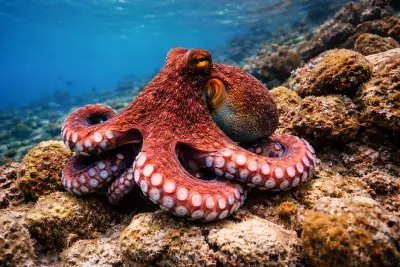
Octopuses
common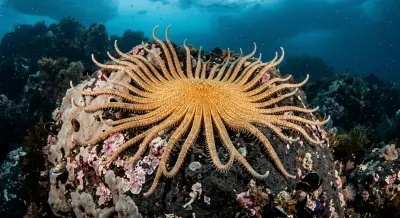
Starfish
common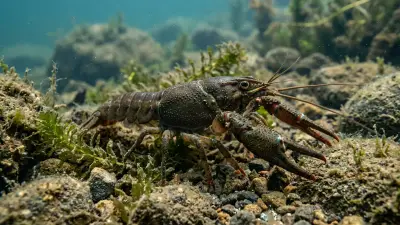
Crayfish
common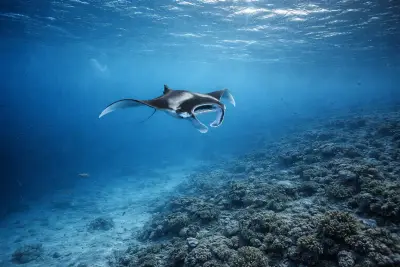
Manta rays
occasional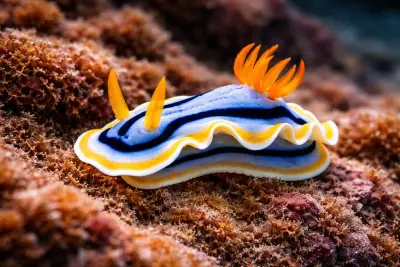
Nudibranchs
common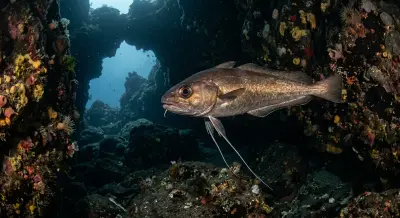
Forkbeards
common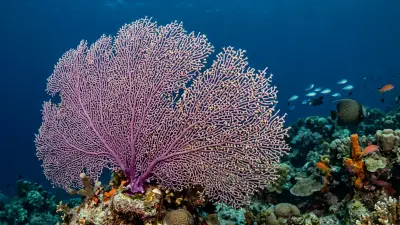
Red Gorgonians
common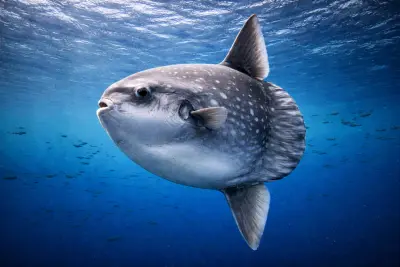
Sunfish
occasional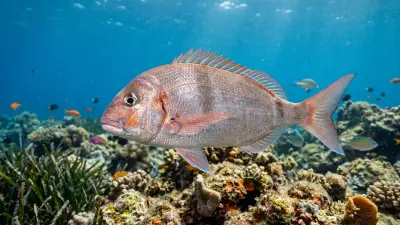
Seabream
common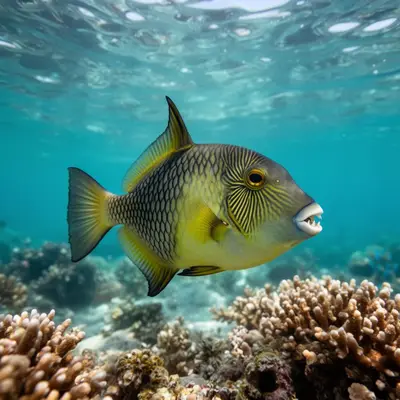
Triggerfish
occasional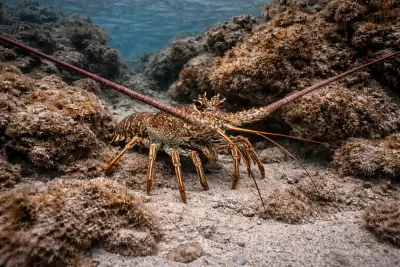
Lobsters
commonDive profile & how the dive runs
A typical dive in Berlengas often begins with a boat entry, usually a tender, dropping divers at a site like 'Parede de Rabo de Asno.' You descend along a dramatic wall covered in red gorgonians, sometimes entering caves that shelter shoals of pouts. The dive progresses along the wall, maintaining an average depth of 28 meters, where currents are common and attract pelagic species. After exploring the wall and its intricate features, the turn point is signaled, and you begin a gradual ascent. Safety stops are typically conducted in shallower, calmer areas, often near the boat, before a boat exit. Other sites, like 'Flandres,' offer a more relaxed profile starting on a shallow sandy bottom, transitioning to a small cavern, and concluding with exploration of a minor wreck, with safety stops managed in a similar manner.
Underwater photography
Berlengas offers diverse photographic opportunities, from wide-angle shots of dramatic underwater caves and gorgonian-covered walls to macro photography of nudibranchs, crayfish, and other invertebrates. For the expansive cave systems and vibrant gorgonian fields, a wide-angle lens with external strobes is essential to capture the scale and color. When photographing inside caves, practice excellent buoyancy to avoid stirring up silt and to protect delicate ecosystems. Macro enthusiasts will find plenty of subjects among the cracks and crevices of the rocky seabed and wrecks, with focus lights aiding in capturing minute details. Be mindful of subject etiquette, especially in the protected marine reserve; avoid touching marine life or disturbing wrecks. Good visibility, especially from August to October, enhances the chances for sharp, clear images.
Combine with nearby dive sites
- Caneiro dos Meros
Known for its rich marine life and varied topography, similar to Berlengas.
- Arrábida Reef
Located further south, offering different marine park experiences.
- Ocean Revival Park (Algarve)
A dedicated wreck park offering distinct diving experiences, but further south.
- Sesimbra Wreck Garden
Offers multiple wreck dives, providing an alternative for wreck enthusiasts.
Getting there & logistics
Access to Berlengas Nature Reserve is primarily by boat from Peniche, a town approximately an hour's drive north of Lisbon. Daily ferries, such as the Cabo Avelar Pessoa, transport passengers to Berlenga Grande in about 30 minutes. Dive operators in Peniche organize day trips, often including two dives and an opportunity to explore the island. While it's possible to visit for a single day, some travelers choose to spend a night on Berlenga Grande, which has limited accommodation options. The island is a protected area, and visitors should adhere to nature reserve guidelines. There are no specific dive permits mentioned beyond standard tour costs, but respecting the ecosystem is paramount. Diving in Berlengas is typically part of a short break from mainland Portugal, combining cultural exploration with underwater adventures.
Safety & environment
Diving in Berlengas requires adherence to established safety protocols, particularly due to variable currents and the nature of cave and wreck dives. Divers should ensure they have appropriate insurance covering diving activities, including emergency evacuation. The nearest recompression chamber would be on the mainland, likely in Lisbon or a major hospital, making emergency logistics potentially complex. All dives should be conducted with experienced local guides who are familiar with the specific conditions and topography of each site. Given the remote nature of the archipelago, divers must carry out thorough buddy checks and meticulously plan air consumption. Respecting the marine reserve's rules, including not touching or removing anything, is crucial for both personal safety and ecosystem preservation.
Who it suits — and who it doesn't
Suited for
- Experienced divers comfortable with currents
- Underwater photographers seeking unique subjects
- Wreck enthusiasts
- Divers interested in marine biodiversity
- Those seeking cave and cavern exploration
Less suited for
- Beginner divers without current experience
- Divers uncomfortable with boat entries and exits
- Individuals prone to seasickness on choppy rides
- Those uninterested in cooler water temperatures
- Divers who prefer purely tropical, calm conditions
FAQ
Berlengas Nature Reserve FAQ
What kind of marine life can I expect to see in Berlengas?
Berlengas is teeming with diverse marine life due to its protected status. You can commonly encounter groupers, conger eels, octopuses, and various invertebrates like starfish and crayfish. Pelagic species such as sunfish and seabream are also frequently sighted, especially in areas with stronger currents.
Are there wrecks to dive on in Berlengas?
Yes, Berlengas is known as a "Shipwreck Cemetery" and offers several historic wreck dives. Notable wrecks include the Primavera, known for its protected location and abundant marine life, and parts of the Gomes VIII. These wrecks provide adventurous dives and excellent opportunities for underwater photography.
How clear is the water in Berlengas?
The waters around Berlengas Nature Reserve are renowned for their transparency. Visibility typically ranges from 10 meters to an impressive 30 meters, particularly during the high season from August to October. This excellent clarity enhances the diving experience, allowing for clear views of the rich underwater topography and marine life.
What is the water temperature like in Berlengas?
Water temperatures in Berlengas are influenced by the Atlantic Ocean. During the peak diving season from June to October, average water temperatures range from 17°C to 21°C. While cooler than tropical waters, a good wetsuit ensures comfort for extended dives, allowing enjoyment of the vibrant ecosystem.
Is Berlengas suitable for beginner divers?
While some sites within Berlengas can be suitable for less experienced divers, many areas feature variable currents and depths up to 40 meters. Beginners without prior experience in currents might find certain sites challenging. It is recommended for advanced open water divers or those with experience in similar conditions.
How do I get to Berlengas Island for diving?
Berlengas Island is accessible via a boat trip from Peniche, a coastal town located about an hour's drive north of Lisbon. Dive operators in Peniche arrange daily trips to the reserve, typically including transfers to the dive sites. The boat journey to Berlenga Grande usually takes around 30 minutes.
Why dive Berlengas Nature Reserve from a liveaboard?
Berlengas Nature Reserve is one of Portugal's signature dive sites. A liveaboard sleeps you on the water and puts you in the water for three to four guided dives per day, including dawn and night dives that day-boat operators rarely offer. You skip the daily commute back to port and reach quieter, less-crowded sites in the same region on a single trip.
Below are the liveaboards that include Berlengas Nature Reserve on their Portugal itineraries.
Liveaboards diving Berlengas Nature Reserve
These liveaboards may visit Berlengas Nature Reserve on selected itineraries — the exact dive sites depend on departure, weather and conditions.
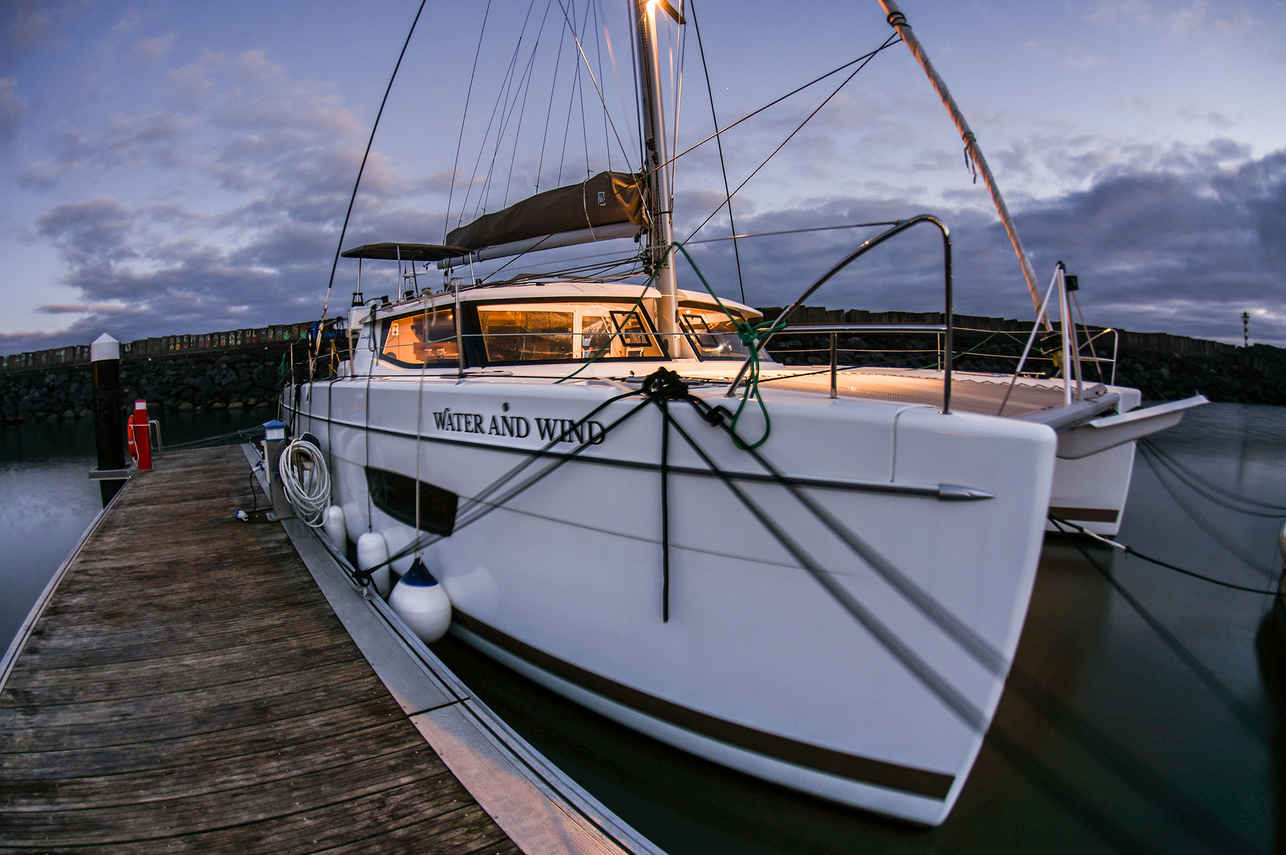
Water And Wind
Portugal
8 guests13.41 m
$434/day
Dive sites similar to Berlengas Nature Reserve
Same character, same waters — six more sites divers love for the exact same reasons.Compare seasons, access and liveaboard routes — then pick the site that fits your trip best.
© Esri — Maxar, Earthstar, GIS
Pedra da Velha
Portugal
Pedra da Velha is an advanced boat-access rocky reef and pinnacle located off Peniche, within the protected Berlengas archipelago.
- Suitable for
- Advanced
- Current
- Moderate
- Access
- Dayboat
- Depth
- 10–20 m
- Theme
- Reef / Wall
© Esri — Maxar, Earthstar, GIS
Ilhéu da Vila
Portugal
Ilhéu da Vila is a significant dive site located approximately half a mile from the marina of Santa Maria Island in the Azores.
- Suitable for
- Intermediate
- Current
- Moderate
- Access
- Dayboat
- Depth
- 13–18 m
- Theme
- Reef / Wall
Pedrinha, meaning 'Little Rock,' is a highly regarded advanced dive site located off Santa Maria Island in the eastern Azores.
- Suitable for
- Advanced
- Current
- Strong
- Access
- Dayboat
- Depth
- 6–40 m
- Theme
- Reef / Wall
Lidador is an advanced dive site located off Terceira Island in the Azores, nestled within the protected Underwater Archaeological Park of Angra do Heroísmo Bay.
- Suitable for
- Advanced
- Current
- Moderate
- Access
- Liveaboard or dayboat
- Depth
- 8–11 m
- Theme
- Wreck / Reef
© Esri — Maxar, Earthstar, GIS
Ruy Barbosa
Portugal
The Ruy Barbosa dive site features the fragmented wreck of a cruise ship that was stranded off Memory Beach, located southeast of Matosinhos' old town in Portugal.
- Suitable for
- Beginner
- Current
- Mild
- Access
- Shore / dayboat
- Depth
- 3–7 m
- Theme
- Wreck
© Esri — Maxar, Earthstar, GIS
June Jones Reef
Portugal
June Jones Reef is an intriguing dive site in Portugal, featuring the scattered remains of a 50-foot steel boat that succumbed to severe storms.
- Suitable for
- Intermediate
- Current
- Mild
- Access
- Liveaboard or dayboat
- Depth
- —
- Theme
- Wreck / Reef