About June Jones Reef
June Jones Reef is an intriguing dive site in Portugal, featuring the scattered remains of a 50-foot steel boat that succumbed to severe storms. This site combines both wreck and natural reef characteristics, making it a compelling destination for divers interested in exploring marine life amidst historical structures. The vessel's debris is widely spread across the seabed, creating multiple small ecosystems where marine life thrives, offering divers new discoveries with each visit to its various 'mounds of debris'. While the specific topography beyond the wreck is implied to be a reef environment, the exact depth ranges and geological formations are not detailed, but the scattered nature of the wreck creates an irregular, varied seabed. Marine life sightings here are often characteristic of the broader region, including larger pelagic species such as sharks, whales, dolphins, and turtles, indicating a site that may attract significant oceanic fauna. The presence of these animals suggests diverse ecological conditions, even if the primary draw is the wreck itself. Diving here involves navigating the dispersed sections of the steel boat. Divers should anticipate a search-and-explore approach, as the description emphasizes looking around each debris mound to uncover its "secrets." This implies a dive profile focused on detailed examination rather than a single, large structure, requiring attentive exploration to appreciate the full extent of the site.
Highlights
50-foot steel boat wreckWidely dispersed debrisHidden secrets in wreckageWreck and reef divePotential for pelagic sightingsExplore battered remains
Season calendar
Best months to dive here
Jan
Feb
Mar
Apr
May
Jun
Jul
Aug
Sep
Oct
Nov
Dec
Good
Dive site facts: June Jones Reef
- Current
- Mild
- Entry
- Liveaboard or dayboat
- Level
- Intermediate
- Dive type
- Wreck, Reef
- Region / port
- Lisboa, Portugal
- Coordinates
- 38.6833° N, 9.4500° W
Conditions & Currents
Information on currents specifically at June Jones Reef is not available in the provided sources. However, divers should always anticipate varying current strengths at any open ocean dive site. General diving safety guidelines emphasize assessing weather conditions, including swell and sea state, before diving, as these factors significantly impact diver location and safety at the surface. Dive briefings should always include details on potential currents to prevent diver separation. Prudent planning for entry and exit, especially from a boat, is essential. Visibility can fluctuate, and thermoclines may be present depending on the season and specific location within Portugal's diverse marine environment.
Marine life & sighting chances


Dive profile & how the dive runs
Divers typically access June Jones Reef by boat, given its location offshore. The dive begins with an entry directly over the wreck's general vicinity. Due to the widely dispersed nature of the 50-foot steel boat, the dive profile involves exploring various mounds of debris and scattered sections of the wreck. Divers often navigate by following the contours of these underwater structures, searching for marine life that congregates around the shelter and hard surfaces. The route is flexible, allowing for discovery of the "secrets" within each section. Depths will vary depending on the specific scattered components of the wreck. The dive concludes with a gradual ascent, allowing for a safety stop, usually in the shallower parts of the reef or open water near the boat, before surfacing for pickup.
Underwater photography
To capture the widely dispersed elements of the June Jones Reef wreck, a wide-angle lens would be suitable for overall scenes, showcasing the scattered debris and the general topography. For capturing the smaller secrets within the wreckage, such as resident fish or invertebrates, a macro lens would be more appropriate. Given the potential for variable visibility common in many temperate waters, strobes are highly recommended to bring out color and detail, especially in the shadowed areas of the wreck. Maintaining excellent buoyancy control is crucial to avoid stirring up sediment from the wreck and surrounding seabed, which could degrade photographic opportunities. Approach marine life gently and respectfully, allowing them to remain undisturbed while you capture their images within the wreck environment.
Combine with nearby dive sites
- Eglin Air force Barge
The Eglin Air Force Barge, located off the coast of Torres Vedras in Portugal, offers an accessible and rewarding dive experience for…
- Miss Louise
The Miss Louise is a prominent wreck dive located off Berlenga Grande Island in the Lisboa region of Portugal.
- Pedra do Spinola
Pedra do Spinola is a charming, sheltered boat dive site located near Sesimbra, easily accessible and designed to accommodate various diver…
Getting there & logistics
June Jones Reef is located in the Lisboa region of Portugal, accessible from the city of Lisbon. The precise departure points and trip durations are not specified, but typically, dive trips to local sites like this would originate from nearby dive operators. There is no information regarding specific permits or fees required for diving this site, nor how it is commonly integrated into broader dive itineraries. Divers interested in this site should consult local PADI dive shops in Lisbon to arrange trips.
Safety & environment
While no site-specific hazards for June Jones Reef are detailed, general dive safety principles always apply. Divers should ensure their certification is appropriate for wreck and reef diving conditions. Evacuation procedures and the location of the nearest recompression chamber should be discussed with the dive operator prior to the dive. Comprehensive dive insurance is highly recommended to cover potential medical emergencies and evacuation costs. Always adhere to standard safe diving practices and consider current conditions.
Who it suits — and who it doesn't
Suited for
- Divers interested in wreck exploration
- Explorers of artificial reef environments
- Divers seeking marine life in wreck habitats
Less suited for
- Divers expecting intact wreck structures
- Beginners without wreck or similar experience
- Those looking for pristine coral reefs
FAQ
June Jones Reef FAQ
What kind of wreck is June Jones Reef?
June Jones Reef is the site of a 50-foot steel boat that has been severely damaged by storms. The wreck is not intact but is widely dispersed, with its debris forming various mounds across the seabed.
What can divers expect to see at June Jones Reef?
Divers can expect to explore scattered wreckage and debris, which have created new habitats for marine life. While specific species are not listed, common sightings include sharks, whales, dolphins, and turtles.
Where is June Jones Reef located?
June Jones Reef is situated in Portugal, specifically within the Lisboa region, near the city of Lisbon. Its coordinates are listed as 3022.59300, 8627.96800.
Is June Jones Reef suitable for all diver levels?
The site is described as a wreck and reef dive. While the exact difficulty isn't specified, the dispersed nature of the wreck might appeal to divers comfortable with exploration. Consulting local dive shops for current conditions and recommended experience levels is advised.
Are there other dive sites nearby June Jones Reef?
Yes, other dive sites in the vicinity of June Jones Reef include the Eglin Air force Barge, Miss Louise, and Pedra do Spinola. These sites could potentially be combined for a multi-day diving experience in the Lisbon area.
Why dive June Jones Reef from a liveaboard?
June Jones Reef is one of Portugal's signature dive sites. A liveaboard sleeps you on the water and puts you in the water for three to four guided dives per day, including dawn and night dives that day-boat operators rarely offer. You skip the daily commute back to port and reach quieter, less-crowded sites in the same region on a single trip.
Below are the liveaboards that include June Jones Reef on their Portugal itineraries.
Liveaboards diving June Jones Reef
These liveaboards may visit June Jones Reef on selected itineraries — the exact dive sites depend on departure, weather and conditions.
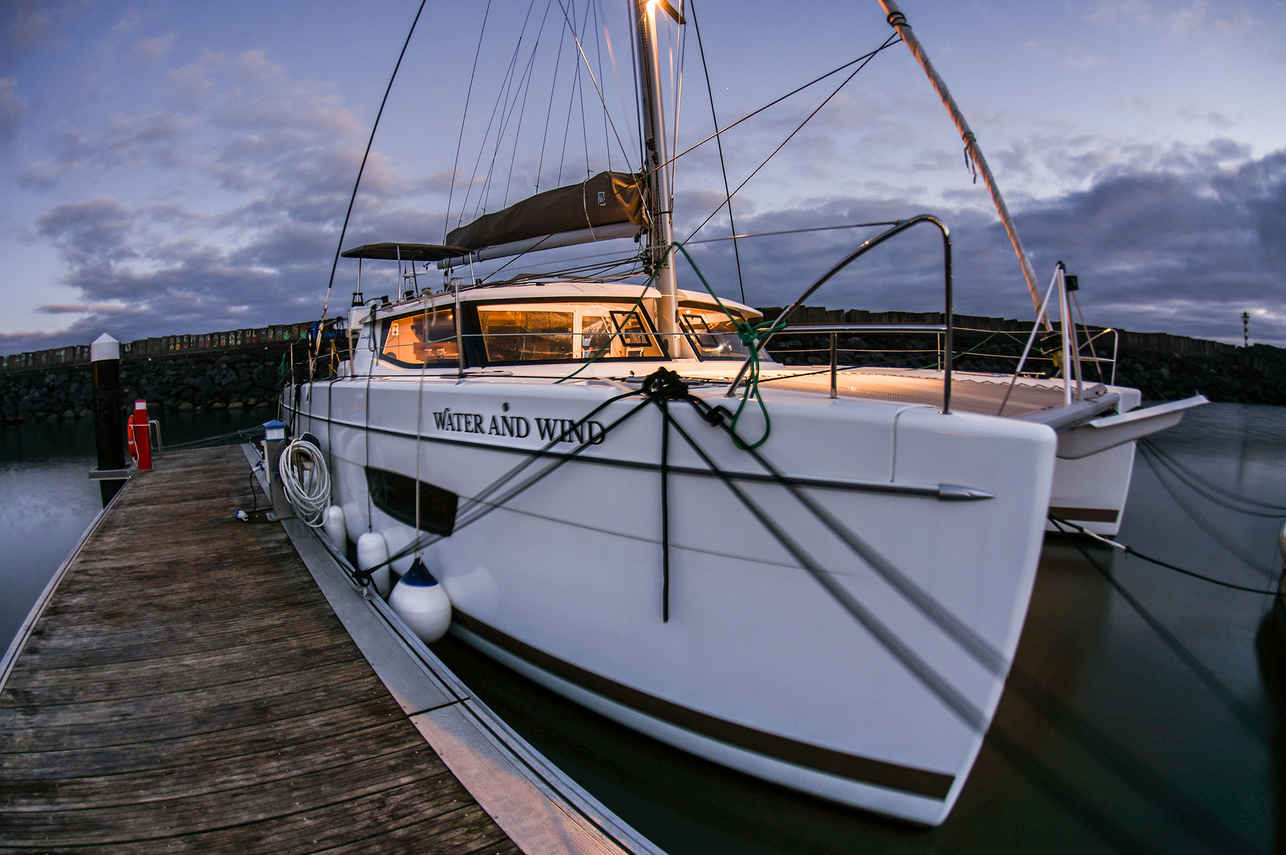
Water And Wind
Portugal
8 guests13.41 m
$434/day
Dive sites similar to June Jones Reef
Same character, same waters — six more sites divers love for the exact same reasons.Compare seasons, access and liveaboard routes — then pick the site that fits your trip best.
Bay Cones in Portugal is a unique dive site characterized by its artificial reef formations.
- Suitable for
- Beginner
- Current
- Mild
- Access
- Liveaboard or dayboat
- Depth
- —
- Theme
- Reef
© Esri — Maxar, Earthstar, GIS
Pedra da Velha
Portugal
Pedra da Velha is an advanced boat-access rocky reef and pinnacle located off Peniche, within the protected Berlengas archipelago.
- Suitable for
- Advanced
- Current
- Moderate
- Access
- Dayboat
- Depth
- 10–20 m
- Theme
- Reef / Wall
© Esri — Maxar, Earthstar, GIS
Pedra da Nau
Portugal
Pedra da Nau is a notable dive site situated in a protected bay near Cascais, easily accessible with a short boat ride from shore or even by land.
- Suitable for
- Beginner
- Current
- Mild
- Access
- Liveaboard or dayboat
- Depth
- 4–18 m
- Theme
- Reef
Silveira is a welcoming beginner-friendly dive site located off Terceira Island in the Azores archipelago, Portugal.
- Suitable for
- Beginner
- Current
- Mild
- Access
- Dayboat
- Depth
- 2–15 m
- Theme
- Reef / Pinnacle
© Esri — Maxar, Earthstar, GIS
Cinco Ribeiras
Portugal
Cinco Ribeiras is situated on the western coast of Terceira Island in the Azores, named after a nearby village.
- Suitable for
- Beginner
- Current
- Mild
- Access
- Shore / dayboat
- Depth
- 5–16 m
- Theme
- Reef / Cavern