About Bay Cones
Bay Cones in Portugal is a unique dive site characterized by its artificial reef formations. Instead of natural topography, this site features eight by nine resin cones intentionally placed in the bay to foster marine life. Each cone develops its own ecosystem, offering a distinct exploration experience for divers. The site is generally considered a beginner-friendly location due to its mild currents and manageable depths. Divers can explore these individual cones, each presenting a different personality in terms of the marine life it attracts and the growth covering its surface. The concept allows for a focused, interactive dive where observations are concentrated on these specific structures. While specific marine life details are not extensively provided beyond general reef inhabitants, the artificial reef design aims to attract and sustain various species typically found in such environments. The best time to dive here is during the summer and autumn months, from July to October, when visibility is optimal, ranging from 20 to 30 meters, and water temperatures are warm, between 21 and 24°C. This site is ideal for introductory dives, allowing newer divers to gain experience in a controlled and interesting environment. It offers a relaxed diving pace where you can take your time observing the progress of the artificial reef project and its inhabitants. The accessibility and calm conditions make it a suitable spot for multiple dives.
Highlights
Atlantic marine ecosystemsVolcanic underwater topographyDiverse fish speciesPotential pelagic encountersVarying current conditionsClear water visibilityEuropean diving destination
Season calendar
Best months to dive here
Jan
Feb
Mar
Apr
May
Jun
Jul
Aug
Sep
Oct
Nov
Dec
Excellent
Good
Off-Season
Jul – Oct (Summer/Autumn)
Best visibility 20–30m, warmest water 21–24°C. Blue sharks, mobula rays, whale sharks. Peak pelagic season at offshore sites.
Apr – Jun & Nov (Shoulder)
Improving/declining conditions. Water cooling but still diveable. Fewer pelagics but good reef life.
Dec – Mar (Winter)
Cold water 16–18°C, rough Atlantic swells, reduced visibility. Limited dive operations. Only for experienced cold-water divers.
Dive site facts: Bay Cones
- Current
- Variable, mild to strong
- Visibility
- 5–30 m
- Water temperature
- 14–24 °C
- Entry
- Boat
- Level
- Open Water to Advanced
- Dive type
- Reef, wreck, drift, cave
- Night dive
- Possible
- Region / port
- Portugal
- Coordinates
- 38.705, -9.495
Conditions & Currents
Conditions at Bay Cones are generally calm, characterized by usually mild currents. This makes the site highly accessible and suitable for most certified divers, including beginners, as it does not typically present significant challenges related to water movement. The relaxed current environment allows for comfortable navigation and extended observation times around the artificial cones. Visibility is at its best from July to October, reaching 20-30 meters. Water temperatures during this peak season are also favorable, staying between 21-24°C. Divers should be aware of cooler temperatures and reduced visibility outside of the peak summer and autumn months, especially from December to March when conditions can be rougher. Given the mild nature of the site, special entry or exit techniques like negative entries or reef hooks are typically not required, ensuring a straightforward and enjoyable dive experience.
Marine life & sighting chances

Octopus
Year-round · common
Cuttlefish
Year-round · common
Nudibranchs
Year-round · common
Groupers
Year-round · common
Barracudas
Year-round · occasional
Moray eels
Year-round · common
Manta rays
Summer · occasionalSharks (various species)
Summer · occasional
Dolphins
Summer · occasional
Whales
Summer · rare
Bream
Year-round · common
Sea bass
Year-round · occasionalDive profile & how the dive runs
Dive profiles around Portugal are highly site-dependent due to the diverse underwater topography and current conditions. Typically, dives are conducted from a boat, often involving a descent onto a reef, volcanic rock formation, or wreck. Depending on current strength, dives might be drift dives, allowing the current to carry you along the features while maintaining neutral buoyancy. For static dives, the route might follow a specific contour of the reef or explore a wreck's interior, gradually ascending towards shallower depths. Turnaround points are often based on air consumption or no-decompression limits, with a slow, controlled ascent. Safety stops are mandatory at 5 meters for 3 minutes, usually conducted either mid-water or holding onto a static line deployed from the boat, especially in areas with current.
Underwater photography
Capturing the diverse underwater scenery in Portugal often requires adaptability. For wide-angle shots, a fisheye or wide-angle lens is ideal to encompass the dramatic volcanic landscapes, large schools of fish, or potential pelagic encounters. Visibility can sometimes exceed 30 meters, allowing for expansive reef or wreck photography. In shallower areas with good light, natural light can be sufficient, but strobes are recommended to bring out the vibrant colors of marine life and corals, especially at greater depths or in dimmer conditions like inside caves. For macro subjects such as nudibranchs, octopuses, and cuttlefish, a macro lens with powerful strobes or a snoot will be essential to highlight intricate details. Practicing excellent buoyancy control is crucial for getting close to subjects without disturbing them, particularly in areas with surge or current.
Combine with nearby dive sites
- Berlengas Nature Reserve
Known for rich biodiversity and clear waters.
- Garajau Marine Reserve
Famous for large groupers and barracudas near Madeira.
- Formigas Islets (Azores)
A remote offshore reef known for pelagic species.
- Dollabarat
An amazing reef in the middle of the ocean near Santa Maria, Azores.
- Baixa do Ambrósio
Known for mobula ray encounters in the Azores.
Getting there & logistics
International travelers typically arrive in Portugal via major airports such as Lisbon Portela Airport (LIS), which serves as a convenient hub for mainland dive sites like Sesimbra. For diving in the Algarve, Faro Airport (FAO) is the primary gateway, while Madeira is served by Funchal Airport. Trips often range from day excursions to multi-day liveaboard experiences, particularly for the Azores or remote offshore sites. Most diving is boat-accessed. There are no general marine park fees mentioned for the specific site 'Bay Cones' in the sources, but divers should inquire about any local permits or fees at their chosen dive center. It's common for dive trips to Portugal to combine diving with exploring the country's cultural attractions or other outdoor activities like hiking, especially in Madeira and the Azores.
Safety & environment
Diving in Portugal, particularly in areas with strong currents or deeper sites, necessitates adherence to strict safety protocols. Divers should always carry valid dive insurance covering emergency medical treatment and evacuation, as recompression chambers may not be immediately nearby, especially for remote island or offshore locations. Evacuation reality can involve boat transfers to shore and then road transport to medical facilities. Site-specific hazards include dynamic currents requiring proper drift diving techniques, potential for surge in shallow areas, and cold water temperatures in winter necessitating appropriate thermal protection. Divers should always follow their dive guide's instructions, maintain good buddy practices, and stay within their training limits. Carrying an SMB and a whistle is advisable, especially for drift dives or in open water.
Who it suits, and who it doesn't
Suited for
- Experienced divers comfortable with currents
- Divers seeking diverse marine life
- Underwater photographers targeting wide-angle shots
- Those interested in volcanic underwater topography
- Divers looking for a European Atlantic diving experience
Less suited for
- Absolute beginners without current experience
- Divers prone to seasickness on open ocean crossings
- Those uncomfortable with colder water temperatures (in off-peak seasons)
- Divers expecting only tropical, calm conditions
- Individuals without appropriate dive insurance
FAQ
Bay Cones FAQ
What is the best time of year to dive in Portugal?
The prime diving season in Portugal generally runs from June to September. During these months, the water temperatures are at their warmest, ranging from 17°C to 24°C, and visibility tends to be excellent, often between 10 to 30 meters. This period offers the most comfortable conditions for exploring the underwater environment.
What kind of marine life can I expect to see in Portugal?
Portugal's diverse marine ecosystems support a wide array of life. You can commonly encounter octopuses, cuttlefish, various nudibranch species, groupers, and moray eels. In certain regions like the Azores, there's also the exciting possibility of seeing larger pelagic species such as manta rays, barracudas, different shark species, and even dolphins or whales, particularly during the summer months.
Are currents a significant factor when diving in Portugal?
Yes, currents can be a significant factor, varying from mild to strong depending on the specific dive site and tidal conditions. While some coastal areas offer calm dives, offshore sites and the Azores are known for dynamic currents, often leading to exhilarating drift dives. Divers should be comfortable with varying current strengths and possess good buoyancy control.
What certification level is recommended for diving in Portugal?
The recommended certification level depends on the specific dive site. Many coastal sites are suitable for Open Water Divers due to calmer conditions. However, for deeper dives, exploring wrecks, or sites with stronger currents, an Advanced Open Water certification is highly recommended. Experience with drift diving can also be very beneficial.
What are the typical water temperatures for diving in Portugal?
Water temperatures in Portugal can range from approximately 14°C in the winter months up to 24°C during the peak summer season. A 5mm wetsuit is generally recommended for summer diving, while a thicker 7mm wetsuit or drysuit might be preferred for diving in the cooler spring, autumn, and winter periods to ensure comfort.
Why dive Bay Cones from a liveaboard?
Bay Cones is one of Portugal's signature dive sites. A liveaboard sleeps you on the water and puts you in the water for three to four guided dives per day, including dawn and night dives that day-boat operators rarely offer. You skip the daily commute back to port and reach quieter, less-crowded sites in the same region on a single trip.
Below are the liveaboards that include Bay Cones on their Portugal itineraries.
Liveaboards diving Bay Cones
These liveaboards may visit Bay Cones on selected itineraries, the exact dive sites depend on departure, weather and conditions.
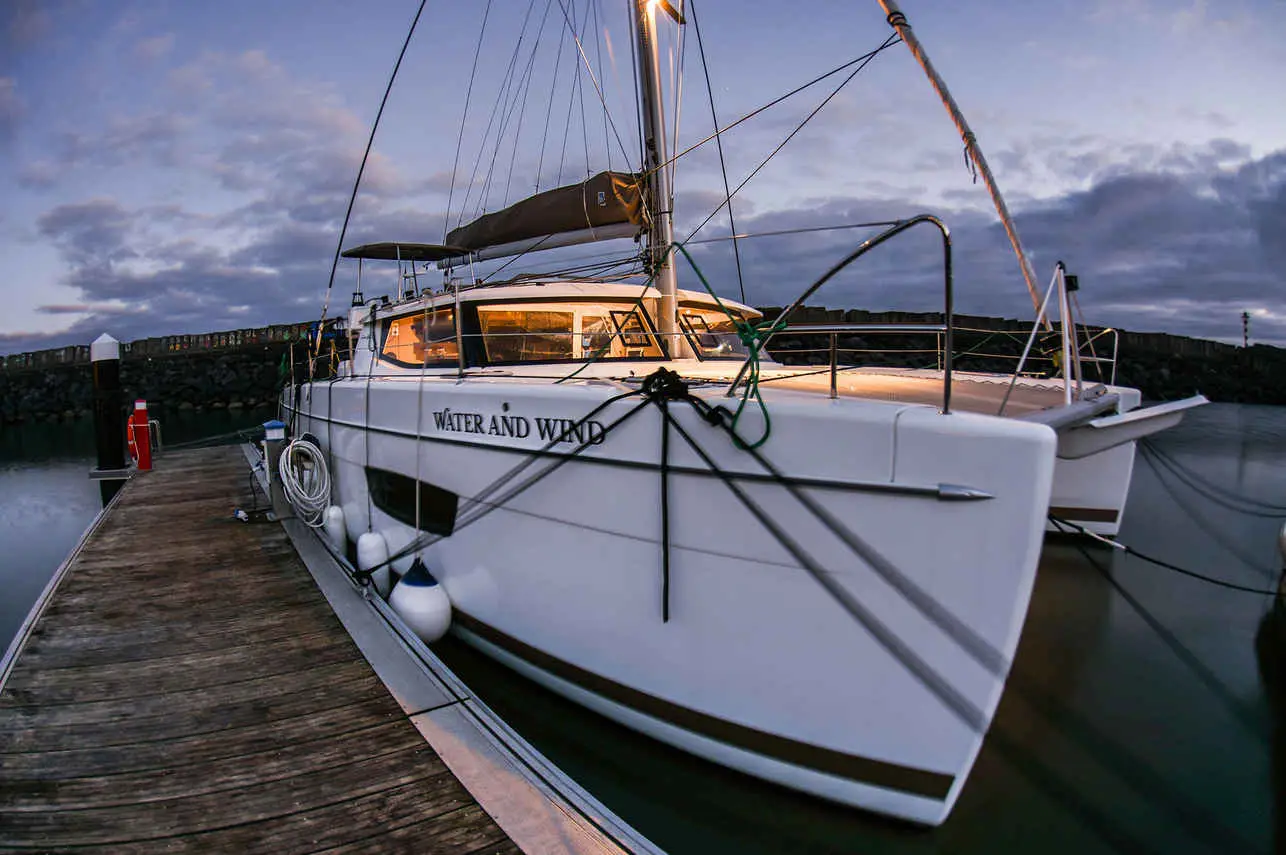
Water And Wind
Portugal
8 guests13 m
Dive sites similar to Bay Cones
Same character, same waters, six more sites divers love for the exact same reasons.Compare seasons, access and liveaboard routes, then pick the site that fits your trip best.
Abdi Reis is a highly regarded dive site situated near the Datça Peninsula in Turkey's Aegean Sea, specifically located within Abdi Reis Cove, near Yildiz Island.
- Suitable for
- Intermediate
- Current
- Moderate
- Access
- Liveaboard or dayboat
- Depth
- ≤ 33 m
- Theme
- Reef / Wall
© EsriMaxar, Earthstar, GIS
Adabanko Reef
Turkey
Adabanko Reef is an inviting dive site situated approximately two kilometers off the coast of Kuşadası in Turkey's Aegean Sea.
- Suitable for
- Beginner
- Current
- Moderate
- Access
- Liveaboard or dayboat
- Depth
- 5–40 m
- Theme
- Reef
© EsriMaxar, Earthstar, GIS
Adakule Cave
Turkey
Adakule Cave is a notable boat-access dive site located near Kuşadası, Turkey, offering an engaging experience centered around two distinct underwater caverns.
- Suitable for
- Beginner
- Current
- Mild
- Access
- Dayboat
- Depth
- 9–30 m
- Theme
- Cave & cavern
© EsriMaxar, Earthstar, GIS
Afkule Cave
Turkey
Afkule Cave, also referred to by some as Aladdin's Cave, is consistently ranked among the top dive sites in Turkey, particularly renowned for its cave diving opportunities.
- Suitable for
- Intermediate
- Current
- Moderate
- Access
- Liveaboard or dayboat
- Depth
- ≤ 50 m
- Theme
- Cave & cavern / Wall
© EsriMaxar, Earthstar, GIS
Afkule Monastery Reef
Turkey
Afkule Monastery Reef, prominently known as Afkule Wall, stands as a distinguished dive destination along Turkey's southwestern coast, close to Fethiye.
- Suitable for
- Intermediate
- Current
- Strong
- Access
- Liveaboard or dayboat
- Depth
- 6–40 m
- Theme
- Wall