About Garajau Marine Reserve
Garajau Marine Reserve, situated along Madeira's southern coastline, is Portugal's flagship dive site and one of the most vital marine reserves in the Atlantic. This nationally protected area, established in 1986, is renowned for its exceptional marine biodiversity and clear Atlantic waters, making it a benchmark destination for underwater exploration. The reserve spans a dramatic stretch of volcanic walls, dropping from 5 to over 40 meters, adorned with colorful sponges and anemones. Fishing has been banned for decades, fostering a thriving ecosystem where marine life is abundant and notably unconcerned by divers. Divers frequently encounter large groupers, some weighing over 30 kg, which approach with curiosity. Moray eels peer from crevices, barracuda schools patrol the blue, and lucky divers might spot manta rays gliding overhead. The reserve also hosts tunas, stingrays, parrotfish, and trumpetfish. It offers a variety of iconic dive sites like T-Reef, Cape Garajau, and Pinacolo, providing diverse underwater landscapes suitable for different experience levels. The excellent conditions for underwater photography were recognized when the reserve hosted the European Championship of Underwater Photography in 2022. The average dive depth ranges from 15 to 20 meters across various sites, making it manageable for certified divers without advanced deep-water training. Waters around Madeira are generally calm, supporting access for all levels, with shallow areas for beginners and deeper walls for advanced divers. Access to the reserve is typically by boat from Funchal or Caniço.
Highlights
Nationally protected marine reserveLarge, curious groupersVolcanic walls and rock formationsAbundant moray eels and barracudaPotential manta ray sightingsExcellent underwater photography conditionsMultiple iconic dive sites
Season calendar
Best months to dive here
Jan
Feb
Mar
Apr
May
Jun
Jul
Aug
Sep
Oct
Nov
Dec
Excellent
Good
Off-Season
Jul – Oct (Summer/Autumn)
Best visibility 20–30m, warmest water 21–24°C. Blue sharks, mobula rays, whale sharks. Peak pelagic season at offshore sites.
Apr – Jun & Nov (Shoulder)
Improving/declining conditions. Water cooling but still diveable. Fewer pelagics but good reef life.
Dec – Mar (Winter)
Cold water 16–18°C, rough Atlantic swells, reduced visibility. Limited dive operations. Only for experienced cold-water divers.
Dive site facts: Garajau Marine Reserve
- Depth
- 5–40 m
- Typical dive
- 12–25 m, 50–60 min
- Current
- Mild to moderate
- Visibility
- 10–40 m
- Water temperature
- 18–24°C
- Entry
- Boat / Shore (cable car)
- Level
- All levels
- Dive type
- Wall, reef, marine reserve
- Night dive
- Possible
- Region / port
- Madeira
- Coordinates
- 32.63, -16.84
Conditions & Currents
The waters on Madeira's south coast, including Garajau, are generally calm, providing relaxing dive conditions suitable for all levels. While currents are typically mild, some sites within the reserve can experience stronger flows, offering more challenging yet rewarding experiences for advanced divers. Visibility is consistently very good, often exceeding 30 meters. Thermoclines are generally absent, with water temperatures remaining between 18-24°C year-round. Dive operators often book slots in advance, as only a limited number of boats are permitted in the Marine Protected Area at one time, ensuring a less crowded and more preserved environment. Entry to most sites is via boat, though shore access via a cable car to the main beach is also possible.
Marine life & sighting chances

Grouper
Year-round · common
Moray eel
Year-round · common
Barracuda
Year-round · common
Loggerhead sea turtle
Year-round · occasional
Atlantic manta ray
July-October · occasional
Gorgonian sea fan
Year-round · common
Octopus
Year-round · occasional
Parrotfish
Year-round · common
Stingray
Year-round · occasional
Eagle ray
Year-round · occasional
Trumpet fish
Year-round · common
Jackfish
Year-round · commonDive profile & how the dive runs
Diving at Garajau often begins with a boat entry, typically just minutes from Funchal or Caniço. A popular route involves descending along a line from a buoy, about 50 meters from the main beach. Upon reaching 15 meters, you'll encounter large rocky boulders and sandy patches. The dive typically progresses along volcanic walls that drop from 5 to 40 meters, exploring crevices and overhangs where moray eels hide and sponges thrive. Schools of barracuda patrol the open water, while curious groupers often approach divers. You can continue along the reef, maintaining depths suitable for your certification, with the turn point usually determined by air consumption or bottom time. The safety stop is conducted in the shallower, protected areas of the reserve, often around 5 meters, before ascending back to the boat.
Underwater photography
Garajau Marine Reserve offers exceptional opportunities for underwater photography, particularly for wide-angle shots of its dramatic volcanic topography and macro photography of the diverse marine life. The consistently high visibility, often exceeding 30 meters, makes wide-angle lenses ideal for capturing the expansive walls, arches, and large groupers that are a hallmark of this site. For close-up encounters with moray eels, nudibranchs, and other macro subjects, a macro lens with appropriate strobes is recommended. When photographing the famously curious groupers, maintain calm movements and avoid any actions that could disturb them. Buoyancy control is paramount, especially when navigating around delicate sponges and anemones on the volcanic structures, ensuring you don't stir up sediment or damage the environment. Use external lighting to bring out the vibrant colors of sponges and fish against the clear Atlantic waters.
Combine with nearby dive sites
- Reis Magos
Reis Magos is a beautiful dive site situated along the rocky coast of Madeira, Portugal, offering a diverse underwater landscape suitable…
- Desertas Islands
Requires special permits and select operators due to protected status.
- Porto Santo Reef
Located off Porto Santo Island, accessible via ferry or flight from Madeira.
- Pedra do Leão
Pedra do Leão, or Lion's Rock, is a captivating dive site located near Sesimbra, Portugal.
Getting there & logistics
Access to Madeira and its dive sites, including Garajau, begins by flying into Cristiano Ronaldo Madeira International Airport (FNC), which has direct flights from mainland Portugal and various European cities. From the capital, Funchal, dive centers are easily reached by car or transfer. Most Garajau dive sites are just short boat rides away, typically within 15 minutes, making Funchal a convenient base for dive holidays. Day trips to the neighboring Porto Santo Island, which offers additional diving, can be arranged by ferry or domestic flight. Diving in the Garajau Marine Reserve requires operators to book slots and pay a small fee per diver to the Instituto das Florestas e Conservação da Natureza, which contributes to the financial effort of conservation and monitoring activities. Typical dive packages in Madeira often include multiple dives at Garajau as part of an itinerary.
Safety & environment
Madeira is equipped with a hyperbaric chamber located in Funchal, providing essential support for dive emergencies. Divers should always ensure they have comprehensive dive insurance that covers emergency medical treatment and evacuation. Site-specific hazards at Garajau are generally low due to its protected and relatively calm nature, but divers should be mindful of volcanic rock formations and maintain excellent buoyancy control to avoid contact. Currents are typically mild but can occasionally be stronger, so divers should assess conditions with their dive guide. All diving in the marine reserve is regulated, with operators adhering to strict guidelines, including booking slots for limited boat access. Respecting marine life by not touching or disturbing it is a crucial conduct rule to preserve the delicate ecosystem.
Who it suits — and who it doesn't
Suited for
- Beginner divers looking for calm, clear waters
- Underwater photographers seeking diverse subjects
- Divers interested in abundant, curious marine life
- All-level divers comfortable with boat entries
- Conservation-minded divers
Less suited for
- Divers seeking extreme drift dives
- Those uninterested in protected marine environments
- Divers expecting large coral reef formations
FAQ
Garajau Marine Reserve FAQ
What marine life can I expect to see at Garajau Marine Reserve?
Garajau is famous for its large, curious groupers, some weighing over 30 kg, which often approach divers closely. You will also commonly encounter moray eels, schools of barracuda, trumpet fish, and parrotfish. Occasionally, divers might spot loggerhead sea turtles, stingrays, eagle rays, and even manta rays, especially during warmer months.
Is Garajau Marine Reserve suitable for beginner divers?
Yes, Garajau is highly suitable for divers of all levels, including beginners. It offers shallow, protected areas with minimal currents, perfect for those new to diving or completing certifications. Experienced guides are readily available, ensuring a safe and enjoyable experience for everyone.
How is the visibility and water temperature at Garajau?
Visibility at Garajau is exceptionally good year-round, often exceeding 30 meters and sometimes reaching 40 meters, especially from June to November. Water temperatures range from 18°C in winter to 24°C in summer, making it comfortable for diving with a 5mm wetsuit and typically without thermoclines.
How do I access Garajau Marine Reserve?
Most dive operators provide boat access from Funchal or Caniço, with short travel times of about 15 minutes. Alternatively, visitors can reach the main beach via a cable car from the cliff top, and from there, a short swim leads to popular dive spots within the reserve. Booking dive slots in advance is advised due to regulations on boat numbers.
Are there any special regulations for diving in Garajau?
As a protected marine reserve, fishing and spearfishing are strictly prohibited. Dive operators must book access slots and pay a fee per diver, contributing to conservation efforts. Divers are expected to maintain excellent buoyancy, avoid touching marine life or volcanic structures, and adhere to responsible diving practices to preserve the pristine environment.
Why dive Garajau Marine Reserve from a liveaboard?
Garajau Marine Reserve is one of Portugal's signature dive sites. A liveaboard sleeps you on the water and puts you in the water for three to four guided dives per day, including dawn and night dives that day-boat operators rarely offer. You skip the daily commute back to port and reach quieter, less-crowded sites in the same region on a single trip.
Below are the liveaboards that include Garajau Marine Reserve on their Portugal itineraries.
Liveaboards diving Garajau Marine Reserve
These liveaboards may visit Garajau Marine Reserve on selected itineraries — the exact dive sites depend on departure, weather and conditions.
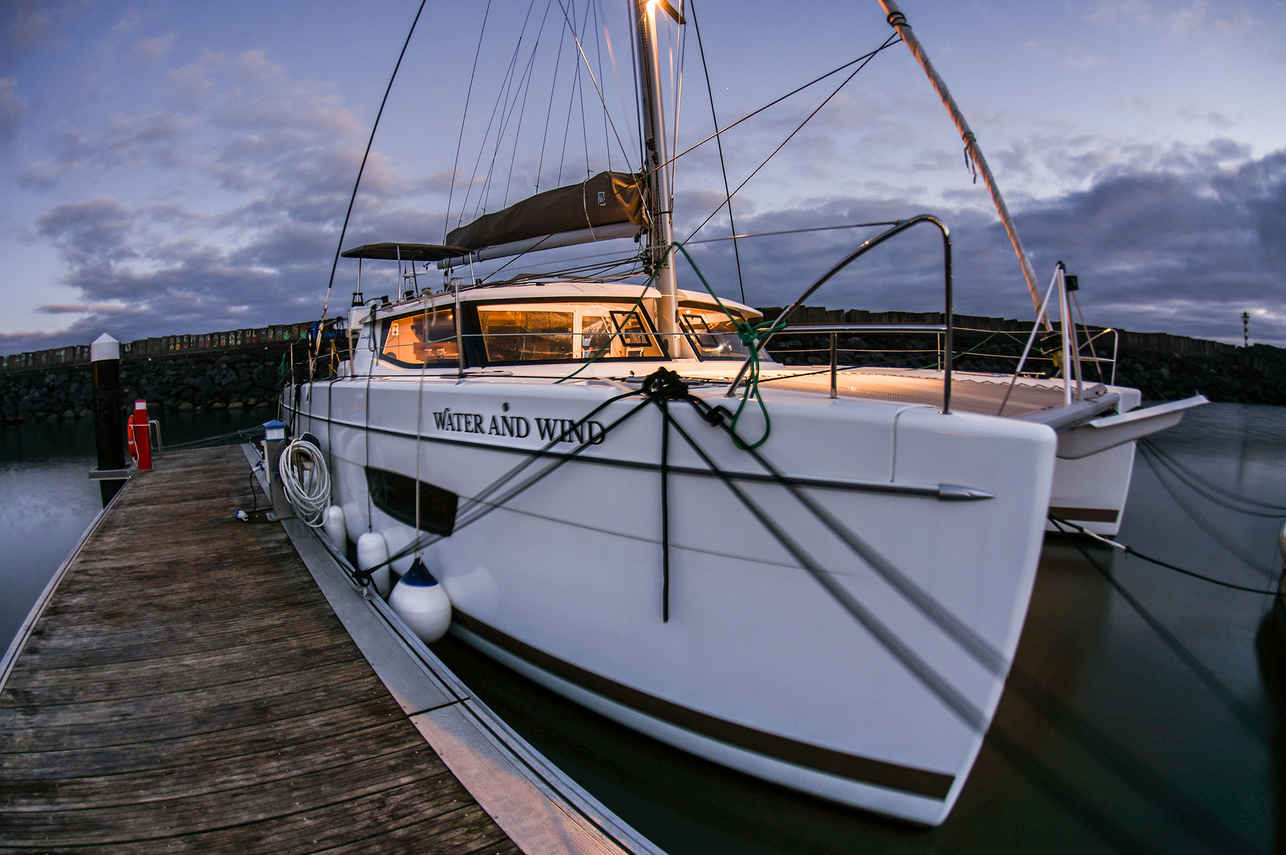
Water And Wind
Portugal
8 guests13 m
Dive sites similar to Garajau Marine Reserve
Same character, same waters — six more sites divers love for the exact same reasons.Compare seasons, access and liveaboard routes — then pick the site that fits your trip best.
Abdi Reis is a highly regarded dive site situated near the Datça Peninsula in Turkey's Aegean Sea, specifically located within Abdi Reis Cove, near Yildiz Island.
- Suitable for
- Intermediate
- Current
- Moderate
- Access
- Liveaboard or dayboat
- Depth
- ≤ 33 m
- Theme
- Reef / Wall
© Esri — Maxar, Earthstar, GIS
Adabanko Reef
Turkey
Adabanko Reef is an inviting dive site situated approximately two kilometers off the coast of Kuşadası in Turkey's Aegean Sea.
- Suitable for
- Beginner
- Current
- Moderate
- Access
- Liveaboard or dayboat
- Depth
- 5–40 m
- Theme
- Reef
© Esri — Maxar, Earthstar, GIS
Adakule Cave
Turkey
Adakule Cave is a notable boat-access dive site located near Kuşadası, Turkey, offering an engaging experience centered around two distinct underwater caverns.
- Suitable for
- Beginner
- Current
- Mild
- Access
- Dayboat
- Depth
- 9–30 m
- Theme
- Cave & cavern
© Esri — Maxar, Earthstar, GIS
Afkule Cave
Turkey
Afkule Cave, also referred to by some as Aladdin's Cave, is consistently ranked among the top dive sites in Turkey, particularly renowned for its cave diving opportunities.
- Suitable for
- Intermediate
- Current
- Moderate
- Access
- Liveaboard or dayboat
- Depth
- ≤ 50 m
- Theme
- Cave & cavern / Wall
© Esri — Maxar, Earthstar, GIS
Afkule Monastery Reef
Turkey
Afkule Monastery Reef, prominently known as Afkule Wall, stands as a distinguished dive destination along Turkey's southwestern coast, close to Fethiye.
- Suitable for
- Intermediate
- Current
- Strong
- Access
- Liveaboard or dayboat
- Depth
- 6–40 m
- Theme
- Wall