About Porto Santo Reef
Porto Santo Reef, located about 70 km from Madeira in the Portuguese archipelago, offers a unique diving experience in the Atlantic. This small island, known as a 'golden oasis with turquoise waters,' boasts a variety of dive sites including natural reefs and artificial wrecks. The clear waters and diverse marine life make it a compelling destination for divers seeking both relaxation and underwater exploration. The underwater landscape around Porto Santo is characterized by volcanic rock formations that create dramatic swim-throughs and crevices, alongside vibrant soft corals. Depths vary from shallow reef dives ideal for beginners to deeper wrecks that appeal to more experienced divers. Visibility is consistently excellent, often reaching 25-40 meters, providing expansive views of the marine environment. While specific details on individual 'Porto Santo Reef' sites are limited, the area is well-regarded for its abundance of fish schools, barracudas, and stingrays. The region's mild climate ensures comfortable water temperatures year-round, typically ranging from 18 to 24°C, making it suitable for diving throughout all seasons. The dive sites are generally close to shore, making for short boat rides and more time underwater.
Highlights
Volcanic rock formationsExceptional water clarityDiverse marine lifeComfortable water temperaturesWreck diving opportunitiesShort boat rides to sites
Season calendar
Best months to dive here
Jan
Feb
Mar
Apr
May
Jun
Jul
Aug
Sep
Oct
Nov
Dec
Excellent
Good
Off-Season
Jul – Oct (Summer/Autumn)
Best visibility 20–30m, warmest water 21–24°C. Blue sharks, mobula rays, whale sharks. Peak pelagic season at offshore sites.
Apr – Jun & Nov (Shoulder)
Improving/declining conditions. Water cooling but still diveable. Fewer pelagics but good reef life.
Dec – Mar (Winter)
Cold water 16–18°C, rough Atlantic swells, reduced visibility. Limited dive operations. Only for experienced cold-water divers.
Dive site facts: Porto Santo Reef
- Depth
- 12–30 m (wrecks), varied for reefs
- Current
- Mild
- Visibility
- 25–40 m
- Water temperature
- 18–24°C
- Entry
- Zodiac boat
- Level
- Open Water Diver to Advanced
- Dive type
- Reef, wreck, volcanic topography
- Region / port
- Madeira Archipelago
- Coordinates
- 33.06, -16.31
Conditions & Currents
Currents around Porto Santo are generally mild, which contributes to the island's reputation as a comfortable diving destination. However, as with any ocean dive, conditions can vary, and divers should always check local forecasts. During drift dives, divers are advised to relax and go with the flow to conserve air and maximize marine life encounters. Visibility is a consistent highlight, often ranging from 25 to 40 meters, due to the lack of significant runoff and the influence of clear Atlantic waters. Water temperatures remain pleasant, typically between 18°C and 24°C, making a 5mm wetsuit suitable for most of the year. Entry and exit are typically from a zodiac boat, and dive briefings will specify techniques for each site, particularly for any wreck penetrations.
Marine life & sighting chances

Barracudas
common
Stingrays
occasional
Madeira Rockfish
common
Groupers
occasional
Moray eels
occasional
Jellyfish
occasional
Schools of fish
common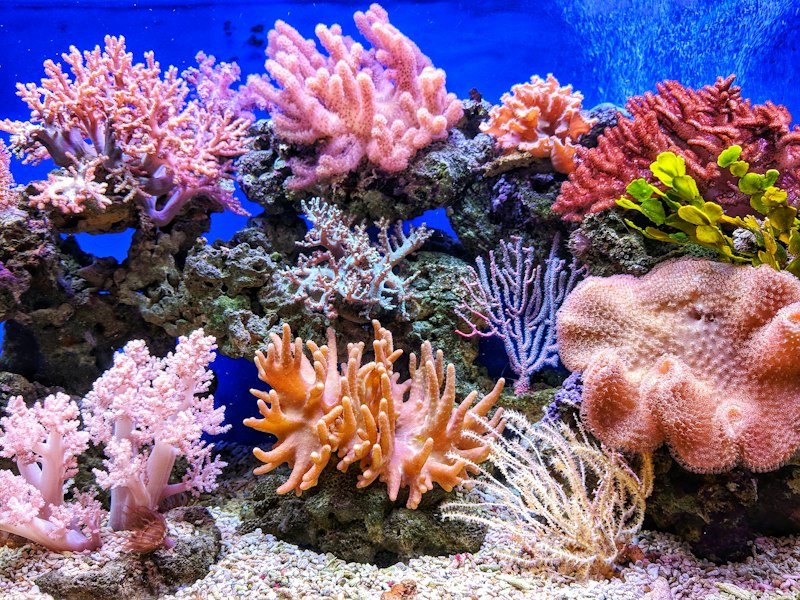
Soft corals
commonDive profile & how the dive runs
A typical dive at a Porto Santo site like the Cordeca wreck begins with a short boat ride, followed by a negative entry to reach the wreck's top at approximately 15 meters. Divers can then explore the intact vessel, penetrating various rooms such as the captain's cabin. The dive continues by circling the exterior and top of the wreck, observing marine life that has colonized it. The maximum depth is around 30 meters. For reef dives, routes often involve exploring volcanic rock formations and swim-throughs at varying depths, maintaining a steady descent and ascent profile. Safety stops are conducted at 5 meters for 3 minutes, typically in clear water conditions.
Underwater photography
Porto Santo's excellent visibility, often 25-40 meters, makes it an ideal location for wide-angle photography, especially for capturing the scale of wrecks like the Cordeca or expansive volcanic reef landscapes. For wreck penetrations, additional artificial lighting such as powerful video lights or strobes will enhance color and detail. Macro lenses can be rewarding for documenting smaller marine life such as the Madeira Rockfish in its crevices. Given the generally mild currents, stable platforms are often possible, allowing for deliberate composition. Always maintain neutral buoyancy, particularly around the growing soft corals on the wrecks, to avoid disturbing the fragile ecosystem.
Combine with nearby dive sites
Getting there & logistics
Access to Porto Santo is primarily via a short 15-minute daily flight from Madeira or a 2.5-hour ferry ride from Madeira. The main international airports for reaching the region are Lisbon Portela Airport (LIS) or Funchal (Madeira) Airport. Most diving trips to Porto Santo are day trips from local dive centers, though multi-day stays on the island are common for a more relaxed experience. No specific dive park fees are mentioned, but dive package costs will apply. The ferry is particularly advantageous for divers, allowing them to avoid no-fly time considerations on the return journey to Madeira.
Safety & environment
While diving in Porto Santo is generally safe due to mild currents and excellent visibility, divers should always carry appropriate insurance that covers dive accidents and potential medical evacuation. Information on the nearest recompression chamber is not readily available, highlighting the importance of thorough pre-dive safety checks and adherence to dive plans. Standard dive conduct rules apply, including maintaining neutral buoyancy, avoiding contact with marine life or the wrecks, and respecting depth and time limits. Always dive with a reputable local operator who understands local conditions and has established emergency procedures.
Who it suits — and who it doesn't
Suited for
- Divers seeking clear waters and good visibility
- Wreck enthusiasts
- Photographers looking for wide-angle opportunities
- Divers who appreciate diverse volcanic underwater topography
- Those looking for comfortable year-round diving conditions
Less suited for
- Divers exclusively seeking strong current drift dives
- Divers looking for large pelagic encounters typical of oceanic banks
- Those uninterested in artificial reef environments
- Divers who prefer tropical warm water temperatures above 25°C
FAQ
Porto Santo Reef FAQ
What is the visibility like in Porto Santo?
Porto Santo is renowned for its exceptional water clarity. Visibility commonly ranges from 25 to 40 meters, especially during the summer months. This allows for expansive views of both natural reef formations and artificial wrecks.
What kind of marine life can I expect to see?
Divers in Porto Santo can encounter a variety of marine life, including large schools of fish, barracudas, and stingrays. Smaller creatures like the Madeira Rockfish are also common, along with vibrant soft corals colonizing the wrecks and volcanic reefs.
Are there any wreck dives in Porto Santo?
Yes, Porto Santo offers notable wreck diving opportunities, such as the Cordeca wreck. Sunk in 2016, this vessel is largely intact and accessible, with various rooms and decks that can be explored. It has become a thriving artificial reef.
When is the best time of year to dive in Porto Santo?
Diving in Porto Santo is excellent year-round, but the summer months from June to October are generally preferred. During this period, water temperatures are at their warmest (22-24°C) and seas are exceptionally calm, with peak visibility.
What are the water temperatures in Porto Santo?
Water temperatures in Porto Santo are comfortable throughout the year. They typically range from 18-19°C in winter to 22-24°C in summer. A 5mm wetsuit is generally recommended for comfortable diving in these conditions.
How do I get to Porto Santo for diving?
You can reach Porto Santo by taking a short 15-minute flight from Madeira or a 2.5-hour ferry journey. Many divers choose the ferry for its comfort and to avoid any no-fly time restrictions before their return journey from the island.
Why dive Porto Santo Reef from a liveaboard?
Porto Santo Reef is one of Portugal's signature dive sites. A liveaboard sleeps you on the water and puts you in the water for three to four guided dives per day, including dawn and night dives that day-boat operators rarely offer. You skip the daily commute back to port and reach quieter, less-crowded sites in the same region on a single trip.
Below are the liveaboards that include Porto Santo Reef on their Portugal itineraries.
Liveaboards diving Porto Santo Reef
These liveaboards may visit Porto Santo Reef on selected itineraries — the exact dive sites depend on departure, weather and conditions.
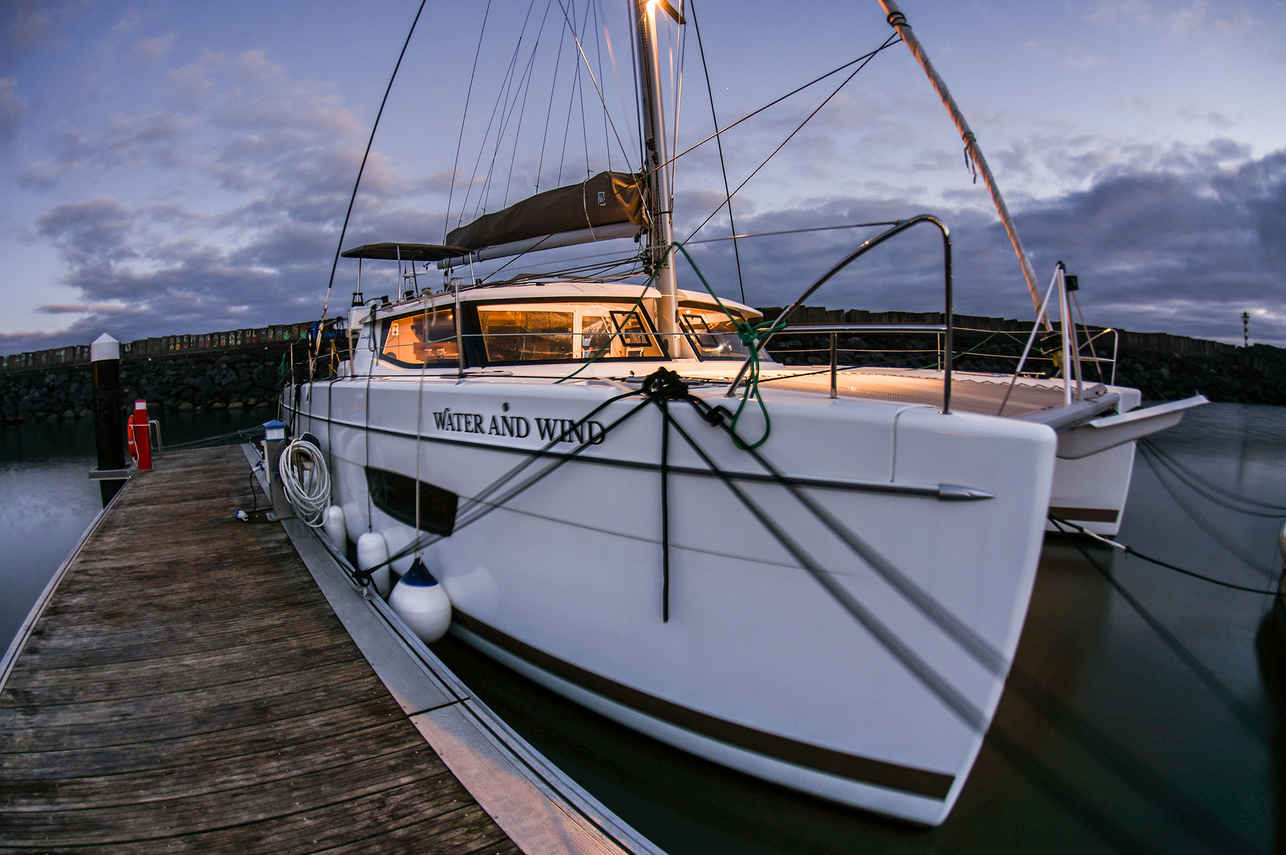
Water And Wind
Portugal
8 guests13 m
Dive sites similar to Porto Santo Reef
Same character, same waters — six more sites divers love for the exact same reasons.Compare seasons, access and liveaboard routes — then pick the site that fits your trip best.
Abdi Reis is a highly regarded dive site situated near the Datça Peninsula in Turkey's Aegean Sea, specifically located within Abdi Reis Cove, near Yildiz Island.
- Suitable for
- Intermediate
- Current
- Moderate
- Access
- Liveaboard or dayboat
- Depth
- ≤ 33 m
- Theme
- Reef / Wall
© Esri — Maxar, Earthstar, GIS
Adabanko Reef
Turkey
Adabanko Reef is an inviting dive site situated approximately two kilometers off the coast of Kuşadası in Turkey's Aegean Sea.
- Suitable for
- Beginner
- Current
- Moderate
- Access
- Liveaboard or dayboat
- Depth
- 5–40 m
- Theme
- Reef
© Esri — Maxar, Earthstar, GIS
Adakule Cave
Turkey
Adakule Cave is a notable boat-access dive site located near Kuşadası, Turkey, offering an engaging experience centered around two distinct underwater caverns.
- Suitable for
- Beginner
- Current
- Mild
- Access
- Dayboat
- Depth
- 9–30 m
- Theme
- Cave & cavern
© Esri — Maxar, Earthstar, GIS
Afkule Cave
Turkey
Afkule Cave, also referred to by some as Aladdin's Cave, is consistently ranked among the top dive sites in Turkey, particularly renowned for its cave diving opportunities.
- Suitable for
- Intermediate
- Current
- Moderate
- Access
- Liveaboard or dayboat
- Depth
- ≤ 50 m
- Theme
- Cave & cavern / Wall
© Esri — Maxar, Earthstar, GIS
Afkule Monastery Reef
Turkey
Afkule Monastery Reef, prominently known as Afkule Wall, stands as a distinguished dive destination along Turkey's southwestern coast, close to Fethiye.
- Suitable for
- Intermediate
- Current
- Strong
- Access
- Liveaboard or dayboat
- Depth
- 6–40 m
- Theme
- Wall