About Desertas Islands
The Desertas Islands, an uninhabited archipelago situated approximately 25 kilometers southeast of Madeira, represent a pristine and highly protected natural reserve. These islands are globally significant as one of the last sanctuaries for the critically endangered Mediterranean monk seal. Access to this remote diving haven is strictly controlled, requiring special permits, making each dive an exclusive adventure into a well-preserved marine ecosystem. Underwater, the Desertas offer dramatic wall dives, characterized by volcanic formations that plunge to significant depths, creating a unique and rugged landscape. The clear Atlantic waters, often boasting visibility exceeding 30 meters, reveal a rich tapestry of marine flora and fauna, including potential encounters with pelagic species drawn to the nutrient-rich currents. Diving here provides a rare opportunity to observe marine life in a near-pristine environment. Beyond the possibility of spotting monk seals, divers can expect to see a diverse range of fish and invertebrates thriving in the protected waters. The absence of human development ensures minimal disturbance, fostering an ecosystem where biodiversity flourishes. Due to their remote location and protected status, trips to the Desertas Islands are typically full-day excursions organized by select dive operators from Madeira. The journey itself often includes opportunities for spotting whales and dolphins, enhancing the overall adventure. Divers should anticipate a boat-based experience, with specific entry and exit protocols designed to preserve the delicate environment.
Highlights
Mediterranean monk seal encountersPristine protected marine reserveDramatic volcanic wall divesExceptional water clarityRemote, uninhabited archipelagoRich pelagic life
Season calendar
Best months to dive here
Jan
Feb
Mar
Apr
May
Jun
Jul
Aug
Sep
Oct
Nov
Dec
Excellent
Dive site facts: Desertas Islands
- Depth
- 5–60 m
- Typical dive
- 15–30 m, 45–60 min
- Current
- Moderate to strong
- Visibility
- 30–40 m
- Water temperature
- 18–24°C
- Entry
- Tender / Negative entry
- Level
- Advanced recommended, current experience essential
- Dive type
- Wall, pelagic, marine reserve
- Night dive
- Not permitted
- Region / port
- Madeira
- Coordinates
- 32.51, -16.51
Conditions & Currents
Diving around the Desertas Islands can involve moderate to strong currents, especially at deeper sections or exposed areas. The islands' location in the open Atlantic means they are influenced by oceanic currents, which contribute to the excellent visibility and attract pelagic species. Divers should be comfortable with drift diving techniques and have good buoyancy control. Entry and exit are typically conducted via tender from the main dive boat, often as negative entries to quickly reach the desired depth and minimize surface disturbance. Surface conditions can vary, and surge might be present closer to the rocky shorelines, requiring attention during safety stops. Thermoclines are generally not a significant issue during the peak diving season, but cooler water can be expected at greater depths. Visibility is consistently excellent, regularly reaching 30 meters and often exceeding 40
Marine life & sighting chances

Mediterranean monk seal
Year-round · occasional
Atlantic spotted eagle ray
occasional
Manta ray
July-September · occasional
Hammerhead shark
rare
Barracuda
common
Moray eel
common
Common stingray
occasional
Amberjack
occasional
Dusky grouper
common
Whale shark
June-October · rare
Dolphin
Year-round · occasional
Pilot whale
Year-round · occasional
Black coral
commonDive profile & how the dive runs
Diving at the Desertas Islands typically involves a boat-based operation due to its remote location. Upon arrival at a designated dive site, such as off Deserta Grande, divers prepare for a negative entry from the tender to quickly descend below the surface, managing potential currents. The dive often follows a dramatic volcanic wall or reef slope, exploring depths between 15 and 40 meters, with potential for deeper excursions up to 60 meters for experienced divers. The route usually involves a drift along the topography, observing schools of fish, moray eels in crevices, and searching the blue for pelagic encounters. Turnaround time is typically based on air consumption or no-decompression limits, whichever comes first. The ascent is gradual, with a safety stop conducted in the shallower, clearer waters, before surfacing and being picked up by the tender. Specific monk seal viewing protocols are strictly enforced, especially near Bugio Island, which is a protected colony area where diving is prohibited, but seals may be seen opportunistically at other sites.
Underwater photography
The Desertas Islands offer excellent opportunities for wide-angle photography due to the clear water and dramatic volcanic landscapes. A wide-angle lens is ideal for capturing the expansive walls, lava formations, and schools of fish. For potential pelagic encounters, a fast-focusing camera system is beneficial. Strobes or video lights are recommended to bring out the true colors of the marine life and reduce backscatter in the deep blue. While monk seal encounters are a highlight, maintaining a respectful distance is crucial for both the animals' well-being and to adhere to strict protected area guidelines. Buoyancy control is paramount to avoid disturbing the pristine environment, especially when navigating near delicate coral formations or while waiting for shy subjects. Macro photography is less of a focus here, given the emphasis on wide-angle scenery and larger marine life, but curious divers might find interesting smaller subjects in crevices.
Combine with nearby dive sites
- Garajau Marine Reserve
A flagship protected area near Funchal known for its friendly dusky groupers and rich biodiversity, suitable for all skill levels.
- Reis Magos
Accessible from shore or boat, this site features volcanic walls, abundant small species like seahorses, and is popular for night dives.
- Porto Santo Reef
Located off Porto Santo Island, this site is known for its excellent visibility and artificial reefs from deliberately sunk vessels like the Madeirense.
- Caneiro dos Meros
A dive site on the eastern tip of Madeira known for rugged volcanic boulders and potential encounters with large pelagic species.
Getting there & logistics
Access to the Desertas Islands typically involves full-day excursions from Funchal, Madeira's capital. Divers usually fly into Madeira Airport (FNC), which offers direct connections from various European cities. From Funchal, reputable dive operators organize trips to the Desertas, which includes a boat journey lasting approximately three hours each way. These trips are dependent on weather conditions and require a minimum number of participants. A special permit from the Madeira Natural Park Service is necessary for visiting and diving in the Desertas, which is usually arranged by the dive operator. While there are no specific marine park fees charged directly to divers, the cost of the trip covers these administrative requirements and the logistical challenges of reaching such a remote, protected area. Due to the travel time and nature of the dives, Desertas Islands trips are usually combined as a special highlight within a longer Madeira diving holiday, rather than being part of a multi-day liveaboard itinerary.
Safety & environment
Diving at the Desertas Islands, given its remote nature and potential for strong currents, requires adherence to stringent safety protocols. Divers should always carry valid dive insurance that covers emergency evacuation and hyperbaric treatment. The nearest recompression chamber is located in Funchal, Madeira, which can be several hours away by boat. Evacuation from the Desertas would involve a surface interval and boat transfer, making it crucial to dive conservatively and within personal limits. Site-specific hazards include variable currents, potential surge near rock formations, and the need for excellent buoyancy control to avoid contact with the protected marine environment. Respect for the monk seal sanctuary is paramount; diving in prohibited areas, such as Doca Bay around Bugio Island, is strictly forbidden to protect the resident colony. Always follow the instructions of your dive guide, who possesses local knowledge of conditions and protected area regulations.
Who it suits — and who it doesn't
Suited for
- Experienced divers comfortable with currents
- Advanced Open Water certified divers
- Underwater photographers seeking unique marine life and landscapes
- Divers interested in remote, protected marine environments
- Nature enthusiasts seeking rare wildlife encounters
Less suited for
- Beginner divers or those with limited current experience
- Divers seeking shallow, sheltered reef dives
- Those prone to seasickness on longer boat journeys
- Divers expecting guaranteed monk seal interactions
- Individuals seeking shore-accessible dive sites
FAQ
Desertas Islands FAQ
Can I see Mediterranean monk seals while diving?
Encounters with Mediterranean monk seals are a highlight of the Desertas Islands, but they are not guaranteed as these are wild, critically endangered animals. While certain areas are protected specifically for their colonies (like Bugio Island, where diving is prohibited), seals may occasionally be spotted in other dive areas. Maintaining a respectful distance and following dive guide instructions is crucial for both diver safety and the seals' protection.
What is the water temperature like at Desertas Islands?
Water temperatures around the Desertas Islands range from approximately 17-18°C in winter to 23-24°C in late summer and early autumn. During the peak diving season from June to October, temperatures are generally warmest. A 5mm or 7mm wetsuit is typically recommended for comfort, depending on individual preference and sensitivity to cold.
How far are the Desertas Islands from Madeira, and how do I get there?
The Desertas Islands are located about 25 kilometers southeast of Madeira. Access is exclusively by boat, typically on full-day excursions organized by select dive operators from Funchal, Madeira's capital. The boat journey takes approximately three hours each way, and trips are subject to favorable weather and sea conditions.
Are there strong currents at the Desertas Islands dive sites?
Yes, currents can be moderate to strong around the Desertas Islands due to their exposed location in the open Atlantic. Divers should be comfortable with various current conditions and possess good buoyancy control. Dive operators usually plan dives to account for currents, often employing drift diving techniques.
Is a special permit required to dive in the Desertas Islands?
Yes, the Desertas Islands are a protected nature reserve, and a special permit from the Madeira Natural Park Service is required for any visit or diving activity. This permit is typically arranged by the dive operator organizing your trip. Certain areas, such as Doca Bay, are completely restricted to protect monk seal colonies.
Why dive Desertas Islands from a liveaboard?
Desertas Islands is one of Portugal's signature dive sites. A liveaboard sleeps you on the water and puts you in the water for three to four guided dives per day, including dawn and night dives that day-boat operators rarely offer. You skip the daily commute back to port and reach quieter, less-crowded sites in the same region on a single trip.
Below are the liveaboards that include Desertas Islands on their Portugal itineraries.
Liveaboards diving Desertas Islands
These liveaboards may visit Desertas Islands on selected itineraries — the exact dive sites depend on departure, weather and conditions.
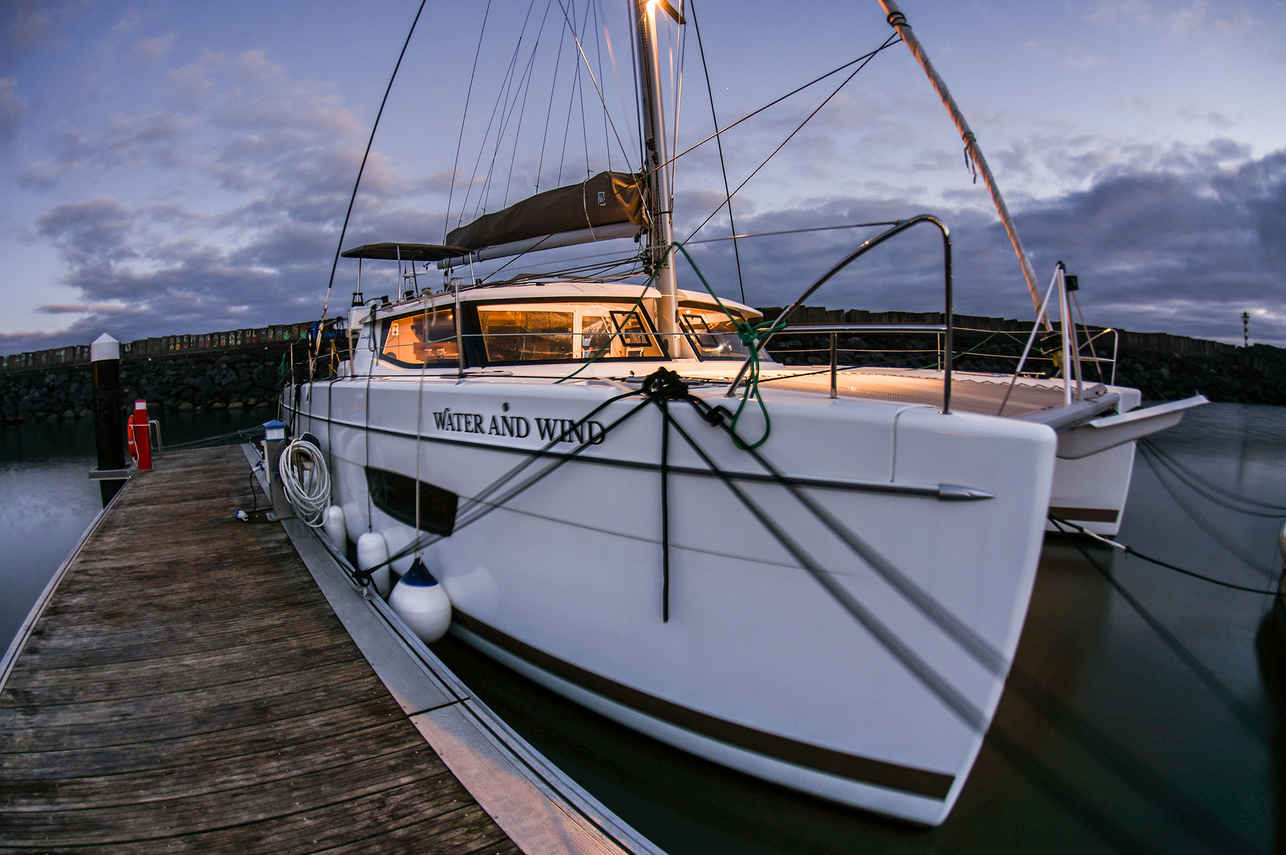
Water And Wind
Portugal
8 guests13.41 m
$431/day
Dive sites similar to Desertas Islands
Same character, same waters — six more sites divers love for the exact same reasons.Compare seasons, access and liveaboard routes — then pick the site that fits your trip best.
Rodelha is a popular coastal dive site situated close to Vila do Conde in northern Portugal.
- Suitable for
- Intermediate
- Current
- Mild
- Access
- Dayboat
- Depth
- 6–25 m
- Theme
- Reef
Silveira is a welcoming beginner-friendly dive site located off Terceira Island in the Azores archipelago, Portugal.
- Suitable for
- Beginner
- Current
- Mild
- Access
- Dayboat
- Depth
- 2–15 m
- Theme
- Reef / Pinnacle
© Esri — Maxar, Earthstar, GIS
Cinco Ribeiras
Portugal
Cinco Ribeiras is situated on the western coast of Terceira Island in the Azores, named after a nearby village.
- Suitable for
- Beginner
- Current
- Mild
- Access
- Shore / dayboat
- Depth
- 5–16 m
- Theme
- Reef / Cavern
© Esri — Maxar, Earthstar, GIS
Ilhéu da Vila
Portugal
Ilhéu da Vila is a significant dive site located approximately half a mile from the marina of Santa Maria Island in the Azores.
- Suitable for
- Intermediate
- Current
- Moderate
- Access
- Dayboat
- Depth
- 13–18 m
- Theme
- Reef / Wall
Poente is a remarkable dive site located on the western coastline of Terceira Island in the Azores, offering an engaging experience for intermediate divers.
- Suitable for
- Intermediate
- Current
- Moderate
- Access
- Dayboat
- Depth
- 5–18 m
- Theme
- Reef