About Ningaloo Reef - Lighthouse Bay
Lighthouse Bay is an exceptional dive destination located at the northern end of the Ningaloo Reef peninsula, proudly designated as a sanctuary zone where fishing and anchoring are prohibited. This protective status ensures the preservation of its vibrant coral ecosystems, making it a prime location for divers seeking unspoiled underwater beauty. The bay's underwater topography is captivating, featuring rocky outcrops, intricate coral ledges, and deep cracks that create diverse habitats for marine species. Diving here reveals a healthy hard coral community, including plate corals, brain corals, and branching Acropora, which provide the structural complexity necessary for a thriving reef fish population. Common sightings include parrotfish, schooling surgeonfish, and impressively large Maori wrasse, indicating a well-preserved environment. Visibility typically ranges from 5 to 20 meters, though it can reach up to 30 meters during the dry season, creating excellent conditions for observing both macro life and larger pelagics. The marine life diversity is a significant draw, with resident green and hawksbill turtles, reef sharks, and sea snakes frequently encountered. Seasonal visitors such as whale sharks, manta rays, and humpback whales add to the spectacle, with the underwater songs of humpbacks providing an unforgettable experience. The sheltered nature of Lighthouse Bay, facing the Exmouth Gulf, offers calmer conditions compared to the exposed western coast, making it accessible and enjoyable for a wide range of diver skill levels. Dive tours typically involve two dives at different sites within the bay, often including a BBQ lunch onboard between sessions. Operators cater to all certification levels, even offering 'Discover Scuba Diving' experiences for uncertified divers. Its accessibility and rich biodiversity position Lighthouse Bay as a premier Australian dive site, ideal for both underwater photography and comprehensive marine encounters.
Highlights
Sanctuary zone protectionRocky outcrops and coral ledgesLarge schools of fishReef sharks and turtlesSeasonal whale sharksHumpback whale songsEasy shore access
Season calendar
Best months to dive here
Jan
Feb
Mar
Apr
May
Jun
Jul
Aug
Sep
Oct
Nov
Dec
Excellent
Good
Dive site facts: Ningaloo Reef - Lighthouse Bay
- Depth
- 2–18 m
- Typical dive
- 12–14 m
- Current
- Mild
- Visibility
- 5–30 m
- Water temperature
- 21–28 °C
- Entry
- Boat / Shore
- Level
- All certification levels
- Dive type
- Reef, photography
- Region / port
- Exmouth, WA
- Coordinates
- -23.15, 113.7667
Conditions & Currents
Lighthouse Bay is situated on the sheltered eastern side of the Cape Range Peninsula, which largely protects it from the strong Indian Ocean swells affecting the western coast. This results in generally calm conditions within the bay, making it suitable for divers of all experience levels. However, visibility can fluctuate from 5 to 20 meters, occasionally reaching up to 30 meters, depending on weather and plankton levels. While currents are typically mild, nutrient-rich waters are present, which are crucial for attracting larger pelagic species. Divers should be aware of potential boat traffic within the bay and ensure proper surface signaling and boat procedures.
Marine life & sighting chances

Reef shark
common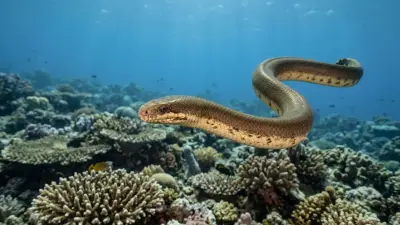
Sea snake
common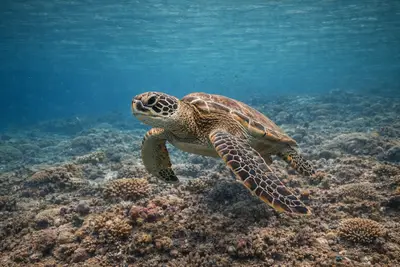
Green sea turtle
common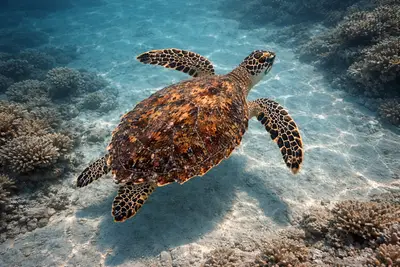
Hawksbill sea turtle
common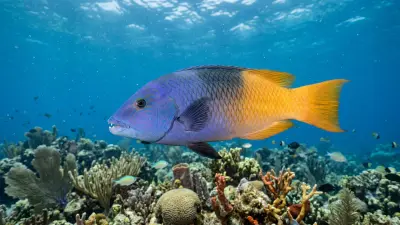
Maori wrasse
common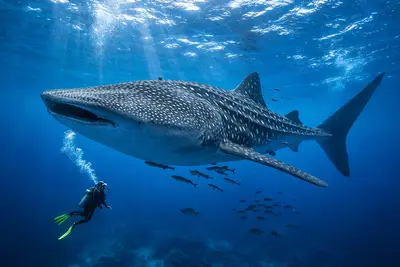
Whale shark
March to July · occasional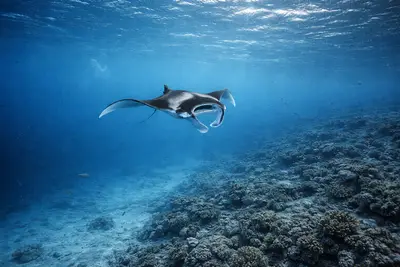
Manta ray
May to November · occasional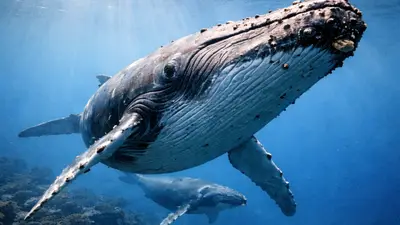
Humpback whale
June to August · occasional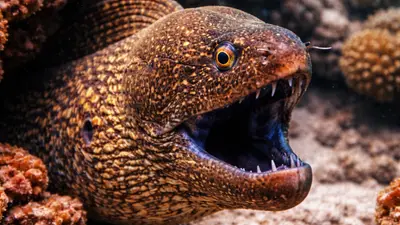
Moray eel
common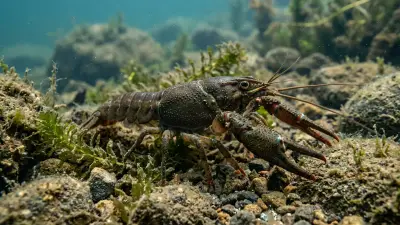
Crayfish
common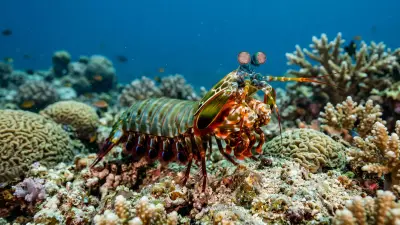
Shrimp
common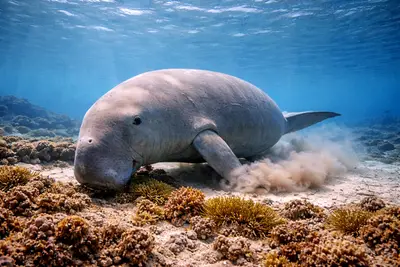
Dugong
Seasonally · occasional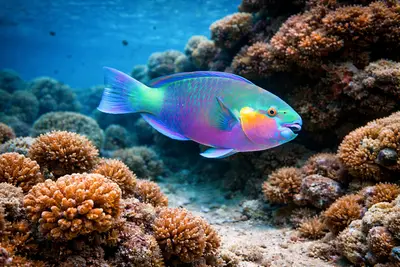
Parrotfish
common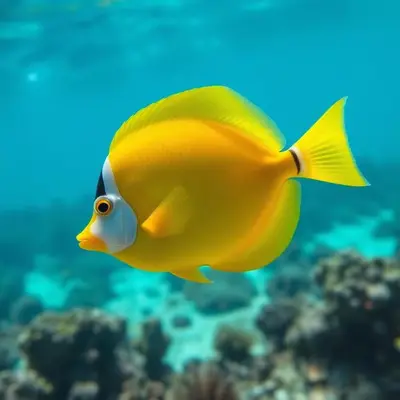
Surgeonfish
commonDive profile & how the dive runs
A typical dive in Lighthouse Bay begins with a boat entry, often close to one of the named sites like Blizzard Ridge or Labyrinth. Divers descend into shallow waters, typically around 12-14 meters, exploring rocky outcrops and coral ledges. The route generally follows the contours of the reef, allowing for close inspection of the hard coral formations and the diverse marine life sheltering within. Progression is usually gentle, with depths remaining relatively consistent, making it an ideal site for extended bottom times. The turnaround point is often dictated by air consumption or the guide's plan, with the ascent initiated gradually. Safety stops are performed in the shallower sections of the bay, typically around 5 meters, before a final surface ascent to the waiting dive vessel or a shore exit.
Underwater photography
Lighthouse Bay is a fantastic location for underwater photography, accommodating a variety of styles. For wide-angle shots, the extensive coral gardens, rocky landscapes, and large schools of fish provide excellent subjects, especially on days with higher visibility. Look out for opportunities to capture the seasonal whale sharks, manta rays, and humpback whales if present. Macro enthusiasts will find plenty of intricate life, including nudibranchs, shrimp, and various small reef creatures hidden within the crevices and coral formations. A versatile zoom lens is often ideal, allowing for both wider reefscapes and tighter portraits. Good buoyancy control is essential to avoid disturbing delicate corals and marine life, particularly in the shallower, highly trafficked areas. Respect the sanctuary zone's regulations by refraining from touching or disturbing any marine organisms, and maintain a respectful distance from larger animals to ensure their natural behavior.
Combine with nearby dive sites
- Exmouth Navy Pier - Outer Piles
The Exmouth Navy Pier, often rated among the top shore dives globally and a premier Australian dive site, is located just 14 kilometers…
- Ningaloo Reef - Turquoise Bay
Turquoise Bay, part of the expansive Ningaloo Reef in Western Australia, is renowned for its crystalline waters and vibrant coral gardens…
Getting there & logistics
Access to Lighthouse Bay is primarily through Exmouth, Western Australia. Divers typically fly into Learmonth Airport (LEA), located approximately 36 km south of Exmouth, with direct flights available from Perth via Qantas. From the airport, shuttles and rental cars facilitate travel to Exmouth town. Most dive tours depart from Exmouth, offering day trips that usually include two dives and onboard lunch. Dive operators provide all necessary equipment, dive guides, and often transport from accommodation in Exmouth. National park entry fees may apply when accessing the Lighthouse Bay beach within Cape Range National Park. The region is often combined with other Ningaloo Reef dive experiences or whale shark tours during peak season.
Safety & environment
While Lighthouse Bay generally offers calm diving conditions, divers should always prioritize safety. The nearest recompression chamber is located in Perth, approximately 1,200 km away, underscoring the importance of conservative dive planning and comprehensive dive insurance covering evacuation and medical treatment. Marine stingers, particularly box jellyfish, can be present from October through April, making stinger suits strongly recommended during these months. Boat traffic within the bay necessitates the use of surface marker buoys and heightened awareness, especially during ascents. All divers should adhere to sanctuary zone rules, which prohibit touching or collecting marine life. Beginners and 'Discover Scuba Divers' are always accompanied by an instructor, ensuring a safe introduction to the underwater environment.
Who it suits — and who it doesn't
Suited for
- Beginner divers seeking calm conditions
- Underwater photographers looking for diverse subjects
- Divers interested in coral reef ecosystems
- Those hoping for encounters with large marine animals
- Families with snorkellers and divers
Less suited for
- Technical divers seeking extreme depths
- Divers preferring strong currents and drift dives
- Those looking for remote, untouched dive sites without other divers
- Divers expecting guaranteed pelagic sightings at all times
FAQ
Ningaloo Reef - Lighthouse Bay FAQ
What marine life can I expect to see at Lighthouse Bay?
Lighthouse Bay is rich in marine biodiversity, offering common sightings of reef sharks, sea snakes, and various species of turtles including green and hawksbill turtles. You can also expect to encounter large schools of fish, moray eels, crayfish, and shrimp. Seasonally, from March to November, there are opportunities to see whale sharks, manta rays, and even hear humpback whales.
Is Lighthouse Bay suitable for beginners?
Yes, Lighthouse Bay is highly suitable for beginner divers due to its sheltered location and generally calm conditions. The typical dive depths are between 12-14 meters, making it accessible for Open Water certified divers. Many operators also offer 'Discover Scuba Diving' programs for those without certification, providing a safe and guided introduction to scuba diving.
What are the best months to dive Lighthouse Bay?
The prime diving season for Lighthouse Bay runs from March to October. During these months, the water temperatures are warm, visibility is typically excellent, and sea conditions are calm. This period also coincides with increased chances of spotting whale sharks (March-July) and manta rays (May-November), enhancing the overall dive experience.
Are there any specific hazards to be aware of?
While generally safe, divers should be aware of marine stingers, particularly box jellyfish, which can be present from October to April. Wearing a stinger suit during these months is highly recommended. Additionally, although currents are usually mild, always be mindful of boat traffic within the bay and follow your dive guide's instructions closely.
Can I do underwater photography at Lighthouse Bay?
Absolutely, Lighthouse Bay is considered a great location for underwater photography. Its diverse coral formations, rocky landscapes, and abundant marine life offer a wide range of subjects for both wide-angle and macro photography. Clear water conditions during peak season further enhance photographic opportunities, but always practice good buoyancy to protect the reef.
Why dive Ningaloo Reef - Lighthouse Bay from a liveaboard?
Ningaloo Reef - Lighthouse Bay is one of Australia's signature dive sites. A liveaboard sleeps you on the water and puts you in the water for three to four guided dives per day, including dawn and night dives that day-boat operators rarely offer. You skip the daily commute back to port and reach quieter, less-crowded sites in the same region on a single trip.
Below are the liveaboards that include Ningaloo Reef - Lighthouse Bay on their Australia itineraries.
Liveaboards diving Ningaloo Reef - Lighthouse Bay
These liveaboards may visit Ningaloo Reef - Lighthouse Bay on selected itineraries — the exact dive sites depend on departure, weather and conditions.
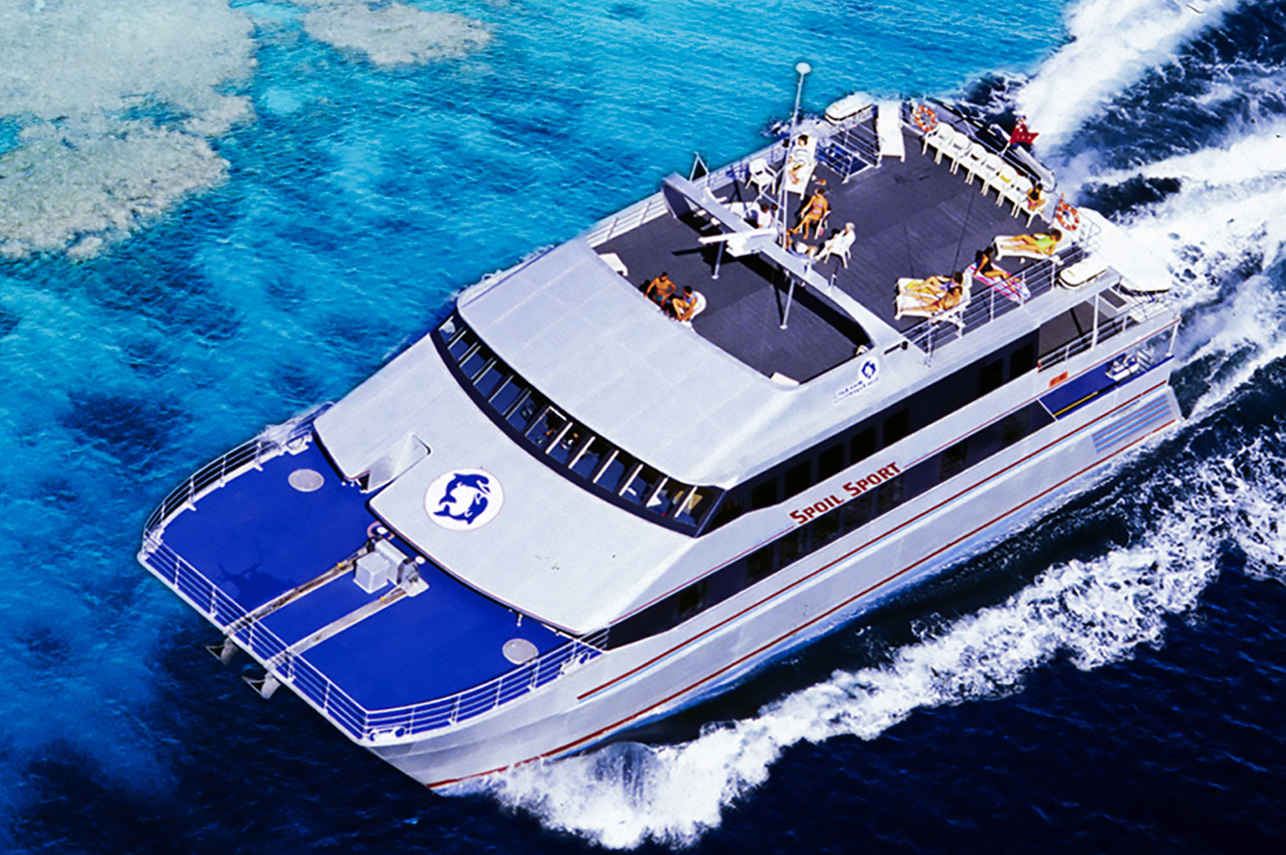
Spoilsport
Australia
28 guests30 m
$405/day
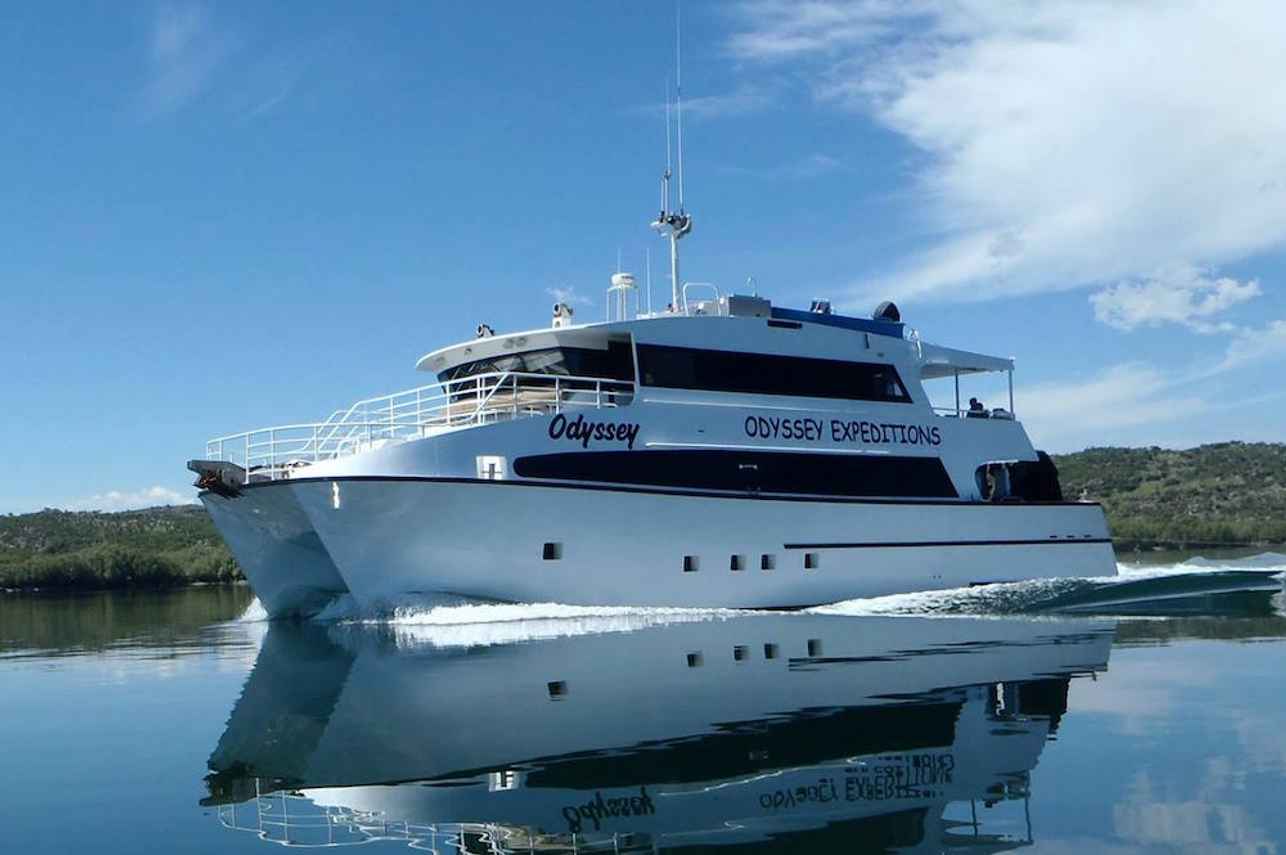
Odyssey Liveaboard
Australia
20 guests24 m
$392/day
Dive sites similar to Ningaloo Reef - Lighthouse Bay
Same character, same waters — six more sites divers love for the exact same reasons.Compare seasons, access and liveaboard routes — then pick the site that fits your trip best.
Agincourt Reef
Australia
Agincourt Reef sits on the outer edge of the Great Barrier Reef, roughly 60–72 km off Port Douglas in Far North Queensland, at the southern end of the true ribbon reefs that run…
- Suitable for
- Beginner
- Current
- Moderate
- Access
- Dayboat
- Depth
- 2–20 m
- Theme
- Reef / Wall
Cocos Keeling - Canons
Australia
Cocos Keeling - Canons offers a distinctive dive experience within the Cocos (Keeling) Islands lagoon, making it Australia's most remote dive destination.
- Suitable for
- Beginner
- Current
- Mild
- Access
- Dayboat
- Depth
- 8–12 m
- Theme
- Reef
Raine Island
Australia
Raine Island is a pivotal dive site located in the Far Northern Great Barrier Reef, approximately 85 kilometers east-north-east of Cape Grenville and just over 4 nautical miles south of the island itself.
- Suitable for
- Advanced
- Current
- Strong
- Access
- Liveaboard only
- Depth
- 5–40 m
- Theme
- Reef / Wall
Bare Island East
Australia
Bare Island East is a highly regarded shore dive in Sydney, celebrated for its diverse and colourful sponge gardens.
- Suitable for
- Intermediate
- Current
- Mild
- Access
- Shore / dayboat
- Depth
- 2–11 m
- Theme
- Reef
Cocos Keeling - Broccoli Patch
Australia
Broccoli Patch is a premier dive site nestled within the Cocos (Keeling) Islands lagoon system, offering a gentle yet captivating underwater experience.
- Suitable for
- Beginner
- Current
- Mild
- Access
- Dayboat
- Depth
- 5–10 m
- Theme
- Reef
Milln Reef
Australia
Milln Reef, located approximately 60km offshore from Cairns within the Great Barrier Reef, stands out as a highly favored outer reef destination for both divers and snorkelers.
- Suitable for
- Intermediate
- Current
- Moderate
- Access
- Liveaboard or dayboat
- Depth
- 4–22 m
- Theme
- Reef