About Misool Island Reefs
Misool, situated in the southern reaches of Raja Ampat, Indonesia, stands as a premier liveaboard diving destination, renowned for its exceptionally intact marine ecosystems. This area, largely unfished and locally managed, boasts a remarkable abundance of life, making it a critical stronghold of biodiversity within the Coral Triangle. Divers explore a labyrinth of limestone islands, vibrant reefs, and hidden lagoons, encountering an underwater world teeming with activity. The dive topography across Misool is incredibly varied, featuring dramatic walls adorned with massive sea fans and towering reef structures, isolated seamounts rising from the deep, and gentle slopes covered in a kaleidoscope of soft and hard corals. Sites like Nudi Rock and Boo Windows are famous for their dense soft coral gardens, while Farondi offers unique cave systems and swim-throughs encrusted with glowing clams and delicate invertebrates. Depths typically range from shallow coral gardens at 3 meters down to deeper reef slopes and seamounts reaching 30 meters. Misool's marine life is spectacularly diverse, encompassing an extensive array of coral species, a wide variety of reef fish, and frequent sightings of pelagic species. Divers commonly encounter white and black-tipped reef sharks, giant groupers, and swirling schools of barracuda and batfish. Notable macro life includes pygmy seahorses, ghost pipefish, and numerous nudibranchs. The area is also home to the unique epaulet shark, known for its ability to "walk" on its fins. Oceanic manta rays are also a significant draw, especially around seamounts. While currents in Misool are generally milder than in some other parts of Raja Ampat, they can still be present, particularly around seamounts and reef passages. Dives are typically conducted from liveaboards, offering access to remote sites. The rich biodiversity and occasional currents make Misool best suited for intermediate to advanced divers who can appreciate the complexity and dynamism of these healthy reef systems. Night diving here is especially vibrant, revealing a different cast of active critters.
Highlights
Vibrant soft coral gardensAbundant reef sharksPelagic fish schoolsEpaulet shark sightingsOceanic manta ray encountersPygmy seahorses and nudibranchsUnderwater caves and swim-throughsIntact marine ecosystems
Season calendar
Best months to dive here
Jan
Feb
Mar
Apr
May
Jun
Jul
Aug
Sep
Oct
Nov
Dec
Excellent
Good
Dive site facts: Misool Island Reefs
- Depth
- 5–30 m
- Typical dive
- 15–25 m, 50–60 min
- Current
- Mild to strong
- Visibility
- 15–30 m
- Water temperature
- 27–30°C
- Entry
- Boat / Tender
- Level
- Open Water Diver, current experience recommended for some sites
- Dive type
- Reef, wall, pinnacle, drift, macro
- Night dive
- Possible
- Region / port
- Raja Ampat, Indonesia
- Coordinates
- -1.9312, 130.0823
Conditions & Currents
Currents in Misool are generally considered mild compared to other regions within the Raja Ampat archipelago, but can vary by site and tidal conditions. Drift diving is common, especially along reef edges and around seamounts, where currents can funnel, bringing in nutrients and attracting larger marine life. Visibility is consistently excellent, often exceeding 30 meters, contributing to the spectacular experience. There are no notable thermoclines in the warm waters, which typically remain around 30 degrees Celsius. Entry and exit procedures usually involve live boat operations from traditional Phinisi vessels, allowing for flexible drift dives and minimal effort. Divers should be prepared for potential stronger currents at specific sites like Magic Mountain, necessitating good buoyancy control and dive planning. The dynamic conditions, while manageable, are generally better suited for intermediate to advanced divers.
Marine life & sighting chances
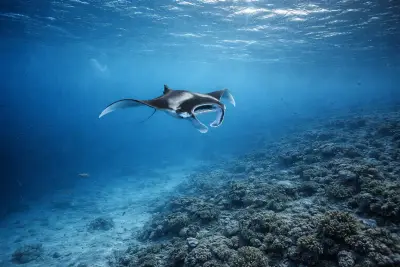
Manta ray
December–March · common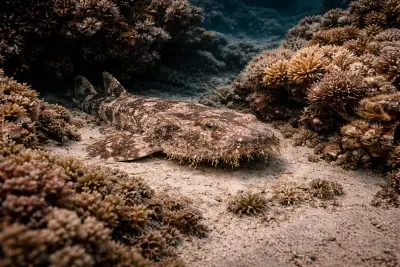
Wobbegong shark
occasional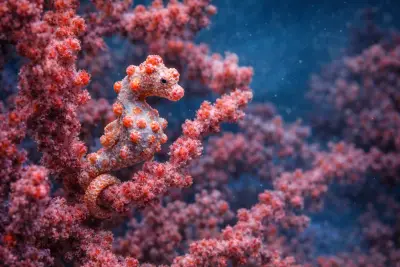
Pygmy seahorse
common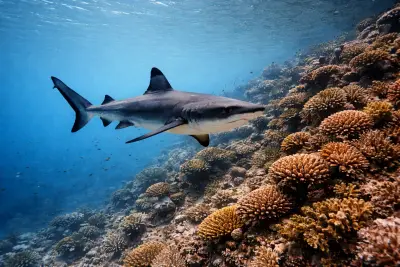
Blacktip reef shark
common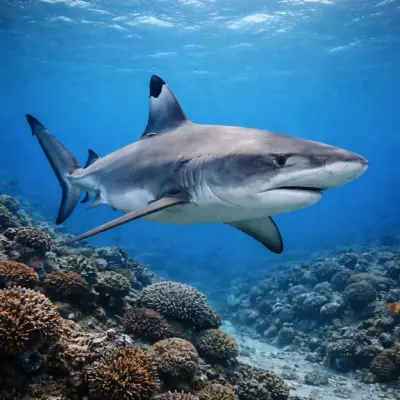
Grey reef shark
occasional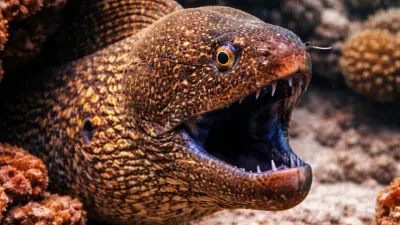
Moray eel
common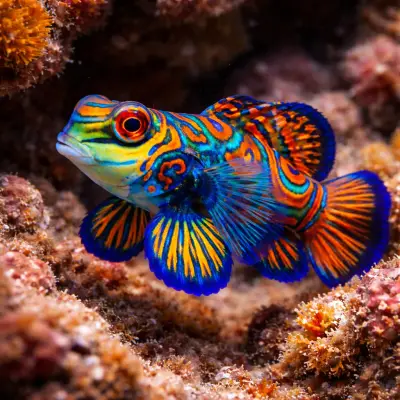
Mandarin fish
occasional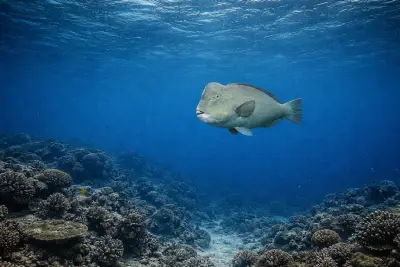
Bumphead parrotfish
common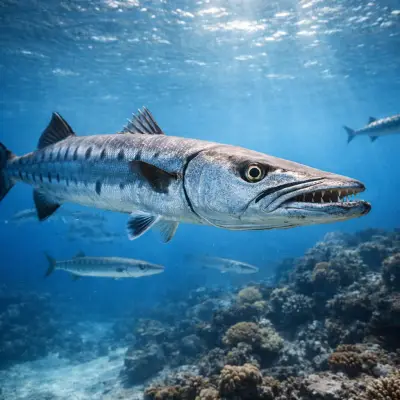
Barracuda
common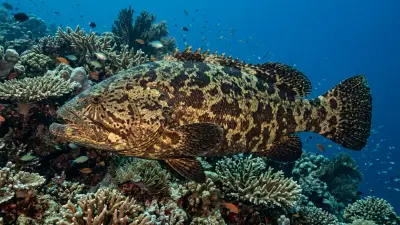
Giant grouper
occasional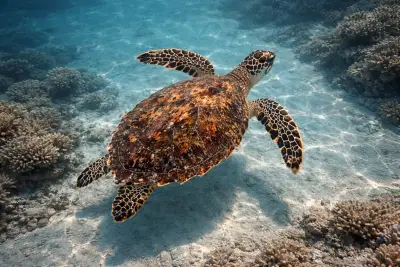
Hawksbill turtle
occasional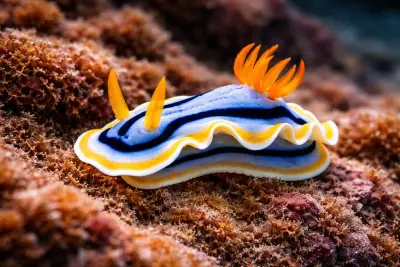
Nudibranch
common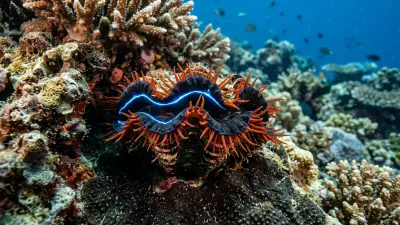
Electric clam
occasionalDive profile & how the dive runs
Dives around Misool typically begin with a boat or tender drop-off directly over the chosen reef or wall. You'll descend to depths ranging from 15 to 25 meters, often following the contours of a coral-encrusted wall or the gentle slope of a seamount. Many dives are drift dives, allowing the current to carry you past vibrant soft corals, gorgonian fans, and schooling fish. Turn points are usually dictated by air consumption or current changes, with the group ascending gradually. Safety stops are often conducted over shallow coral gardens, providing an opportunity to observe abundant smaller reef fish and macro life before surfacing for boat pick-up.
Underwater photography
Misool is a dream destination for both wide-angle and macro underwater photography, offering stunning subjects across its diverse sites. For wide-angle, the dry season (October-April) provides the best visibility and strong sunlight to illuminate dramatic reefscapes, schooling fish, and manta rays at cleaning stations; a fisheye or wide rectilinear lens is ideal. Macro photographers will find an abundance of pygmy seahorses, nudibranchs, and ornate ghost pipefish, especially at sites with steady currents and rich soft corals; a 60mm or 100mm macro lens is essential. Early morning dives often provide optimal soft natural light. Due to the healthy reef and occasional strong currents, excellent buoyancy control is crucial to avoid damaging corals or disturbing marine life. Consider bringing off-camera strobes or a snoot to highlight macro subjects against busy backgrounds, and be mindful of current direction to position yourself effectively for pelagic shots.
Combine with nearby dive sites
- The Passage
The Passage is a truly unique dive site in Raja Ampat, formed by a natural saltwater river flowing between the islands of Gam and Waigeo.
- The Cauldron
The Cauldron, also known as The Shotgun, is a world-class dive site located in the northern reaches of Komodo National Park.
- Shotgun
Shotgun, also known as The Cauldron, is an iconic dive site nestled in the northern part of Komodo National Park, situated in the…
- Mandolin Point
Mandolin Point, often simply called Mandolin, is a premier dive site located in the strait between Bunaken and Manado Tua, part of…
- Wayag Lagoon
Wayag Lagoon is the crown jewel of North Raja Ampat, a region celebrated for its pristine marine wilderness and dramatic landscapes.
Getting there & logistics
Access to Misool typically begins with an international flight to Sorong (SOQ) in West Papua, Indonesia. From Sorong, transfers to Misool are usually arranged by resorts or liveaboards, often involving a full day's boat journey due to the remote location. Liveaboards are a popular way to explore the wider Raja Ampat region, often combining Misool with other areas like Dampier Strait. Land-based resorts offer direct access to Misool's local dive sites. Trip lengths vary, but most liveaboard itineraries are 7-10 nights. All divers are required to purchase a Raja Ampat Marine Park Entry Permit, valid for one year, which costs approximately USD $100 (or 1,000,000 IDR). Booking well in advance is highly recommended, especially for peak season travel between December and March.
Safety & environment
Diving in Misool requires adherence to safe diving practices, including maximum depth limits of 30 meters and no-decompression diving. Solo diving is not permitted. The nearest recompression chamber is located in Waisai, Raja Ampat, or further afield in Manado or Bali, making emergency evacuation potentially lengthy and complex. Comprehensive dive and travel insurance, covering medical emergencies and evacuation, is highly recommended. Specific hazards include strong currents at certain sites, so divers should be experienced with drift diving and comfortable in varying conditions. Respect for the marine environment is paramount; divers must maintain excellent buoyancy to avoid contact with delicate corals and marine life, supporting the ongoing conservation efforts in this protected area.
Who it suits — and who it doesn't
Suited for
- Experienced divers comfortable with currents
- Underwater photographers seeking diverse subjects
- Marine conservation enthusiasts
- Divers seeking pristine, biodiverse reefs
- Guests desiring remote, eco-friendly resort experiences
Less suited for
- Beginner divers without current experience
- Divers prone to seasickness (during wet season)
- Budget-conscious travelers
- Those seeking bustling nightlife or large crowds
- Divers unwilling to adhere to strict marine park rules
FAQ
Misool Island Reefs FAQ
What marine life can I expect to see in Misool?
Misool is teeming with marine life, offering a spectacular array for divers. You can expect to encounter large schools of fish, manta rays at cleaning stations, various species of sharks including blacktip and wobbegong, and an incredible diversity of macro life like pygmy seahorses and nudibranchs. The vibrant coral reefs themselves host countless smaller creatures and colorful reef fish.
When is the best time to visit Misool for diving?
The prime diving season for Misool is from October to May, known for its calm seas, excellent visibility, and abundant marine life. December to March is particularly noted for peak manta ray sightings and generally stable, clear conditions. While diving is possible year-round, the wet season from May to September can bring more rain and choppier waters.
Are the currents strong in Misool?
Currents in Misool can vary significantly, ranging from mild to strong, depending on the specific dive site and tidal movements. Many dives are gentle drifts, but sites like cleaning stations or pinnacles frequently experience stronger flows. Divers should be comfortable with drift diving techniques and have adequate experience to enjoy all the sites safely.
Do I need any special permits to dive in Misool?
Yes, all divers visiting Raja Ampat, including Misool, are required to purchase a Raja Ampat Marine Park Entry Permit. This permit is typically valid for one calendar year and costs approximately USD $100 (or 1,000,000 IDR). Resorts and liveaboards usually assist guests with obtaining this mandatory permit upon arrival.
What is the visibility and water temperature like?
Visibility in Misool is generally excellent, often ranging from 15 to 30 meters, particularly during the dry season. Water temperatures are consistently warm throughout the year, typically between 27°C and 30°C. This makes for comfortable diving conditions with minimal thermal protection needed, though a 3mm wetsuit is often preferred.
Is Misool suitable for beginner divers?
While Misool offers many beautiful sites, some areas with stronger currents may be challenging for very new or inexperienced divers. It is generally recommended for Open Water certified divers with some experience, especially comfort in currents. Many resorts offer guided dives suitable for various skill levels, but current proficiency will enhance the experience.
Why dive Misool Island Reefs from a liveaboard?
Misool Island Reefs is one of Indonesia's signature dive sites. A liveaboard sleeps you on the water and puts you in the water for three to four guided dives per day, including dawn and night dives that day-boat operators rarely offer. You skip the daily commute back to port and reach quieter, less-crowded sites in the same region on a single trip.
Below are the liveaboards that include Misool Island Reefs on their Indonesia itineraries.
Liveaboards diving Misool Island Reefs
These liveaboards may visit Misool Island Reefs on selected itineraries — the exact dive sites depend on departure, weather and conditions.
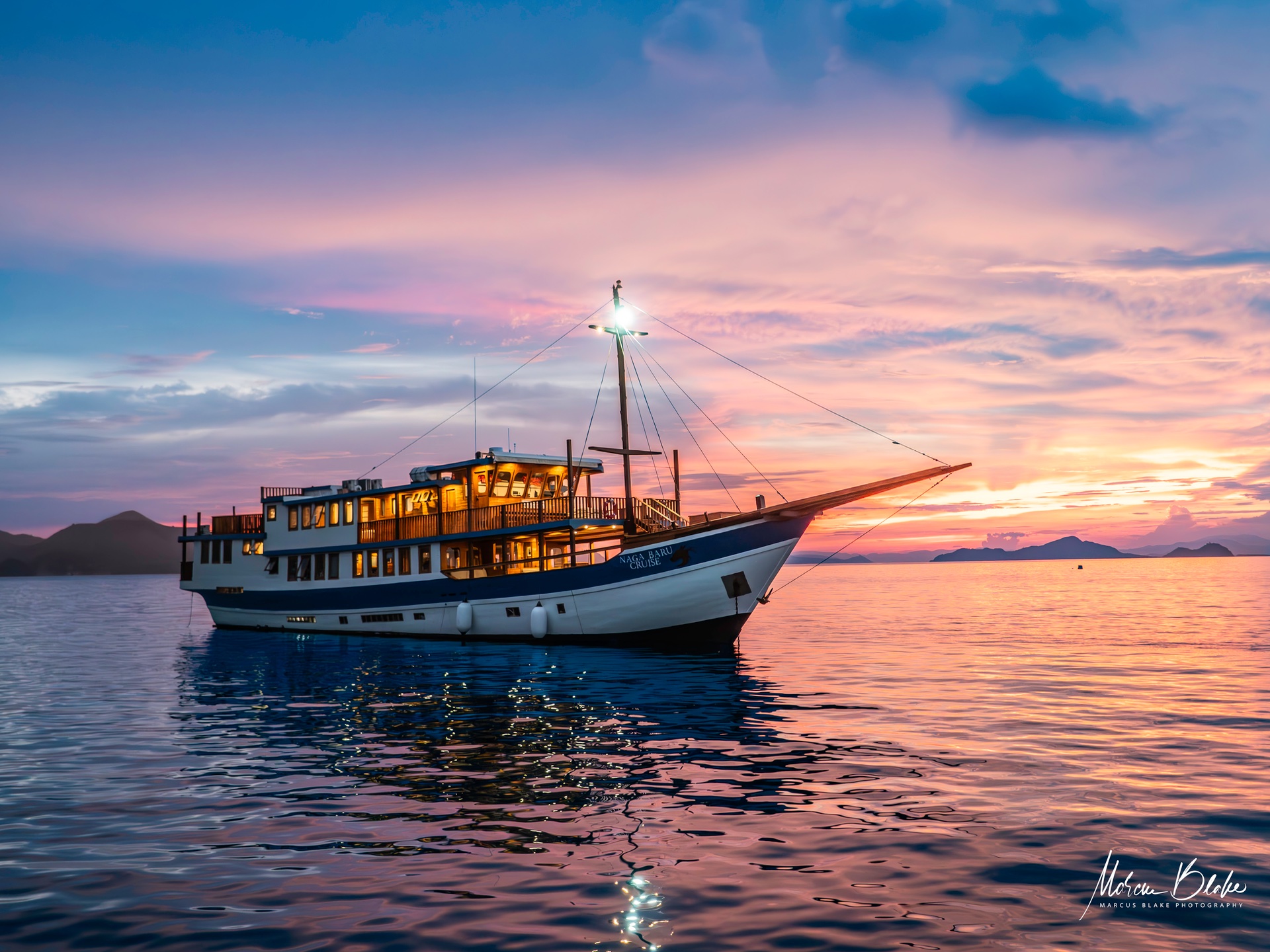
Naga Biru
Indonesia
12 guests40 m
$274/day
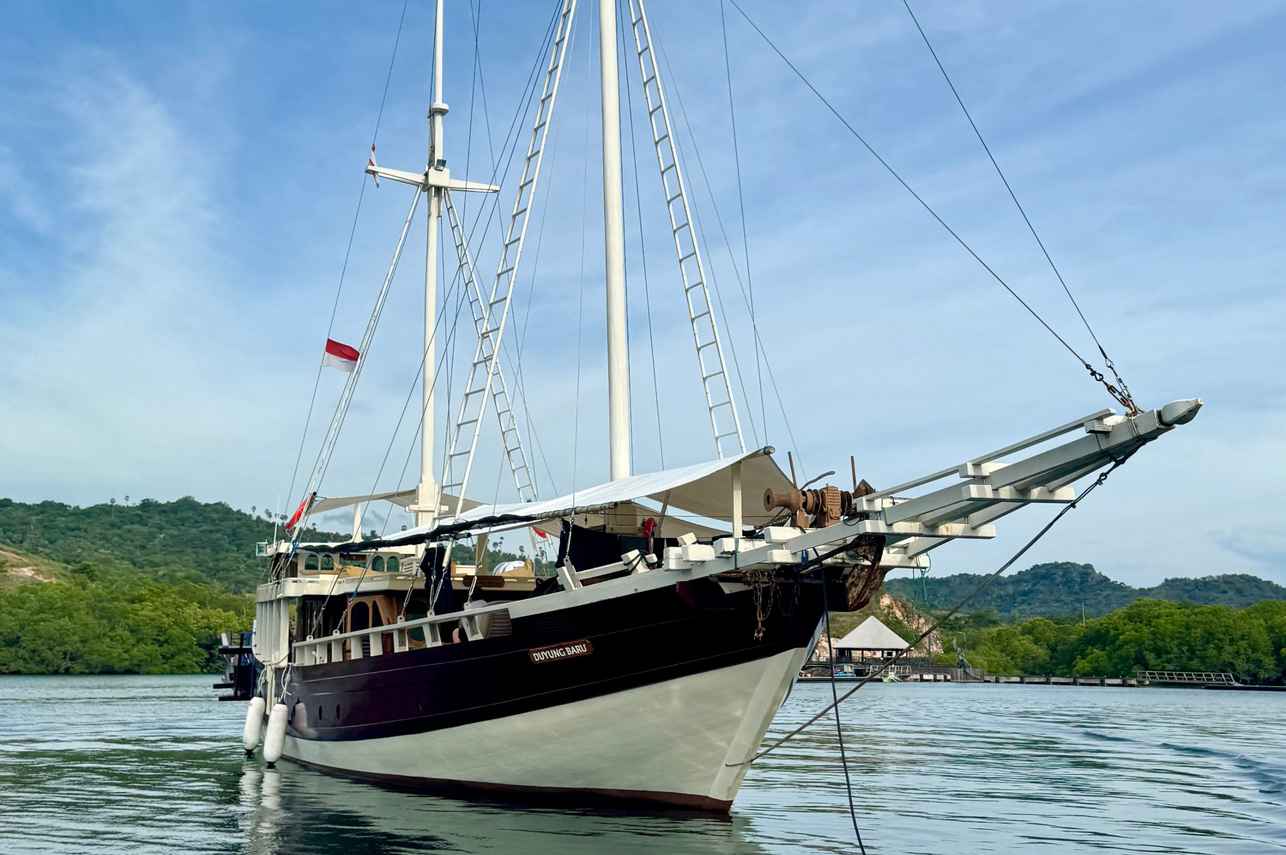
Ecopro Duyung Baru
Indonesia
6 guests27 m
$361/day
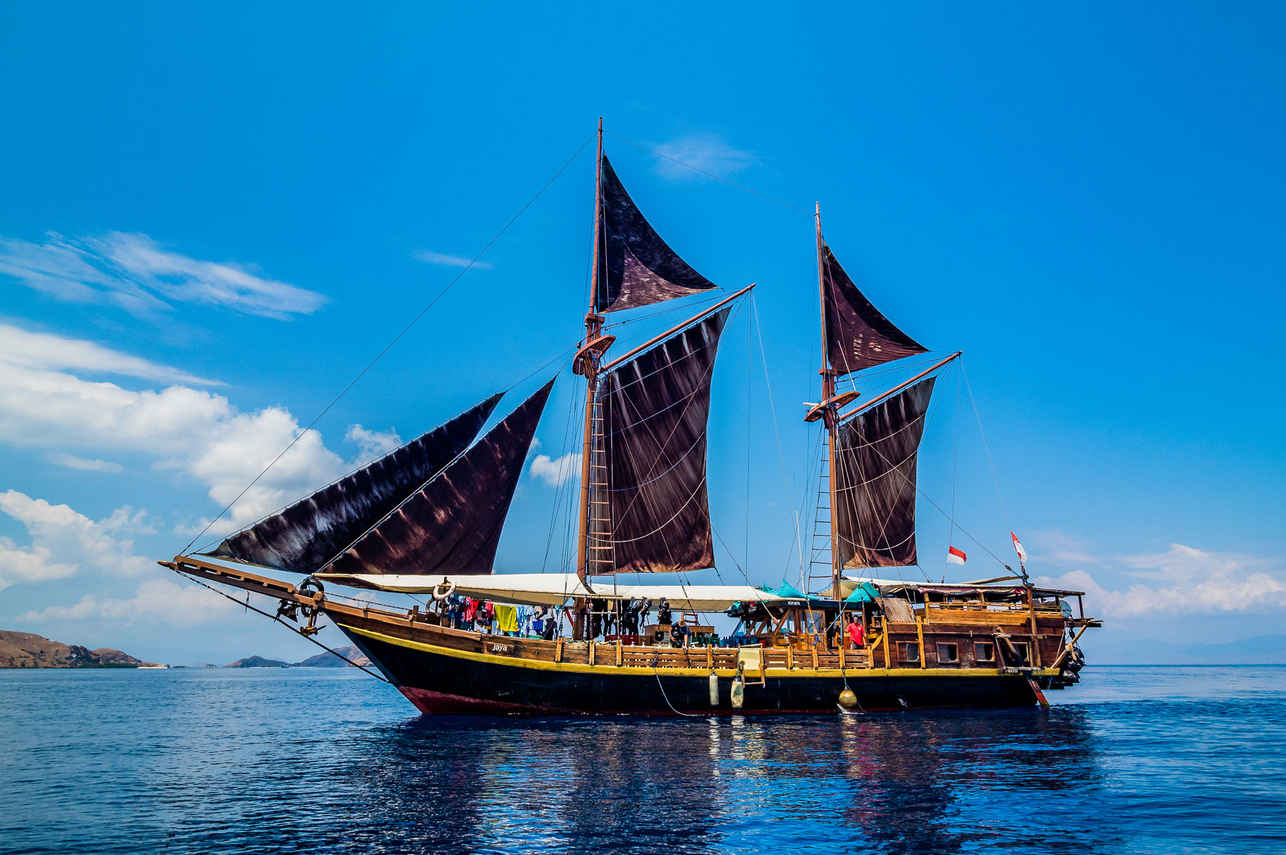
Jaya
Indonesia
14 guests23 m
$280/day
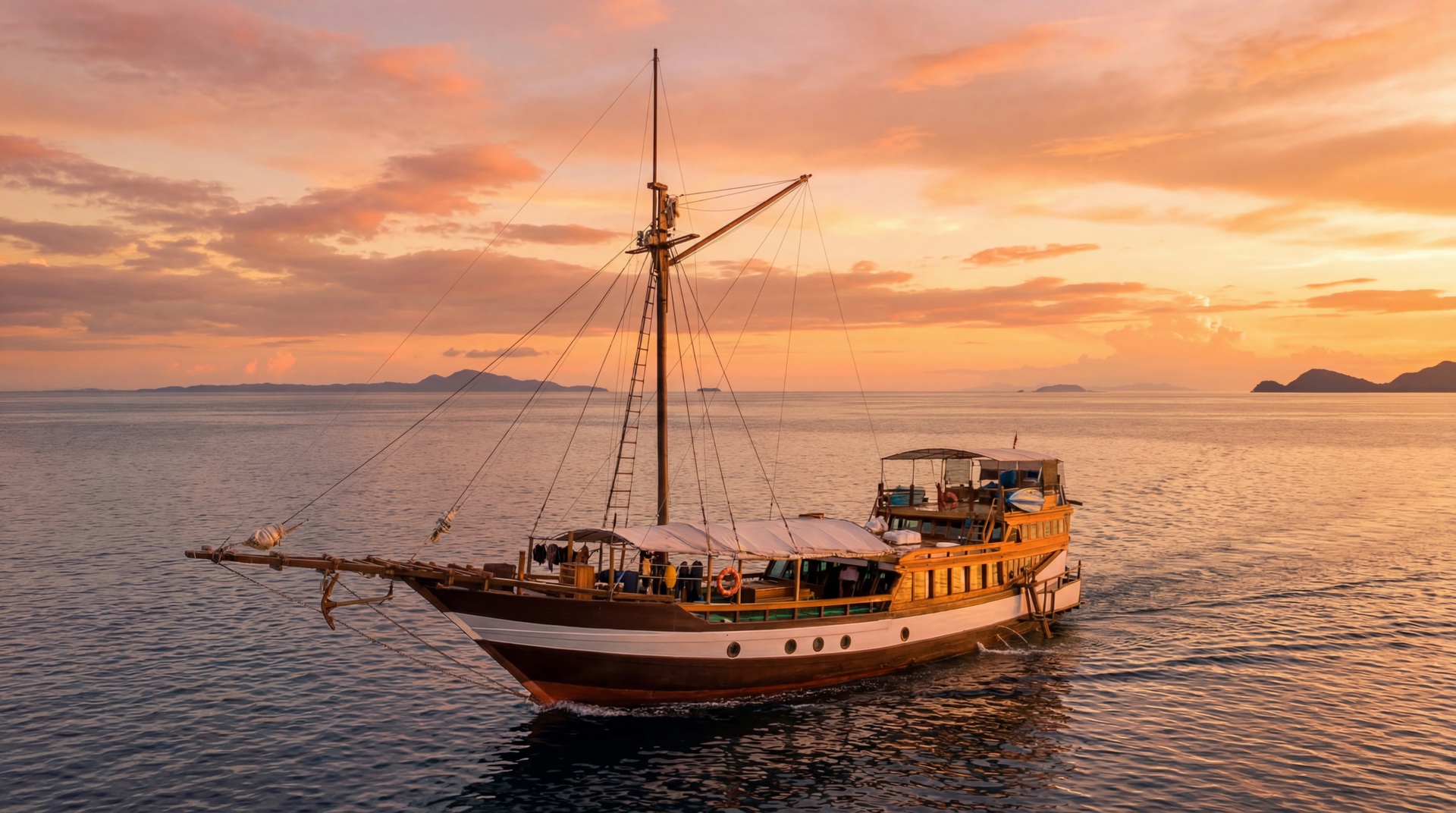
Wellenreng
Indonesia
9 guests25 m
$427/day
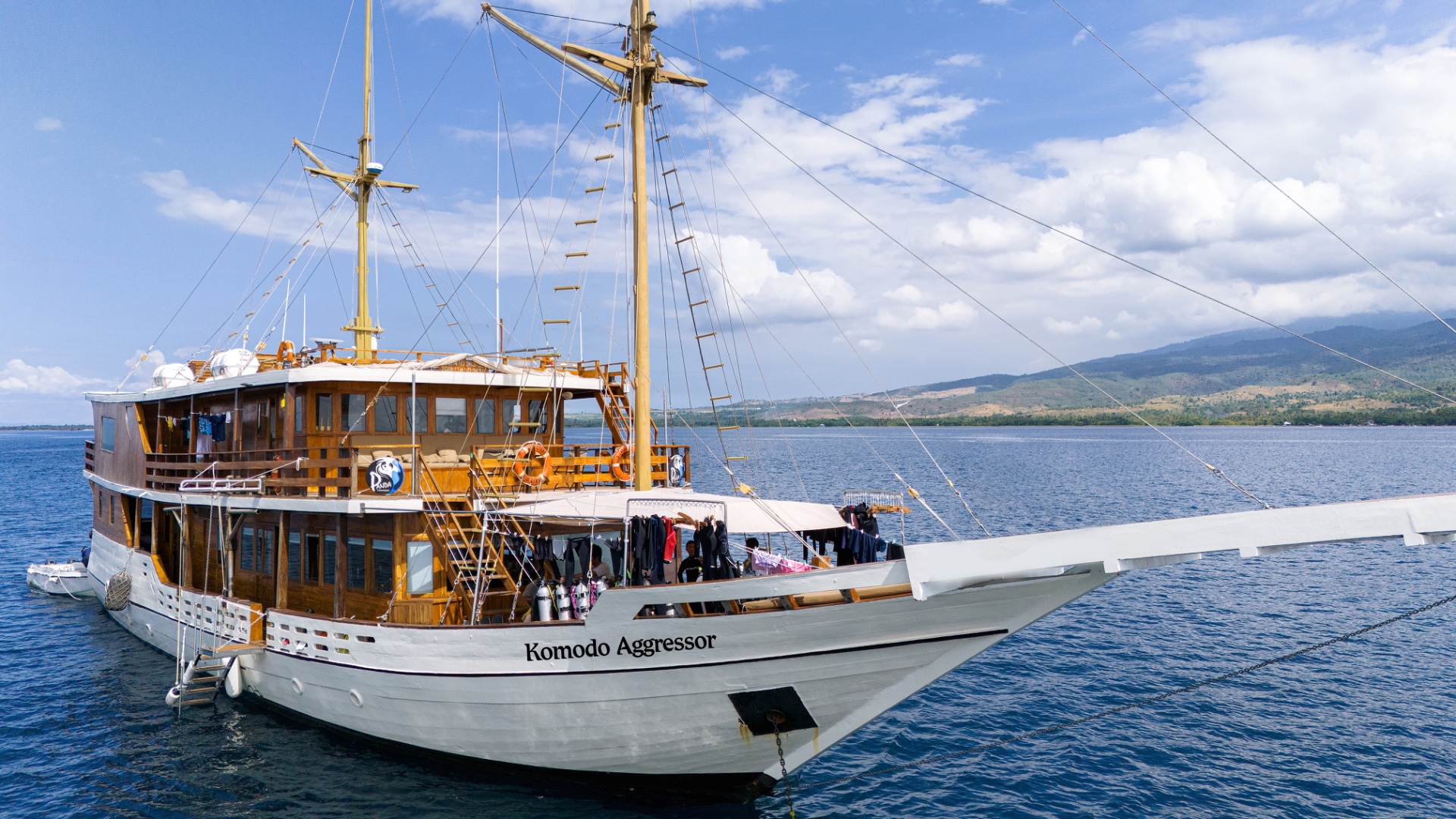
Komodo Aggressor
Komodo, Indonesia
16 guests29 m
$312/day
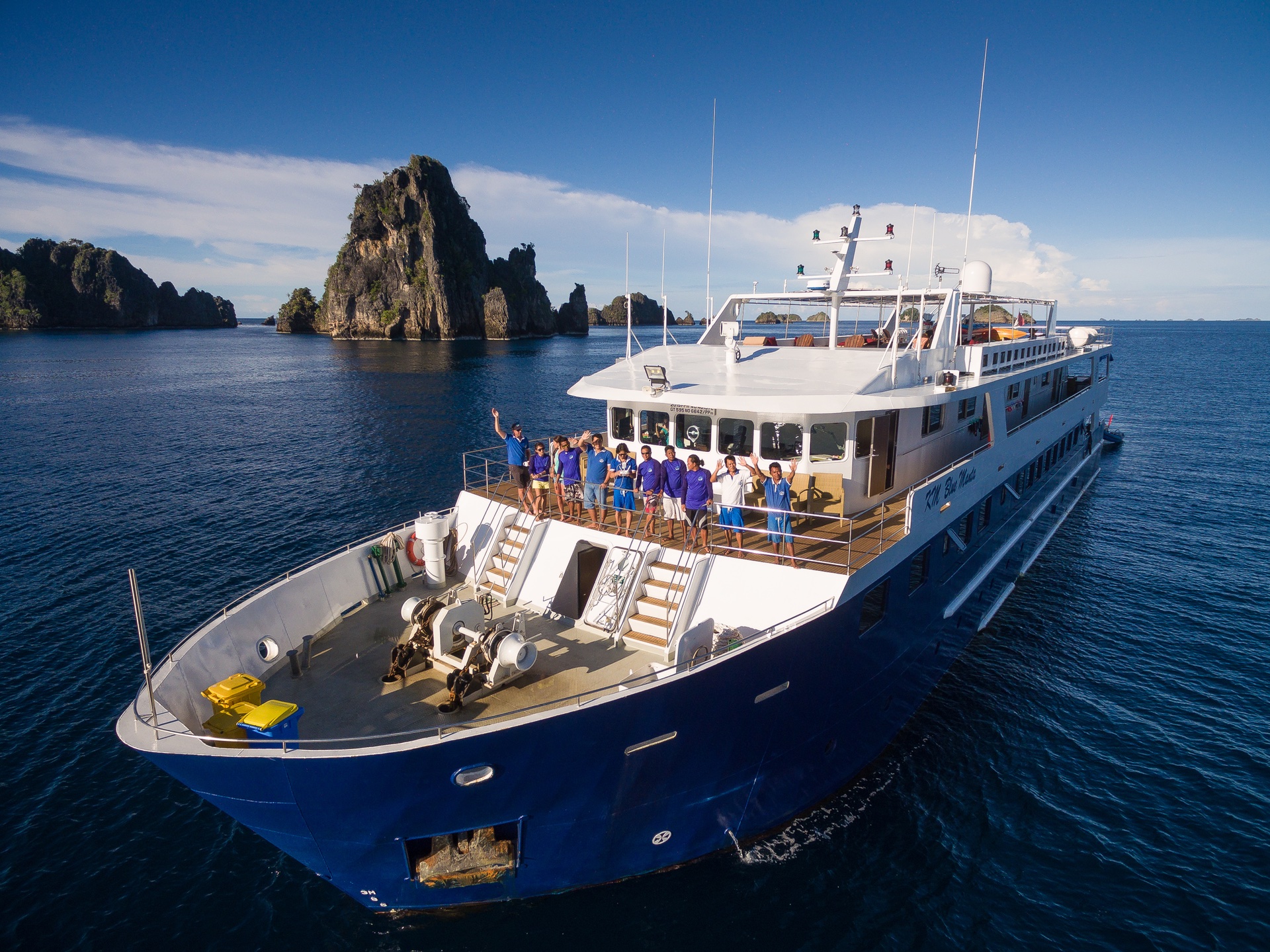
Blue Manta
Indonesia
20 guests45 m
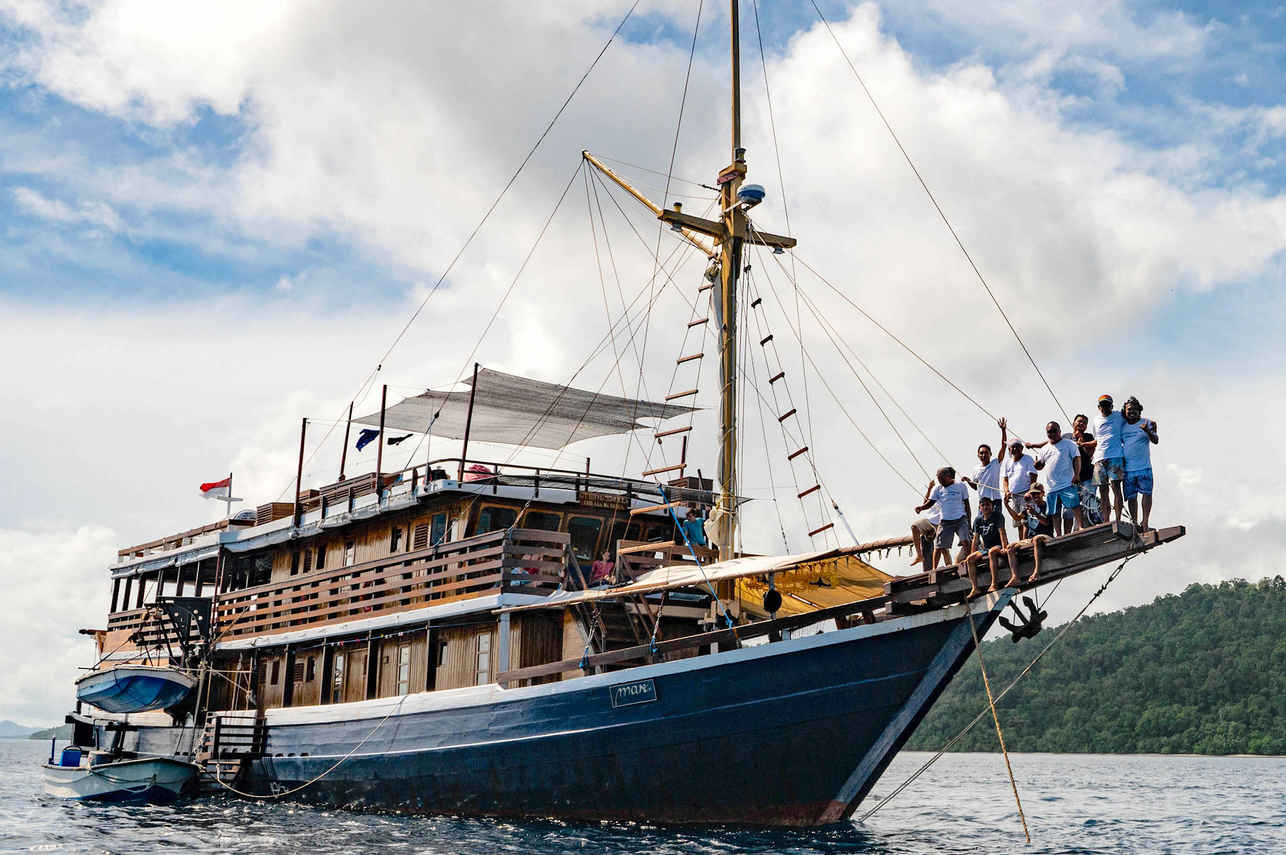
Mari
Indonesia
14 guests32.2 m
$328/day
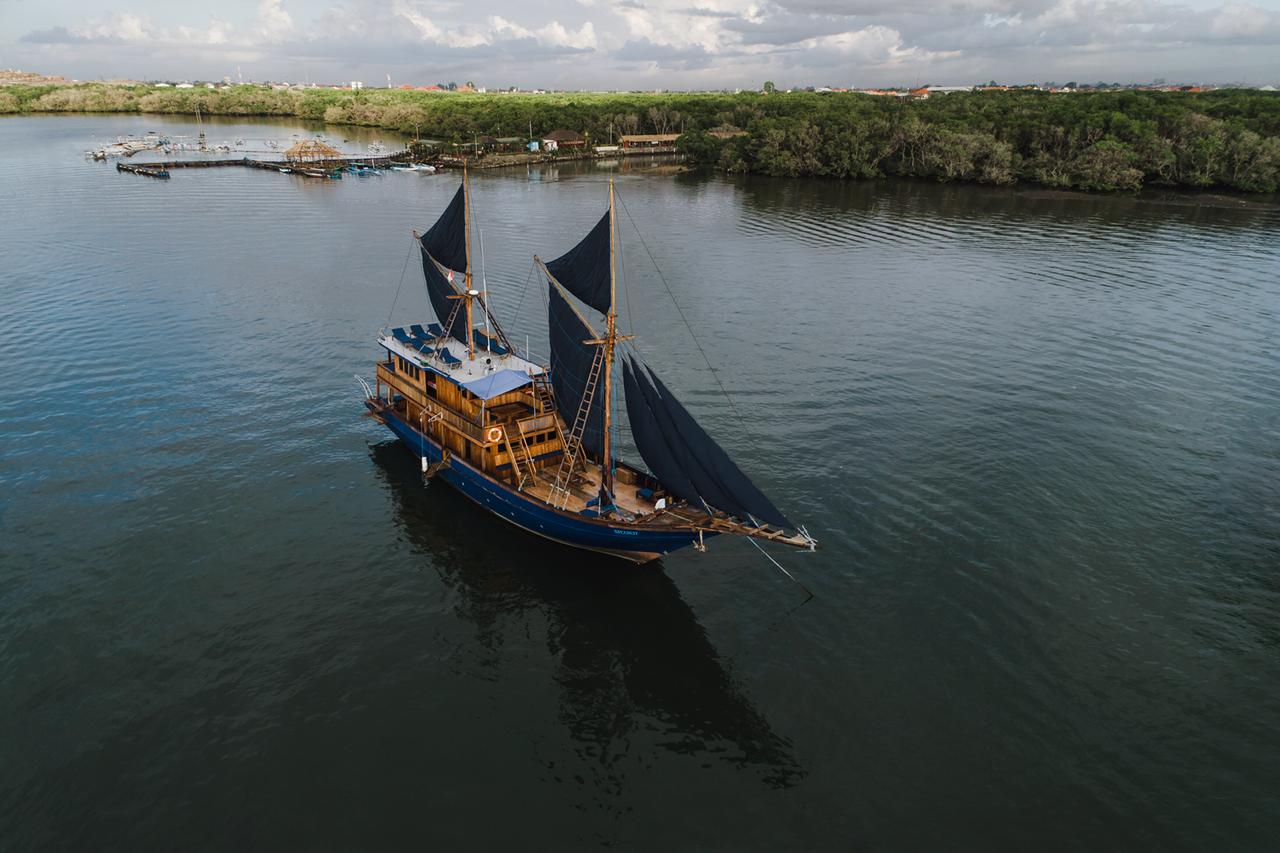
Situju7
Komodo, Indonesia
10 guests32.7 m
$362/day
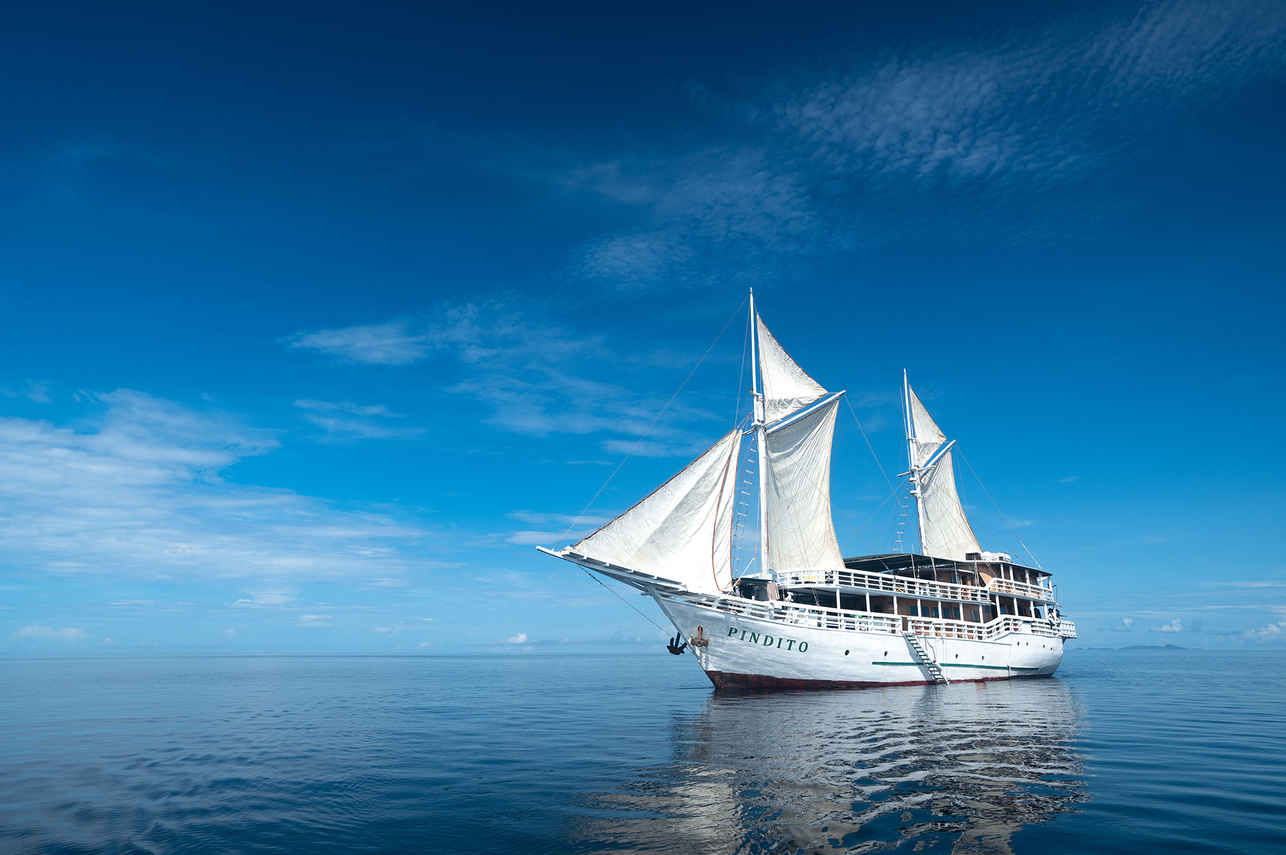
Pindito
Indonesia
16 guests37.79 m
$533/day
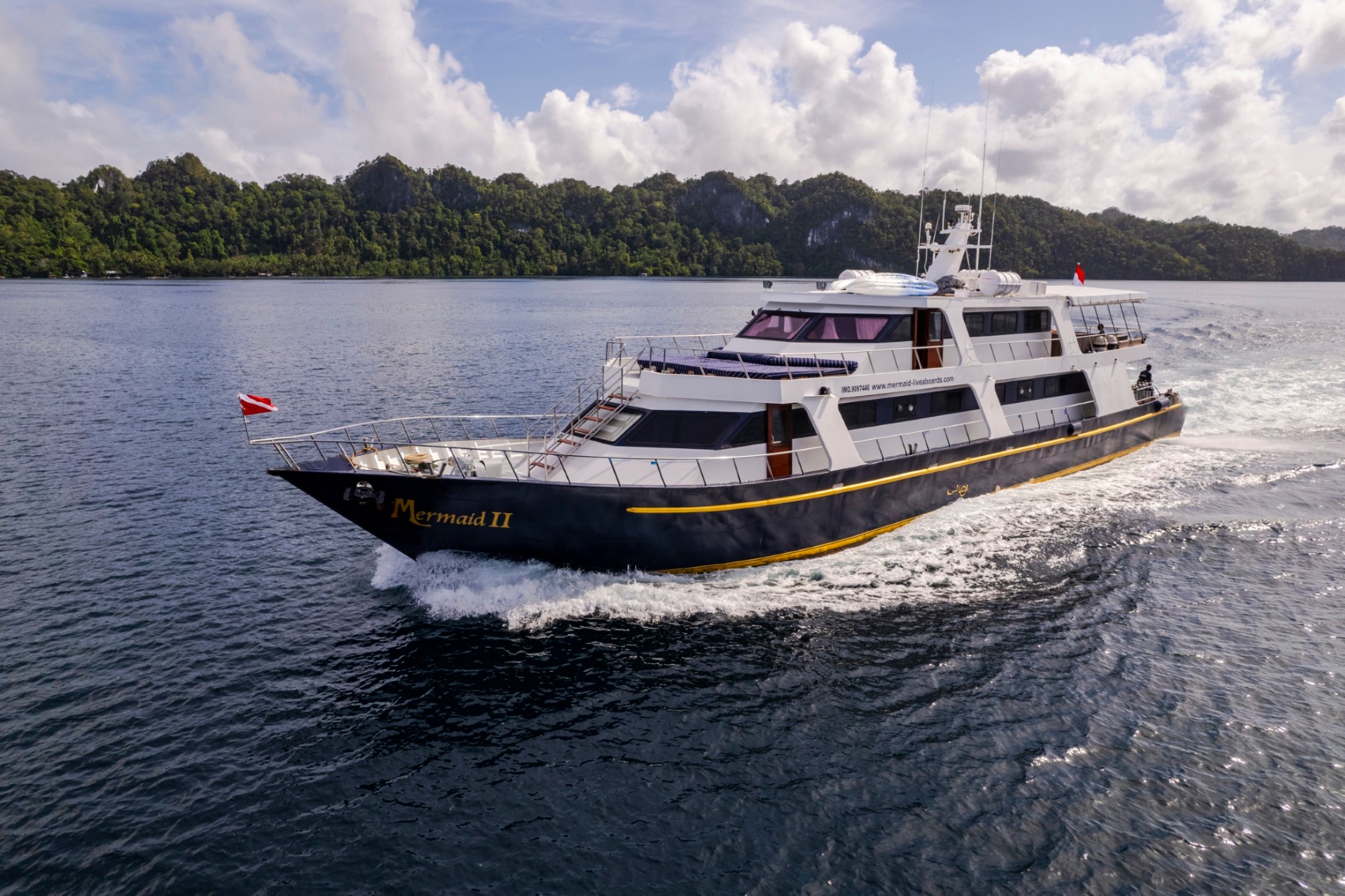
Mermaid II
Komodo, Indonesia
18 guests
$355/day
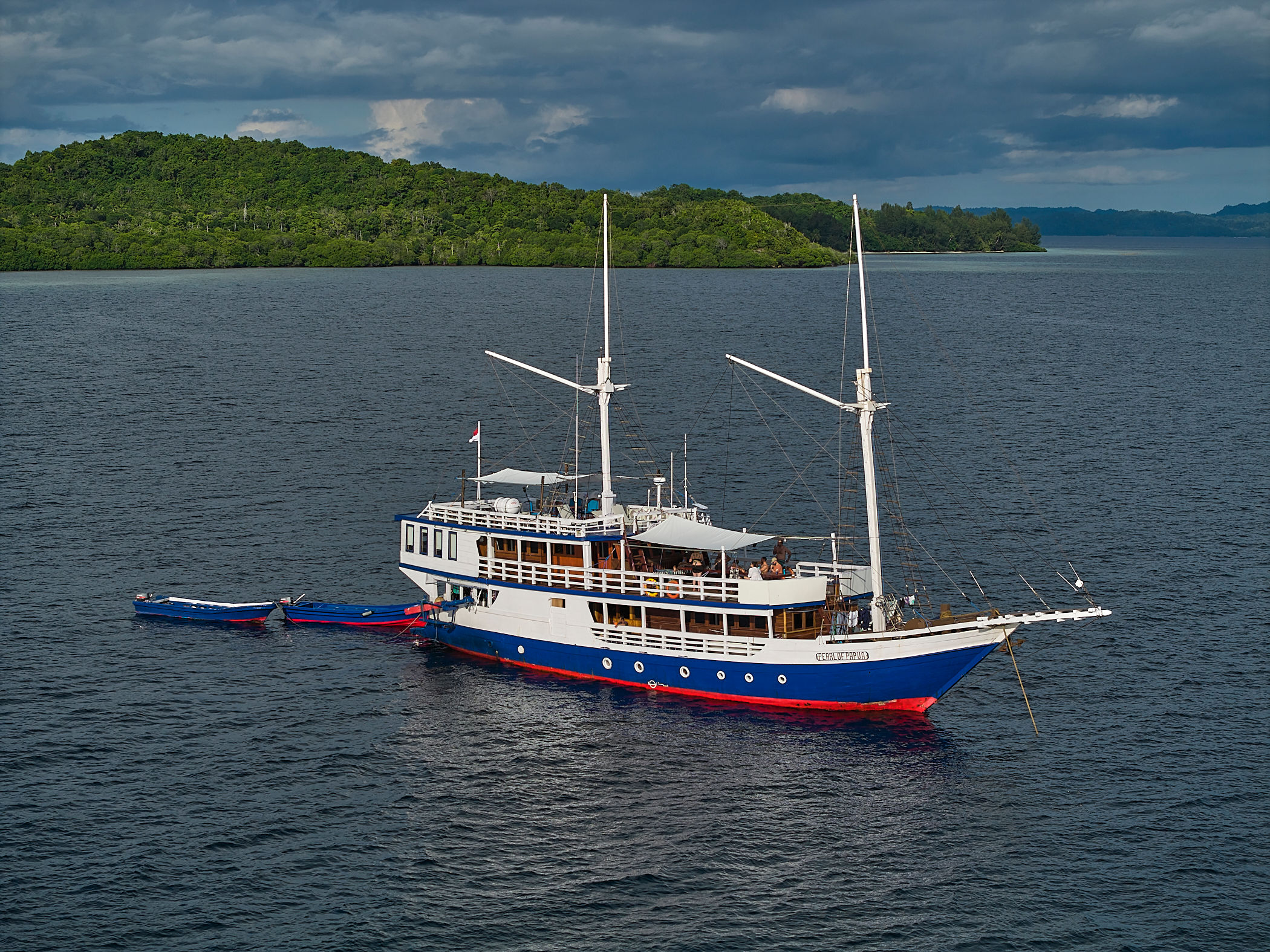
Pearl of Papua
Raja Ampat, Indonesia
14 guests30 m
$303/day
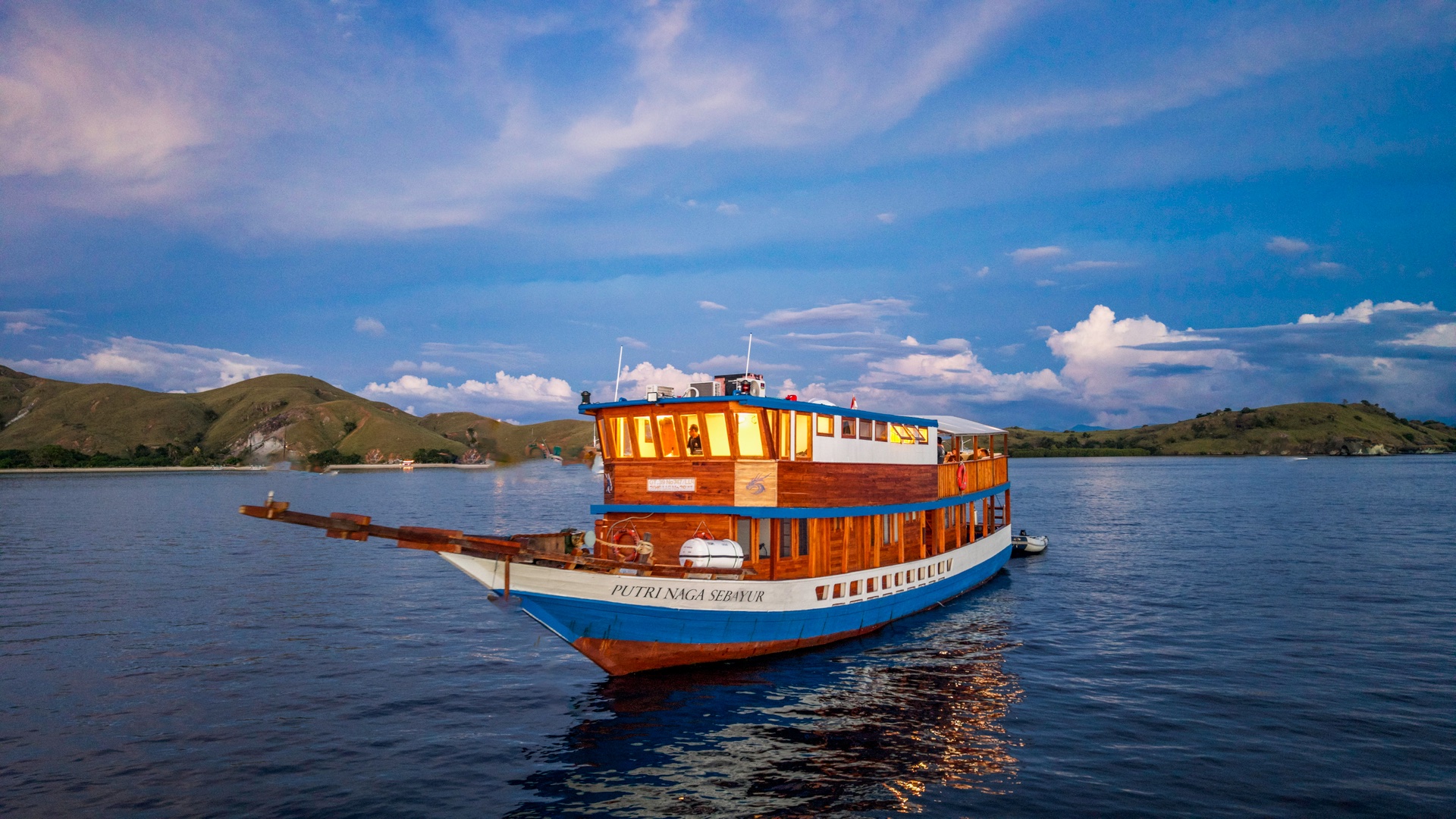
Putri Naga
Komodo, Indonesia
6 guests25 m
Dive sites similar to Misool Island Reefs
Same character, same waters — six more sites divers love for the exact same reasons.Compare seasons, access and liveaboard routes — then pick the site that fits your trip best.
© Esri — Maxar, Earthstar, GIS
Adonara Wall
Indonesia
Adonara is an Indonesian island dive site, renowned for its vibrant underwater topography characterized by submerged seamounts.
- Suitable for
- Intermediate
- Current
- Strong
- Access
- Liveaboard or dayboat
- Depth
- 5–35 m
- Theme
- Seamount / Wall
© Esri — Maxar, Earthstar, GIS
Mawali Wreck
Indonesia
The Mawali Wreck, a Japanese cargo ship, rests on its side in the Lembeh Strait, off the northern coast of Sulawesi.
- Suitable for
- Advanced
- Current
- Mild
- Access
- Liveaboard only
- Depth
- 25–40 m
- Theme
- Wreck / Reef
Aljui Bay, located in Raja Ampat's remote northern reaches, was discovered as a premier snorkeling and diving destination by chance in 2011. This bay, situated within the broader…
- Suitable for
- Beginner
- Current
- Mild
- Access
- Liveaboard only
- Depth
- ≤ 20 m
- Theme
- Reef
© Esri — Maxar, Earthstar, GIS
Shark Close
Indonesia
Shark Close is an exhilarating dive site in the Indonesian portion of Borneo, renowned for its strong currents and abundant marine life.
- Suitable for
- Advanced
- Current
- Strong
- Access
- Liveaboard or dayboat
- Depth
- 5–25 m
- Theme
- Channel / Drift
Wakatobi, an acronym for the islands of Wangi-Wangi, Kaledupa, Tomia, and Binongko, lies in Southeast Sulawesi, Indonesia, at the heart of the Coral Triangle.
- Suitable for
- Beginner
- Current
- No current
- Access
- Liveaboard only
- Depth
- 5–30 m
- Theme
- Wall / Reef
© Esri — Maxar, Earthstar, GIS
Cornucopia
Indonesia
Cornucopia, aptly named the 'horn of plenty,' is celebrated as Wakatobi's most spectacular wall dive, offering a diverse and nutrient-rich underwater environment.
- Suitable for
- Intermediate
- Current
- Mild
- Access
- Liveaboard only
- Depth
- 5–40 m
- Theme
- Reef