About Wayag Lagoon
Wayag Lagoon is the crown jewel of North Raja Ampat, a region celebrated for its pristine marine wilderness and dramatic landscapes. This remote area, situated at the northwestern extremity of the archipelago, is globally recognized for its unique mushroom-shaped limestone karst islands and serene shallow lagoons. Beyond its visual splendor, Wayag offers exceptional diving experiences with healthy coral gardens and diverse marine life. The topography transitions from shallow lagoon waters with thriving coral to deeper outer reef walls, providing varied dive profiles. These waters are part of the Coral Triangle, an area boasting unparalleled marine biodiversity. The remoteness of Wayag ensures that its reefs exhibit extraordinary condition, with high coral coverage and abundant fish populations. Diving here typically reveals encounters with pelagic species, reef sharks, and eagle rays on the outer reefs, while the sheltered lagoons host juvenile blacktip sharks and sea turtles. The region's isolation, accessible primarily by liveaboard, limits visitor numbers, contributing to its untouched charm. The best time to visit aligns with Raja Ampat's dry season, ensuring calm seas and optimal visibility for both underwater exploration and scenic excursions.
Highlights
Iconic limestone karst formationsPristine shallow lagoonsThriving coral gardensPelagic encountersPanoramic viewpointsRemote, untouched wildernessExceptional marine biodiversity
Season calendar
Best months to dive here
Jan
Feb
Mar
Apr
May
Jun
Jul
Aug
Sep
Oct
Nov
Dec
Excellent
Good
Dive site facts: Wayag Lagoon
- Depth
- 5–40 m
- Typical dive
- 12–25 m, 50–60 min
- Current
- Mild to strong
- Visibility
- 10–30 m
- Water temperature
- 28–30°C
- Entry
- Tender / Liveaboard
- Level
- Advanced recommended, current experience helpful
- Dive type
- Reef, pelagic, scenic
- Night dive
- Possible in sheltered areas
- Region / port
- North Raja Ampat, West Papua
- Coordinates
- -0.4567, 130.7912
Conditions & Currents
Currents in Wayag Lagoon can vary from mild within the sheltered lagoons to strong along the outer reef walls and channels, typical of many sites in Raja Ampat. Divers should be prepared for drift dives, especially when exploring sites outside the immediate lagoon system where pelagic encounters are more common. Liveaboard operators and dive guides are highly experienced in navigating these conditions, often planning dives to coincide with optimal slack tides or to leverage currents for exhilarating drifts past large schools of fish. Visibility is generally excellent, often exceeding 20 meters, though occasional plankton blooms can temporarily reduce it. Entry and exit procedures are typically conducted from tenders, requiring comfortable buoyancy control and efficient gear handling, particularly in areas with stronger flow.
Marine life & sighting chances

Reef sharks
common
Eagle rays
occasional
Whale sharks
rare
Pygmy seahorses
common
Juvenile blacktip sharks
common
Sea turtles
common
Nudibranchs
common
Schools of fusiliers
common
Wobbegong sharks
occasional
Manta rays
December–March · occasionalDive profile & how the dive runs
Dives in Wayag Lagoon often begin with a tender drop, allowing access to specific coral formations or the outer reef walls. A typical dive might explore a vibrant hard coral garden in the shallower parts of the lagoon, progressively moving towards a gentle drop-off. Divers can expect to navigate intricate reef structures, observing pygmy seahorses and nudibranchs. Along the outer walls, the dive might become a drift, carried by mild currents past schooling fish and larger pelagic species. The turning point is often dictated by current direction or air consumption, with the safety stop conducted in the calmer, shallower sections of the reef or as a suspended stop in the blue before tender pick-up.
Underwater photography
Wayag Lagoon offers diverse photographic opportunities, from wide-angle landscape shots of the iconic karst formations to macro subjects within the coral gardens. For wide-angle, aim for the clear, sunlit lagoon waters and the outer reef walls where schools of fish and larger pelagics might appear. Early mornings provide soft, natural light, ideal for capturing the unique above-water scenery during surface intervals. Macro enthusiasts will find ample subjects like pygmy seahorses, nudibranchs, and various crustaceans in the pristine coral. Good buoyancy control is essential to avoid disturbing the delicate corals, especially when getting close to macro subjects. Natural light can be sufficient in the shallows, but strobes are beneficial for color rendition at depth and for macro work.
Combine with nearby dive sites
- The Equator Islands
The Equator Islands, located in Raja Ampat, Papua, Indonesia, stand as a dynamic dive site characterized by its powerful currents and…
- Aljui Bay
Aljui Bay, located in Raja Ampat's remote northern reaches, was discovered as a premier snorkeling and diving destination by chance in 2011.
- Mioskon & Kri
Located in the Dampier Strait, offering spectacular diving.
- Penemu
Features iconic viewpoints and diverse diving.
Getting there & logistics
Access to Wayag Lagoon, located in North Raja Ampat, is primarily via liveaboard expeditions departing from Sorong. Sorong (SOQ) serves as the main gateway airport, with connections typically from major Indonesian hubs like Jakarta or Makassar. Liveaboard trips to this remote region often span 7 to 14 days, with some longer luxury charters extending across broader areas of North Raja Ampat. Visitors must obtain a Raja Ampat Marine Park Entry Permit, valid for one calendar year. Given its remote location, Wayag is usually part of an itinerary that combines several northern Raja Ampat highlights, and less frequently combined with southern sites due to the vast distances involved.
Safety & environment
Diving in Wayag Lagoon, like much of Raja Ampat, requires adherence to standard dive safety practices. The nearest recompression chamber is located in Waisai, but evacuation from Wayag to Waisai can be a multi-hour journey by boat, and further transport to Sorong for serious medical emergencies is lengthy. Comprehensive dive insurance, including coverage for medical emergencies and evacuation, is therefore non-negotiable. Site-specific hazards include variable currents, particularly on outer reefs, and the potential for strong sun exposure during surface intervals. Divers should maintain excellent buoyancy control to protect the pristine coral ecosystems. Always dive within your training limits and follow the instructions of your experienced dive guides.
Who it suits — and who it doesn't
Suited for
- Experienced divers comfortable with currents
- Underwater photographers seeking pristine reefs and unique landscapes
- Adventurous travelers seeking remote, untouched locations
- Liveaboard enthusiasts
- Nature lovers interested in both above and below water scenery
Less suited for
- Beginner divers or those with limited current experience
- Travelers prone to seasickness (due to potential for rough crossings)
- Budget-conscious travelers (due to higher liveaboard costs and remoteness)
- Those prioritizing extensive land-based activities
- Divers with limited time, as it requires multi-day expeditions
FAQ
Wayag Lagoon FAQ
What makes Wayag Lagoon unique compared to other Raja Ampat sites?
Wayag Lagoon is distinct for its iconic, mushroom-shaped limestone karst islands that dramatically rise from the water, creating a landscape recognized worldwide. While other Raja Ampat areas boast incredible marine life, Wayag combines this with unparalleled above-water scenery, offering both stunning dives and breathtaking panoramic views from its viewpoints.
Do I need a special permit to visit Wayag Lagoon?
Yes, all visitors to Wayag Lagoon, and indeed the entire Raja Ampat Marine Protected Area, are required to purchase a Raja Ampat Marine Park Entry Permit. This permit is typically valid for one calendar year and contributes to the conservation efforts of the region. Your liveaboard operator will usually assist with the permit process.
What kind of marine life can I expect to see in Wayag Lagoon?
Within the sheltered lagoons, you can find vibrant coral gardens teeming with smaller reef fish, pygmy seahorses, and nudibranchs. The outer reef walls and channels are frequented by larger species, including reef sharks, eagle rays, and schooling pelagic fish. Occasional sightings of manta rays and even whale sharks are possible, especially during peak seasons.
Is Wayag Lagoon suitable for snorkeling or only diving?
Wayag Lagoon is excellent for both snorkeling and diving. The clear, shallow waters within the lagoons offer fantastic snorkeling opportunities to observe juvenile blacktip sharks, sea turtles, and colorful coral gardens from the surface. Divers can explore deeper reefs and outer walls, accessing a wider range of marine habitats and larger species.
How do I get to Wayag Lagoon, given its remote location?
Due to its extreme remoteness in North Raja Ampat, Wayag Lagoon is almost exclusively accessed via liveaboard diving expeditions. These trips typically depart from Sorong, the main gateway city, and involve multi-day journeys to reach the northern areas. There are no direct resort options in Wayag itself; it's an integral part of most comprehensive Raja Ampat liveaboard itineraries.
Why dive Wayag Lagoon from a liveaboard?
Wayag Lagoon is one of Indonesia's signature dive sites. A liveaboard sleeps you on the water and puts you in the water for three to four guided dives per day, including dawn and night dives that day-boat operators rarely offer. You skip the daily commute back to port and reach quieter, less-crowded sites in the same region on a single trip.
Below are the liveaboards that include Wayag Lagoon on their Indonesia itineraries.
Liveaboards diving Wayag Lagoon
These liveaboards may visit Wayag Lagoon on selected itineraries — the exact dive sites depend on departure, weather and conditions.
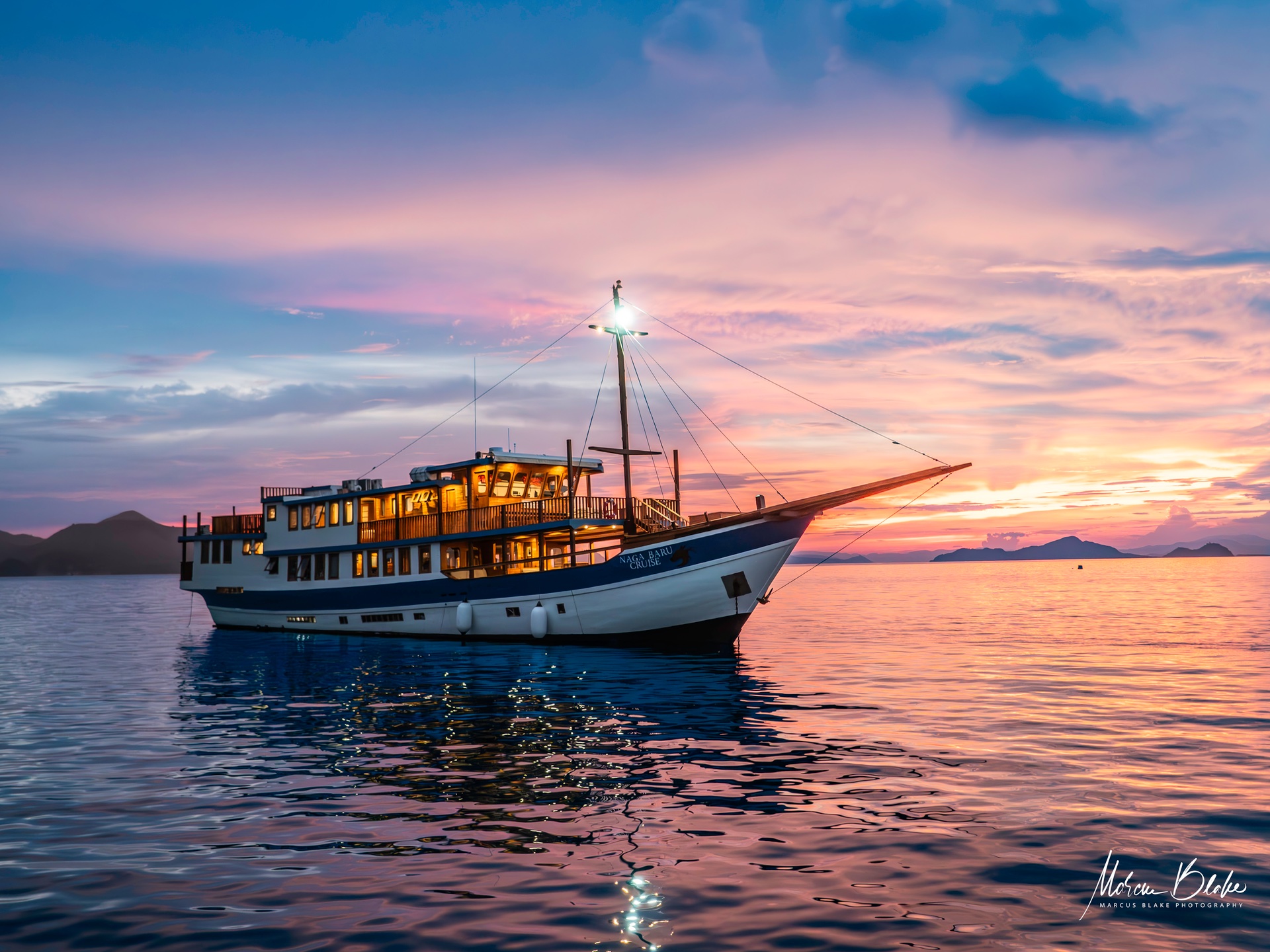
Naga Biru
Indonesia
12 guests40 m
$273/day
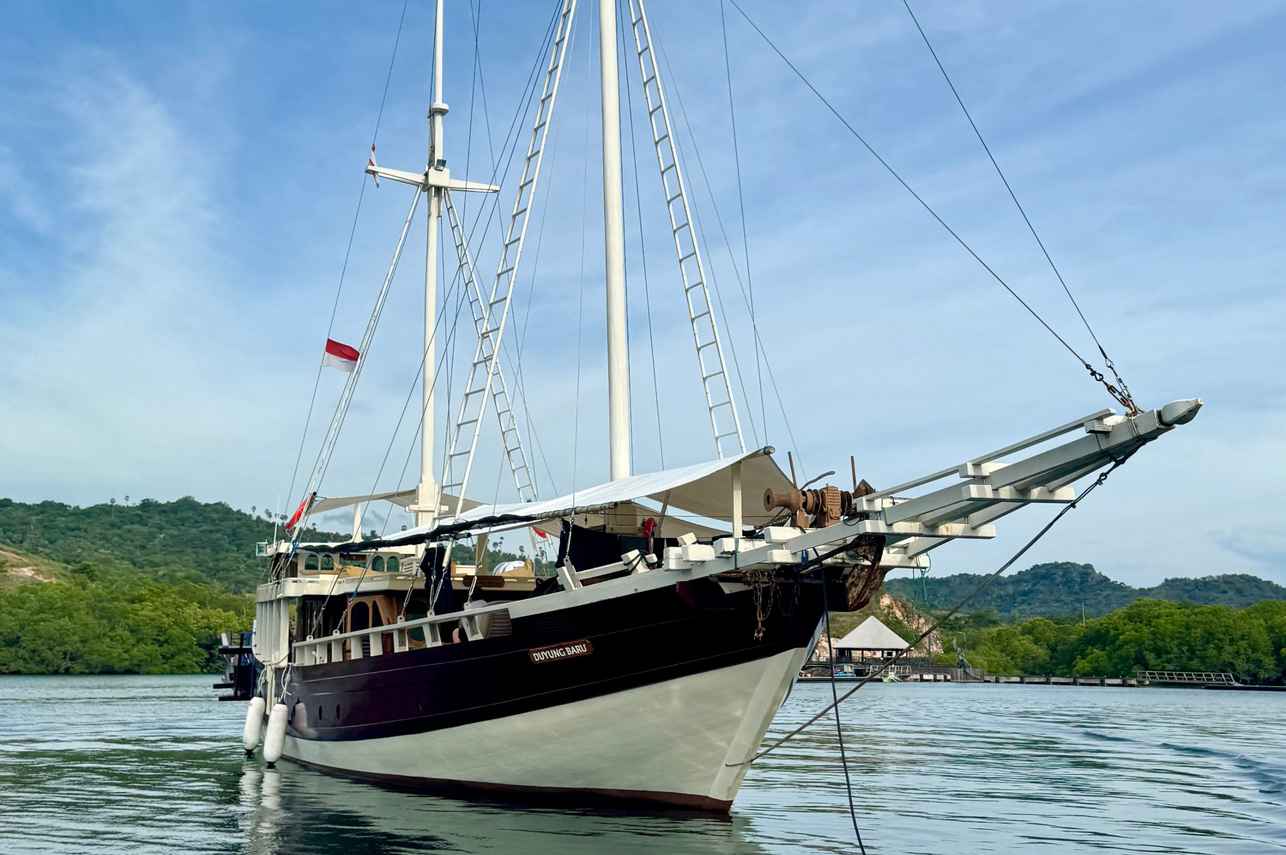
Ecopro Duyung Baru
Indonesia
6 guests27 m
$361/day
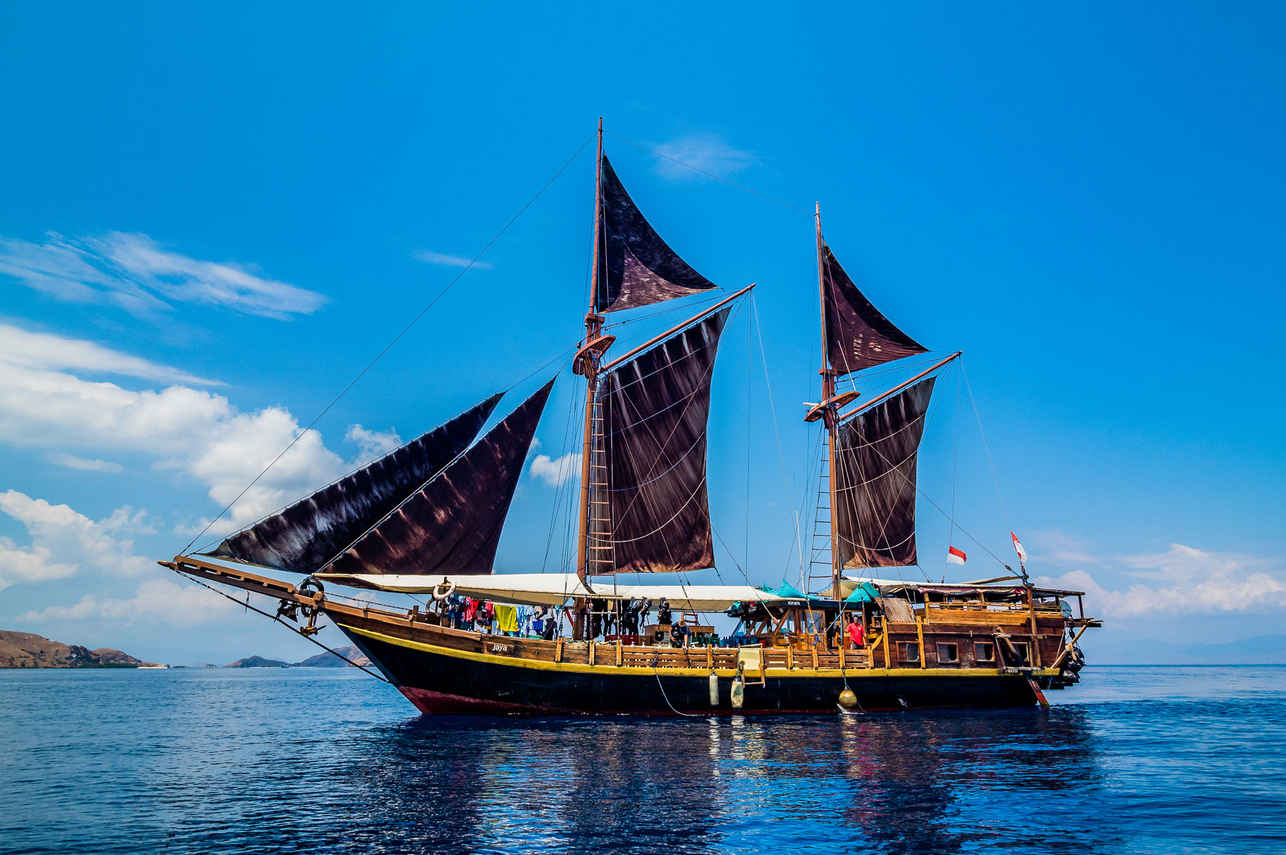
Jaya
Indonesia
14 guests23 m
$280/day
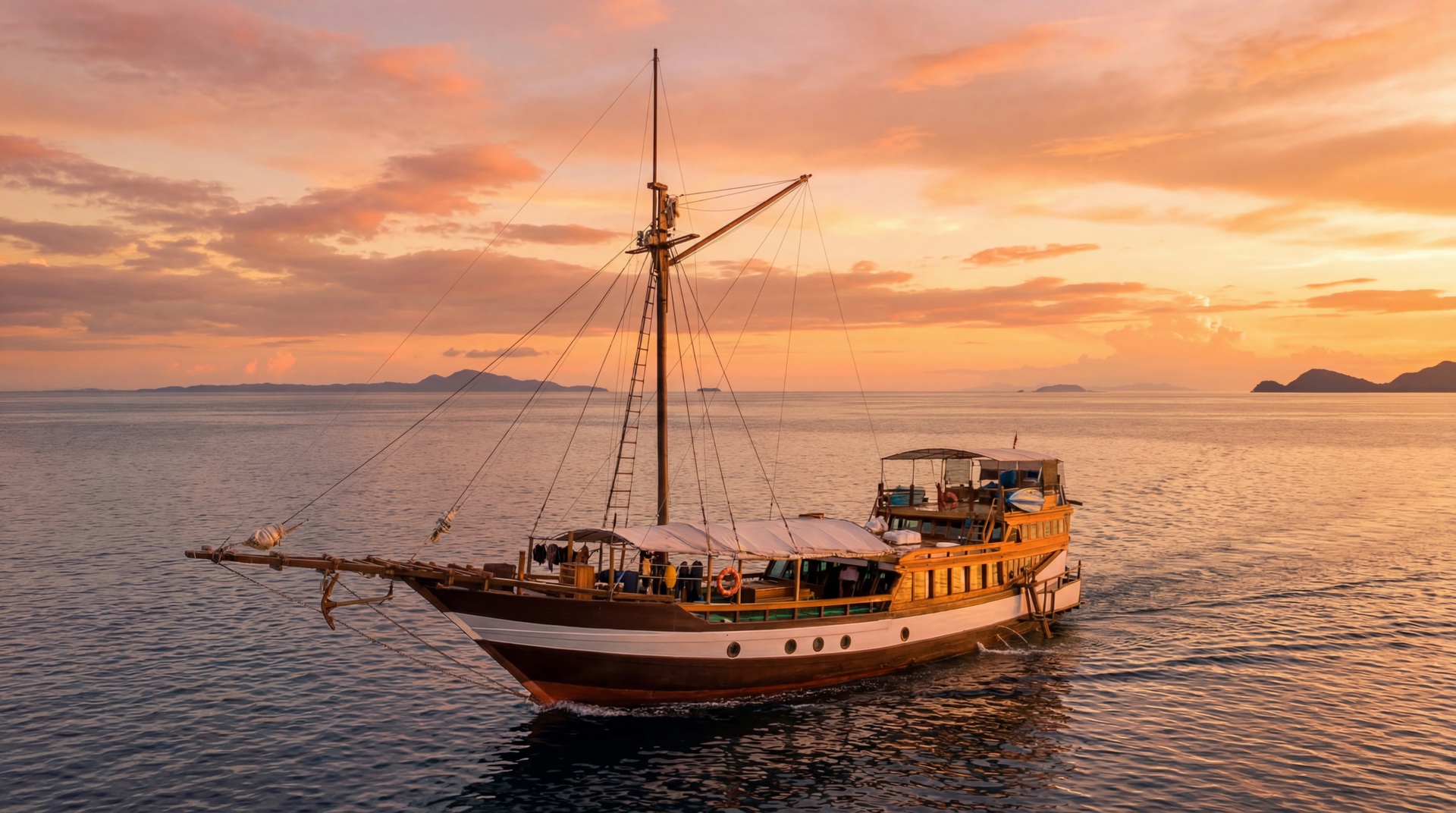
Wellenreng
Indonesia
9 guests25 m
$427/day
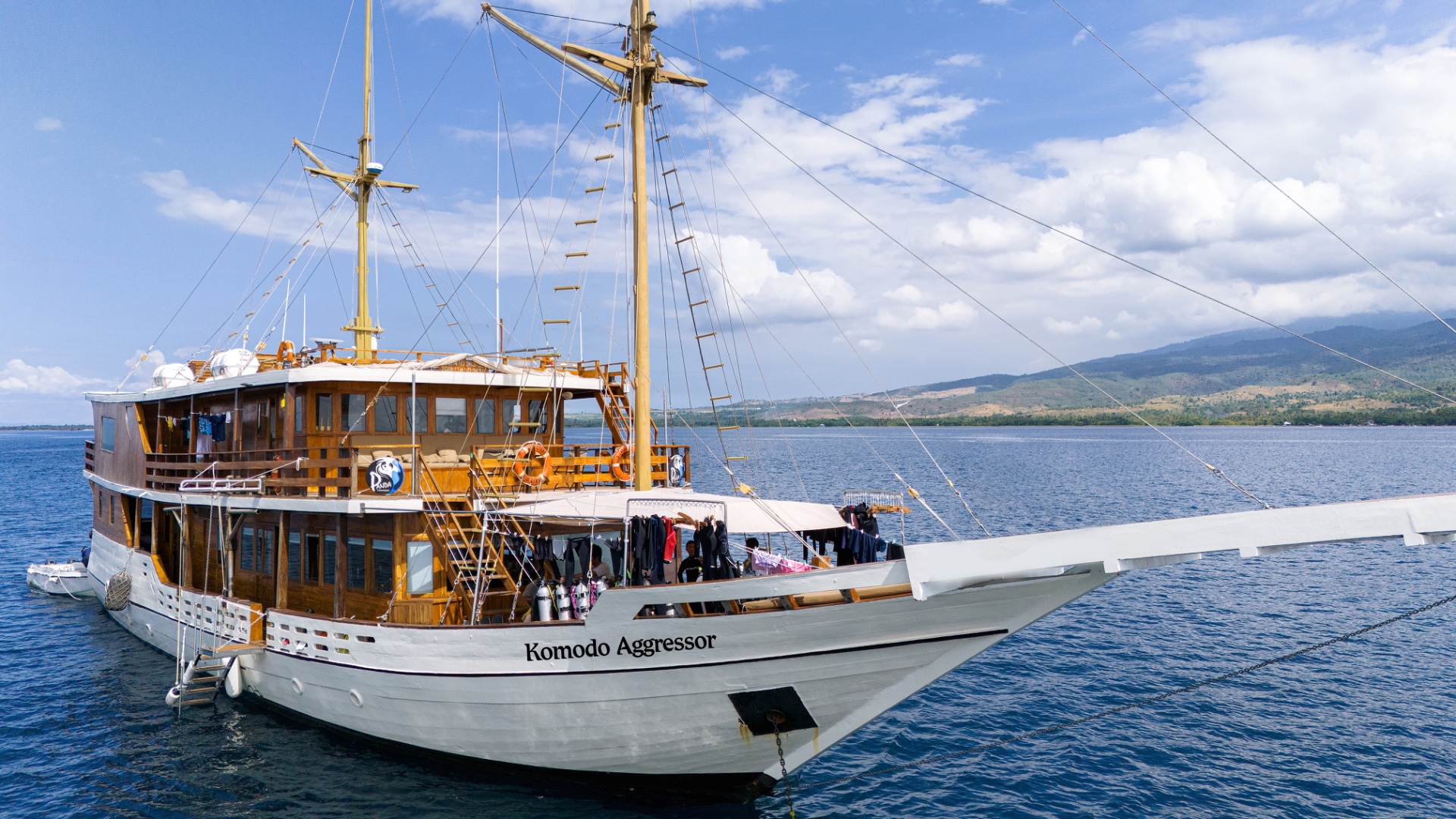
Komodo Aggressor
Komodo, Indonesia
16 guests29 m
$312/day
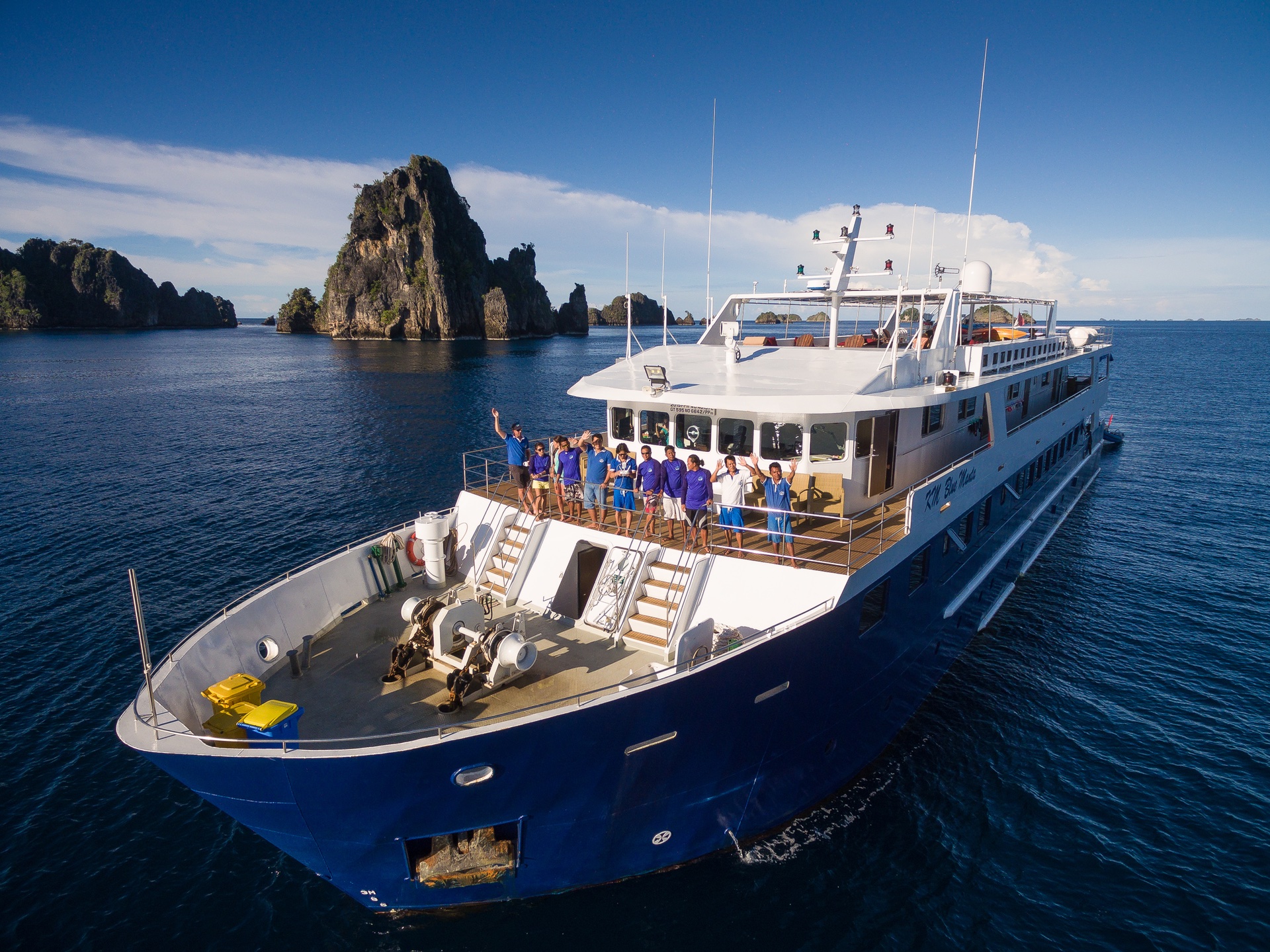
Blue Manta
Indonesia
20 guests45 m
$482/day
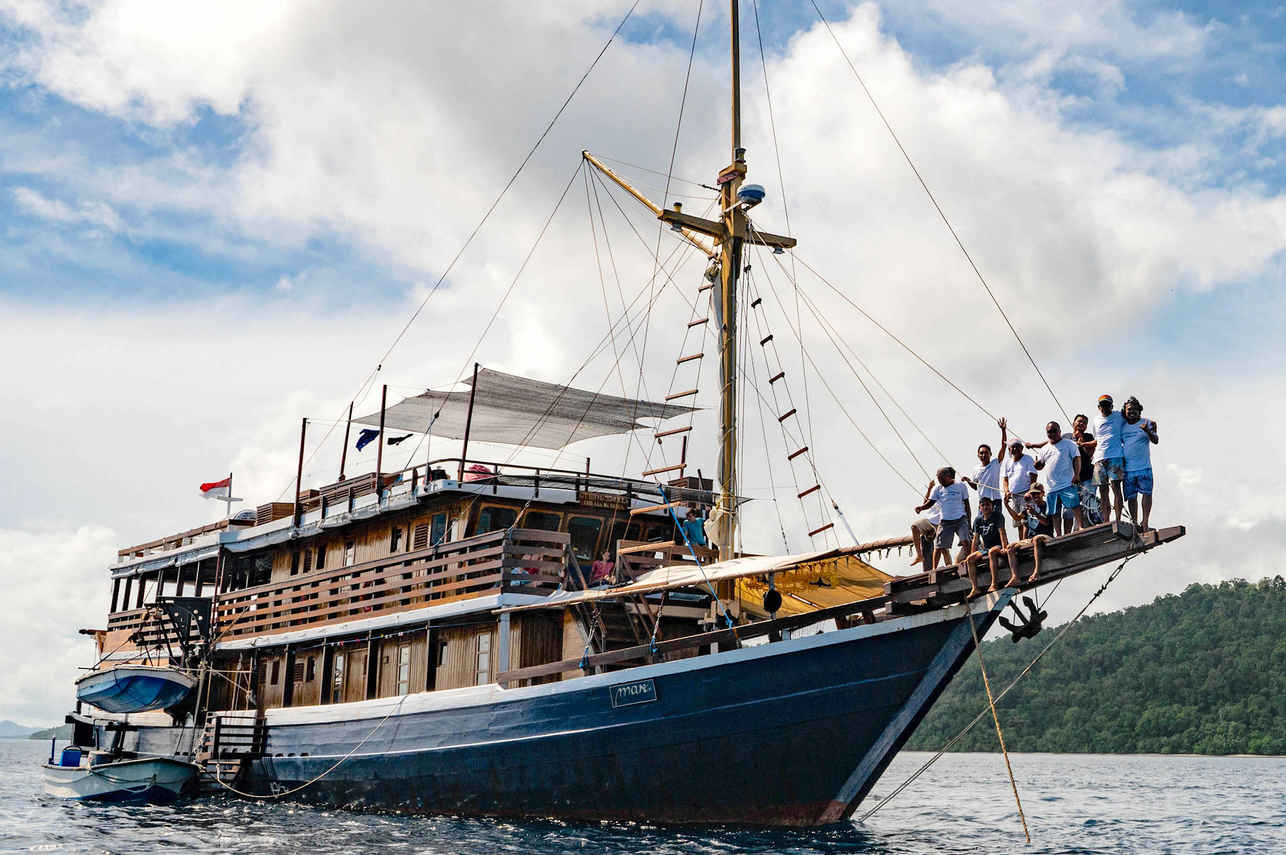
Mari
Indonesia
14 guests32.2 m
$328/day
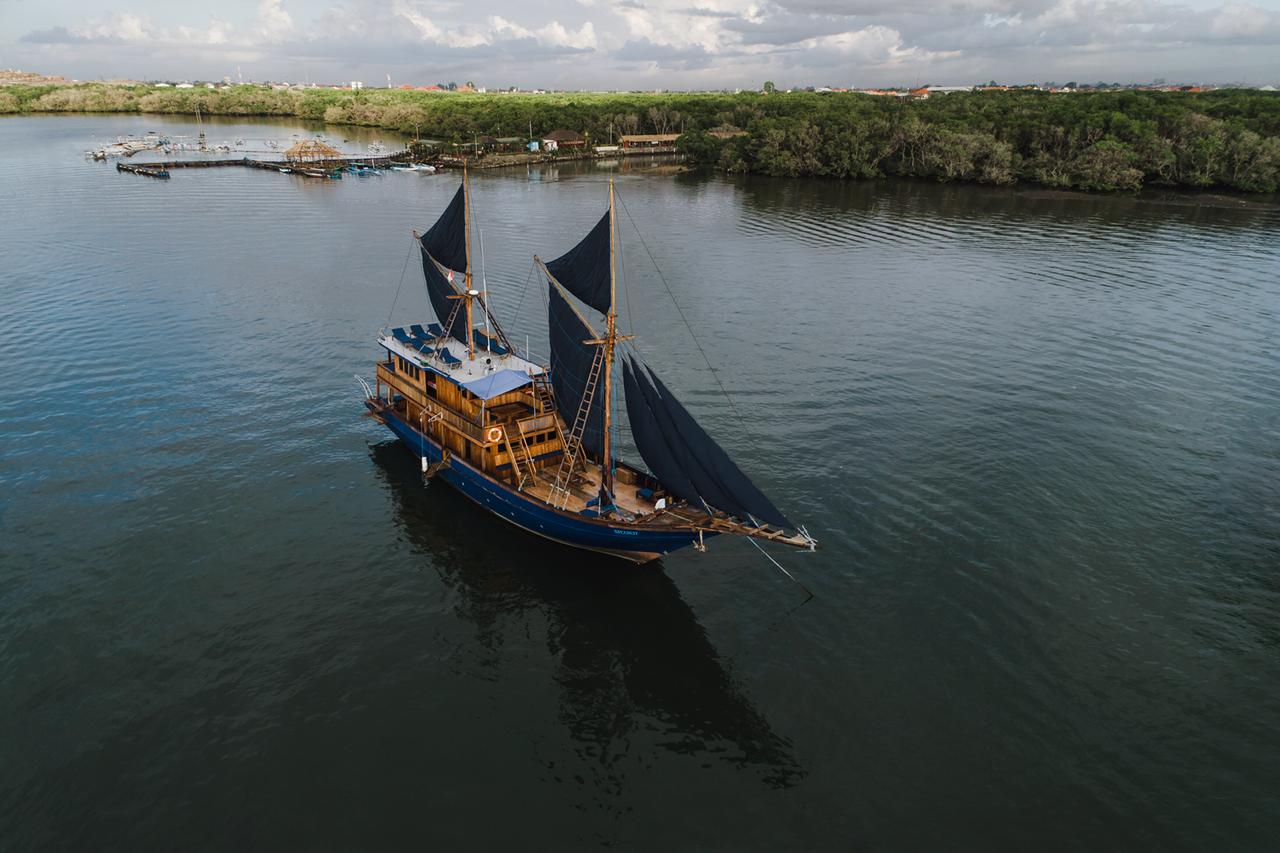
Situju7
Komodo, Indonesia
10 guests32.7 m
$362/day
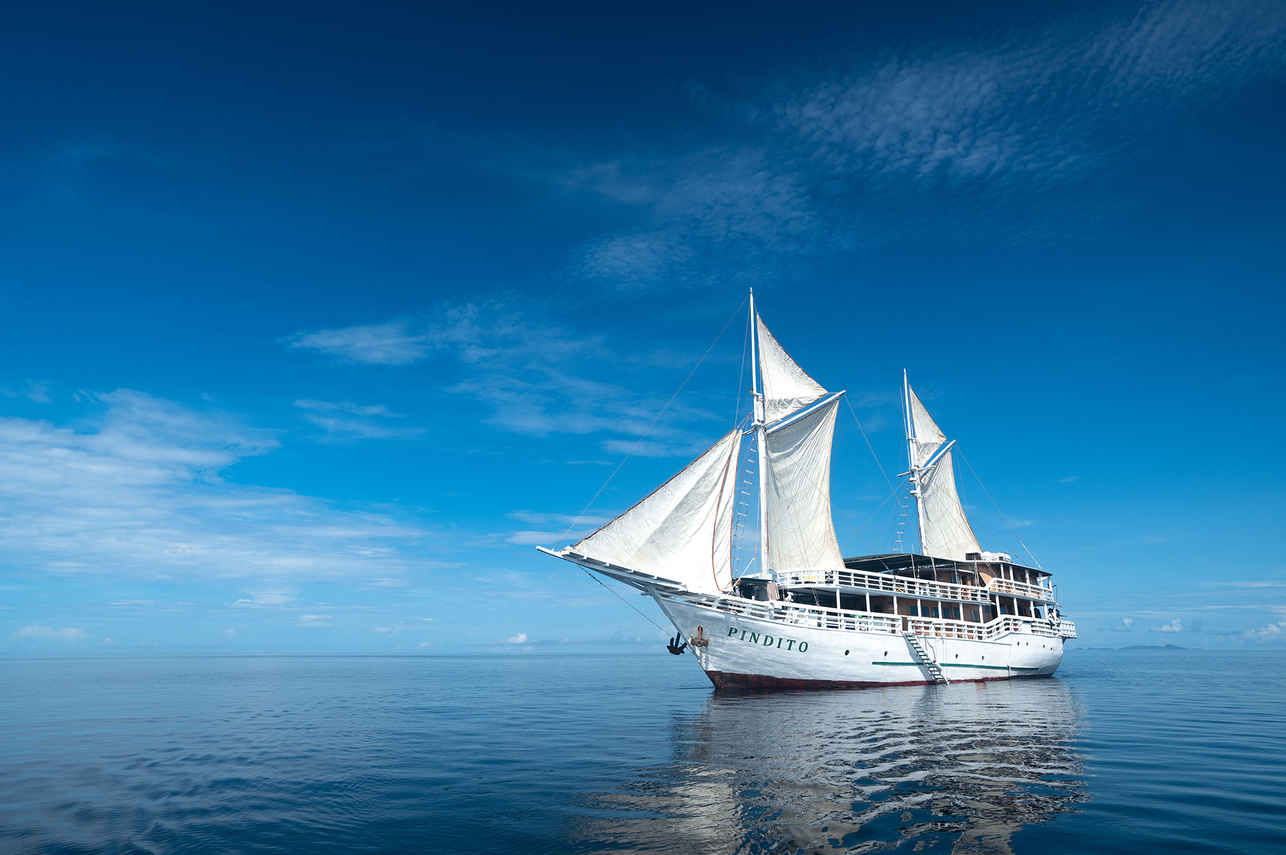
Pindito
Indonesia
16 guests37.79 m
$533/day
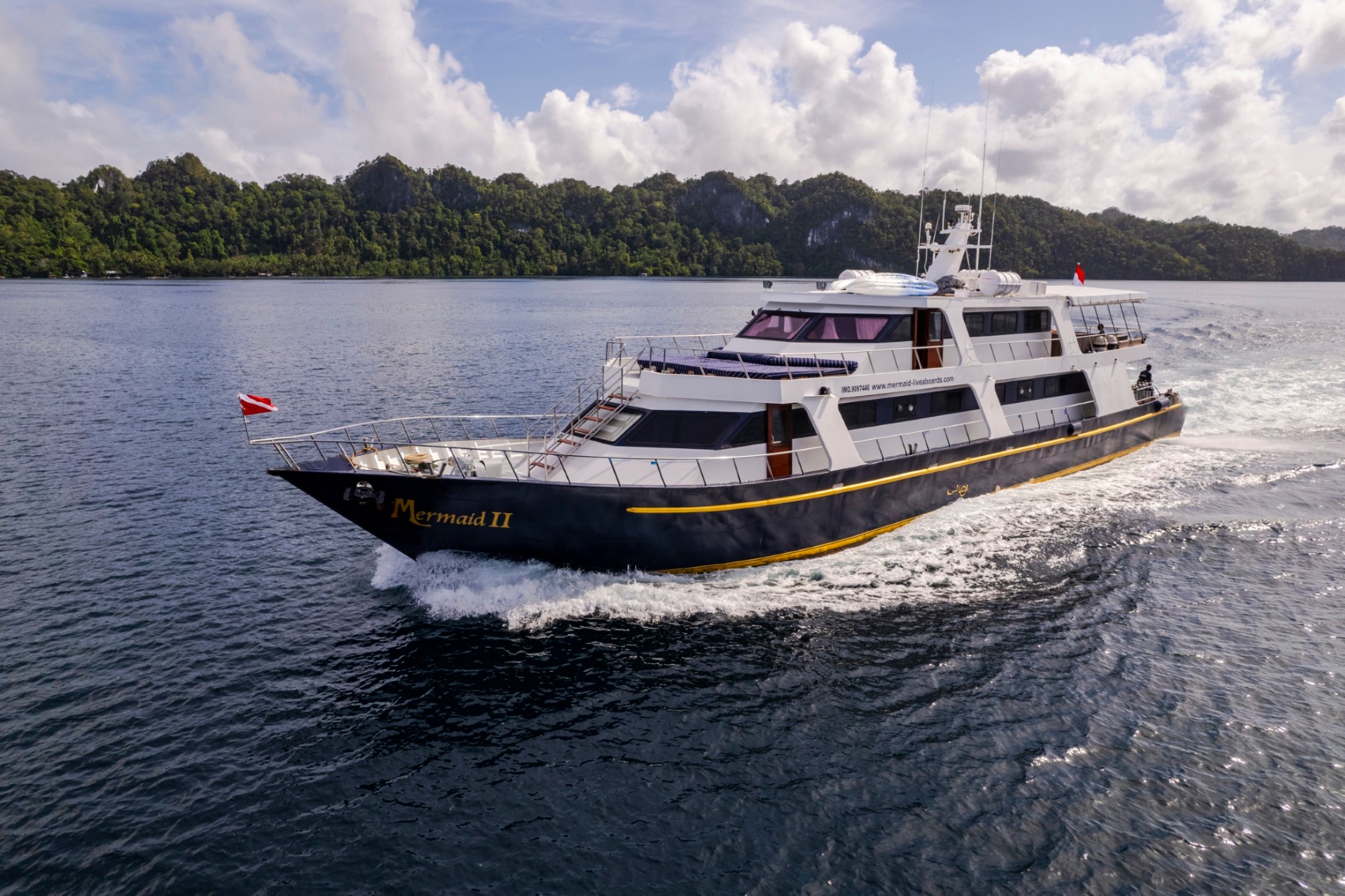
Mermaid II
Komodo, Indonesia
18 guests
$391/day
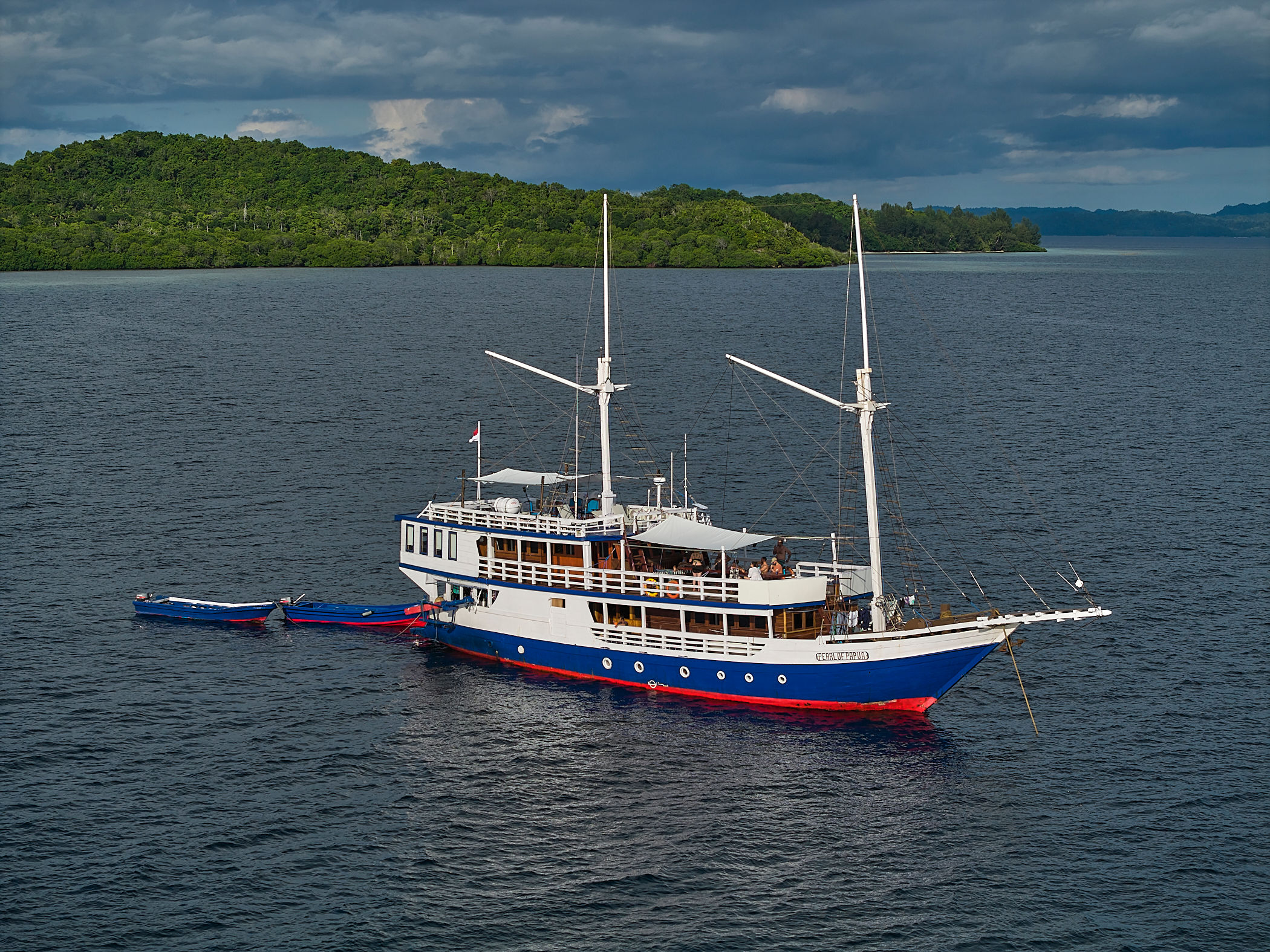
Pearl of Papua
Raja Ampat, Indonesia
14 guests30 m
$303/day
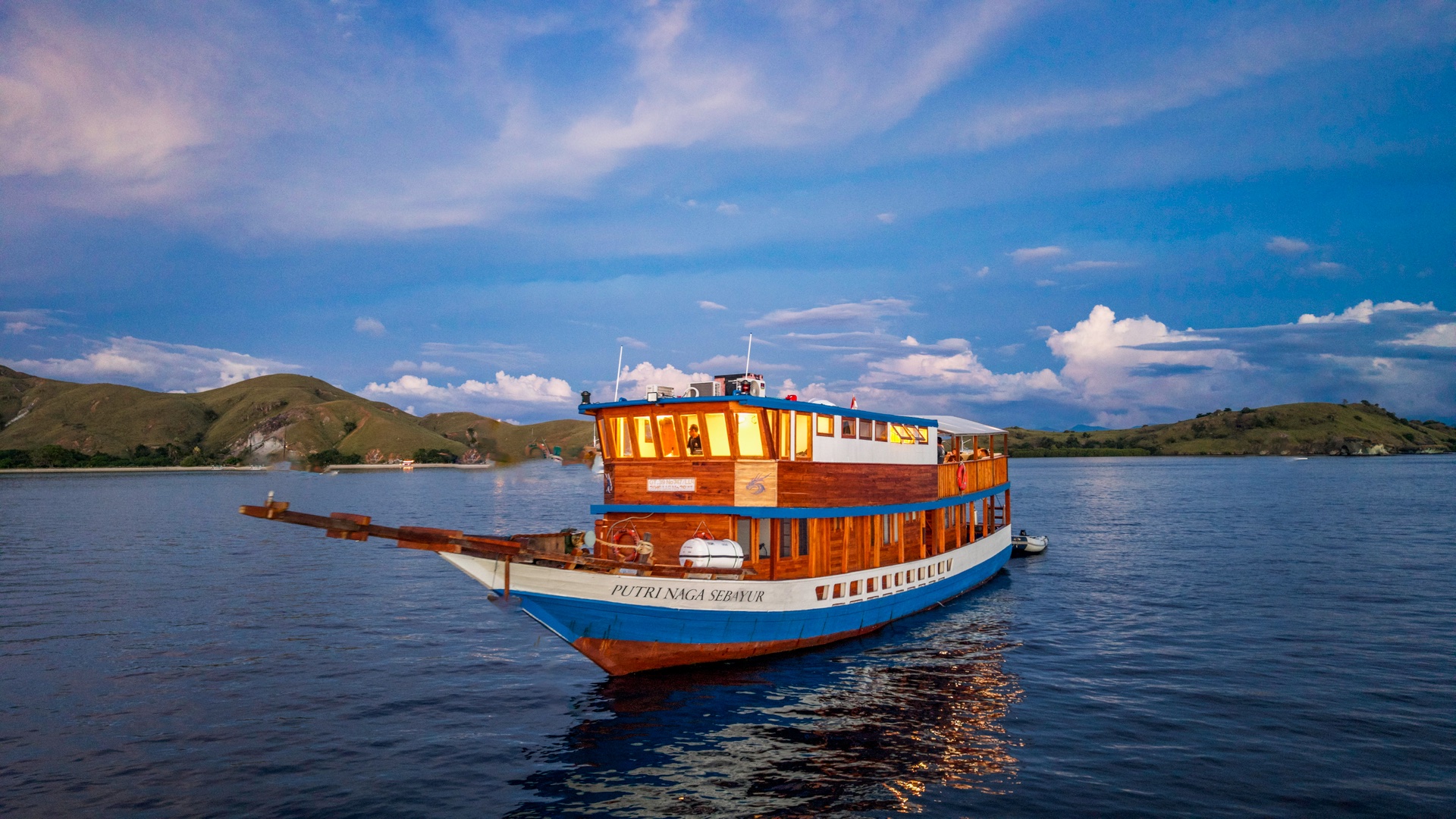
Putri Naga
Komodo, Indonesia
6 guests25 m
Dive sites similar to Wayag Lagoon
Same character, same waters — six more sites divers love for the exact same reasons.Compare seasons, access and liveaboard routes — then pick the site that fits your trip best.
© Esri — Maxar, Earthstar, GIS
Adonara Wall
Indonesia
Adonara is an Indonesian island dive site, renowned for its vibrant underwater topography characterized by submerged seamounts.
- Suitable for
- Intermediate
- Current
- Strong
- Access
- Liveaboard or dayboat
- Depth
- 5–35 m
- Theme
- Seamount / Wall
Babylon is a captivating dive site located in the Alor Sea, renowned for its exceptional visibility and vibrant marine ecosystem.
- Suitable for
- Intermediate
- Current
- Strong
- Access
- Liveaboard or dayboat
- Depth
- 3–20 m
- Theme
- Reef / Wall
© Esri — Maxar, Earthstar, GIS
Shark Close
Indonesia
Shark Close is an exhilarating dive site in the Indonesian portion of Borneo, renowned for its strong currents and abundant marine life.
- Suitable for
- Advanced
- Current
- Strong
- Access
- Liveaboard or dayboat
- Depth
- 5–25 m
- Theme
- Channel / Drift
Wakatobi, an acronym for the islands of Wangi-Wangi, Kaledupa, Tomia, and Binongko, lies in Southeast Sulawesi, Indonesia, at the heart of the Coral Triangle.
- Suitable for
- Beginner
- Current
- No current
- Access
- Liveaboard only
- Depth
- 5–30 m
- Theme
- Wall / Reef
© Esri — Maxar, Earthstar, GIS
Raymond’s Point
Indonesia
Raymond's Point is a distinguished dive site located south of Mike's Point within the Bunaken National Marine Park, renowned for its dramatic vertical wall.
- Suitable for
- Advanced
- Current
- Strong
- Access
- Dayboat
- Depth
- 5–35 m
- Theme
- Reef / Wall
© Esri — Maxar, Earthstar, GIS
Manado Tua
Indonesia
Manado Tua, or 'Old Manado,' is one of five islands that form the Bunaken Marine Park, a celebrated marine protected area in North Sulawesi, Indonesia.
- Suitable for
- Intermediate
- Current
- Moderate
- Access
- Dayboat
- Depth
- 5–80 m
- Theme
- Wall / Drift