About The Equator Islands
The Equator Islands, located in Raja Ampat, Papua, Indonesia, stand as a dynamic dive site characterized by its powerful currents and exceptional marine biodiversity. Depths here span from 5 to 40 meters, making it an ideal location for experienced divers who thrive on drift diving experiences. The underwater topography features dramatic steep drop-offs and rocky outcrops that provide shelter for diverse reef fish, contributing to a rich and vibrant ecosystem. Divers navigate through expansive coral gardens, which include striking black corals that create a unique visual backdrop. The clear waters often afford visibility exceeding 20 meters, allowing for a full appreciation of the site's colorful inhabitants and intricate structures. This area is renowned for its abundant schools of snapper and fusiliers, which frequently traverse the currents. Beyond the schooling fish, divers can encounter larger pelagic species such as Napoleon wrasse and sleek barracuda patrolling the waters. The occasional reef shark also glides through, and playful turtles are a common sight. The rich marine life, combined with the challenging current conditions, offers a truly dynamic and colorful underwater adventure. Positioned in the heart of the Coral Triangle, this site exemplifies Raja Ampat's reputation as a world-class diving destination. The unique equatorial phenomenon of the "midnight sun" occasionally adds a captivating twilight period to dives, further enhancing the allure of exploring this thriving marine environment.
Highlights
Strong currentsDrift divingVibrant coral gardensBlack coralsSchools of snapperNapoleon wrasseBarracuda sightingsReef sharks and turtles
Season calendar
Best months to dive here
Jan
Feb
Mar
Apr
May
Jun
Jul
Aug
Sep
Oct
Nov
Dec
Excellent
Good
Dive site facts: The Equator Islands
- Depth
- 5–40 m
- Current
- Strong
- Visibility
- 20+ m
- Water temperature
- 27–30°C
- Entry
- Boat
- Level
- Advanced
- Dive type
- Drift, coral gardens, pelagic
- Region / port
- Raja Ampat, Papua, Indonesia
- Coordinates
- 0.0034, 130.1664
Conditions & Currents
The Equator Islands are known for strong currents, particularly during tidal shifts, which create an exhilarating drift diving experience. These currents are a key feature, dictating the dive profile and requiring advanced diving skills. Divers should be prepared for rapid movement and plan their entry and exit carefully, typically involving tender drops and live pick-ups by the boat. While visibility often exceeds 20 meters, it can occasionally be reduced by plankton blooms, though this also attracts abundant marine life. There is no mention of thermoclines or significant surge beyond current-driven movement, but the dynamic water flow means divers must maintain excellent buoyancy and be mindful of their air consumption due to increased exertion.
Marine life & sighting chances
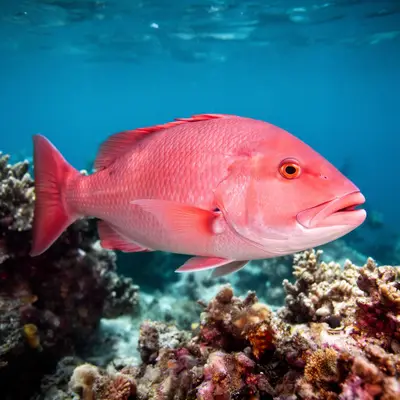
Snapper
common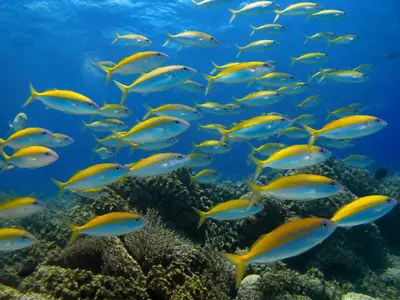
Fusiliers
common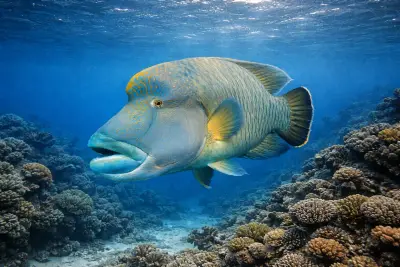
Napoleon Wrasse
occasional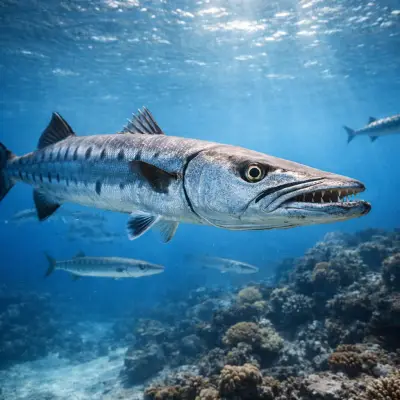
Barracuda
occasional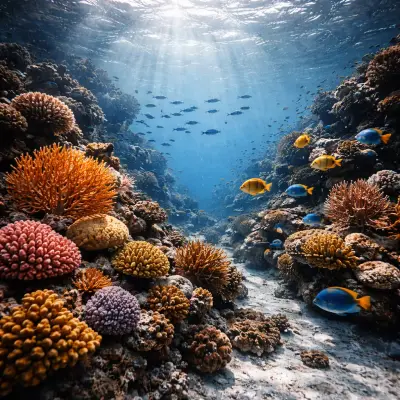
Black Coral
common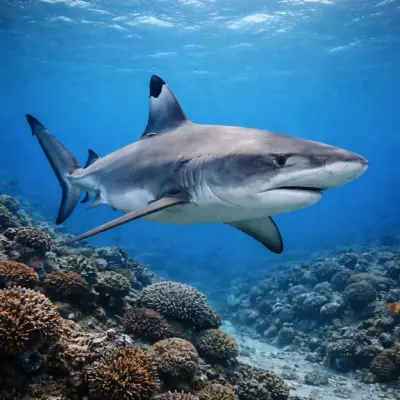
Reef Shark
occasional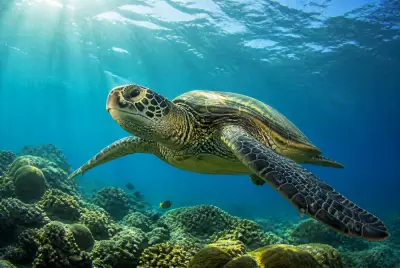
Turtle
occasional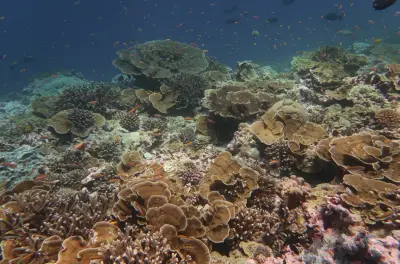
Reef Fish
commonDive profile & how the dive runs
Diving at the Equator Islands typically involves a boat entry, often a tender drop due to strong currents. Divers immediately descend into depths ranging from 5 to 40 meters, experiencing a dynamic drift along the steep drop-offs and rocky outcrops. The route is largely determined by the prevailing current, guiding divers through vibrant coral gardens adorned with black corals. Focus is often on observing the schooling fish like snapper and fusiliers, as well as patrolling barracuda and Napoleon wrasse. Divers should maintain excellent buoyancy control to navigate the strong flow and utilize reef hooks when necessary to observe marine life. The turn point is usually dictated by air consumption or drift distance, with the boat performing a live pick-up at the end of the dive. Safety stops are executed in the blue, or if conditions allow, by finding a sheltered patch of reef at 5 meters for the duration.
Underwater photography
Capturing the dynamic environment of the Equator Islands, especially its schooling fish and pelagics in strong currents, benefits from wide-angle lenses. Consider a fisheye or rectilinear wide-angle to encompass the extensive coral gardens and dramatic topography. For ambient light shots of large schools, ensure a fast shutter speed to freeze motion. When photographing black corals or larger reef inhabitants, strobes are essential to bring out color and detail, balancing natural light with artificial. Due to potential strong currents, maintaining pristine buoyancy is paramount to avoid reef contact and achieve stable shots. Be prepared for drift photography, anticipating subjects and quick framing.
Combine with nearby dive sites
Getting there & logistics
Access to The Equator Islands is primarily via liveaboard trips exploring the Northern Raja Ampat region, typically departing from Sorong. International flights usually land at Jakarta (CGK) or Bali (DPS), followed by domestic flights to Sorong (SOQ). Liveaboard itineraries focusing on North Raja Ampat, such as those offered by Dewi Nusantara, commonly combine this site with others like Wayag, Aljui Bay, and the Dampier Strait. These trips range from 7 to 14 nights, providing comprehensive access to remote dive locations. While specific permit or park fees for Raja Ampat are usually included in liveaboard packages, divers should confirm this with their operator. The remote nature of the region means pre-booking liveaboard space is crucial.
Safety & environment
Diving at the Equator Islands requires advanced certification and significant experience with strong currents due to its challenging conditions. Divers should always carry a surface marker buoy (SMB) and a dive computer. The nearest recompression chamber is located in Waisai, Raja Ampat, but evacuation from remote areas like the Equator Islands can be complex and time-consuming, potentially involving multiple stages of transport. Comprehensive dive insurance, including coverage for medical emergencies and emergency evacuation, is therefore highly recommended and often a prerequisite for liveaboard trips in Raja Ampat. Divers must always follow their guide's instructions, especially regarding entry and exit procedures and managing current-exposed areas.
Who it suits — and who it doesn't
Suited for
- Advanced divers with current experience
- Enthusiasts of drift diving
- Divers seeking pelagic encounters and large schools
- Underwater photographers with wide-angle focus
Less suited for
- Beginner divers or those without current training
- Divers prone to seasickness
- Those preferring calm, shallow dives
- Divers with limited buoyancy control
FAQ
The Equator Islands FAQ
What kind of currents can I expect at the Equator Islands?
The Equator Islands are well-known for strong currents, particularly during tidal changes. These powerful flows create an exhilarating drift diving experience, making it a site best suited for advanced divers with experience navigating dynamic water conditions. Divers should be prepared for rapid movement and plan their dive accordingly.
What marine life is commonly seen at the Equator Islands?
Divers frequently encounter large schools of snapper and fusiliers that thrive in the rich currents. You can also expect to see majestic Napoleon wrasse, sleek barracuda, and occasional reef sharks. The vibrant coral gardens are home to diverse reef fish, and turtles are often spotted gliding by.
What is the typical depth range for diving at this site?
The dive site features depths ranging from 5 to 40 meters. This allows for exploration of both shallow coral gardens and deeper drop-offs. Divers should be comfortable with varying depths and be mindful of their no-decompression limits, especially during drift dives.
Is the Equator Islands dive site suitable for beginners?
No, the Equator Islands are considered an advanced dive site due to the strong currents and potential for challenging conditions. It is recommended for experienced divers who have prior training and comfort with drift diving. Beginners or those without extensive current experience should opt for calmer sites in Raja Ampat.
When is the best time of year to dive the Equator Islands?
The prime diving season for the Equator Islands, aligning with the broader Raja Ampat region, is from October to April. During these months, you can expect calmer seas, excellent visibility, and warm water temperatures. This period also often coincides with increased pelagic activity.
Why dive The Equator Islands from a liveaboard?
The Equator Islands is one of Indonesia's signature dive sites. A liveaboard sleeps you on the water and puts you in the water for three to four guided dives per day, including dawn and night dives that day-boat operators rarely offer. You skip the daily commute back to port and reach quieter, less-crowded sites in the same region on a single trip.
Below are the liveaboards that include The Equator Islands on their Indonesia itineraries.
Liveaboards diving The Equator Islands
These liveaboards may visit The Equator Islands on selected itineraries — the exact dive sites depend on departure, weather and conditions.
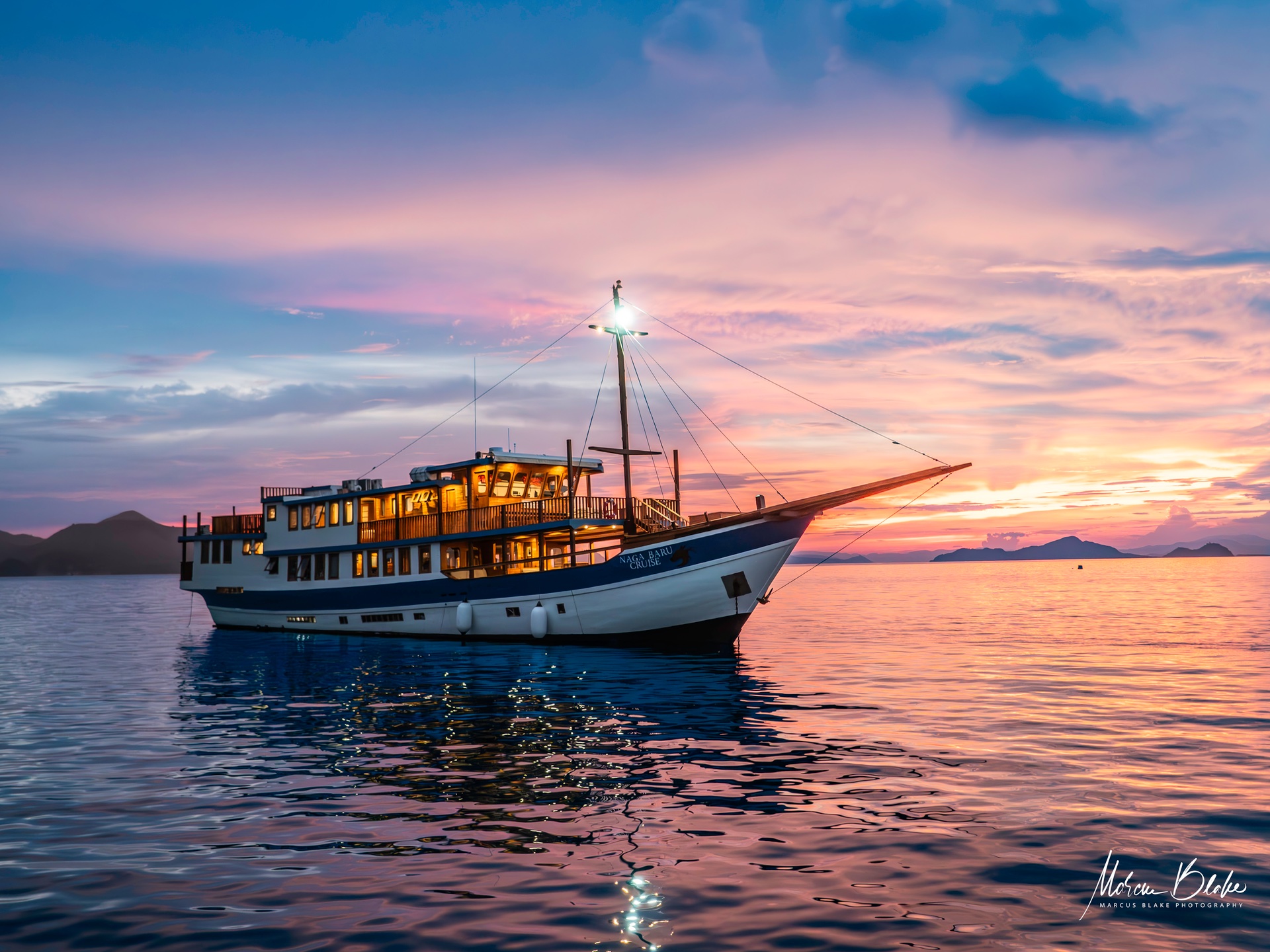
Naga Biru
Indonesia
12 guests40 m
$274/day
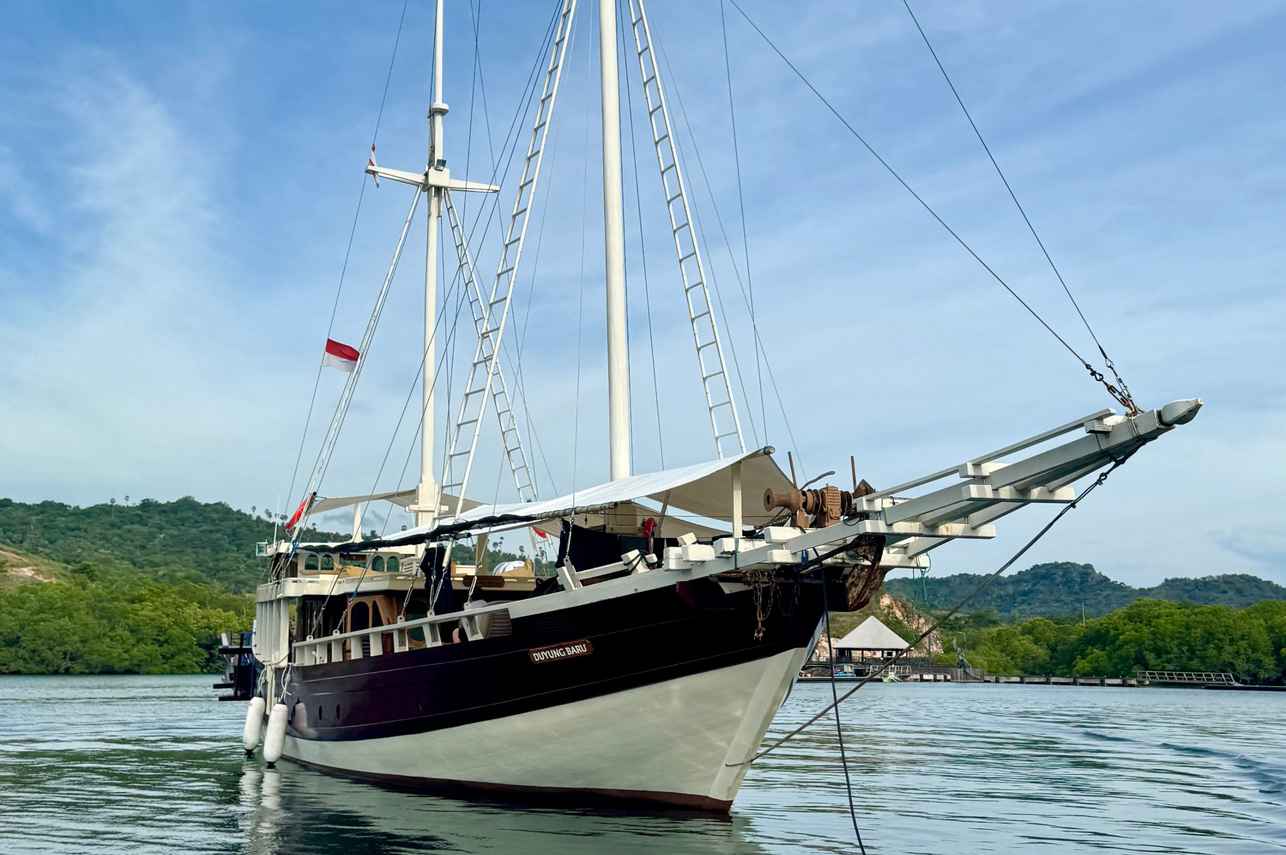
Ecopro Duyung Baru
Indonesia
6 guests27 m
$361/day
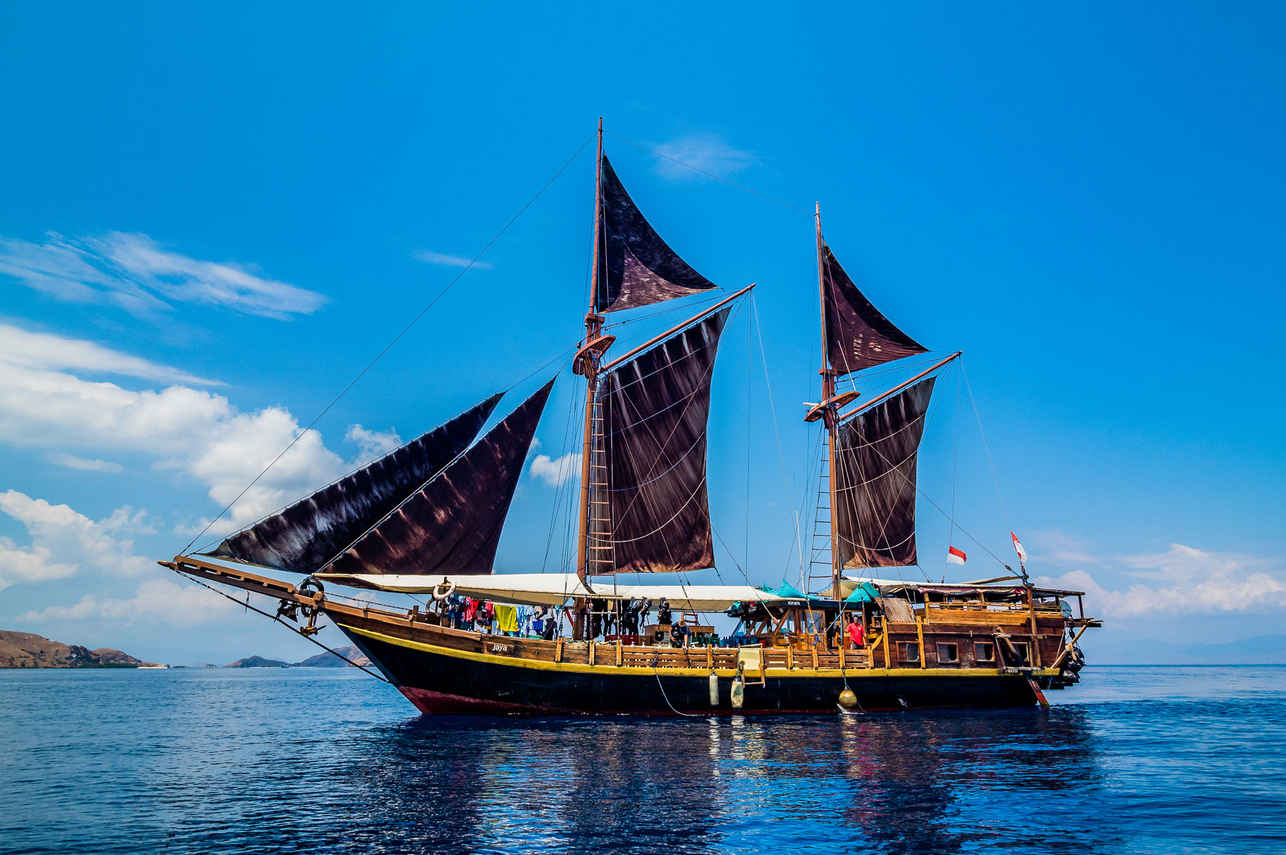
Jaya
Indonesia
14 guests23 m
$280/day
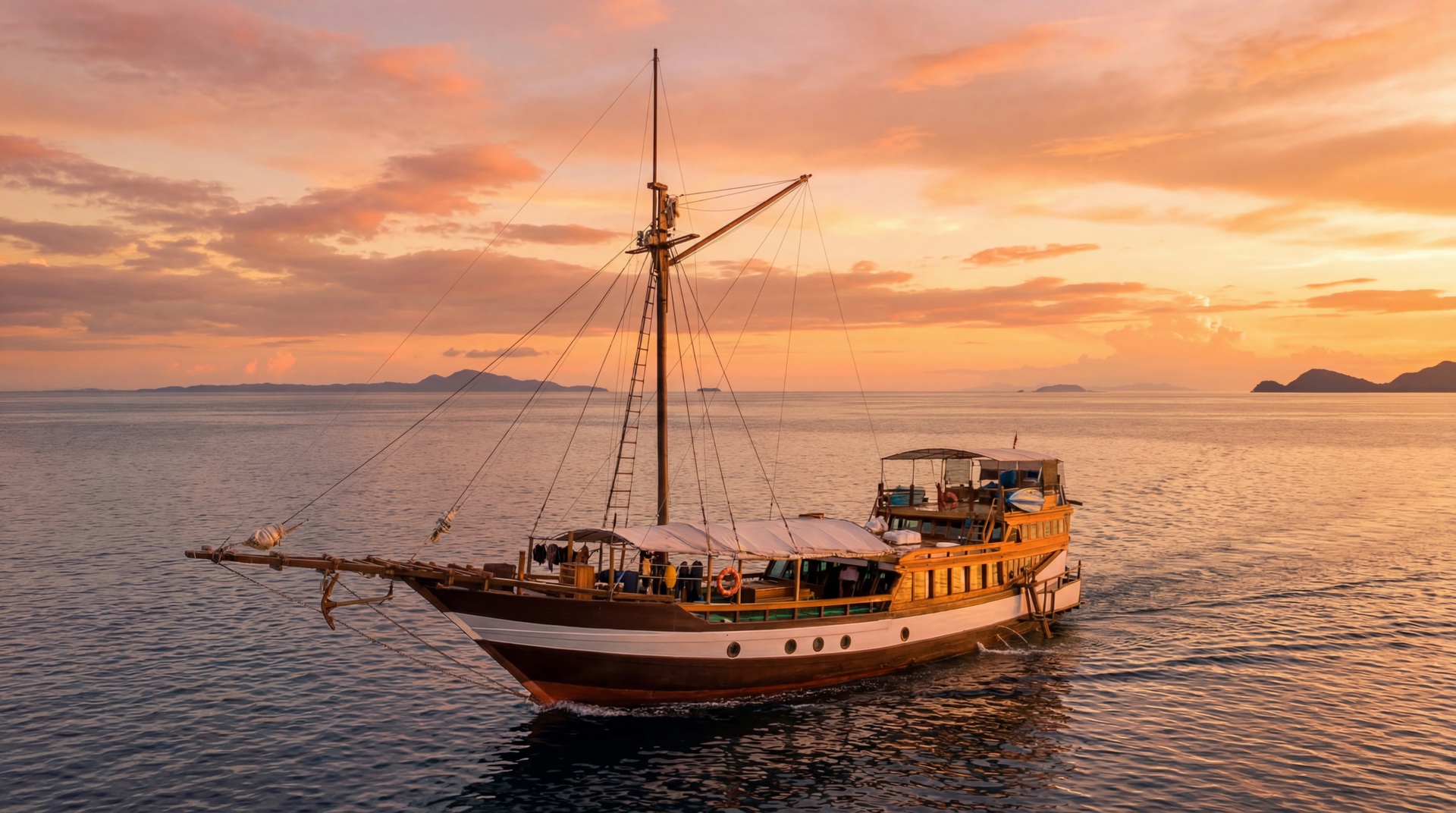
Wellenreng
Indonesia
9 guests25 m
$427/day
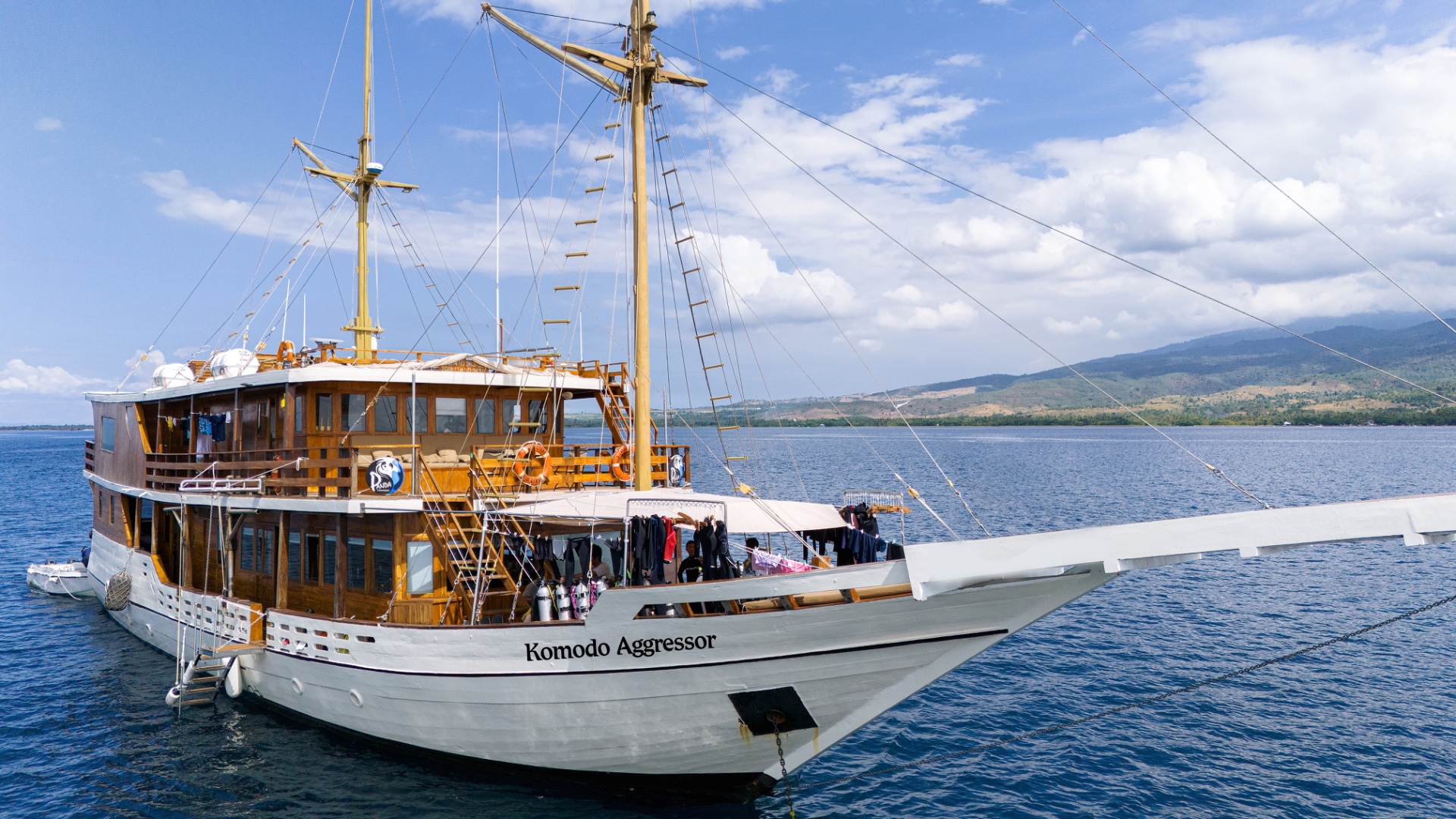
Komodo Aggressor
Komodo, Indonesia
16 guests29 m
$312/day
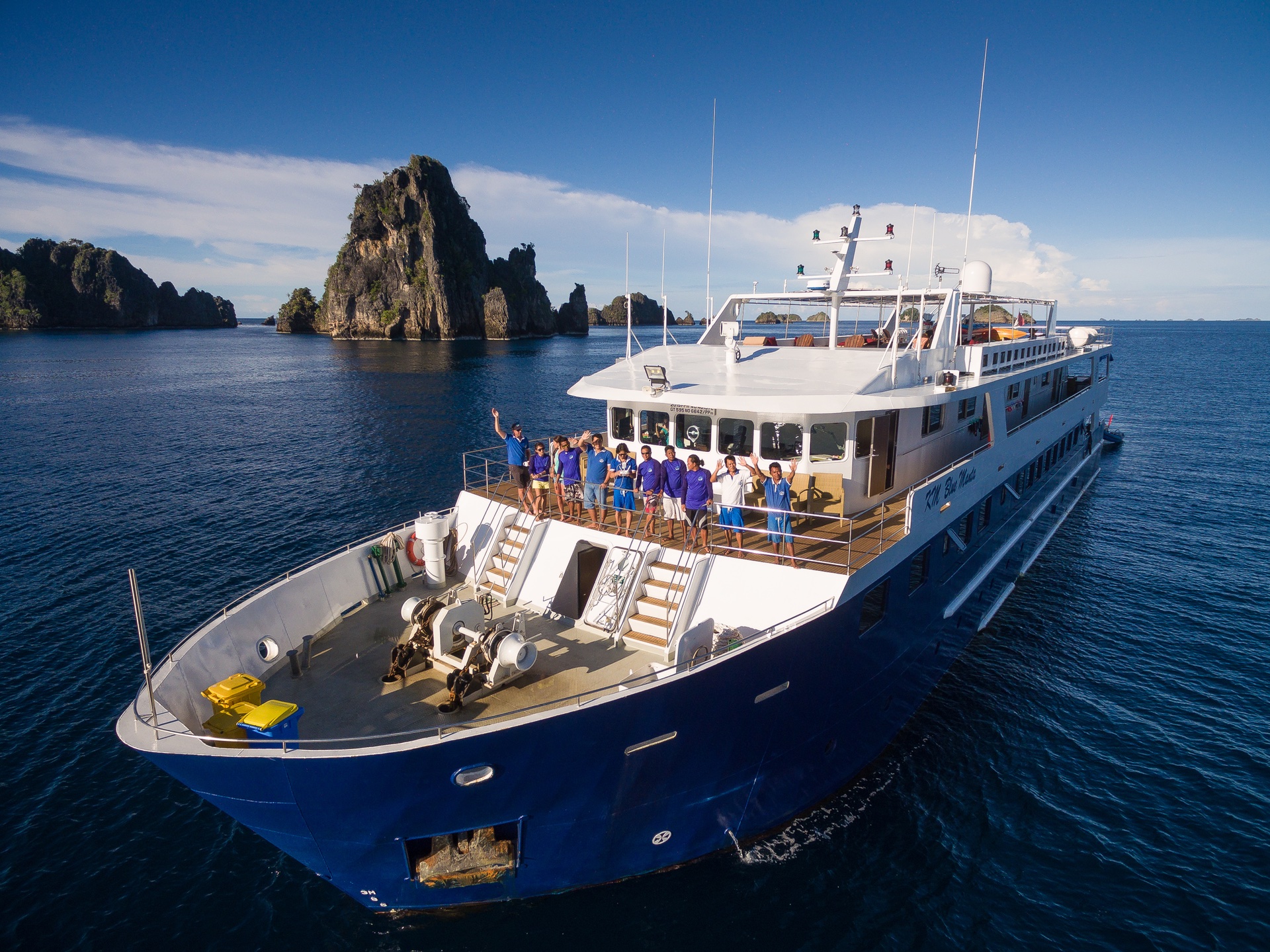
Blue Manta
Indonesia
20 guests45 m
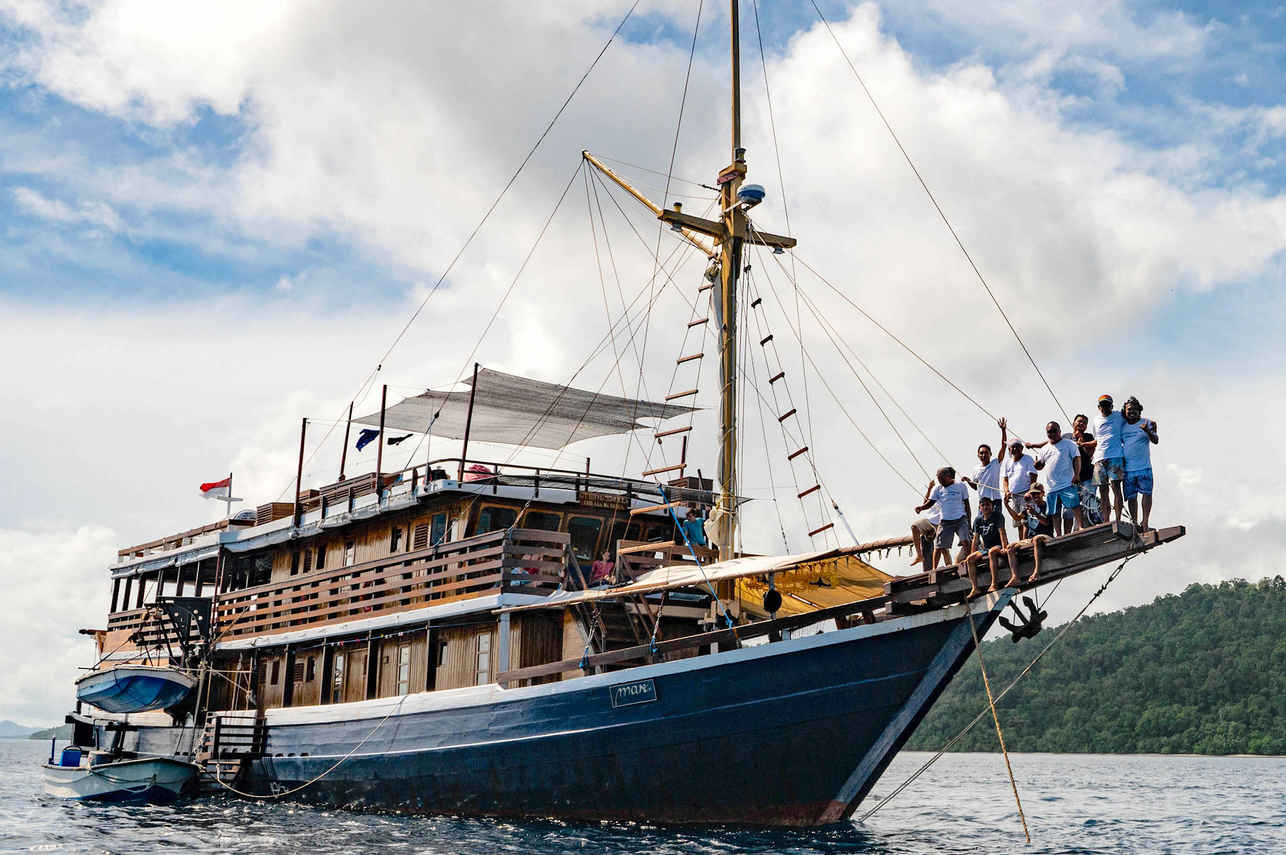
Mari
Indonesia
14 guests32.2 m
$328/day
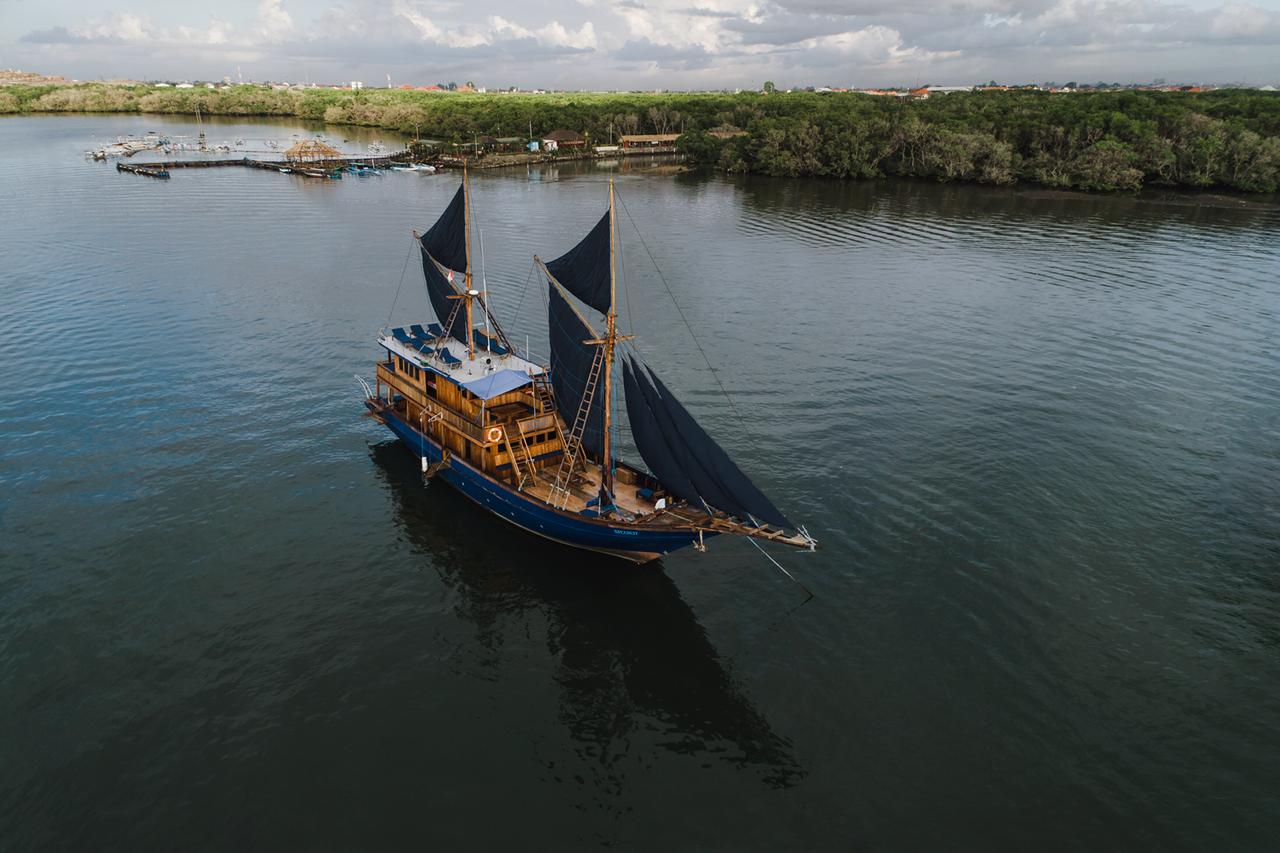
Situju7
Komodo, Indonesia
10 guests32.7 m
$362/day
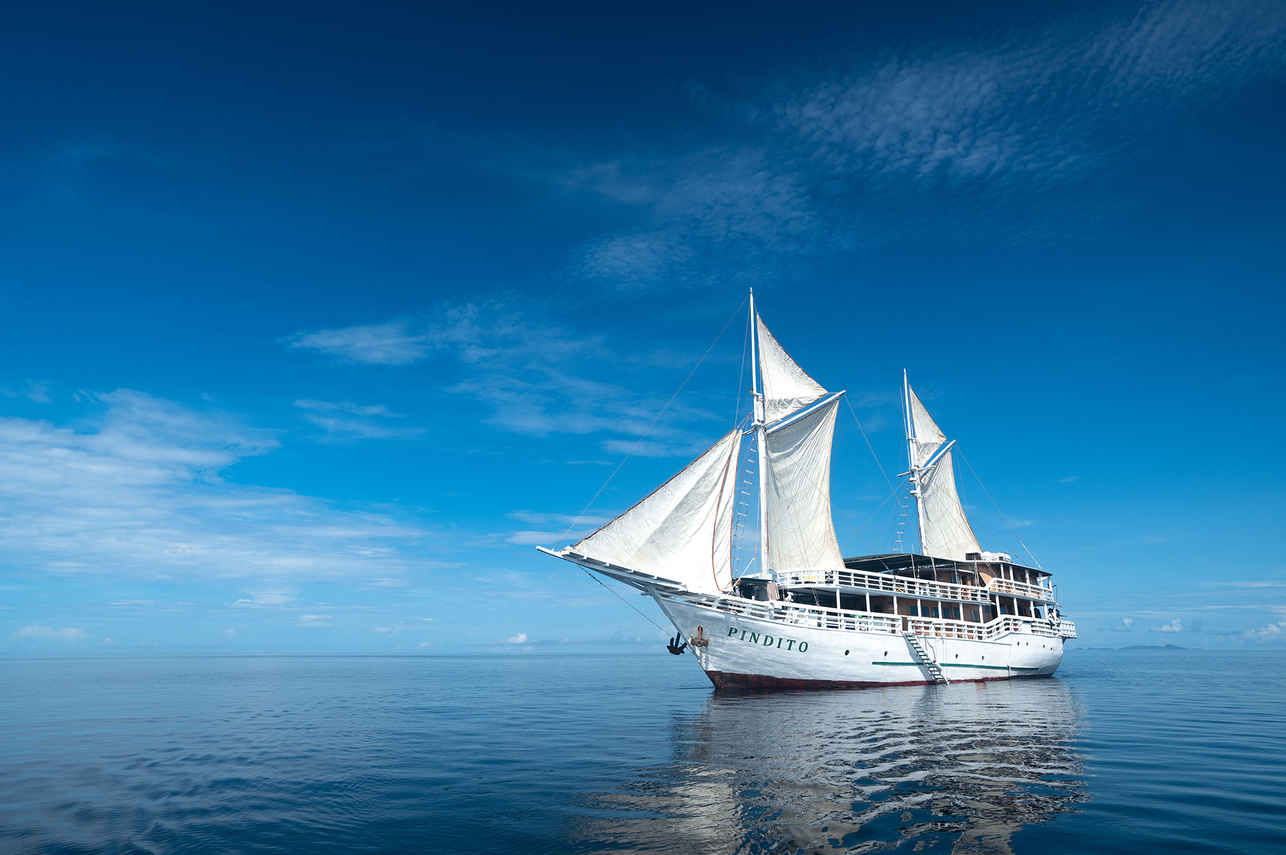
Pindito
Indonesia
16 guests37.79 m
$533/day
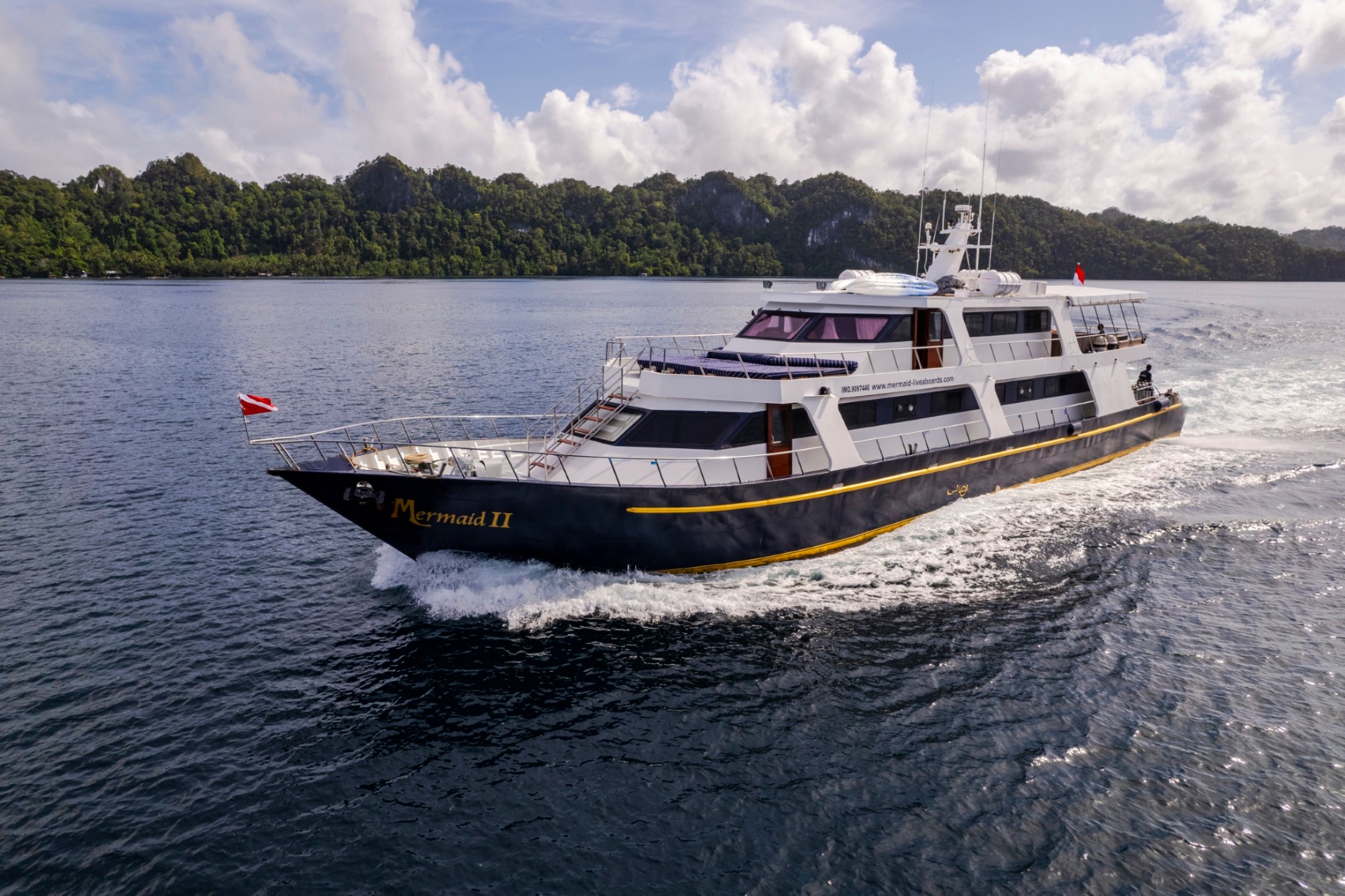
Mermaid II
Komodo, Indonesia
18 guests
$355/day
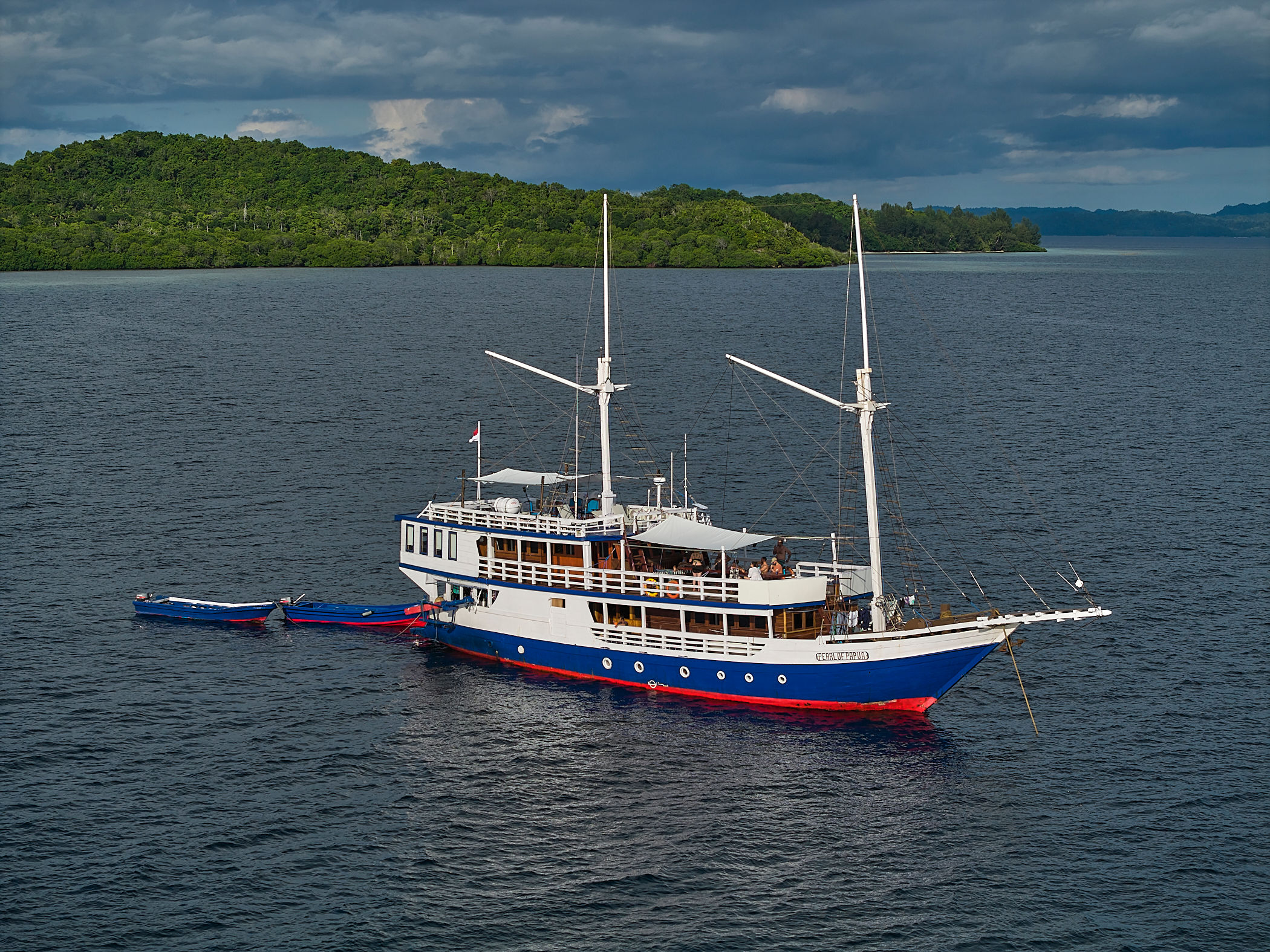
Pearl of Papua
Raja Ampat, Indonesia
14 guests30 m
$303/day
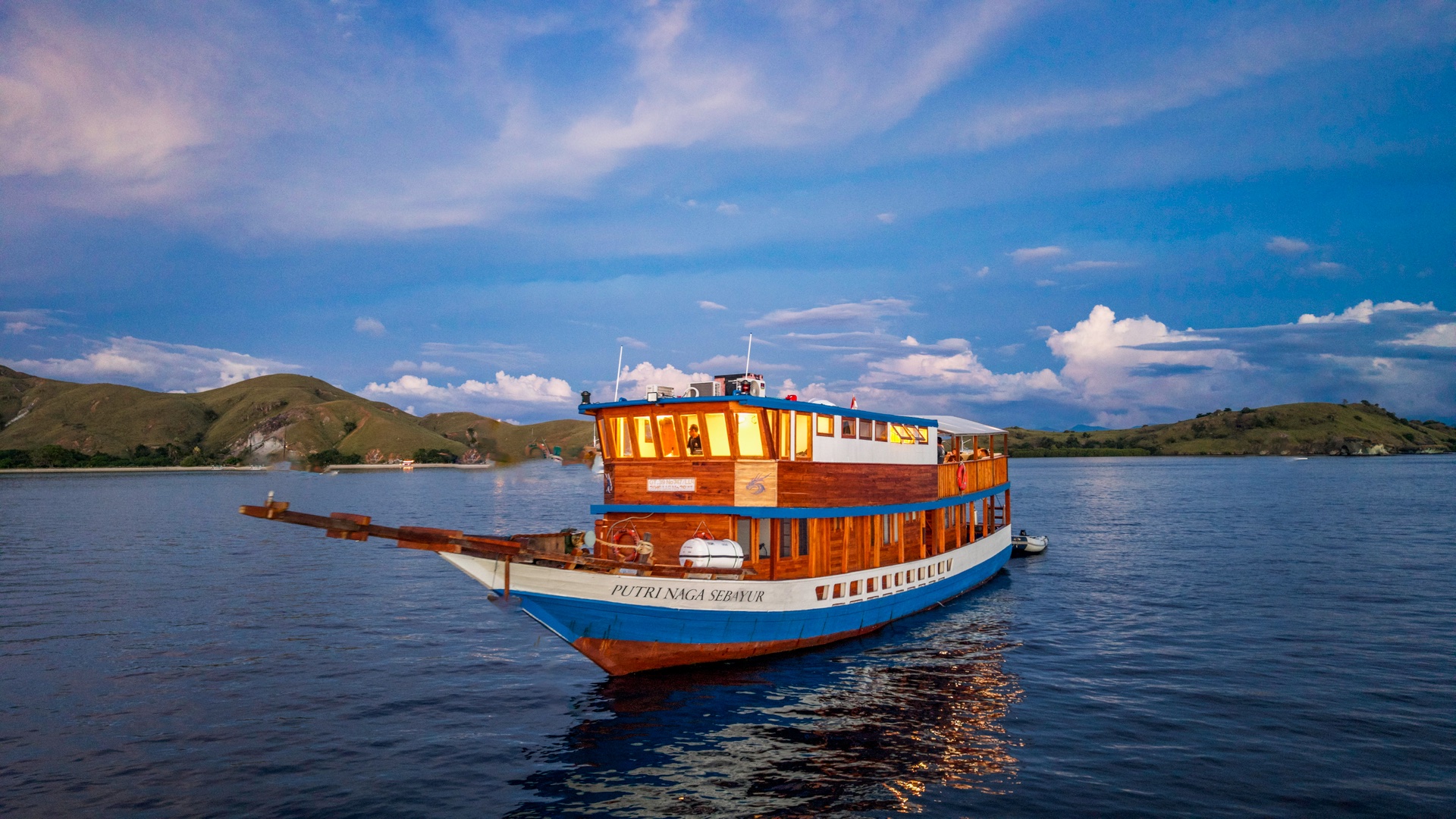
Putri Naga
Komodo, Indonesia
6 guests25 m
Dive sites similar to The Equator Islands
Same character, same waters — six more sites divers love for the exact same reasons.Compare seasons, access and liveaboard routes — then pick the site that fits your trip best.
© Esri — Maxar, Earthstar, GIS
Mawali Wreck
Indonesia
The Mawali Wreck, a Japanese cargo ship, rests on its side in the Lembeh Strait, off the northern coast of Sulawesi.
- Suitable for
- Advanced
- Current
- Mild
- Access
- Liveaboard only
- Depth
- 25–40 m
- Theme
- Wreck / Reef
Aljui Bay, located in Raja Ampat's remote northern reaches, was discovered as a premier snorkeling and diving destination by chance in 2011. This bay, situated within the broader…
- Suitable for
- Beginner
- Current
- Mild
- Access
- Liveaboard only
- Depth
- ≤ 20 m
- Theme
- Reef
© Esri — Maxar, Earthstar, GIS
Shark Close
Indonesia
Shark Close is an exhilarating dive site in the Indonesian portion of Borneo, renowned for its strong currents and abundant marine life.
- Suitable for
- Advanced
- Current
- Strong
- Access
- Liveaboard or dayboat
- Depth
- 5–25 m
- Theme
- Channel / Drift
Wakatobi, an acronym for the islands of Wangi-Wangi, Kaledupa, Tomia, and Binongko, lies in Southeast Sulawesi, Indonesia, at the heart of the Coral Triangle.
- Suitable for
- Beginner
- Current
- No current
- Access
- Liveaboard only
- Depth
- 5–30 m
- Theme
- Wall / Reef
© Esri — Maxar, Earthstar, GIS
Cornucopia
Indonesia
Cornucopia, aptly named the 'horn of plenty,' is celebrated as Wakatobi's most spectacular wall dive, offering a diverse and nutrient-rich underwater environment.
- Suitable for
- Intermediate
- Current
- Mild
- Access
- Liveaboard only
- Depth
- 5–40 m
- Theme
- Reef
© Esri — Maxar, Earthstar, GIS
Raymond’s Point
Indonesia
Raymond's Point is a distinguished dive site located south of Mike's Point within the Bunaken National Marine Park, renowned for its dramatic vertical wall.
- Suitable for
- Advanced
- Current
- Strong
- Access
- Dayboat
- Depth
- 5–35 m
- Theme
- Reef / Wall