About Neko Harbour
Neko Harbour, nestled on the Antarctic Peninsula, offers divers a truly immersive experience in a pristine polar environment. This picturesque bay is renowned for its stunning land and seascape, featuring towering ice cliffs, active glaciers, and a tranquil, sheltered bay that serves as a haven for wildlife. Divers here explore a dynamic underwater world shaped by ancient ice, encountering unique species that have adapted to the frigid conditions. The topography transitions from shallow, rocky seabeds to deeper areas carved by glacial movement. Ice formations, ranging from small floes to colossal icebergs, dominate the underwater scenery, creating intricate labyrinths and dramatic backdrops. Depths are generally moderate, making it accessible for experienced drysuit divers to navigate. Marine life at Neko Harbour thrives in the nutrient-rich waters, particularly during the austral summer months from November to March. You can expect to see a variety of Antarctic invertebrates, including colorful sea stars, anemones, and giant isopods. Penguins often zip through the water, and seals, particularly Weddell and crabeater seals, are frequent visitors. Humpback whales are also common in the wider bay area. Diving at Neko Harbour is typically conducted from Zodiacs launched from expedition vessels. Divers must be proficient in cold-water drysuit diving and comfortable with potential negative entries and navigating independently or in a buddy pair, as guides primarily ensure safety and transport. The serene environment above contrasts with the surprisingly vibrant activity below, making each dive an unforgettable adventure.
Highlights
Dramatic ice-covered mountainsActive calving glacierUnderwater ice formationsPenguins zipping through waterGiant isopods and sea starsSheltered, calm bayHumpback whale sightings
Season calendar
Best months to dive here
Jan
Feb
Mar
Apr
May
Jun
Jul
Aug
Sep
Oct
Nov
Dec
Excellent
Good
Dive site facts: Neko Harbour
- Depth
- Up to 20 m
- Typical dive
- 10–20 m, 30–40 min
- Current
- Mild to moderate
- Visibility
- 10–30 m (seasonal variation)
- Water temperature
- -2°C to 2°C
- Entry
- Zodiac / Negative entry
- Level
- Advanced Drysuit Diver
- Dive type
- Ice, wall, marine life
- Night dive
- Not applicable (24-hour daylight in summer)
- Region / port
- Antarctic Peninsula
- Coordinates
- -64.84, -62.52
Conditions & Currents
Currents at Neko Harbour are generally mild to moderate, but like much of Antarctica, conditions can be unpredictable and are influenced by tidal movements and the shifting ice. Divers should be prepared for potential surges, particularly near larger ice formations or channels, which can alter entry and exit points. Visibility can be excellent, often reaching 10 to 30 meters, but it can fluctuate depending on plankton blooms, especially in late summer, and glacial melt runoff. Water temperatures consistently hover around -2°C to 2°C, necessitating advanced drysuit proficiency and robust thermal protection. Divers must maintain constant situational awareness regarding ice movements and be comfortable with negative entries from Zodiacs, ensuring precise buoyancy and gas planning for a safe and enjoyable dive.
Marine life & sighting chances
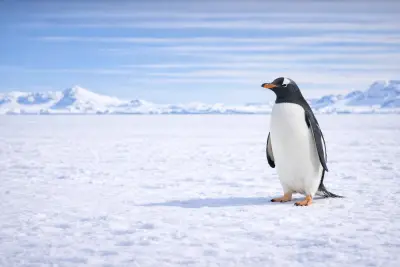
Gentoo penguin
November-March · common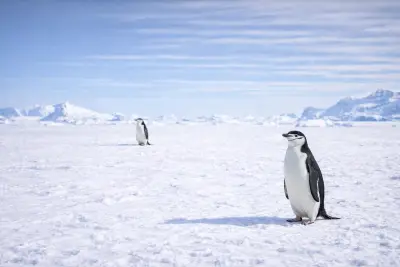
Chinstrap penguin
November-March · occasional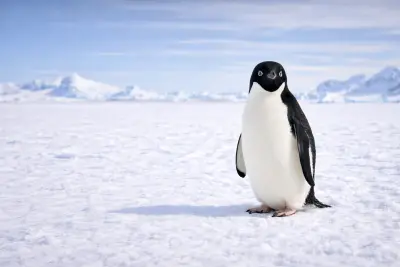
Adélie penguin
November-March · occasional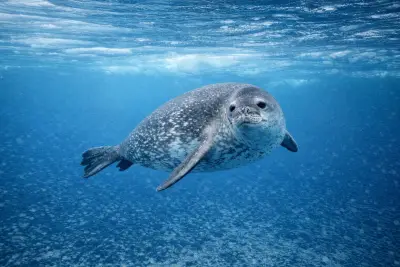
Weddell seal
November-March · common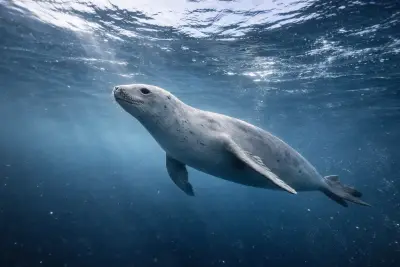
Crabeater seal
November-March · occasional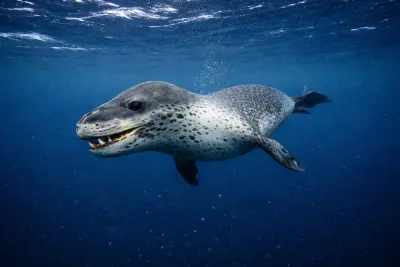
Leopard seal
November-March · occasional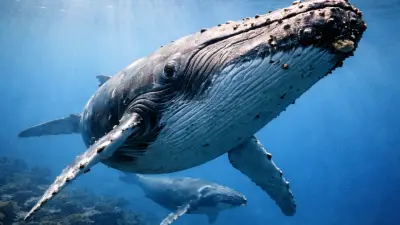
Humpback whale
November-March · common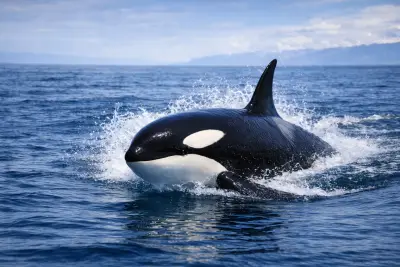
Orca
November-March · occasional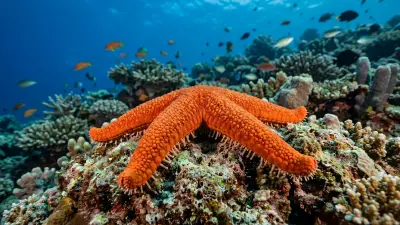
Sea star
All year · common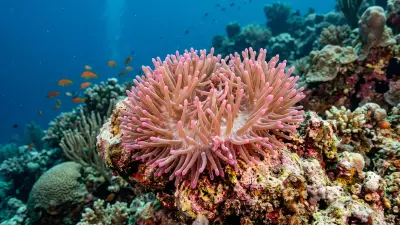
Anemone
All year · common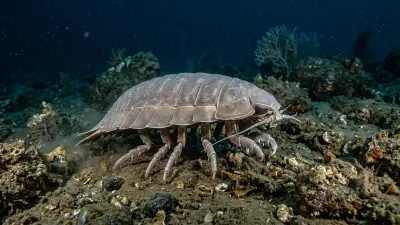
Giant isopod
All year · occasionalDive profile & how the dive runs
Dives at Neko Harbour begin with a Zodiac deployment, often requiring a negative entry to avoid surface chop or ice, dropping directly into the cold Antarctic waters. Divers typically explore the shallow areas around ice formations, which can extend down to about 20 meters. The route often involves tracing the intricate contours of submerged icebergs and glacial walls, revealing unique marine life attached to their surfaces or the rocky seabed. Divers must maintain impeccable neutral buoyancy to prevent contact with the fragile environment and conserve body heat. The dive duration is usually between 30 and 40 minutes, with the turn point determined by gas consumption and bottom time. Safety stops are performed in shallower waters, often close to the Zodiac, before a controlled ascent and re-boarding.
Underwater photography
Underwater photography at Neko Harbour requires robust cold-water camera housing and reliable, powerful strobes, as ambient light can be significantly diminished, especially deeper or under large ice formations. Wide-angle lenses are essential for capturing the grandeur of the submerged icebergs, dramatic glacial walls, and the vastness of the underwater landscape. For macro enthusiasts, specialized macro lenses can highlight the intricate details of unique benthic invertebrates such as sea stars, anemones, and giant isopods. Excellent buoyancy control is paramount to avoid disturbing the fragile environment and to position yourself effectively for shots. Be mindful of subject etiquette, especially with wildlife like penguins and seals, maintaining a respectful distance.
Combine with nearby dive sites
- Cuverville Island
Cuverville Island, nestled within the Errera Channel off the Antarctic Peninsula, presents an exceptional opportunity for polar diving.
- Lemaire Channel
Lemaire Channel, a narrow passage between the Antarctic mainland and Booth Island, presents a truly majestic and impressive dive experience.
- Danco Island
Danco Island, located in the Errera Channel off the Antarctic Peninsula, presents an unparalleled cold-water diving experience.
- Paradise Bay
Paradise Bay, located on the Antarctic Peninsula, offers divers a unique opportunity to explore a wilderness few will ever experience.
- Wilhelmina Bay
Wilhelmina Bay, nestled in the Antarctic Peninsula, is renowned as a prime location for observing humpback whales and experiencing the…
Getting there & logistics
Expeditions to Neko Harbour typically depart from Ushuaia, Argentina, the southernmost city in the world, after flying into Ushuaia International Airport (USH). Trips usually last between 10 to 14 days, with Neko Harbour being one of several key diving destinations on Antarctic Peninsula itineraries. Divers will liveaboard ice-strengthened expedition vessels, with daily dive operations conducted from Zodiacs. There are no specific dive site fees for Neko Harbour itself, but the overall expedition cost includes all permits and operational expenses for visiting protected Antarctic areas. It is usually combined with other significant sites along the Peninsula and offshore islands, offering a comprehensive polar diving experience.
Safety & environment
Diving in Neko Harbour, and Antarctica generally, requires stringent safety protocols due to its remote and extreme environment. There are no recompression chambers in Antarctica, and the nearest medical facilities capable of treating diving emergencies are several days away by ship, or potentially longer depending on weather and ice conditions. Comprehensive dive insurance, including emergency evacuation and hyperbaric treatment coverage, is mandatory. Site-specific hazards include unpredictable ice movements, consistently frigid water temperatures requiring specialized drysuit proficiency, and the potential for strong katabatic winds. Divers must adhere strictly to buddy system protocols, maintain excellent buoyancy, and follow all instructions from experienced dive guides who primarily manage surface safety and boat operations.
Who it suits — and who it doesn't
Suited for
- Experienced cold-water drysuit divers
- Photographers seeking unique ice and wildlife encounters
- Divers comfortable with remote and challenging conditions
- Adventurous divers seeking unparalleled wilderness experiences
- Those with at least 30 drysuit dives logged
Less suited for
- Beginner divers or those without drysuit experience
- Divers uncomfortable with extreme cold
- Those who require direct guide supervision during the dive
- Divers prone to seasickness on expedition vessels
- Individuals without comprehensive dive insurance including evacuation
FAQ
Neko Harbour FAQ
What is the typical dive depth at Neko Harbour?
Dives at Neko Harbour generally explore depths ranging from 10 to 20 meters. This allows divers to fully experience the shallow, ice-sculpted areas and the diverse benthic life without the added risks associated with deeper polar diving.
Is Neko Harbour suitable for beginner divers?
Neko Harbour is not recommended for beginner divers. Due to the extreme cold, remote location, and potential for challenging conditions, a high level of drysuit proficiency, cold-water diving experience, and at least 30 logged drysuit dives are required for safety and enjoyment.
What marine life can I expect to see at Neko Harbour?
Divers at Neko Harbour can anticipate seeing a variety of Antarctic marine life, including Gentoo penguins zipping through the water, Weddell and crabeater seals, and various invertebrates like colorful sea stars, anemones, and giant isopods. Humpback whales are also common in the wider bay area.
How long are the dives at Neko Harbour?
Typical dives at Neko Harbour last between 30 and 40 minutes. This duration is carefully managed to maximize exposure to the underwater environment while prioritizing diver safety and thermal comfort in the frigid polar waters.
What equipment is essential for diving at Neko Harbour?
Essential equipment for diving at Neko Harbour includes a drysuit with thick undergarments, dry gloves, and two sets of freeze-protected regulators. A BCD, depth gauge, compass, and dive computer are also critical, along with spare parts for all essential gear.
What are the water temperatures at Neko Harbour?
The water temperatures at Neko Harbour consistently range from -2°C to 2°C throughout the diving season. This frigid environment necessitates specialized cold-water diving equipment and extensive experience in drysuit diving to ensure diver comfort and safety.
Why dive Neko Harbour from a liveaboard?
Neko Harbour is one of Antarctica's signature dive sites. A liveaboard sleeps you on the water and puts you in the water for three to four guided dives per day, including dawn and night dives that day-boat operators rarely offer. You skip the daily commute back to port and reach quieter, less-crowded sites in the same region on a single trip.
Below are the liveaboards that include Neko Harbour on their Antarctica itineraries.
Liveaboards diving Neko Harbour
These liveaboards may visit Neko Harbour on selected itineraries — the exact dive sites depend on departure, weather and conditions.
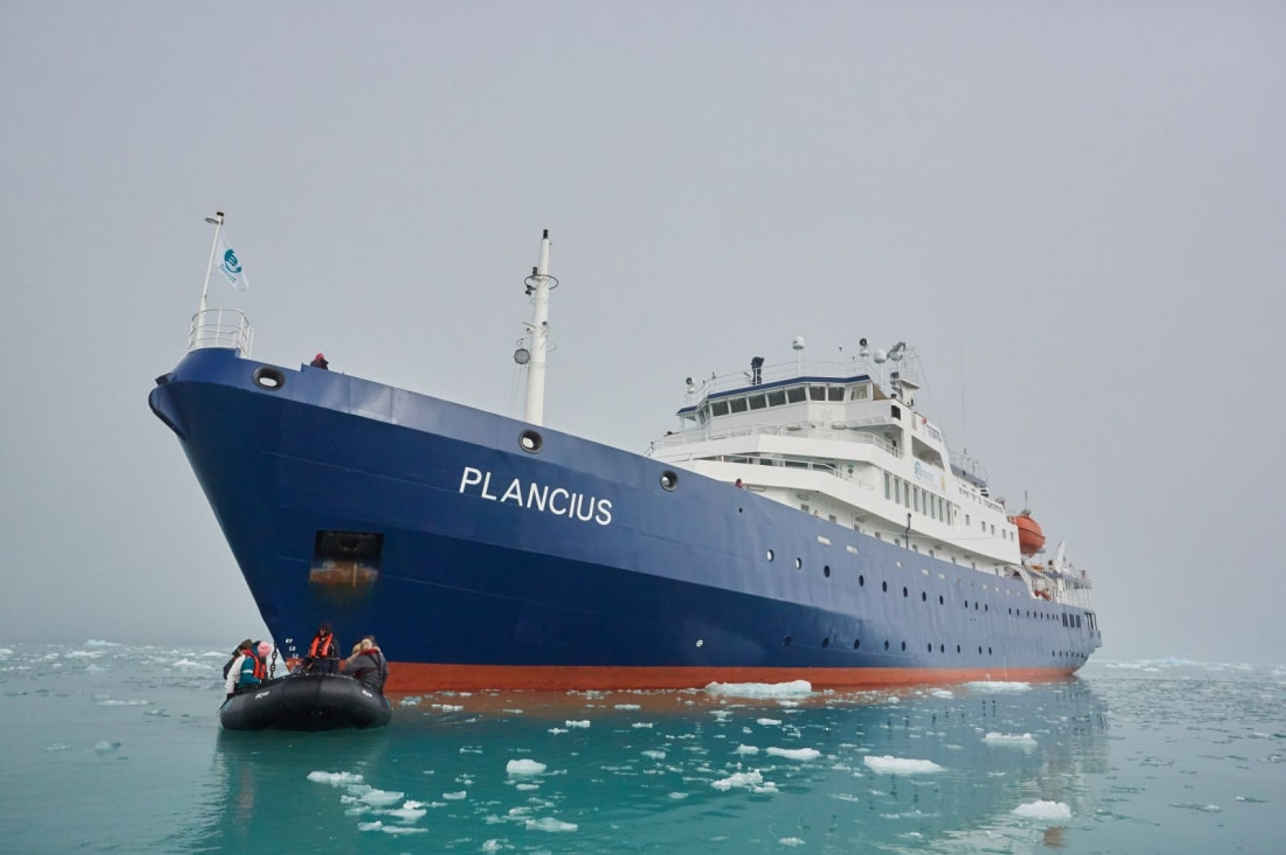
Plancius
Antarctica
108 guests89 m
$772/day
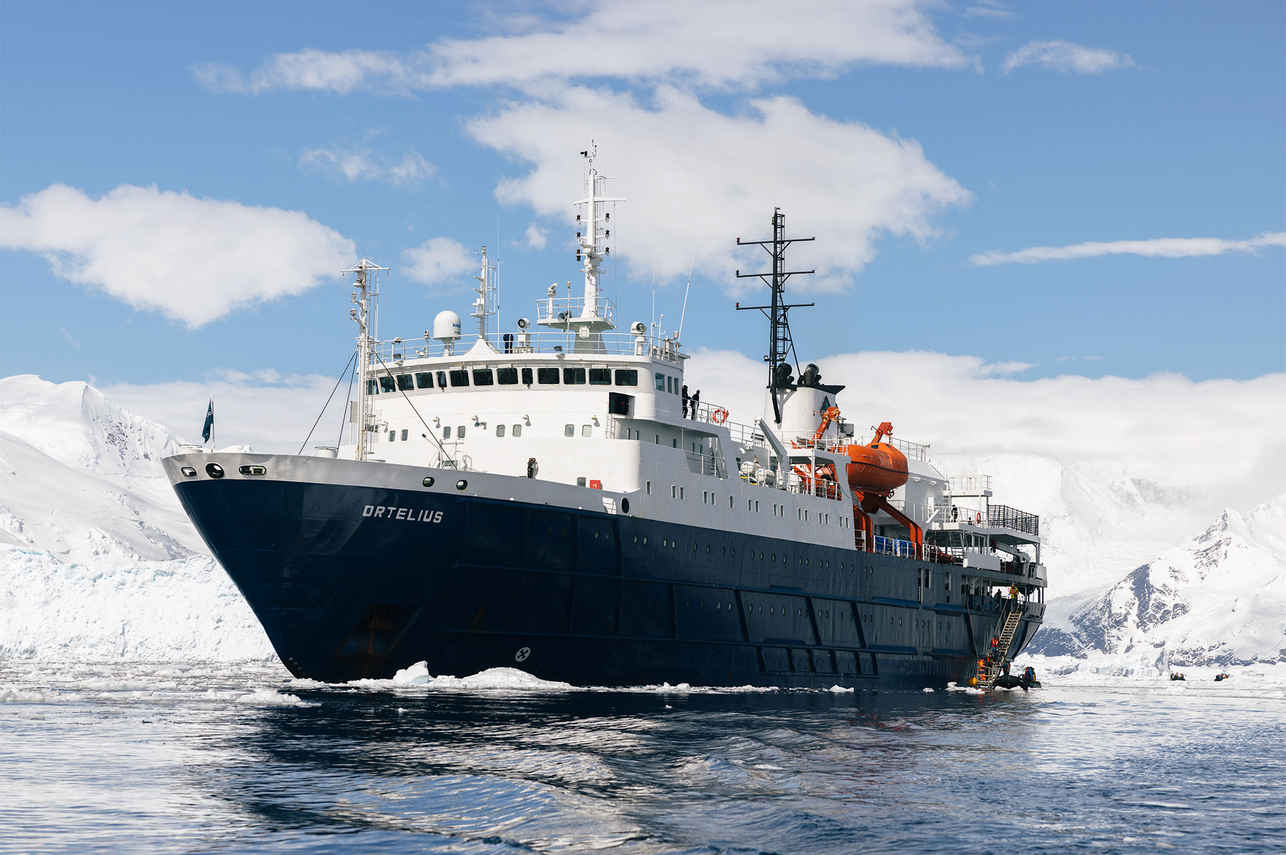
Ortelius
Antarctica
108 guests90.95 m
$662/day
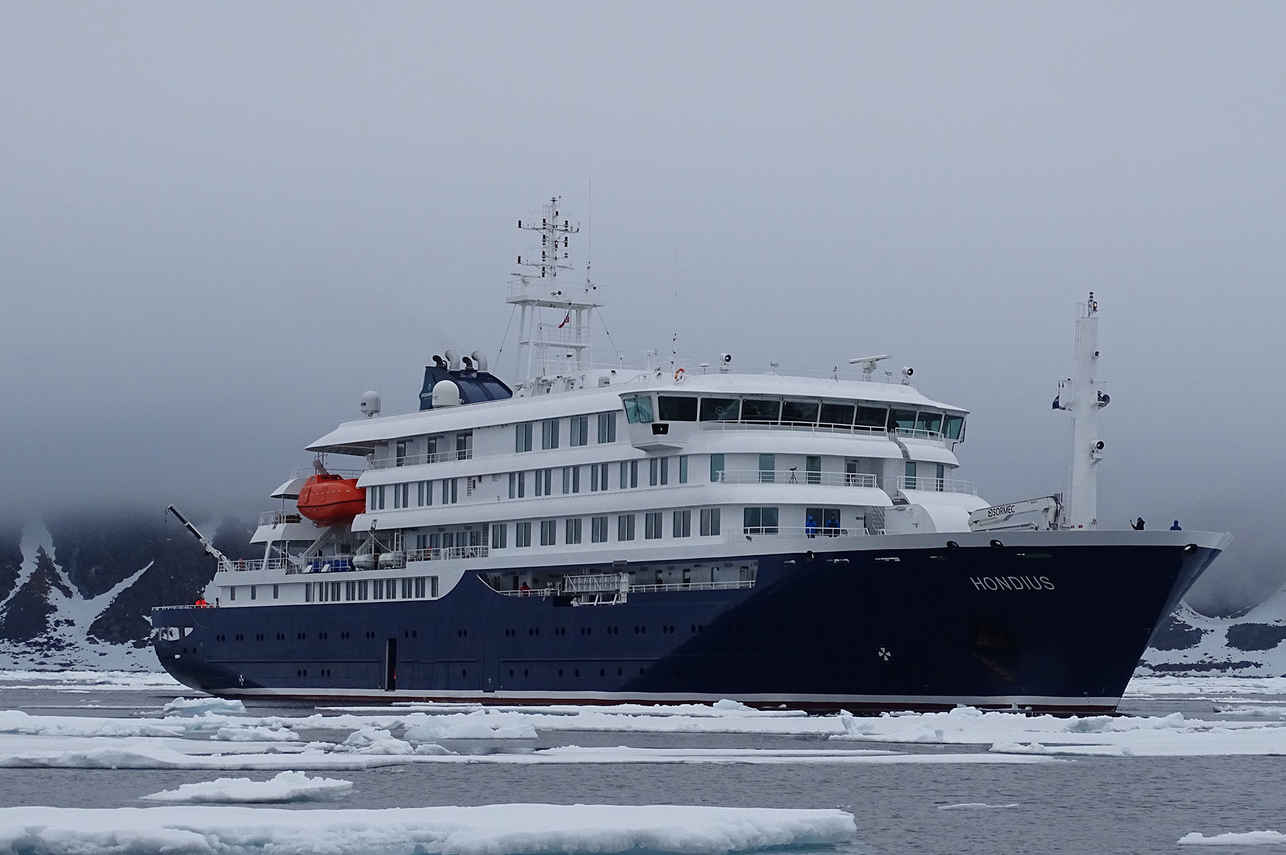
Hondius Antarctica Diving
Antarctica
170 guests107.6 m
$776/day
Dive sites similar to Neko Harbour
Same character, same waters — six more sites divers love for the exact same reasons.Compare seasons, access and liveaboard routes — then pick the site that fits your trip best.
© Esri — Maxar, Earthstar, GIS
Argentine Islands - Vernadsky
Antarctica
Diving at the Argentine Islands, near the Vernadsky Research Base, offers an exclusive opportunity to explore the underwater world of the Antarctic Peninsula.
- Suitable for
- Advanced
- Current
- Strong
- Access
- Liveaboard only
- Depth
- 3–15 m
- Theme
- Ice / Reef
© Esri — Maxar, Earthstar, GIS
Lemaire Channel
Antarctica
Lemaire Channel, a narrow passage between the Antarctic mainland and Booth Island, presents a truly majestic and impressive dive experience.
- Suitable for
- Advanced
- Current
- Strong
- Access
- Liveaboard only
- Depth
- 5–30 m
- Theme
- Ice / Wall
© Esri — Maxar, Earthstar, GIS
Useful Island
Antarctica
Useful Island, situated in the Western Antarctic Peninsula, presents an extraordinary opportunity for intrepid divers to explore a shallow-water ecosystem brimming with biodiversity.
- Suitable for
- Advanced
- Current
- Strong
- Access
- Liveaboard only
- Depth
- 5–25 m
- Theme
- Ice / Wall
© Esri — Maxar, Earthstar, GIS
Wilhelmina Bay
Antarctica
Wilhelmina Bay, nestled in the Antarctic Peninsula, is renowned as a prime location for observing humpback whales and experiencing the continent's pristine marine environment.
- Suitable for
- Advanced
- Current
- Moderate
- Access
- Liveaboard only
- Depth
- 5–20 m
- Theme
- Ice / Wall
© Esri — Maxar, Earthstar, GIS
Enterprise Island - Wreck Gouvernøren
Antarctica
The wreck of the Gouvernøren, nestled at Enterprise Island, stands as Antarctica's most accessible and atmospheric shipwreck.
- Suitable for
- Advanced
- Current
- Mild
- Access
- Liveaboard only
- Depth
- 5–18 m
- Theme
- Ice / Wreck
© Esri — Maxar, Earthstar, GIS
Foyn Harbour
Antarctica
Foyn Harbour, situated off the coast of the Antarctic Peninsula, offers a truly unique underwater experience, primarily centered around the wreck of the 'Gouvernøren'.
- Suitable for
- Advanced
- Current
- Mild
- Access
- Liveaboard only
- Depth
- 5–15 m
- Theme
- Ice / Wreck