About Julie’s Wall
Julie’s Wall is a standout dive site located in the East End of Grand Cayman, an area cherished for its remote and unspoiled nature. This site is celebrated for its rich coral formations and consistently clear waters, offering a serene yet vibrant underwater experience. Unlike many other locations, Julie's Wall features a distinctive overhanging section, a geological rarity shared only with Breaker’s Cutback. The topography begins with the top of the wall at approximately 17 meters (55 feet), adorned with black sponge outcroppings before descending. The overhang provides a reduced light environment, which encourages the growth of large, vibrantly colored sponges typically found in deeper waters. Below this, the wall slopes gently into the depths, revealing a labyrinth of coral and rock formations. Marine life at Julie's Wall is abundant and diverse throughout the year. Divers frequently encounter a variety of reef inhabitants, including pufferfish, parrotfish, moray eels, and turtles. Larger pelagic species such as eagle rays and reef sharks are also occasional visitors, especially along the deeper sections of the wall. The excellent visibility here, often ranging from 15 to 30 meters, enhances the viewing of both macro and pelagic subjects. Access to Julie's Wall is exclusively by boat, typically departing from resorts on the East Coast. Dive conditions are generally mild, with little to no surge and mild currents, making it suitable for intermediate divers. The site offers both shallower sections for extended bottom time and deeper areas along the wall for more experienced divers.
Highlights
Overhanging wall featureLush coral coverageVibrant sponge growthExcellent visibilityDiverse reef fishOccasional eagle raysRemote East End location
Season calendar
Best months to dive here
Jan
Feb
Mar
Apr
May
Jun
Jul
Aug
Sep
Oct
Nov
Dec
Excellent
Dive site facts: Julie’s Wall
- Depth
- 17–30 m
- Typical dive
- 17–30 m, 60 min
- Current
- Mild
- Visibility
- 15–30 m
- Water temperature
- 24–30 °C
- Entry
- Boat
- Level
- Intermediate
- Dive type
- Wall, reef
- Region / port
- East End, Grand Cayman
- Coordinates
- 19.5373° N, 80.7783° W
Conditions & Currents
Julie's Wall generally experiences mild currents and little to no surge, making for a relaxed dive environment. This calm nature is typical of many Cayman Islands sites, benefiting from a limited tidal range that minimizes strong fluctuations. While currents are usually gentle, divers should always be aware of potential subtle shifts along the wall. Visibility is consistently excellent, often exceeding 15 to 30 meters, contributing to easy navigation and observation. Entry to the water is from a boat, and the typically calm surface conditions facilitate smooth descents and ascents. Divers of intermediate experience will find these conditions manageable, allowing for thorough exploration of the wall's unique features without the stress of challenging water movement.
Marine life & sighting chances
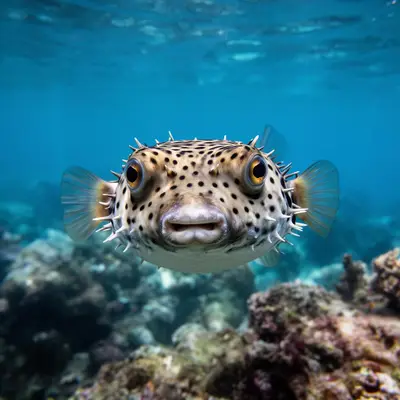
Pufferfish
common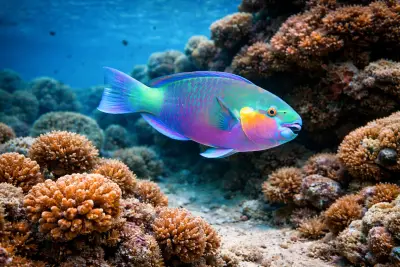
Parrotfish
common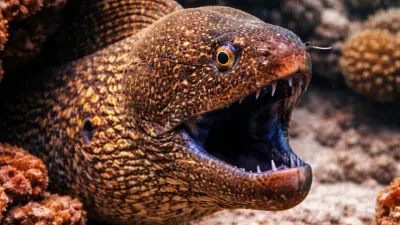
Moray eels
common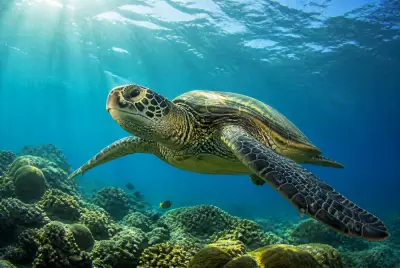
Turtles
occasional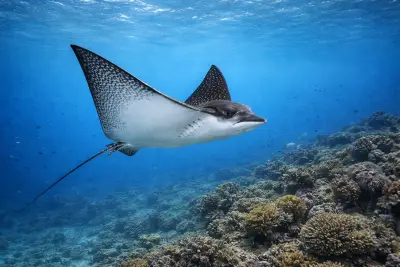
Eagle rays
occasional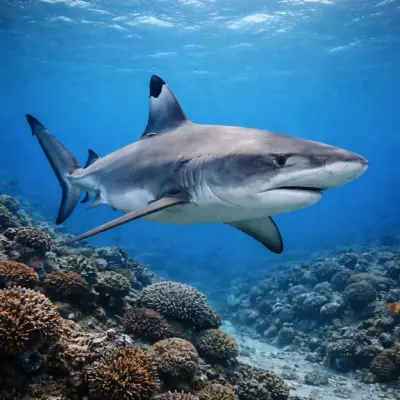
Reef sharks
occasional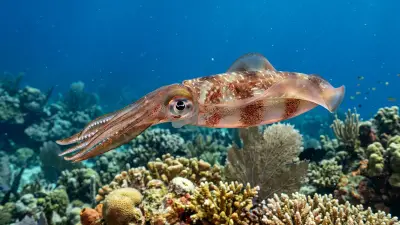
Squid
rare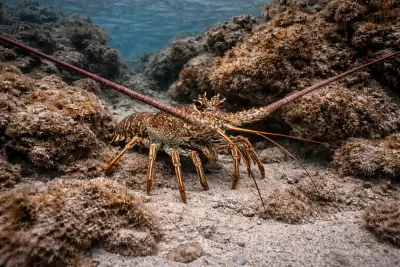
Lobster
occasional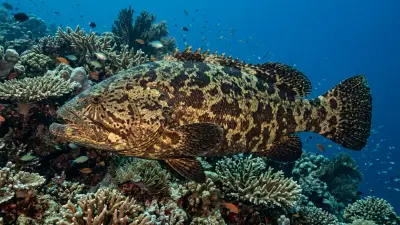
Grouper
occasionalDive profile & how the dive runs
Your dive at Julie’s Wall begins with a boat entry onto the reef top, which sits at about 17 meters (55 feet). Descend gradually to explore the upper section of the wall, where you’ll immediately notice large black sponge outcroppings. Follow the gentle slope of the wall, paying close attention to the unique overhanging sections; these shaded areas are perfect for spotting large, vibrant sponges that thrive in the reduced light. Continue along the wall, maintaining a maximum depth of around 30 meters (100 feet), keeping an eye out for pufferfish, parrotfish, and moray eels in the coral formations. After exploring the wall, begin a slow ascent, utilizing the shallower reef top for your safety stop at 5 meters for at least three minutes, enjoying the abundant light and reef life before surfacing.
Underwater photography
Julie's Wall presents excellent opportunities for both wide-angle and macro photography. For capturing the dramatic wall topography, especially the unique overhangs and expansive coral coverage, a wide-angle lens is highly recommended. Focus on compositions that highlight the scale of the wall and the large sponge formations. Due to the reduced light under the overhangs, consider bringing external strobes or video lights to illuminate your subjects and bring out their true colors. For macro enthusiasts, explore the crevices and coral surfaces for smaller critters like blennies, gobies, and juvenile fish; a dedicated macro lens will be invaluable here. Maintain excellent buoyancy to avoid disturbing the delicate corals and to position yourself optimally for shots along the sloping wall.
Combine with nearby dive sites
- Babylon
A premier wall dive with a large pinnacle, abundant sea fans, and tube sponges.
- Black Rock
A shallow site with a ledge dropping to 17 meters and crevices for marine life.
- Grouper Grotto
A shallow dive up to 20 meters, known for tarpon, jacks, and caves.
- The Maze
A deeper dive with numerous swim-throughs in fissures and caves.
Getting there & logistics
Access to Julie's Wall is primarily via boat, as it's located in Grand Cayman's less-visited East End. Daily dive trips depart from locations like Morritt’s Tortuga, often with Tortuga Divers, a sister company to Red Sail Sports. The main international gateway is Owen Roberts International Airport (GCM) in Grand Cayman, with direct flights from the US, Canada, and the UK. Liveaboards also frequent the Cayman Islands, providing comprehensive itineraries that may include East End sites. While there are no specific permits mentioned for this site, standard marine park rules apply to all diving in Grand Cayman, which aim to preserve the pristine conditions. Trips typically last a few hours, often including multiple dives at nearby East End locations to maximize exploration of this rich diving zone.
Safety & environment
Diving at Julie's Wall requires adherence to standard safety protocols and an awareness of the remote East End location. The nearest recompression chamber is located in George Town, Grand Cayman, approximately an hour's drive from the East End. In the event of a dive emergency, evacuation would likely involve boat transport to shore followed by road transport to the chamber. All divers should ensure they have comprehensive dive insurance that covers emergency medical treatment and evacuation. Site-specific hazards are minimal, with generally mild currents and no significant surge. However, divers should always monitor their depth and gas, especially when exploring the deeper wall sections or the overhang. It is essential to dive within your certification limits and follow local dive operator briefings, which often emphasize buoyancy control to protect the delicate coral formations.
Who it suits — and who it doesn't
Suited for
- Intermediate divers seeking unique wall topography
- Underwater photographers interested in diverse wide-angle and macro subjects
- Divers who appreciate less crowded, remote dive sites
- Those seeking lush coral and vibrant sponge formations
Less suited for
- Absolute beginners due to depth and intermediate rating
- Divers who prefer shore access to dive sites
- Those strictly seeking large pelagic encounters
- Divers with limited buoyancy control in delicate environments
FAQ
Julie’s Wall FAQ
What makes Julie's Wall unique compared to other Grand Cayman dive sites?
Julie's Wall stands out due to its distinctive overhanging wall section, a feature rarely seen at other sites in Grand Cayman. This unique topography creates shaded environments that promote the growth of unusually large and colorful sponges, typically found at much greater depths. It offers a different light and textural experience compared to the island's more common sloping walls or reef formations.
What kind of marine life can I expect to see at Julie's Wall?
Divers at Julie's Wall can expect to encounter a vibrant array of marine life. Common sightings include various colorful reef fish such as pufferfish and parrotfish, as well as moray eels and occasional turtles. While larger pelagic species like eagle rays and reef sharks are sometimes spotted, the site is particularly noted for its abundant small to medium-sized reef inhabitants thriving among the lush coral and sponge formations.
What is the typical depth and visibility at Julie's Wall?
Julie's Wall offers diving depths ranging from approximately 17 meters (55 feet) at the reef crest to 30 meters (100 feet) along the deeper wall. The visibility is consistently excellent, often between 15 to 30 meters (50 to 100 feet), providing clear views of the vibrant coral and marine life. These conditions contribute to a rewarding and visually stunning dive experience.
Are there strong currents at Julie's Wall?
Julie's Wall is known for its generally mild currents and little to no surge, making it a comfortable dive for intermediate divers. The Cayman Islands' limited tidal range contributes to these calm conditions, allowing for a relaxed exploration of the wall and its unique features. However, as with any open water dive, it's always wise to pay attention to your dive guide's briefing regarding current conditions on the day.
How do I get to Julie's Wall?
Julie's Wall is located in the East End of Grand Cayman, an area best accessed by boat. Dive operators like Tortuga Divers, which serve the East Coast, typically organize trips to this site. The East End offers a more remote diving experience, making a boat charter the standard and most convenient method of reaching this specific location.
Why dive Julie’s Wall from a liveaboard?
Julie’s Wall is one of Cayman Islands's signature dive sites. A liveaboard sleeps you on the water and puts you in the water for three to four guided dives per day, including dawn and night dives that day-boat operators rarely offer. You skip the daily commute back to port and reach quieter, less-crowded sites in the same region on a single trip.
Below are the liveaboards that include Julie’s Wall on their Cayman Islands itineraries.
Liveaboards diving Julie’s Wall
These liveaboards may visit Julie’s Wall on selected itineraries — the exact dive sites depend on departure, weather and conditions.
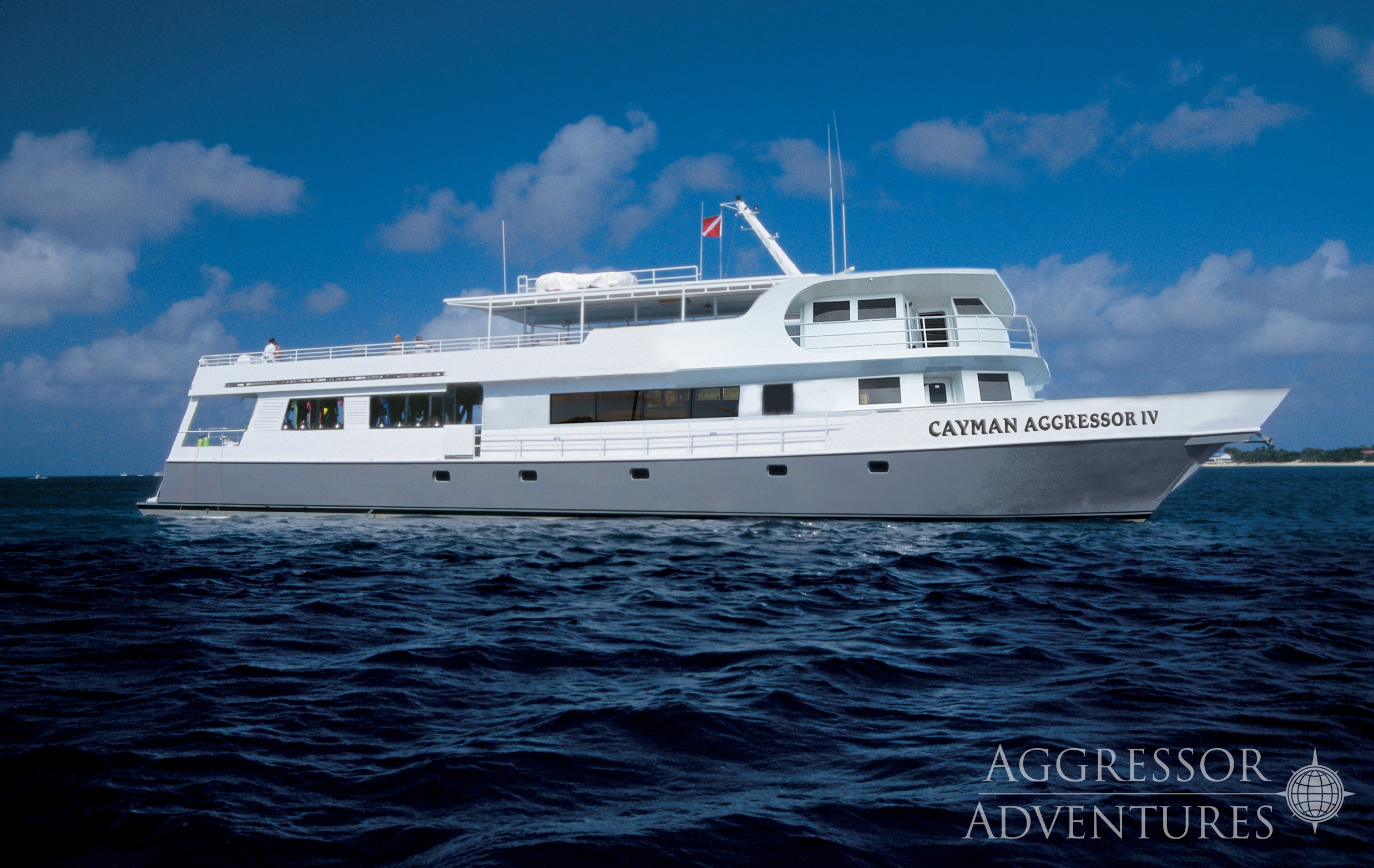
Cayman Aggressor IV
Cayman Islands
18 guests32.9 m
$328/day
Dive sites similar to Julie’s Wall
Same character, same waters — six more sites divers love for the exact same reasons.Compare seasons, access and liveaboard routes — then pick the site that fits your trip best.
© Esri — Maxar, Earthstar, GIS
Big Table Rock
Cayman Islands
Big Table Rock is a well-known dive site located in George Town, Grand Cayman, offering a diverse and visually striking underwater landscape.
- Suitable for
- Intermediate
- Current
- Mild
- Access
- Dayboat
- Depth
- 10–30 m
- Theme
- Reef / Wall
© Esri — Maxar, Earthstar, GIS
North Wall
Cayman Islands
The North Wall of Grand Cayman stands as one of the most celebrated and visually striking dive regions, stretching along the island's northern coastline.
- Suitable for
- Advanced
- Current
- Mild
- Access
- Liveaboard or dayboat
- Depth
- 50–100 m
- Theme
- Reef
© Esri — Maxar, Earthstar, GIS
Parrot's Reef
Cayman Islands
Parrot's Reef is a notable dive site found along Grand Cayman's South coast, distinct from the more frequently dived West and North Walls.
- Suitable for
- Beginner
- Current
- Mild
- Access
- Dayboat
- Depth
- 12–15 m
- Theme
- Reef
© Esri — Maxar, Earthstar, GIS
Lighthouse Reef
Cayman Islands
Lighthouse Reef, situated near the West End dock of Cayman Brac, provides a distinctive shallow reef diving experience.
- Suitable for
- Beginner
- Current
- Strong
- Access
- Shore / dayboat
- Depth
- 10–25 m
- Theme
- Reef
© Esri — Maxar, Earthstar, GIS
Marty's Wall
Cayman Islands
Marty's Wall is a dive site located in West Bay, Grand Cayman, an area known for its dramatic wall dives and pristine coral ecosystems.
- Suitable for
- Intermediate
- Current
- Mild
- Access
- Dayboat
- Depth
- 12–36 m
- Theme
- Wall / Reef
© Esri — Maxar, Earthstar, GIS
Japanese Gardens
Cayman Islands
Japanese Gardens is a notable dive site located on the South Coast of Grand Cayman, primarily visited when northerly winds make diving on the North Wall less accessible.
- Suitable for
- Beginner
- Current
- Mild
- Access
- Liveaboard or dayboat
- Depth
- 12–15 m
- Theme
- Reef