About Japanese Gardens
Japanese Gardens is a notable dive site located on the South Coast of Grand Cayman, primarily visited when northerly winds make diving on the North Wall less accessible. This site is particularly valued by divers who appreciate healthy coral ecosystems and rich macro opportunities, offering a tranquil experience away from busier areas. The topography features a reef that begins around 12 to 15 meters, descending into deeper waters. Divers here can expect to see extensive hard and soft coral formations, which create an ideal sanctuary for a variety of juvenile fish. The site is characterized by its lush reef structure rather than dramatic wall drop-offs. While not explicitly detailed for Japanese Gardens, the general marine life in Grand Cayman includes frequent sightings of green and hawksbill turtles, various reef fish such as angelfish and parrotfish, and cleaner shrimp. The site's focus on healthy corals and juvenile fish suggests a diverse, smaller-scale ecosystem. Practical diving at Japanese Gardens is generally calm due to its sheltered position from northerly winds. Visibility is typically excellent, often exceeding 25 meters, and water temperatures remain warm year-round, ranging from 24 to 30°C. This makes for a relaxed dive experience, suitable for reef and macro enthusiasts.
Highlights
South Coast divingHealthy coral formationsSanctuary for juvenile fishMacro life opportunitiesCalm, sheltered conditionsGood visibility
Season calendar
Best months to dive here
Jan
Feb
Mar
Apr
May
Jun
Jul
Aug
Sep
Oct
Nov
Dec
Excellent
Good
Off-Season
Dec – Jun (Peak)
Best visibility up to 40m, calm seas, comfortable temperatures, ideal conditions for wall diving.
Jul – Aug & Nov (Shoulder)
Warmer water, occasional rain, still excellent diving. Good time for tarpon and turtle sightings.
Sep – Oct (Hurricane)
Hurricane season with unpredictable weather. Some operators may limit trips. Best prices of the year.
Dive site facts: Japanese Gardens
- Depth
- 12–15 m
- Current
- Mild
- Visibility
- 25–30 m
- Water temperature
- 24–30°C
- Entry
- Boat
- Level
- All levels
- Dive type
- Reef, macro
- Region / port
- Grand Cayman, South Coast
- Coordinates
- 19.3955° N, 81.4014° W
Conditions & Currents
Currents at Japanese Gardens are generally mild, particularly because the site is often dived when it is sheltered from northern winds. The Cayman Islands as a whole experience limited tidal ranges, which contributes to overall calmer conditions and less dramatic currents across many sites. Visibility is consistently high, often between 25 to 30 meters, and can be even clearer during calm weather, making for an enjoyable and low-stress dive. Entry and exit are typically boat-based, facilitated by permanent moorings that protect the reef. Divers can expect stable conditions, allowing ample time for exploration without significant concerns about strong drift or thermoclines.
Marine life & sighting chances

Juvenile fish
common
Hard corals
common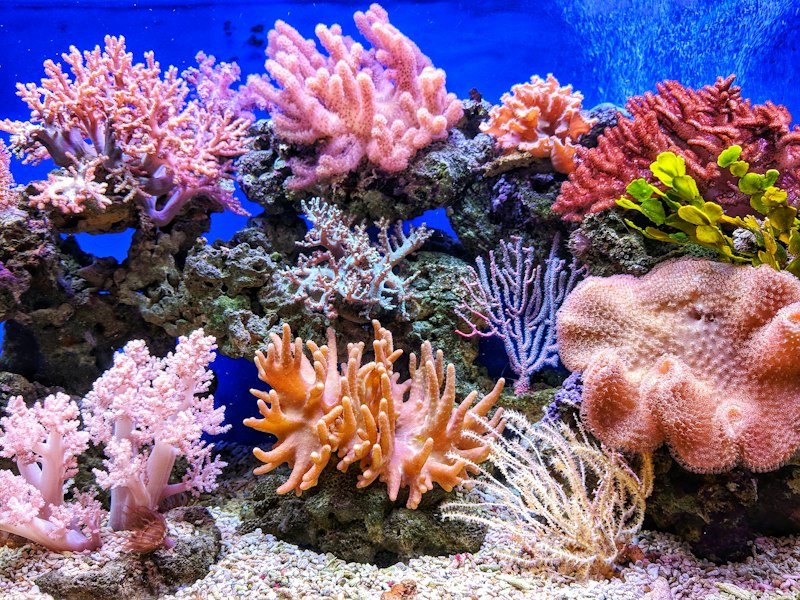
Soft corals
common
Hawksbill turtle
occasional
Green turtle
occasional
Angelfish
common
Parrotfish
common
Cleaner shrimp
occasionalDive profile & how the dive runs
A typical dive at Japanese Gardens begins with a boat entry to a permanent mooring. You will descend to the reef top, which starts around 12 to 15 meters, where you can immediately begin exploring the diverse hard and soft coral formations. The dive progresses along the reef, allowing ample time to observe the abundant juvenile fish that inhabit this sanctuary. Maintain a steady depth to appreciate the coral gardens and look for macro life nestled within the reef. The turn point is determined by air consumption, with a gradual ascent back towards the boat. Safety stops are comfortably conducted in the clear, shallow waters above the main reef structure, offering additional opportunities for observing smaller reef inhabitants.
Underwater photography
Japanese Gardens offers excellent opportunities for wide-angle and macro photography, especially given its healthy coral gardens and diverse population of juvenile fish. A wide-angle lens will capture the expansive reef formations and the overall vibrance of the site. For macro enthusiasts, a macro lens will be ideal for focusing on the numerous juvenile fish, cleaner shrimp, and other small critters hidden within the corals. Good buoyancy control is essential to avoid disturbing the delicate reef. Utilize natural light for vibrant colors in shallow areas, or employ strobes to enhance contrast and bring out the true hues of the corals and fish.
Combine with nearby dive sites
Getting there & logistics
Grand Cayman is easily accessible via Owen Roberts International Airport (GCM), with direct flights from the US, Canada, and the UK. Dive trips to Japanese Gardens typically depart from various ports on Grand Cayman, often as part of a two-tank dive excursion. Operators rotate sites daily based on wind and swell, meaning Japanese Gardens is primarily dived when north winds make the North Wall inaccessible. There are 234 permanent dive moorings around Grand Cayman, and anchoring is banned in Marine Parks. A typical dive trip duration can vary from a single day's excursion to multi-day liveaboard or resort packages. There are no specific park fees mentioned for this site, but general permits may apply to diving in the Cayman Islands.
Safety & environment
For dive safety in the Cayman Islands, the nearest recompression chamber is located on Grand Cayman. In the event of a dive emergency, evacuation to a medical facility would involve local emergency services. Divers are strongly advised to have comprehensive dive insurance that covers medical emergencies and potential evacuations. Site-specific hazards at Japanese Gardens are minimal due to generally mild currents and excellent visibility. However, divers should always adhere to standard safe diving practices, maintain good buoyancy control to protect the delicate coral, and follow their dive guide's instructions. As with all diving, be mindful of your depth and no-decompression limits, and ensure adequate surface interval between dives.
Who it suits — and who it doesn't
Suited for
- Reef and macro photographers
- Divers seeking calm, sheltered conditions
- Beginner and intermediate divers
- Divers interested in healthy coral ecosystems
- Those who appreciate abundant juvenile fish
Less suited for
- Divers exclusively seeking deep wall dives
- Those looking for large pelagic encounters
- Divers who prefer strong current dives
- Individuals with poor buoyancy control
FAQ
Japanese Gardens FAQ
When is the best time of year to dive Japanese Gardens?
Japanese Gardens is most frequently dived during the winter months, typically from December to April. This is when prevailing north winds make the South Coast of Grand Cayman, where Japanese Gardens is located, a calm and sheltered alternative to the North Wall. Conditions during these months offer excellent visibility and comfortable water temperatures.
What kind of marine life can I expect to see at Japanese Gardens?
You can expect to encounter abundant juvenile fish that find sanctuary within the site's extensive hard and soft coral formations. While not a pelagic hotspot, occasional sightings of green and hawksbill turtles, along with common reef fish like angelfish and parrotfish, add to the biodiversity. It's a great spot for observing smaller, colorful reef inhabitants and vibrant corals.
Is Japanese Gardens suitable for beginner divers?
Yes, Japanese Gardens is suitable for divers of all experience levels, including beginners. The site features generally mild currents and excellent visibility, typically ranging from 25 to 30 meters, creating a relaxed diving environment. The reef top starts at an accessible depth of 12 to 15 meters, allowing for comfortable exploration.
What makes Japanese Gardens different from other Grand Cayman dive sites?
Japanese Gardens stands out for its focus on healthy coral gardens and prolific juvenile fish life on the South Coast. Unlike the dramatic deep drop-offs of the North Wall, this site offers a calmer, more sheltered reef experience. It is often chosen by operators when northerly winds affect other parts of the island, ensuring consistently good diving conditions.
Are there specific photography opportunities at Japanese Gardens?
Photographers will find excellent opportunities for both wide-angle and macro shots at Japanese Gardens. The vibrant and healthy coral formations provide a beautiful backdrop for wide-angle photography, while the numerous juvenile fish and intricate reef life are perfect subjects for macro lenses. Consistent good visibility and mild conditions enhance the photographic experience.
Why dive Japanese Gardens from a liveaboard?
Japanese Gardens is one of Cayman Islands's signature dive sites. A liveaboard sleeps you on the water and puts you in the water for three to four guided dives per day, including dawn and night dives that day-boat operators rarely offer. You skip the daily commute back to port and reach quieter, less-crowded sites in the same region on a single trip.
Below are the liveaboards that include Japanese Gardens on their Cayman Islands itineraries.
Liveaboards diving Japanese Gardens
These liveaboards may visit Japanese Gardens on selected itineraries — the exact dive sites depend on departure, weather and conditions.
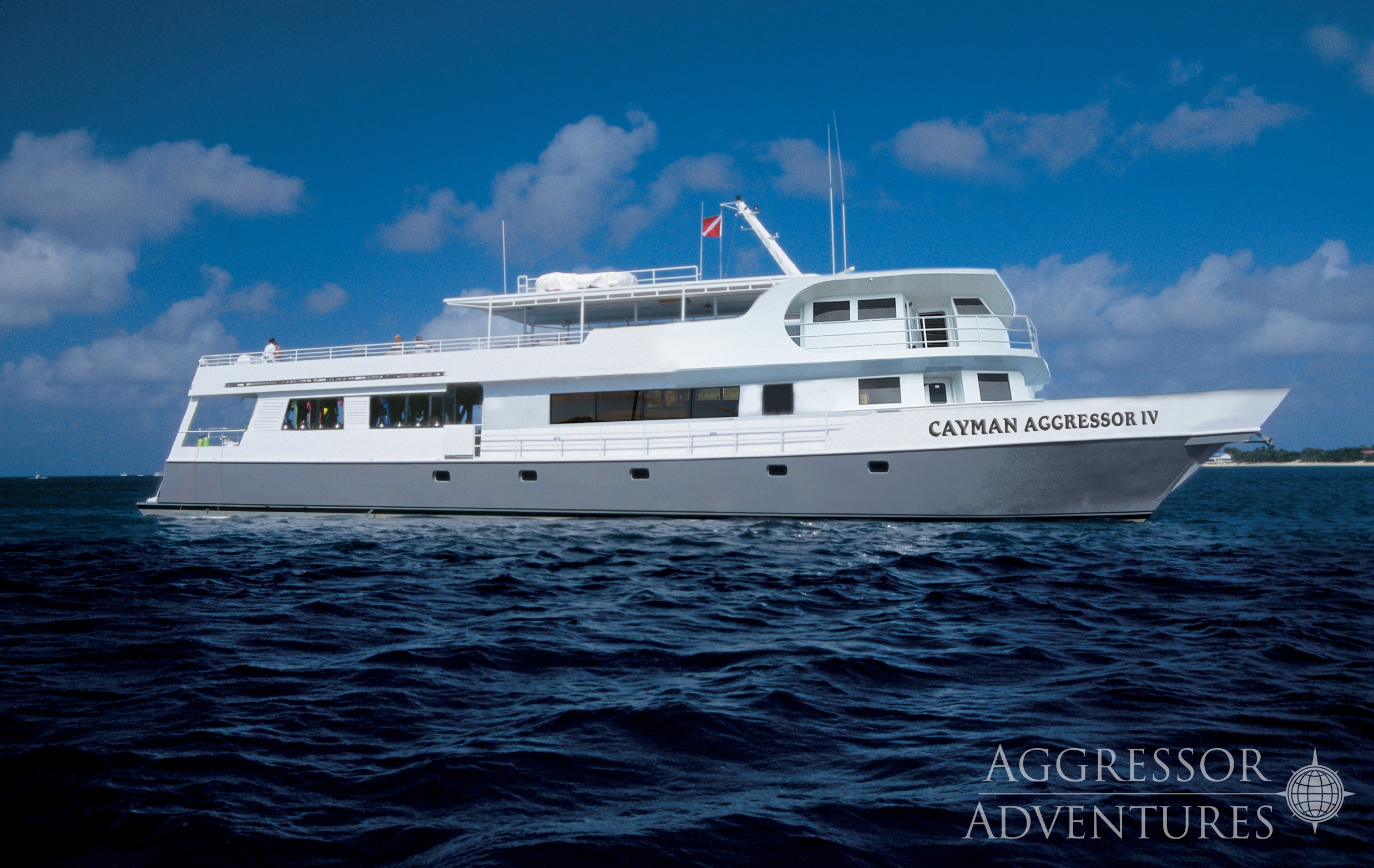
Cayman Aggressor IV
Cayman Islands
18 guests33 m
Dive sites similar to Japanese Gardens
Same character, same waters — six more sites divers love for the exact same reasons.Compare seasons, access and liveaboard routes — then pick the site that fits your trip best.
© Esri — Maxar, Earthstar, GIS
3 Fathom Wall
Cayman Islands
3 Fathom Wall is an exciting and fish-filled dive site located in the Cayman Islands, specifically at the intersection of the renowned Bloody Bay Wall.
- Suitable for
- Intermediate
- Current
- Mild
- Access
- Liveaboard only
- Depth
- ≤ 3000 m
- Theme
- Reef
While specific details for a dive site named "3 Riff" are not present in the provided sources, general diving conditions and characteristics for the Dominican Republic…
- Suitable for
- Advanced
- Current
- Mild
- Access
- Dayboat
- Depth
- 30–55 m
- Theme
- Reef
The dive site known as 3 Rocks is located off the coast of Sosúa in Puerto Plata, Dominican Republic, offering an accessible and lively underwater experience.
- Suitable for
- Beginner
- Current
- Mild
- Access
- Dayboat
- Depth
- 2–8 m
- Theme
- Reef
4 Amigos is a notable dive site located in the Bay Islands of Honduras, an area renowned for its extensive Mesoamerican Barrier Reef System, which is the world's second-longest.
- Suitable for
- Intermediate
- Current
- Moderate
- Access
- Liveaboard or dayboat
- Depth
- 9–40 m
- Theme
- Reef
© Esri — Maxar, Earthstar, GIS
6 Toed Cat
Mexico
The dive site known as "6 Toed Cat" is not a recognized dive location in Mexico; rather, it refers to the polydactyl felines, many with six toes, that inhabit the Ernest Hemingway Home and Museum in Key West, Florida.
- Suitable for
- Beginner
- Current
- Mild
- Access
- Liveaboard or dayboat
- Depth
- —
- Theme
- Reef
© Esri — Maxar, Earthstar, GIS
Aaron's Backyard
Honduras
Aaron's Backyard is a noted dive site within the Roatan Marine Park in Honduras, part of the extensive Mesoamerican Barrier Reef System.
- Suitable for
- Intermediate
- Current
- Moderate
- Access
- Liveaboard or dayboat
- Depth
- 9–40 m
- Theme
- Reef