About Mwand Pass
Mwand Pass, situated on the northern end of Pohnpei in Micronesia, offers divers an exceptional underwater experience. This site is particularly celebrated for its resident manta ray population, which includes the infrequently observed black morph variant, drawing enthusiasts eager for close encounters with these majestic creatures in their natural environment. The strong currents inherent to this channel create an exhilarating drift diving adventure, propelling divers along a diverse and colorful underwater landscape teeming with life. The surrounding waters of Pohnpei are extraordinarily biodiverse, featuring everything from intricate coral gardens and prolific reef fish to dramatic wall dives. Visibility is typically excellent, often exceeding 30 meters, providing clear views of the vibrant ecosystems. Divers can explore these varied environments from shore, boat, or liveaboard, always finding pristine conditions and a rich abundance of marine species. While diving is possible year-round, comfortable water temperatures range from 27°C to 29°C. Conditions are generally calm, though trade winds from June to September can bring choppier surface conditions and stronger currents. The combination of thrilling currents and stunning wildlife makes Mwand Pass a compelling destination for serious divers seeking unforgettable encounters. The region's remote nature and protected marine areas contribute to healthy coral populations and an undisturbed marine environment, setting Pohnpei apart as a premier diving location.
Highlights
Manta ray encountersElusive black morph mantasThrilling drift divingStrong channel currentsVibrant coral gardensExcellent visibilityDiverse marine ecosystemsPristine Micronesian environment
Season calendar
Best months to dive here
Jan
Feb
Mar
Apr
May
Jun
Jul
Aug
Sep
Oct
Nov
Dec
Excellent
Good
Dive site facts: Mwand Pass
- Depth
- 12–60 m
- Current
- Strong
- Visibility
- 30 m+
- Water temperature
- 27–29°C
- Entry
- Boat
- Level
- Advanced, drift experience recommended
- Dive type
- Drift, pelagic, coral garden
- Region / port
- Pohnpei, Micronesia
- Coordinates
- 6.9, 158.165
Conditions & Currents
Mwand Pass is characterized by strong currents within the channel, which create an exhilarating drift diving experience. Divers are often swept along by these currents, making careful planning and entry techniques crucial. While these currents are a primary draw for the site's pelagic encounters, they necessitate experience in drift diving and good buoyancy control. Surface conditions can be influenced by seasonal trade winds, particularly from June to September, leading to choppier waters. Visibility is consistently excellent, often exceeding 30 meters, regardless of current strength, providing clear views of the rapidly passing underwater scenery.
Marine life & sighting chances
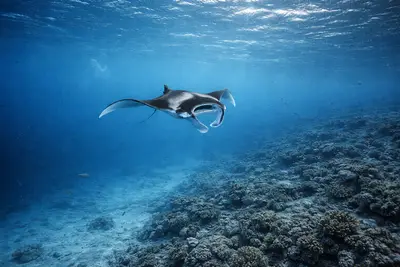
Manta ray
Year-round · common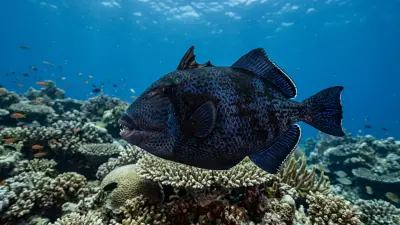
Black morph manta ray
occasional
Reef shark
occasional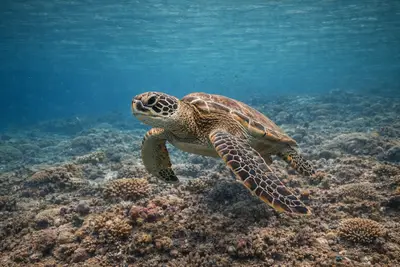
Green sea turtle
occasional
Dolphin
occasional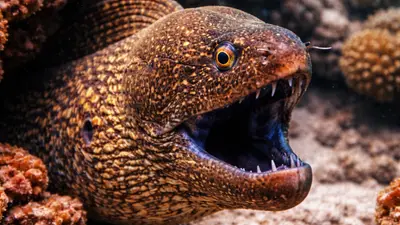
Moray eel
occasional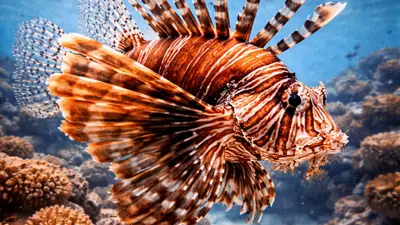
Lionfish
occasional
Barracuda
occasionalGrey reef shark
occasional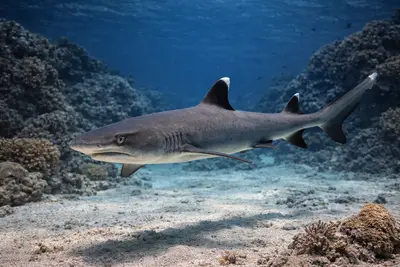
Whitetip reef shark
occasional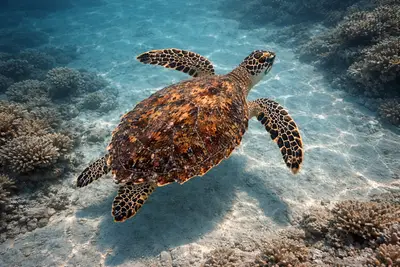
Hawksbill turtle
occasional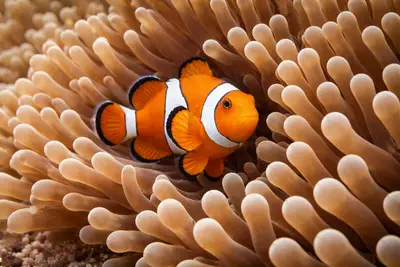
Clownfish
common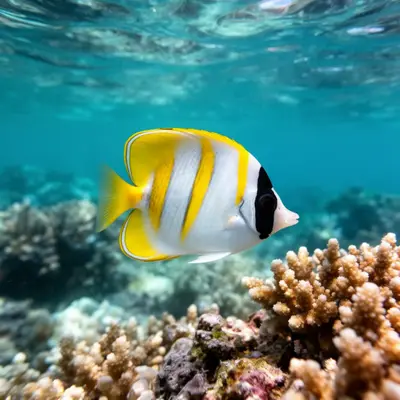
Butterflyfish
common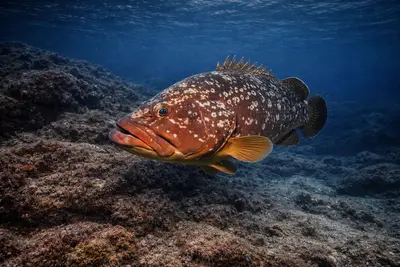
Grouper
occasionalDive profile & how the dive runs
A typical dive at Mwand Pass begins with a negative entry due to the strong currents in the channel, ensuring divers quickly descend to the reef. You will then drift along the vibrant coral gardens and walls, keeping an eye out for patrolling pelagics and resident manta rays. The current dictates the pace and direction of the dive, offering a dynamic and often rapid journey past diverse marine life. Depths can vary, but generally range from shallow reef tops to deeper wall sections, often staying within recreational limits while seeking out manta cleaning stations or feeding areas. The turn point is determined by gas consumption and current conditions, with the safety stop conducted in shallower, potentially calmer areas or while drifting, before surfacing for boat pick-up.
Underwater photography
Mwand Pass is ideal for wide-angle photography, particularly to capture the majestic manta rays and the expansive coral landscapes. A wide-angle lens is essential for documenting the impressive scale of pelagic encounters and the vibrant reef. Due to strong currents, a powerful strobe setup is beneficial for filling in shadows and bringing out colors, especially when subjects are moving quickly. Buoyancy control is paramount to avoid contact with the reef during drift dives. Be mindful of not obstructing the manta rays' natural behavior at cleaning stations; maintain a respectful distance to capture authentic interactions. Consider using a faster shutter speed to freeze the motion of fast-moving subjects in the current.
Combine with nearby dive sites
- Ant Atoll
A remote atoll known for pristine hard coral populations and diverse marine life, often combined with Pohnpei itineraries.
- Shark Island
A pelagic magnet off Kosrae, noted for frequent shark and eagle ray encounters.
- Palikir Pass
Another Pohnpei pass known for drift dives and pelagic action.
- Kehpara Island
Offers diverse diving experiences around Pohnpei, including rich coral reefs.
Getting there & logistics
Access to Mwand Pass, located in Pohnpei, Micronesia, typically involves international flights into Pohnpei International Airport (PNI), often via Guam, Hawaii, or Manila. From the airport, local dive operators provide transfers to accommodations or liveaboards. Dive trips to Mwand Pass are predominantly boat dives, often integrated into multi-day liveaboard itineraries that explore Pohnpei's surrounding sites. Day trips from shore-based resorts are also available. Planning for inter-island travel in Micronesia requires advance booking due to the remote nature of the destinations. There are no specific dive site fees mentioned for Mwand Pass, but general park fees or operational costs might apply through your chosen dive operator.
Safety & environment
Diving at Mwand Pass, with its strong currents and pelagic encounters, requires adherence to advanced diving safety protocols. Divers should be proficient in drift diving techniques and maintain excellent buoyancy control. A safety sausage (DSMB) is highly recommended for every diver to ensure visibility to the dive boat after surfacing, especially in areas with variable currents. The nearest recompression chamber is typically located in Guam, emphasizing the critical importance of dive insurance that covers emergency medical evacuation and treatment. Always dive with a reputable operator, follow your dive guide's instructions closely, and ensure your equipment is in top condition for dynamic conditions. Emergency evacuation from this remote region can be complex and time-consuming.
Who it suits — and who it doesn't
Suited for
- Experienced drift divers
- Manta ray enthusiasts
- Wide-angle underwater photographers
- Divers seeking pelagic encounters
- Liveaboard divers exploring Micronesia
Less suited for
- Novice divers
- Divers uncomfortable with strong currents
- Macro-focused photographers
- Those prone to seasickness in choppy conditions
- Divers without advanced certifications
FAQ
Mwand Pass FAQ
What marine life can I expect to see at Mwand Pass?
Mwand Pass is particularly famous for its resident manta ray population, including sightings of the rare black morph mantas. You can also expect to encounter various reef sharks, barracudas, and schools of colorful reef fish. Turtles and dolphins are occasionally spotted, adding to the rich biodiversity of the pass.
Are the currents strong at Mwand Pass?
Yes, Mwand Pass is known for its strong currents, making it an excellent site for drift diving. These currents are a key factor in attracting the large pelagic species that frequent the area. Divers should be experienced in drift diving and possess good buoyancy control to safely enjoy the site.
What is the best time of year to dive Mwand Pass?
Diving is possible year-round, with comfortable water temperatures ranging from 27°C to 29°C. However, the period from October to May generally offers the calmest surface conditions and excellent visibility. June to September may experience stronger trade winds, which can result in choppier seas.
Is Mwand Pass suitable for beginners?
Due to the strong currents and the nature of drift diving, Mwand Pass is generally recommended for advanced divers with experience in similar conditions. Novice divers or those uncomfortable with strong currents may find the site challenging. There are other, calmer sites around Pohnpei better suited for less experienced divers.
What is the visibility like at Mwand Pass?
Visibility at Mwand Pass is consistently excellent throughout the year, often exceeding 30 meters (98 feet). The clear waters provide superb views of the vibrant coral gardens and the abundant marine life, making it a highly rewarding site for underwater photography and marine observation.
Why dive Mwand Pass from a liveaboard?
Mwand Pass is one of Micronesia's signature dive sites. A liveaboard sleeps you on the water and puts you in the water for three to four guided dives per day, including dawn and night dives that day-boat operators rarely offer. You skip the daily commute back to port and reach quieter, less-crowded sites in the same region on a single trip.
Below are the liveaboards that include Mwand Pass on their Micronesia itineraries.
Liveaboards diving Mwand Pass
These liveaboards may visit Mwand Pass on selected itineraries — the exact dive sites depend on departure, weather and conditions.
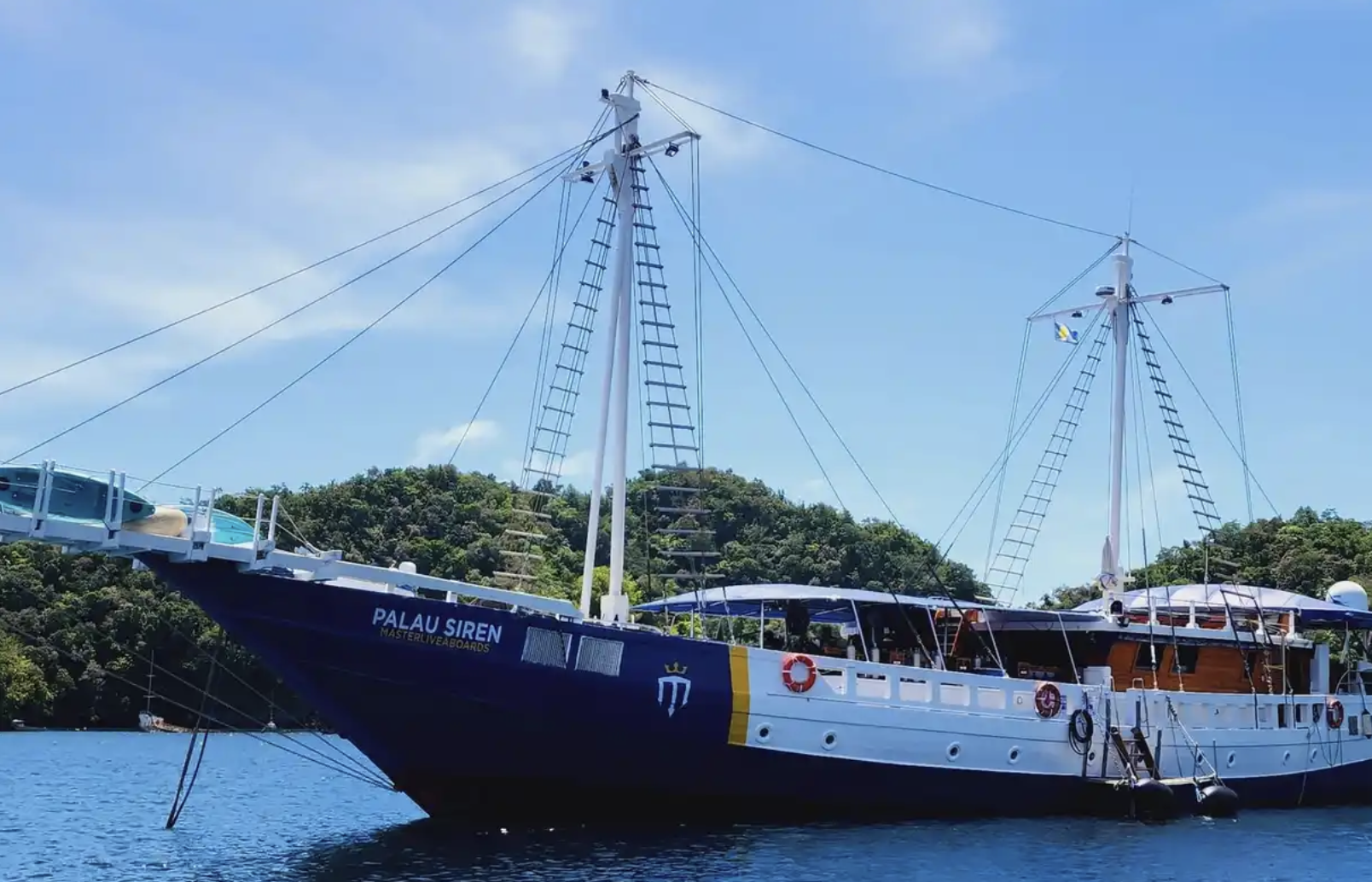
Palau Siren
Micronesia
16 guests
$501/day
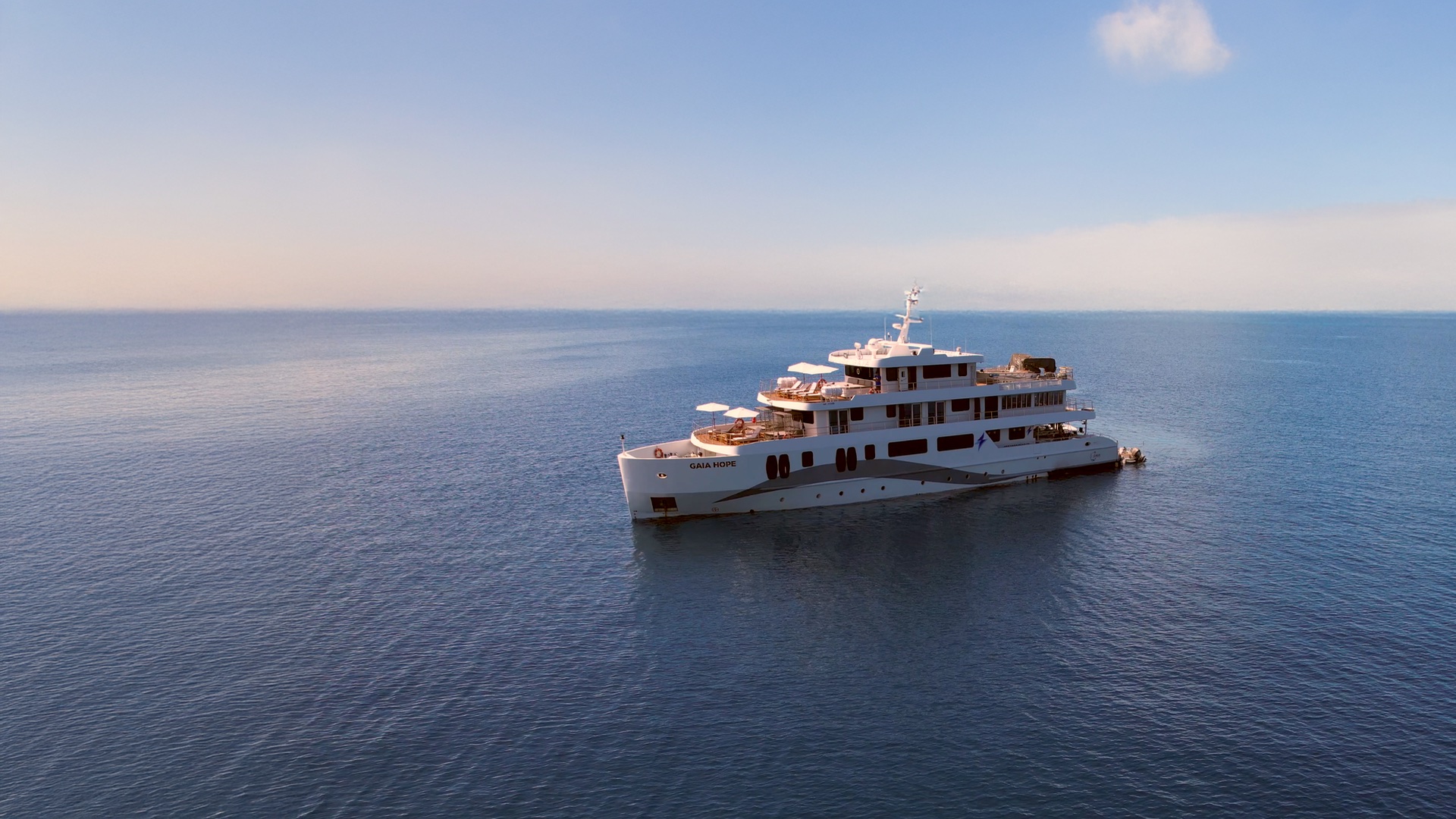
Solitude Gaia
Micronesia
18 guests40 m
$310/day
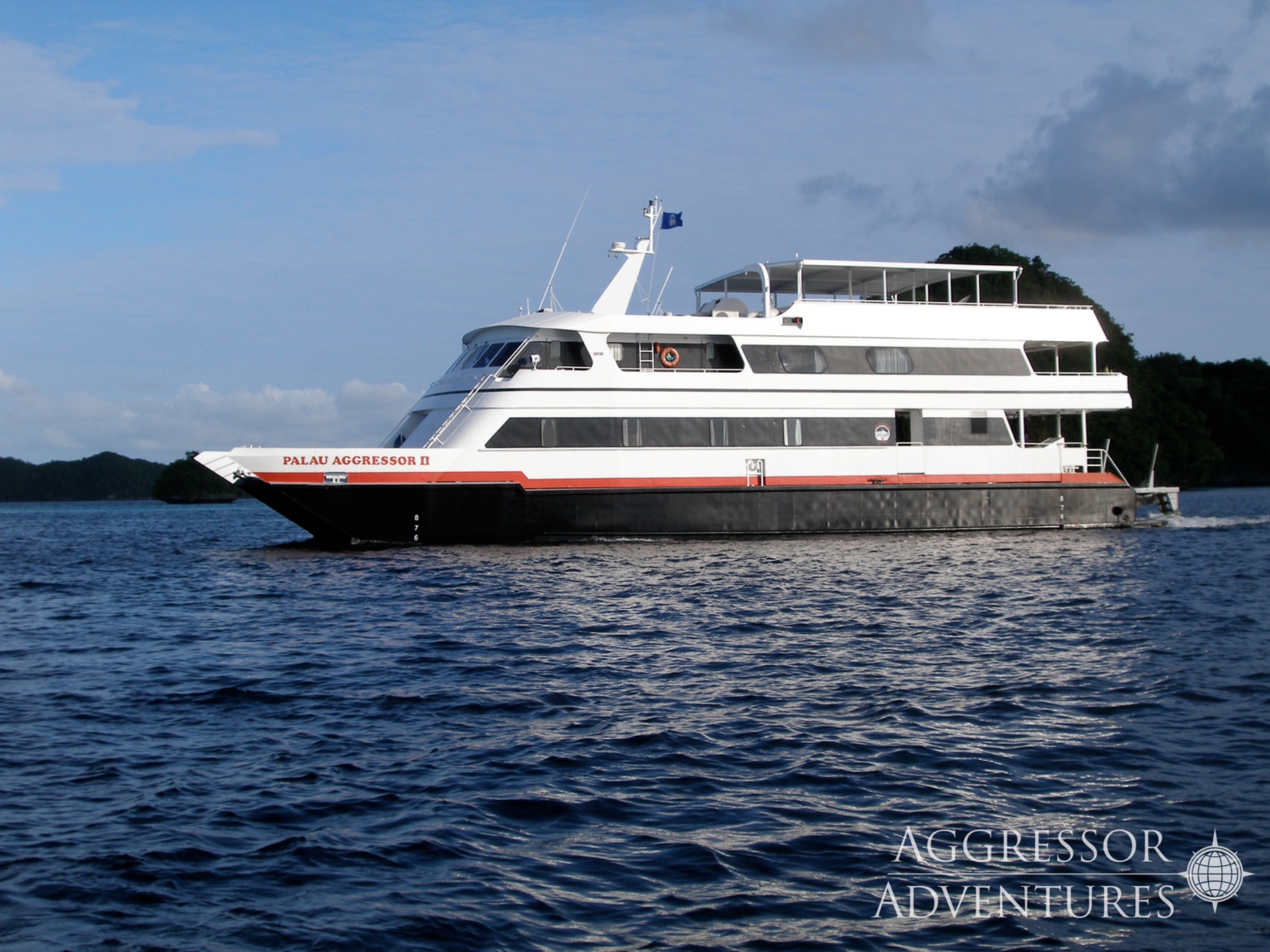
Palau Aggressor II
Micronesia
18 guests32 m
$354/day
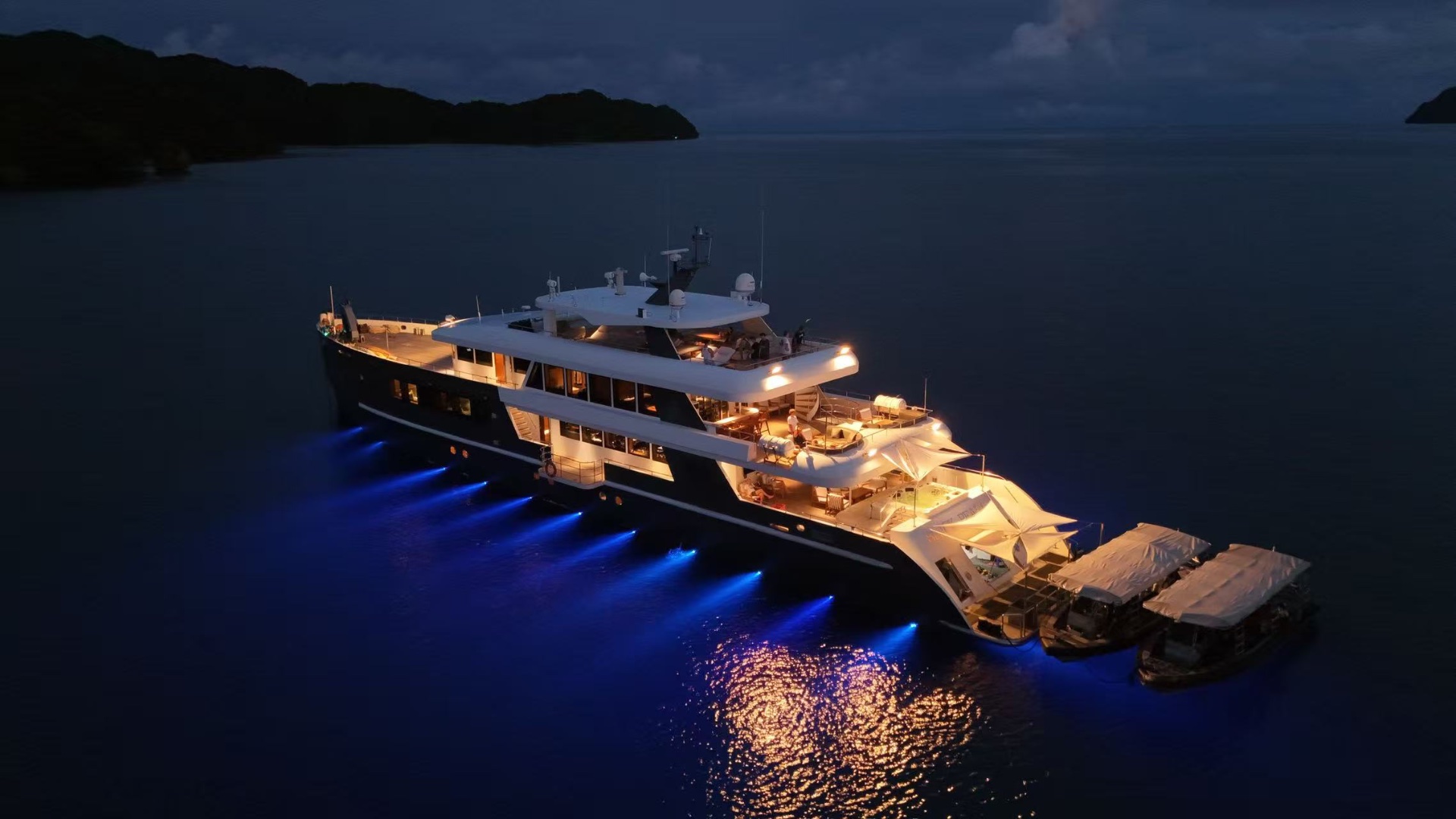
Black Pearl
Micronesia
24 guests
$390/day
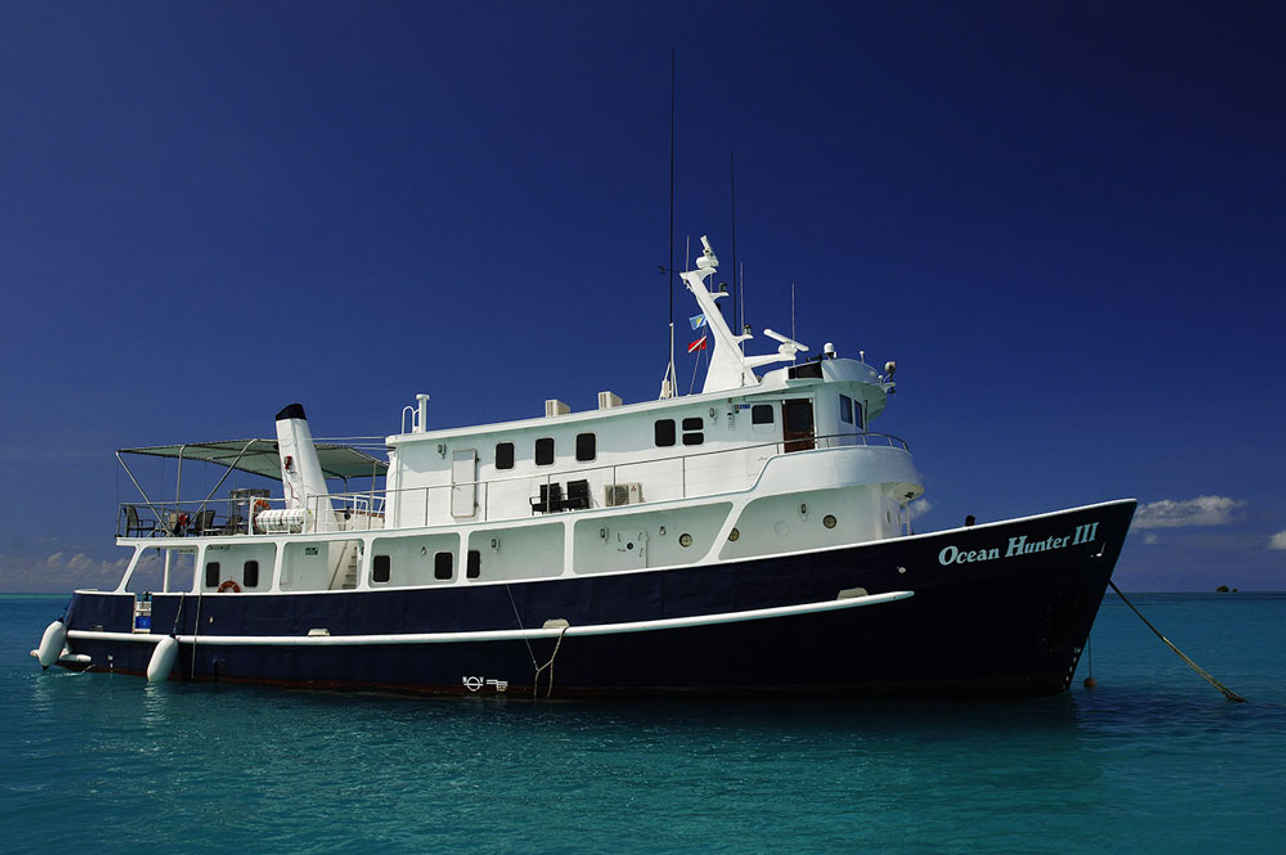
Ocean Hunter 3
Micronesia
16 guests29 m
$350/day
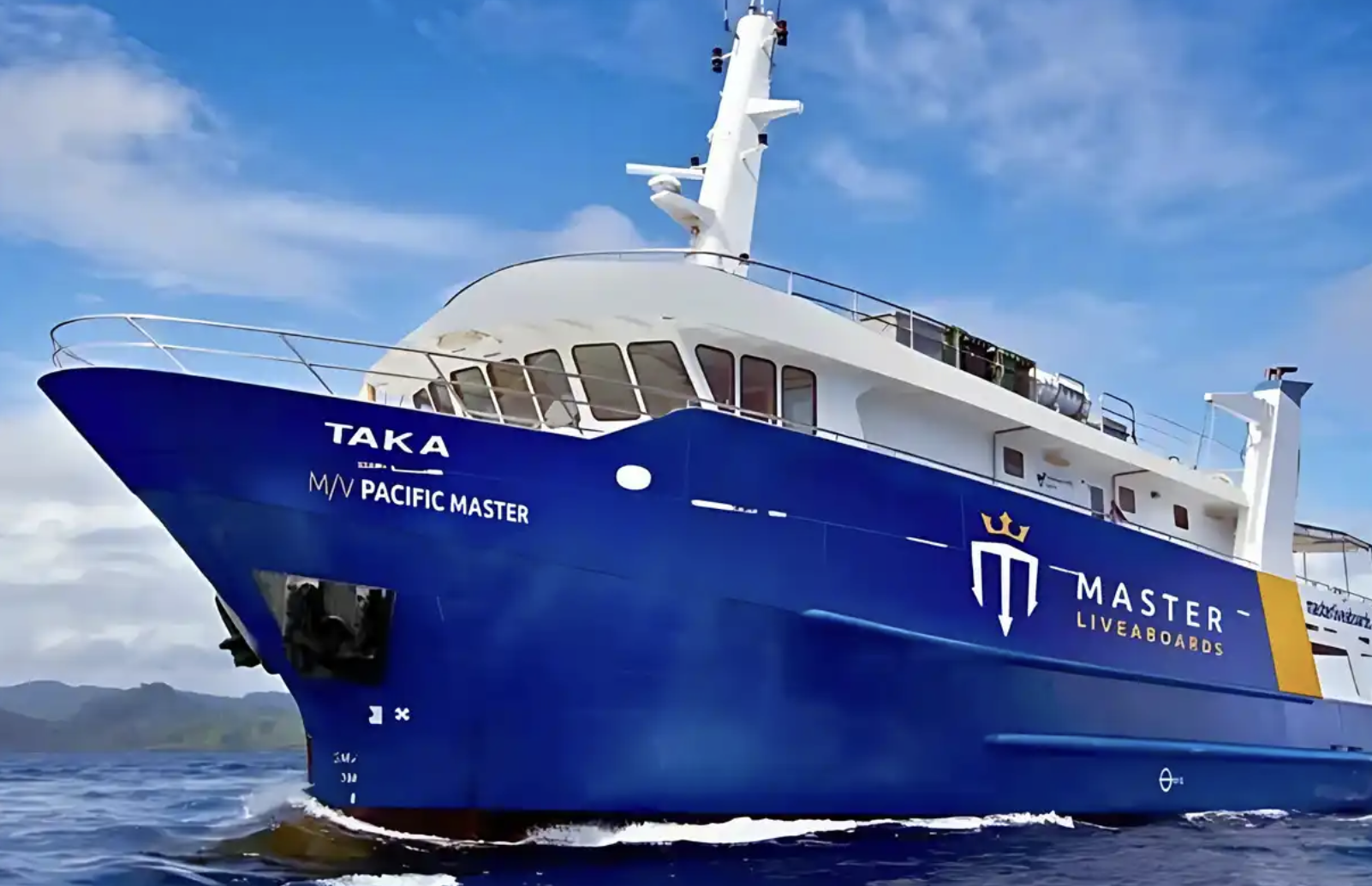
Pacific Master
Solomon Islands
20 guests30 m
$268/day
Dive sites similar to Mwand Pass
Same character, same waters — six more sites divers love for the exact same reasons.Compare seasons, access and liveaboard routes — then pick the site that fits your trip best.
© Esri — Maxar, Earthstar, GIS
Mi'l Channel
Micronesia
Mi'l Channel in Yap, Federated States of Micronesia, stands out as a world-renowned dive site, primarily celebrated for its consistent manta ray sightings.
- Suitable for
- Advanced
- Current
- Strong
- Access
- Dayboat
- Depth
- 15–30 m
- Theme
- Drift / Reef
© Esri — Maxar, Earthstar, GIS
Gilman Wall
Micronesia
Gilman Wall is one of Yap's premier dive sites, renowned for its spectacular vertical drop-offs and consistent pelagic action.
- Suitable for
- Advanced
- Current
- Strong
- Access
- Liveaboard only
- Depth
- 10–30 m
- Theme
- Drift / Wall
© Esri — Maxar, Earthstar, GIS
Manta Road
Micronesia
Manta Road, located in Pohnpei, Micronesia, is renowned as a premier destination for manta ray encounters.
- Suitable for
- Intermediate
- Current
- Moderate
- Access
- Dayboat
- Depth
- 16–25 m
- Theme
- Drift / Reef
© Esri — Maxar, Earthstar, GIS
Hiroshi Point
Micronesia
Hiroshi Point is a prominent shore and boat dive site located on the southern end of Kosrae in the Federated States of Micronesia.
- Suitable for
- Beginner
- Current
- Mild
- Access
- Liveaboard or dayboat
- Depth
- 5–13 m
- Theme
- Reef / Wall
© Esri — Maxar, Earthstar, GIS
Gabach Garden Walls
Micronesia
Gabach Garden Walls, located in the eastern lagoon of Pohnpei, Micronesia, is a captivating dive site characterized by its low reef wall.
- Suitable for
- Intermediate
- Current
- Mild
- Access
- Dayboat
- Depth
- 2–30 m
- Theme
- Wall
© Esri — Maxar, Earthstar, GIS
Walung Drop-Off
Micronesia
Walung Drop-Off is a well-known dive site situated off the southwest coast of Kosrae in the Federated States of Micronesia.
- Suitable for
- Intermediate
- Current
- Moderate
- Access
- Dayboat
- Depth
- ≤ 30 m
- Theme
- Wall / Reef