About Mborokua (Devil's Island)
Mborokua, commonly known as Mary Island or Devil's Island, stands as a remote and thrilling dive destination within the Solomon Islands archipelago. This isolated pinnacle is celebrated for its dynamic underwater environment, characterized by strong currents and an abundance of large pelagic marine life. Its name, 'Devil's Highway,' alludes to either the frequent presence of manta rays (sometimes called devil rays) or the significant currents that sweep through the area. Underneath the surface, Mborokua boasts diverse topography, featuring dramatic drop-offs and open ocean exposure. Depths can range significantly, catering to various experience levels, though the main attractions are often found in areas affected by current. The site is a magnet for schooling fish, with massive aggregations often swirling around the pinnacle, creating spectacular displays for divers. The marine biodiversity here is exceptional, part of the rich Coral Triangle, offering encounters with barracuda, jackfish, bumphead parrotfish, and various reef sharks. The consistent presence of manta rays, sometimes in groups, is a major draw, alongside the possibility of hearing the distant rumble of an active underwater volcano. While diving is good year-round, the dry season (April–November) typically provides calmer seas and excellent visibility. Dive experiences at Mborokua are usually conducted from liveaboards, utilizing tenders for site access. Given the potential for strong currents, drift diving is common, and maintaining good buoyancy control is crucial. The remote nature of the site means it's rare to encounter other dive boats, offering an unspoiled and intimate underwater exploration.
Highlights
Large schools of barracudaFrequent manta ray encountersAbundant bumphead parrotfishRemote pelagic pinnacleStrong current drift divesHearing underwater volcano rumbling
Season calendar
Best months to dive here
Jan
Feb
Mar
Apr
May
Jun
Jul
Aug
Sep
Oct
Nov
Dec
Excellent
Good
Dive site facts: Mborokua (Devil's Island)
- Depth
- Variable, deep
- Current
- Strong
- Visibility
- 20–30 m (dry season)
- Water temperature
- 28–30 °C
- Entry
- Tender / drift
- Level
- Advanced, current experience recommended
- Dive type
- Pelagic, schooling fish, drift
- Region / port
- Florida Islands / Central Province
- Coordinates
- -9.0833, 159.8167
Conditions & Currents
Mborokua is characterized by strong currents, which are a significant factor in the dive experience, often giving the site its nickname 'Devil's Highway.' Dives here are typically drift dives, utilizing the tenders for entry and exit. Divers should be prepared for varying current strengths and be proficient in current diving techniques to navigate the site safely and enjoyably.
Marine life & sighting chances

Manta ray
common
Barracuda
common
Bumphead parrotfish
common
Reef shark
common
Jacks
common
Tuna
occasional
Triggerfish
common
Snappers
occasional
Fusiliers
common
Hard corals
common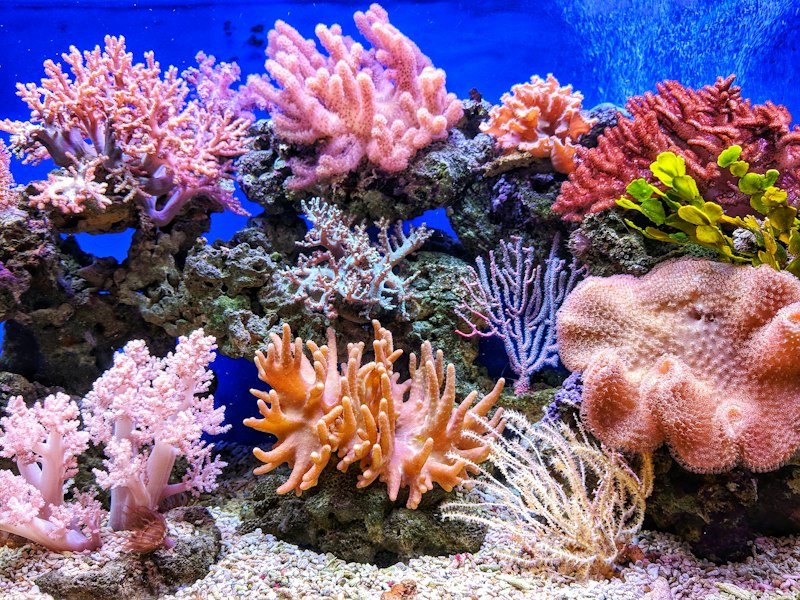
Soft corals
commonDive profile & how the dive runs
Diving Mborokua typically begins with a tender drop, often involving a negative entry to quickly descend into the strong currents characteristic of the site. The dive often follows a drift profile around the remote pinnacle, allowing divers to be carried by the current while observing the abundant marine life. The route can vary based on current direction and strength, but the general plan involves exploring the deep walls and plateaus where pelagic species congregate. You'll typically encounter schools of barracuda and jacks, and keep an eye out for manta rays traversing the blue. Depth progression is usually managed by the dive guide, utilizing reef hooks if necessary to observe passing marine life. The turn point is determined by air consumption and current, and the safety stop is usually performed as a mid-water drift, with the tender ready to pick up divers once they surface.
Underwater photography
Mborokua is a prime location for wide-angle photography, especially given the frequent encounters with schooling fish like barracuda and jacks, as well as the impressive manta rays. A wide-angle lens is essential to capture the scale of these aggregations and the dramatic pelagic action. When photographing manta rays, maintain a respectful distance and avoid chasing them; let them approach you. Strong currents mean divers need excellent buoyancy control to avoid contact with the reef and to stay stable for shots. While the site is primarily known for its large marine life, be prepared for dynamic lighting conditions due to depth and water clarity. Consider bringing external strobes to bring out the vibrant colors of the healthy corals and fish, even in strong ambient light.
Combine with nearby dive sites
- Leru Cut
Leru Cut is a celebrated dive site within the Russell Islands group, renowned for its dramatic geological formation: a narrow canyon…
- Mirror Pond
Mirror Pond is a distinctive cavern dive located within the Russell Islands, known for its captivating jungle-fringed entrance and dramatic…
- Twin Tunnels
Big Tunnels is a prominent dive site located on the West Side of Grand Cayman, specifically south of Northwest Point and near Orange…
- Honiara - Iron Bottom Sound
Iron Bottom Sound, located between Guadalcanal, Tulagi, and the Florida Islands, is a legendary dive destination named for the vast amount…
- Bonegi I & II
Bonegi I (Hirokawa Maru) and Bonegi II (Kinugawa Maru) are two Japanese transport ships resting off Guadalcanal's northwestern coast…
Getting there & logistics
Access to Mborokua (Mary Island) is predominantly via liveaboard vessels departing from Honiara, the capital of the Solomon Islands. Honiara International Airport (HIR) is the main entry point, with direct flights available from Brisbane, Nadi (Fiji), Port Moresby, and Auckland. Liveaboard trips typically range from 7 to 12 nights, often combining Mborokua with other renowned dive areas like the Florida Islands, Russell Islands, and Marovo Lagoon. There are no specific park fees mentioned for Mborokua, but these are usually included in liveaboard packages. It is advisable to have Solomon Islands Dollars (SBD) for small purchases in local villages, though USD may be accepted at major hotels and on some liveaboards.
Safety & environment
Diving at Mborokua requires a strong emphasis on safety due to the potentially powerful currents. Divers should have appropriate training and experience for drift diving and be proficient in current management techniques. Always carry a reef hook, a surface marker buoy (SMB), and an audible signaling device. The nearest recompression chamber is limited in the Solomon Islands, making comprehensive dive insurance that covers remote evacuation essential. Malaria is present, particularly on Guadalcanal, so consult a doctor regarding prophylaxis. Liveaboards provide safety briefings and trained guides; adherence to their instructions is crucial. Mobile phone coverage is limited away from Honiara, so communication in emergencies relies on the liveaboard's satellite systems.
Who it suits — and who it doesn't
Suited for
- Experienced divers comfortable with strong currents
- Divers seeking large pelagic encounters
- Underwater photographers focusing on wide-angle subjects
- Liveaboard enthusiasts looking for remote diving
- Adventure seekers desiring untouched reefs
Less suited for
- Beginner divers without current experience
- Divers uncomfortable with deep or drift diving
- Those prone to seasickness in open ocean conditions
- Individuals seeking primarily macro photography opportunities
- Divers on limited time or day trips from shore
FAQ
Mborokua (Devil's Island) FAQ
Why is Mborokua also known as Devil's Island?
Mborokua is often referred to as Devil's Island or 'Devil's Highway' due to two primary reasons. The first is the frequent presence of manta rays, which are sometimes colloquially known as 'devil rays.' The second, and perhaps more prominent, reason is the strong and often unpredictable currents that sweep through the dive site, challenging even experienced divers.
What kind of marine life can I expect to see at Mborokua?
Mborokua is renowned for its abundant pelagic marine life, making it a hotspot for encounters with large animals. Divers frequently see significant schools of barracuda, various species of jacks, and large bumphead parrotfish. The site is also famous for regular sightings of manta rays and different types of reef sharks, making it an exciting destination for big fish enthusiasts.
Are the currents at Mborokua very strong?
Yes, Mborokua is well-known for its strong currents, which are a defining characteristic of the dive site. These currents can be powerful and unpredictable, making it an exhilarating drift dive. Divers visiting Mborokua should have experience with current diving and good buoyancy control to ensure a safe and enjoyable experience.
Is Mborokua suitable for beginner divers?
Mborokua is generally not recommended for beginner divers due to the strong currents and the exposed nature of the site. It is best suited for experienced divers who are comfortable with drift diving and have a good understanding of current management. Novice divers might find the conditions challenging and potentially overwhelming.
How do I get to Mborokua for diving?
Mborokua is a remote dive site typically accessed via liveaboard vessels operating in the Solomon Islands. These liveaboards usually depart from Honiara, the capital city. Divers will fly into Honiara International Airport, and then embark on their liveaboard journey which includes Mborokua as part of its itinerary.
Why dive Mborokua (Devil's Island) from a liveaboard?
Mborokua (Devil's Island) is one of Solomon Islands's signature dive sites. A liveaboard sleeps you on the water and puts you in the water for three to four guided dives per day, including dawn and night dives that day-boat operators rarely offer. You skip the daily commute back to port and reach quieter, less-crowded sites in the same region on a single trip.
Below are the liveaboards that include Mborokua (Devil's Island) on their Solomon Islands itineraries.
Liveaboards diving Mborokua (Devil's Island)
These liveaboards may visit Mborokua (Devil's Island) on selected itineraries — the exact dive sites depend on departure, weather and conditions.
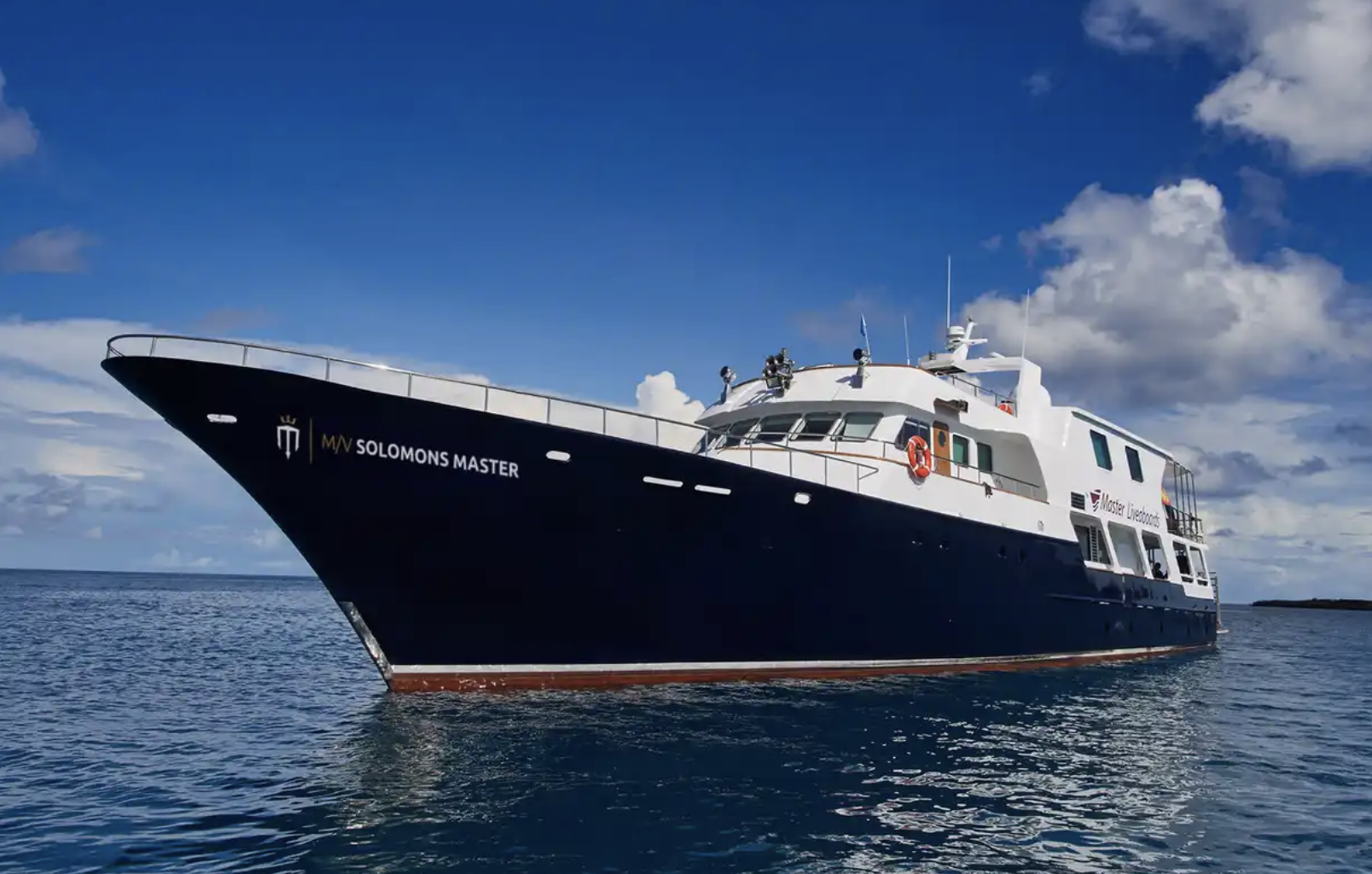
Solomons Master
Solomon Islands
16 guests
$401/day
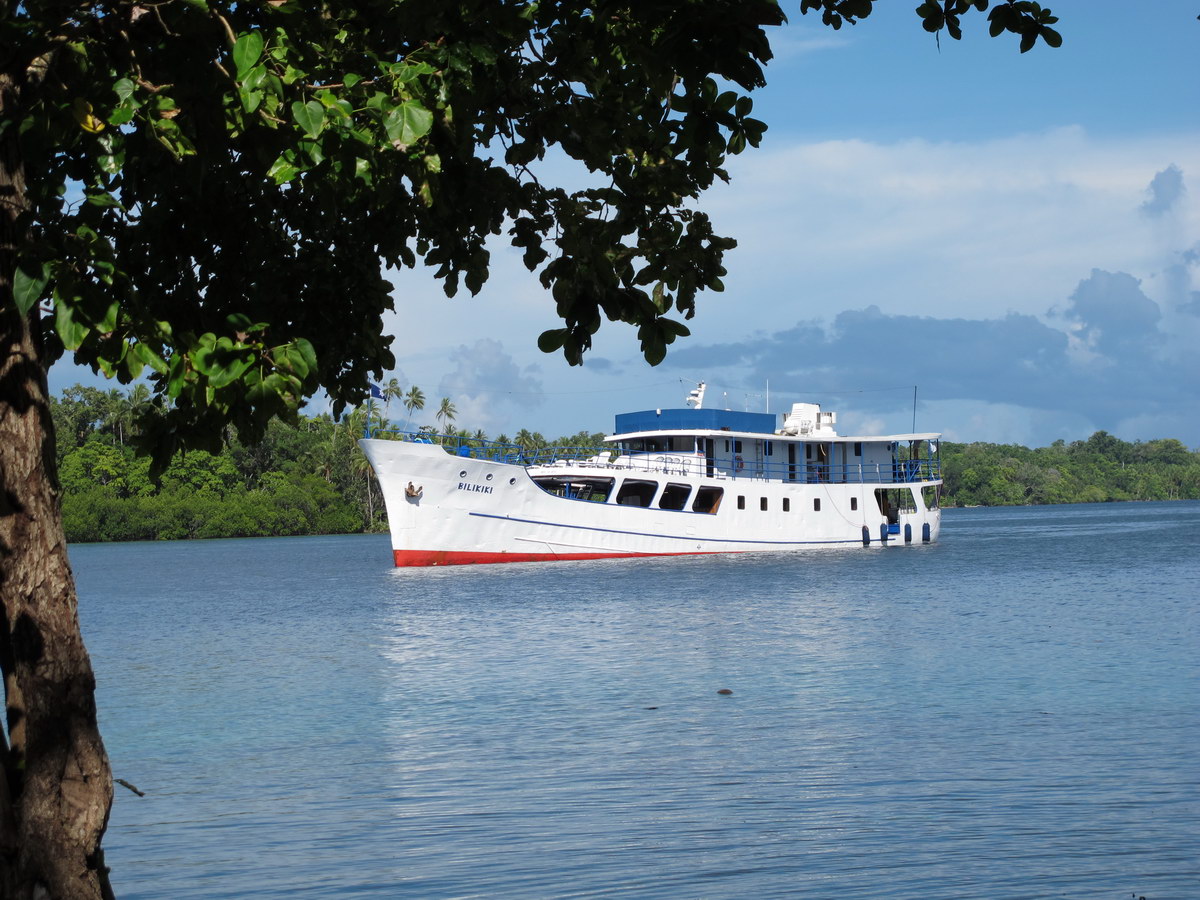
Emperor Bilikiki
Solomon Islands
20 guests38 m
$569/day
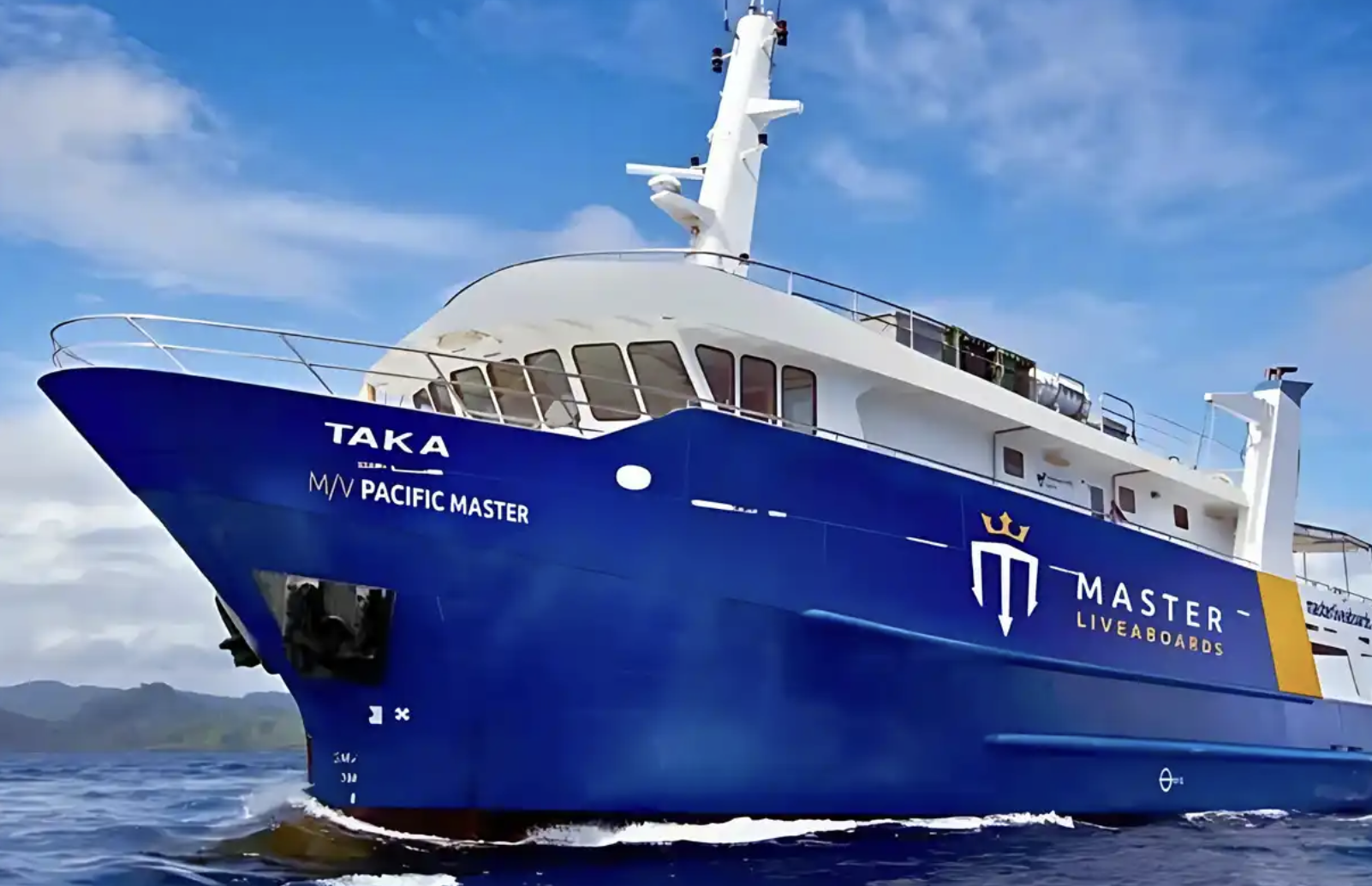
Pacific Master
Solomon Islands
20 guests30 m
$268/day
Dive sites similar to Mborokua (Devil's Island)
Same character, same waters — six more sites divers love for the exact same reasons.Compare seasons, access and liveaboard routes — then pick the site that fits your trip best.
© Esri — Maxar, Earthstar, GIS
Karumolun Point
Solomon Islands
Karumolun Point, nestled in the Russell Islands, stands as a prime example of the Solomon Islands' untouched marine beauty.
- Suitable for
- Advanced
- Current
- Strong
- Access
- Liveaboard only
- Depth
- 8–35 m
- Theme
- Pinnacle / Wall
© Esri — Maxar, Earthstar, GIS
Mary Island
Solomon Islands
Mary Island, often referred to as Mary's Island, is a celebrated dive destination in the Solomon Islands, renowned for its pristine marine environment and abundant large marine life.
- Suitable for
- Intermediate
- Current
- Mild
- Access
- Liveaboard only
- Depth
- 5–35 m
- Theme
- Wall
Kuabs, situated off Munda in the Solomon Islands' Western Province, presents a captivating sloping reef wall dive.
- Suitable for
- Intermediate
- Current
- No current
- Access
- Dayboat
- Depth
- —
- Theme
- Reef / Wall
© Esri — Maxar, Earthstar, GIS
Tetepare - South Wall
Solomon Islands
Tetepare - South Wall showcases the untouched beauty of Tetepare, the Southern Hemisphere's largest uninhabited tropical island.
- Suitable for
- Advanced
- Current
- Strong
- Access
- Liveaboard only
- Depth
- 5–50 m
- Theme
- Wall
© Esri — Maxar, Earthstar, GIS
Tulagi - Twin Tunnels
Solomon Islands
The Twin Tunnels dive site is situated on a seamount approximately one kilometer southeast of Tulagi Island in the Solomon Islands.
- Suitable for
- Advanced
- Current
- Moderate
- Access
- Liveaboard only
- Depth
- 8–22 m
- Theme
- Cave & cavern / Seamount
© Esri — Maxar, Earthstar, GIS
Mbili Passage
Solomon Islands
Mbili Passage is a captivating dive site located within the New Georgia Island group in the Western Province of the Solomon Islands.
- Suitable for
- Advanced
- Current
- Strong
- Access
- Liveaboard only
- Depth
- 10–30 m
- Theme
- Drift