About Russel Islands - Langa Langa
The Russell Islands, nestled in the Solomon Islands archipelago, offer an unparalleled dive experience characterized by diverse underwater landscapes and a rich historical past. Located north of Guadalcanal, these islands boast steep walls, intricate caves, and unique cuts carved into the jungle-clad terrain, providing a variety of dive profiles for all interests. Water temperatures consistently range between 28-30°C (82-86°F) year-round, ensuring comfortable conditions for extended bottom times. Visibility is generally excellent, often exceeding 30 meters, though local conditions can cause variations. The area is renowned for its healthy hard and soft corals, attracting an abundance of reef fish and pelagic species alike. Divers can expect to encounter everything from schooling fusiliers and pyramid butterflyfish to reef sharks, barracuda, and tuna patrolling the currents. The historical significance of the Russell Islands adds another layer of intrigue, with World War II relics forming artificial reefs that now host thriving ecosystems. These sites, such as White Beach, offer a unique blend of history and marine biology. The combination of pristine natural beauty, abundant marine life, and fascinating historical artifacts makes the Russell Islands a standout destination for discerning divers seeking an uncrowded and diverse adventure. Diving is primarily conducted from liveaboards, which provide access to a wide array of sites and often include cultural interactions with local villages. The easy access to sites via tender boats and the comfortable dive conditions ensure a relaxed yet thrilling exploration of this remote Pacific paradise.
Highlights
Leru Cut cavern diveWWII White Beach relicsSteep reef wallsVibrant coral gardensPelagic marine encountersDiverse macro lifeJungle-fringed dive sitesSchools of fusiliers
Season calendar
Best months to dive here
Jan
Feb
Mar
Apr
May
Jun
Jul
Aug
Sep
Oct
Nov
Dec
Excellent
Good
Dive site facts: Russel Islands - Langa Langa
- Depth
- 10–35 m
- Current
- Mild to moderate
- Visibility
- 12–36 m
- Water temperature
- 28–30°C
- Entry
- Tender / Liveaboard
- Level
- Open Water Diver
- Dive type
- Wall, Cavern, Wreck, Coral Garden
- Night dive
- Possible
- Region / port
- Russell Islands
- Coordinates
- -9.0833, 159.1833
Conditions & Currents
Currents in the Russell Islands are generally mild, contributing to the overall ease of diving in the region. However, certain points and passages, particularly where pelagic species gather, can experience stronger flows. Dive plans are typically formulated to minimize swimming against the current, often employing drift diving techniques. Divers may encounter areas where reef hooks could be utilized, though they are not always necessary. Visibility is consistently good, usually between 40 to 120 feet, and water temperatures remain warm at 28-30°C (82-86°F), making for comfortable conditions even during longer dives. Surge is minimal due to the sheltered nature of many island dive sites, ensuring easy entries and exits, particularly when using tender boats for transport to and from the main vessel.
Marine life & sighting chances

Fusilier schools
common
Pyramid butterflyfish
common
Reef sharks
common
Barracuda
common
Tuna
occasional
Eagle rays
occasional
Pygmy seahorses
occasional
Candy crabs
occasional
Anemonefish
common
Turtles
common
Cuttlefish
occasional
Octopus
occasional
Nudibranchs
commonDive profile & how the dive runs
A typical dive in the Russell Islands begins with a tender boat transfer to the site, often a wall or a cut like Leru Cut. For wall dives, entry is usually a backward roll or giant stride, descending to depths around 20-30 meters to explore the vibrant coral gardens and search for pelagic activity. Divers then slowly ascend, following the reef contour, allowing for multi-level profiles and extended bottom time. In unique sites like Leru Cut, the entry involves swimming into a narrow chasm, progressing inland at shallow depths, and surfacing in a hidden jungle pool before reversing course. Safety stops are conducted in the extensive shallow reef areas, which are often rich in macro life and colorful reef fish, providing a visually engaging end to the dive.
Underwater photography
The Russell Islands offer exceptional opportunities for both wide-angle and macro photography, making lens selection a delightful challenge on every dive. Wide-angle lenses excel at capturing the dramatic topography of Leru Cut, the expansive coral gardens, and schools of fusiliers against the vibrant backdrop of reef walls. For macro enthusiasts, the diverse critter life—including pygmy seahorses, candy crabs, and numerous nudibranchs—demands a dedicated macro lens. Proper buoyancy control is essential to protect delicate corals and marine life, especially in confined spaces like cuts and caverns. Strobes are crucial for bringing out the true colors of the corals and highlighting subjects in shadowed areas or deeper sections of the reef. Given the pristine nature of the sites, maintaining respectful distances and avoiding disturbance to marine inhabitants is paramount.
Combine with nearby dive sites
- Leru Cut
Iconic cavern and cut dive within the Russell Islands.
- Mary Island
Known for schooling pelagics and dramatic walls.
- Honiara - Iron Bottom Sound
Famous for WWII wrecks, a short distance from the Russell Islands.
- Tulagi - Twin Tunnels
Volcanic lava tubes creating a unique dive experience.
- Marovo Lagoon - Coral Gardens
One of the largest lagoons, offering stunning coral and macro life.
- Sandfly Passage
A drift dive known for strong currents and pelagic action.
Getting there & logistics
Access to the Russell Islands typically begins with international flights into Honiara International Airport (HIR) on Guadalcanal, with direct connections available from Australia and regional hubs. From Honiara, divers primarily join liveaboards, such as the MV Bilikiki, which serve as the main mode of transport to the remote dive sites. Liveaboard trips vary in length, often ranging from 7 to 14 nights, covering the Russell Islands, Florida Islands, and sometimes extending to Mary Island or Marovo Lagoon. There are generally no specific dive site fees for individual dives, as these are typically included in the liveaboard package. These itineraries usually combine diverse diving experiences with opportunities for cultural village visits, providing a comprehensive Solomon Islands adventure.
Safety & environment
Diving in the Russell Islands, while generally straightforward, requires an awareness of its remote location. The nearest recompression chamber is approximately 1,500 miles away in Townsville, Australia, necessitating emergency air evacuation via helicopter to Honiara, then a specialized KingAir turboprop equipped with a recompression chamber. This extended evacuation time underscores the critical importance of prudent dive planning, strict adherence to dive limits, and comprehensive dive insurance that covers emergency medical evacuation. Divers should be proficient in buoyancy control, particularly in tighter passages like Leru Cut and around delicate coral formations. Always dive with a reliable buddy and carry a signal device. Liveaboard crews are highly experienced and provide thorough briefings, emphasizing local conditions and safety protocols. Consulting a physician about recommended vaccinations and preventative medications before travel is also advised.
Who it suits — and who it doesn't
Suited for
- Experienced Open Water Divers comfortable with mild currents
- Underwater photographers focusing on macro and wide-angle subjects
- Divers interested in historical WWII wreck sites
- Liveaboard enthusiasts seeking remote, uncrowded diving
- Those who appreciate pristine, healthy coral reefs
Less suited for
- Beginner divers without sufficient experience
- Divers who prefer shore-based diving
- Those sensitive to boat travel for extended periods
- Divers seeking specific large pelagic encounters like whale sharks
- Individuals with limited mobility due to tender transfers
FAQ
Russel Islands - Langa Langa FAQ
What is the best time of year to dive the Russell Islands?
The optimal time for diving in the Russell Islands is during the dry season, from April to November. During these months, the weather is generally more stable, currents are mild, and underwater visibility is at its peak. Water temperatures remain consistently warm year-round, making it comfortable for diving in any season.
What kind of marine life can I expect to see in the Russell Islands?
The Russell Islands boast a diverse array of marine life, ranging from vibrant reef fish to pelagic species. You can frequently spot schooling fusiliers, pyramid butterflyfish, reef sharks, and barracuda. Macro enthusiasts will also find pygmy seahorses, candy crabs, nudibranchs, and other fascinating critters hidden among the corals.
Are there any wreck dives in the Russell Islands?
Yes, the Russell Islands offer unique wreck diving experiences, most notably at sites like White Beach. Here, relics from World War II, including bulldozed vehicles and machinery, have formed artificial reefs teeming with marine life. These sites provide a fascinating blend of history and thriving ecosystems for divers to explore.
How do divers typically access the dive sites in the Russell Islands?
Divers usually access the Russell Islands through liveaboard vessels that depart from Honiara, the capital of the Solomon Islands. Liveaboards provide tender boats for transport to individual dive sites, ensuring convenient and safe entry and exit from the water. This allows for exploration of a wide range of remote and pristine locations.
Is the diving suitable for all experience levels?
The diving in the Russell Islands is generally suitable for experienced Open Water Divers due to the varied conditions. While currents are often mild, some sites can have stronger flows, and cavern dives like Leru Cut require good buoyancy control. Divers comfortable with liveaboard operations and tender transfers will have the best experience.
Why dive Russel Islands - Langa Langa from a liveaboard?
Russel Islands - Langa Langa is one of Solomon Islands's signature dive sites. A liveaboard sleeps you on the water and puts you in the water for three to four guided dives per day, including dawn and night dives that day-boat operators rarely offer. You skip the daily commute back to port and reach quieter, less-crowded sites in the same region on a single trip.
Below are the liveaboards that include Russel Islands - Langa Langa on their Solomon Islands itineraries.
Liveaboards diving Russel Islands - Langa Langa
These liveaboards may visit Russel Islands - Langa Langa on selected itineraries — the exact dive sites depend on departure, weather and conditions.
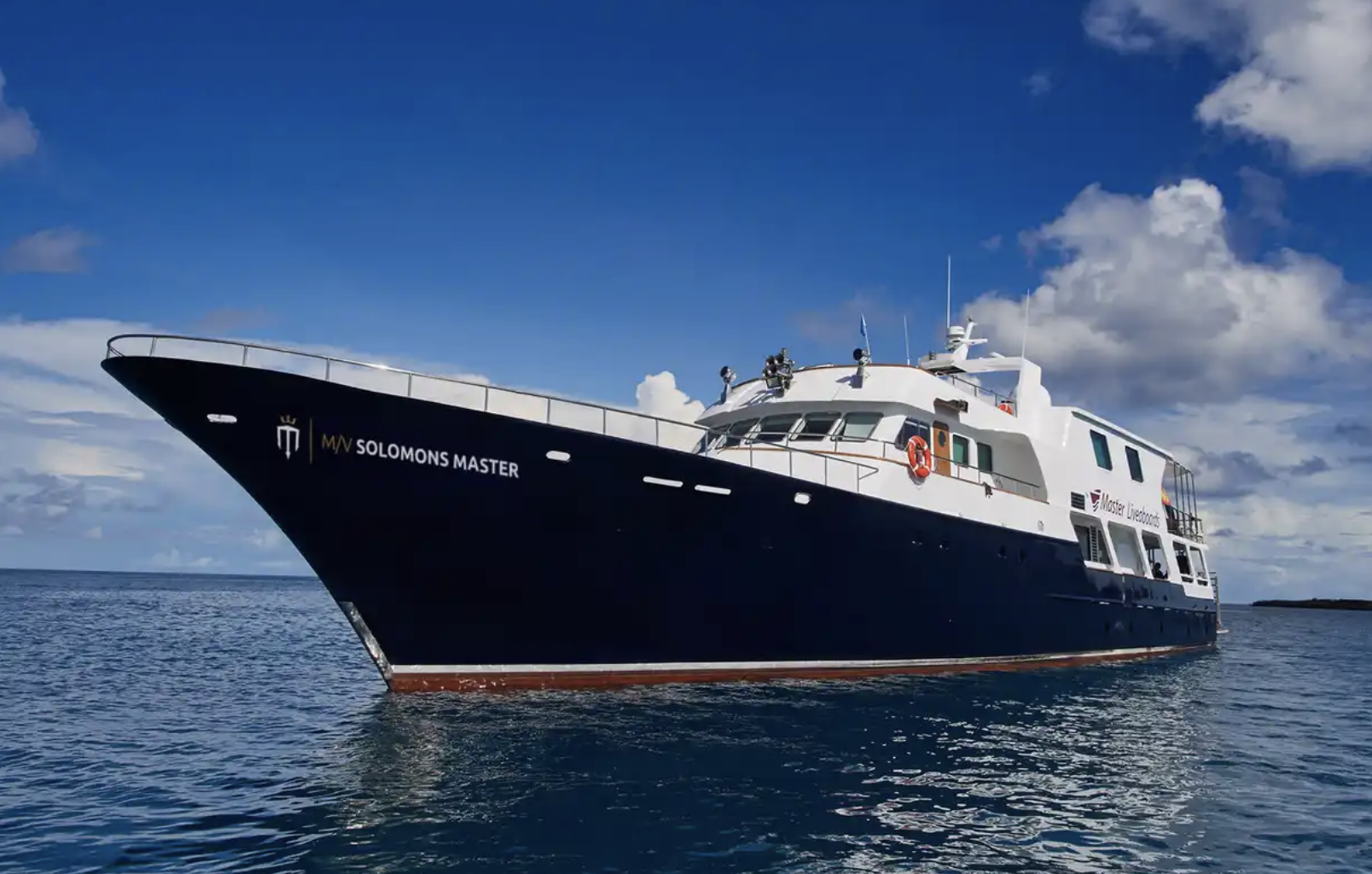
Solomons Master
Solomon Islands
16 guests
$401/day
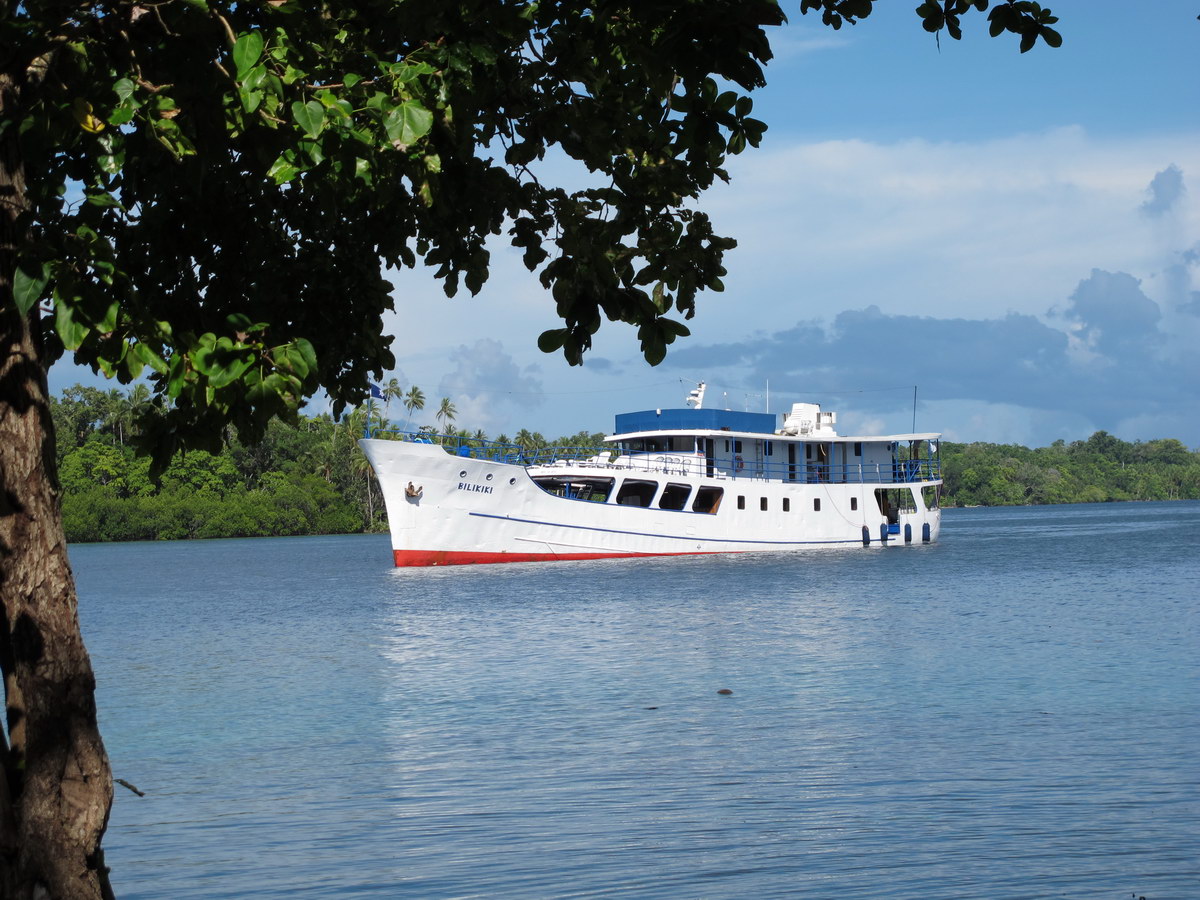
Emperor Bilikiki
Solomon Islands
20 guests38 m
$561/day
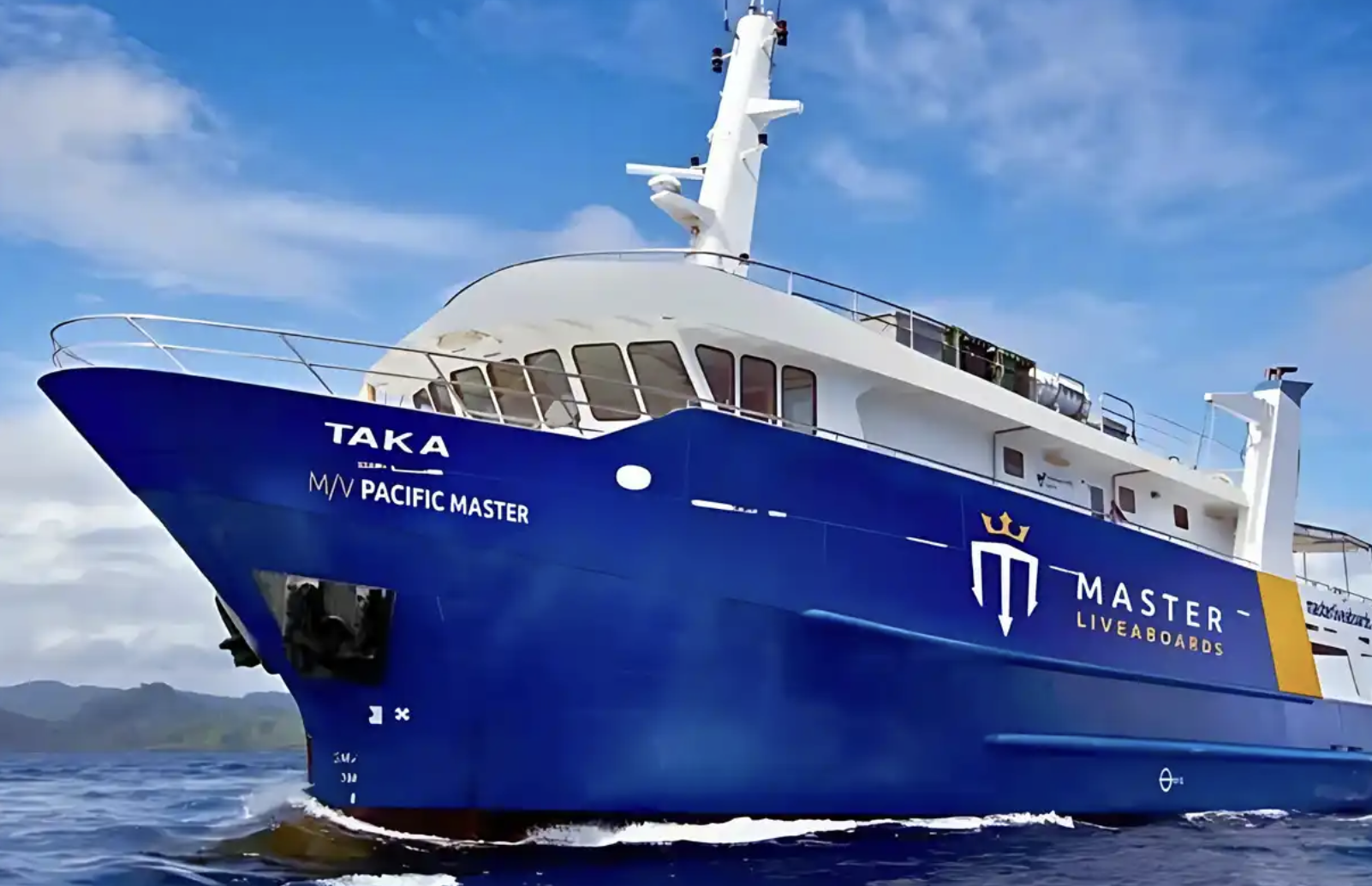
Pacific Master
Solomon Islands
20 guests30 m
$268/day
Dive sites similar to Russel Islands - Langa Langa
Same character, same waters — six more sites divers love for the exact same reasons.Compare seasons, access and liveaboard routes — then pick the site that fits your trip best.
© Esri — Maxar, Earthstar, GIS
Karumolun Point
Solomon Islands
Karumolun Point, nestled in the Russell Islands, stands as a prime example of the Solomon Islands' untouched marine beauty.
- Suitable for
- Advanced
- Current
- Strong
- Access
- Liveaboard only
- Depth
- 8–35 m
- Theme
- Pinnacle / Wall
© Esri — Maxar, Earthstar, GIS
Mary Island
Solomon Islands
Mary Island, often referred to as Mary's Island, is a celebrated dive destination in the Solomon Islands, renowned for its pristine marine environment and abundant large marine life.
- Suitable for
- Intermediate
- Current
- Mild
- Access
- Liveaboard only
- Depth
- 5–35 m
- Theme
- Wall
© Esri — Maxar, Earthstar, GIS
Marovo Lagoon - Coral Gardens
Solomon Islands
Marovo Lagoon, a UNESCO World Heritage site and the planet's largest saltwater lagoon, is a crown jewel of diving in the Solomon Islands.
- Suitable for
- Beginner
- Current
- Moderate
- Access
- Liveaboard only
- Depth
- 3–15 m
- Theme
- Reef
© Esri — Maxar, Earthstar, GIS
Mirror Pond
Solomon Islands
Mirror Pond is a distinctive cavern dive located within the Russell Islands, known for its captivating jungle-fringed entrance and dramatic underwater topography.
- Suitable for
- Intermediate
- Current
- Mild
- Access
- Liveaboard only
- Depth
- 3–10 m
- Theme
- Cave & cavern
© Esri — Maxar, Earthstar, GIS
Mbigo Mbigo
Solomon Islands
Mbigo Mbigo is a renowned dive site located in the Western Province of the Solomon Islands, accessible from Munda.
- Suitable for
- Beginner
- Current
- Mild
- Access
- Liveaboard only
- Depth
- ≤ 25 m
- Theme
- Reef
© Esri — Maxar, Earthstar, GIS
Mbulo Island
Solomon Islands
Mbulo Island, a crown jewel within the immense Marovo Lagoon in the western Solomon Islands, is renowned for its distinctive underwater topography.
- Suitable for
- Intermediate
- Current
- Mild
- Access
- Liveaboard only
- Depth
- ≤ 20 m
- Theme
- Cavern / Reef