About Balicasag Island
Balicasag Island, an almost perfectly oval-shaped coral cay southwest of Panglao, is celebrated as a premier dive destination in the Philippines. Declared a marine reserve in 1978, its waters prohibit fishing, preserving pristine coral ecosystems unlike many other parts of the archipelago. This conservation effort results in exceptionally healthy reefs, making it a bucket-list destination for divers worldwide. The island's dive sites feature dramatic walls and gentle slopes, teeming with a wide array of hard and soft corals, including impressive gorgonians. Depths typically range from 5 to 40 meters, catering to various skill levels from beginners in shallow sanctuaries to advanced divers exploring deeper walls with varying currents. Visibility here is often excellent, frequently extending beyond 25 meters, allowing for clear views of the abundant marine life. Diving here consistently offers encounters with green and hawksbill turtles, which are a common sight. Divers can also expect to witness mesmerizing 'jackfish tornadoes'—massive schools of jackfish, often accompanied by sweetlips, mackerel, and barracuda. The intricate coral walls also hide a wealth of macro life, such as frogfish, scorpionfish, morays, crabs, and shrimp, rewarding attentive observers. While largely accessible to Open Water divers, some deeper or current-prone sites are better suited for Advanced Open Water divers. Boat dives are the norm, typically originating from Panglao, providing a comfortable and guided experience. The island's popularity is managed by diver quotas, ensuring a less crowded and more enjoyable underwater experience.
Highlights
Pristine coral reefsAbundant green and hawksbill turtlesSpectacular jackfish tornadoesDramatic wall divesDiverse macro lifeExcellent visibilityMarine sanctuary protection
Season calendar
Best months to dive here
Jan
Feb
Mar
Apr
May
Jun
Jul
Aug
Sep
Oct
Nov
Dec
Excellent
Good
Dive site facts: Balicasag Island
- Depth
- 5–40 m
- Typical dive
- 20–30 m
- Current
- Medium
- Visibility
- 10–25 m
- Water temperature
- 27–30°C
- Entry
- Boat dive
- Level
- Open Water; AOWD recommended for deeper/current sites
- Dive type
- Wall, Reef, Drift, Macro
- Night dive
- Possible
- Region / port
- Bohol, Central Visayas
- Coordinates
- 9.516, 123.682
Conditions & Currents
Currents around Balicasag Island are generally rated as medium, varying in strength and direction based on local tides and specific dive sites. Divers should always attend to their guide's briefing, as currents can necessitate drift diving techniques, especially on sites like Rico's Wall and Black Forest. Excellent buoyancy control is particularly important at deeper sites like Black Forest, which can experience strong currents. Visibility typically ranges from 10 to 25 meters, though it can extend up to 40 meters on exceptional days, allowing for expansive views. Water temperatures are consistently warm, between 27-30°C, meaning thermoclines are rarely a concern. Entry and exit procedures are typically boat-based, with procedures confirmed by the dive crew.
Marine life & sighting chances

Green sea turtle
common
Hawksbill sea turtle
common
Jackfish (Trevallies)
common
Snapper
common
Barracuda
occasional
Clownfish
common
Butterflyfish
common
Parrotfish
common
Scorpionfish
occasional
Lionfish
occasional
Moray eels
common
Nudibranchs
occasional
Whale shark
rareDive profile & how the dive runs
Dives at Balicasag Island typically begin with a boat entry, often from a local banca, directly over the reef or wall. Routes vary depending on the site and current conditions. For instance, at the Balicasag Marine Sanctuary or Divers Heaven, you might start in shallow reef areas around 5 meters, gradually exploring coral gardens before descending along a slope or wall to depths of 20-25 meters to observe turtles and schooling fish. At Rico's Wall or Cathedral Wall, the dive will feature steep vertical drop-offs. Dives typically follow the contours of the reef or wall, often becoming a drift dive if currents are present, allowing the current to carry you along the vibrant underwater topography. The turn point is usually dictated by air consumption or bottom time, with an ascent made along the wall. The mandatory safety stop is performed at 5 meters, often in shallower, coral-rich areas, providing a final opportunity for marine life observation.
Underwater photography
Balicasag Island offers excellent opportunities for both wide-angle and macro photography. For wide-angle shots, a fisheye or wide-angle lens is ideal for capturing the expansive coral walls, resident turtle populations, and the impressive 'jackfish tornadoes.' The clear visibility, often exceeding 25 meters, enhances these compositions. For macro enthusiasts, the intricate coral formations and numerous crevices along the walls are home to diverse subjects like frogfish, nudibranchs, shrimp, and crabs, requiring a dedicated macro lens and proper lighting. A strobe or video light is highly recommended to bring out the true colors of the corals and marine life, especially in deeper sections or under overhangs. Buoyancy control is paramount to avoid disturbing delicate corals and to capture sharp images, particularly when hovering to photograph smaller subjects. Remember to maintain a respectful distance from marine life and avoid any contact.
Combine with nearby dive sites
- Black Forest
A deeper site on Balicasag Island, known for black corals and pelagics.
- Sumilon Island
Sumilon Island, a small volcanic island located off the southeastern coast of Cebu, holds the distinction of being the Philippines' first…
- Apo Island
Apo Island, located in the central Visayas region of the Philippines, is a globally recognized marine sanctuary celebrated for its…
Getting there & logistics
To reach Balicasag Island, you'll first fly into Panglao International Airport (TAG) on Panglao Island, which is connected by bridge to Bohol. Alternatively, you can arrive at Tagbilaran Port (Bohol's capital) via ferry from islands like Cebu, Siquijor, or Negros. From Panglao's Alona Beach, where most dive centers are located, Balicasag Island is a 25-30 minute boat ride. Dive trips are typically organized as day excursions, often including 2-3 dives around the island's various sites. Diver quotas are in place to preserve the marine environment, so booking in advance, especially during peak season, is advisable. There are usually marine park fees associated with diving at Balicasag, which are often included in the dive package.
Safety & environment
Diving at Balicasag Island is generally safe when adhering to standard dive practices and guide instructions. The nearest recompression chamber is located in Cebu, necessitating a sea and land transfer in case of an emergency, which can take several hours. Comprehensive dive insurance covering medical emergencies and evacuation is therefore strongly recommended. Site-specific hazards include potential medium currents, especially at deeper wall dives like Rico's Wall and Black Forest, requiring good buoyancy control and drift diving experience. Divers must always respect marine park regulations, such as not touching corals or marine life, and following designated entry and exit points. A thorough pre-dive briefing from your local guide is crucial to understanding daily conditions and safety protocols.
Who it suits — and who it doesn't
Suited for
- Experienced Open Water divers comfortable with boat entries and exits
- Advanced Open Water divers seeking wall and drift dives
- Underwater photographers looking for vibrant reef scenes and macro subjects
- Divers interested in frequent turtle encounters
- Those who appreciate well-preserved marine sanctuaries
Less suited for
- Beginner Open Water divers without boat dive experience
- Divers uncomfortable with medium currents
- Those who prefer shore entries
- Individuals seeking large pelagic encounters (whale sharks are rare here)
FAQ
Balicasag Island FAQ
Is Balicasag Island suitable for Open Water divers?
Yes, Balicasag Island offers sites suitable for Open Water divers, particularly in shallower areas like the Balicasag Marine Sanctuary or Divers Heaven. However, some deeper wall and drift dives are better suited for Advanced Open Water divers or those with more experience with currents. Always consult with a local dive operator to choose the best sites for your certification level and experience.
What kind of marine life can I expect to see at Balicasag Island?
Balicasag Island is renowned for its abundant marine life. You can frequently expect to see green and hawksbill sea turtles, large schools of jackfish forming 'tornadoes,' snapper, barracuda, and a rich variety of reef fish like clownfish, butterflyfish, and parrotfish. Macro enthusiasts will also find numerous frogfish, scorpionfish, moray eels, nudibranchs, and various crustaceans hidden among the corals.
Are there strong currents at Balicasag Island?
Currents at Balicasag Island are generally described as medium, though they can vary in strength depending on the specific dive site and tidal conditions. Sites like Rico's Wall and Black Forest can experience stronger currents, making them more suitable for experienced divers comfortable with drift diving. Your dive guide will provide a briefing on the expected current for each dive.
When is the best time to dive Balicasag Island?
The best time to dive Balicasag Island is during the dry season, from March to August. These months typically offer the calmest seas, best visibility, and most favorable diving conditions. While diving is possible year-round, conditions outside this period may include increased rainfall or stronger winds, impacting comfort and visibility.
How do I get to Balicasag Island for diving?
To dive at Balicasag Island, you will generally travel to Panglao Island, either by flying into Panglao International Airport or taking a ferry to Tagbilaran. From Alona Beach on Panglao, dive operators run regular boat trips to Balicasag, which is about a 25-30 minute journey. Most dive packages include round-trip boat transfers from Panglao.
Why dive Balicasag Island from a liveaboard?
Balicasag Island is one of Philippines's signature dive sites. A liveaboard sleeps you on the water and puts you in the water for three to four guided dives per day, including dawn and night dives that day-boat operators rarely offer. You skip the daily commute back to port and reach quieter, less-crowded sites in the same region on a single trip.
Below are the liveaboards that include Balicasag Island on their Philippines itineraries.
Liveaboards diving Balicasag Island
These liveaboards may visit Balicasag Island on selected itineraries — the exact dive sites depend on departure, weather and conditions.
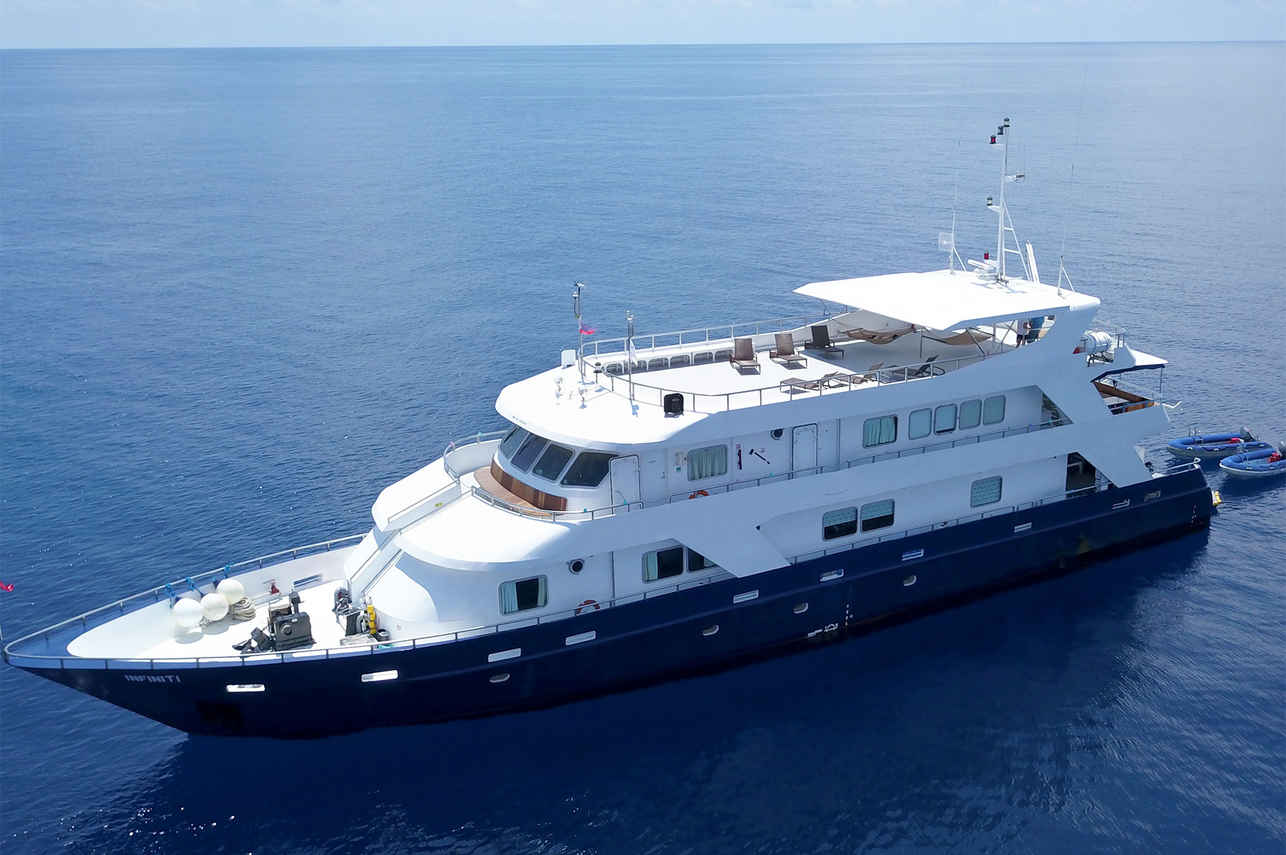
Infiniti
Philippines
25 guests39 m
$280/day
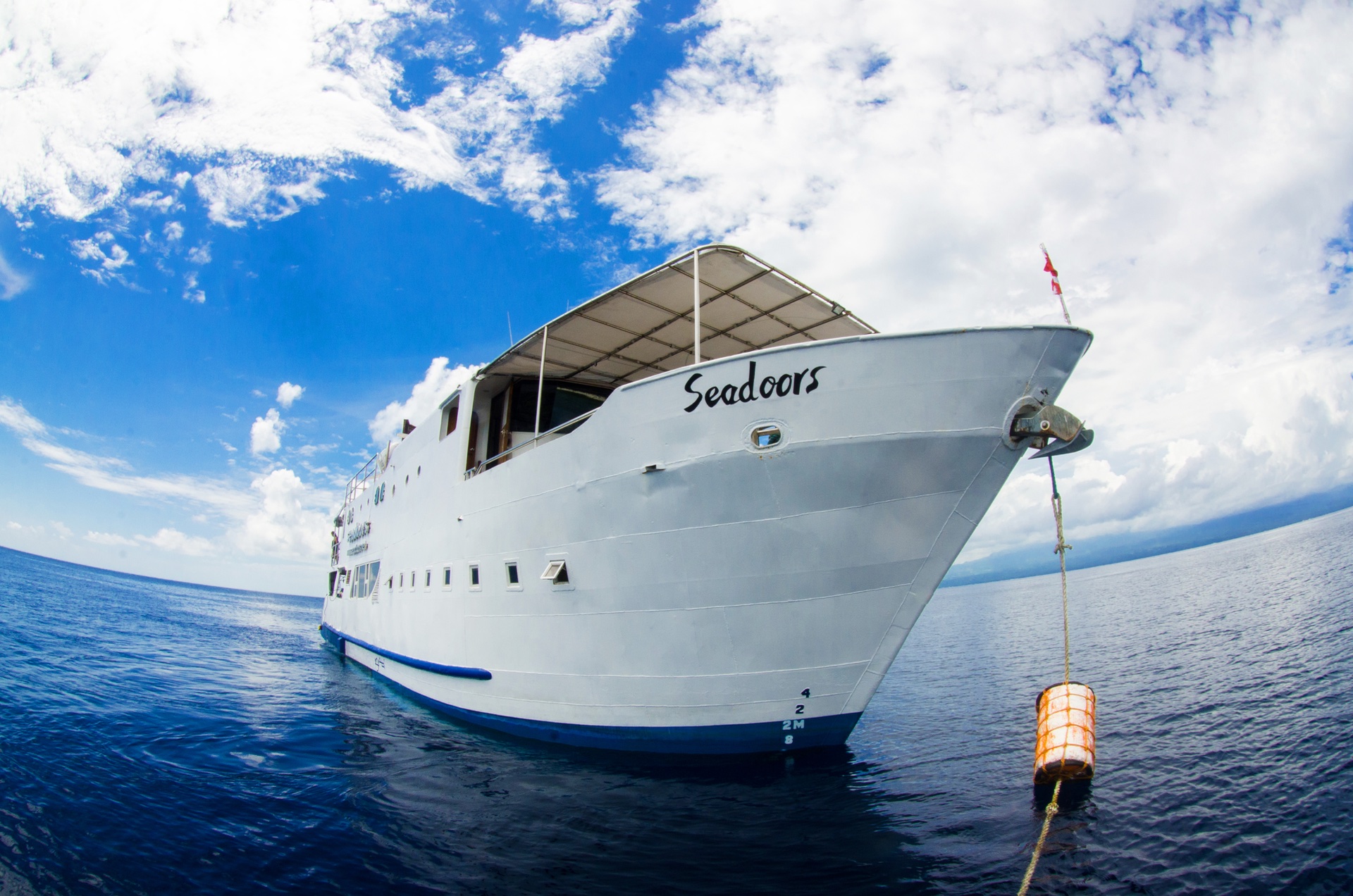
Seadoors
Philippines
16 guests25 m
$335/day
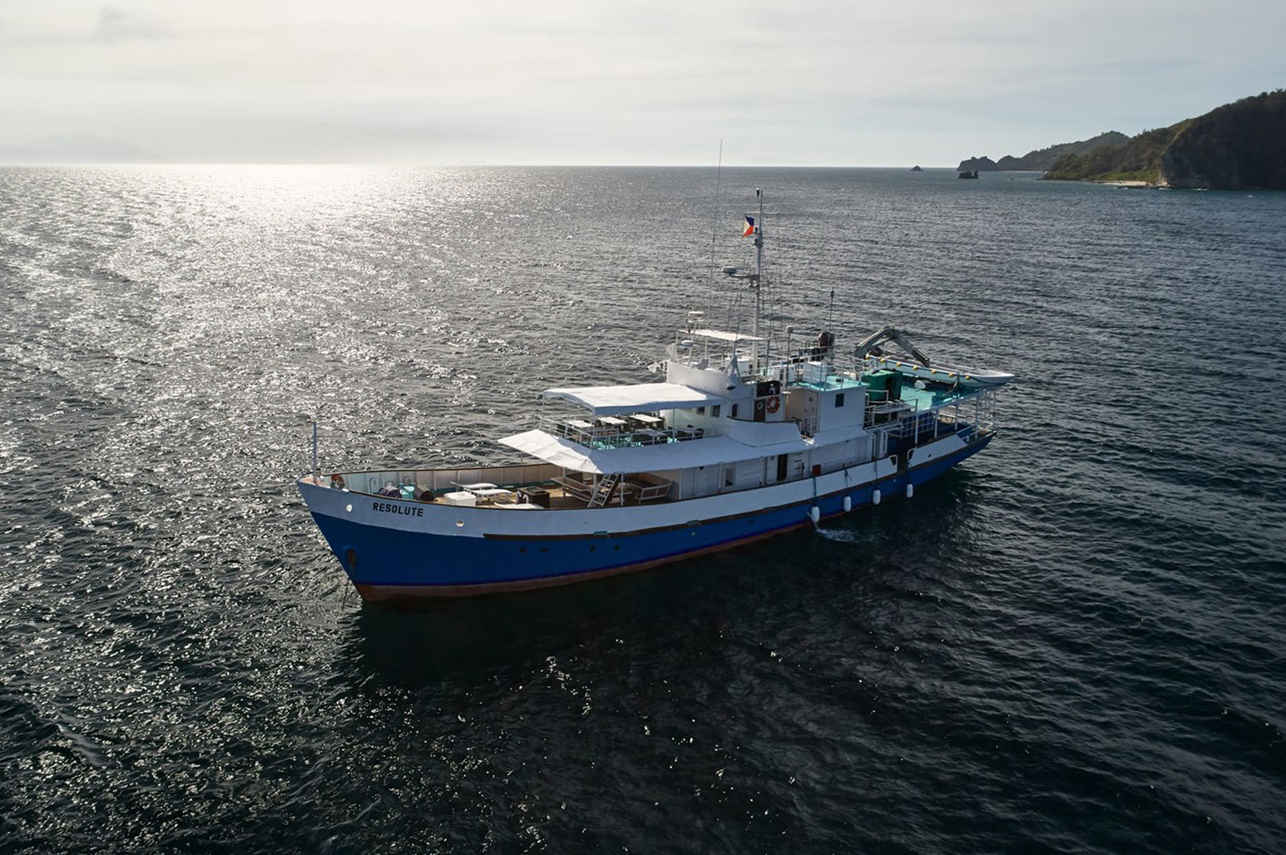
Resolute
Philippines
16 guests34.6 m
$314/day
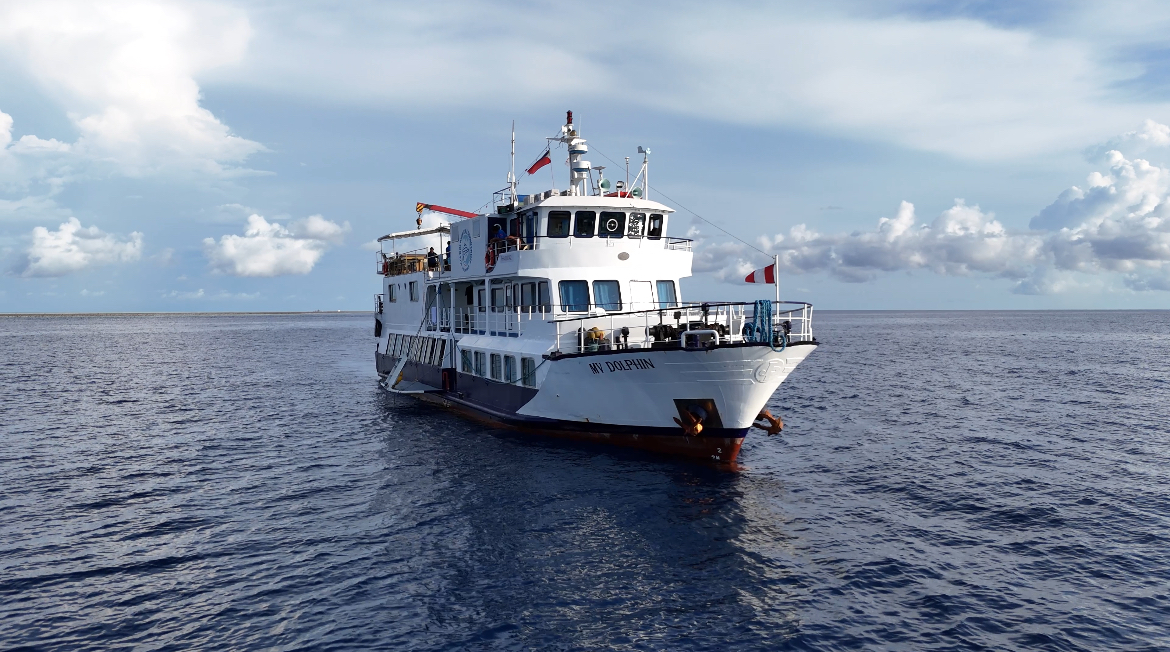
Dolphin
Philippines
18 guests31 m
$326/day
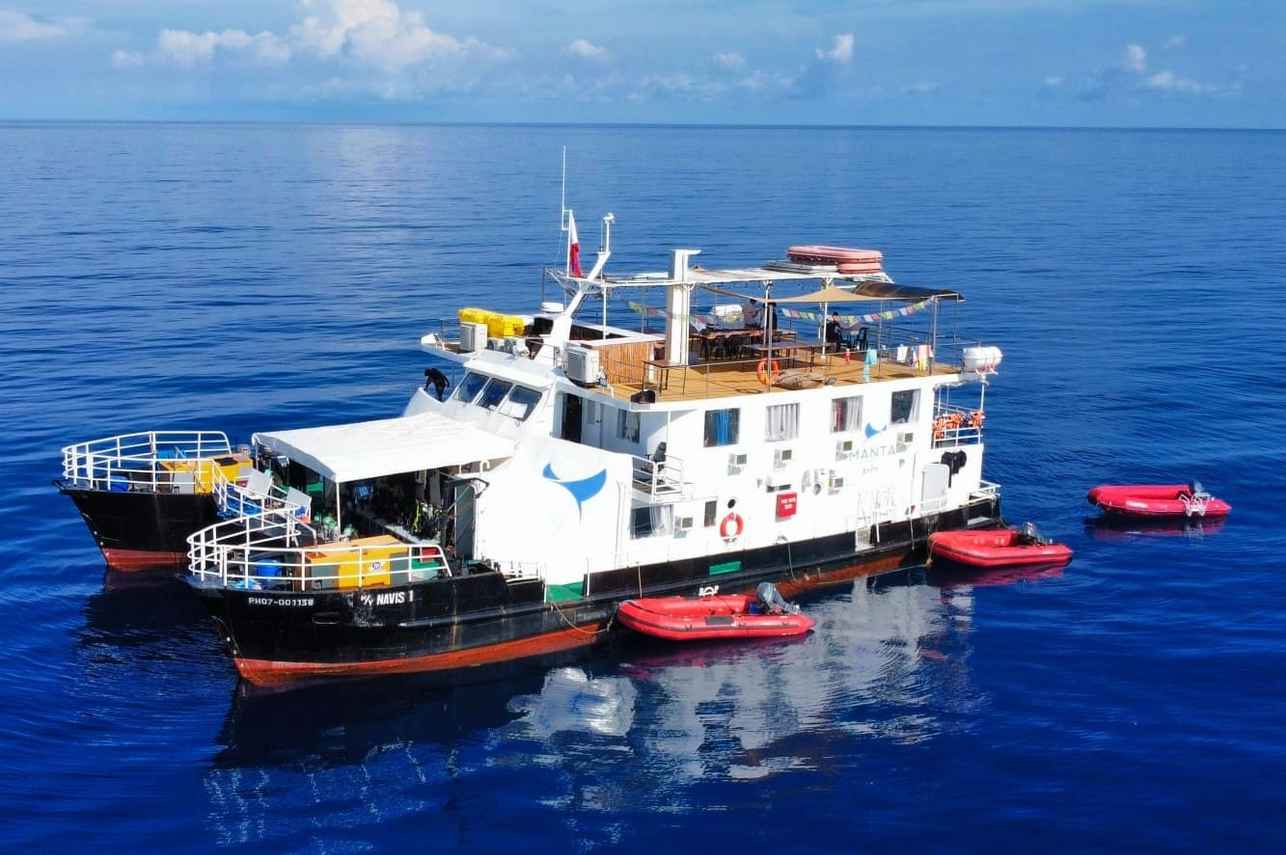
Navis 1
Philippines
22 guests23 m
$250/day
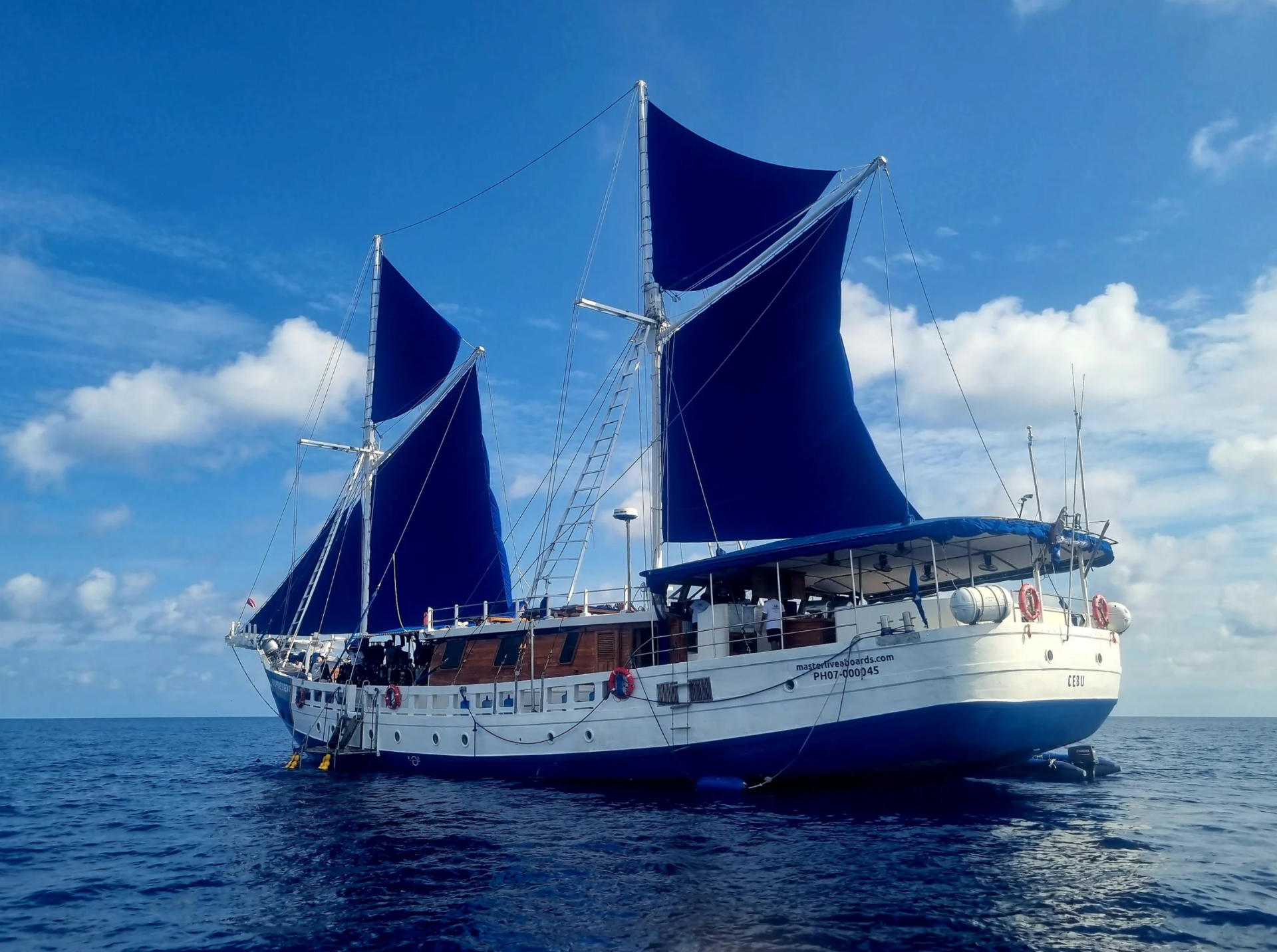
Philippine Siren
Philippines
16 guests
$309/day
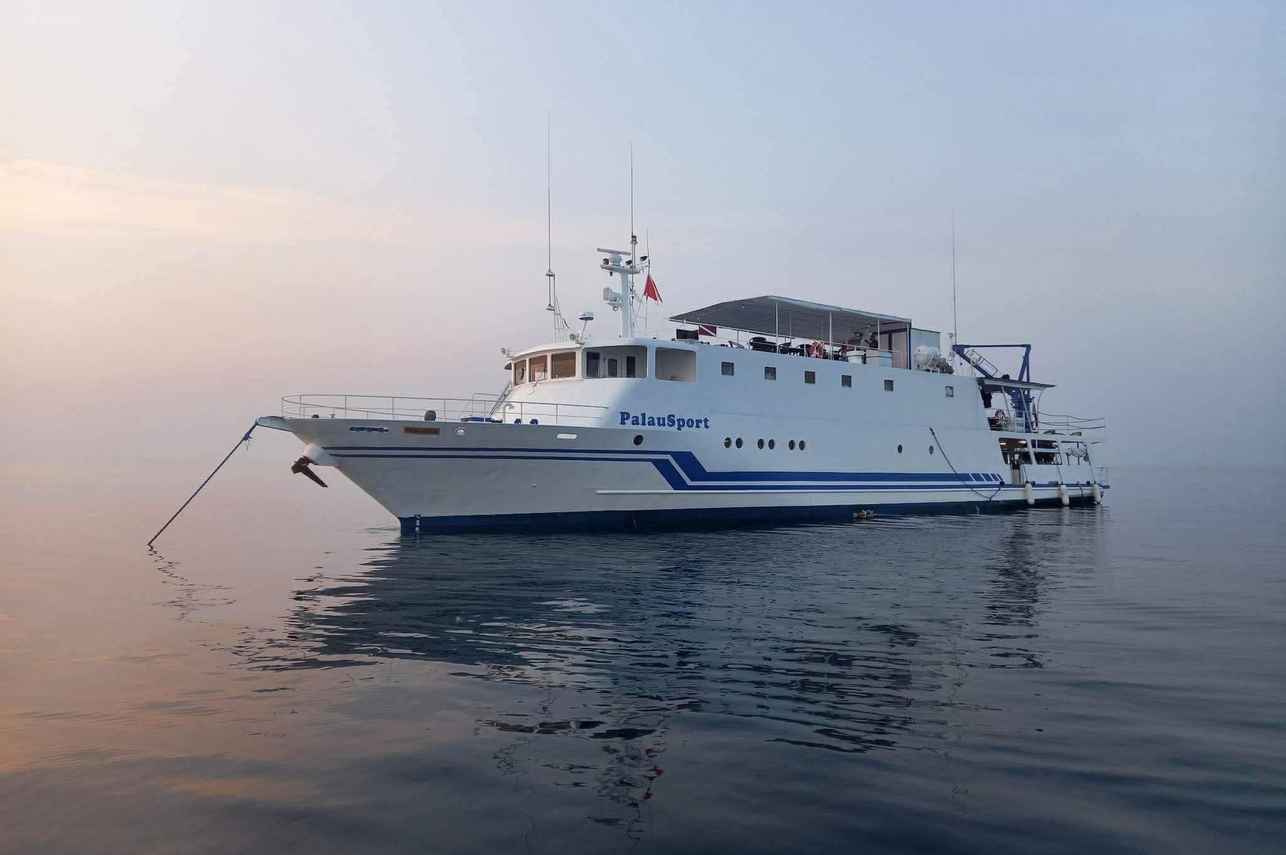
Palau Sport
Philippines
24 guests38.35 m
$215/day
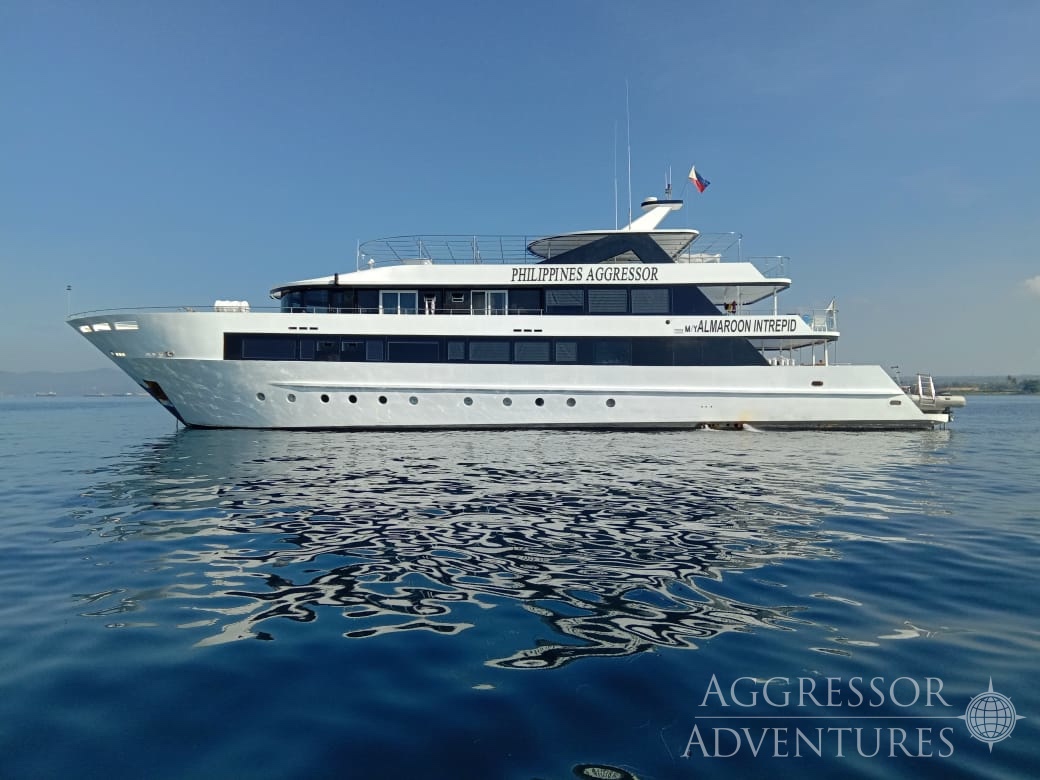
Philippines Aggressor
Philippines
26 guests42.7 m
$381/day
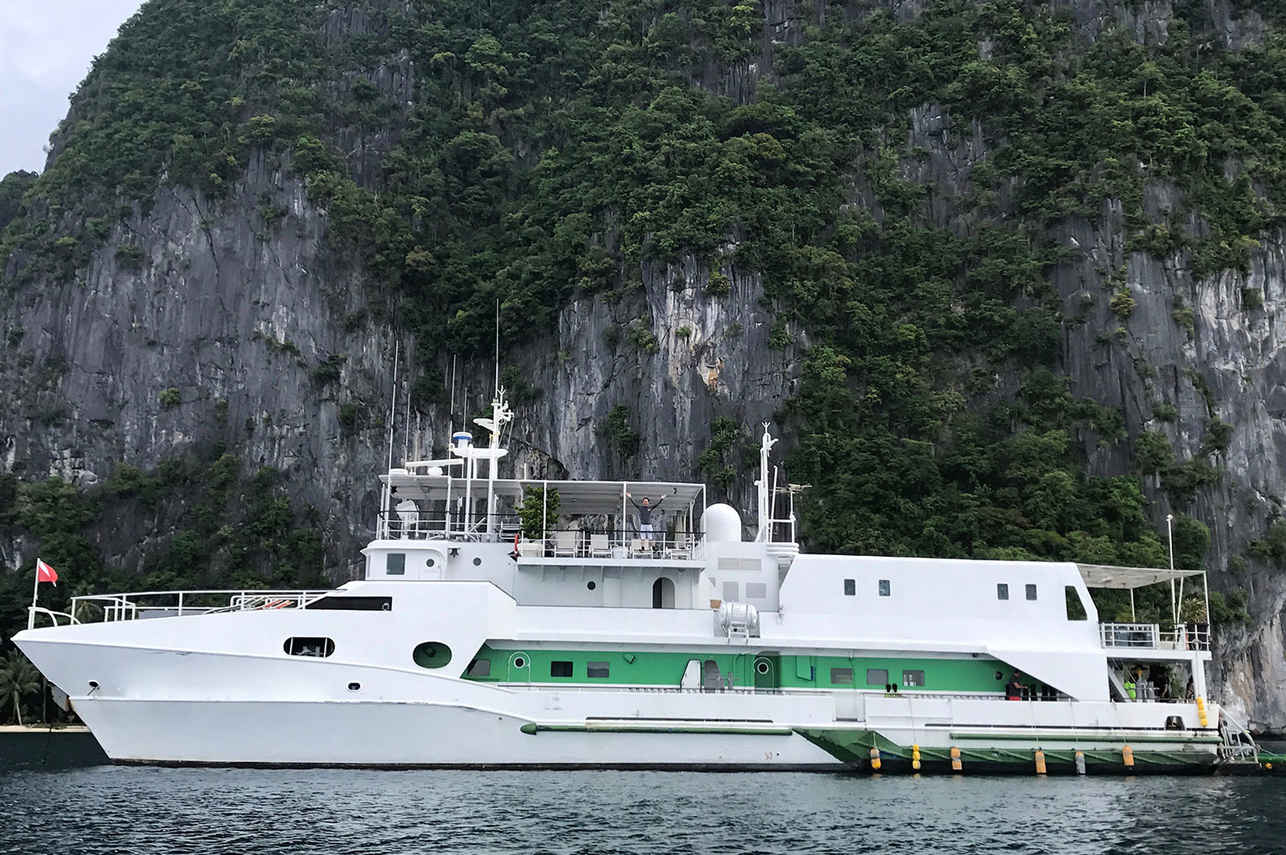
Stella Maris Explorer
Philippines
20 guests33 m
$398/day
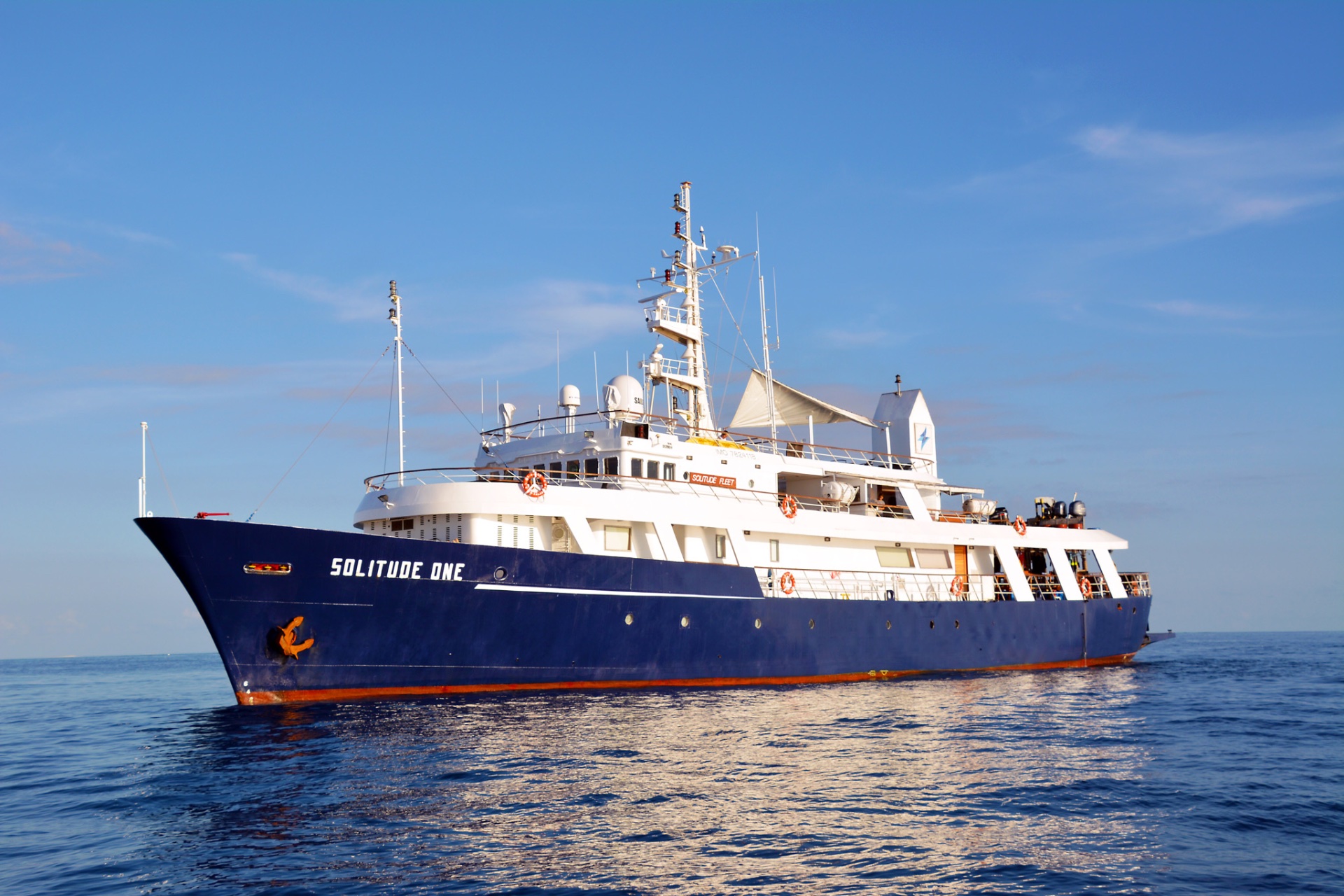
Solitude One
Philippines
24 guests52 m
$460/day
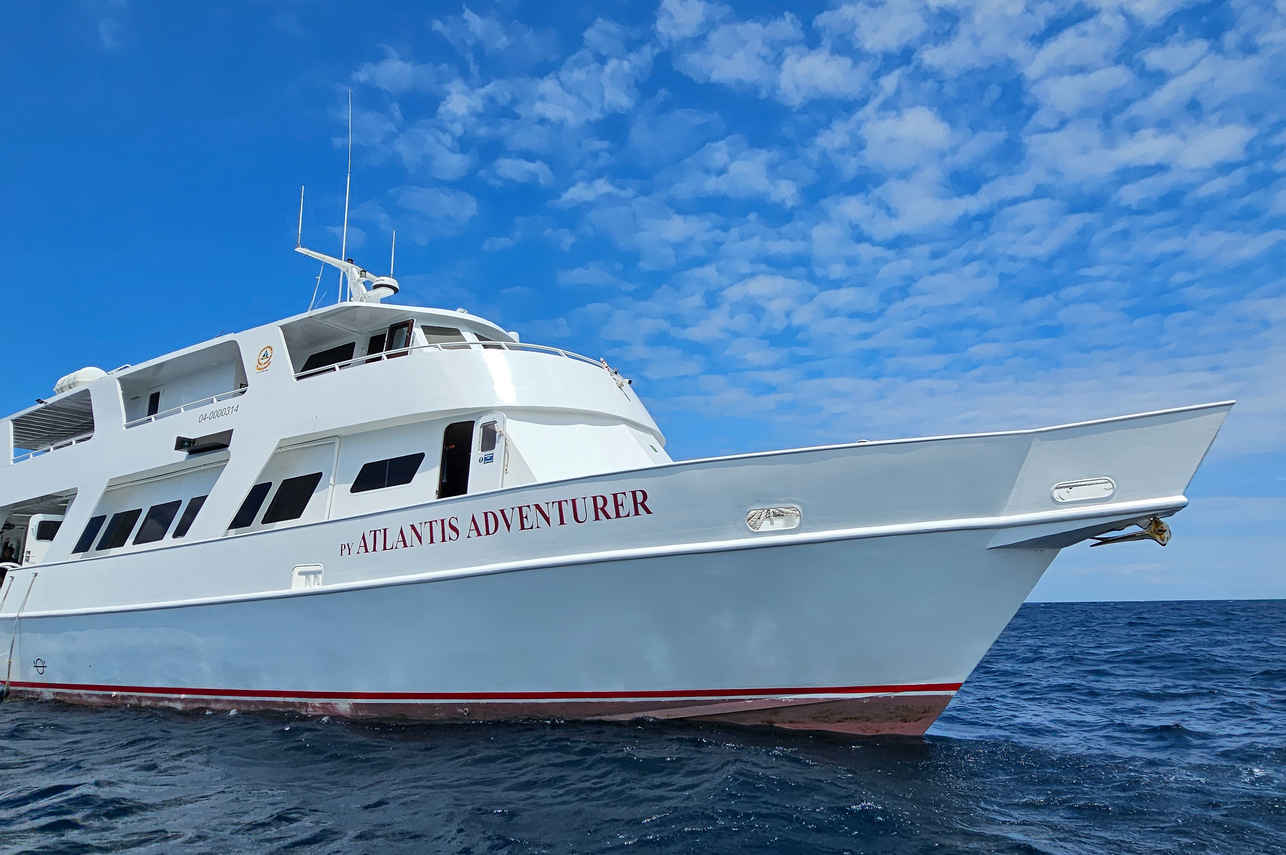
Atlantis Adventurer
Philippines
16 guests32.5 m
$421/day
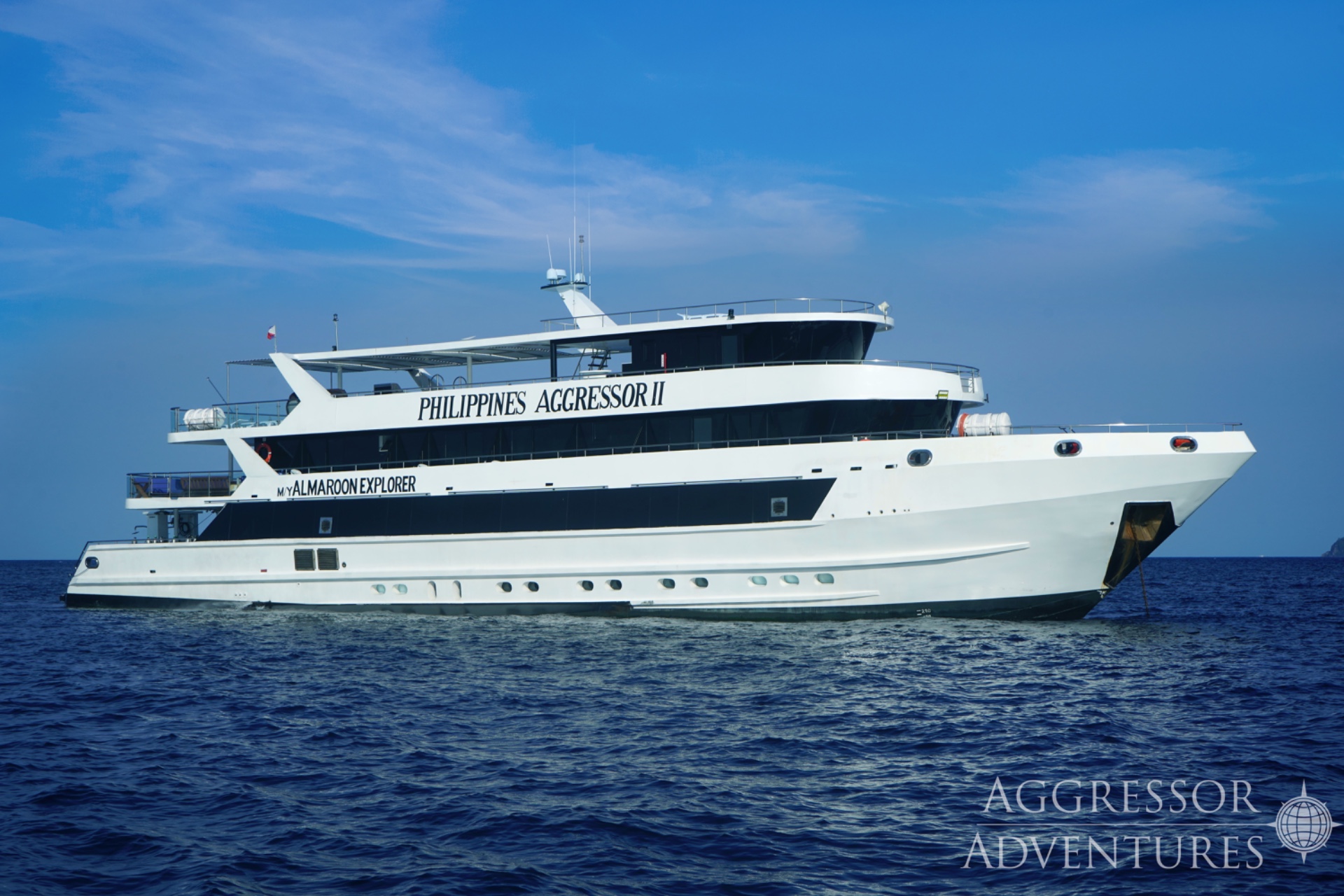
Philippines Aggressor II
Philippines
26 guests42.7 m
$247/day
Dive sites similar to Balicasag Island
Same character, same waters — six more sites divers love for the exact same reasons.Compare seasons, access and liveaboard routes — then pick the site that fits your trip best.
© Esri — Maxar, Earthstar, GIS
Big La Laguna
Philippines
Big La Laguna is a beach community situated on the western edge of the Sabang Peninsula, a popular dive region on Mindoro Island, Philippines.
- Suitable for
- Intermediate
- Current
- Moderate
- Access
- Dayboat
- Depth
- 5–35 m
- Theme
- Reef / Wall
© Esri — Maxar, Earthstar, GIS
Panagsama Beach
Philippines
Panagsama Beach, situated on a peninsula near Moalboal town in Cebu, serves as a central hub for diving activities in the region, boasting over 20 dive sites along its shoreline.
- Suitable for
- Intermediate
- Current
- Moderate
- Access
- Liveaboard or dayboat
- Depth
- ≤ 30 m
- Theme
- Reef / Wall
© Esri — Maxar, Earthstar, GIS
Binangaan Drop Off
Philippines
Binangaan Drop Off is a premier dive site within Apo Reef National Park, located off Occidental Mindoro in the Philippines.
- Suitable for
- Advanced
- Current
- Strong
- Access
- Liveaboard only
- Depth
- 10–40 m
- Theme
- Wall / Drift
© Esri — Maxar, Earthstar, GIS
Balinghai Wall
Philippines
Balinghai Wall is a notable dive site located on the northwest side of Boracay, known for its accessible wall and coral slope formations.
- Suitable for
- Intermediate
- Current
- Mild
- Access
- Dayboat
- Depth
- 8–24 m
- Theme
- Wall / Reef
© Esri — Maxar, Earthstar, GIS
Tongo Sanctuary
Philippines
Tongo Sanctuary, located in Moalboal, Cebu, is a marine protected area renowned for its dramatic underwater topography.
- Suitable for
- Beginner
- Current
- Mild
- Access
- Dayboat
- Depth
- 5–55 m
- Theme
- Reef / Wall
© Esri — Maxar, Earthstar, GIS
Barracuda Rock (Malapascua)
Philippines
Barracuda Rock, frequently referred to as Deep Rock, is an enticing dive site near Malapascua, characterized by its coral-covered curving wall and a rocky bottom.
- Suitable for
- Intermediate
- Current
- Mild
- Access
- Dayboat
- Depth
- 12–30 m
- Theme
- Reef / Wall