About Umluj Islands
Umluj, often referred to as the “Maldives of Saudi Arabia,” is an archipelago of over 100 islands located in the Tabuk Province, approximately 540 kilometers north of Jeddah. This remote coastal area boasts untouched coral gardens, crystal-clear turquoise waters, and abundant marine life, making it a premier destination for snorkeling and diving. Unlike more developed Red Sea locations, Umluj offers a genuinely off-the-beaten-path experience with minimal tourist infrastructure, focusing on natural beauty. The archipelago spans about 200 square kilometers of shallow, reef-studded sea, with each island presenting a unique character and depth profile. Jabal Hassan Island, the largest, features a dramatic rocky ridgeline and striking underwater terrain where coral formations drop steeply, creating wall dive environments. Other islands offer pristine beaches and thriving ecosystems. Diving here typically reveals populations of green and hawksbill sea turtles. The vibrant coral reefs are teeming with diverse fish species. While exact species lists aren't exhaustive in sources, the Red Sea's reputation for rich biodiversity suggests encounters with various reef inhabitants. Visibility regularly extends to 30-40 meters, offering exceptional underwater clarity. The diving experience is generally calm, suitable for those seeking nature and uncrowded waters. Local boat captains expertly navigate the conditions to create ideal itineraries. The relative lack of heavy tourism means the reefs remain in excellent condition. Expect a peaceful ambiance for your dives.
Highlights
Over 100 untouched islandsJabal Hassan Island wall divesGreen sea turtle encountersHawksbill turtle sightingsPristine coral gardensExceptional 40-meter visibilityRemote Red Sea archipelago
Season calendar
Best months to dive here
Jan
Feb
Mar
Apr
May
Jun
Jul
Aug
Sep
Oct
Nov
Dec
Excellent
Good
Dive site facts: Umluj Islands
- Depth
- 5–40 m
- Current
- Mild to occasional moderate
- Visibility
- 30–40 m
- Water temperature
- 22–32°C
- Entry
- Boat from Umluj marina
- Level
- All levels, AOWD for wall dives
- Dive type
- Reef, wall, drift
- Night dive
- Possible
- Region / port
- Tabuk Province, Saudi Red Sea
- Coordinates
- 25.07, 37.15
Conditions & Currents
The waters around Umluj are generally calm, contributing to the serene diving experience and excellent visibility. Currents are typically gentle, making it suitable for a range of diver experience levels, though stronger flows may be encountered at deeper outer reef walls, which often attract pelagic life. Visibility is consistently exceptional, often extending between 30 and 40 meters, thanks to the clear Red Sea waters. Thermoclines are generally not a significant concern, with water temperatures remaining comfortable between 22°C and 30°C year-round. Given the tranquil nature and remote location, boat traffic is minimal, ensuring uncrowded dive sites. Entry and exit methods will typically involve standard boat procedures, but the specific requirements for advanced techniques like negative entries or reef hooks are not detailed in general for Umluj, implying standard entries are common.
Marine life & sighting chances
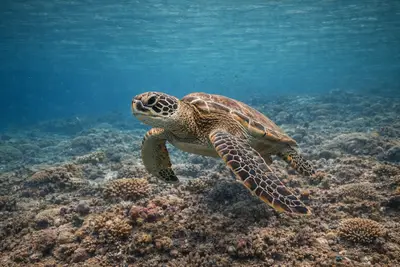
Green sea turtle
common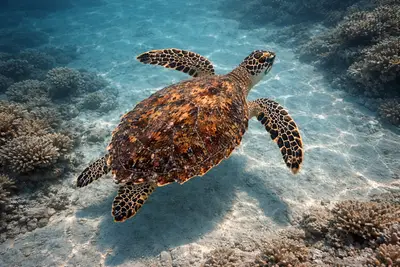
Hawksbill sea turtle
common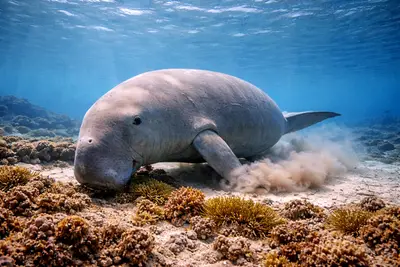
Dugong
occasional
Dolphin
common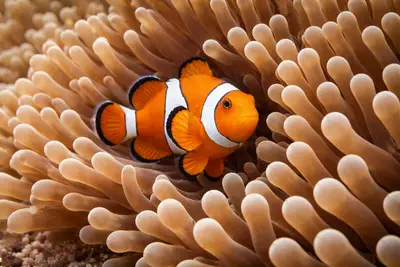
Clownfish
common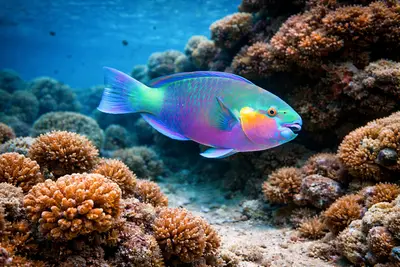
Parrotfish
common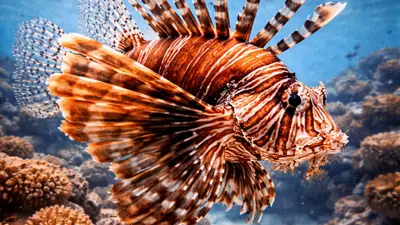
Lionfish
common
Barracuda
occasional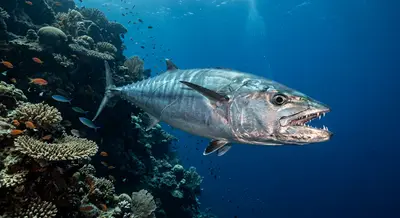
Tuna
occasional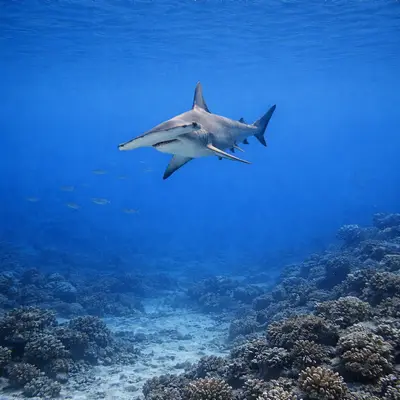
Hammerhead shark
October-April · rareDive profile & how the dive runs
A typical dive at Umluj begins with a boat entry from the marina, often heading towards one of the outer islands like Jabal Hassan. Divers will perform a controlled descent, either along a mooring line or into the blue, aiming for the vibrant coral formations. At Jabal Hassan, the dive often follows the eastern wall, which drops steeply, allowing for exploration of deeper sections where turtles and occasional dugongs are sighted. The route progresses with the current, maintaining a depth band between 15-30 meters to maximize bottom time and explore diverse reef structures. Turn points are typically determined by air consumption or remaining no-decompression limits. Towards the end of the dive, ascend gradually, completing a safety stop in the shallower, light-filled waters, often around 5 meters, which are rich in smaller reef fish and anemone gardens. The boat will track and pick up divers at the designated exit point.
Underwater photography
Umluj offers exceptional opportunities for underwater photography, particularly with wide-angle lenses to capture the expansive, healthy coral gardens and dramatic wallscapes. The consistently high visibility, often reaching 30-40 meters, allows for stunning ambient light shots in shallower areas, especially around islands like Jazirat Barda in the morning. For macro subjects like clownfish in their anemones or colorful parrotfish, a macro lens will capture intricate details. Due to the clarity and light, external strobes are beneficial for color rendition and to reduce backscatter, even in good visibility. Pay close attention to buoyancy control to avoid damaging the pristine corals. Animal encounters, particularly with turtles and dugongs, require patience and a respectful distance to capture natural behaviors without disturbance. The vivid turquoise waters over white sand create unique color palettes that are highly photogenic.
Combine with nearby dive sites
- Yanbu Coral Gardens
South of Umluj, known for diverse coral formations.
- Yanbu Wreck
Historical wreck site (Iona) in the Yanbu area.
- Seven Sisters (Jeddah)
A series of coral pinnacles known for pelagic encounters near Yanbu.
- Al Wajh Bank
Located north of Umluj, offering pristine reef systems.
- Duba Coral Forest
North along the coast, featuring extensive coral growth.
Getting there & logistics
Accessing Umluj typically involves flying into Prince Abdulmohsen bin Abdulaziz Airport (YNB) in Yanbu, which is approximately a 3-hour drive north on Route 55. Alternatively, visitors can drive from Jeddah (around 6 hours) or Tabuk city (around 4 hours), with car rental being the most practical option for exploring the region. Once in Umluj, local boat operators run island-hopping excursions and dive trips from the main marina, usually lasting a half-day. Accommodation in Umluj is primarily modest, consisting of serviced apartments and small hotels, with no large resorts. Currently, there are no specific marine park fees mentioned, but this may change with increasing tourism development. Itineraries often combine Umluj's tranquil islands with other Red Sea destinations further north or south for varied diving experiences.
Safety & environment
Diving in Umluj is generally safe due to the calm conditions and pristine environment, but standard Red Sea diving precautions apply. The nearest recompression chamber would likely be in Jeddah or Yanbu, requiring significant evacuation time in case of an emergency, emphasizing the critical importance of reliable dive insurance that covers emergency medical treatment and evacuation. Divers should ensure their equipment is in excellent condition and always dive within their certification limits. Local dive operators, though growing, may vary in standards; always verify their PADI/SSI affiliations and safety protocols. Site-specific hazards are minimal but include occasional moderate currents, which are typically covered in comprehensive dive briefings. Respect local customs and regulations, and always follow your dive guide's instructions. Always dive with a buddy and conduct thorough pre-dive safety checks.
Who it suits — and who it doesn't
Suited for
- Snorkelers and freedivers
- Underwater photographers
- Divers seeking pristine, uncrowded reefs
- Travelers interested in unique marine life encounters (dugongs, turtles)
- Intermediate and advanced divers comfortable with boat entries and potential drift
Less suited for
- Divers expecting luxury resort infrastructure
- Those looking for vibrant nightlife or extensive onshore entertainment
- Beginners without prior boat diving experience in mild currents
- Divers with limited patience for travel to remote locations
- Individuals sensitive to hot summer temperatures (May-September)
FAQ
Umluj Islands FAQ
What makes Umluj unique compared to other Red Sea destinations?
Umluj stands out due to its pristine, untouched nature and relative lack of development, offering an uncrowded diving experience. Its archipelago of over 100 islands boasts exceptionally clear turquoise waters and healthy coral gardens that have not faced the same pressures as more frequented Red Sea sites. This makes it ideal for those seeking tranquility and undisturbed marine ecosystems.
Are there dugongs in Umluj, and how often are they sighted?
Yes, dugongs are known to inhabit the waters around Umluj, particularly near Jabal Hassan Island. While sightings are not guaranteed on every dive, they are considered occasional and are a significant highlight for many visitors. The area's healthy seagrass beds provide an ideal habitat for these gentle marine mammals.
What is the visibility like in Umluj?
Underwater visibility in Umluj is consistently excellent, often reaching an impressive 30 to 40 meters. This crystal-clear water is a major draw for divers and snorkelers, allowing for breathtaking views of the vibrant coral reefs and abundant marine life. Even during occasional plankton blooms, visibility typically remains very good.
What kind of marine life can I expect to see?
Umluj is rich in marine biodiversity. You can expect to encounter green and hawksbill sea turtles, playful dolphins, and numerous reef fish species including clownfish, parrotfish, and lionfish. Occasional sightings of larger pelagics such as barracuda and tuna are also possible, especially on deeper wall dives.
Is Umluj suitable for beginner divers?
Yes, Umluj offers areas suitable for beginner divers, particularly the shallow, calm lagoons around islands like Umm Sahar. However, certain deeper wall dives may be better suited for more experienced or Advanced Open Water certified divers. All divers should be comfortable with boat entries and potentially mild currents.
Why dive Umluj Islands from a liveaboard?
Umluj Islands is one of Saudi Arabia's signature dive sites. A liveaboard sleeps you on the water and puts you in the water for three to four guided dives per day, including dawn and night dives that day-boat operators rarely offer. You skip the daily commute back to port and reach quieter, less-crowded sites in the same region on a single trip.
Below are the liveaboards that include Umluj Islands on their Saudi Arabia itineraries.
Dive sites similar to Umluj Islands
Same character, same waters — six more sites divers love for the exact same reasons.Compare seasons, access and liveaboard routes — then pick the site that fits your trip best.
Marker 35 is a captivating dive site situated within the Seven Sisters, a renowned collection of reef islands located approximately 18 miles offshore from Yanbu in Saudi Arabia.
- Suitable for
- Advanced
- Current
- Moderate
- Access
- Liveaboard only
- Depth
- 5–35 m
- Theme
- Reef / Wall
© Esri — Maxar, Earthstar, GIS
Shib Habil Reef
Saudi Arabia
Shib Habil is a small, coastal reef located off the Red Sea coast of Saudi Arabia, uniquely recognized for hosting a significant aggregation of whale sharks.
- Suitable for
- Advanced
- Current
- Moderate
- Access
- Liveaboard only
- Depth
- 5–23 m
- Theme
- Reef / Drift
© Esri — Maxar, Earthstar, GIS
Marker 42 Mansi
Saudi Arabia
Marker 42 Mansi, or "the forgotten" in Arabic, is a distinctive and isolated madreporic coral column situated in Saudi Arabia's Seven Sisters region, approximately 18 kilometers west of Yanbu Port.
- Suitable for
- Advanced
- Current
- Moderate
- Access
- Liveaboard only
- Depth
- 20–40 m
- Theme
- Reef / Wall
© Esri — Maxar, Earthstar, GIS
Farasan Islands
Saudi Arabia
The Farasan Islands, situated in the southern Red Sea off the coast of Jazan, represent Saudi Arabia's premier destination for biodiverse diving.
- Suitable for
- Advanced
- Current
- Strong
- Access
- Liveaboard only
- Depth
- 10–40 m
- Theme
- Wall / Reef
© Esri — Maxar, Earthstar, GIS
Cable Wreck
Saudi Arabia
The Cable Wreck, also known as the Staphonos or Greek Staphonos, lies off Jeddah's coast in Saudi Arabia.
- Suitable for
- Intermediate
- Current
- Moderate
- Access
- Dayboat
- Depth
- 24–24 m
- Theme
- Wreck / Reef
© Esri — Maxar, Earthstar, GIS
Cable Wreck (Jeddah)
Saudi Arabia
The Cable Wreck, originally known as the Staphonos, sank in 1978 near Jeddah while carrying a cargo of construction materials, including steel beams, cables, chain link fence, and asbestos sheets.
- Suitable for
- Intermediate
- Current
- Moderate
- Access
- Dayboat
- Depth
- 15–24 m
- Theme
- Wreck / Reef