About Lord Howe Island - Ball's Pyramid
Ball's Pyramid, located approximately 20 kilometers southeast of Lord Howe Island, is a spectacular remnant of a shield volcano and stands as the world's tallest sea stack. This remote pinnacle provides an exceptional advanced diving experience, characterized by steep volcanic walls, intricate caves, and clear blue waters, making it a premier offshore dive destination. Divers here explore depths ranging from 5 to 30 meters, navigating current-affected areas and witnessing a vibrant ecosystem of colorful corals and aquatic plants blanketing the rock surfaces. The site's unique position at the crossroads of major ocean currents fosters an extraordinary biodiversity, blending tropical, subtropical, and temperate species found nowhere else. Marine life encounters are a highlight, with frequent sightings of Galapagos sharks, large schools of pelagic fish like trevally and kingfish, and the rare Ballina Angelfish. The dramatic underwater topography, combined with excellent visibility, creates a compelling environment for experienced divers seeking unique challenges and abundant marine encounters. Trips to Ball's Pyramid are highly weather-dependent and require favorable conditions due to its exposed open-ocean location. Access is exclusively by boat from Lord Howe Island, typically arranged through local dive operators who ensure safety and guide divers through its complex underwater landscapes.
Highlights
World's tallest sea stackGalapagos sharks aggregationRare Ballina AngelfishDramatic volcanic topographyAbundant pelagic schoolsCrystal clear open oceanAdvanced drift and wall diving
Season calendar
Best months to dive here
Jan
Feb
Mar
Apr
May
Jun
Jul
Aug
Sep
Oct
Nov
Dec
Excellent
Good
Dive site facts: Lord Howe Island - Ball's Pyramid
- Depth
- 5–30 m (max 46 m)
- Typical dive
- 16–25 m
- Current
- Strong
- Visibility
- 30 m
- Water temperature
- 17–26 °C
- Entry
- Boat / Tender / Negative entry
- Level
- Advanced
- Dive type
- Pinnacle, wall, drift, cave
- Night dive
- Not typical / Not advertised
- Region / port
- Lord Howe Island, Australia
- Coordinates
- -31.7533, 159.2483
Conditions & Currents
Ball's Pyramid is an advanced dive site frequently characterized by strong and unpredictable currents, particularly on its exposed ledges, which can strip areas bare. Divers can anticipate drift diving scenarios, with local operators often utilizing the rock stacks for shelter during descent and ascent. Slack tide dependency is crucial for safer entry and exit, though conditions remain dynamic and require careful planning. The site is in an open-ocean environment, meaning surface conditions can be choppy with significant surge, making tender entries and free blue-water ascents common. Visibility is typically excellent, often exceeding 30 meters, but strong currents can sometimes stir up particulate matter. Divers must be proficient in current diving techniques and comfortable with advanced conditions, as unplanned blue-water sections are possible.
Marine life & sighting chances


Galapagos shark
common
Violet Sweep
common
Amberjack
common
Kingfish
common
Silver Drummer
common
Rainbow Runners
common
Trevally
common
Marlin
occasional
Dolphin
occasional
Painted Rock Lobster
occasional
White Spotted Chromis
common
Sweetlips
occasional
Snapper
occasionalDive profile & how the dive runs
Diving Ball's Pyramid typically involves boat entry close to the rock face, often requiring a negative entry to quickly descend and seek shelter from potential currents. A common route, such as Observatory Rock, starts tight against the north wall, zigzagging down to explore between rock stacks, using them for protection from the southerly flow. Depths can range from 5 meters at the top of the rocks to 25 meters around their bases. Another profile, like South East Rock, involves stepping down ledges to 30 meters, then ascending along the slope. Dives are often drift-oriented, moving with the current along the vibrant coral and sponge-covered walls. Turn points are dictated by air consumption and current, leading to a blue-water ascent, where safety stops are conducted in the open ocean. Keep an eye out for circling Galapagos sharks during the ascent, particularly around the 5-meter mark.
Underwater photography
Ball's Pyramid presents excellent opportunities for both wide-angle and macro photography, though managing currents is key. For wide-angle shots, a fisheye or wide-angle rectilinear lens will capture the dramatic sea stack, schooling pelagics like trevally and kingfish, and aggregations of Galapagos sharks. Visibility is generally outstanding, allowing for stunning scenic compositions. For macro subjects, search crevices and sheltered areas for colorful corals, nudibranchs, and the elusive Ballina Angelfish. Strong currents necessitate excellent buoyancy control to maintain position and stability for sharp images. Consider using powerful strobes to bring out the true colors of the corals and fish, especially at deeper sections or in shaded areas of the rock formations. Always respect marine life, particularly the sharks, by maintaining a safe distance and avoiding sudden movements.
Combine with nearby dive sites
- Lord Howe Island - Erscotts Hole
A sheltered lagoon dive with excellent visibility and diverse marine life, suitable for all levels.
- Lord Howe Island - Lighthouse Bommies
Known for abundant fish life and coral formations, often combined with other Lord Howe Island dives.
- North Solitary Island
Part of the Solitary Islands Marine Park, offering temperate and tropical marine life.
- South Solitary Island
Another key dive site in the Solitary Islands, known for diverse ecosystems and pelagics.
Getting there & logistics
Access to Ball's Pyramid is exclusively via Lord Howe Island, which is a two-hour flight from Sydney. Travelers should fly into Lord Howe Island Airport (LDH). Due to the remote location and environmental protection, only 400 visitors are permitted on the island at any one time. Dive trips to Ball's Pyramid cannot be pre-booked far in advance, as they are entirely weather-dependent and typically require specific conditions and diver numbers. It's usually integrated into a longer dive package from Lord Howe Island, which has a single, experienced dive operator. Be aware of strict luggage weight restrictions for flights to Lord Howe Island, typically 23 kg total (1x 14kg & 1x 9kg bags), so plan dive gear accordingly.
Safety & environment
Diving Ball's Pyramid requires advanced certification and experience with strong currents due to its exposed open-ocean environment. Key hazards include unpredictable currents, potential for blue-water ascents, and encounters with large pelagic species such as sharks. Divers must always follow the lead of local, experienced guides who are familiar with the site's dynamic conditions. There are no recompression chambers directly on Lord Howe Island, making evacuation the only option in case of a serious dive incident. Comprehensive dive insurance, including evacuation coverage, is mandatory. A 5-minute safety stop is strictly enforced. Given the remote nature of the site and the challenges it presents, conservative dive planning and excellent physical fitness are essential.
Who it suits — and who it doesn't
Suited for
- Advanced certified divers
- Experienced drift divers
- Divers seeking large pelagic encounters
- Underwater photographers comfortable with currents
- Adventurous divers comfortable with remote locations
Less suited for
- Beginner divers
- Divers uncomfortable with strong currents
- Divers prone to seasickness
- Those without advanced certification
- Divers seeking easy, sheltered dives
FAQ
Lord Howe Island - Ball's Pyramid FAQ
What makes Ball's Pyramid a special dive site?
Ball's Pyramid is the world's tallest sea stack and offers a unique blend of tropical and temperate marine life due to its location at the confluence of several ocean currents. Divers can expect dramatic volcanic topography, rich coral growth, large schools of pelagic fish, and sightings of rare species like the Ballina Angelfish, all within a clear, open-ocean environment.
What kind of marine life can I expect to see at Ball's Pyramid?
The site is famous for its aggregations of Galapagos sharks, often seen circling divers. You'll also encounter massive schools of Violet Sweep, Amberjack, Kingfish, Silver Drummer, Rainbow Runners, and Trevally. Occasionally, Marlin, Dolphins, and the world's rarest angelfish, the Ballina Angelfish, are spotted here.
Is Ball's Pyramid suitable for beginner divers?
No, Ball's Pyramid is considered an advanced dive site. It is located in the open ocean, experiences strong and unpredictable currents, and often requires specific entry and exit techniques. Divers should be advanced certified, comfortable with drift diving, and have experience with challenging conditions.
How do divers access Ball's Pyramid?
Ball's Pyramid is accessed by boat from Lord Howe Island, which is a two-hour flight from Sydney. Dive trips are highly dependent on weather and sea conditions, and are typically organized by the local dive operator on Lord Howe Island when conditions are favorable. It is not possible to plan these trips far in advance.
What are the typical diving conditions at Ball's Pyramid?
Divers should anticipate clear blue water with visibility often exceeding 30 meters. However, strong currents are common, dictating drift dives along walls and through passages. Water temperatures range from 17°C in winter to 26°C in summer. Surface conditions can be choppy, reflecting its exposed open-ocean location.
Are there any specific safety considerations for diving Ball's Pyramid?
Yes, safety is paramount at this advanced site. Divers must be proficient in current diving and adhere strictly to dive guide instructions. Due to the remote location, emergency services and recompression chambers are not immediately available on Lord Howe Island, so comprehensive dive insurance including evacuation is essential. Conservative dive profiles and a 5-minute safety stop are standard practice.
Why dive Lord Howe Island - Ball's Pyramid from a liveaboard?
Lord Howe Island - Ball's Pyramid is one of Australia's signature dive sites. A liveaboard sleeps you on the water and puts you in the water for three to four guided dives per day, including dawn and night dives that day-boat operators rarely offer. You skip the daily commute back to port and reach quieter, less-crowded sites in the same region on a single trip.
Below are the liveaboards that include Lord Howe Island - Ball's Pyramid on their Australia itineraries.
Liveaboards diving Lord Howe Island - Ball's Pyramid
These liveaboards may visit Lord Howe Island - Ball's Pyramid on selected itineraries — the exact dive sites depend on departure, weather and conditions.
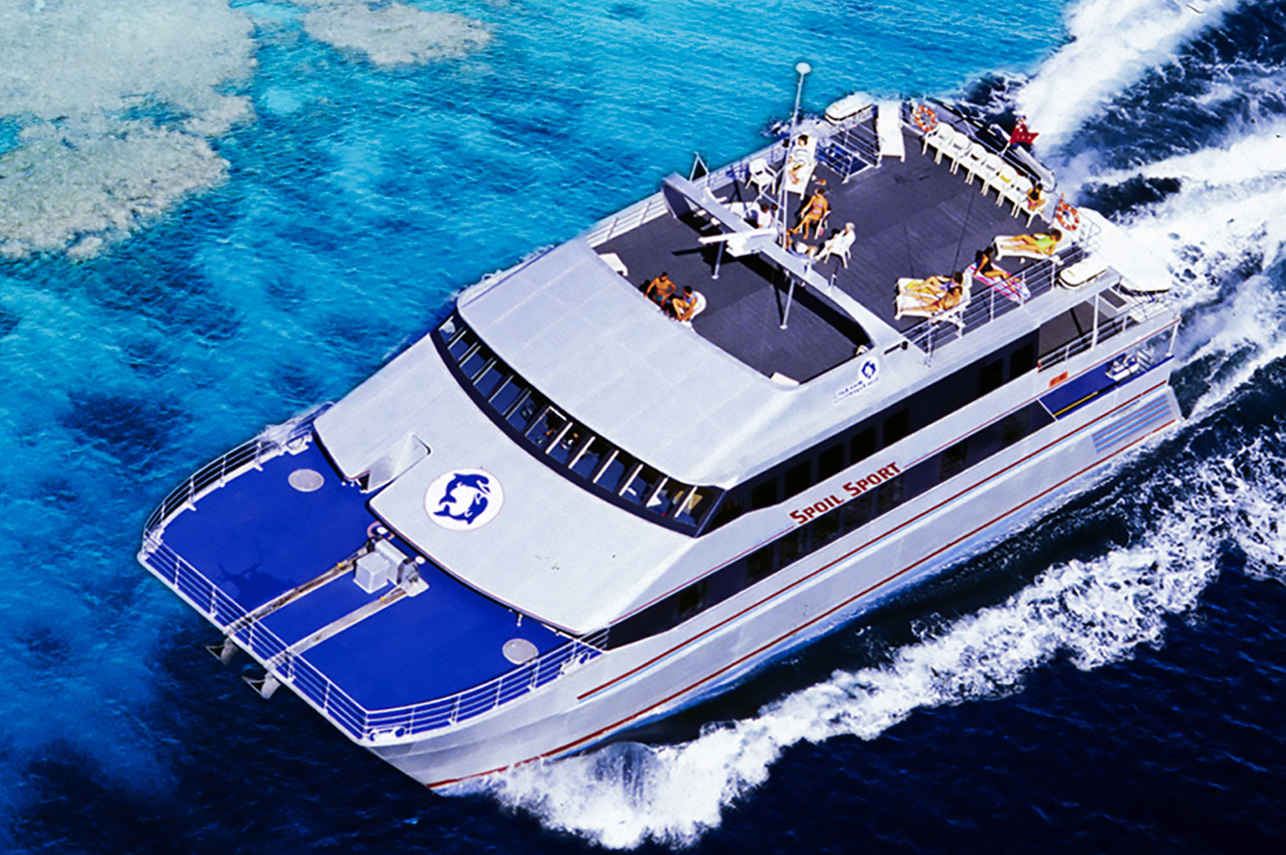
Spoilsport
Australia
28 guests30 m
$292/day
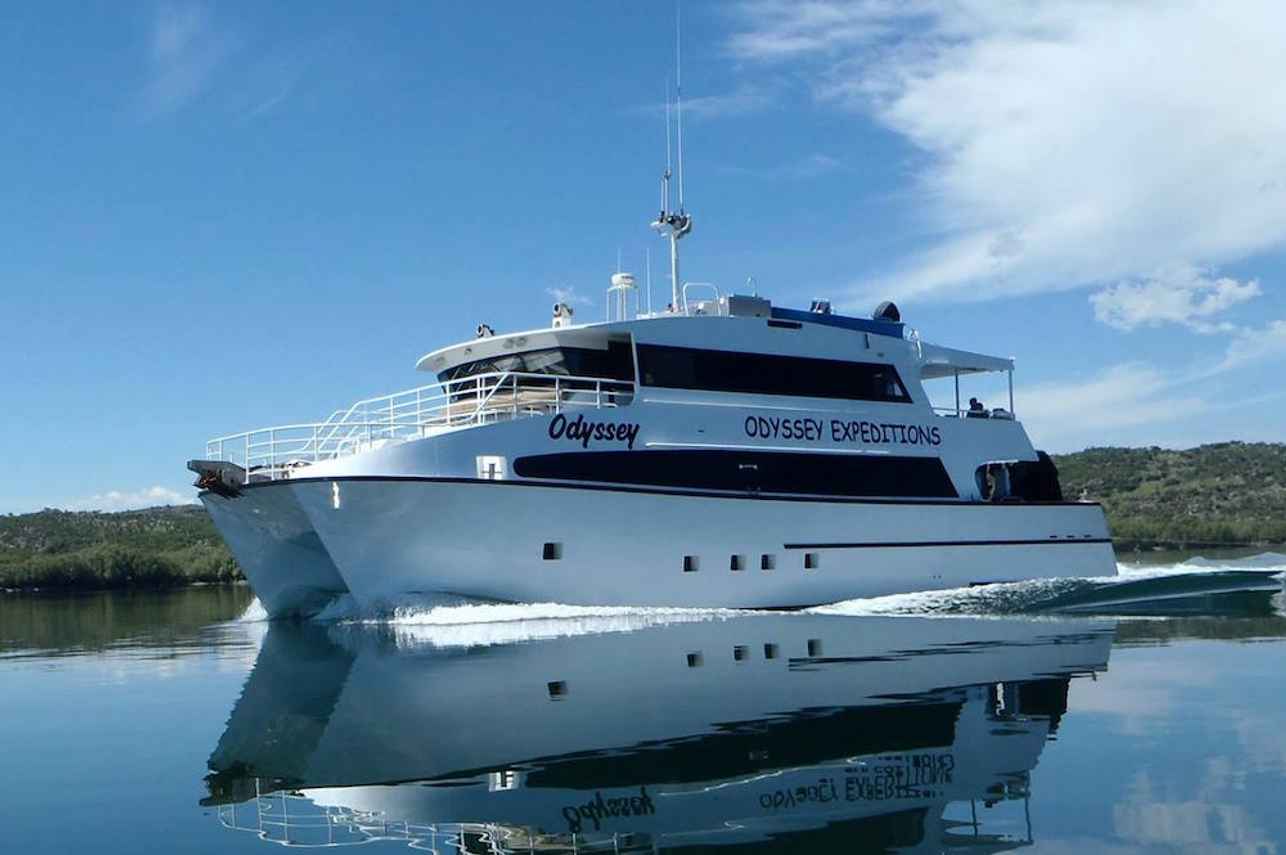
Odyssey Liveaboard
Australia
20 guests24 m
$392/day
Dive sites similar to Lord Howe Island - Ball's Pyramid
Same character, same waters — six more sites divers love for the exact same reasons.Compare seasons, access and liveaboard routes — then pick the site that fits your trip best.
© Esri — Maxar, Earthstar, GIS
Agincourt Reef
Australia
Agincourt Reef sits on the outer edge of the Great Barrier Reef, roughly 60–72 km off Port Douglas in Far North Queensland, at the southern end of the true ribbon reefs that run…
- Suitable for
- Beginner
- Current
- Moderate
- Access
- Dayboat
- Depth
- 2–20 m
- Theme
- Reef / Wall
© Esri — Maxar, Earthstar, GIS
Raine Island
Australia
Raine Island is a pivotal dive site located in the Far Northern Great Barrier Reef, approximately 85 kilometers east-north-east of Cape Grenville and just over 4 nautical miles south of the island itself.
- Suitable for
- Advanced
- Current
- Strong
- Access
- Liveaboard only
- Depth
- 5–40 m
- Theme
- Reef / Wall
© Esri — Maxar, Earthstar, GIS
Rottnest Island
Australia
Rottnest Island, located approximately 18 kilometers off Perth, Western Australia, offers exceptional diving characterized by its distinctive limestone formations.
- Suitable for
- Intermediate
- Current
- Mild
- Access
- Dayboat
- Depth
- 8–22 m
- Theme
- Reef / Cave & cavern
© Esri — Maxar, Earthstar, GIS
Jeff’s Edge
Australia
Jeff's Edge is a renowned dive site situated on the outer reef of Lady Musgrave Island, an exquisite part of the Southern Great Barrier Reef in Queensland, Australia.
- Suitable for
- Advanced
- Current
- Strong
- Access
- Dayboat
- Depth
- 6–22 m
- Theme
- Wall / Drift
© Esri — Maxar, Earthstar, GIS
Sutherland Point
Australia
Sutherland Point offers an accessible shore diving experience along the dramatic coastline of Kurnell in Botany Bay, Sydney, New South Wales.
- Suitable for
- Beginner
- Current
- Mild
- Access
- Shore / dayboat
- Depth
- ≤ 12 m
- Theme
- Reef / Wall
© Esri — Maxar, Earthstar, GIS
Cocos Keeling - Enterprise
Australia
Enterprise is a dynamic dive site located in the Cocos (Keeling) Islands, renowned for its dramatic topography and abundant pelagic action.
- Suitable for
- Advanced
- Current
- Strong
- Access
- Dayboat
- Depth
- 15–35 m
- Theme
- Reef / Wall